Hit enter to search or ESC to close
February 3, 2026
Drywall ducts, also known as flex ducts, are a crucial component of HVAC systems in both residential and commercial buildings. They efficiently distribute heated or cooled air throughout a structure, ensuring comfortable indoor temperatures. Choosing the right drywall duct for your project is vital for optimal performance and energy efficiency. At Jinka IBM, we specialize in providing high-quality, durable, and customizable drywall duct solutions. This article explores everything you need to know about drywall ducts, from their types and applications to installation and maintenance.
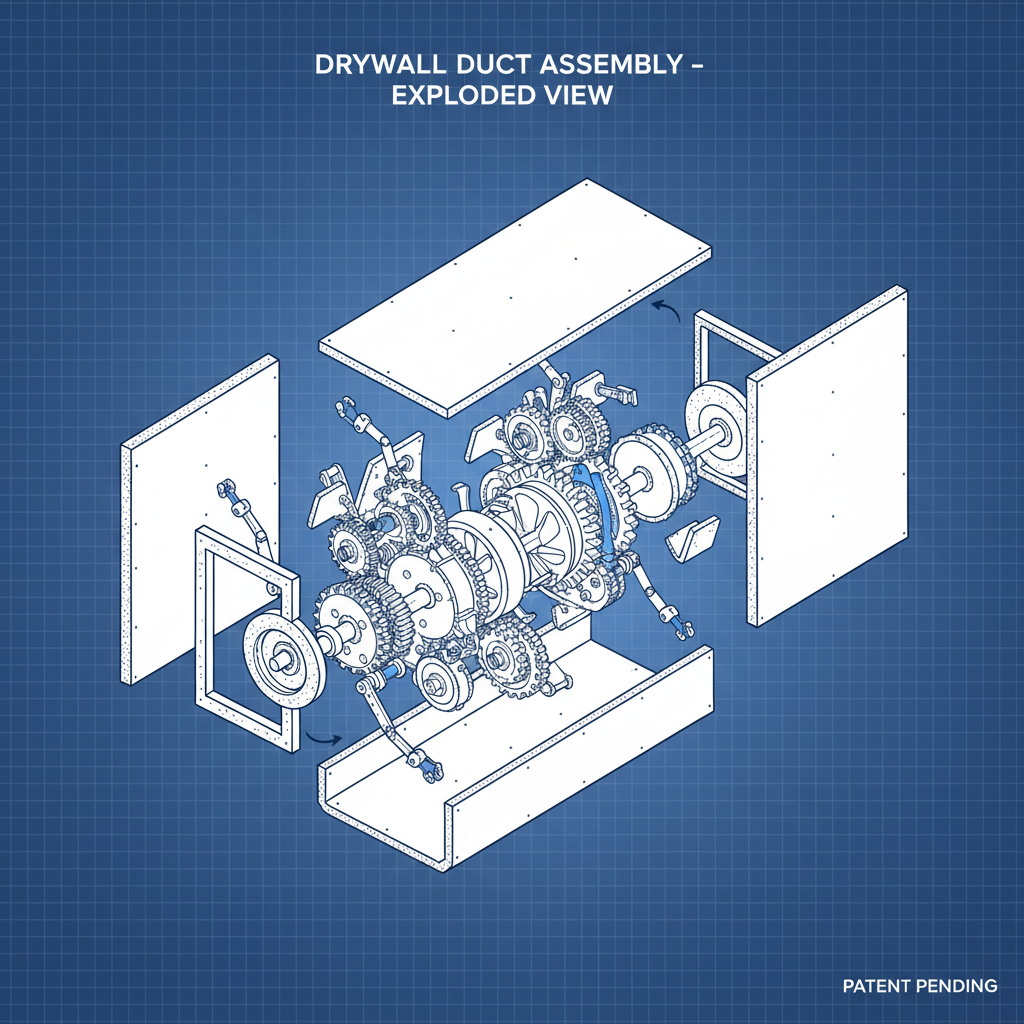
Drywall ducts are flexible, typically round or oval-shaped ducts constructed from a flexible inner core covered by a protective outer jacket. This construction allows them to navigate around obstacles easily during installation, making them ideal for retrofitting or complex building layouts. They are commonly used for supply, return, and exhaust applications in HVAC systems. Their flexibility reduces the need for numerous elbows and connectors, minimizing airflow resistance and potential leak points. Using Jinka IBM’s drywall ducts ensures efficient and consistent airflow for improved HVAC system performance.
Key Benefits: Lightweight, flexible, easy to install, minimizes airflow resistance, cost-effective.
Several types of drywall ducts are available, each designed for specific applications. The most common include:
Jinka IBM offers a full range of these types, ensuring you find the perfect solution for your specific HVAC needs.
Choosing the Right Duct:
• Consider the location (insulated vs. uninsulated space).
• Assess the length of the duct run.
• Factor in space constraints (round vs. oval duct).
• Prioritize airflow efficiency and energy savings.
While rigid ductwork (typically made of metal) offers greater durability and potentially slightly better airflow, drywall ducts provide significant advantages in many scenarios. The following table highlights a comparison:
Correct installation is crucial for optimal performance. Drywall ducts should be stretched taut to minimize airflow resistance and prevent sagging. Avoid sharp bends or kinks, as these can restrict airflow. Secure the ducts properly with straps or supports. Regular maintenance includes inspecting for leaks, tears, or damage to the outer jacket. Promptly repair any damage to maintain efficiency. Jinka IBM provides expert guidance and support on installation and maintenance best practices.
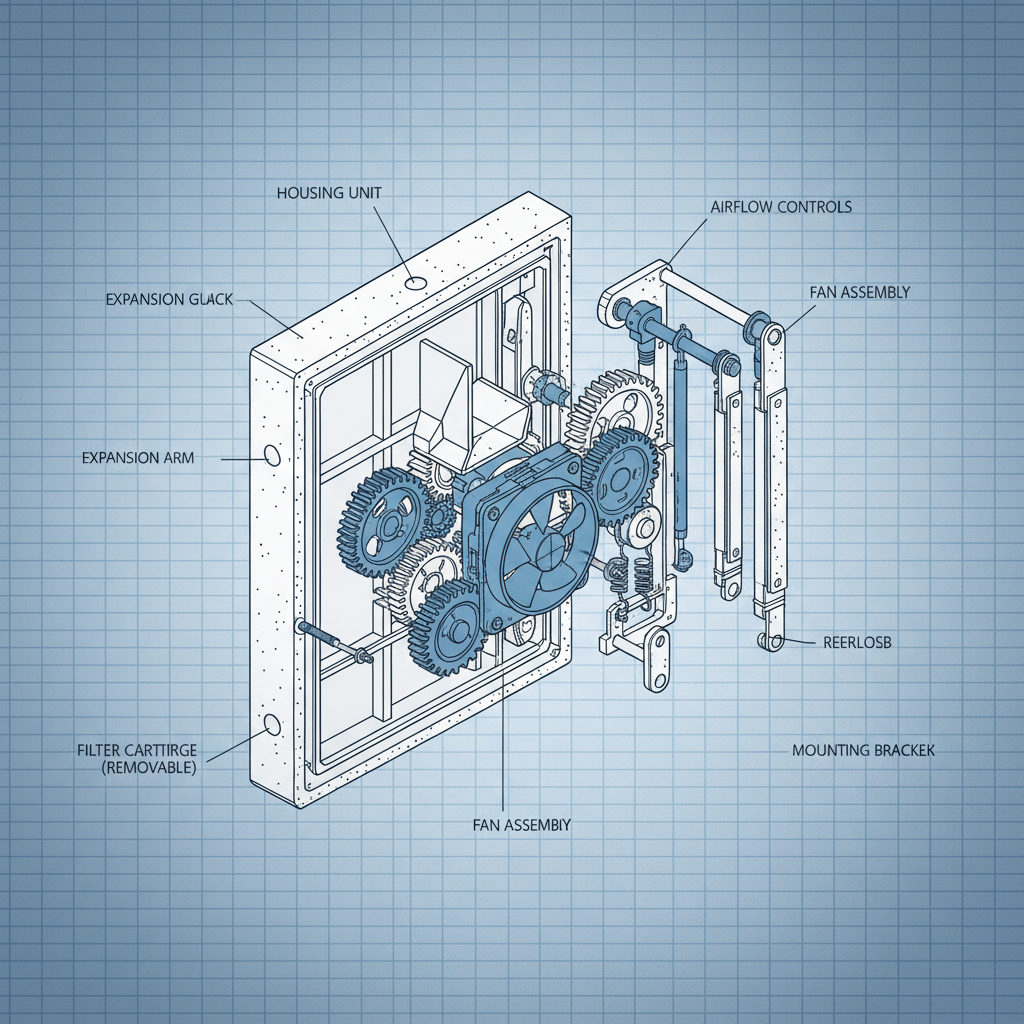
At Jinka IBM, we are committed to providing high-quality drywall duct systems tailored to your specific requirements. We offer a wide selection of duct types, sizes, and materials, along with expert advice and support. Our products are rigorously tested to ensure durability, performance, and compliance with industry standards. We’re dedicated to helping you create a comfortable and energy-efficient environment.
Investing in high-quality drywall ducts from Jinka IBM ensures optimal HVAC system performance, energy efficiency, and long-term reliability. Don't compromise on the comfort and air quality of your building – choose a trusted partner for your drywall duct needs.
Generally, the maximum recommended length for a drywall duct run is 25-30 feet. Exceeding this length can lead to increased airflow resistance and reduced system efficiency. For longer runs, consider using a semi-rigid duct or increasing the duct diameter to compensate for the increased resistance. Proper sizing and installation are critical to maintaining optimal performance. Jinka IBM can assist you in calculating the appropriate duct length and size for your application.
Sealing duct connections is essential to prevent air leaks, which can significantly reduce HVAC system efficiency. Use high-quality duct tape specifically designed for HVAC applications (metallic foil tape is recommended). Ensure the surfaces are clean and dry before applying the tape. Overlap the tape onto the duct and the connector by at least 2 inches. Avoid using cloth-backed duct tape, as it tends to lose its adhesive properties over time.
Drywall ducts are suitable for most residential and light commercial HVAC systems. However, they may not be ideal for high-velocity systems or applications requiring extremely precise airflow control. In such cases, rigid ductwork may be a better choice. Jinka IBM can help you assess your specific HVAC system requirements and recommend the most appropriate ductwork solution.
Drywall ducts are typically constructed with a flame-retardant jacket. However, it's crucial to follow local building codes and regulations regarding fire safety. Ensure the ducts are not exposed to direct heat sources or open flames. Avoid running ducts through unfire-rated penetrations in firewalls. Proper installation and maintenance, combined with adherence to safety guidelines, will minimize fire risks.