Hit enter to search or ESC to close
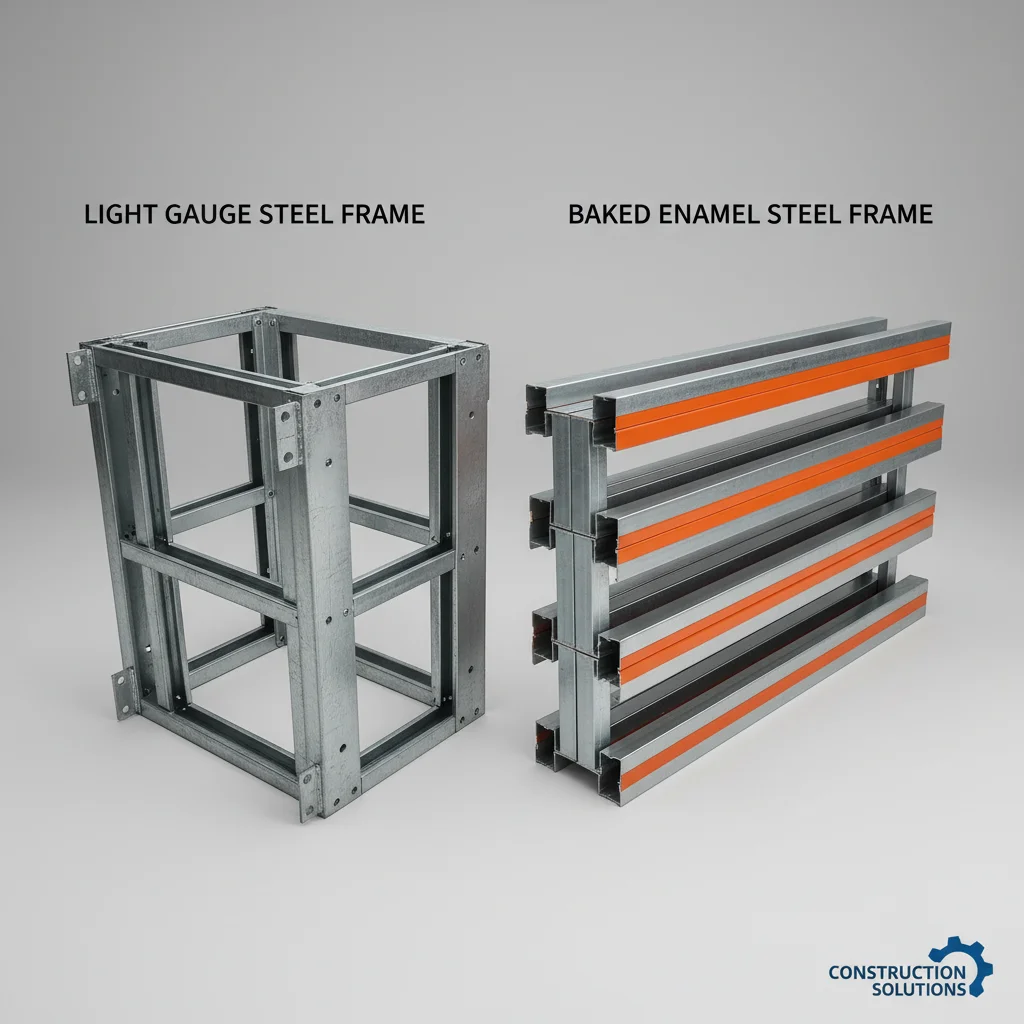
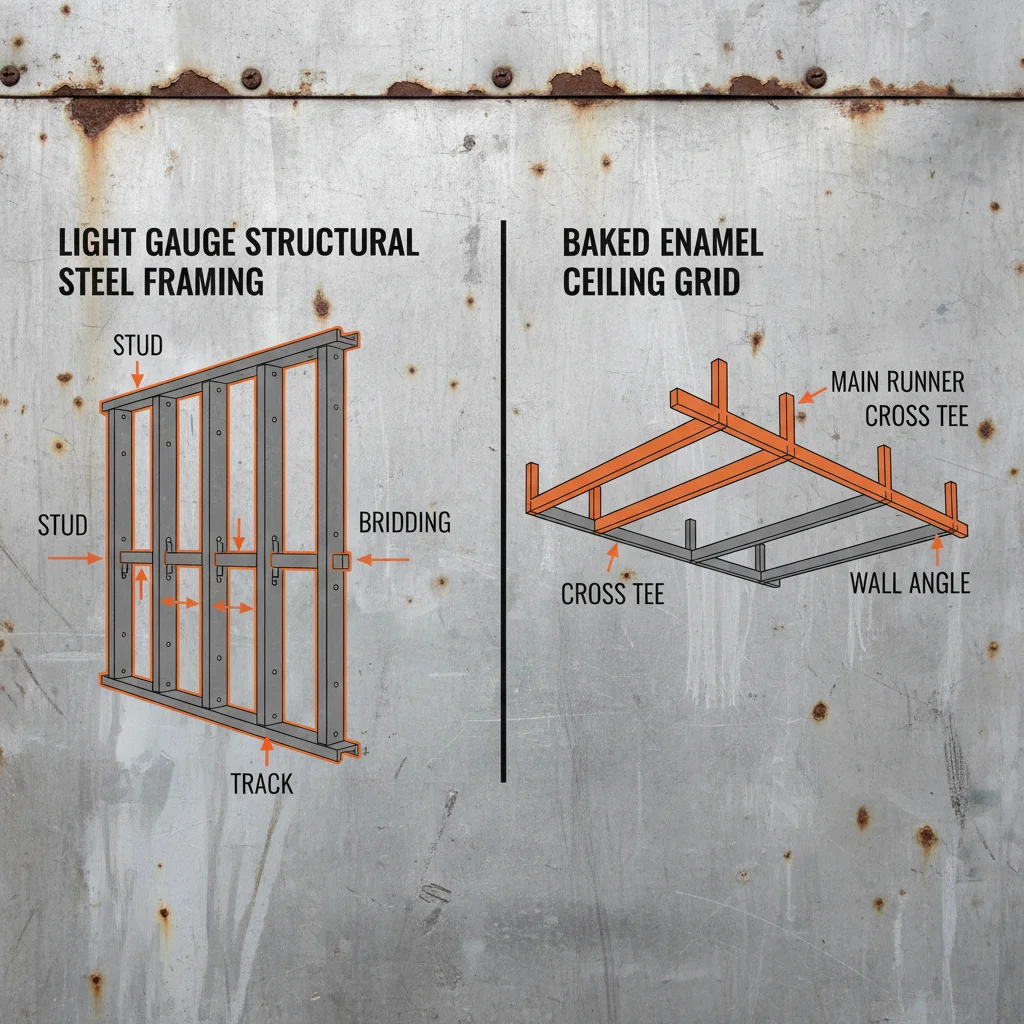
Light steel frame construction (LSFC) is rapidly becoming a cornerstone of modern building practices globally. Its inherent advantages – speed of construction, cost-effectiveness, and sustainable profile – are addressing critical challenges in housing, infrastructure, and disaster relief. This innovative building method utilizes a structural framework composed of cold-formed steel members, offering a viable alternative to traditional construction techniques like concrete and timber. Understanding LSFC is increasingly vital for architects, engineers, developers, and policymakers alike, especially as urbanization and the need for resilient infrastructure accelerate.
The global demand for sustainable and affordable housing is soaring, driven by population growth and increasing urbanization, particularly in developing nations. Traditional construction methods often struggle to meet this demand efficiently and cost-effectively. Light steel frame construction provides a compelling solution, enabling faster build times, reduced material waste, and a smaller carbon footprint. According to the World Bank, an estimated 1.6 billion people globally lack adequate housing, highlighting the urgent need for innovative construction technologies.
LSFC isn't simply a construction technique; it represents a paradigm shift in how we approach building. Its adaptability makes it suitable for a wide range of applications, from residential homes and commercial buildings to educational facilities and industrial structures. The ISO standards related to steel construction further underscore the increasing recognition and standardization of this innovative approach, bolstering its credibility and promoting wider adoption worldwide. light steel frame construction is positioned to play a critical role in addressing these global challenges.
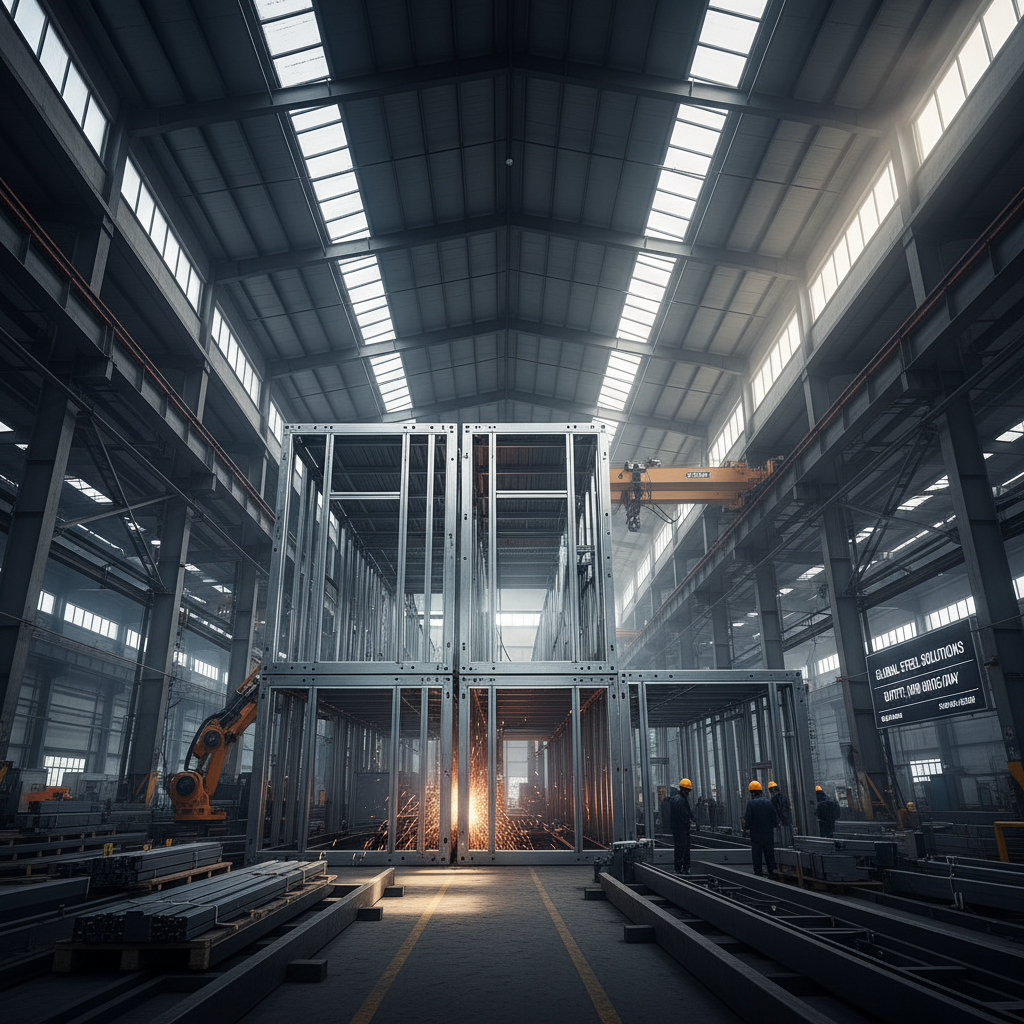
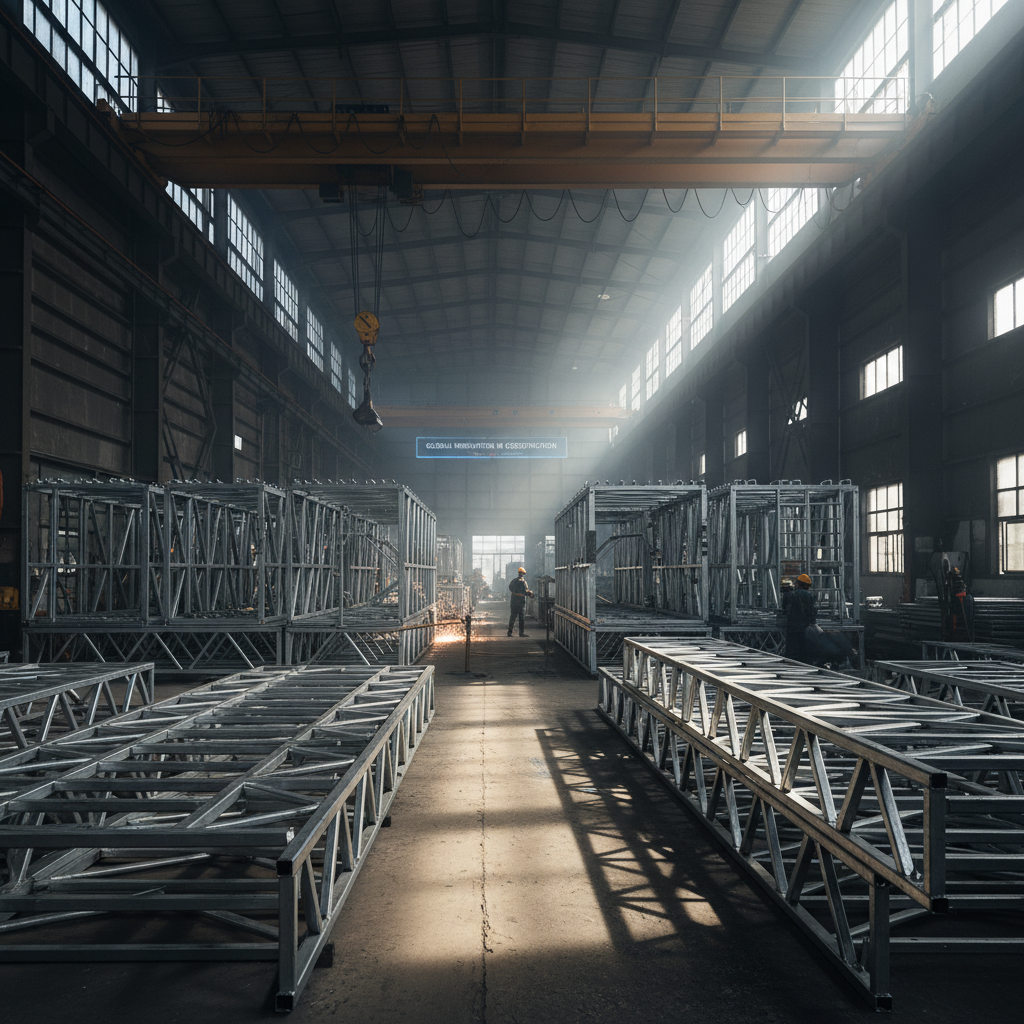
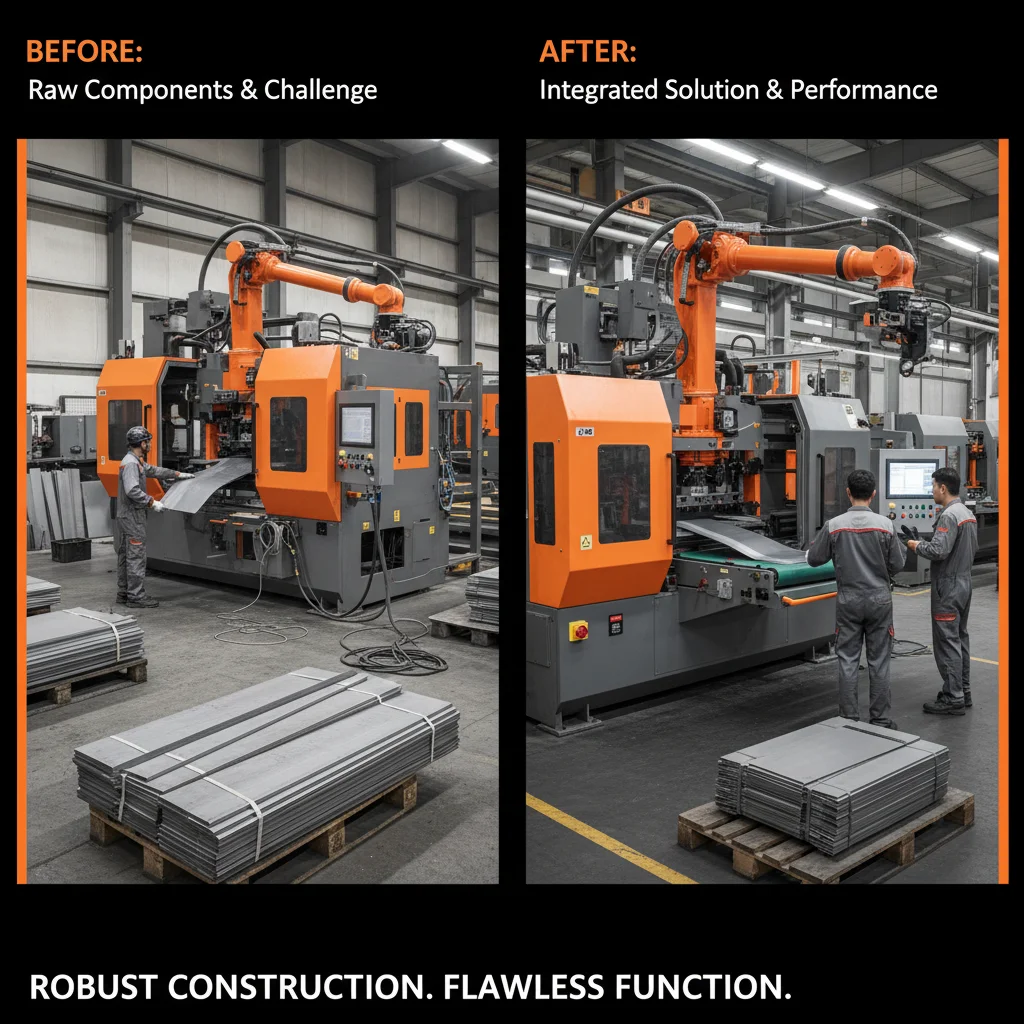
Light steel frame construction represents a significant evolution in building technology, offering a streamlined and efficient alternative to traditional methods. Its inherent modularity allows for prefabrication, reducing on-site construction time and labor costs. This is particularly crucial in areas facing housing shortages or requiring rapid infrastructure development.
The adoption of light steel frame construction is increasingly driven by a growing awareness of sustainable building practices. Steel is one of the most recycled materials globally, contributing to a lower environmental impact compared to materials like concrete, which have a higher carbon footprint. LSFC’s design flexibility also allows for easy integration of energy-efficient features and sustainable materials.
Light steel frame construction offers numerous advantages over traditional wooden framing, including increased durability, resistance to pests and fire, dimensional stability, and faster construction times. Steel doesn’t warp, rot, or attract termites like wood, resulting in lower maintenance costs and a longer lifespan. The precision of steel components also leads to more accurate construction and reduced waste.
Yes, light steel frame construction is perfectly suitable for multi-story buildings, provided it's designed and engineered correctly. The structural capacity of steel allows for the construction of buildings up to several stories high. Proper bracing and connection details are crucial to ensure stability and meet building code requirements.
Buildings constructed with light steel frame can have a lifespan comparable to or even exceeding that of traditionally built structures, often exceeding 100 years. Steel is a highly durable material that doesn’t degrade over time like wood. With proper maintenance and corrosion protection, LSFC buildings can provide long-lasting shelter and value.
Light steel frame construction exhibits excellent performance in seismic zones due to its ductility and flexibility. Steel can absorb significant energy during an earthquake without fracturing, reducing the risk of structural collapse. Properly engineered LSFC buildings can withstand strong seismic forces, providing a safe and resilient structure.
A wide range of insulation options can be used with light steel frame construction, including mineral wool, fiberglass, spray foam, and rigid foam boards. The choice of insulation depends on factors like climate, energy efficiency goals, and budget. Steel frames allow for flexible insulation placement, maximizing thermal performance.
While the initial material costs of steel might be slightly higher than wood, light steel frame construction often proves more cost-effective overall. Faster construction times, reduced labor costs, lower maintenance requirements, and increased durability contribute to significant lifecycle cost savings.
Light steel frame construction is a transformative building technology addressing critical global challenges in housing, sustainability, and disaster relief. Its speed, durability, design flexibility, and environmental benefits make it an increasingly attractive alternative to traditional construction methods. By embracing innovation and adopting LSFC, we can build a more resilient, sustainable, and equitable future.
Investing in research and development, promoting standardization, and educating stakeholders are crucial steps to accelerating the adoption of light steel frame construction worldwide. The potential of this technology to improve lives and reduce environmental impact is immense, paving the way for a new era of building practices. Visit our website to learn more: www.jinkaibm.com