Hit enter to search or ESC to close
February 10, 2026
Selecting the correct angled ceiling trim is crucial for achieving a polished and professional finish in any renovation or new construction project. It not only conceals gaps and imperfections between the ceiling and wall but also adds a decorative touch. This article will guide you through the various types, materials, installation considerations, and benefits of angled ceiling trim, empowering you to make the best choice for your needs. Properly installed trim enhances the aesthetic appeal and perceived value of a room.
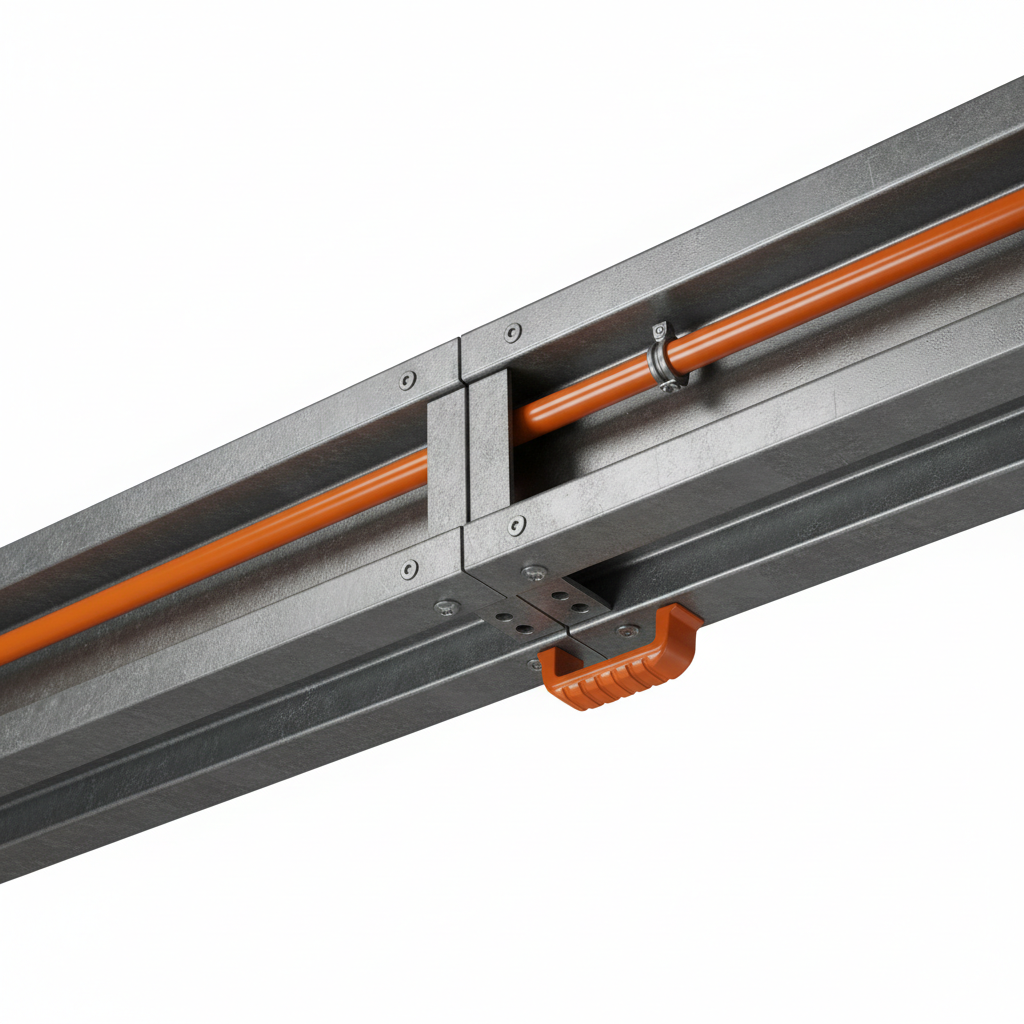
There are several types of angled ceiling trim available, each offering a unique look and suitability for different applications. Common types include cove molding, chair rail, and decorative corner blocks. Cove molding is popular for its soft, curved profile, creating a gentle transition between the ceiling and wall. Chair rail offers a more defined, classic look, often used to add architectural interest. Corner blocks can be used to conceal gaps in angled corners, providing a clean and finished appearance. Understanding the different styles allows you to choose the trim that best complements your room’s design and existing architectural elements.
Key Considerations: The choice of trim depends on the ceiling angle, the desired aesthetic, and the skill level of the installer.
The material used for angled ceiling trim significantly impacts its durability, appearance, and cost. Popular materials include wood, MDF (Medium-Density Fiberboard), and PVC (Polyvinyl Chloride). Wood offers a classic, natural look but requires more maintenance and can be susceptible to warping or cracking. MDF is a cost-effective option that's easy to paint but is less resistant to moisture. PVC is durable, water-resistant, and ideal for bathrooms or kitchens. The best material depends on your budget, the environment, and your desired aesthetic.
Material Benefits:
• Wood: Natural beauty, strength, requires maintenance
• MDF: Cost-effective, paintable, susceptible to moisture
• PVC: Durable, water-resistant, versatile
Installing angled ceiling trim requires precision and attention to detail. Accurate measurements are essential to ensure a snug fit. A miter saw is crucial for creating accurate angled cuts. For complex angles, a protractor or angle finder can be helpful. Using construction adhesive and finishing nails provides a secure hold. Proper preparation, including sanding and priming, is necessary for a smooth and professional paint finish. It's advisable to consult with a professional if you lack experience with angled cuts and installations.
Investing in angled ceiling trim offers numerous benefits. It enhances the aesthetic appeal of a room, creating a more finished and sophisticated look. It hides imperfections and gaps, improving the overall quality of the finish. It adds architectural interest, complementing the room’s design. Properly installed trim can also increase the value of your property. Furthermore, it protects the ceiling and walls from minor damage, extending their lifespan.

At Jinka IBM, we offer a wide selection of high-quality angled ceiling trim to suit any project. We provide various materials, styles, and sizes, ensuring you find the perfect fit for your needs. Our experienced team can assist you in selecting the appropriate trim and offer expert advice on installation techniques. We are committed to providing durable and aesthetically pleasing trim solutions that enhance the beauty and value of your home or business.
Investing in high-quality angled ceiling trim from Jinka IBM is a simple yet effective way to elevate the aesthetic appeal and value of your property. With our extensive range of materials and expert guidance, you can achieve a professional finish that lasts for years to come.
Essential tools include a miter saw for accurate angled cuts, a measuring tape for precise measurements, a level to ensure a straight installation, construction adhesive for bonding the trim to the ceiling and wall, a nail gun or hammer with finishing nails for securing the trim, a putty knife for filling nail holes, and sandpaper for smoothing surfaces before painting. A protractor or angle finder can be helpful for complex angles. Having the right tools will significantly simplify the installation process and ensure a professional result.
Proper surface preparation is crucial for a successful installation. Ensure the ceiling and wall surfaces are clean, dry, and free of dust, debris, and loose paint. Repair any cracks or holes with spackle or drywall compound and sand smooth. If the surfaces are glossy, lightly sand them to create better adhesion for the adhesive. Priming the surfaces before applying the trim can also improve paint adhesion and ensure a more uniform finish.
After installation and filling nail holes, prime the trim to create a smooth surface for painting. Use a high-quality paint specifically designed for trim and moldings. Apply thin, even coats of paint, allowing each coat to dry completely before applying the next. A brush is ideal for detailed areas, while a roller can be used for larger surfaces. For a professional finish, consider using a paint sprayer. Clean your brushes or roller immediately after use to prolong their lifespan.
The answer depends on your DIY skills and the complexity of the project. If you’re comfortable with using power tools, making precise cuts, and have experience with home renovations, you may be able to install angled ceiling trim yourself. However, if you’re unsure or dealing with complex angles, it’s best to hire a professional. A professional installer will ensure a clean, accurate, and long-lasting finish, saving you time and potential headaches.