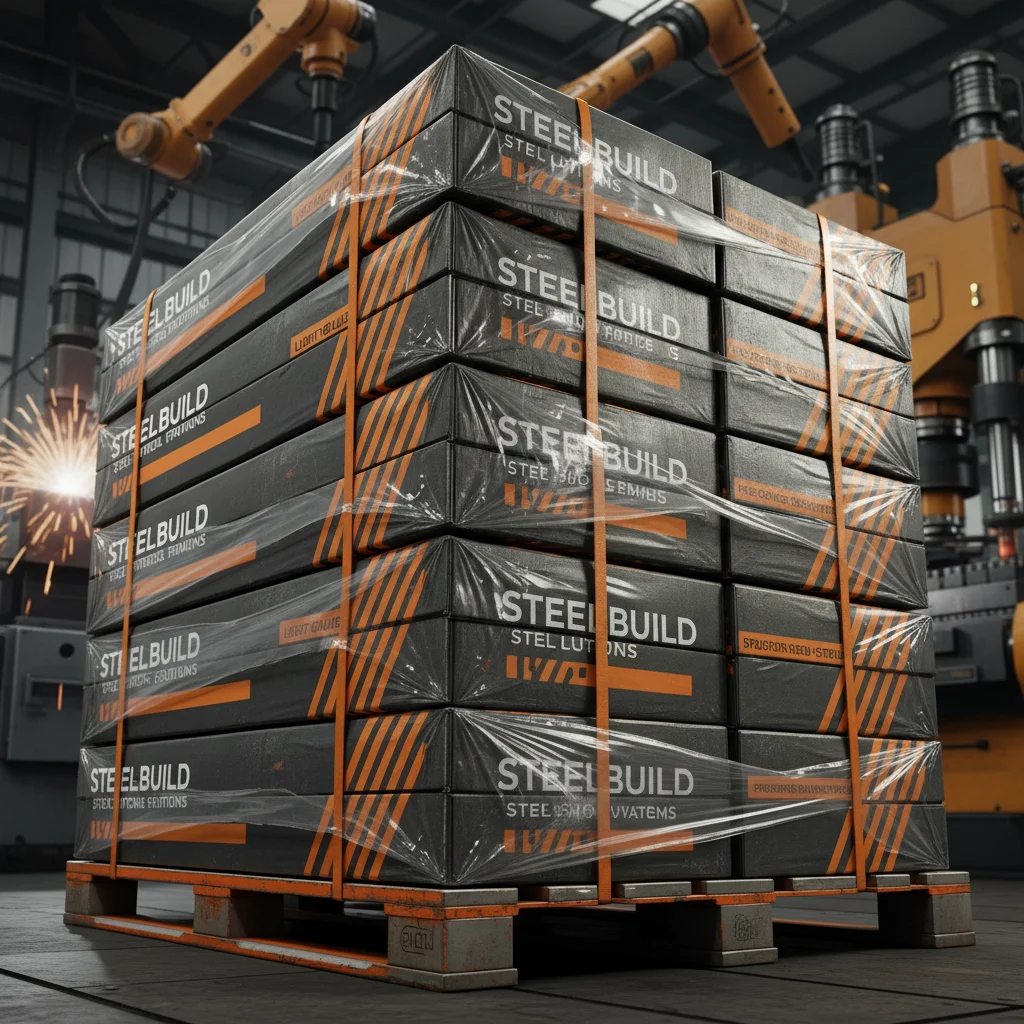
Light gauge steel frame structure (LGSFS) is rapidly gaining prominence as a sustainable and efficient building method globally. Its lightweight nature, combined with high strength and design flexibility, makes it an ideal solution for a diverse range of applications, from residential housing to large-scale commercial buildings. Understanding the nuances of LGSFS is crucial for architects, engineers, developers, and policymakers seeking innovative and cost-effective construction solutions.
The increasing demand for faster construction timelines, coupled with a growing awareness of environmental concerns, is driving the adoption of LGSFS. Unlike traditional construction methods, LGSFS minimizes waste, reduces on-site labor, and allows for precise engineering, leading to more predictable project outcomes. This is especially relevant in regions facing housing shortages or rapid urbanization.
Furthermore, the inherent resilience of LGSFS against natural disasters like earthquakes and hurricanes offers a significant advantage, particularly in vulnerable regions. The material's consistent quality and ease of prefabrication contribute to enhanced structural integrity and improved building performance, making it a compelling alternative to conventional building materials.
Introduction to light gauge steel frame structure
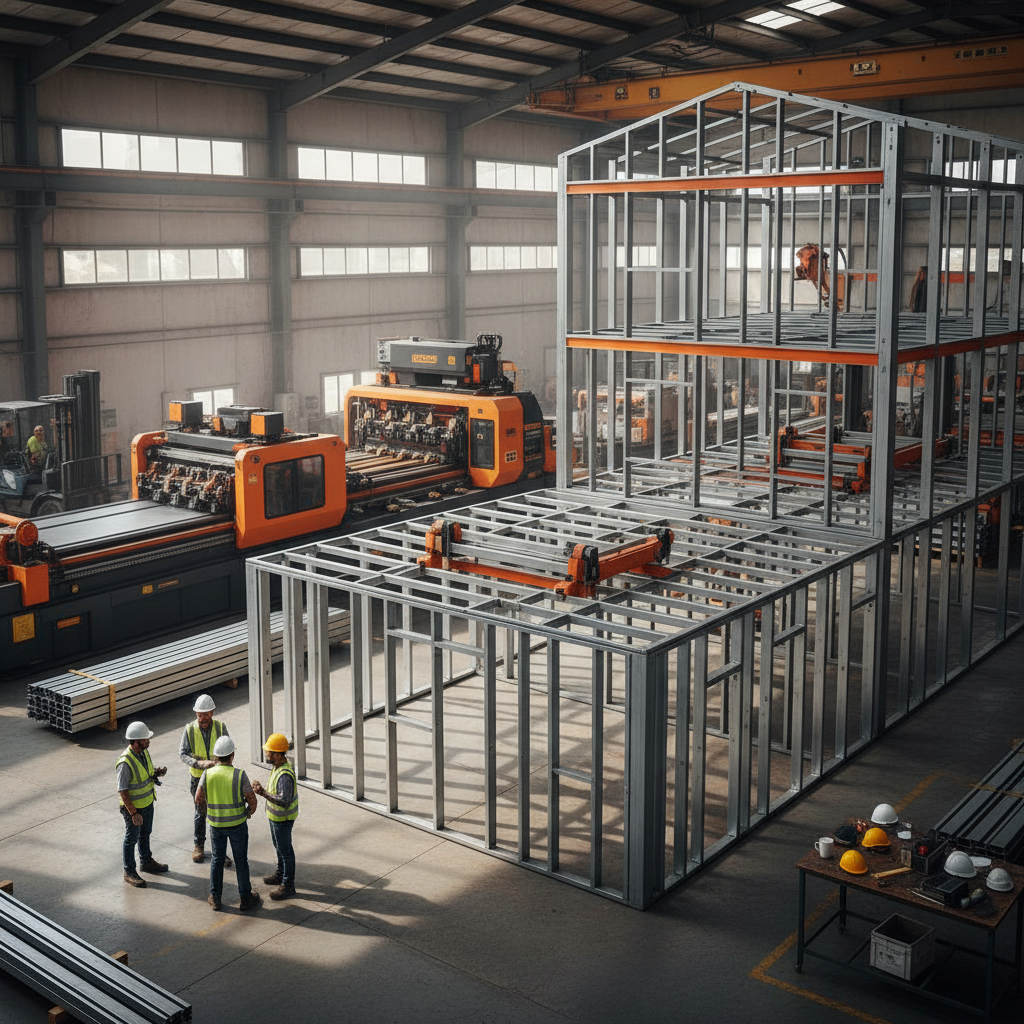
Light gauge steel frame structure represents a significant advancement in construction technology, offering a compelling alternative to traditional building methods. Its core principle involves utilizing cold-formed steel members, typically galvanized to prevent corrosion, to create a structural framework that supports walls, roofs, and floors. light gauge steel frame structure is becoming increasingly recognized for its efficiency and sustainability.
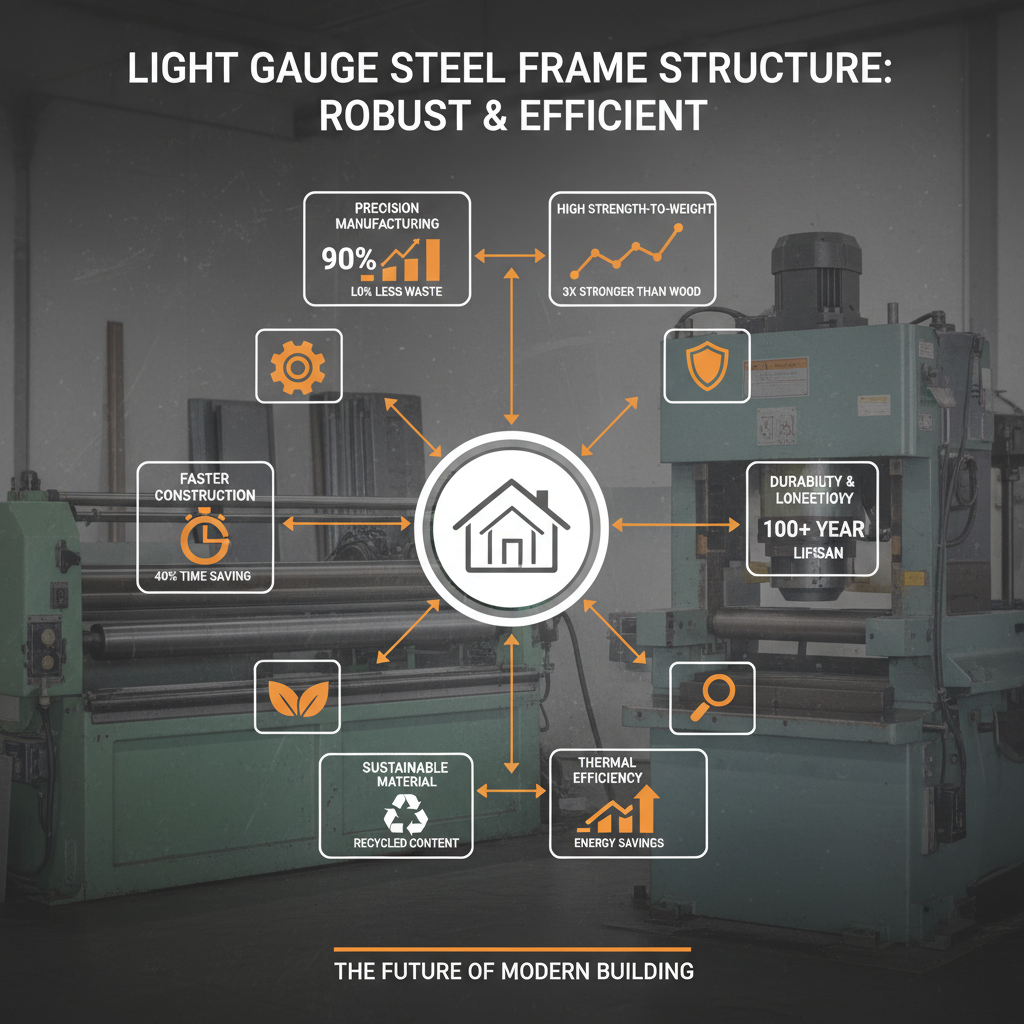
The versatility of LGSFS allows for a wide range of architectural designs and construction types, from simple residential homes to complex multi-story buildings. Its inherent strength-to-weight ratio contributes to faster construction times and reduced transportation costs, making it a particularly attractive option for projects in remote or challenging locations.
Global Context and Relevance
The global construction industry is facing increasing pressure to adopt more sustainable and efficient practices. According to the United Nations, the building sector accounts for approximately 40% of global energy consumption and 30% of greenhouse gas emissions. The World Bank estimates that the demand for housing will increase by over 50% by 2050, primarily in developing countries, highlighting the urgent need for innovative building solutions like light gauge steel frame structure.
One significant challenge is the need to address housing shortages in rapidly urbanizing areas while minimizing environmental impact. LGSFS offers a viable solution by reducing construction waste, lowering carbon footprints, and accelerating project completion times. Its scalability also makes it suitable for large-scale housing projects and disaster relief efforts.
Furthermore, building codes and standards are evolving globally to prioritize sustainability and resilience. Organizations like the International Organization for Standardization (ISO) are developing guidelines for sustainable construction practices, which increasingly favor materials and methods that minimize environmental harm and enhance building performance. Light gauge steel frame structure aligns well with these evolving standards.
Defining light gauge steel frame structure
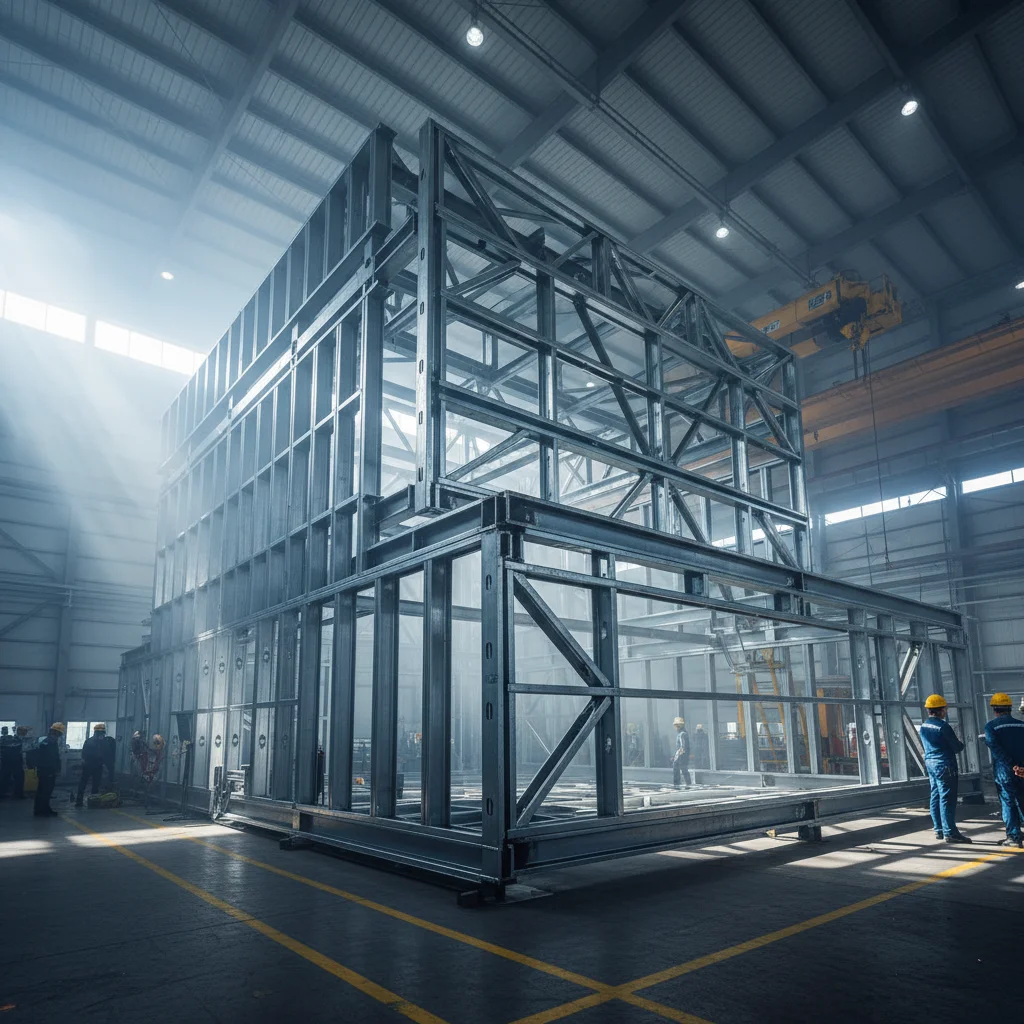
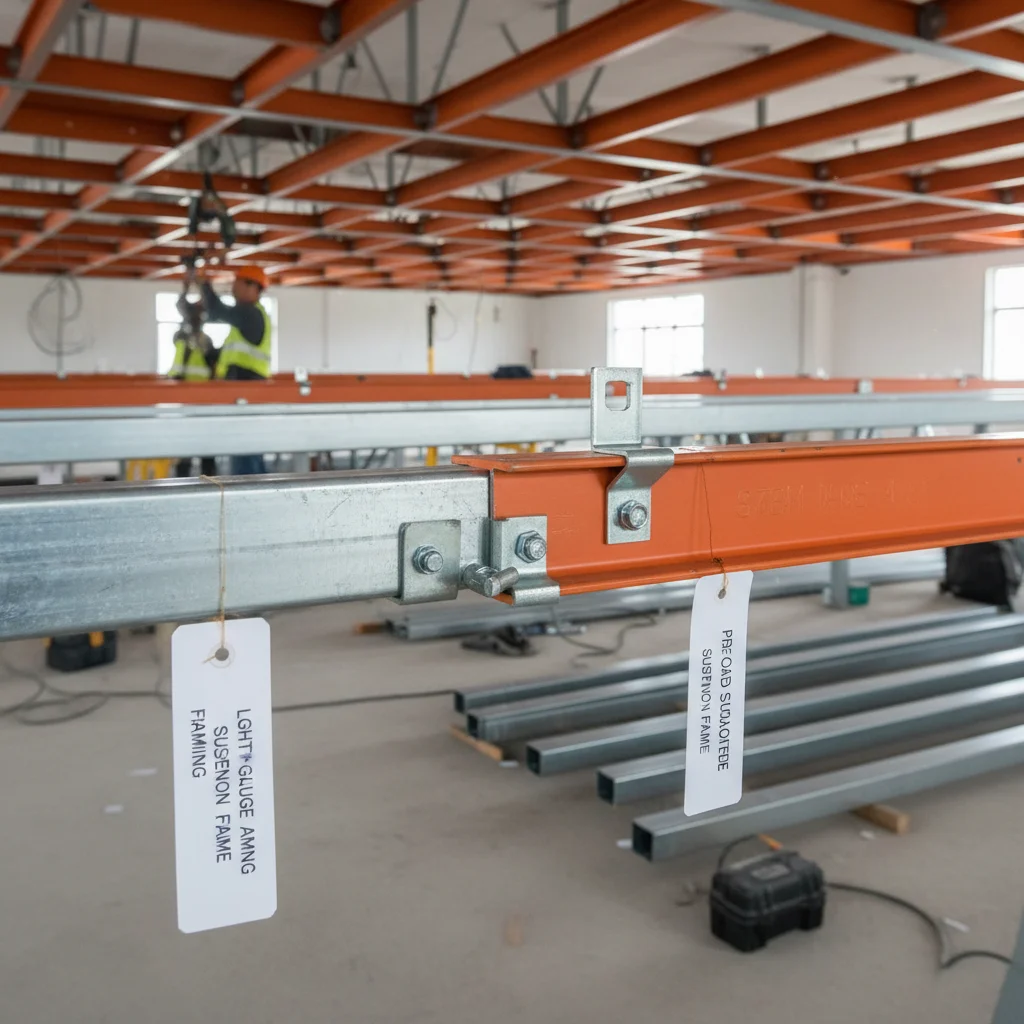
Light gauge steel frame structure, at its essence, is a construction methodology that utilizes cold-formed steel components to create a load-bearing framework for buildings. Unlike traditional hot-rolled steel, light gauge steel is formed into desired shapes at room temperature, resulting in thinner, lighter, and more cost-effective structural members. These components are typically connected using screws, bolts, or welding, creating a robust and durable structure.
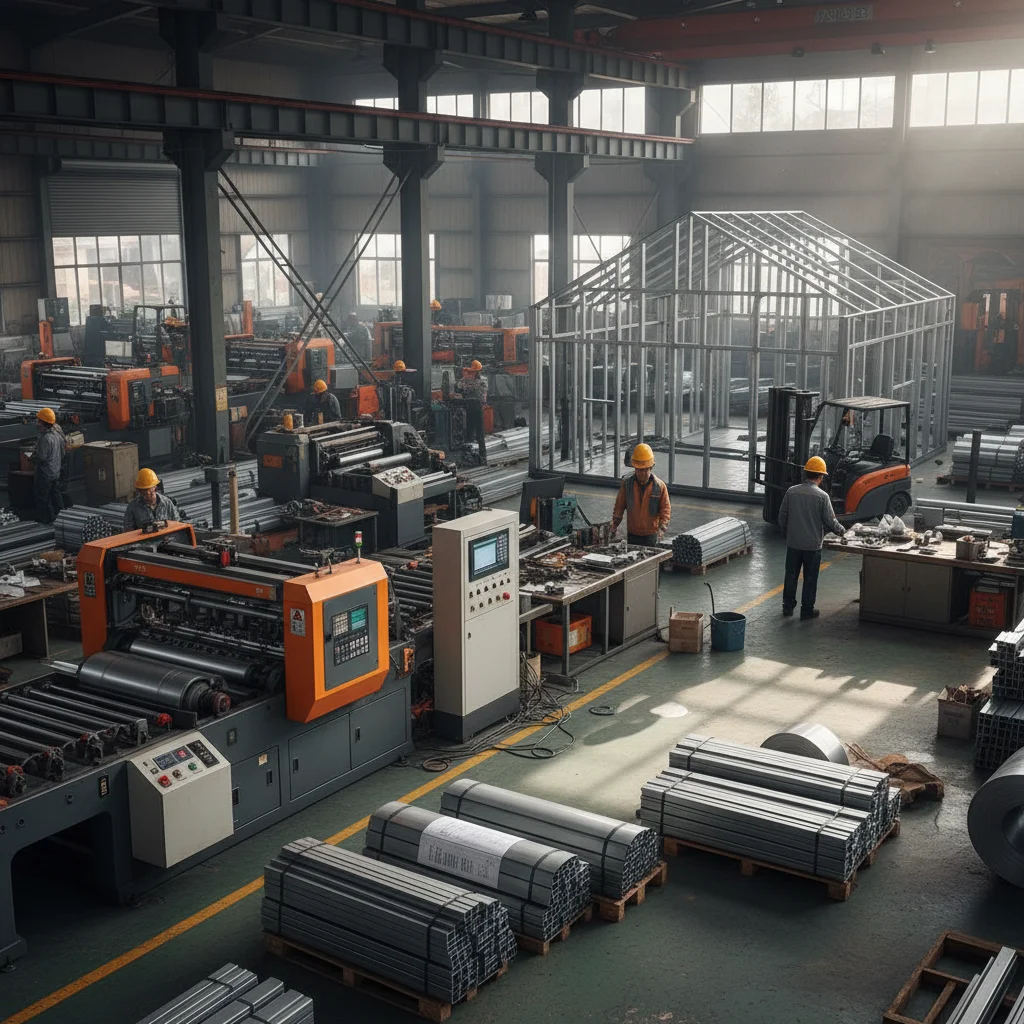
The application of LGSFS extends beyond mere construction; it embodies a holistic approach to building that addresses both economic and environmental concerns. Its connection to modern industry lies in its compatibility with automated manufacturing processes and prefabrication techniques, leading to increased efficiency and reduced labor costs. From a humanitarian perspective, LGSFS provides a rapid and reliable solution for creating safe and durable shelters in disaster-affected areas.
Essentially, LGSFS bridges the gap between the demands of modern construction – speed, cost-effectiveness, sustainability – and the need for robust, resilient structures. It’s a methodology that adapts well to a wide range of project scales and complexities, making it a versatile option for diverse building needs.
Key Components and Characteristics
Several key characteristics define the performance and applicability of light gauge steel frame structure. First, Durability is paramount. Galvanized steel offers exceptional resistance to corrosion, ensuring long-term structural integrity, even in harsh environments. Second, Scalability allows for design flexibility and adaptability to a wide range of building sizes and configurations.
Cost Efficiency is another significant advantage. The lightweight nature of the steel reduces transportation costs, and the ease of prefabrication minimizes on-site labor requirements. Furthermore, Design Flexibility enables architects to create innovative and aesthetically pleasing structures without compromising structural performance. Finally, Sustainability is central to the appeal of LGSFS, as steel is a highly recyclable material, reducing waste and minimizing environmental impact.
Light gauge steel frame structure Performance Metrics
Global Applications and Use Cases
Light gauge steel frame structure is being implemented across a diverse range of applications worldwide. In post-disaster relief operations, it’s utilized for rapidly deploying temporary shelters and rebuilding damaged infrastructure. In remote industrial zones, such as mining camps and research facilities, its lightweight nature and ease of transportation make it an ideal solution for constructing durable and comfortable living quarters.
The residential sector is seeing a surge in the use of LGSFS for constructing single-family homes, townhouses, and multi-story apartment buildings. Commercial applications include office buildings, retail spaces, and healthcare facilities. Several countries, including Australia, Canada, and the United States, are leading the way in adopting LGSFS as a mainstream building method, driven by its cost-effectiveness and sustainability benefits.
Advantages and Long-Term Value
The advantages of light gauge steel frame structure extend beyond immediate construction benefits. Tangible benefits include significant cost savings due to reduced labor and material waste, enhanced sustainability through the use of a highly recyclable material, and improved building performance with superior thermal and acoustic properties. The increased speed of construction translates to faster return on investment for developers and reduced disruption for communities.
However, the long-term value extends further, encompassing emotional and logical angles. LGSFS provides a safer and more durable living environment, offering peace of mind to building occupants. The innovative nature of the technology fosters trust and confidence in the building process, while its commitment to sustainability reflects a responsible and forward-thinking approach to construction.
Future Trends and Innovations
The future of light gauge steel frame structure is bright, with several emerging trends and innovations poised to further enhance its capabilities. Integration with Building Information Modeling (BIM) and digital fabrication technologies will enable even greater precision and efficiency in design and construction. The development of advanced coatings and materials will further improve the corrosion resistance and thermal performance of steel components.
Automation and robotics are playing an increasingly important role in LGSFS manufacturing and assembly, reducing labor costs and improving quality control. Furthermore, the growing focus on green energy and net-zero buildings is driving the demand for sustainable building materials like steel, reinforcing the long-term viability of LGSFS. The development of hybrid systems, combining LGSFS with other sustainable materials, also represents a promising avenue for future innovation.
These advances promise to make light gauge steel frame structure even more competitive and appealing in the global construction market.
Summary of Challenges and Solutions in Implementing Light Gauge Steel Frame Structure
| Challenge |
Impact on Project |
Proposed Solution |
Implementation Cost |
| Lack of Skilled Labor |
Slower construction, potential quality issues |
Comprehensive training programs and certification |
Medium |
| Initial Material Costs |
Higher upfront investment compared to traditional methods |
Value engineering and optimization of design |
Low |
| Perception of Steel as Non-Sustainable |
Difficulty in gaining project approvals |
Highlighting steel's high recyclability and carbon footprint reduction |
Low |
| Code and Regulation Compliance |
Potential delays due to varying local building codes |
Collaboration with regulatory bodies and pre-approval processes |
Medium |
| Design Limitations |
Difficulty achieving complex architectural features |
Utilizing advanced modeling software and innovative connection details |
Medium |
| Corrosion Concerns in Coastal Areas |
Reduced structural lifespan in saline environments |
Employing enhanced galvanization and protective coatings |
High |
FAQS
Light gauge steel frame structure offers several advantages over wood framing, including increased durability, resistance to pests and fire, and reduced material waste. Steel is also a more dimensionally stable material, minimizing warping and cracking. Furthermore, steel is highly recyclable, making it a more sustainable choice. These factors can lead to lower life-cycle costs and improved building performance.
Light gauge steel frame structure exhibits excellent seismic performance due to its inherent ductility and strength-to-weight ratio. The flexible nature of steel allows it to absorb energy during an earthquake, reducing the risk of catastrophic failure. Proper design and detailing, including appropriate bracing and connections, are crucial for maximizing seismic resistance. LGSFS structures can be engineered to meet or exceed the requirements of stringent building codes in seismic areas.
Buildings constructed with light gauge steel frame structure can have a lifespan comparable to, or even exceeding, those built with traditional materials. With proper design, construction, and maintenance, an LGSFS structure can easily last for 75-100 years or more. Galvanization and protective coatings help to prevent corrosion, ensuring the long-term integrity of the steel frame. Regular inspections and preventative maintenance can further extend the lifespan of the building.
While the initial material costs of light gauge steel frame structure can be slightly higher than wood framing, the overall construction costs are often comparable or even lower. This is due to factors such as faster construction times, reduced labor requirements, and minimized material waste. The long-term benefits, such as reduced maintenance and increased durability, also contribute to lower life-cycle costs.
Light gauge steel frame structure offers significant environmental benefits. Steel is one of the most recycled materials in the world, reducing the demand for virgin resources. The precision manufacturing of LGSFS components minimizes waste, and the lightweight nature of steel reduces transportation costs and associated emissions. Furthermore, steel is non-combustible, improving fire safety and reducing the risk of pollution.
While concrete is widely used, light gauge steel frame structure offers several sustainability advantages. Steel is highly recyclable, unlike concrete, which creates significant waste during demolition. The production of cement, a key component of concrete, is a major source of greenhouse gas emissions. LGSFS, being lighter, also reduces foundation requirements and overall material usage. Furthermore, the speed of construction with LGSFS minimizes site disruption and energy consumption.
Conclusion
In conclusion, light gauge steel frame structure presents a compelling and sustainable solution for the evolving needs of the global construction industry. Its inherent advantages – durability, scalability, cost-efficiency, and environmental responsibility – position it as a viable alternative to traditional building materials. By embracing this innovative technology, we can create more resilient, efficient, and sustainable structures for future generations.
Looking ahead, continued research and development, coupled with supportive government policies and industry collaboration, will be crucial for accelerating the adoption of light gauge steel frame structure. Investing in training programs and promoting awareness of its benefits will empower builders and developers to leverage this technology effectively, paving the way for a more sustainable and resilient built environment. Visit our website at www.jinkaibm.com to learn more.