Understanding metal stud framing gauges is fundamental for any modern construction project seeking to balance structural integrity with cost-efficiency. In the world of non-metallic mineral products and architectural metal decorations, the "gauge" refers to the thickness of the steel used in the studs, which directly dictates the load-bearing capacity and rigidity of the wall system. Choosing the correct thickness ensures that the interior partitions can support the intended weight of drywall and fixtures without bowing or failing over time.
Globally, the shift toward cold-formed steel framing has accelerated due to its precision, fire resistance, and speed of installation. Whether you are implementing an Australian Drywall System or a Canada-US Drywall System, the selection of specific metal stud framing gauges allows engineers to customize the strength of a building's interior skeleton based on the height of the walls and the specific environmental stressors of the region.
For professionals in the manufacturing sector, mastering these specifications is not just about following building codes; it is about optimizing material usage to reduce waste and environmental impact. By aligning the metal stud framing gauges with the actual structural requirements of the site, developers can achieve a seamless blend of safety, sustainability, and aesthetic precision in high-rise commercial and residential developments.
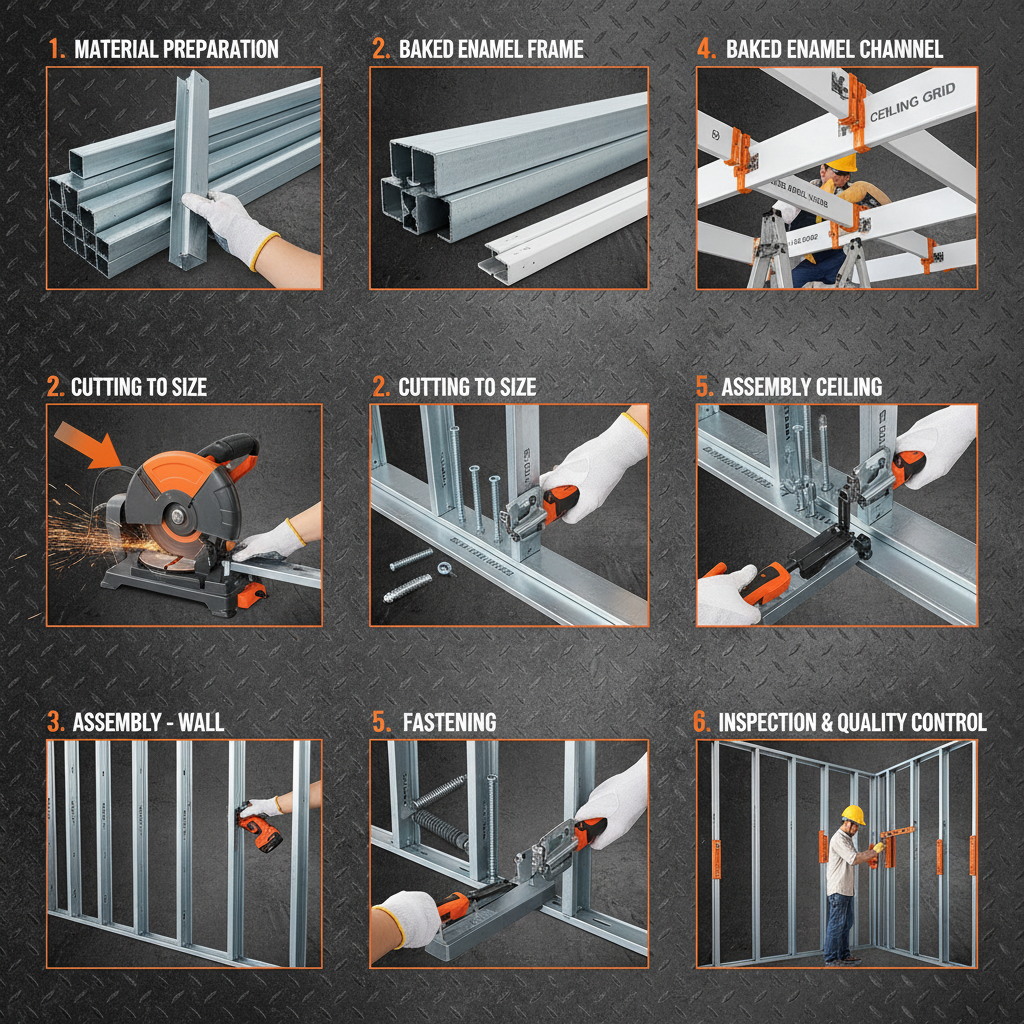
Global Relevance of Metal Stud Framing Gauges
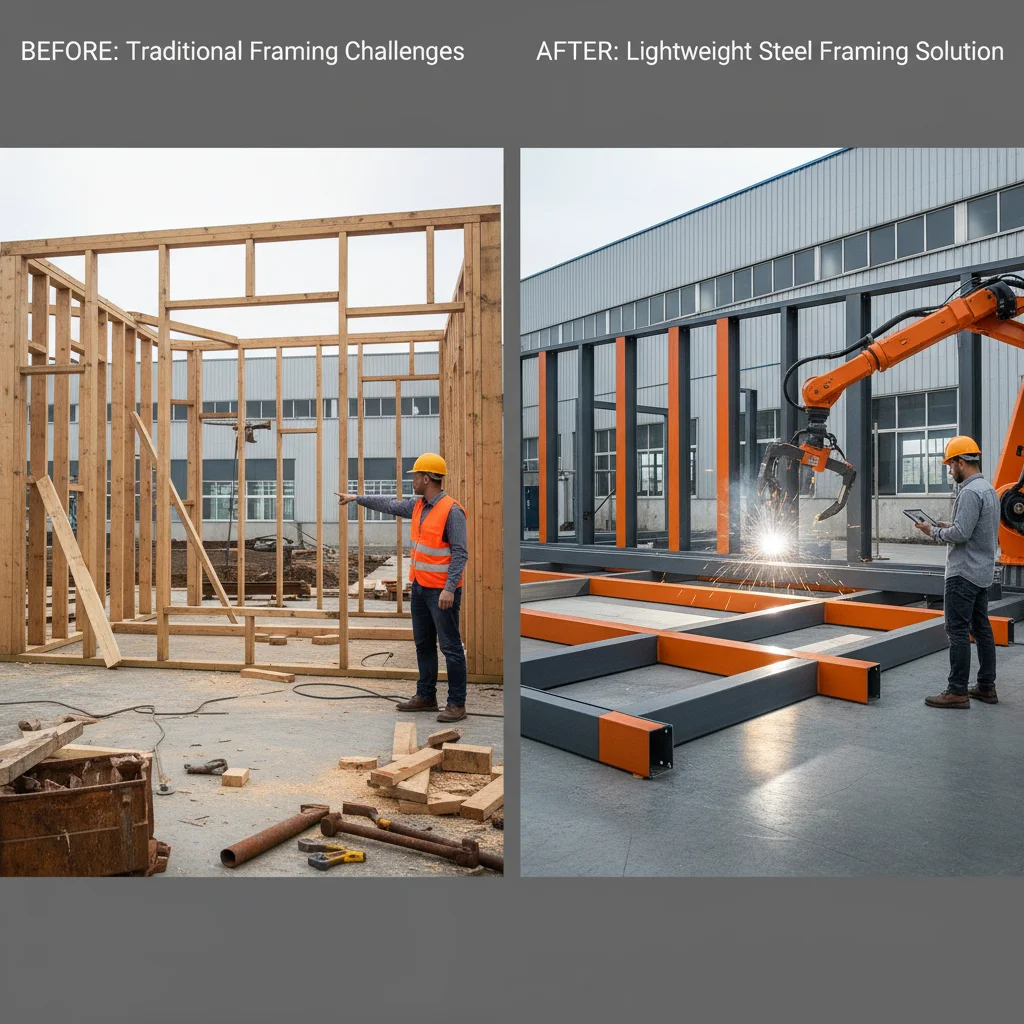
On a global scale, the demand for standardized metal stud framing gauges is driven by the rapid urbanization trends reported by the World Bank and ISO quality standards. As cities grow vertically, the need for lightweight yet sturdy internal framing becomes critical. Steel framing has largely replaced traditional timber in commercial sectors because it eliminates risks associated with warping, pests, and combustion, providing a predictable and scalable solution for architects worldwide.
The challenge often lies in the discrepancy between regional standards—such as the differences between North American and European gauge systems. This inconsistency can lead to structural vulnerabilities if materials are sourced without a deep understanding of how specific metal stud framing gauges translate across borders. By adhering to strict international manufacturing tolerances, the industry ensures that a T24 or T15 profile provides the exact rigidity required for the intended architectural load.
Defining Metal Stud Framing Gauges in Modern Construction
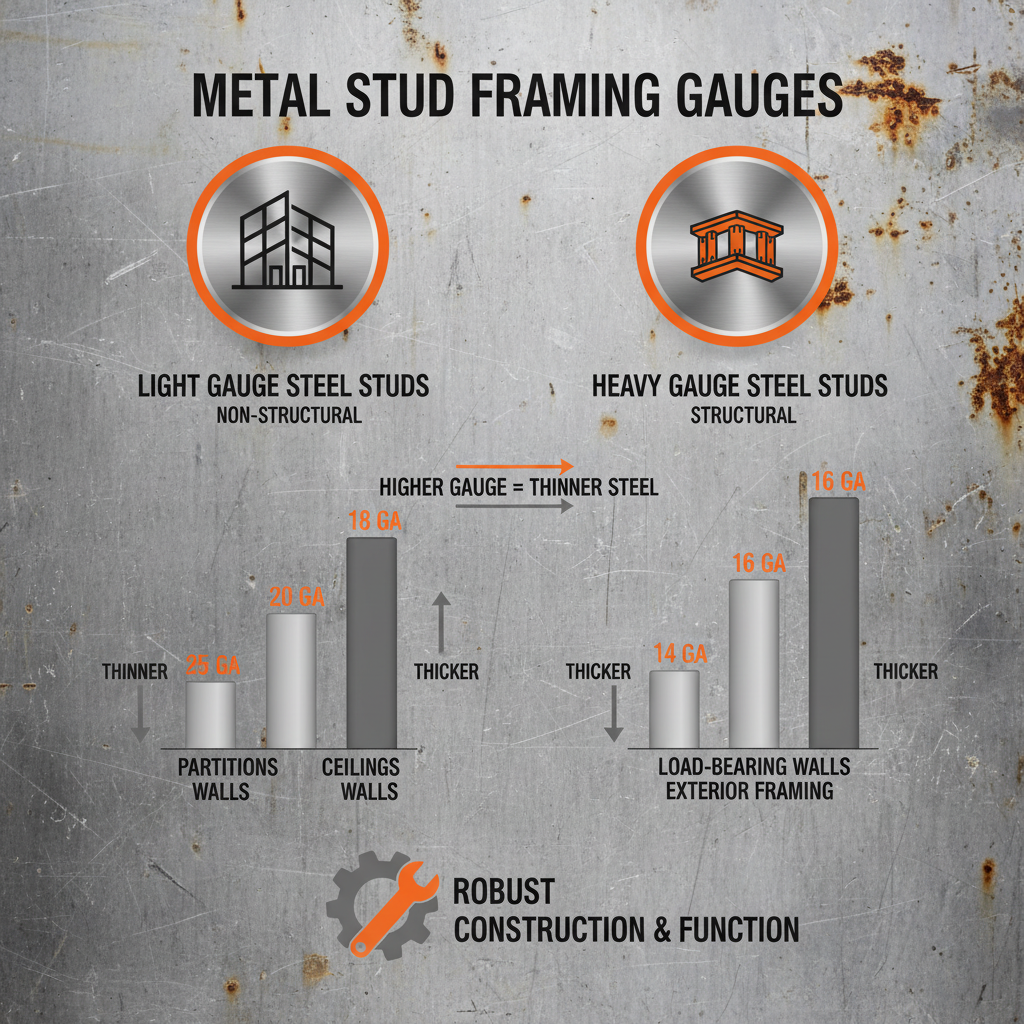
In simple technical terms, metal stud framing gauges refer to the measurement of the thickness of the steel sheet used to roll-form the studs and tracks. The "gauge" system is inverse: the higher the gauge number, the thinner the steel. For instance, a 25-gauge stud is significantly thinner than a 20-gauge stud. This nuance is critical because it determines whether a wall is "non-load bearing" (used simply to divide rooms) or "structural" (capable of supporting ceiling loads or heavy equipment).
Connecting this to modern industry needs, the precision of these gauges allows for the creation of highly specialized systems like the Black Lined T15 or the Ultra Lined (Silhouette) systems. These specialized profiles are designed to meet specific acoustic or fire-rating requirements, where the gauge of the steel affects how sound waves are dampened or how long the structure remains stable under extreme heat.
From a humanitarian perspective, the use of standardized metal stud framing gauges facilitates the rapid deployment of modular housing in disaster-stricken areas. Because these components are lightweight and predictable in their strength, they can be shipped in bulk and assembled quickly by semi-skilled labor, providing safe and dignified shelter far faster than traditional masonry.
Core Components and Structural Factors
When analyzing metal stud framing gauges, the first critical factor is Structural Rigidity. The thickness of the steel directly impacts the "moment of inertia," which is a measure of the stud's resistance to bending. In high-ceiling commercial environments, heavier gauges are mandatory to prevent the walls from bowing under the weight of heavy-duty drywall or integrated cabinetry.
Another core component is Cost Efficiency vs. Performance. While using a thicker gauge (lower number) increases strength, it also increases material costs and the overall weight of the building. The engineering goal is to find the "sweet spot" where the metal stud framing gauges are just thick enough to meet safety codes and structural loads without inflating the project budget unnecessarily.
Finally, Corrosion Resistance and Coating play a vital role. Depending on the gauge, different galvanization layers are applied to protect the steel from moisture. In humid environments, such as those seen in the Furring System (Middle East) applications, the interaction between the steel gauge and the zinc coating ensures the frame doesn't degrade, maintaining the longevity of the interior walls for decades.
Global Applications and Use Cases
The practical application of metal stud framing gauges varies significantly by region and building type. In North America, the CD-UD System is a staple for residential and light commercial use, where specific gauges are chosen based on the wall height. In contrast, the South American System often emphasizes different weight distributions to accommodate local building traditions and materials, requiring a tailored approach to steel thickness.
In industrial zones, such as oil refineries or pharmaceutical plants, heavy-duty metal stud framing gauges are utilized to create clean-room environments. These structures must support complex HVAC ducting and heavy electrical conduits within the walls, making structural stability a non-negotiable requirement for operational safety and equipment protection.
Comparative Performance of Metal Stud Framing Gauges
Long-Term Value and Sustainability Advantages
Investing in the correct metal stud framing gauges provides immense long-term value through reliability and reduced maintenance. Unlike wood, steel does not shrink or expand with humidity, which means the walls remain perfectly plumb. This prevents the cracking of joint compound and paint, reducing the need for costly renovations and ensuring that the building's interior maintains a professional, high-end appearance for years.
From a sustainability angle, steel is one of the most recycled materials on the planet. The precision of metal stud framing gauges allows for "just-in-time" manufacturing, which minimizes scrap metal during the production process. Furthermore, when a building is eventually decommissioned, the steel framing can be recovered and recycled back into the supply chain, embodying the principles of a circular economy and reducing the carbon footprint of the construction industry.
Future Trends in Steel Framing Innovations
The future of metal stud framing gauges is being reshaped by digital transformation and the integration of BIM (Building Information Modeling). Architects can now simulate exactly how different gauges will perform under specific stress loads before a single piece of steel is cut. This "digital twin" approach allows for extreme optimization, where gauges can be varied across a single floor plan—heavier in load-bearing areas and lighter in closets—to maximize efficiency.
We are also seeing a trend toward "Smart Steel," where new alloys are being developed to provide higher strength at thinner gauges. This innovation allows the industry to maintain the same structural integrity while using less raw material, further enhancing the sustainability of systems like the Small Furring System (South Asia).
Additionally, automation in the manufacturing process is allowing for more complex profile shapes to be rolled with tighter gauge tolerances. This means that hybrid systems, combining the benefits of Flat T Grids T24 and specialized studs, can be produced with micron-level accuracy, leading to faster assembly times on-site and a significant reduction in human error during installation.
Common Challenges and Expert Solutions
One of the most common challenges when dealing with metal stud framing gauges is "gauge creep," where substandard materials are substituted to save costs, leading to potential wall failure. To combat this, expert procurement involves requiring Mill Test Reports (MTRs) and third-party certifications that verify the actual thickness of the steel against the specified gauge.
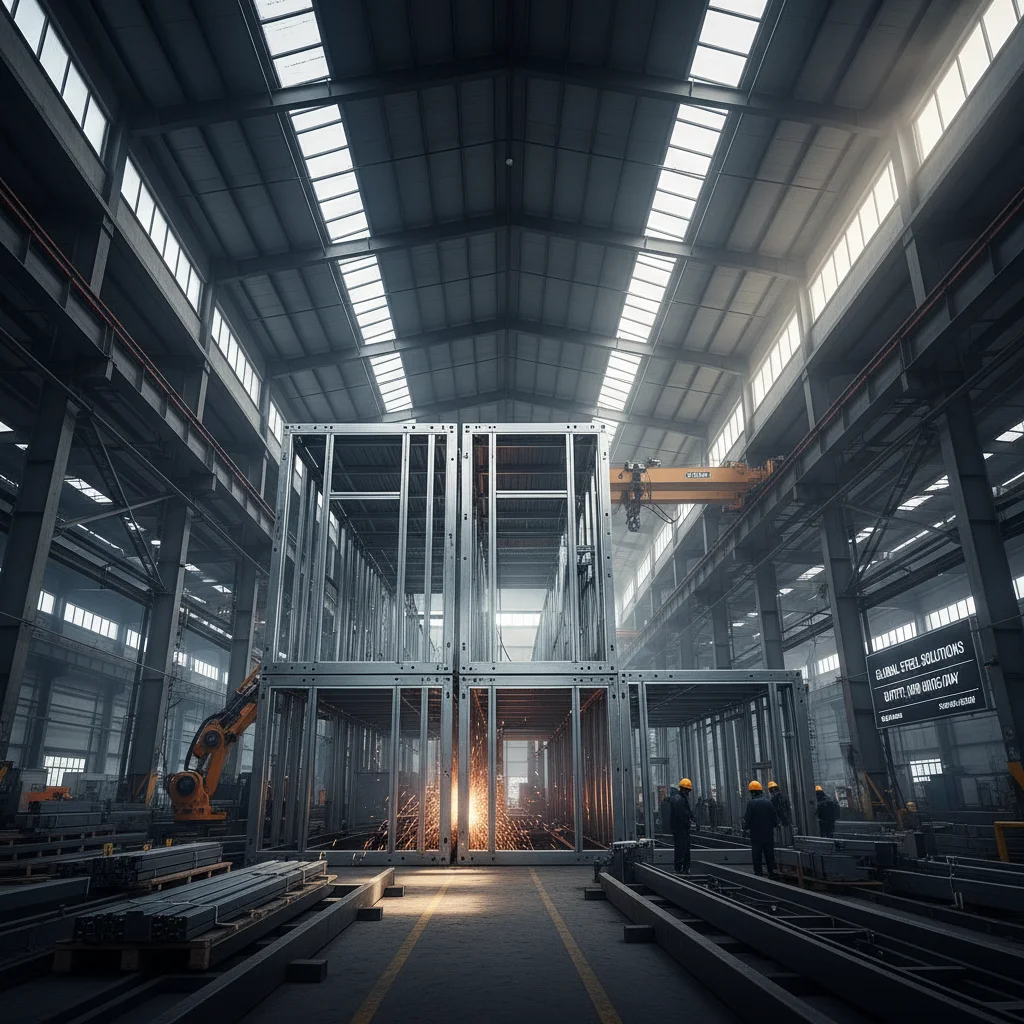
Another hurdle is the installation difficulty associated with heavier gauges. Thicker steel is harder to cut and bend on-site, which can slow down productivity. The solution lies in pre-fabrication; by using the BIM models mentioned earlier, studs can be pre-cut and pre-punched in the factory, transforming the job site into an assembly line rather than a fabrication shop.
Finally, acoustic bridging is a recurring issue where the rigidity of certain metal stud framing gauges allows sound to travel through the wall. Experts solve this by integrating acoustic gaskets and specialized insulation within the stud cavity, decoupling the drywall from the steel frame to ensure that the strength of the gauge does not compromise the privacy of the room.
Analysis of Metal Stud Framing Gauges by Application and Performance
| System Type |
Typical Gauge Range |
Structural Load Score |
Primary Use Case |
| Australian Drywall System |
0.5mm - 0.8mm |
7/10 |
Commercial Offices |
| Canada-US Drywall System |
25ga - 20ga |
6/10 |
Residential Partitions |
| Black Lined T24 |
0.6mm - 1.2mm |
8/10 |
High-End Ceilings |
| Furring System (ME) |
0.4mm - 0.7mm |
5/10 |
Wall Cladding |
| Ultra Lined (Silhouette) |
0.7mm - 1.5mm |
9/10 |
Industrial Partitions |
| South American System |
0.5mm - 1.0mm |
7/10 |
Mixed-Use Develop. |
FAQS
The selection depends on the wall height, the weight of the cladding materials (e.g., standard vs. fire-rated drywall), and whether the wall is load-bearing. We recommend consulting a structural engineer who can calculate the required moment of inertia. Typically, non-load bearing interior walls use 25ga or 20ga, while structural applications may require 16ga or thicker.
In terms of raw strength, yes—a lower gauge number indicates thicker steel. However, "better" is relative to the application. Using an overly heavy gauge for a simple partition increases costs, adds unnecessary weight to the building, and makes installation more labor-intensive without providing any functional benefit. Optimization is key.
US Gauge is a traditional standard where numbers represent a sequence of thicknesses. Metric thickness (mm) is a direct measurement. For example, a 20-gauge stud is approximately 0.9mm to 1.0mm thick. When importing systems like the Australian or South American systems, always verify the millimetric thickness to ensure compliance with local building codes.
While the gauge itself is steel (which is non-combustible), the thickness can affect how long the frame maintains structural integrity during a fire. Thicker gauges take longer to reach critical failure temperatures, which can contribute to a higher hourly fire rating when combined with approved gypsum boards and sealants.
Yes. Thinner gauges (25ga) are easily penetrated by standard fine-thread drywall screws. However, for heavier gauges (16ga and below), you must use self-drilling "tek" screws that can pierce the thicker steel without stripping the head or requiring a pilot hole, ensuring a secure mechanical connection.
The most reliable method is using a calibrated digital micrometer to measure the thickness of the steel flange. Additionally, you should request a Mill Test Certificate (MTR) from the manufacturer, which provides the chemical composition and the verified gauge of the steel batch used for your specific order.
Conclusion
Selecting the appropriate metal stud framing gauges is a critical decision that impacts the safety, cost, and longevity of any architectural project. From understanding the inverse relationship of gauge numbers to implementing region-specific systems like the Canada-US or Australian Drywall systems, the precision of steel thickness ensures that buildings remain stable and sustainable. By balancing structural requirements with material efficiency, developers can create spaces that are not only durable but also environmentally responsible.
Looking forward, the integration of BIM and high-strength alloys will continue to push the boundaries of what is possible with steel framing. We encourage engineers and contractors to move beyond "standard" choices and embrace an optimized approach to gauge selection. For high-quality, precision-engineered steel profiles that meet global standards, visit our website: www.jinkaibm.com