Understanding the metal framing cost per linear foot is a critical starting point for any modern construction project, whether it is a small residential renovation or a large-scale commercial development. In the competitive landscape of the non-metallic mineral products industry, specifically within the production of gypsum and cement-based systems, the efficiency of the supporting metal framework determines both the budget and the structural integrity of the final interior space.
Global construction trends are shifting toward galvanized steel profiles due to their superior strength-to-weight ratio and immunity to common biological pests. When calculating the metal framing cost per linear foot, developers must look beyond the initial purchase price and consider the total lifecycle value, including installation speed and long-term durability against corrosion.
By optimizing the choice of components, such as the UD System's perimeter channels, project managers can significantly reduce waste and labor expenses. This guide explores how the metal framing cost per linear foot is influenced by material quality and system compatibility, providing a roadmap for achieving cost-effective and high-performance drywall installations.

Global Industry Context of Metal Framing Cost Per Linear Foot
On a global scale, the demand for standardized construction materials has surged, leading to a more transparent approach to calculating the metal framing cost per linear foot. According to industry benchmarks and ISO standards for galvanized steel, the shift from timber to metal framing is driven by the need for fire resistance and structural precision. In rapidly urbanizing regions, the ability to predict costs accurately per linear foot allows for tighter project timelines and reduced financial risk.
However, the industry faces the challenge of fluctuating raw steel prices and varying regional standards. The "UD System" addresses these challenges by providing standardized galvanized steel perimeter channels that serve as a reliable base for vertical studs. By maintaining consistent dimensions and high-quality coatings, manufacturers help contractors stabilize the metal framing cost per linear foot regardless of the project's geographic location.
Defining Metal Framing Cost Per Linear Foot in Modern Construction
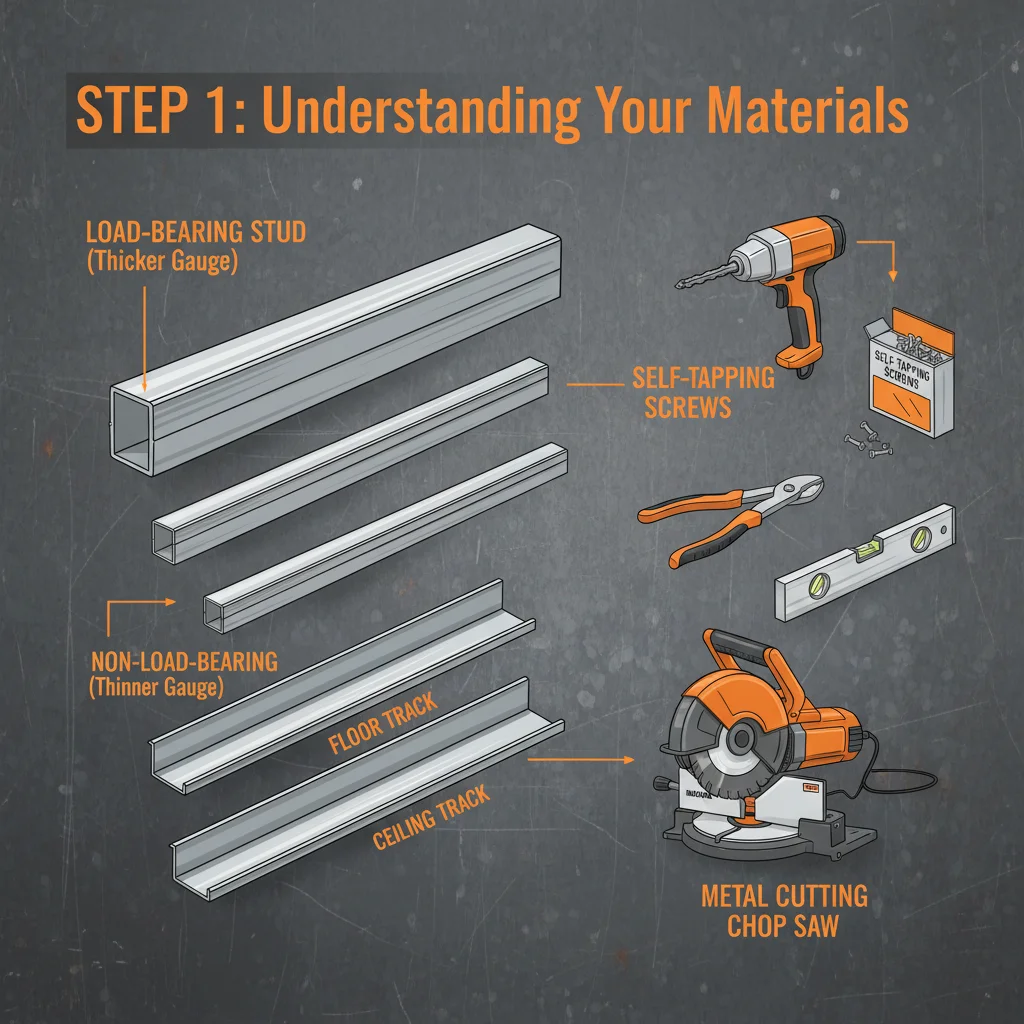
The metal framing cost per linear foot refers to the unit price of the metal profiles—such as the UD channels or C-studs—required to create one linear foot of structural support. This metric is the primary baseline for estimating the budget of interior partitions and suspended ceilings. It encompasses not just the raw material cost, but also the value added through galvanization, precision punching, and standardized shaping.
In the context of modern humanitarian and industrial needs, this standardized costing allows for the rapid deployment of modular housing and emergency shelters. When the metal framing cost per linear foot is kept predictable, NGOs and government agencies can scale their infrastructure projects quickly without fearing sudden budget overruns, ensuring that safe housing is delivered efficiently.
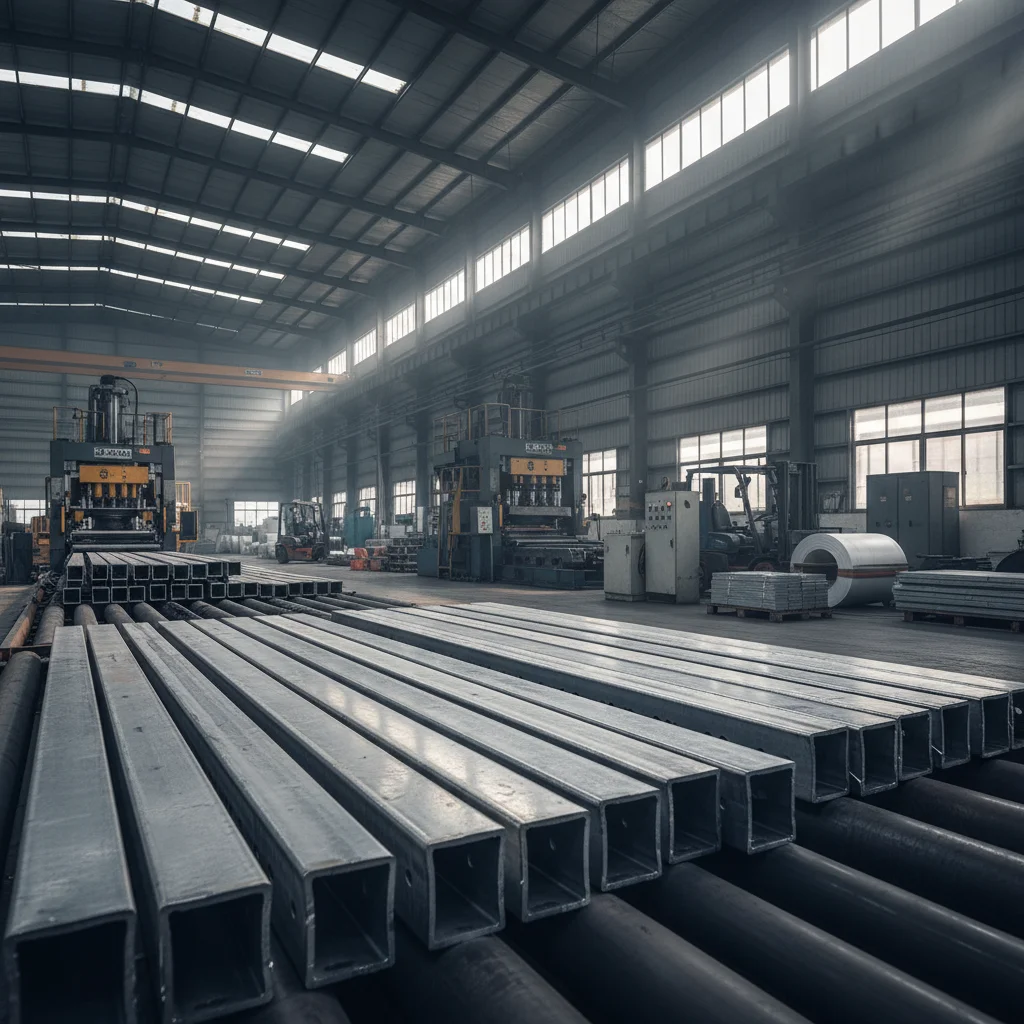
Ultimately, this cost metric is a reflection of the efficiency of the manufacturing process. High-quality UD Systems reduce the need for on-site modifications, meaning that a slightly higher initial metal framing cost per linear foot often results in a lower overall project cost due to reduced labor and material waste.
Core Components Influencing Framing Cost Efficiency
The first major factor influencing the metal framing cost per linear foot is the material grade. The use of high-quality galvanized steel ensures that the framework is resistant to rust and corrosion. This durability means that while the initial investment might be higher, the long-term maintenance costs are virtually eliminated, providing a higher return on investment.
Structural stability is another core component. The UD System's ability to act as a rigid guide for vertical studs ensures that drywall panels are installed with mathematical precision. When the metal framing cost per linear foot includes features like pre-punched fixing holes, the installation time is slashed, directly reducing the labor portion of the total project expenditure.
Finally, compatibility and versatility play a huge role. A system that works seamlessly with various drywall studs and ceiling components prevents the need for expensive adapters or custom fabrication. By utilizing a versatile system, contractors can optimize the metal framing cost per linear foot across multiple applications, from simple wall partitions to complex bulkheads.
Global Applications and Use Cases for Steel Framing
The application of the UD System is universal, spanning residential, commercial, and industrial sectors. In North American and European commercial hubs, the focus on the metal framing cost per linear foot is often tied to fire-rating requirements and acoustic insulation. The rigidity of galvanized steel channels allows for the integration of sound-dampening materials, making them ideal for office partitions and hotel rooms.
In more extreme environments, such as remote industrial zones or coastal regions in South America and Asia, the corrosion resistance of galvanized steel is paramount. Here, the metal framing cost per linear foot is justified by the material's ability to withstand high humidity and saline air, preventing the structural failure that often plagues traditional timber framing in tropical climates.
Comparative Efficiency of Metal Framing Cost Per Linear Foot Methods
Long-Term Value and Sustainability of Galvanized Systems
When analyzing the metal framing cost per linear foot, the conversation must shift from "price" to "value." The use of galvanized steel offers a sustainable alternative to wood, which is subject to rot, warping, and termite infestation. By choosing a system with a high corrosion resistance, building owners avoid the costly process of tearing down and replacing walls every decade, effectively lowering the amortized cost of the framing.
Furthermore, the recyclability of steel adds a layer of social and environmental dignity to the construction process. At the end of a building's life, the metal components can be reclaimed and recycled, reducing the carbon footprint of the demolition. This circular economy approach proves that an optimized metal framing cost per linear foot is not just a financial win, but an ecological one.
Future Trends in Metal Framing Cost Optimization
The future of the metal framing cost per linear foot is being shaped by digital transformation and automation. BIM (Building Information Modeling) now allows architects to calculate the exact linear footage required for a project with millimeter precision, eliminating the 10-15% waste margin common in traditional estimating. This digital precision ensures that the budget is spent only on necessary materials.
Additionally, the emergence of high-strength, low-alloy steels is allowing manufacturers to produce thinner yet stronger profiles. This innovation reduces the raw material weight per foot, potentially lowering the metal framing cost per linear foot while maintaining or even increasing the structural load capacity.
We are also seeing a trend toward "Green Galvanization" processes that reduce the chemical impact of the coating phase. As environmental regulations tighten globally, these sustainable manufacturing methods will become the industry standard, ensuring that the cost per linear foot remains competitive while adhering to strict ESG (Environmental, Social, and Governance) criteria.
Challenges and Expert Solutions for Framing Budgets
One of the primary challenges in managing the metal framing cost per linear foot is the inconsistency of quality in low-cost alternatives. Inferior coatings can lead to premature rust, which compromises the structural stability of the entire drywall system. The expert solution is to prioritize "consistent quality control," ensuring that the galvanized layer meets international thickness standards.
Another common limitation is the lack of coordination between the perimeter channels and the vertical studs. When components from different manufacturers are mixed, installation time increases, driving up the effective metal framing cost per linear foot through wasted labor. Adopting a comprehensive system, like the UD System, ensures seamless integration and rapid fixing.
To overcome these hurdles, professionals are encouraged to use pre-punched fixing holes and standardized dimensions (such as 20mm, 27mm, or 30mm). This removes the need for manual drilling on-site, simplifying handling and reducing the risk of injury, which further optimizes the overall operational cost of the framing project.
Analysis of Budget Factors Influencing Metal Framing Cost Per Linear Foot
| Material Dimension |
Installation Speed |
Corrosion Rating (1-10) |
Cost Efficiency Score |
| UD Channel 20mm |
Very High |
9 |
9.5 |
| UD Channel 27mm |
High |
9 |
9.0 |
| UD Channel 30mm |
Moderate |
9 |
8.5 |
| Standard C-Stud |
High |
8 |
8.0 |
| Heavy Duty Profile |
Moderate |
10 |
7.0 |
| Lightweight Furring |
Very High |
7 |
8.8 |
FAQS
The UD System optimizes the metal framing cost per linear foot by providing standardized, pre-punched perimeter channels. This reduces the time spent on on-site measurements and drilling, which significantly lowers labor costs. Because it is manufactured from high-quality galvanized steel, it also reduces future maintenance costs compared to lower-grade materials.
Yes. While the initial metal framing cost per linear foot may vary, galvanized steel is immune to termites, rot, and moisture damage. In high-humidity environments, steel framing prevents structural failures that would require expensive replacements in wood-framed buildings, making it the more economical choice over a 20-year lifecycle.
Most cost estimations for metal framing cost per linear foot are based on standard widths such as 20mm, 27mm, or 30mm. These dimensions are designed to be compatible with standard C or U profiles, ensuring that the framework is rigid and that installation is streamlined across different project scales.
Pre-punched holes directly lower the effective metal framing cost per linear foot by speeding up the fixing process to floors and ceilings. This reduces the man-hours required for installation and minimizes the risk of material damage caused by incorrect manual drilling, leading to a cleaner and faster build.
While thinner steel may lower the immediate metal framing cost per linear foot, it can compromise structural stability and load-bearing capacity. It is recommended to use industry-standard thicknesses that balance weight and strength, ensuring the safety of the drywall partitions and preventing sagging over time.
To calculate the total, measure the linear footage of all perimeter walls (for UD channels) and add the vertical stud requirements (typically every 16 or 24 inches). Multiply this total linear footage by the metal framing cost per linear foot provided by your supplier to get a baseline material estimate.
Conclusion
In summary, analyzing the metal framing cost per linear foot is about more than just finding the lowest price; it is about maximizing the efficiency, durability, and stability of the entire drywall system. By utilizing high-quality galvanized steel and standardized components like the UD System, developers can ensure a high-strength framework that minimizes waste, reduces labor hours, and provides long-term resistance to corrosion.
As the construction industry moves toward greater automation and sustainable practices, the integration of precision-engineered metal profiles will remain the gold standard. We suggest that project managers focus on the synergy between material quality and installation speed to achieve the best possible value per linear foot. For premium framing solutions that balance cost and performance, visit our website: www.jinkaibm.com.