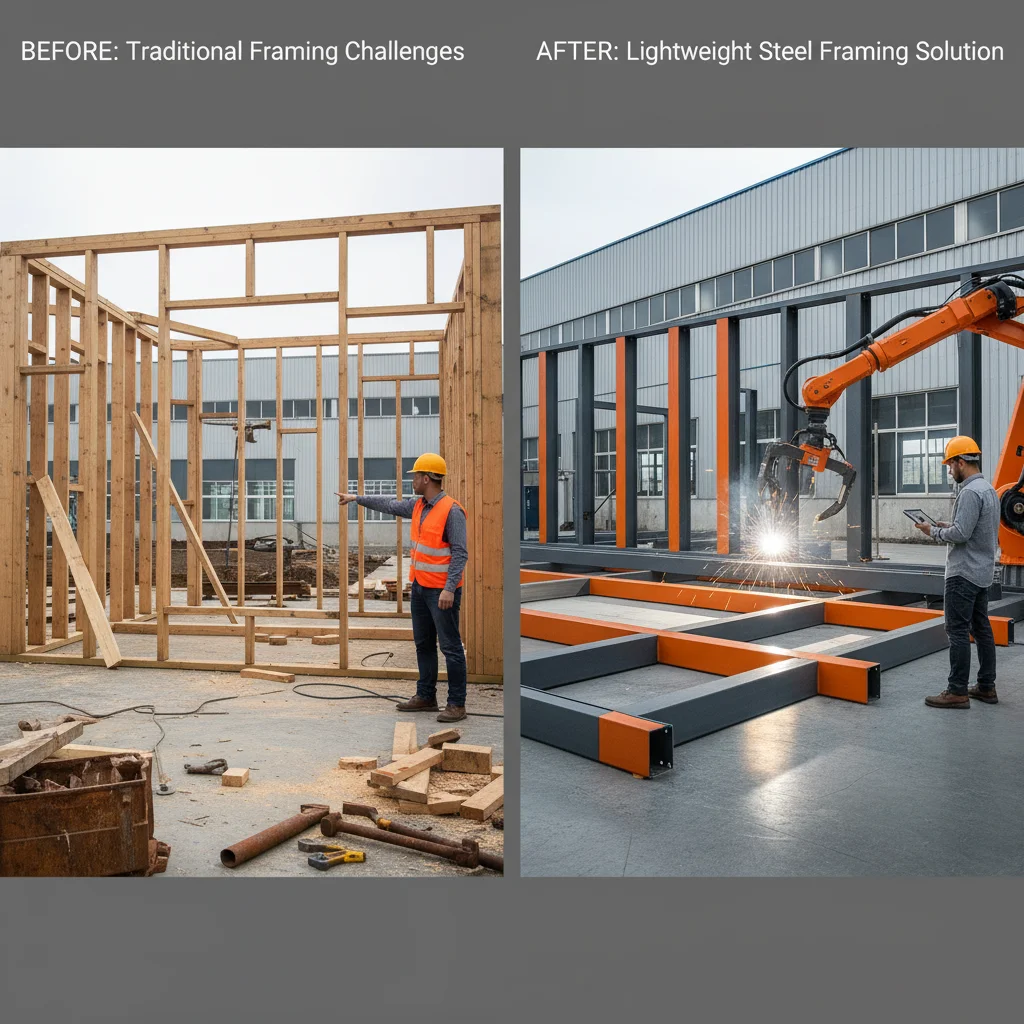
The global construction landscape is witnessing a paradigm shift toward prefabricated and high-precision structural components, where the role of professional light gauge steel suppliers has become pivotal. These suppliers provide the essential framework for modern interiors, enabling the creation of suspended ceilings and drywall systems that are both lightweight and exceptionally strong. By bridging the gap between architectural vision and structural reality, these specialists ensure that commercial spaces are built with efficiency and longevity.
From an industrial perspective, the demand for standardized, corrosion-resistant materials has pushed the manufacturing sector to refine its production of cold-formed steel profiles. Reliable light gauge steel suppliers focus on metallurgical precision, ensuring that every T-bar or stud meets rigorous safety codes and load-bearing specifications. This evolution not only reduces material waste but also accelerates project timelines, making it a preferred choice for large-scale infrastructure developments worldwide.
Choosing the right partner among various light gauge steel suppliers is critical for ensuring the structural integrity of suspended ceiling systems. Whether it is for a high-traffic hospital or a corporate office, the quality of the galvanized steel directly impacts the system's resistance to sagging and environmental decay, ultimately determining the lifecycle of the architectural installation.

The Strategic Importance of Light Gauge Steel Suppliers
The reliability of a construction project often hinges on the quality of the invisible skeleton that supports the visible surfaces. Professional light gauge steel suppliers provide the critical T-bar systems and steel profiles that ensure suspended ceilings remain perfectly level and secure over decades of use. By utilizing premium galvanized steel and aluminum alloys, these suppliers eliminate the risks associated with traditional materials, such as rotting or warping.
Furthermore, the strategic integration of these systems allows for rapid scalability in commercial developments. The ability to source precise, interlocking components from trusted light gauge steel suppliers means that contractors can significantly reduce labor costs and installation errors, ensuring that the architectural finish meets the highest professional standards.
Defining Excellence in Steel Profile Manufacturing
Excellence in this industry is defined by the intersection of material science and precision engineering. Leading light gauge steel suppliers employ advanced cold-forming techniques to create profiles that maintain strict dimensional tolerances, which is essential for the "click-in" functionality of modern ceiling grids. This precision ensures that every component fits seamlessly, reducing the need for on-site modifications.
Another hallmark of quality is the surface treatment. High-grade suppliers utilize bright galvanized coatings or specialized powder coatings to protect the steel from oxidative stress. This is particularly vital in humid environments or healthcare settings where sanitation and corrosion resistance are non-negotiable requirements for building safety and hygiene.
Ultimately, the value provided by top-tier light gauge steel suppliers extends beyond the physical product. It encompasses a comprehensive quality assurance process, from the verification of steel thickness to the monitoring of fire-resistant properties, ensuring that every shipment complies with international building codes and safety regulations.
Core Components of High-Precision T Bar Systems
The architectural backbone of any suspended ceiling is the T-bar system, which relies on a network of main keels and cross-tees. When sourcing from reputable light gauge steel suppliers, these components are engineered to provide superior load capacity, preventing the sagging often seen in inferior installations. The system is designed to support a wide variety of tiles, from mineral fiber to gypsum boards.
A critical feature provided by professional light gauge steel suppliers is the interlocking locking tab system. This design allows for a tool-free assembly process, where components snap together securely. This innovation not only speeds up the installation process but also ensures a level of structural stability that is difficult to achieve with manual fastening methods.
Beyond the primary grid, the system includes wall angles and suspension hangers that anchor the framework to the building's main structure. The synergy between these parts, provided by specialized light gauge steel suppliers, ensures that the ceiling can withstand vibrations and environmental shifts while remaining aesthetically flawless and perfectly aligned.
Performance Metrics for Commercial Ceiling Frameworks
Evaluating the performance of a ceiling system requires a deep dive into its structural efficiency and installation speed. When comparing products from various light gauge steel suppliers, metrics such as "load-to-weight ratio" and "installation time per square meter" become the primary indicators of value. A high-performing system maximizes strength while minimizing the overall weight on the building's structure.
Moreover, the longevity of the system is measured by its resistance to environmental degradation. The use of non-combustible materials and advanced coatings allows these systems to outperform traditional wood or plaster alternatives in every critical category, from fire safety to maintenance costs over a twenty-year lifespan.
Comparative Efficiency of Light Gauge Steel Suppliers Methods
Global Applications of Sustainable Steel Frameworks
The versatility of the T-bar system makes it a global standard across diverse industries. In high-traffic commercial environments such as international airports and shopping malls, the structural reliability provided by light gauge steel suppliers ensures that ceilings can support heavy HVAC systems and lighting arrays without compromising safety or aesthetics.
In specialized sectors like healthcare, these systems are indispensable. Hospitals require ceilings that allow immediate access to electrical wiring and plumbing for maintenance; the removable tile grid provided by light gauge steel suppliers enables this "service access" without the need for destructive cutting or lengthy renovations, maintaining a sterile and operational environment.
Long-Term Value and Economic Advantages
From a financial perspective, investing in high-quality components from established light gauge steel suppliers yields a significantly higher return on investment than using traditional materials. The initial cost is offset by the "Ultra-Fast" installation speed of click-in systems, which dramatically lowers labor expenses and project overheads.
Sustainability also plays a major role in long-term value. Steel is highly recyclable, and the precision of the manufacturing process minimizes material waste during installation. This alignment with green building certifications makes these systems an attractive choice for developers aiming for LEED or BREEAM accreditation.
Finally, the minimal maintenance required over a 20+ year lifespan provides peace of mind for facility managers. Unlike wood, which is prone to rot, or plaster, which cracks over time, the corrosion-resistant profiles from light gauge steel suppliers maintain their structural integrity and visual appeal with virtually no upkeep.
Future Trends in Modular Ceiling Technology
The future of the industry is moving toward "Smart Frameworks" and deeper customization. We are seeing a trend where light gauge steel suppliers are integrating digital fabrication, allowing for tailored lengths and custom powder-coated colors that match specific architectural branding requirements with millimeter precision.
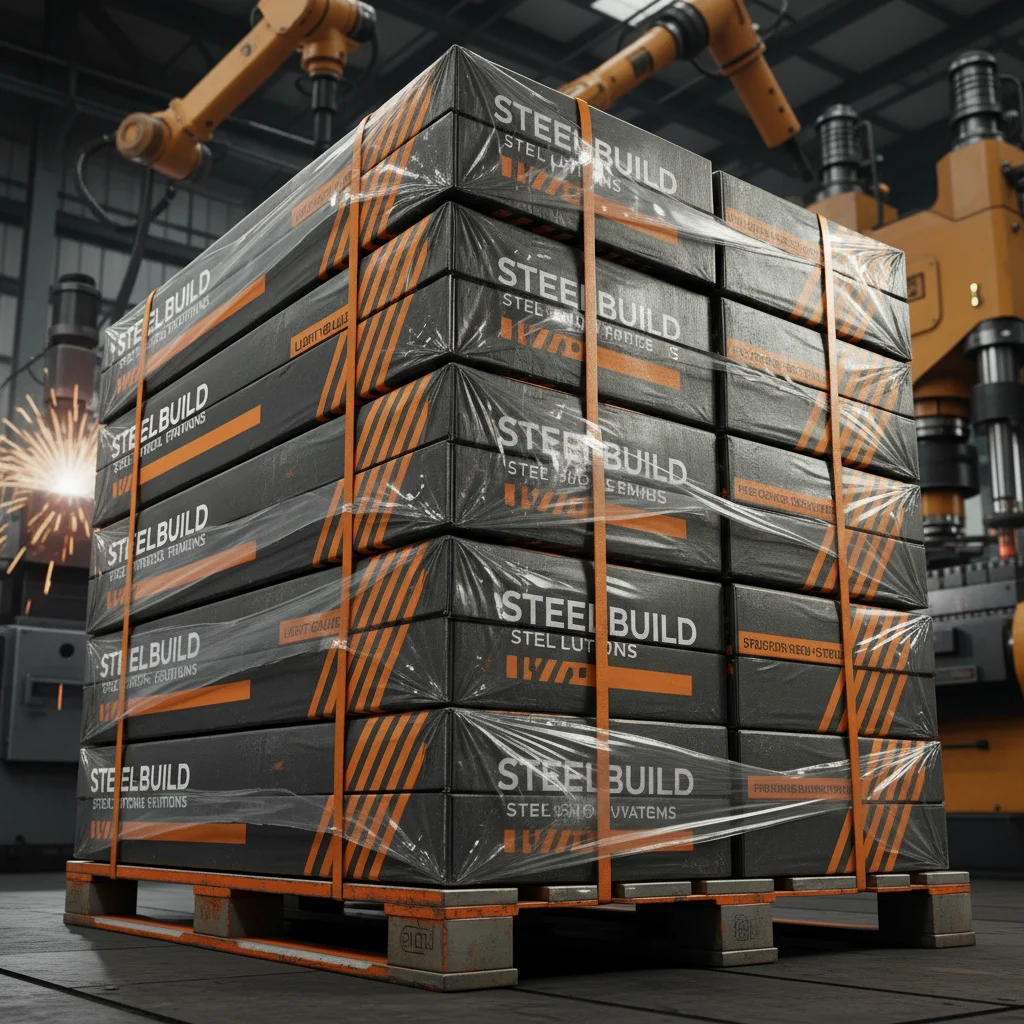
Automation in the supply chain is also transforming how these materials are delivered. Real-time inventory tracking and logistics optimization ensure that large-scale projects receive a seamless flow of components, preventing costly delays in the construction schedule. This digital transformation is making the partnership between developers and light gauge steel suppliers more transparent and efficient.
Furthermore, there is an increasing focus on ultra-lightweight alloys that do not sacrifice load capacity. As architects push for more open and daring designs, the ability of light gauge steel suppliers to innovate new profiles that support heavier acoustic panels while weighing less will be the primary driver of growth in the modular construction market.
Comparative Analysis of Ceiling System Material Performance
| Material Type |
Installation Speed |
Lifespan (Years) |
Maintenance Cost |
| Galvanized Steel (T-Bar) |
Ultra-Fast |
20+ |
Very Low |
| Aluminum Alloy |
Fast |
25+ |
Minimal |
| Traditional Wood |
Slow |
10-15 |
Moderate |
| Plaster/Gypsum Framework |
Very Slow |
12-18 |
High |
| Powder Coated Steel |
Ultra-Fast |
20+ |
Very Low |
| Cold-Rolled Mild Steel |
Moderate |
15+ |
Low-Moderate |
FAQS
Most professional suppliers utilize high-quality galvanized steel or aluminum alloys. Galvanized steel is preferred for its excellent strength-to-weight ratio and cost-effectiveness, while aluminum alloy is chosen for projects requiring extreme corrosion resistance or a lighter overall structure. Both are typically treated with bright galvanization or powder coating to ensure long-term durability in various environments.
Yes, absolutely. The products from specialized light gauge steel suppliers are specifically designed with galvanized or powder-coated finishes that resist moisture and oxidation. This makes them ideal for healthcare facilities, laboratories, and kitchens where hygiene and humidity control are critical, ensuring the framework does not rust or degrade over time.
The grid structure creates a modular layout where individual ceiling tiles can be easily lifted and replaced without disturbing the rest of the ceiling. This provides immediate access to HVAC ducts, electrical wiring, and plumbing. This "removable" nature significantly reduces the cost and time of facility maintenance compared to fixed plaster ceilings.
Standard widths for T-bar profiles are typically 15mm and 24mm, catering to different aesthetic and structural needs. Lengths are generally standardized at 3.6m or 3.7m to optimize shipping and fit most commercial room layouts. However, many top-tier suppliers offer custom lengths and color options to meet specific architectural requirements.
Yes, the materials used by reputable light gauge steel suppliers—primarily steel and aluminum—are non-combustible. This ensures that the ceiling framework does not contribute to the spread of fire, helping the overall building meet strict international and local fire safety codes and protecting the occupants of the building.
The installation is significantly faster due to the interlocking "click-in" ends and standardized components. While traditional wood or plaster ceilings require manual fastening, cutting, and drying times, the steel systems from professional suppliers can be assembled rapidly with minimal tools, reducing labor costs by a substantial margin.
Conclusion
In summary, the role of professional light gauge steel suppliers is fundamental to the success of modern commercial architecture. By providing high-precision T-bar systems made from durable galvanized steel and aluminum, these suppliers ensure that suspended ceilings are not only aesthetically pleasing but also structurally sound, fire-resistant, and easy to maintain. The transition from traditional building materials to these engineered steel solutions represents a leap in efficiency, sustainability, and long-term economic value for developers and facility managers alike.
Looking forward, the continued innovation in modular steel components will further streamline the construction process, integrating more sustainable materials and smarter logistics. For those seeking to upgrade their commercial spaces with a system that balances industrial-grade durability with professional elegance, partnering with experienced suppliers is the most reliable path to success. To explore premium ceiling solutions, visit our website: www.jinkaibm.com