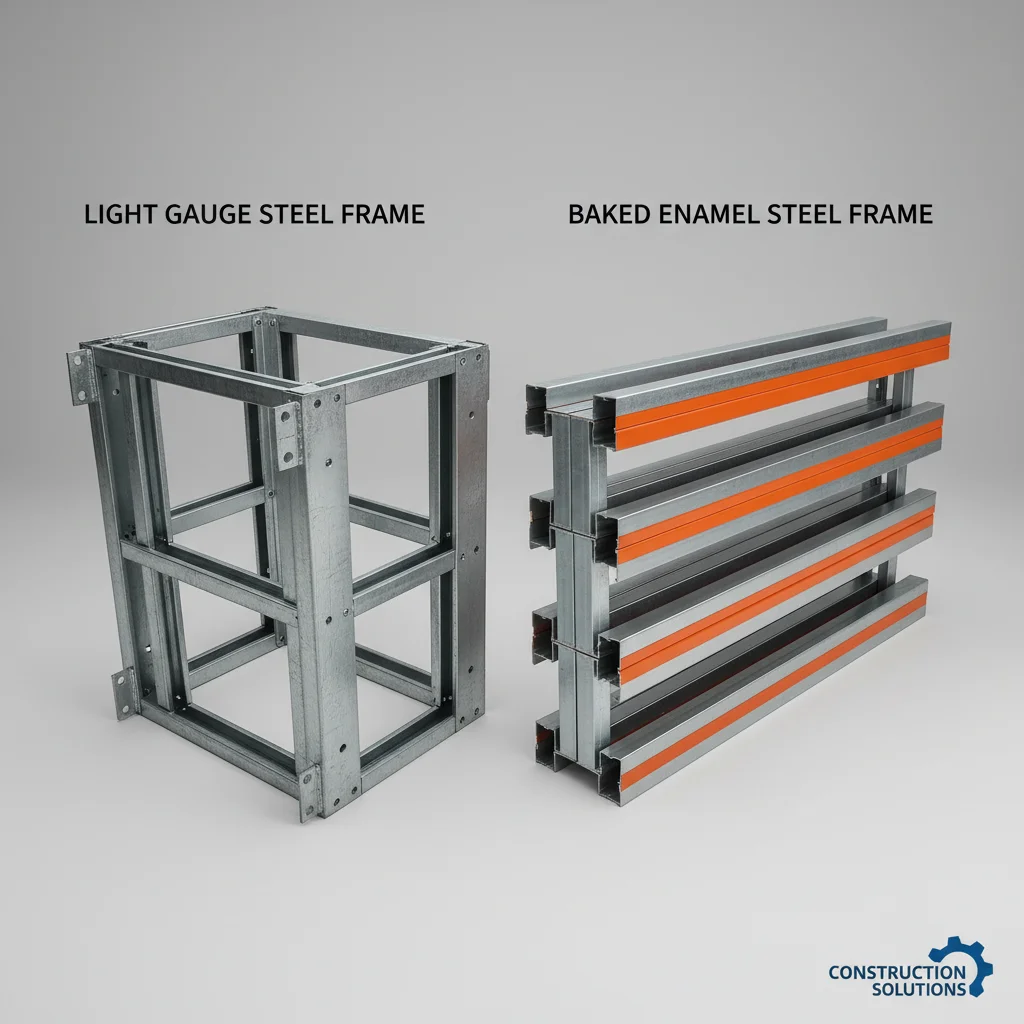
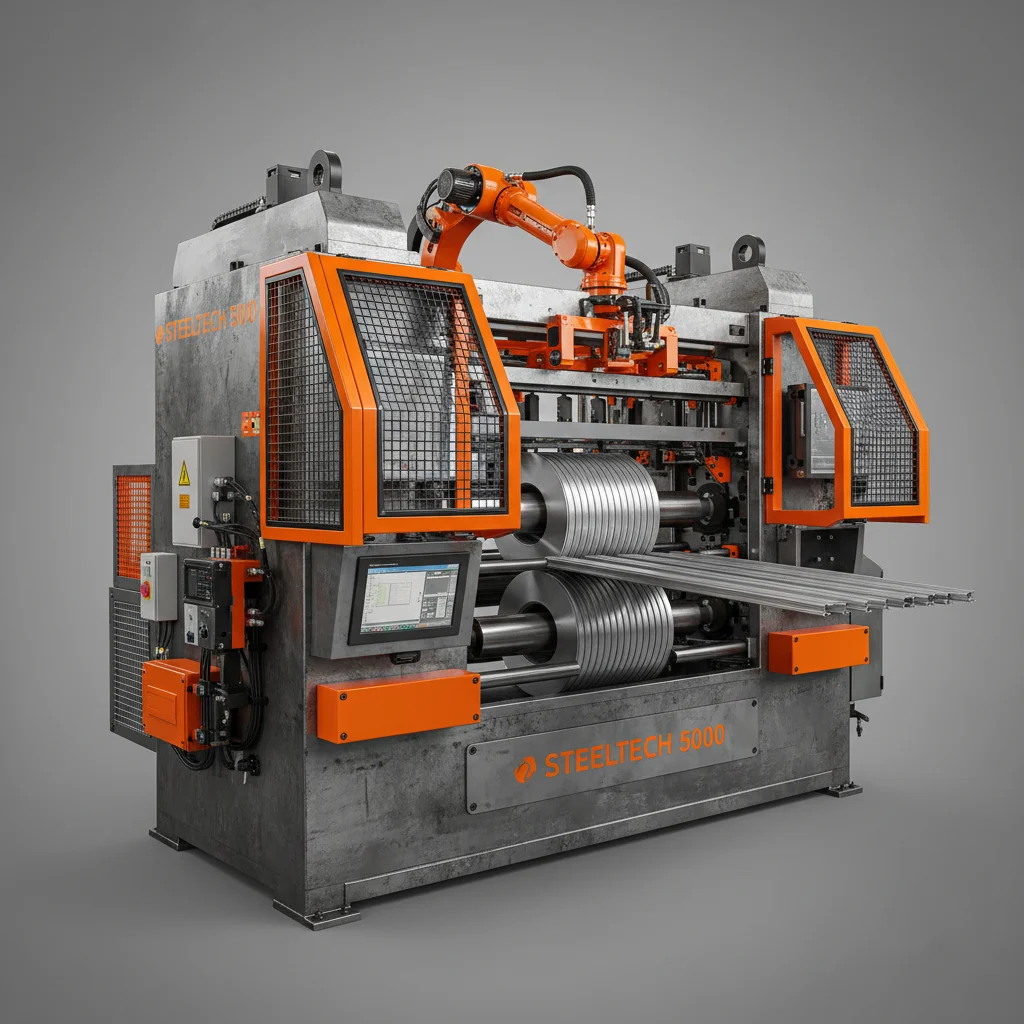
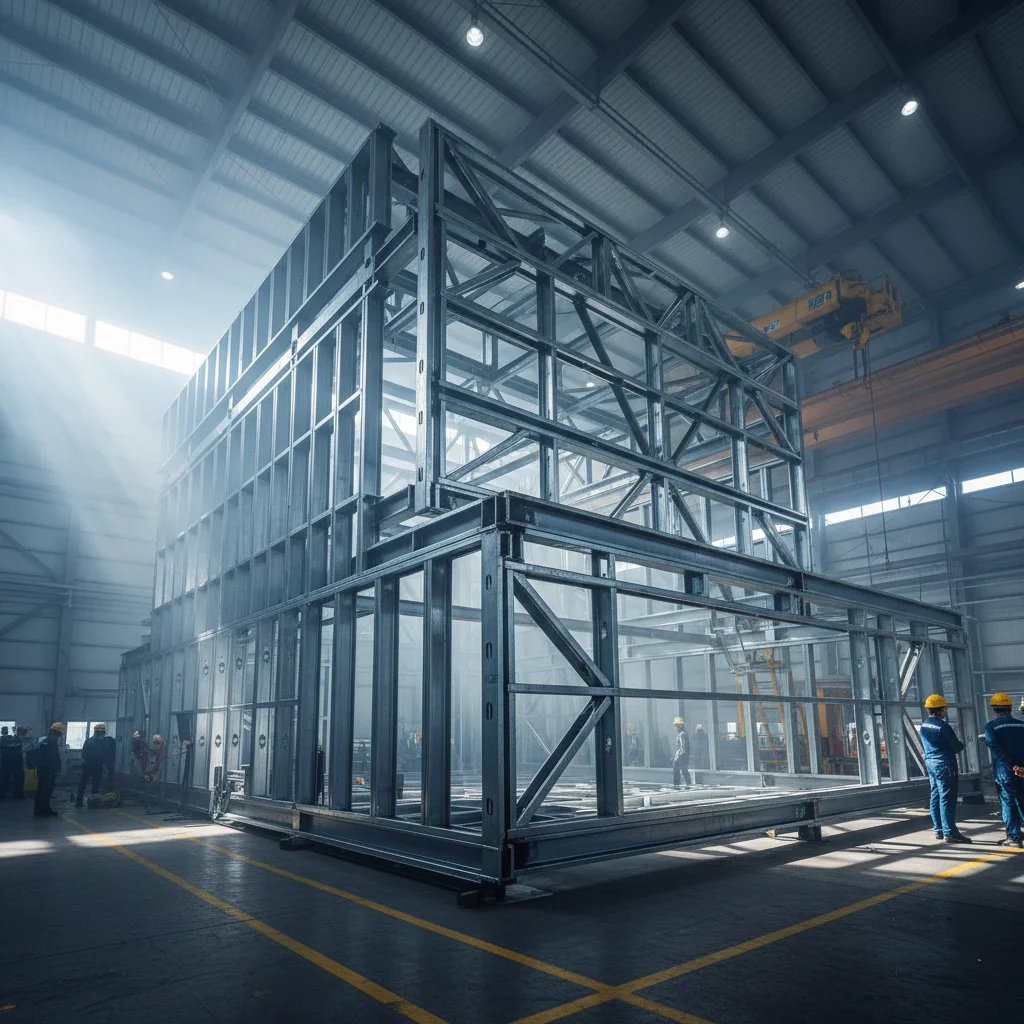
The global construction landscape is witnessing a significant shift toward precision-engineered framing systems, where the role of specialized light gauge steel trusses manufacturers has become pivotal. As urban density increases and the demand for sustainable, rapid-build structures grows, the industry is moving away from traditional heavy timber and bulky steel beams toward optimized, cold-formed sections. These systems offer an unparalleled balance of strength and weight, ensuring that modern architectural visions can be realized without compromising on structural integrity.
Integrating advanced metallurgy with automated fabrication, light gauge steel trusses manufacturers are now providing solutions that drastically reduce on-site waste and installation timelines. By utilizing high-strength galvanized steel, these manufacturers ensure that structural frameworks remain resistant to corrosion and pests, which are common failure points in traditional building materials. This evolution is not merely about material replacement but represents a holistic approach to engineering efficiency and long-term building lifecycle management.
For professionals seeking a seamless integration of structural support and aesthetic finish, partnering with experienced light gauge steel trusses manufacturers ensures that every component, from the primary framework to the final ceiling grid, meets rigorous international standards. By focusing on precision-cut profiles and high-grade coatings, these manufacturers enable the creation of spaces that are both safe and visually sophisticated, catering to the diverse needs of commercial and residential developments worldwide.

The Industrial Significance of Light Gauge Steel Frameworks
The adoption of light gauge steel systems marks a turning point in the non-metallic mineral product and metal decoration industry. By leveraging the expertise of light gauge steel trusses manufacturers, builders can now implement ceiling and wall systems—such as the 15mm Black Line T Grid—that offer extreme precision. These frameworks are engineered to support heavy acoustic tiles and gypsum boards while maintaining a slim, unobtrusive profile that aligns with modern minimalist design trends.
Beyond the visual appeal, the structural stability provided by these systems is unmatched. The use of high-strength galvanized steel ensures that the grid remains rigid over long spans, preventing the sagging often associated with lower-quality materials. This industrial shift allows for faster project turnaround times and a significant reduction in labor costs, as the precision-engineered parts allow for a rapid click-and-lock assembly process on-site.
Defining the Role of Light Gauge Steel Trusses Manufacturers
Light gauge steel trusses manufacturers specialize in the production of cold-formed steel sections that are engineered to provide high strength-to-weight ratios. Unlike traditional hot-rolled steel, these components are shaped at room temperature, allowing for tighter tolerances and more complex geometries. In the context of architectural decoration, this means creating T-grids and furring systems that are exactly 15mm or 24mm, ensuring a perfect fit for ceiling tiles and acoustic panels.
The core mission of these manufacturers is to bridge the gap between structural necessity and aesthetic desire. By providing customized options such as V-cut designs, they allow architects to create recessed looks or specific integrations that would be impossible with standard beams. This specialization ensures that the "skeleton" of the building is not just a support mechanism, but a precision tool that contributes to the overall quality of the interior finish.
Ultimately, these manufacturers act as the foundation of the modern drywall and ceiling industry. By adhering to strict quality assurance protocols and tolerance checks, they guarantee that every main tee and cross tee arriving at a construction site will align perfectly. This reliability is what enables the scalability of large-scale commercial projects, where even a few millimeters of deviation could lead to costly delays and material waste.
Core Technical Components and Material Integrity
The integrity of a suspended ceiling depends heavily on the quality of the steel profiles provided by light gauge steel trusses manufacturers. A primary example is the 15mm Black Line T Grid System, which utilizes a thickness range of 0.20mm to 0.30mm. This specific thickness is critical because it determines the load-bearing capacity and the rigidity of the entire ceiling assembly, ensuring it can support heavy mineral fiber or metal panels without deflection.
Furthermore, the material grade used by leading light gauge steel trusses manufacturers focuses on high-strength galvanized steel. The galvanization process creates a protective zinc layer that prevents oxidation and rust, which is essential for installations in humid environments or commercial kitchens. This chemical resilience ensures that the structural framework remains stable for decades, reducing long-term maintenance costs for the building owner.
Finally, the precision of the components—such as the 32x15x3000mm main tees and the various cross tee lengths—is what sets professional manufacturers apart. By implementing automated SKU management and real-time inventory control, light gauge steel trusses manufacturers can provide consistent dimensions across thousands of units. This precision facilitates the "click-and-lock" assembly, which minimizes human error during installation and ensures a perfectly level ceiling plane.
Performance Metrics in Modern Steel Fabrication
When evaluating the efficacy of systems produced by light gauge steel trusses manufacturers, performance is measured through a combination of installation speed, weight capacity, and longevity. A premium T15 system, for instance, outperforms standard grids by offering higher installation efficiency due to its precision-cut profiles. This allows contractors to cover more square footage per day, directly impacting the project's bottom line.
Moreover, the superior stability of high-grade steel profiles allows for larger spans between supports, reducing the number of hangers required. This not only simplifies the installation process but also creates a cleaner plenum space above the ceiling for HVAC and electrical routing. The balance between a slim 15mm aesthetic and high load-bearing capacity is the hallmark of advanced engineering in the steel profiling industry.
System Efficiency Comparison by Light Gauge Steel Trusses Manufacturers
Global Applications Across Diverse Architectural Sectors
The versatility of systems provided by light gauge steel trusses manufacturers allows them to be deployed across a vast array of environments. In high-end commercial offices, the 15mm Black Line T Grid is favored for its sleek, contemporary aesthetic, providing a minimal visual footprint that complements glass partitions and open-concept layouts. These systems seamlessly integrate with acoustic mineral fiber tiles to manage noise pollution in busy corporate settings.
Beyond corporate spaces, these steel frameworks are essential in residential luxury projects and retail environments. From boutique stores requiring a high-precision finish to modern homes utilizing gypsum board ceilings, the adaptability of the V-cut and standard profiles ensures a professional result. Because these systems are engineered for universal compatibility, they can be shipped and installed globally, from the South American system to the specialized furring systems used in the Middle East and South Asia.
Long-Term Value and Sustainability Advantages
Investing in high-quality components from reputable light gauge steel trusses manufacturers provides significant long-term financial and environmental value. Steel is one of the most recyclable materials on earth, and the use of cold-formed profiles reduces the overall carbon footprint of a building compared to heavy concrete or traditional timber frames. The precision of the manufacturing process also means that off-cut waste is minimized, contributing to a leaner, greener construction site.
From a maintenance perspective, the advanced surface coatings and galvanization prevent the degradation of the ceiling structure over time. This means building owners face fewer repairs and replacements, as the system is inherently resistant to the common threats of corrosion and warping. The "set-and-forget" nature of a premium T15 system ensures that the ceiling remains level and secure for the duration of the building's life.
Moreover, the safety implications cannot be overstated. A rigid, well-engineered steel grid provides a secure foundation for ceiling panels, reducing the risk of collapse or panel displacement during minor seismic events or building vibrations. By choosing a system backed by strict tolerance checks and engineering guides, developers ensure a safe environment for occupants while maximizing the asset's resale value through superior build quality.
Future Innovations in Steel Profiling Technology
The future of the industry is being shaped by the digital transformation of light gauge steel trusses manufacturers. We are seeing a move toward BIM (Building Information Modeling) integration, where the exact dimensions of T-grids and profiles are mapped into a digital twin of the building before a single piece of steel is cut. This allows for automated quantity calculations and order optimization, ensuring that exactly the right amount of material is delivered to the site, further reducing waste.
Material science is also evolving, with new alloys providing even higher strength-to-weight ratios and specialized antimicrobial coatings for healthcare environments. The integration of smart sensors within the steel framework is another emerging trend, allowing facilities managers to monitor structural stress or moisture levels within the ceiling plenum in real-time. These innovations ensure that the role of the manufacturer evolves from a simple supplier to a strategic technology partner.
As automation in factories increases, the ability to produce hyper-customized profiles—such as complex V-cut configurations for organic architectural shapes—will become standard. This will liberate architects from the constraints of rectangular grids, allowing for more fluid and creative ceiling designs without sacrificing the stability and speed of installation that light gauge steel systems are known for.
Comparison of Steel Profiling Technology Generations
| Technology Era | Production Precision | Installation Speed | Sustainability Score |
|---|
| Traditional Hot-Rolled | Low (±5mm) | Slow | 4/10 |
| Standard Cold-Formed | Medium (±2mm) | Moderate | 6/10 |
| Precision T15 System | High (±0.5mm) | Fast | 8/10 |
| BIM-Integrated Steel | Extreme (±0.1mm) | Rapid | 9/10 |
| Smart-Steel Frameworks | Extreme (±0.1mm) | Rapid | 10/10 |
| Hybrid Alloy Systems | High (±0.5mm) | Fast | 9/10 |
FAQS
The 15mm T Grid system, produced by professional light gauge steel trusses manufacturers, offers a much sleeker, minimal aesthetic that is ideal for modern interiors. Beyond looks, it provides superior precision, which enables a faster "click-and-lock" installation, significantly reducing labor costs and ensuring a perfectly level ceiling surface compared to traditional, bulkier framing methods.
Thickness directly correlates to the load-bearing capacity and rigidity of the system. A thickness of 0.30mm is recommended for larger spans or when using heavier ceiling tiles (like certain metal panels or heavy acoustic boards) to prevent sagging. Thinner profiles (0.20mm) are suitable for standard lightweight tiles in residential settings where extreme load-bearing is not required.
Standard T15 profiles provide a traditional flat grid look. The V-cut T15, offered by advanced light gauge steel trusses manufacturers, features a specific angled cut. This allows the grid to be more recessed or integrated more seamlessly with specific types of ceiling tiles, creating a more sophisticated, "floating" architectural effect that is highly sought after in high-end commercial designs.
Yes. Because these systems are manufactured from high-strength galvanized steel with advanced surface coatings, they possess excellent corrosion resistance. This makes them ideal for use in humid indoor environments, such as office restrooms or commercial kitchens, where standard steel would rust and lose structural integrity over time.
Absolutely. While originally engineered for commercial efficiency, the sleek 15mm profile has become a favorite for modern residential interiors. Its ability to support gypsum boards and acoustic tiles makes it versatile enough for anything from a corporate boardroom to a high-end home cinema, providing a professional finish in any setting.
To prevent bending during transit, components are securely packed in heavy-duty cartons. Cross tees are typically packed in sets of 50 or 75 pieces, and main tees are organized by length (3000/3600mm). This organized SKU management ensures that the precision-cut edges remain intact from the factory to the construction site.
Conclusion
The transition toward precision-engineered systems from expert light gauge steel trusses manufacturers has redefined the standards of interior construction. By combining the structural reliability of galvanized steel with the aesthetic flexibility of slim T-grids and V-cut designs, these systems solve the age-old conflict between strength and beauty. From reducing on-site installation time to ensuring lifelong corrosion resistance, the value provided by these advanced frameworks extends far beyond the initial build, offering sustainable, scalable, and safe solutions for the global architecture industry.
As we look toward a future of BIM integration and smart materials, the importance of partnering with a manufacturer that prioritizes precision and quality assurance will only grow. Whether you are developing a commercial skyscraper or a luxury residence, investing in high-grade steel profiling is a commitment to quality and efficiency. We invite you to explore how our precision systems can elevate your next project. Visit our website: www.jinkaibm.com