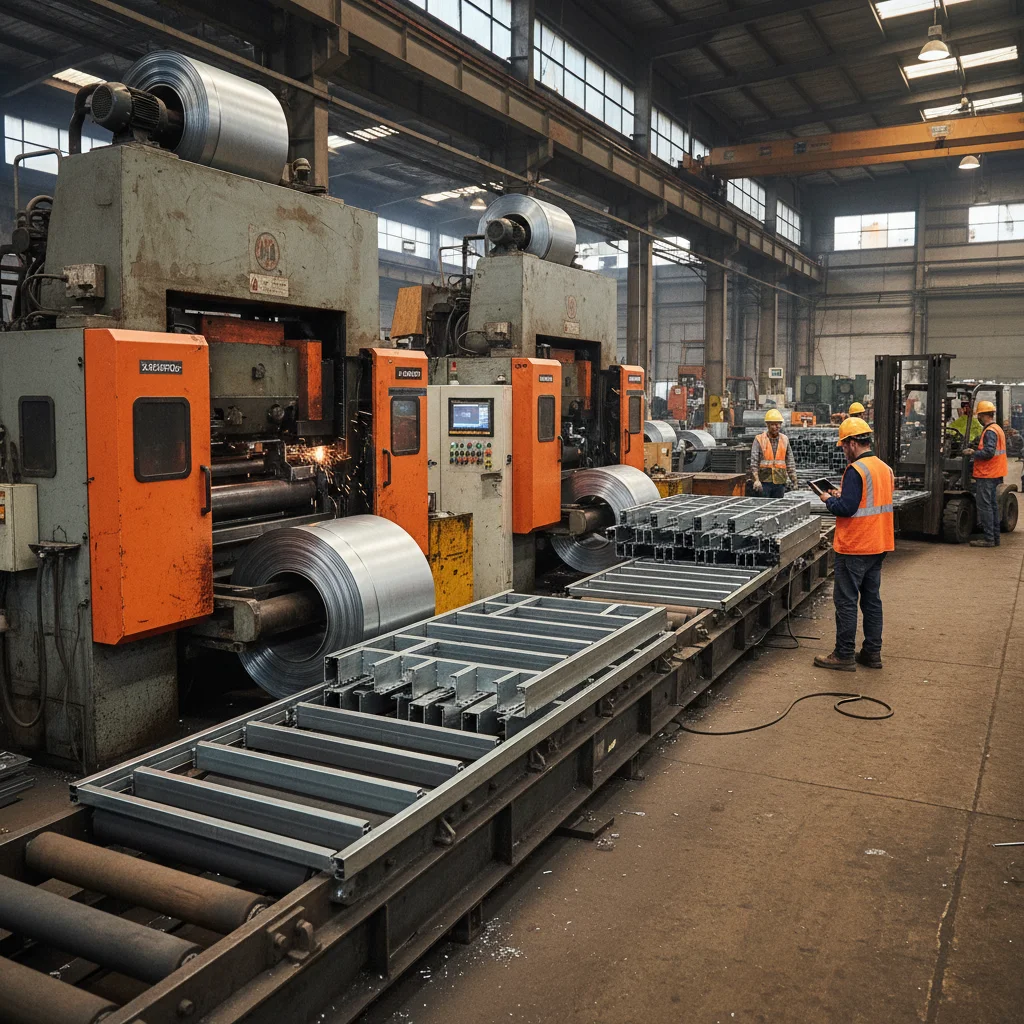
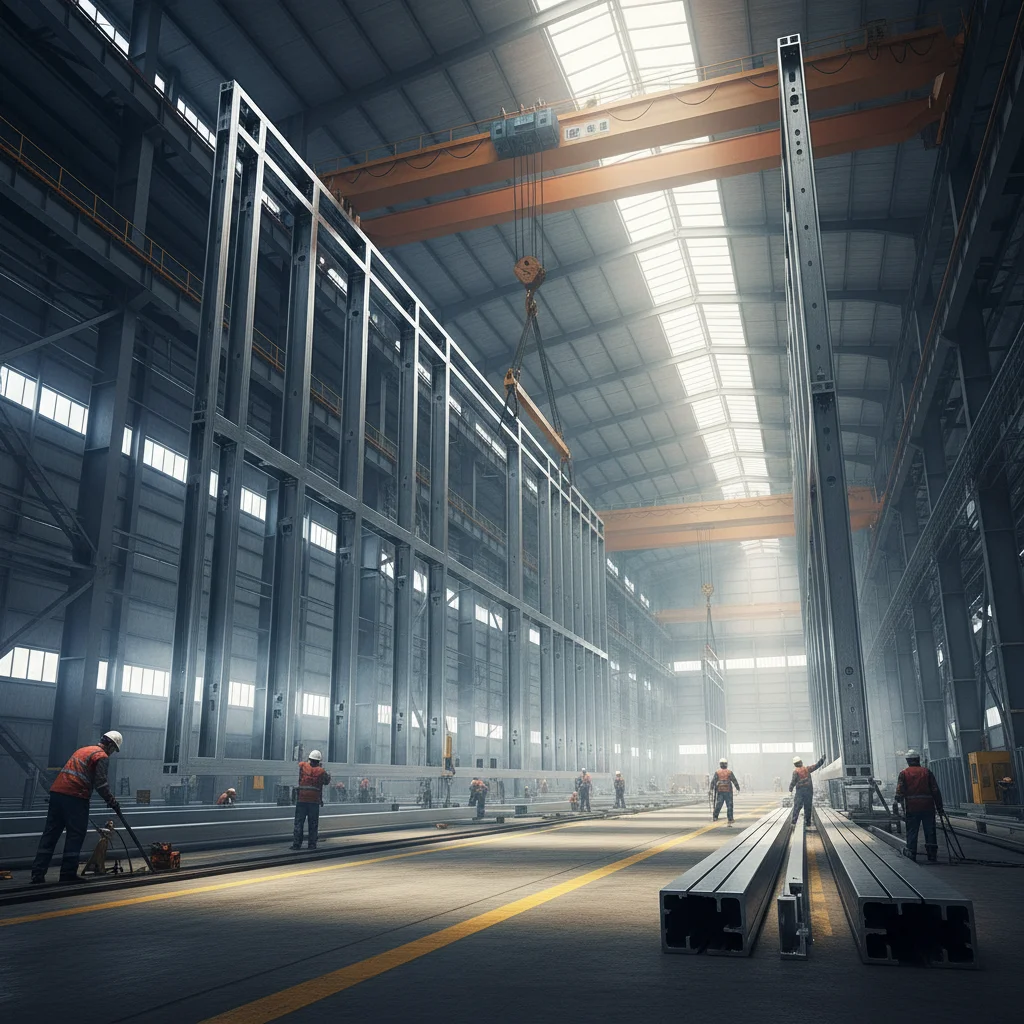
The global construction landscape is witnessing a significant shift toward precision-engineered components, where the role of light gauge steel manufacturers has become pivotal in ensuring structural integrity and aesthetic precision. In the realm of suspended ceilings and drywall framing, the demand for high-quality perimeter solutions like powder-coated wall angles is driving the industry toward more durable, corrosion-resistant materials.
Achieving a professional finish in modern architecture requires more than just a basic framework; it necessitates a synergy between robust cold-rolled steel and advanced protective coatings. By focusing on standardized specifications and customized service, professional suppliers are enabling contractors to execute complex ceiling grids and wall corners with unprecedented accuracy and longevity.
Whether it is for an Australian Drywall System or a Canada-US Drywall System, sourcing from experienced light gauge steel manufacturers ensures that every L-shaped bracket and perimeter channel meets rigorous international quality standards, reducing onsite waste and long-term maintenance costs.

The Role of Quality in Light Gauge Steel Manufacturing
The foundation of any high-performance suspended ceiling begins with the precision of its perimeter supports. Top-tier light gauge steel manufacturers utilize cold-rolled steel to create L-shaped brackets and wall angles that provide the necessary rigidity to support the entire grid, ensuring that the ceiling remains level and secure over time.
Beyond structural support, the quality of the finish is paramount. Powder coating offers a superior alternative to traditional painting, providing a smooth, durable layer that resists chipping and scratching, which is essential for maintaining the professional appearance of commercial interiors.
Technical Specifications of Powder Coated Wall Angles
Wall angles come in various configurations to suit different architectural needs. The L wall angle, typically available in sizes such as 20x15x3000mm, 20x20x3000mm, 22x22x3000mm, and 24x24x3000mm, serves as the primary perimeter channel for drop ceiling grids.
For more specialized installations, W wall angles are available in dimensions like 20x20x20x20x3000mm, 20x10x10x20x3000mm, and 15x15x15x15x3000mm, while F angles (45x15x13x3000mm) provide specific edge-trim solutions for drywall corners.
The versatility of these products is further enhanced by adjustable thickness options, ranging from 0.25mm to 0.50mm. Leading light gauge steel manufacturers offer customized services to ensure these specifications align perfectly with the unique load-bearing requirements of any project.
Comparative Advantages of Cold-Rolled Steel Components
Cold-rolled steel is the preferred material for light gauge steel manufacturers because it offers superior strength and a tighter dimensional tolerance compared to hot-rolled alternatives. This precision is critical when installing perimeter channels that must fit perfectly against wall surfaces.
The integration of powder coating on these cold-rolled profiles creates a synergistic effect. While the steel provides the skeletal strength, the powder finish ensures that the material is shielded from corrosion, making it an ideal choice for environments with varying humidity levels.
When compared to standard paint, the powder-coated finish applied by professional light gauge steel manufacturers is significantly more resistant to scratching during the installation process, reducing the need for touch-ups and speeding up project completion.
Performance Analysis of Steel Profiles in Construction
Evaluating the performance of steel profiles involves analyzing their load-bearing capacity and resistance to environmental degradation. For ceiling suspension systems, the ability of a wall angle to maintain its shape under the weight of the grid and tiles is a key metric for success.
Different profile types, such as the L-angle versus the W-angle, provide varying levels of support and flexibility. By optimizing the thickness between 0.25mm and 0.50mm, manufacturers can balance weight reduction with structural stability.
Performance Rating of Various Profiles from Light Gauge Steel Manufacturers
Global Application Standards for Drywall Systems
Different regions employ distinct standards for ceiling and wall systems. For instance, the Australian Drywall System and the Canada-US Drywall System have specific requirements for profile dimensions and gauge thicknesses to meet local building codes.
Experienced light gauge steel manufacturers adapt their production lines to support these variations, providing specialized products like the CD-UD System, Flat T Grids, and the South American System to ensure global compliance and safety.
Sustainability and Corrosion Resistance in Metal Trims
The shift toward sustainable building materials has put a spotlight on the recyclability of steel. Cold-rolled steel used in wall angles is highly recyclable, making it a preferred choice for green building certifications.
Furthermore, the powder coating process is more environmentally friendly than traditional solvent-based paints, as it emits fewer volatile organic compounds (VOCs) while providing a thicker, more protective barrier against rust.
By combining recyclable substrates with eco-friendly coatings, light gauge steel manufacturers are helping the construction industry reduce its carbon footprint without compromising on the lifespan of the installation.
Strategic Sourcing from Light Gauge Steel Manufacturers
Selecting the right partner for steel profiles requires a focus on consistency and customization. A manufacturer that can offer a wide range of sizes—from the small 15x15x15x15mm W angle to the 24x24mm L angle—demonstrates the technical versatility needed for complex projects.
Customization is not just about size; it is also about thickness. With options ranging from 0.25mm to 0.50mm, contractors can optimize their material usage, ensuring that the structural capacity is sufficient without adding unnecessary weight to the ceiling system.
Ultimately, partnering with established light gauge steel manufacturers ensures a reliable supply chain, consistent powder coating quality, and the technical support necessary to integrate products into various systems like the FUT Grids or the South Asia Small Furring System.
Comparative Analysis of Wall Angle Specifications and Applications
| Profile Type | Common Dimensions | Primary Use Case | Durability Score (1-10) |
|---|
| L Wall Angle | 24x24x3000mm | Main Ceiling Perimeter | 9 |
| W Wall Angle | 20x20x20x20x3000mm | Specialized Grid Support | 8 |
| F Angle | 45x15x13x3000mm | Drywall Corner Trim | 7 |
| Thin Gauge L Angle | 20x15x3000mm (0.25mm) | Lightweight Interiors | 6 |
| Heavy Gauge L Angle | 24x24x3000mm (0.50mm) | Industrial Ceiling Grids | 10 |
| Custom W Angle | 15x15x15x15x3000mm | Bespoke Architectural Trim | 8 |
FAQS
L wall angles are standard L-shaped brackets used primarily to secure the perimeter of a drop ceiling grid to the wall. W wall angles have a more complex profile designed for specific structural supports or specialized architectural trims, offering different gripping and stability characteristics depending on the installation requirements.
Powder coating creates a much harder, thicker finish than liquid paint. This makes the profiles highly resistant to chipping, scratching, and corrosion. For contractors, this means fewer damaged parts during transport and installation, and a longer-lasting finish that doesn't peel or fade in humid environments.
Yes, professional light gauge steel manufacturers typically offer thickness options ranging from 0.25mm to 0.50mm. Customization allows you to match the structural strength of the perimeter channel to the specific weight of your ceiling tiles and the overall span of the grid system.
For projects in Australia, it is recommended to use the Australian Drywall System, which is engineered to meet local building codes. This includes specific profile dimensions and material gauges that ensure compliance with regional safety and performance standards.
The best way to prevent corrosion is to use cold-rolled steel that has been treated with a high-quality powder coating. This process seals the steel from moisture and oxygen. Additionally, choosing a higher gauge thickness (e.g., 0.50mm) can provide extra longevity in harsh environments.
A standard F angle typically measures 45x15x13x3000mm. These are specifically designed as edge trims to provide a clean, professional transition at drywall corners, ensuring that the edges are protected and aesthetically aligned.
Conclusion
The precision and durability of a suspended ceiling are fundamentally dependent on the quality of its perimeter components. By utilizing cold-rolled steel and advanced powder coating, light gauge steel manufacturers provide the essential infrastructure that ensures both structural stability and a flawless professional finish. From standard L-angles to specialized W and F profiles, these components allow for seamless integration across various global drywall systems.
As the construction industry continues to evolve toward more sustainable and efficient building practices, the importance of sourcing high-precision, customizable steel profiles cannot be overstated. Investing in quality materials today prevents costly failures and renovations tomorrow, ensuring that every project stands the test of time. To explore professional ceiling and drywall solutions, visit our website: www.jinkaibm.com