What is Commercial Metal Framing and Why Does It Matter?
At first glance, commercial metal framing might sound like a niche term, but its impact spreads far beyond construction sites. In essence, it’s the backbone of countless buildings worldwide—think offices, hospitals, shopping malls, and more. Globally, understanding commercial metal framing isn’t just about erecting sturdy structures; it’s about building safe, sustainable, and cost-effective environments where communities can thrive. The benefits? Enhanced durability, quicker builds, and surprisingly low environmental footprints compared to traditional methods.
With urbanization exploding and the demand for resilient infrastructure growing exponentially, the role of commercial metal framing has never been more critical.
Global Perspective: Why Commercial Metal Framing Is a Growing Priority
Did you know that urban populations are projected to hit nearly 7 billion by 2050 according to the United Nations? This rapid expansion is pushing builders and city planners to rethink the very skeletons of their buildings. Commercial metal framing answers a pressing challenge: how to provide scalable, affordable, and quick-to-assemble building frameworks that stand up to both environmental pressures and economic constraints.
Moreover, the World Bank highlights that resilient infrastructure significantly boosts disaster recovery and economic growth. Metal framing, with its flexibility and strength, offers a practical solution — especially in regions prone to natural disasters like earthquakes and hurricanes.
Defining Commercial Metal Framing
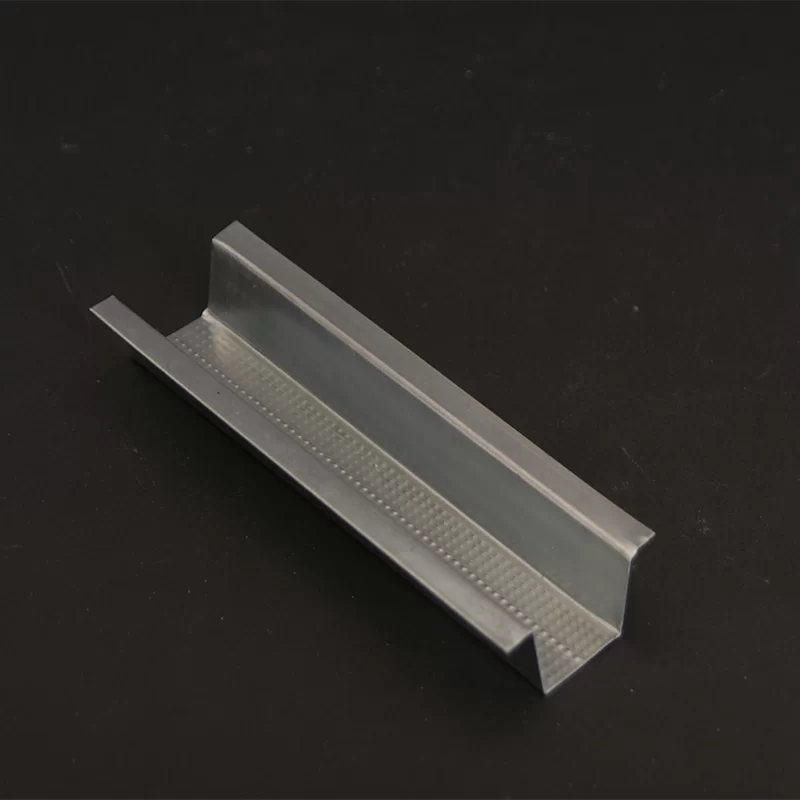
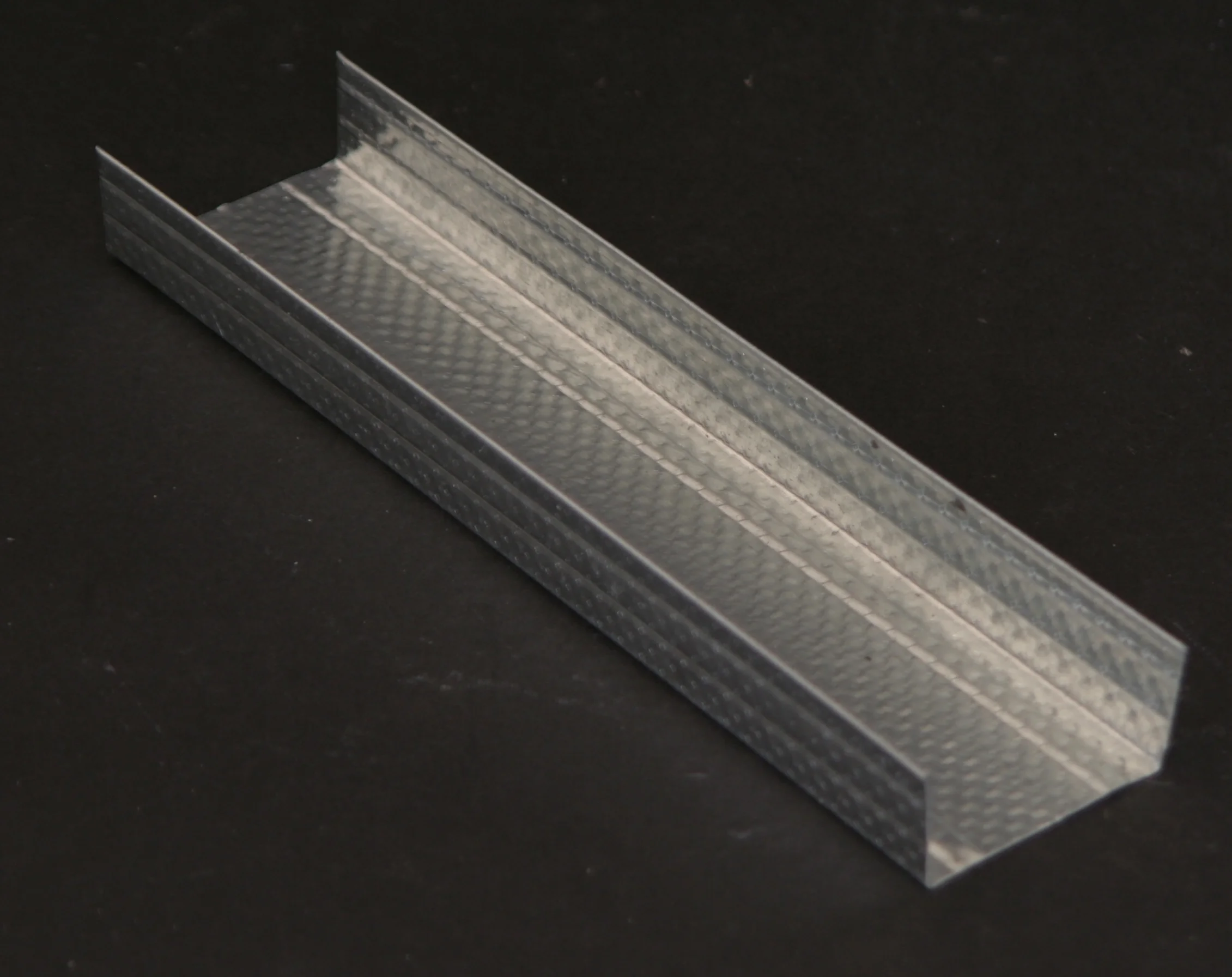
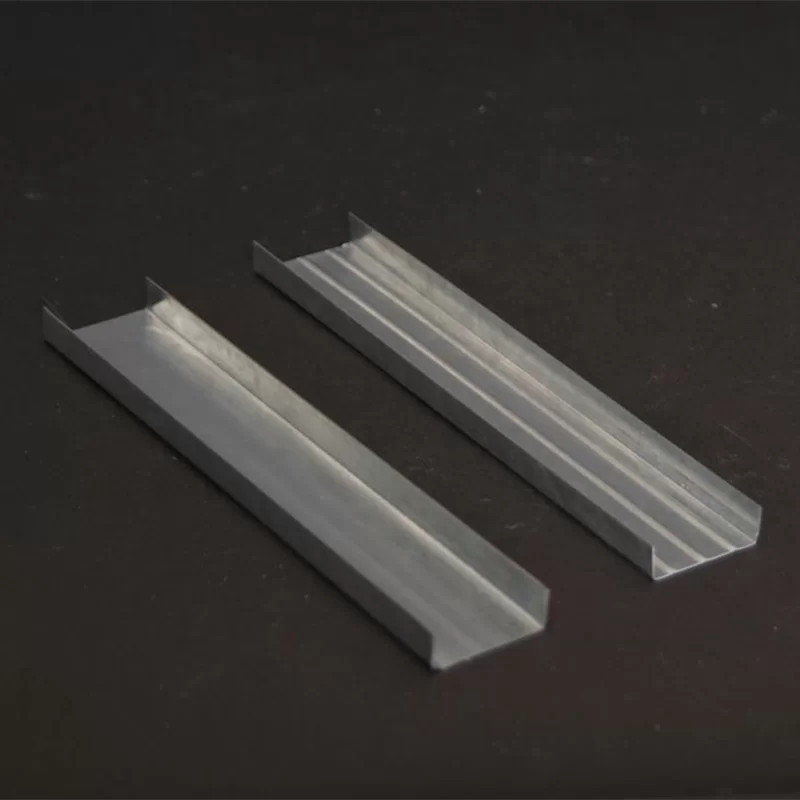
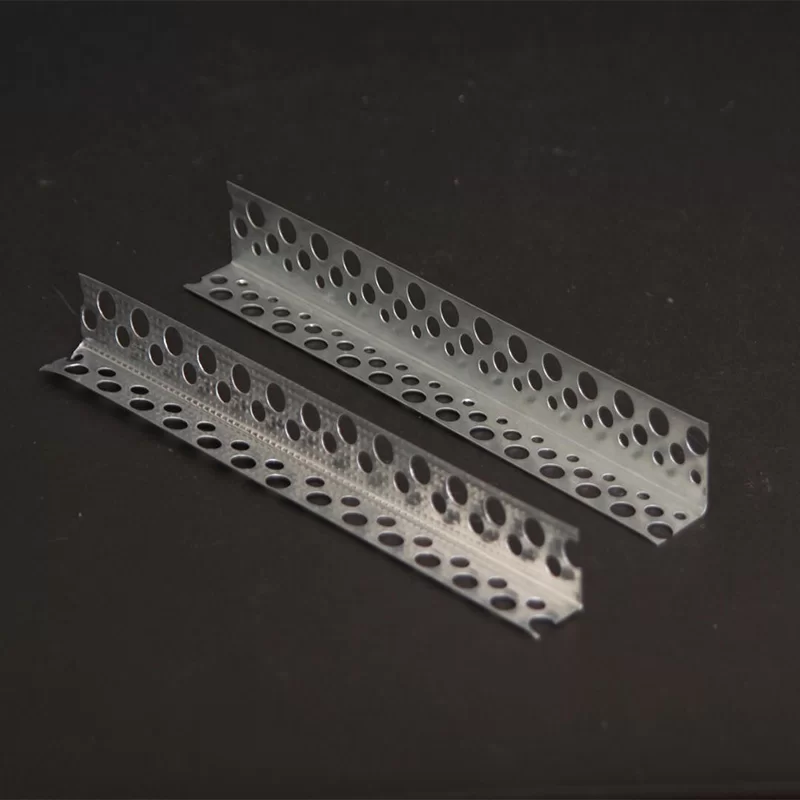
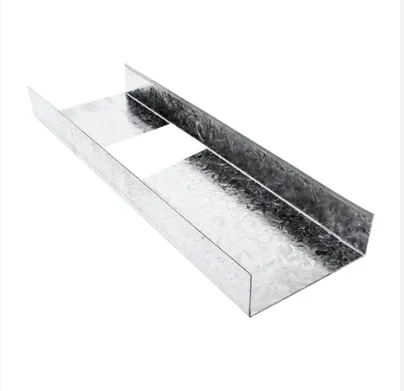
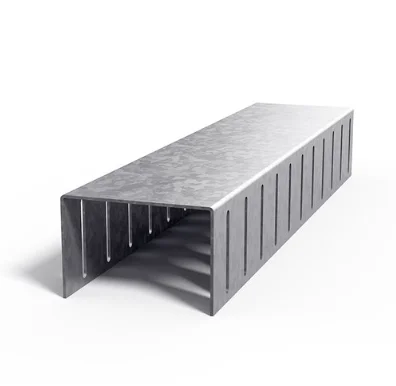
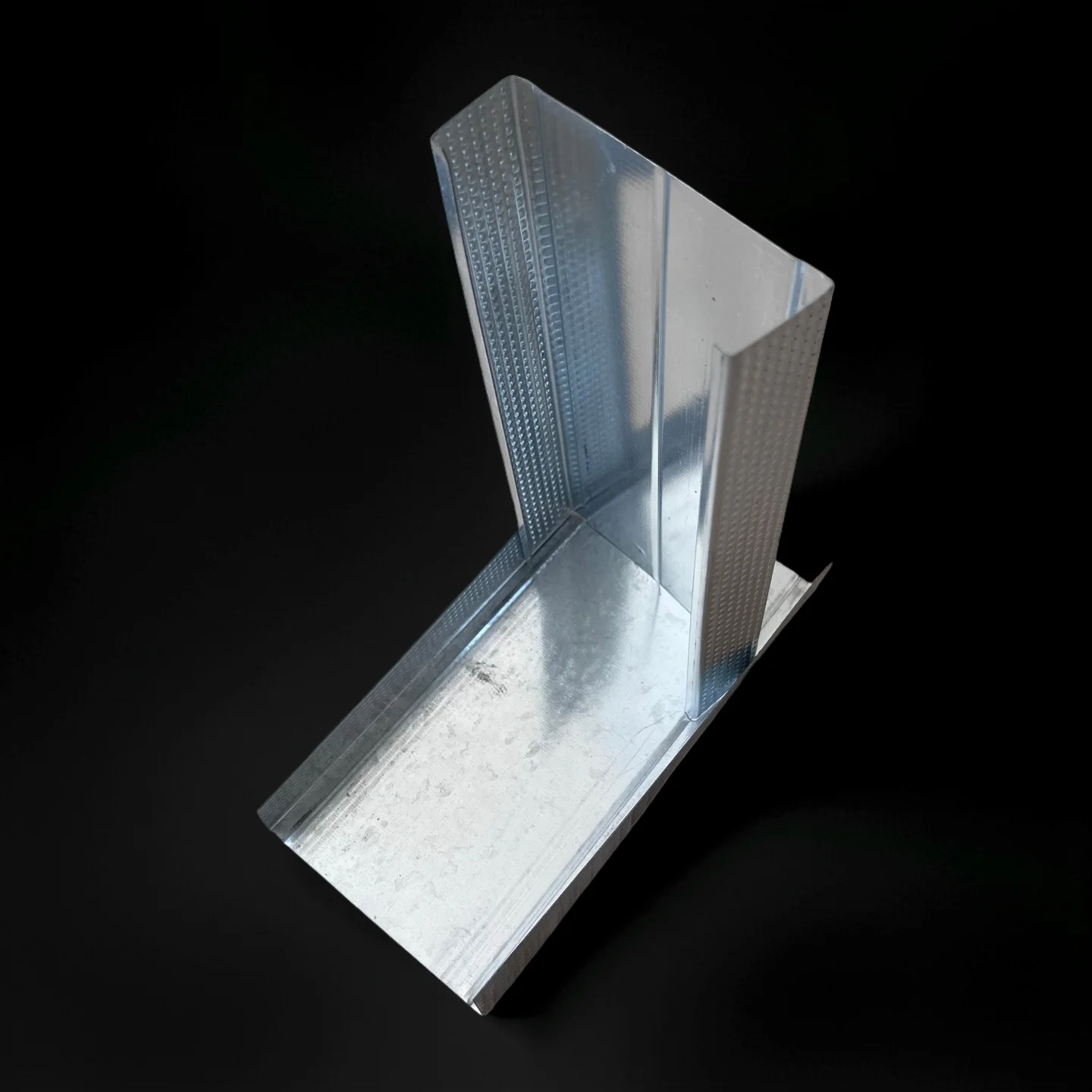
At its core, commercial metal framing refers to the use of engineered steel components—usually cold-formed steel studs and tracks—to form the “bones” of commercial buildings. Instead of traditional wood or concrete framing, metal brings a modern twist: lighter weight, standardized precision, and unmatched durability. Beyond just walls and partitions, this framing method supports entire roof systems and curtain walls, becoming a key player in today’s modular and prefabricated construction boom.
It’s no surprise that industries from healthcare facilities to humanitarian housing programs rely on it. The adaptability of metal framing means it can be molded to fit almost any design or requirement, and in humanitarian contexts, this flexibility equals faster, safer shelters.
Key Factors Behind Commercial Metal Framing’s Growing Popularity
Durability and Strength
Unlike traditional timber, metal framing resists rot, pests, and warping. Many engineers say it holds up well in extreme weather, making it a top choice for buildings that must last decades.
Speed and Scalability
Pre-cut and factory-made components mean frames can be erected rapidly. This speed is a godsend for commercial projects needing tight turnaround times or emergency relief shelters demanding swift deployment.
Cost Efficiency
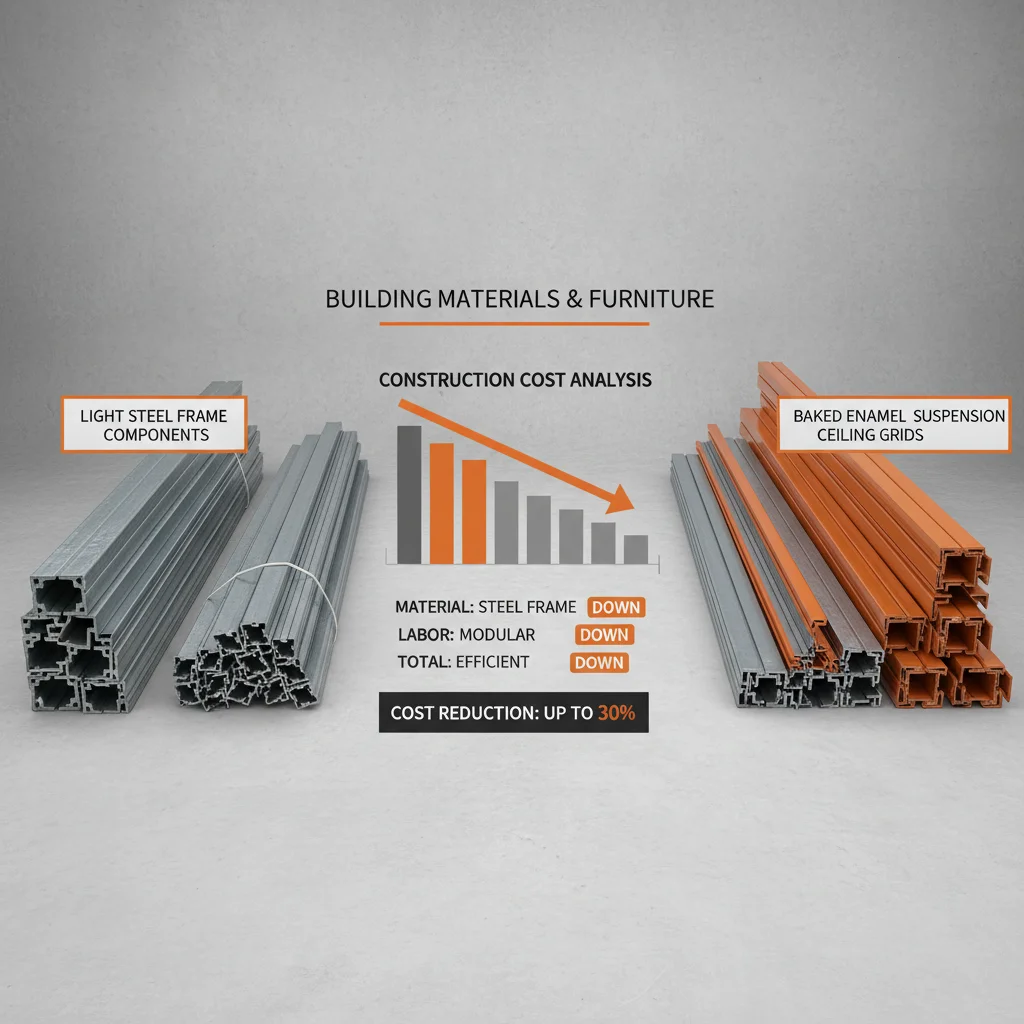
While steel might appear pricier upfront, lower maintenance costs and shorter build times tend to save money in the long run. Plus, less waste during manufacturing and installation adds financial value.
Sustainability and Recyclability
Many types of steel used in framing are made from recycled materials and can be recycled again after use. This circular approach aligns with ISO standards promoting environmental responsibility.
Design Flexibility
Metal’s malleability allows for innovative architectural designs that are hard to achieve with wood or concrete—curves, cantilevers, and large open spaces become possible with ease.
Real-World Uses Around the Globe
Commercial metal framing’s versatility shines in multiple settings:
- Post-Disaster Relief: After earthquakes or floods, rapid assembly shelters constructed with metal frames provide dignified, sturdy housing where it’s needed most.
- Urban Skyscrapers: In cities across Asia and North America, metal framing enables sleek, tall constructions without the excessive weight of concrete.
- Remote Industrial Facilities: Mining operations in Australia and oil fields in the Middle East often use prefabricated metal frames for quick site setup.
- Commercial Retail Spaces: From boutique stores to sprawling supermarkets in Europe, the framing system supports flexible layouts and fast renovations.
Mini takeaway:
It’s fascinating how a single concept—commercial metal framing—can bridge continents and industries, blending efficiency with strength wherever it’s deployed.
Product Specification Table: Typical Commercial Metal Framing Components
| Component |
Material |
Gauge |
Typical Length |
Load Capacity |
| Steel Studs |
Galvanized Steel |
18-25 gauge |
8-12 feet |
Up to 2,000 lbs |
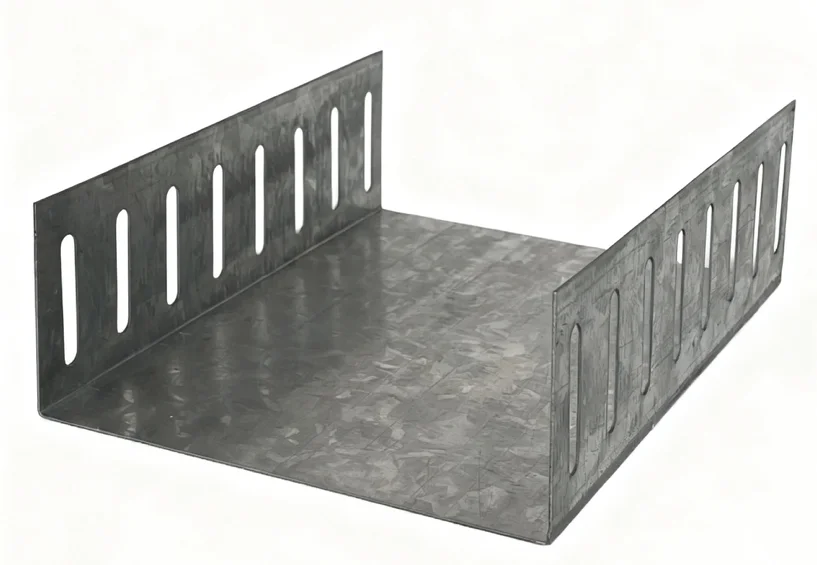
| Tracks |
Galvanized Steel |
18-25 gauge |
8-12 feet |
N/A (load transfer) |
| Bridging Struts |
Galvanized Steel |
22-25 gauge |
Varied |
Supports lateral stability |
Advantages and Long-Term Value
It’s easy to talk technical specs, but what really seals the deal is how commercial metal framing benefits real people and projects:
- Cost Savings: Faster builds reduce labor costs, and steel’s longevity cuts down on maintenance bills.
- Safety: Steel’s fire-resistance and resistance to termites reduce risks over a structure’s lifetime.
- Environmental Impact: Recycled steel and efficient manufacturing lower carbon footprints, helping companies align with global sustainability goals.
- Design Freedom: Promotes creativity in architecture, inspiring buildings that stand out—and stand strong.
- Community Well-being: Especially in humanitarian projects, quick and resilient builds restore dignity and hope faster.
Vendor Comparison: Popular Commercial Metal Framing Providers
| Vendor |
Product Range |
Customization |
Delivery Times |
Price Range |
| SteelBuild Co. |
Standard & Custom Frames |
High |
2-4 weeks |
$$ |
| RapidFrame Inc. |
Modular & Prefab |
Medium |
1-3 weeks |
$$$ |
| EcoSteel Solutions |
Sustainable Steel Products |
High |
3-5 weeks |
$$$ |
Looking Ahead: Future Trends in Commercial Metal Framing
It feels like every year brings some innovation or other to the building sector, but with steel framing, the future is especially bright. Think automation—robots joining frames with near-perfect precision and speed. Green steel, which uses much less carbon in production, is becoming more accessible, aligning with global decarbonization efforts.
Digital modeling and BIM (Building Information Modeling) integration are also transforming how frames are designed and installed, reducing errors and material waste—value-adds that feel very “now” in an industry eager to improve sustainability.
Challenges and Smart Solutions
Of course, commercial metal framing isn’t a magic bullet. A few challenges persist, like thermal bridging—where steel’s conductivity can lead to heat loss. Insulation innovations and thermal breaks provide clever workarounds here.
Corrosion is another concern but advances in galvanization and protective coatings have drastically extended steel’s lifespan even in harsh environments.
Frequently Asked Questions About Commercial Metal Framing
-
Q: How does commercial metal framing compare cost-wise to traditional wood framing?
A: While steel framing may have a higher initial material cost than wood, faster assembly, lower maintenance, and increased durability generally make it more cost-effective over a building’s lifecycle.
-
Q: Can metal framing be customized for unique architectural designs?
A: Absolutely. Metal’s strength and moldability allow for complex shapes and large open spaces that are challenging with other materials.
-
Q: Is commercial metal framing sustainable?
A: Yes. Many steel frames are made from recycled materials and can be recycled again. Plus, efficient manufacturing and waste reduction contribute to greener construction.
-
Q: How quickly can commercial metal framing be installed?
A: Factory-cut components let crews assemble frames often in days or weeks rather than months, supporting faster overall project timelines.
-
Q: What about metal framing’s resistance to natural disasters?
A: Steel framing provides excellent resistance to fire, wind, and seismic activity, making it a preferred choice in disaster-prone areas.
Wrapping Up: Why Commercial Metal Framing Is the Future
Whether you’re an architect pushing design boundaries, a developer chasing efficiency, or an NGO speeding disaster relief, commercial metal framing offers an incredible balance of strength, speed, and sustainability. It’s a backbone technology that promises safer spaces and fewer compromises. For those curious to explore more about how this framing method could transform your projects, check out commercial metal framing options and detailed resources.
In the end, it’s about building intelligently, responsibly, and with a bit of future-proof vision.
References
- United Nations: Urbanization Prospects
- World Bank: Infrastructure Development
- ISO Environmental Management Standards