Why Drywall C Stud Matters: A Modern Construction Staple
When you think about the skeleton of a wall, drywall is just one part of the story—it's the surface, the part you see. But behind every smooth wall, drywall c studs quietly do the heavy lifting. Roughly speaking, these steel or metal framing elements shape, support, and hold drywall sheets, offering strength and flexibility to construction projects worldwide. Given the growing demand for faster, safer, and sustainable building methods, understanding drywall c studs isn't just an industry insider's concern – it's a piece of the puzzle shaping urban development, humanitarian relief, and more.
Global Construction Landscape: Why Steel Framing Components Are Essential
According to the United Nations, the global population is expected to cross 8.5 billion by 2030, pushing urbanization and infrastructure development at an unprecedented pace.1 This surge demands building materials that are not only cost-effective and fast to deploy but also resilient in face of climate change-related disasters—the very reason drywall c studs have become a global favorite.
In regions prone to earthquakes, hurricanes, or rapid urban sprawl, modular and steel-framed drywall systems tackle the challenge of speed without compromising safety or durability. Oddly enough, even humanitarian organizations increasingly embrace these studs to build temporary, yet sturdy shelters after disasters—think post-tsunami relief in Southeast Asia or fast-tracked housing projects in conflict zones.
Mini takeaway: Drywall c studs are more relevant than ever, bridging global needs from booming cities to emergency shelters.
What Exactly Is a Drywall C Stud?
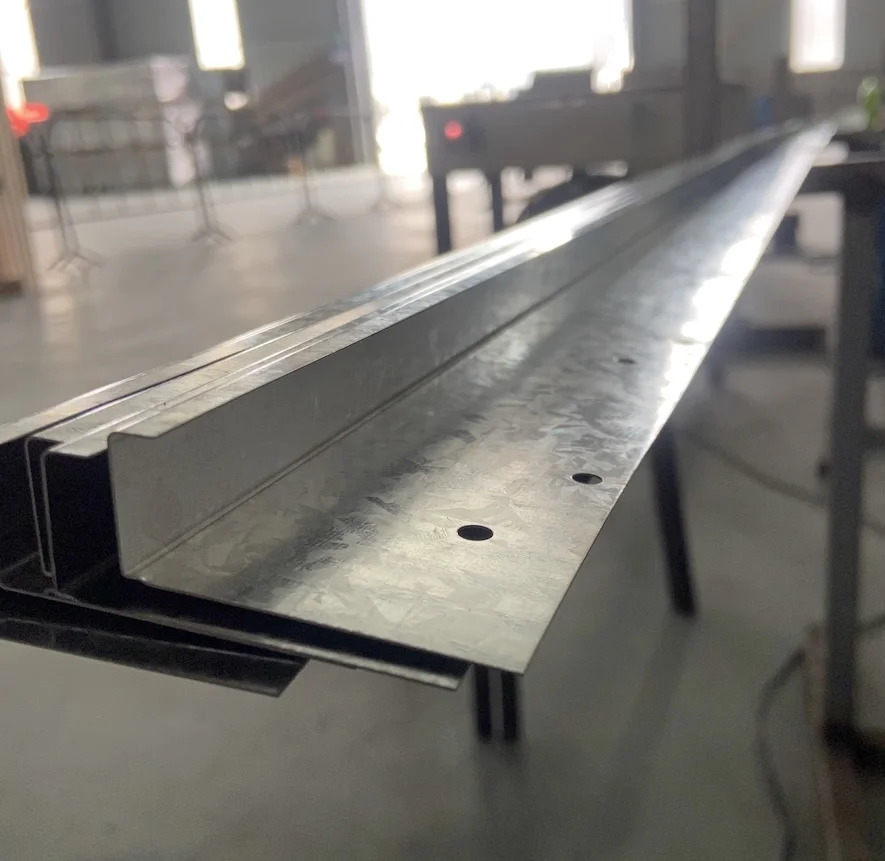
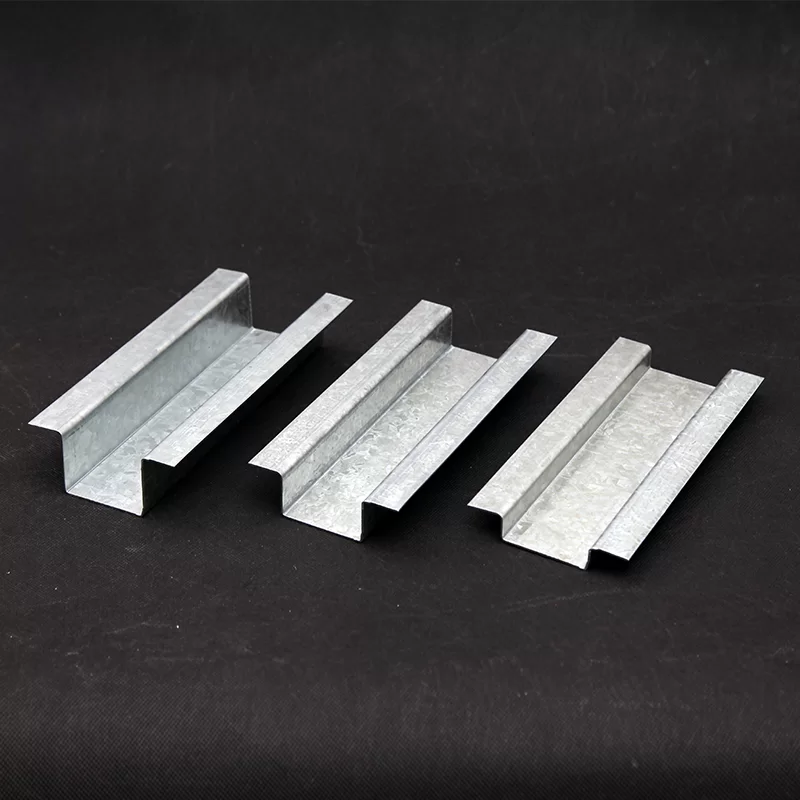
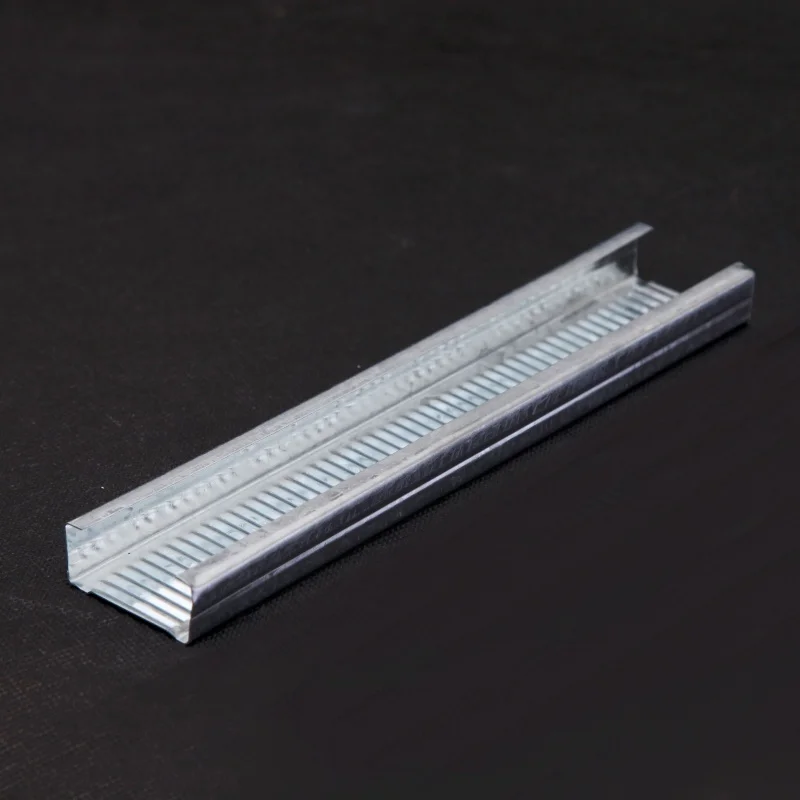
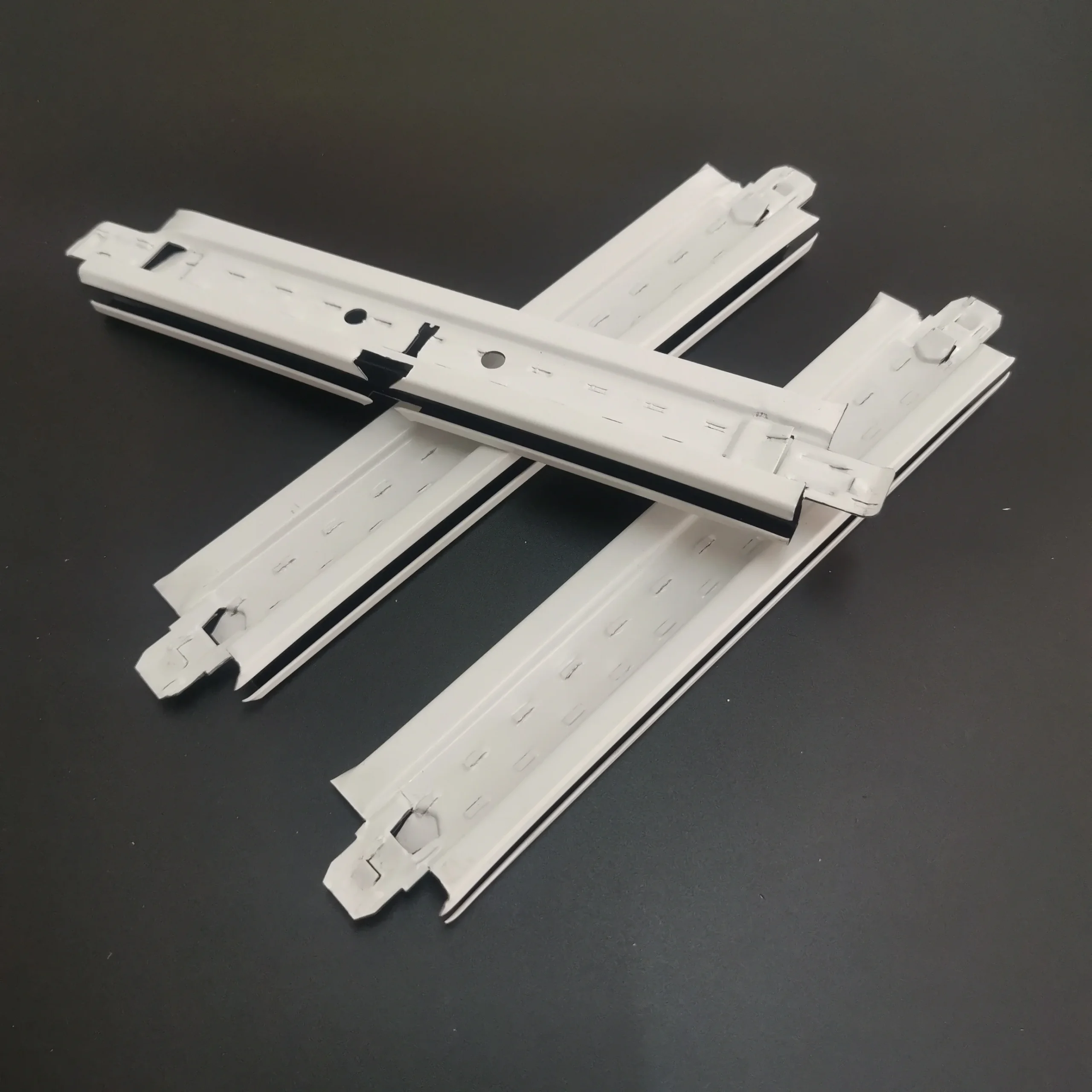
Simply put, a drywall c stud is a structural metal framing member shaped roughly like a "C" in cross-section. Typically made from galvanized steel, these studs form the vertical framework that supports drywall panels. Compared to traditional wood studs, drywall c studs are more uniform, resistant to pests, and less likely to warp or rot. From the perspective of modern construction, they’re essential for creating partitions, ceilings, and even some exterior walls, especially where weight and fire resistance matter.
Humanitarian construction often leverages these studs because they allow for modular setups—quickly assembled, adequately strong, easily disassembled, and recyclable. There's a functional beauty here: fixing a crooked wall stud in hardwood is a nightmare; with metal studs, it's sort of plug-and-play.
Key Features of Drywall C Studs
Durability and Resistance
The galvanized metal composition protects drywall c studs from rust and corrosion, which is critical in humid or coastal areas. Unlike timber, they don’t succumb to mold or insect damage—a real confidence booster in longevity.
Scalability & Speed of Installation
The standardized dimensions and lightweight nature mean installers can quickly frame walls, speeding up project timelines. Imagine a crew tackling an entire floor rather than painstakingly adjusting individual wood studs.
Cost Efficiency
Initially priced competitively with wood, drywall c studs reduce waste on-site and lower maintenance costs over time. Especially in large commercial or government projects, those savings add up.
Environmental Impact
Steel studs lend themselves easily to recycling post-use, aligning with growing sustainability goals across industries. Many manufacturers now produce these studs using recycled steel, further shrinking their carbon footprint.
Fire Resistance
Unlike wood, metal studs don’t fuel fires—they simply heat up. This makes drywall c studs ideal in buildings where fire codes are stringent.
Mini takeaway: From strength to sustainability, drywall c studs combine a solid package that suits modern-day construction demands.
Drywall C Stud in Action: Global Applications and Use Cases
You see drywall c studs everywhere—from your local office building to remote mining camps. One example: In northern Canada’s industrial zones, buildings face extreme temperature swings; steel studs paired with insulated drywall panels offer both durability and thermal efficiency.
In refugee camps across the Middle East, NGOs use drywall c studs to quickly construct modular, hygienic, and semi-permanent housing. Post-disaster zones in the Caribbean lean heavily on these for fast, yet sturdy rebuilding.
Even in high-end commercial real estate, architects favor steel framing for its predictability and ability to support complex designs.
Here’s a product specification table to give you a clearer picture:
| Specification |
Typical Value |
Notes |
| Material |
Galvanized steel |
ASTM A653 standard |
| Width (web) |
1-1/4", 1-5/8", 2-1/2" |
Common commercial sizes |
| Thickness |
0.018" – 0.033" |
Varies by load requirements |
| Length |
8 to 14 feet |
Cut-to-length options available |
| Weight |
0.5 – 1.5 lbs/ft |
Lightweight for handling |
How Do Vendors Stack Up? A Simple Comparison
| Vendor |
Material Grade |
Custom Lengths |
Recycled Content % |
Price Range ($/ft) |
| Alpha Steel |
G60 Galvanized |
Yes |
35% |
$0.25 - $0.40 |
| BuildRight Metals |
G90 Galvanized |
Limited |
50% |
$0.30 - $0.50 |
| SteelCore |
G60 Galvanized |
Yes |
40% |
$0.22 - $0.38 |
Advantages & Long-Term Value of Drywall C Studs
It might not be the sexiest topic—talking steel framing—but drywall c studs quietly deliver savings and peace of mind over a building's lifetime. Their fire-resistance helps protect lives and assets, and they maintain structural integrity even under shifting environmental conditions, which frankly, can’t be said for wood in many climates.
Beyond cost and durability, there’s a social dimension: better-quality walls improve indoor air quality and comfort, contributing to occupants' overall wellbeing. Plus, from a sustainability stance, metal studs' recyclability aligns with net-zero ambitions trending globally.
Future Trends & Innovations in Drywall C Stud Design
The industry’s pushing towards lighter, stronger alloys, integrating digital fabrication tools like CNC cutting and even robotic assembly. Environmental pressures also push for lower-embodied carbon materials — recycled and low-VOC coatings on studs are becoming common.
I've noticed a growing trend in hybrid framing systems that combine steel c studs with timber or other materials for specific design goals. Automation’s role, particularly with pre-cut framing kits shipped to sites, is making installation more accessible to less-skilled labor pools worldwide—cutting delays and costs.
Challenges & Innovative Solutions
Of course, drywall c studs aren’t perfect—thermal bridging can reduce insulation efficiency if not addressed properly. Like any metal, they conduct heat. Innovators try adding thermal breaks or insulating liners to solve this. Sometimes, installing requires more precise coordination than traditional framing, something builders have had to 'learn the hard way.'
Another hurdle is cut waste on-site; however, manufacturers now offer custom cut-to-length orders to reduce scrap and speed assembly.
Frequently Asked Questions About Drywall C Stud
-
Q: How does a drywall c stud compare with traditional wood studs?
A: Drywall c studs offer greater durability, resistance to pests and rot, and are generally lighter and more consistent in size. While wood is easier to modify on-site, metal studs support industrial scale builds better and meet stricter fire code requirements.
-
Q: Can drywall c studs be used in exterior wall assemblies?
A: While primarily used for interior partitions, drywall c studs can be part of exterior walls, provided appropriate insulation and moisture barriers are incorporated. They have the advantage of resisting warping and mold even in challenging climates.
-
Q: Are drywall c studs environmentally friendly?
A: Yes, mostly. Many drywall c studs contain recycled steel and are 100% recyclable themselves, reducing landfill waste compared with timber, which often requires chemical treatment.
-
Q: How can small construction companies source drywall c studs efficiently?
A: Smaller buyers can order from distributors who offer cut-to-length services and flexible quantities. Seeking suppliers that integrate just-in-time delivery can reduce storage and overall costs.
Conclusion: Why Drywall C Studs Are the Backbone of Smart Construction
Summing it all up, drywall c studs stand at the crossroads of modern construction’s biggest challenges—speed, durability, sustainability, and safety. They're not just building materials but enablers of better design, innovation, and even humanitarian solutions worldwide. If you’re curious to explore quality drywall c studs and their specs for your next project, feel free to check out drywall c stud options from trusted vendors.
And really, given how much a humble piece of metal can change a building’s story, it’s worth paying attention.
References:
1. United Nations, Urbanization and Infrastructure
2. ASTM International, ASTM A653 - Standard Specification for Steel Sheet, Zinc-Coated (Galvanized) or Zinc-Iron Alloy-Coated (Galvannealed) by the Hot-Dip Process
3. Environmental Protection Agency, Recycled Steel Facts