Understanding Drywall Steel: A Structural Backbone in Modern Construction
When we think about construction materials, steel sometimes takes a backseat to the darling drywall — but what happens when these two come together? The answer is drywall steel, an unsung hero that is transforming how buildings go up around the world. It’s not just about making walls — it’s about creating resilient, adaptable, and sustainable structures that meet global demands for speed, safety, and cost-efficiency.
Globally, building standards and population growth have put enormous pressure on the construction industry. According to UN Habitat, over 1 billion people still live in substandard housing. Innovations like drywall steel help bridge this gap by providing the perfect marriage between durability and flexibility in wall systems.
Why Drywall Steel Matters on a Global Scale
Looking at the bigger picture, the growth of urban centers — especially in Asia, Africa, and parts of Latin America — demands scalable and affordable construction solutions. The World Bank reports the urban population is expected to pass 60% by 2030, pushing demand for fast, reliable housing. Drywall steel is a practical response, addressing two main challenges:
- Speed: Traditional masonry walls are slow and labor-intensive compared to drywall steel.
- Durability: Steel frames resist pests, fire, and environmental wear, increasing longevity.
In humanitarian crises, too, building shelters with drywall steel elements means faster deployment of safe and resilient housing, crucial for displaced communities.
What Exactly is Drywall Steel?
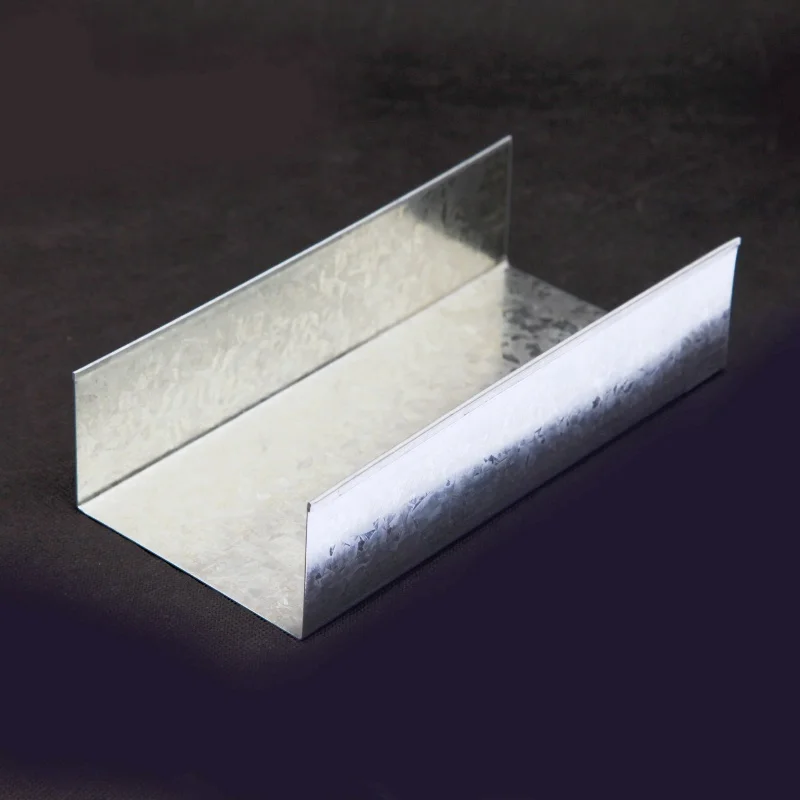
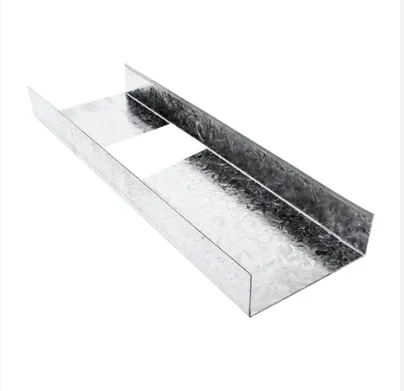
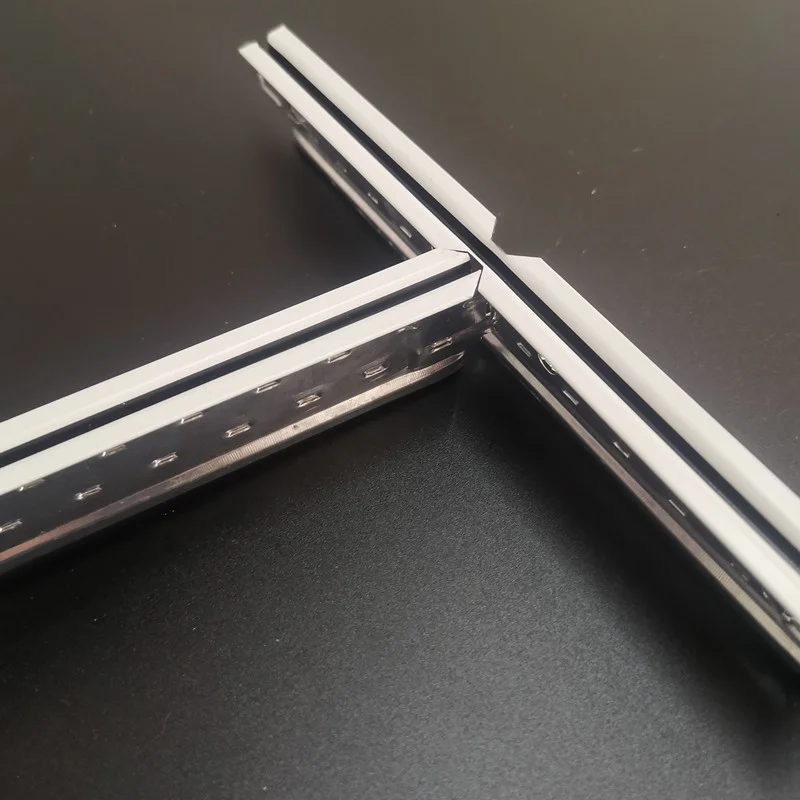
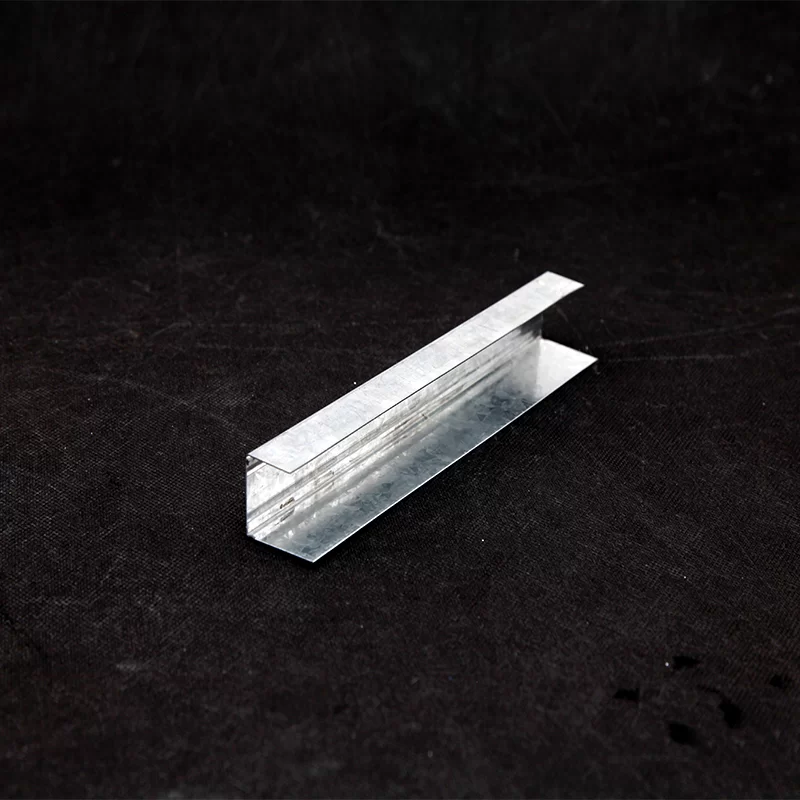
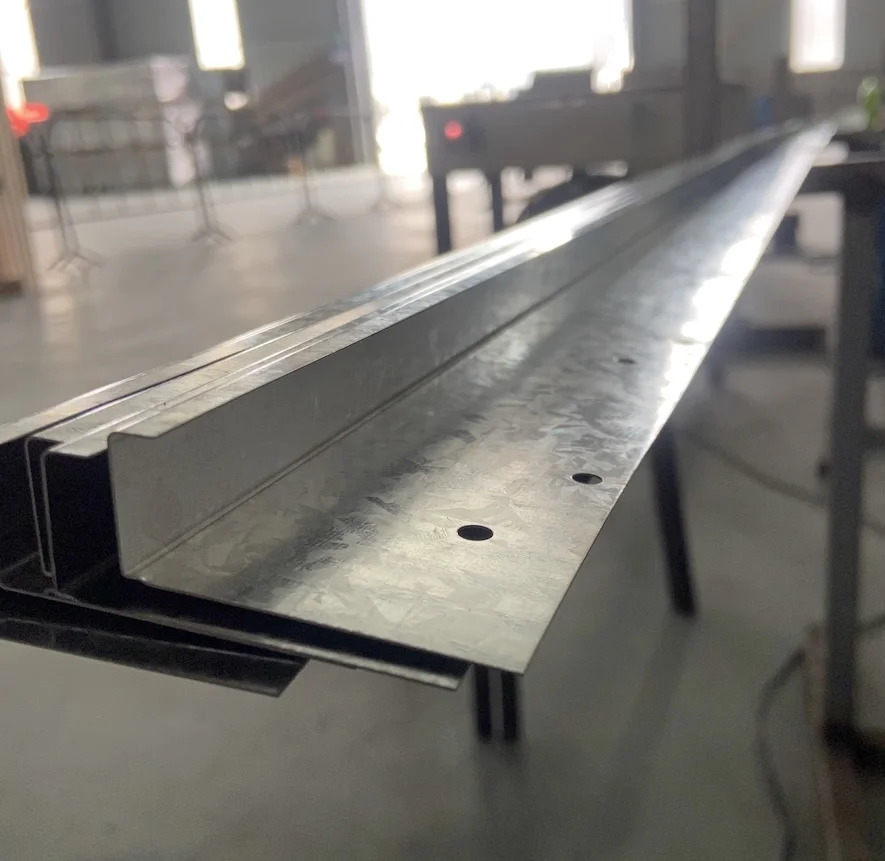
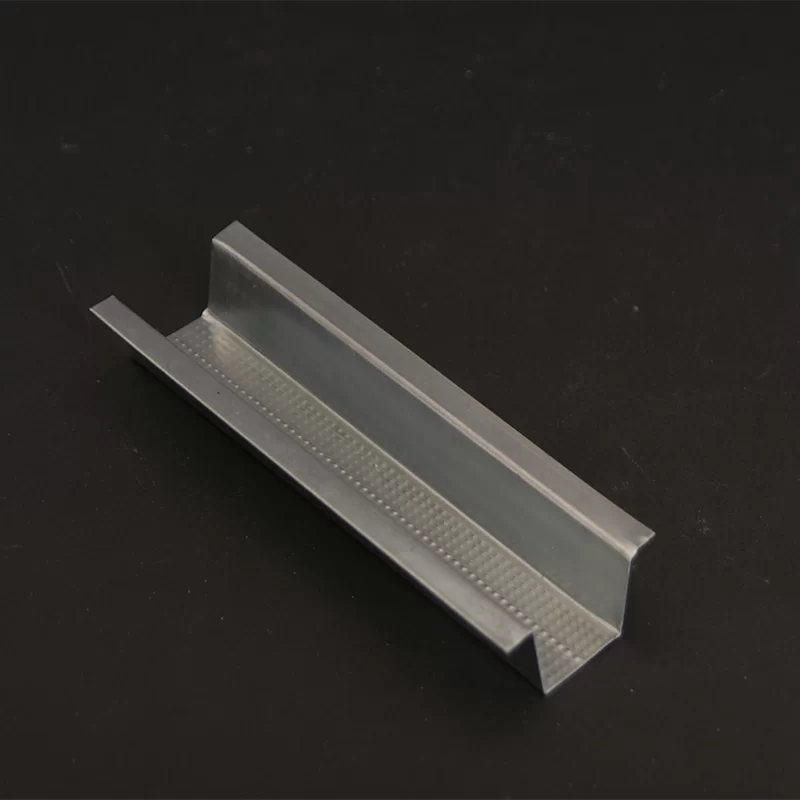
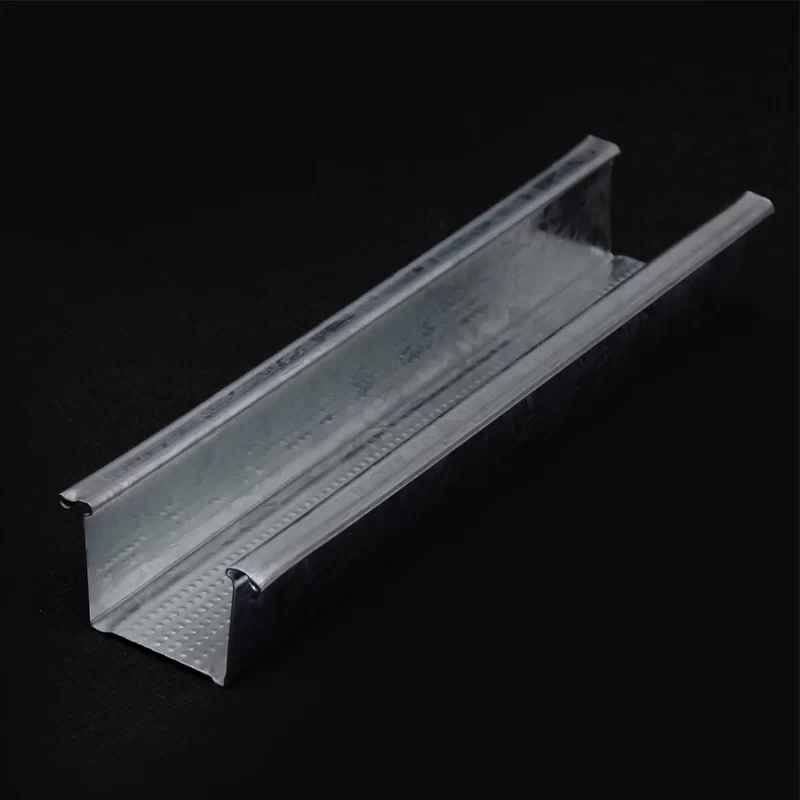
In the simplest terms, drywall steel refers to the steel stud framing system that supports drywall panels in wall construction. Unlike traditional wooden studs, these steel frames are cold-rolled, galvanized, and engineered to exacting standards, providing strength without the bulk or susceptibility to rot.
It’s been a staple in commercial construction for decades, but its increasing adoption in residential housing, emergency shelters, and industrial buildings worldwide shows how its role extends into humanitarian and sustainable development sectors.
Key Features of Drywall Steel:
- Lightweight yet strong steel studs
- Corrosion-resistant coatings
- Compatibility with standard drywall panels
- Quick assembly with drywall screws or fasteners
Core Components that Make Drywall Steel Work
Durability
Drywall steel is galvanized to prevent rust, which means walls stay structurally sound longer. Engineers often say this is crucial in humid or coastal environments where wood just wouldn’t last.
Cost Efficiency
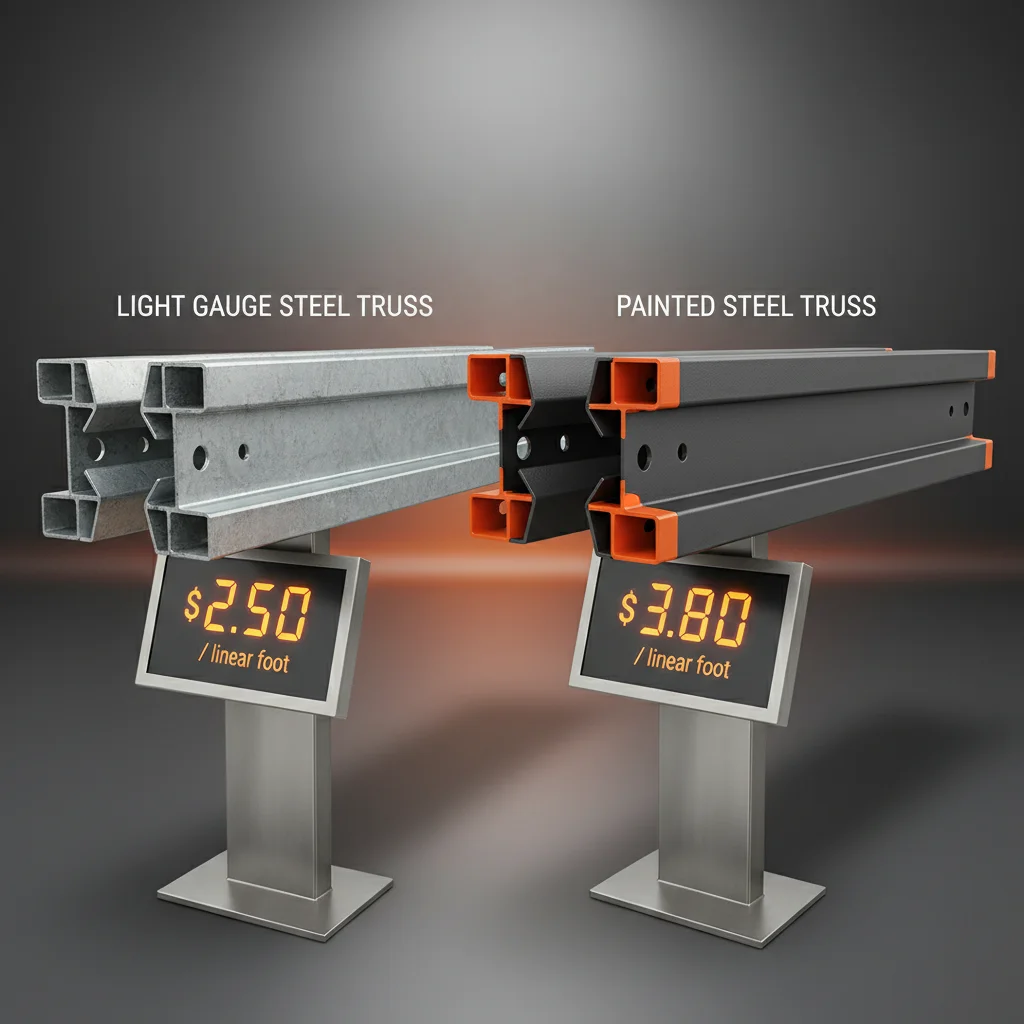
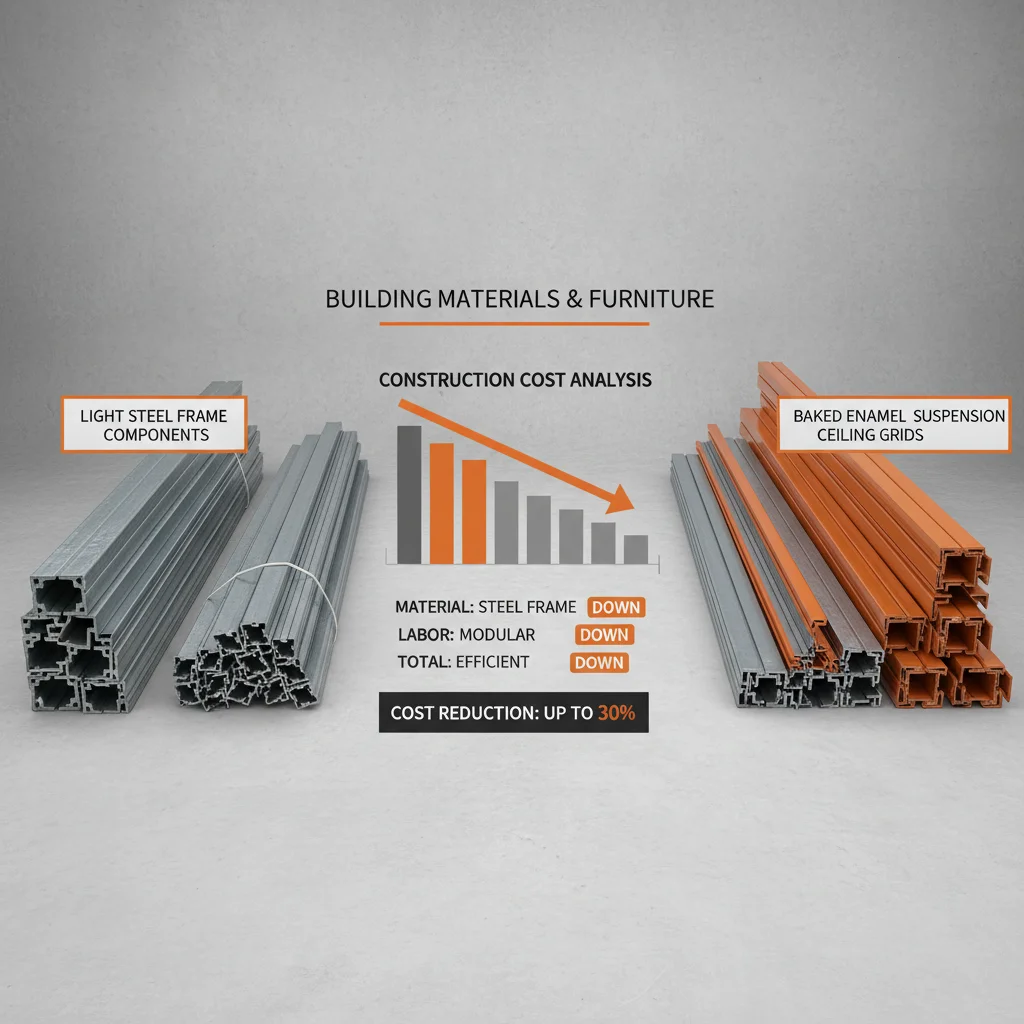
While steel can seem pricier upfront, the reduced labor time and maintenance costs typically balance, or outweigh, the initial expense. Plus, the engineered precision means less waste.
Scalability
From tiny studio apartments to sprawling office complexes, drywall steel systems can be scaled up or down easily, with standard sizes that adapt well to architectural requirements.
Fire Resistance
Steel framing paired with drywall improves the fire rating of walls, a non-negotiable in many building codes worldwide.
Ease of Installation
Since steel studs are uniform, installation is often faster and cleaner — which explains why contractors love working with drywall steel.
Bringing Drywall Steel to the Field: Real-World Applications
Where you find walls that need to go up quickly but last decades, drywall steel is often involved.
- Disaster Relief: In hurricane-prone zones, agencies use drywall steel kits for rapid shelter construction. For example, after the 2017 Caribbean hurricanes, aid workers praised the system for reducing setup time by almost 40%.
- Commercial Construction: Office buildings and hospitals rely on steel-framed drywall partitions due to their clean finish and adaptability during remodeling.
- Industrial Buildings: Factories and warehouses use drywall steel walls to partition spaces without sacrificing structural integrity.
- Remote Locations: Mining camps in Canada and Australia choose drywall steel for durability combined with lighter shipping weight.
It’s fascinating how one material system bridges so many different needs, all the while ticking sustainability and cost boxes.
Mini Takeaway:
Drywall steel systems offer a flexible, resilient wall framework that's increasingly indispensable for fast-growing urban areas and emergency construction alike. It’s a simple idea with wide-reaching impact.
Drywall Steel Specifications: What to Look For
| Specification |
Typical Range |
Notes |
| Stud Thickness |
0.33mm - 0.7mm (gauge 25 to 18) |
Higher gauge = thinner steel |
| Stud Widths |
35mm, 50mm, 64mm, 92mm, 152mm |
Depends on wall type and load |
| Length |
2.4m to 3.6m standard |
Cut to fit onsite |
| Coating |
Zinc galvanization / aluminum-zinc alloy |
Protects from rust |
| Fire Rating |
Up to 2 hours (with proper drywall layers) |
Meets many building codes |
Comparing Top Drywall Steel Suppliers
| Supplier |
Material Quality |
Price Range (per kg) |
Delivery Speed |
Customization Options |
| SteelPro Co. |
High – premium galvanization |
$1.20 - $1.40 |
3-5 days |
Standard sizes, custom lengths |
| EcoSteel Inc. |
Medium – eco-friendly coating |
$1.10 - $1.35 |
5-7 days |
Custom gauges, pre-drilled holes |
| BuildSteel Ltd. |
High – zinc-aluminum alloy |
$1.25 - $1.50 |
2-4 days |
Full custom profiles & packaging |
Advantages and Lasting Value of Drywall Steel
Drywall steel doesn’t just check technical boxes. It carries emotional weight for those who build with it and those who rely on it as shelter. When I visited a project site recently, the crew talked about loving drywall steel for its reliability — no surprise when you consider it’s weatherproof, pest-resistant, and fire-retardant.
- Cost Saving: Faster installation, less wastage, and lower long-term maintenance make it wallet-friendly.
- Sustainability: Many steel frames are recyclable and produced with energy-efficient processes.
- Safety: Enhanced fire resistance and structural stability translate to better occupant protection.
- Social Impact: Enables quicker construction of affordable housing and emergency shelters, saving lives and restoring dignity.
Emerging Trends Shaping the Future of Drywall Steel
The industry isn’t sleeping on innovations. Some exciting developments include:
- Advanced Coatings: Nanotechnology-infused anti-corrosive layers that extend lifespan by decades.
- Lightweight Alloys: Hybrid steel composites reducing weight while maintaining strength.
- Digital Fabrication: Automated cutting and bent profiles controlled by BIM software lead to zero waste.
- Eco-friendly Manufacturing: Integrated recycling streams and reduced energy footprints.
If these keep up, drywall steel won’t just be preferred — it will be the industry standard in a decade or two.
Challenges with Drywall Steel and How to Overcome Them
Nothing’s perfect. For drywall steel, common hurdles include:
- Thermal Bridging: Steel’s high conductivity can cause heat loss unless insulated well.
- Acoustic Performance: Without extra layers or insulation, steel studs can transmit sound easily.
- Initial Costs: Some budgets balk at upfront prices despite longer-term savings.
Solutions? Well, designers are specifying thermal breaks and combining drywall steel with soundproofing materials. As for costs, training labor to install faster and reducing waste shrinks budgets overall.
FAQs About Drywall Steel
- How does drywall steel compare to traditional wood framing in earthquake zones?
- Steel framing offers uniform strength and flexibility, often outperforming wood in seismic resilience. Many engineers recommend drywall steel in areas prone to earthquakes because it doesn’t crack or warp under stress.
- Is drywall steel suitable for humid or coastal environments?
- Absolutely. The galvanized coating protects against rust, which is a major concern for wood. It’s ideal where moisture is high, reducing mold and rot risks.
- Can drywall steel systems be reused or recycled after building demolition?
- Yes. Steel drywall frames are highly recyclable. With proper dismantling, steel studs can be melted down and repurposed, aligning well with circular economy goals.
- What kind of maintenance does drywall steel require over its lifetime?
- Compared to wood, drywall steel is low maintenance. Inspections for corrosion in certain environments might be necessary but generally, it performs reliably for decades with minimal upkeep.
- How do you import drywall steel kits for international disaster relief?
- NGOs usually coordinate with specialized suppliers offering pre-packaged kits designed for shipping efficiency. Clear customs documentation and compliance with local building codes are important to streamline import processes.
Wrapping Up — Why Drywall Steel is Here to Stay
In real terms, drywall steel is more than metal—it's a smart solution that’s helping reshape how we think about walls, homes, and even humanitarian aid. The blend of speed, strength, and sustainability makes it one of those rare construction materials that feels like progress unfolding in real time. Whether you're a builder, architect, or project coordinator, embracing drywall steel means investing in safer, smarter structures.
Want to explore how drywall steel can elevate your next project? Visit our website for products and expert advice: drywall steel.
Mini Takeaway:
Drywall steel’s future looks bright — as cities grow, climates change, and building demands evolve, it’s the material many will rely on for strength and flexibility.
References
- UN World Urbanization Prospects, 2018
- World Bank Urban Development Overview
- Wikipedia: Drywall Steel