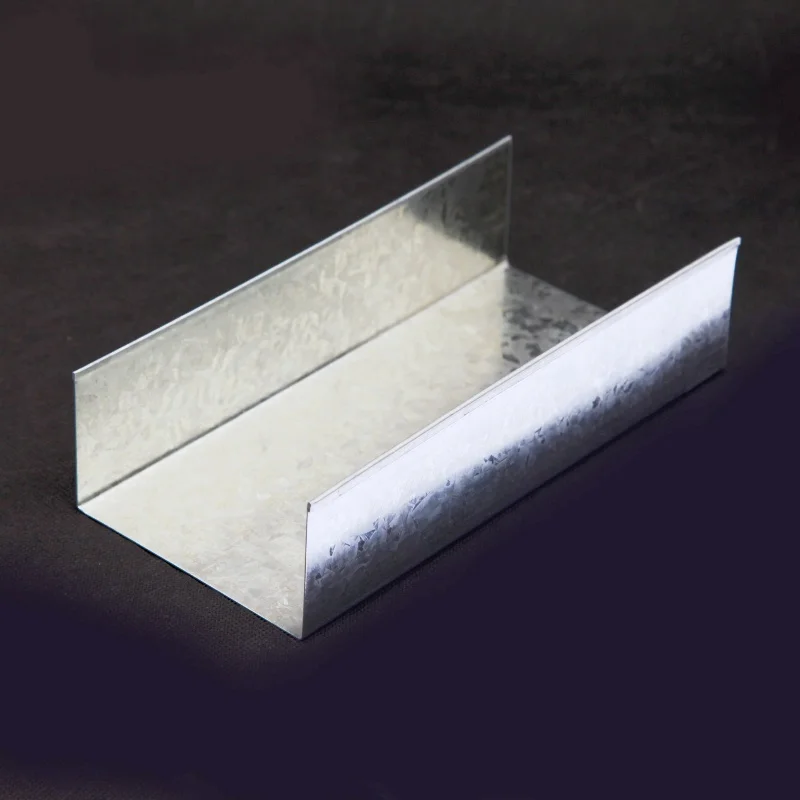
Metal Furring Channel Clips: Why They’re an Unsung Hero in Construction
Having spent a good chunk of my career in industrial equipment and construction materials, I can tell you: sometimes it’s the small stuff that holds everything together. Metal furring channel clips are one of those unassuming but crucial components that often get overlooked — until something goes awry. Frankly, they don’t get the spotlight they deserve, even though they literally help shape walls and ceilings for commercial and residential builds alike.
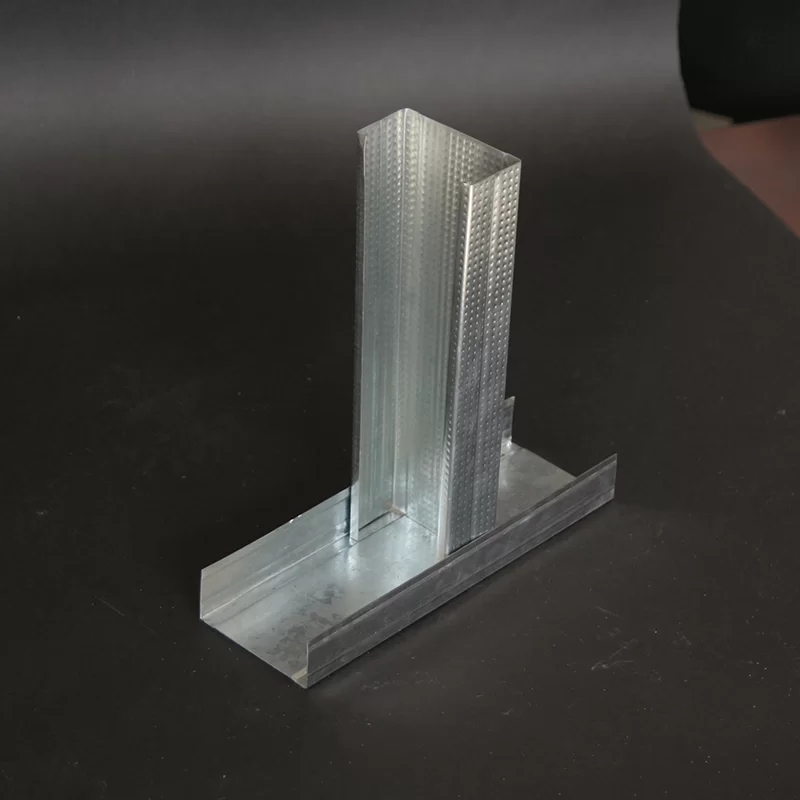
If you’ve ever been on a site where drywall or ceiling grids are being installed, you’ve likely seen these clips in action. Their job? Securing metal furring channels to the structural framing, enabling a stable platform for finishing materials. The fact that they can bear significant load while staying slim is something that always impressed me. And oddly enough, despite being made from simple materials like galvanized steel, their design varies quite a bit, much like the engineers who swear by specific brands.
In real terms, the choice of clip affects not just the strength of the attachment, but also installation speed, corrosion resistance, and even acoustics. Many seasoned engineers I know argue that investing in high-quality clips upfront saves headaches down the road. I’ve seen sites where cheap imports caused premature failures, and frankly, nobody wants that on their project timeline.
Product Design and Materials
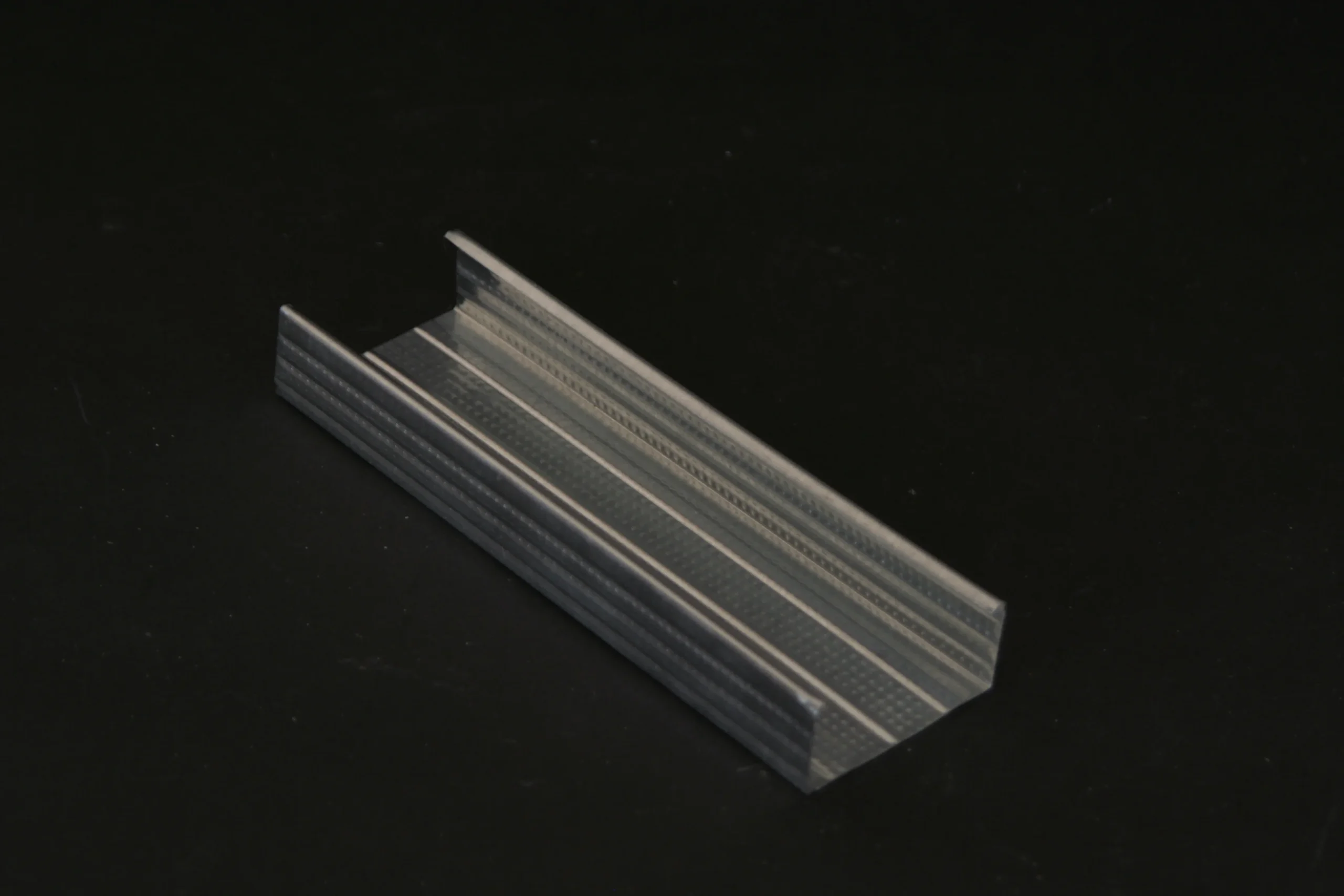
Most metal furring channel clips you encounter will be made from galvanized or stainless steel — sometimes with additional coatings for corrosion protection. Thickness tends to range between 0.6 mm and 1.2 mm, which balances strength with flexibility. The clip’s shape, often a "spring clip" or "snap-in" style, lets it grip firmly without needing extra fasteners, speeding up installation.
I’ve noticed that manufacturers often design clips to accommodate different furring channel dimensions (e.g., 15mm or 25mm width), and they’ll also specify fire ratings and load capacities. It’s not glamorous, but these specs really matter if you’re looking to meet code or handle seismic activity in your region. As an aside, I once worked on a retrofit where upgraded clips dramatically improved wall resilience during a moderate quake — something that made the engineers pretty happy.
Typical Metal Furring Channel Clip Specifications| Feature | Specification |
|---|
| Material | Galvanized Steel (G40) / Stainless Steel |
| Thickness | 0.8 mm standard, range 0.6-1.2 mm |
| Clip Style | Spring clip / Snap-in / Fixed |
| Load Capacity | Up to 45 kg per clip (varies by model) |
| Corrosion Protection | Galvanized coating, optional polyester paint finish |
| Dimensions Supported | Typically channels 15-25 mm wide |
Comparing Top Vendors: What to Look For
When choosing a vendor for these clips, I usually advise looking beyond just price. You want reliability, consistent quality, and ideally customization options. Some suppliers will provide clips tailored to unusual frame dimensions or with enhanced coatings for harsher environments, like coastal areas prone to salt corrosion.
Vendor Comparison: Metal Furring Channel Clips| Vendor | Material Quality | Customization | Price Range | Lead Time |
|---|
| Jinkai Industrial | High-grade galvanized steel, ISO-certified | Yes, including custom dimensions & coatings | Moderate | 2-3 weeks |
| Vendor B | Standard galvanized, third-party tested | Limited options | Low | 1-2 weeks |
| Vendor C | Premium stainless steel, corrosion resistant | Custom finishes available | High | 3-4 weeks |
On a personal note, I’ve worked closely with Jinkai Industrial’s clips on several projects. What I appreciate is their attention to detail and the consistency in delivery. Plus, the fact that they offer customization means you can adapt their clips to some pretty unique framing scenarios without scrambling for workarounds.
Of course, there are many factors, but in the end, it boils down to the project requirements, budget, and timeline. I suppose that’s true with most industrial components, but with metal furring channel clips, it feels especially critical to avoid cutting corners.
So, next time you see a thin piece of metal clip holding a channel in place, maybe you’ll pause for a second and realize it’s one of those small miracles in construction. You don’t hear much about them, but they quietly carry the weight — literally and figuratively.
References:
Industry Standards for Ceiling and Wall Assemblies, ASTM C645
Corrosion Resistance in Construction Fasteners, Journal of Materials Engineering, 2022
Project Case Study: Seismic Retrofit with Upgraded Metal Furring Clips, Structural Engineers Journal, 2021