Understanding Drywall with Studs: Why It Matters Now
At first glance, “drywall with studs” might sound like just a technical phrase from the construction world. But dig a little deeper and it reveals itself as the backbone of modern building interiors worldwide. Whether it’s in sprawling urban office towers, cozy residential homes, or critical humanitarian shelters, drywall attached to studs fundamentally shapes how spaces come to life — quickly, efficiently, and safely.
Globally, this construction method addresses the urgent need for adaptable, affordable buildings in a fast-paced world where urbanization and disaster resilience are top concerns. With the United Nations estimating that about 55% of the world’s population lives in urban areas — a figure set to rise dramatically — the demand for scalable, cost-effective materials like drywall combined with studs simply can’t be ignored.
Why Drywall with Studs is a Global Game-Changer
When you think about how modern construction scales — especially post-pandemic or after natural disasters — drywall with studs offers a method that’s fast, lightweight, and surprisingly flexible. According to ISO standards on sustainable building materials, combining drywall panels with metal or wooden studs improves both structural integrity and thermal insulation. This means better comfort indoors and energy savings outdoors.
But there’s a challenge: rapid urban development requires solutions that cut down time on site, reduce waste, and still deliver durability. Drywall with studs answers that call. Civil engineers and architects worldwide are turning to this system more than ever, not just for commercial buildings but also in fragile zones needing reliable shelters.
What is Drywall with Studs?
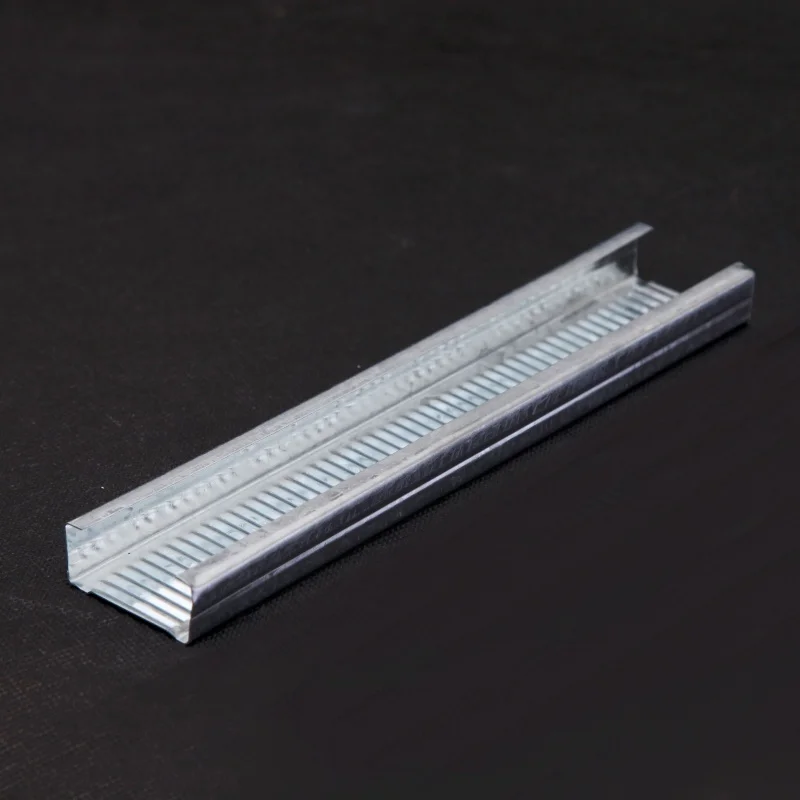
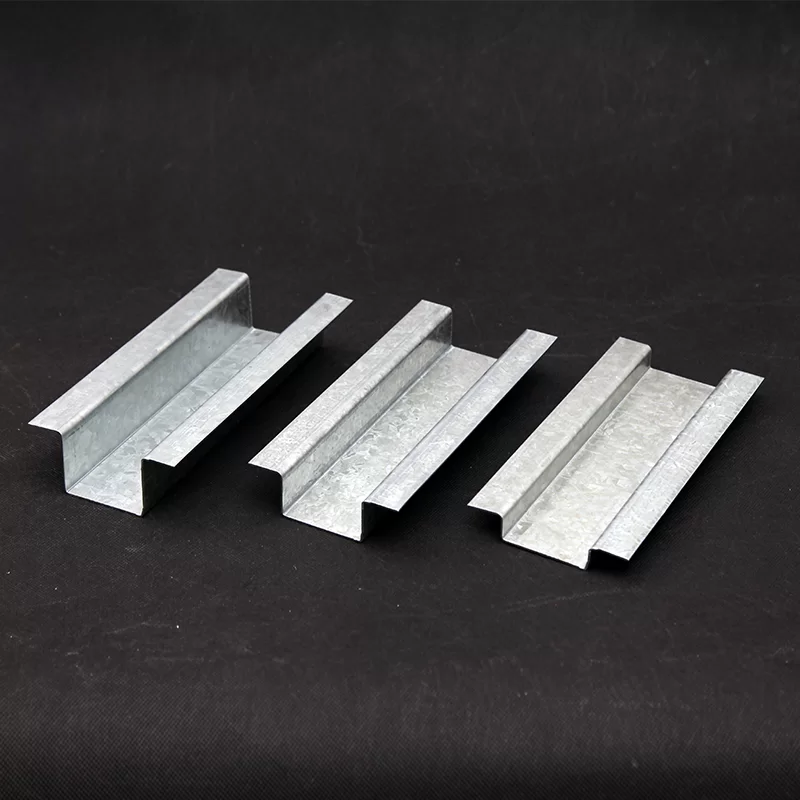
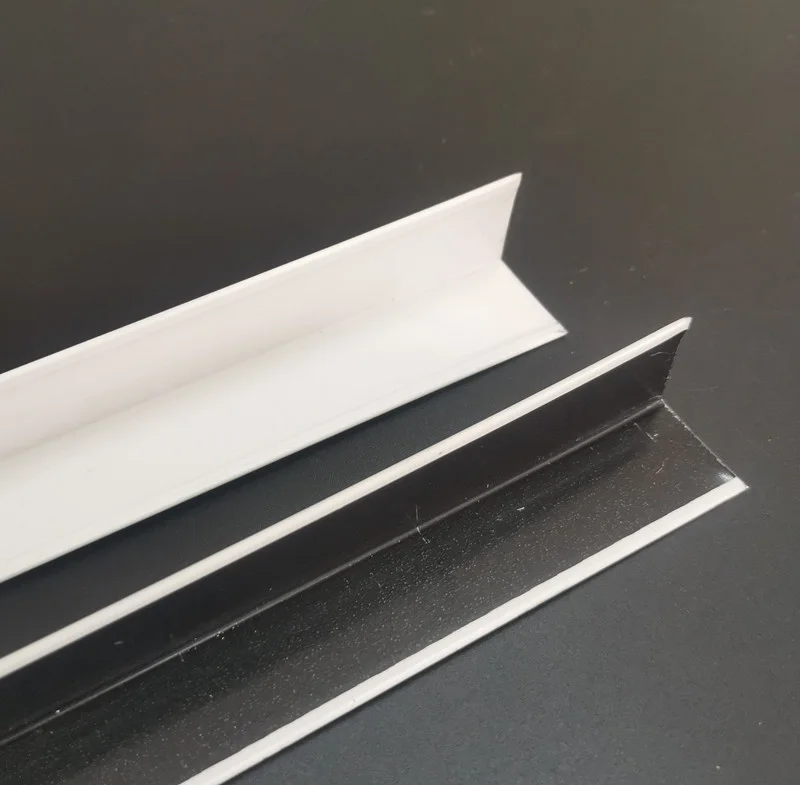
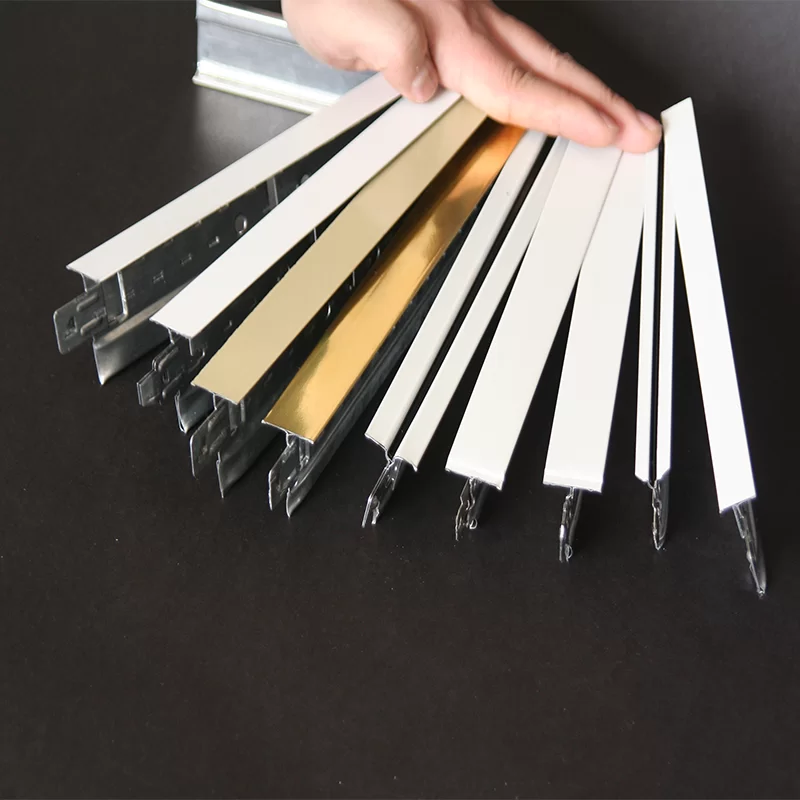
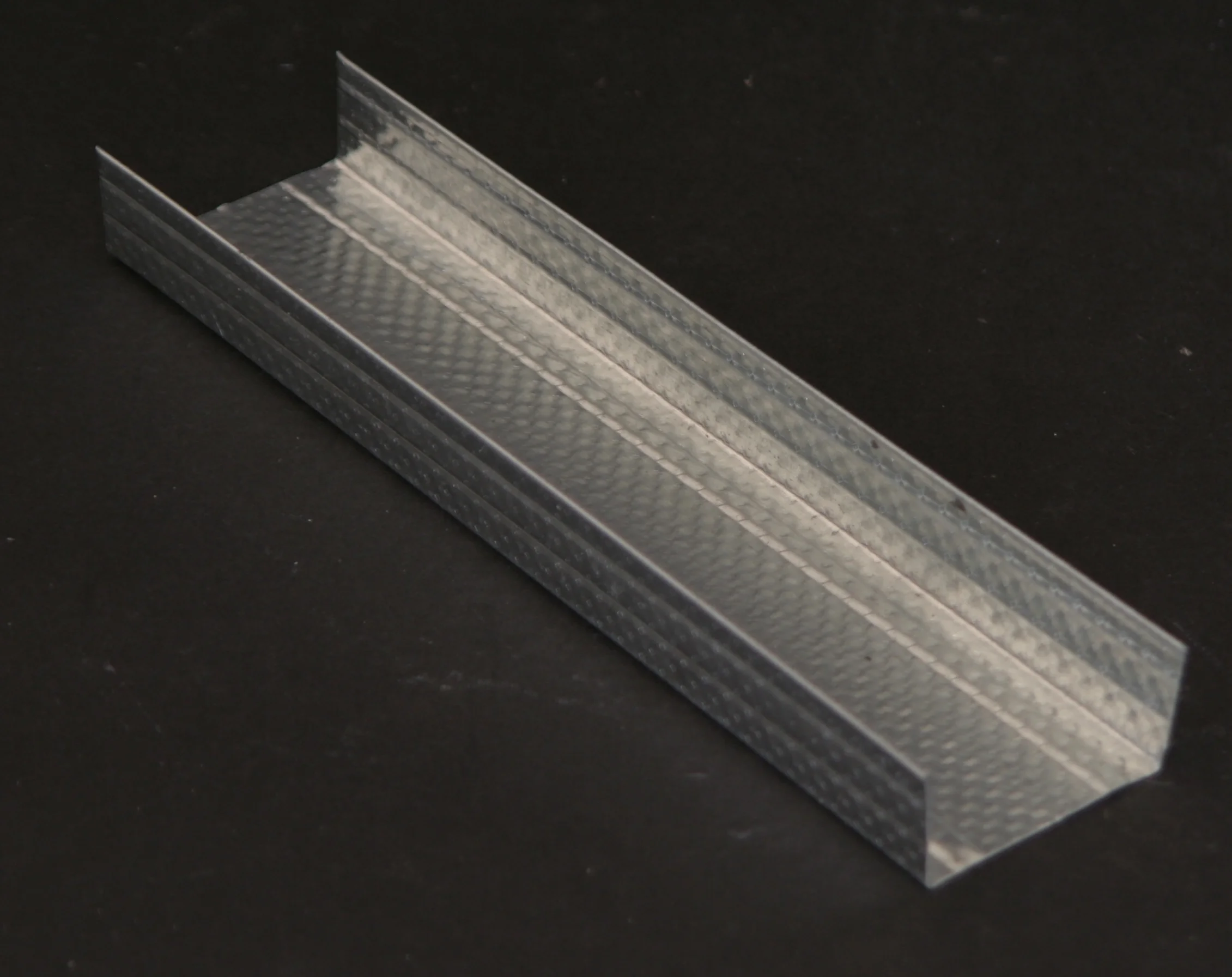
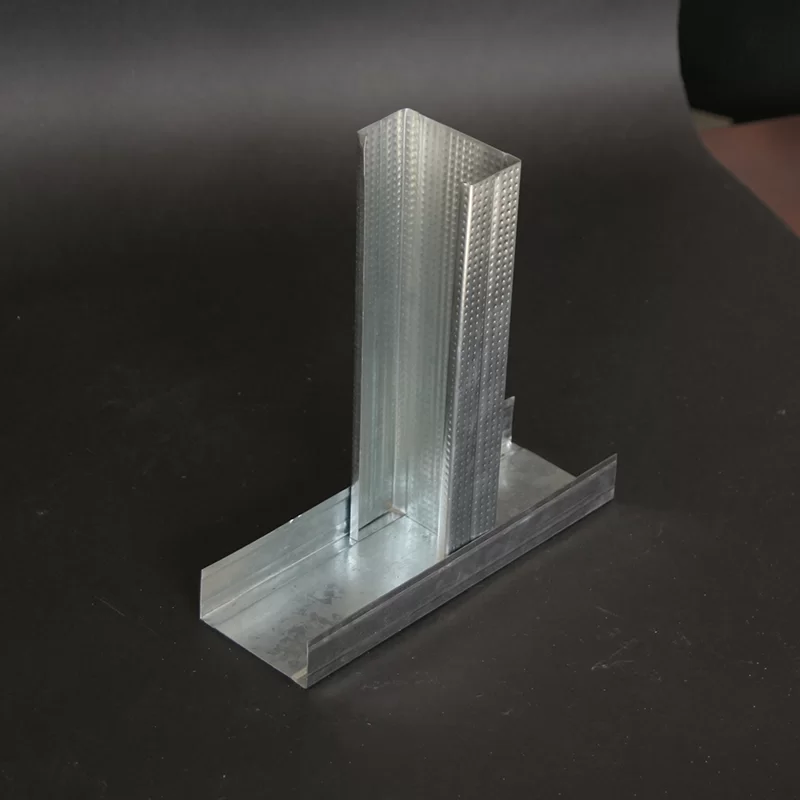
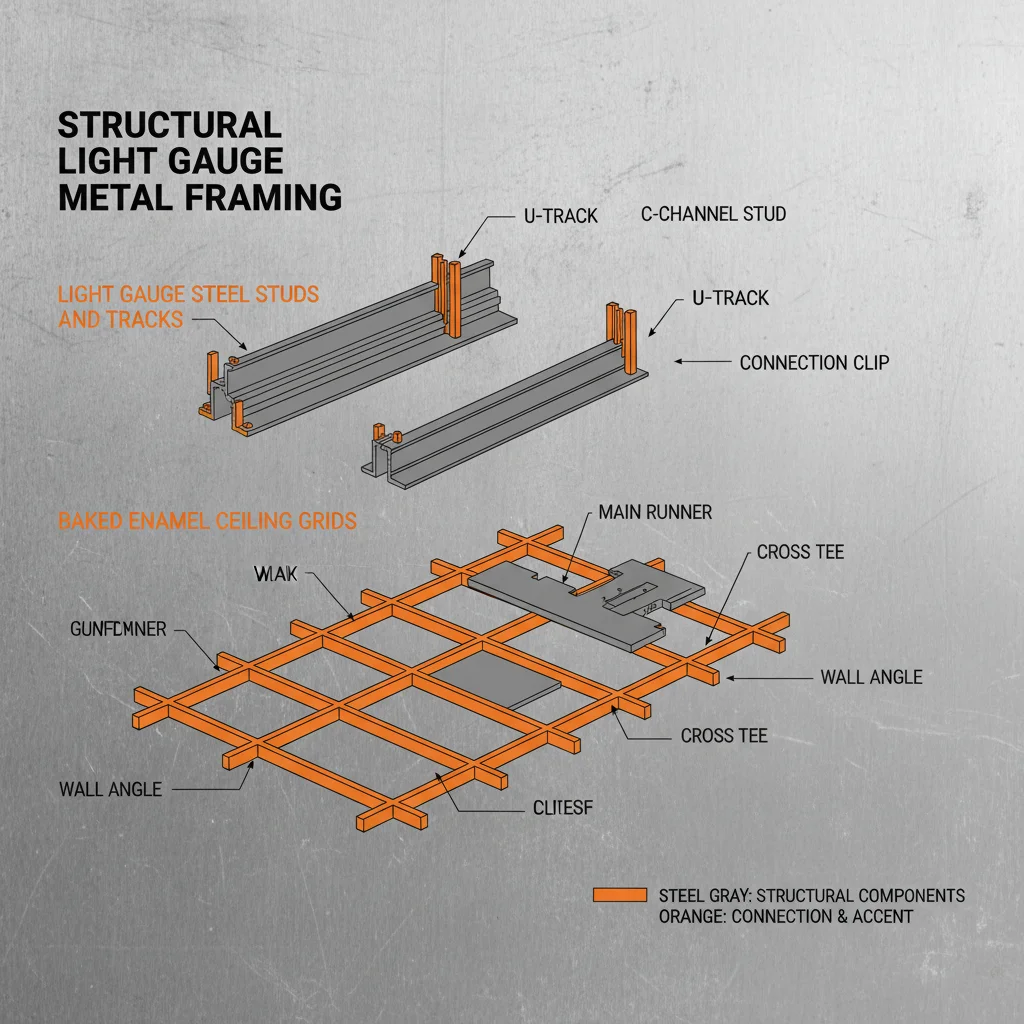
In simple terms, drywall with studs refers to the assembly of gypsum boards (the drywall) fixed onto vertical and horizontal framing members (the studs). These studs are often made from light-gauge steel or wood. The setup creates interior partition walls — think of it as the skeleton and skin of a room's boundary.
This system's flexibility is huge: you can run electrical wiring, plumbing, and insulation within the framework, all hiding neatly behind drywall surfaces ready for painting or wallpaper. Beyond traditional buildings, this setup supports humanitarian needs by fast delivery of modular housing units that stand up to weather and time.
Core Components that Define Drywall with Studs
1. Durability
Thanks to modern steel studs and reinforced gypsum boards, drywall walls can resist moisture, fire, and even seismic shocks better than ever. Many builders say it strikes a nice balance between strength and lightweight ease.
2. Scalability
This system is perfect for scalable builds — easily customizable for both small renovations and massive commercial projects. Pre-fabricated stud frames reduce on-site labor time, which can be a lifesaver during tight project schedules.
3. Cost Efficiency
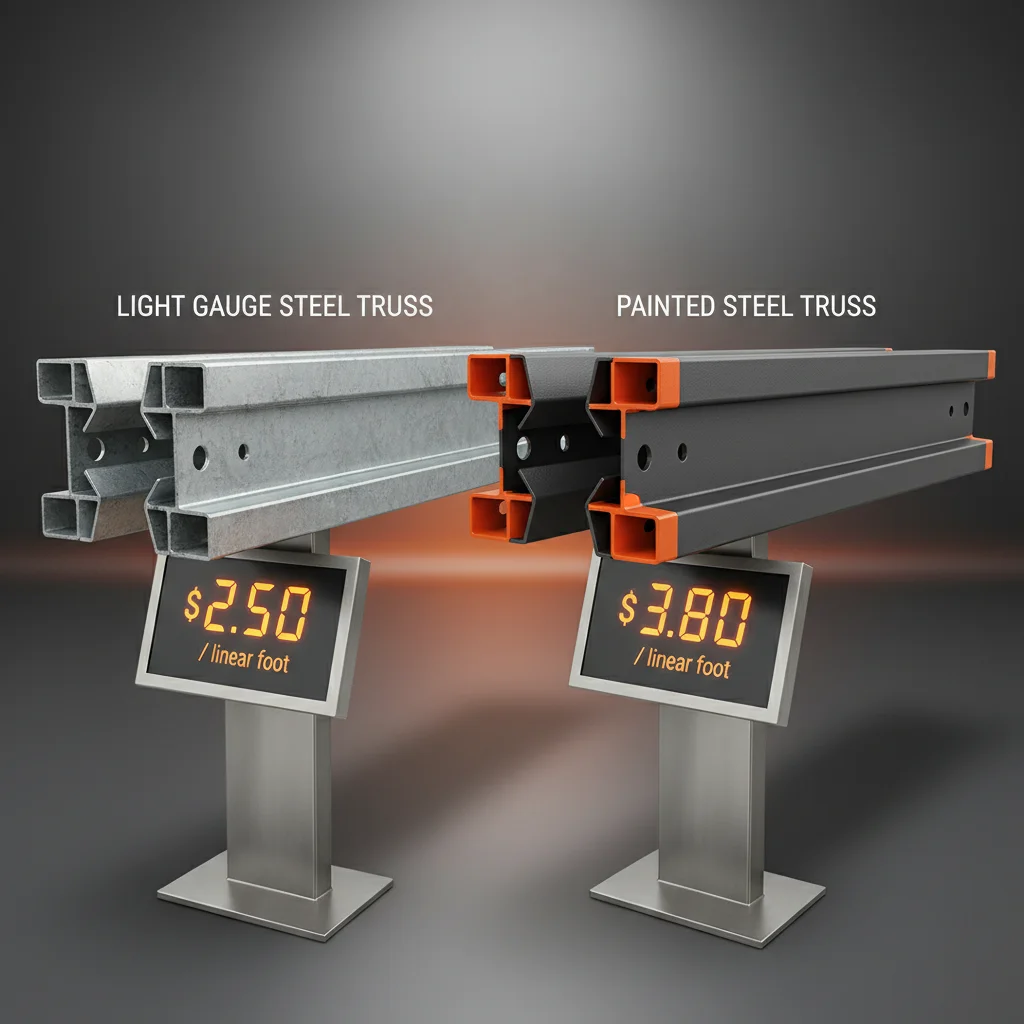
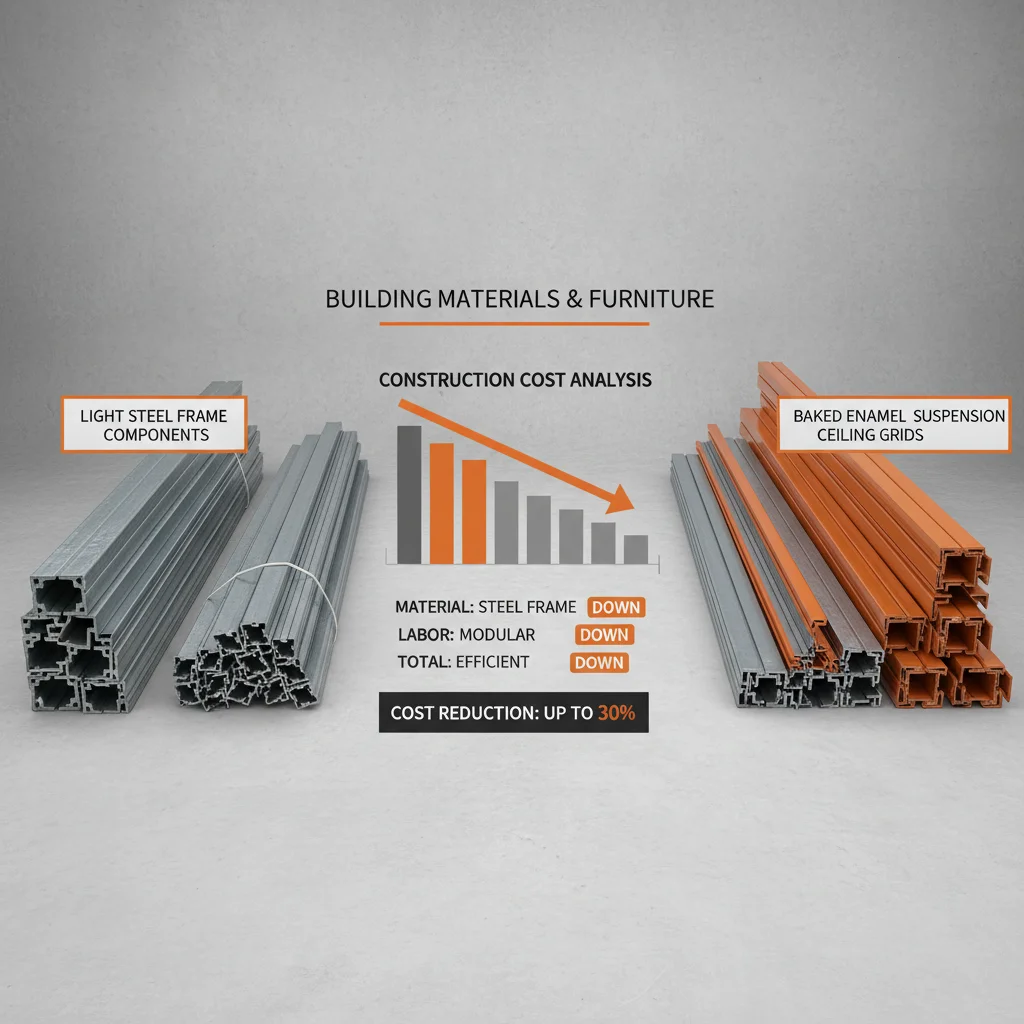
Drywall with studs is more budget-friendly compared to traditional brick or concrete walls, especially when factoring in the quick installation and less waste generated. That said, the quality of materials still dictates longevity and maintenance costs.
4. Acoustic & Thermal Insulation
With the right insulation in the stud cavities, rooms can maintain consistent temperatures and reduce noise transmission, crucial for offices, hospitals, and schools alike.
5. Environmental Sustainability
Gypsum is recyclable, and steel studs often contain recycled content. Using these materials supports the ISO sustainable construction guidelines by minimizing environmental impact and improving indoor air quality.
Mini takeaway:
Drywall with studs isn’t just a wall system. It’s a flexible, economical, and eco-friendly approach shaping how we build interiors today and tomorrow.
Real-World Applications: Where Drywall with Studs Shines
Across the globe, drywall with studs finds purpose in both everyday and extraordinary contexts.
- Urban construction: Skyscraper offices in New York and Tokyo use lightweight steel stud framing to minimize load while maximizing interior wall performance.
- Post-disaster relief: NGOs often deploy pre-fabricated walls with drywall and studs as fast shelter solutions after earthquakes or floods in regions like Southeast Asia and the Caribbean.
- Remote industrial zones: Mining camps in Australia and Canada rely on this system for quick, insulated housing that can be assembled on rugged terrain.
- Educational facilities: Schools adopting green building certifications choose drywall with studs to meet acoustic, safety, and sustainability goals.
Mini takeaway:
The reach of drywall with studs touches many sectors, adapting to a variety of climates, building requirements, and social needs.
Advantages and Long-Term Value of Drywall with Studs
When you think sustainability, cost, and reliability, drywall stud walls tick many boxes.
- Cost-Effective Durability: Lower upfront and lifecycle costs thanks to reduced labor and maintenance.
- Better Indoor Environment: Proper insulation and sealing lead to healthier, quieter spaces.
- Environmental Considerations: They align with green building standards and reduce construction waste.
- Social Impact: Fast housing rebuilds post-disaster preserve dignity and safety for displaced families.
It’s not just numbers — people feel the difference when their spaces are safe, quiet, and pleasant to live or work in.
Product Specification Table
| Specification |
Typical Range |
Notes |
| Drywall Thickness |
1/2" to 5/8" |
Standard sizes for wall or fire-rated ceilings |
| Stud Material |
Coldrolled Steel or Wood |
Steel offers better fire resistance and uniformity |
| Stud Spacing |
16" or 24" OC (on center) |
Depends on load and wall requirements |
| Fire Rating |
Up to 2 hours |
Using fire-rated gypsum boards and steel studs |
| Acoustic Rating (STC) |
Up to 55 |
With proper insulation in stud cavities |
Vendor Comparison Table: Drywall with Studs Suppliers
| Vendor |
Product Range |
Lead Time |
Sustainability |
Customer Feedback |
| BuildPro Supplies |
Steel Studs & Fire-Rated Drywall |
2-3 weeks |
Recycled steel content (40%) |
Highly rated for quality and support |
| GreenBuild Materials |
Eco Gypsum Boards & Wooden Studs |
1 week |
Certified FSC wood & low VOC |
Popular among sustainable projects |
| RapidWall Co. |
Pre-Fabricated Drywall Systems |
5 days |
Moderate, focus on waste reduction |
Praised for quick delivery & custom sizing |
Looking Ahead: Trends & Innovations in Drywall with Studs
Innovation never sleeps, even with something as classic as drywall. Oddly enough, this humble material system now intersects heavily with digital tech and sustainability.
For example, Building Information Modeling (BIM) allows architects to pre-plan stud placements and drywall cuts precisely, reducing on-site waste dramatically. Then, there’s a growing trend toward integrating smart sensors within stud walls to monitor humidity and structural health — especially useful in regions prone to mold or seismic activity.
Materials science is nudging gypsum towards bio-based additives, enhancing biodegradability without sacrificing fire resistance. And of course, green building codes continue pushing suppliers to create drywall with recycled content and better energy profiles.
Common Challenges & How The Industry Addresses Them
No material system is perfect. Drywall with studs sometimes faces issues like moisture damage, nail pops, or inconsistent acoustic barriers if installation is rushed or materials are subpar.
Experts recommend rigorous on-site inspections and using coated drywall sheets specifically designed for damp environments. Also, hybrid stud frames combining wood and steel are gaining traction as a solution for better thermal bridging control.
In humanitarian settings, faster on-site assembly kits coupled with modular designs help overcome skilled labor shortages, making drywall with studs even more practical.
FAQ: Frequently Asked Questions About Drywall With Studs
- Q: How quickly can drywall with studs be installed in a residential renovation?
A: On average, a professional crew can install drywall with studs for a typical room within 2 to 4 days, depending on room size and complexity. Pre-fabricated stud frames speed this up significantly.
- Q: Are steel studs better than wooden studs?
A: Steel studs tend to offer greater fire resistance, uniformity, and are less prone to warping or pest damage. Wooden studs may be preferred for insulation qualities and ease of modification, but steel is increasingly popular in commercial and sustainable builds.
- Q: Is drywall with studs suitable for humid climates?
A: Definitely, if you choose moisture-resistant drywall types and treat steel studs to prevent corrosion. Proper ventilation and insulation are key to long-term durability in humid zones.
- Q: Can drywall with studs be recycled?
A: Yes. Gypsum boards can be recycled into new boards or composted under certain conditions, and steel studs are fully recyclable, often made with recycled content. This makes the system environmentally responsible.
- Q: How does drywall with studs compare to traditional masonry walls?
A: Drywall with studs is lighter, faster to assemble, and offers better insulation opportunities. Masonry walls are more permanent and load-bearing but costlier and less flexible for interior changes.
Wrapping Up: Why Drywall with Studs Should Be Your Next Choice
From cost savings and environmental benefits to quick assembly and versatile applications, drywall with studs has earned its place as a transformative method in construction and humanitarian fields alike. It's not just about building walls — it’s about creating adaptable, sustainable spaces where people live, work, and recover after crises.
If you’re curious to explore quality solutions or need expert advice on drywall with studs, visit our website — your next project deserves the best foundation.
References
- United Nations – Urbanization and Sustainable Development
- ISO – Sustainable Construction Materials
- Wikipedia – Drywall