Understanding Gypsum Track and Stud: The Backbone of Modern Lightweight Construction
Gypsum track and stud may not be jargon you hear every day outside construction circles, but frankly, it’s one of those unsung heroes in building technology. With global urbanization surging and demands for faster, more sustainable construction rising, these components are taking center stage. They hold walls, ceilings, and partitions together in countless buildings worldwide. Understanding gypsum track and stud not only connects you to how homes and offices are built but also sheds light on advances in cost-efficient, environmentally friendly construction methods.
Global Relevance and Industry Context
Globally, the construction industry accounts for nearly 39% of energy-related CO2 emissions, according to the International Energy Agency. Gypsum track and stud systems provide an alternative to traditional masonry and heavy concrete walls, offering lightweight solutions that reduce material consumption and construction time. The UN’s Sustainable Development Goals have indirectly emphasized such innovations that promote safer, affordable, and sustainable housing (UN SDGs).
Gypsum track and stud assemblies are especially vital in rapidly growing urban areas across Asia, the Middle East, and Latin America, regions where speed, cost, and adaptability are crucial. On the flip side, disaster relief agencies rely on modular gypsum systems to erect quick shelters after calamities — a real problem solver when traditional building takes too long or isn’t feasible.
What Exactly Are Gypsum Track and Stud?
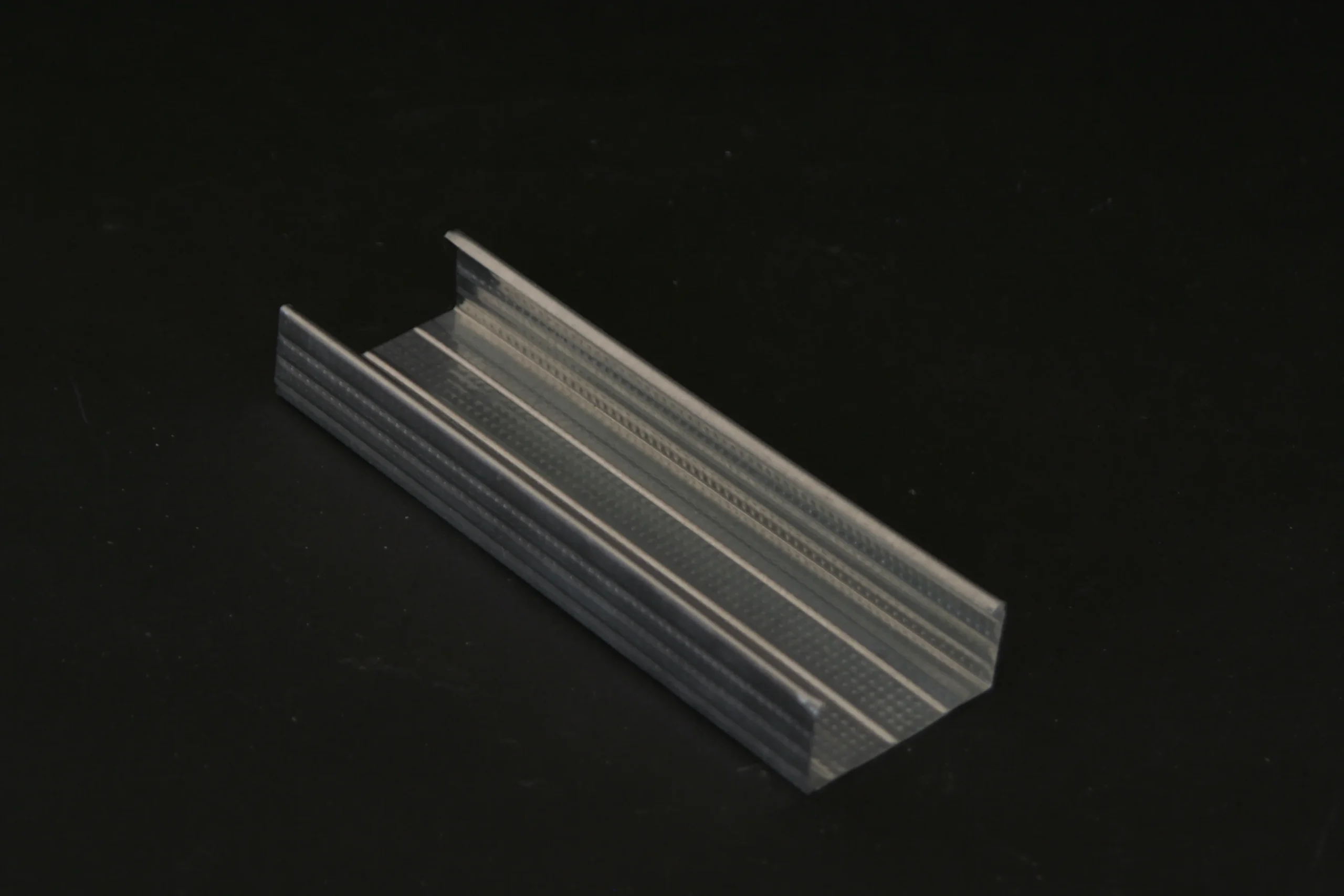
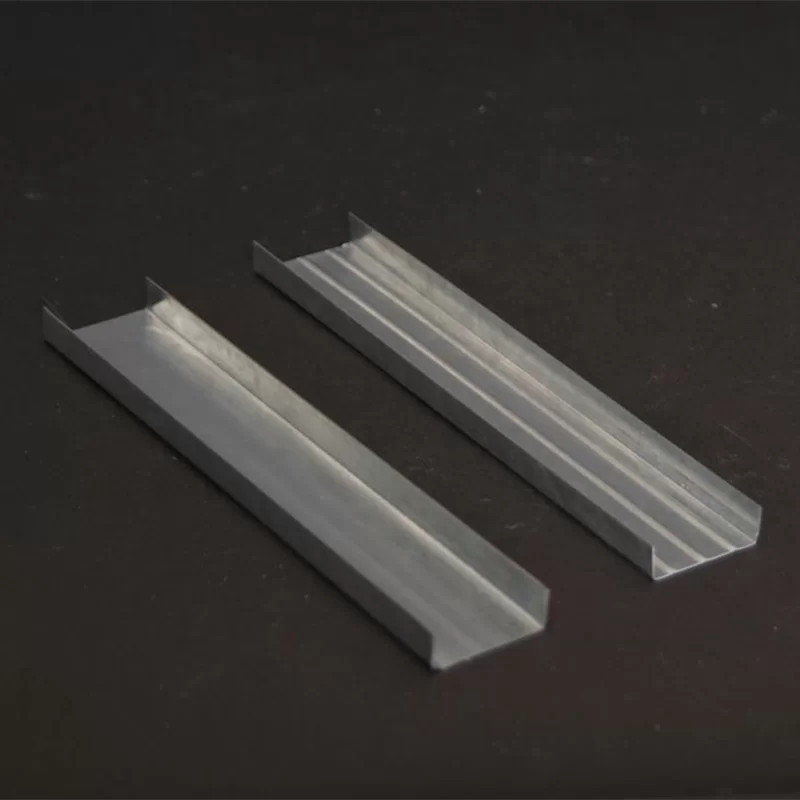
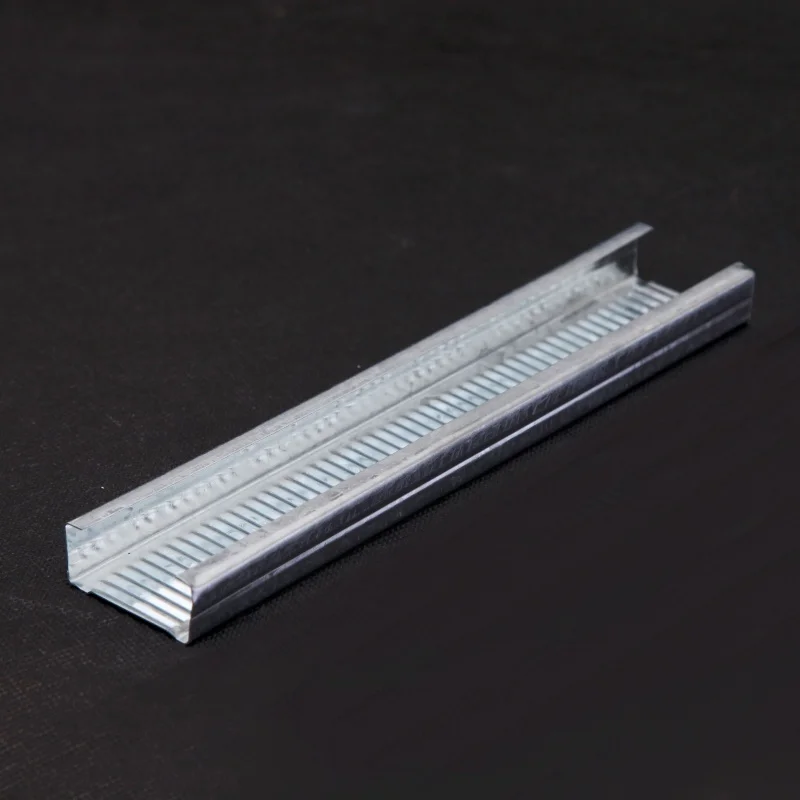
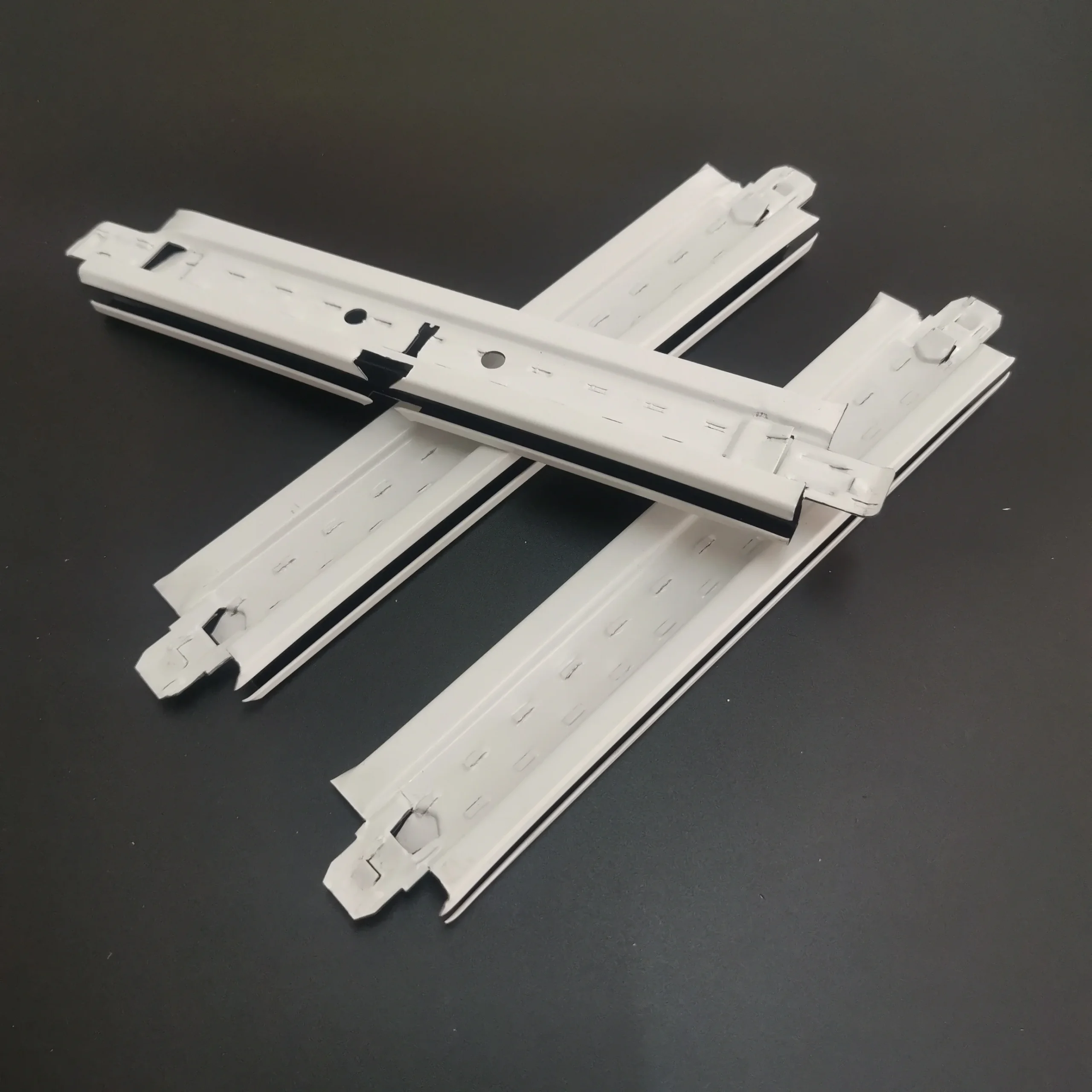
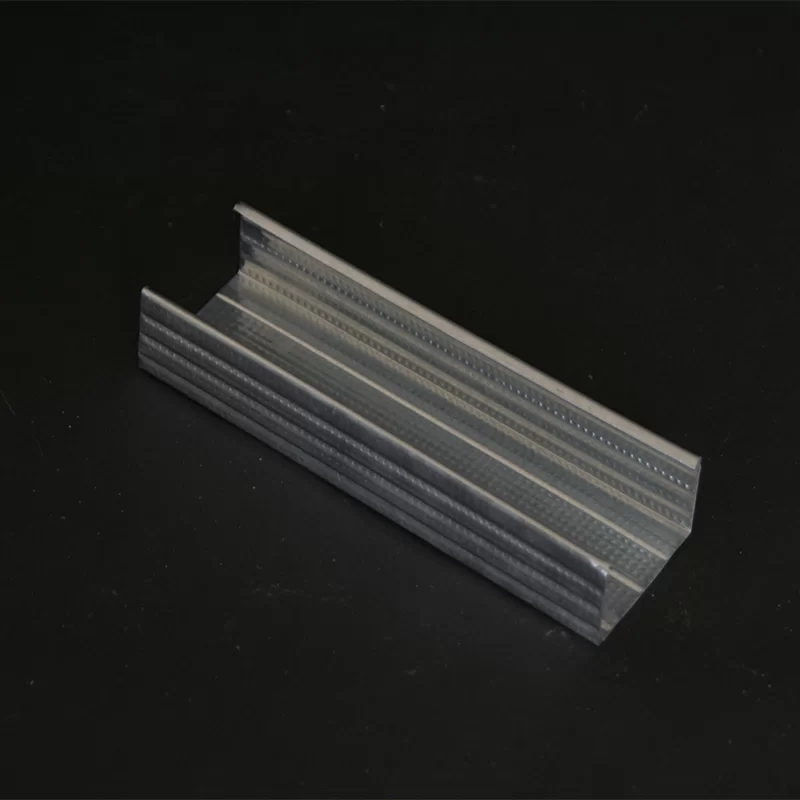
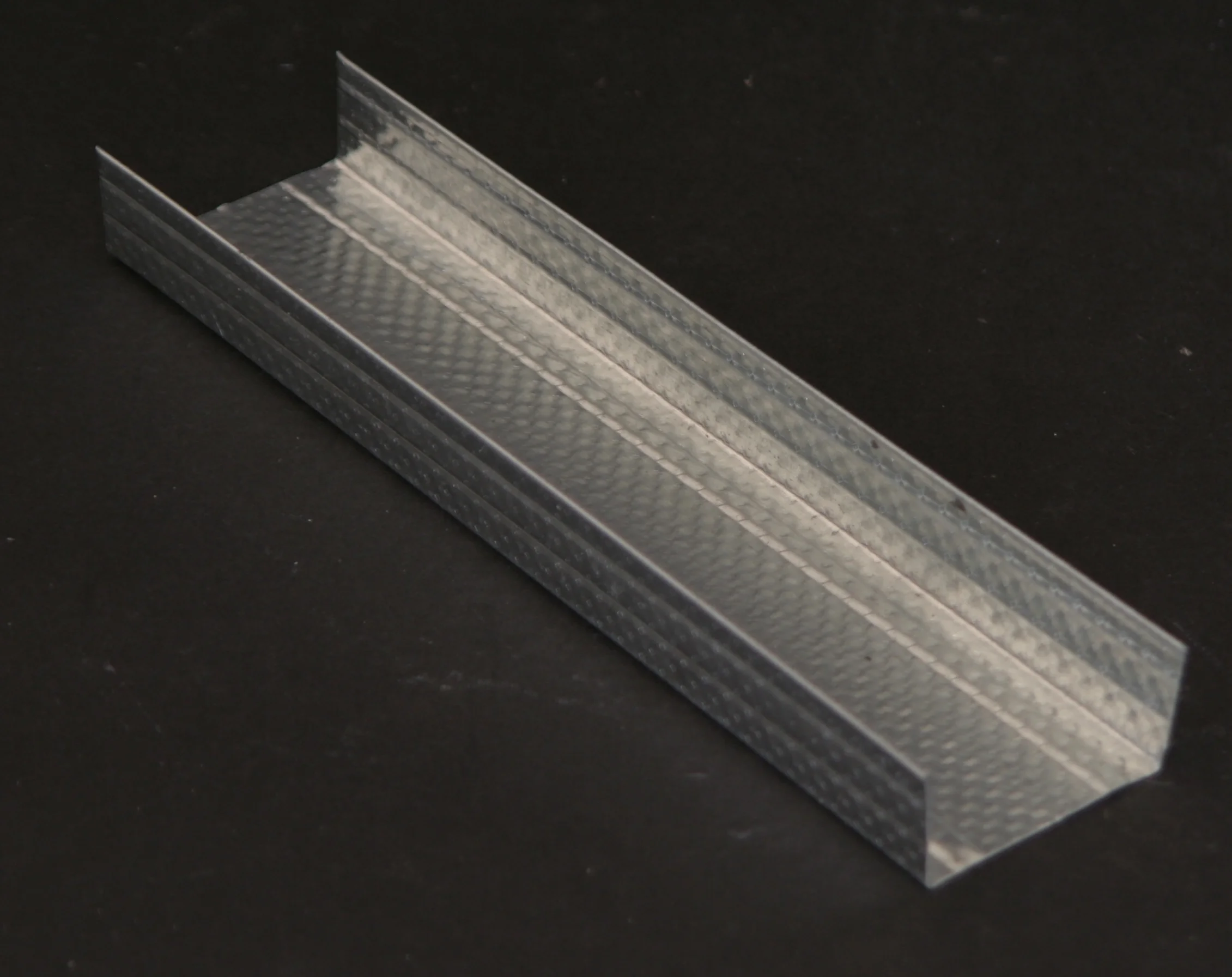
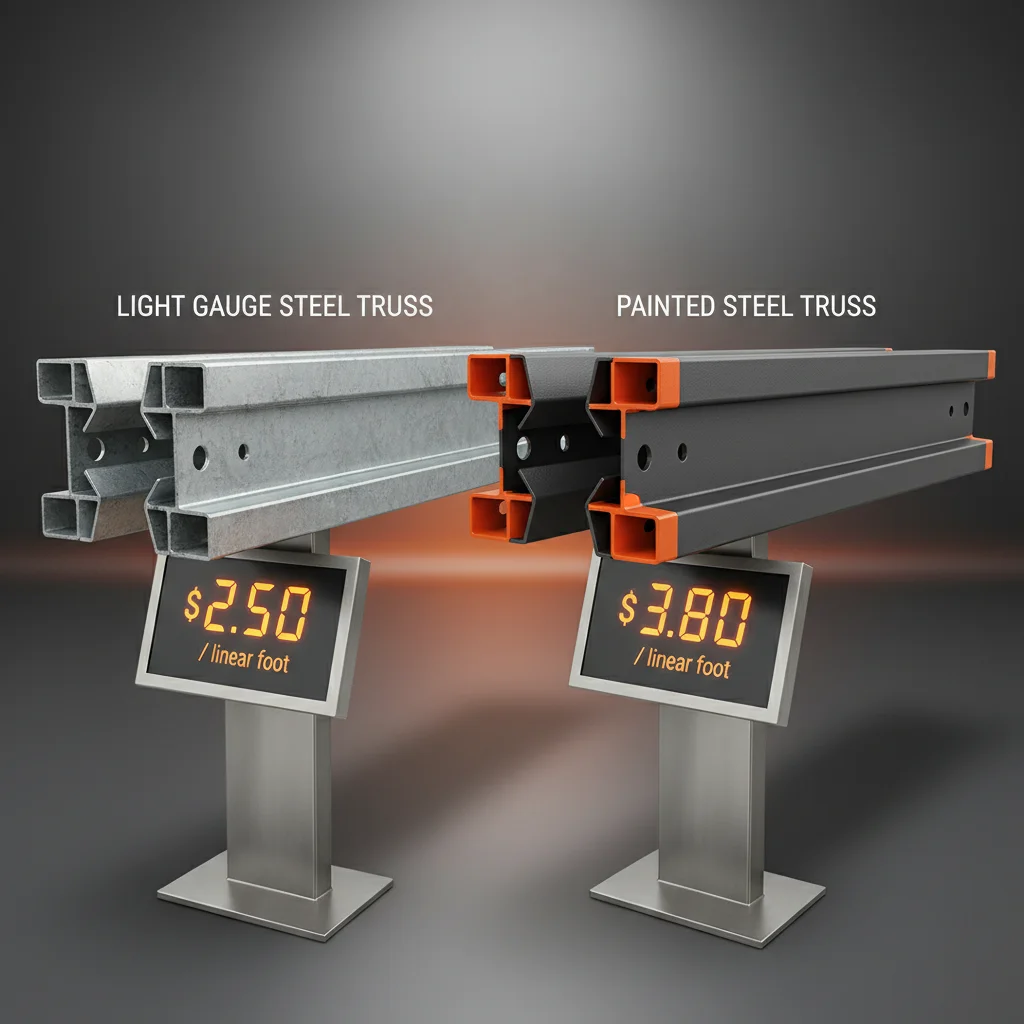
In simple terms, gypsum track and stud refer to the metal framing components that form the skeleton of drywall partitions or ceilings. The “stud” is a vertical or horizontal profile, typically made of galvanized steel, which acts as a support column. The “track” is the channel that the studs slide into, anchoring them at the base and top. Together, they create a framework upon which gypsum boards (commonly known as drywall or plasterboard) are mounted.
This framing system is integral to modern construction, whether you’re talking about commercial office buildings, residential apartments, or even temporary structures. The use of galvanized steel in tracks and studs ensures durability and resistance to fire and corrosion—key concerns in building safety.
Key Attributes of Gypsum Track and Stud
Durability and Strength
Such metal framing withstands loads effectively while being surprisingly light. It doesn’t warp or crack like wood, making it ideal for longevity. Many engineers note that these profiles maintain structural integrity even in humid environments.
Ease and Speed of Installation
Because track and stud systems are modular and pre-engineered, they significantly cut down construction timelines. Workers can quickly snap and screw components together onsite, facilitating “dry” construction that requires no waiting for mortar to set.
Cost Efficiency
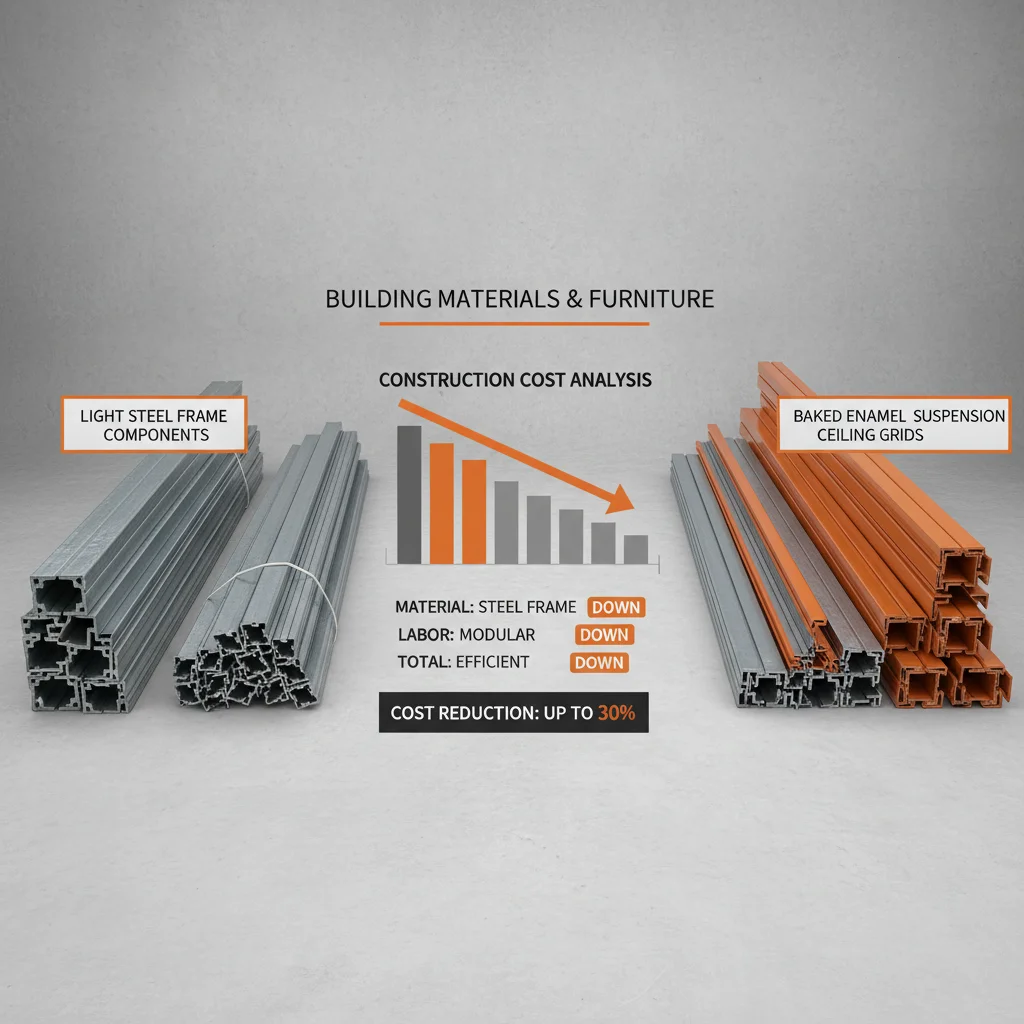
Compared to conventional masonry walls, gypsum track and stud assemblies reduce labor and material costs. There's less waste, fewer heavy deliveries, and minimal skilled labor needs.
Fire Resistance
Both the metal framing and gypsum boards provide excellent fire resistance properties, complying with building codes worldwide—this is especially important in high-rise construction.
Sound Insulation
The framing allows for cavities that accommodate acoustic insulation, enhancing living and working comfort.
Typical Product Specifications
| Component |
Material |
Dimensions |
Weight per meter |
Fire Rating |
| Gypsum Track |
Galvanized Steel (0.5 mm thickness) |
40mm x 26mm |
0.4 kg/m |
Up to 2 hours |
| Gypsum Stud |
Galvanized Steel (0.6 mm thickness) |
50mm x 90mm |
0.6 kg/m |
Up to 2 hours |
Fire ratings may vary based on assembly and additional materials.
Global Applications and Use Cases
- Commercial and Residential Construction: Widely utilized in office fit-outs and apartment buildings in Europe and North America for their flexibility and speed.
- Post-Disaster Relief: Agencies like the Red Cross rely on gypsum systems to quickly erect modular shelters, particularly after earthquakes or hurricanes in Southeast Asia.
- Industrial Facilities: Warehouses and factories favor steel framing for durability and fire safety, especially in regions with strict building codes like Australia and Japan.
- Educational and Healthcare Buildings: Schools and hospitals often use gypsum track and stud for internal partitions that accommodate wiring and plumbing while ensuring hygiene.
Case in point: After the 2010 Haiti earthquake, gypsum track and stud components helped humanitarian teams set up rapid classrooms and clinics, largely because of their lightweight and easy assembly nature.
Advantages and Long-Term Value
From a logical standpoint, gypsum track and stud systems reduce overall construction time—clients save on labor and operational costs. Environmentally, the steel used is often recycled, and the lightweight nature reduces transportation emissions.
On a human note, these systems improve occupant comfort by offering better acoustics and fire safety, giving a real sense of security and dignity in living spaces. Innovation-wise, they support future retrofitting thanks to their modular design.
Looking Forward: Trends and Innovations
- Green Materials: Research into environmentally friendly coatings and recycled steel enhances sustainability.
- Digital Fabrication: BIM (Building Information Modeling) is aiding precise prefabrication of gypsum track and stud profiles, cutting waste further.
- Smart Buildings: Integration of electrical conduits and sensors into the framing is becoming a norm.
- Automation: Robotic assembly and laser-assisted installation could soon improve speed and accuracy.
Challenges and Expert Solutions
One stumbling block is corrosion in extremely humid or salty environments, which can jeopardize steel durability. Experts recommend higher-grade galvanization or additional protective coatings. Another challenge is sound transmission in thin partition walls; the solution often involves filling cavities with mineral wool or acoustic foam.
Finally, lack of skilled labor in emerging markets slows adoption—thus, training programs by manufacturers and NGOs are vital to scale the benefits globally.
Vendor Comparison: Leading Gypsum Track and Stud Suppliers
| Vendor |
Material Quality |
Price per unit (USD) |
Lead Time |
Geographic Reach |
| BuildSteel Co. |
High - Hot Dip Galvanized |
$1.20/m |
2 weeks |
North America, Asia |
| GypsumForm Ltd. |
Medium - Electroplated |
$0.98/m |
3 weeks |
Europe, Middle East |
| TrackStud Solutions |
High - Zinc-Aluminum Alloy |
$1.35/m |
1 week |
Global |
Frequently Asked Questions About Gypsum Track and Stud
Q1: What makes gypsum track and stud better than traditional wood framing?
A1: Gypsum track and stud systems are lighter, more fire-resistant, and less susceptible to warping or pest damage compared to wood. They offer faster installation and better compliance with modern building codes, especially in multi-story structures.
Q2: How long does a gypsum track and stud wall last?
A2: With proper installation and maintenance, these systems can last 50 years or more. The galvanized steel resists rust, and the gypsum boards are designed for durability unless exposed to excessive moisture.
Q3: Are gypsum systems suitable for humid or coastal areas?
A3: Yes, but specialized coatings or higher-grade galvanized steel are recommended to combat corrosion. Using moisture-resistant gypsum boards further protects the assembly.
Q4: How do large organizations procure gypsum track and stud products internationally?
A4: Many suppliers offer export-ready products and work with logistics partners to streamline customs and delivery. Organizations often engage in bulk contracts with clear lead times and quality assurance audits.
Q5: Can gypsum track and stud systems be customized for unique architectural designs?
A5: Absolutely. These systems are flexible and compatible with various gypsum boards, allowing curves, arches, and multi-layered partitions, accommodating creative architectural visions.
Wrapping It Up
Gypsum track and stud are more than just metal pieces; they represent a smarter way to build—faster, safer, and greener. Their global adoption is a testament to their versatility and practicality. Whether you’re a builder, architect, or humanitarian professional, understanding these components is essential in today’s construction landscape.
Feeling inspired? Do explore more at gypsum track and stud – for detailed product specs, installation guides, and expert advice.
Oddly enough, it’s the little things, like tracks and studs, that shape the future of how we live and work.
References
- International Energy Agency (IEA) – Global Status Report for Buildings and Construction
- United Nations Sustainable Development Goals – Sustainable Cities and Communities
- Wikipedia – Drywall