Curved Wall Metal Stud Track: Why It Seriously Matters Today
Ever walked into a building and admired its flowing curves instead of those straight, boxy walls? Well, behind that graceful curve in drywall or partition walls is often a curved wall metal stud track—a crucial yet overlooked hero in modern construction. Globally, as architecture trends toward more organic, creative forms, understanding this element is invaluable. It’s more than just a piece of metal; it enables innovation, helps optimize space, and can even accelerate project timelines while reducing waste. For industries from commercial building to disaster relief shelters, the curved wall metal stud track opens doors to both form and function.
Mini takeaway: Mastering curved wall metal stud track design is a gateway to unlocking sleek, flexible interiors worldwide.
The Bigger Picture: Curved Metal Track in a Global Industry Context
The global construction market was valued at around $13 trillion in 2023, and it’s no secret that design demands are shifting.[1] With urban populations swelling and the need for sustainable architecture at an all-time high, curved walls offer a more organic alternative to stark geometries — improving spatial flow and often enhancing building aerodynamics. The ISO standards on light gauge steel framing (ISO 4948) show the ever-increasing importance of precise, standardized components like metal stud tracks in achieving architectural ideals efficiently and safely.
However, openly curved structures bring challenges traditional straight track systems just can’t handle — think bending steel with exactness, without sacrificing strength or causing delays. This is where the curved wall metal stud track steps in, addressing those issues, ensuring designers aren’t boxed-in by technique or material limits.
Mini takeaway: As architectural creativity grows globally, curved wall metal stud tracks become a worldwide linchpin for both innovation and structural integrity.
Defining Curved Wall Metal Stud Track
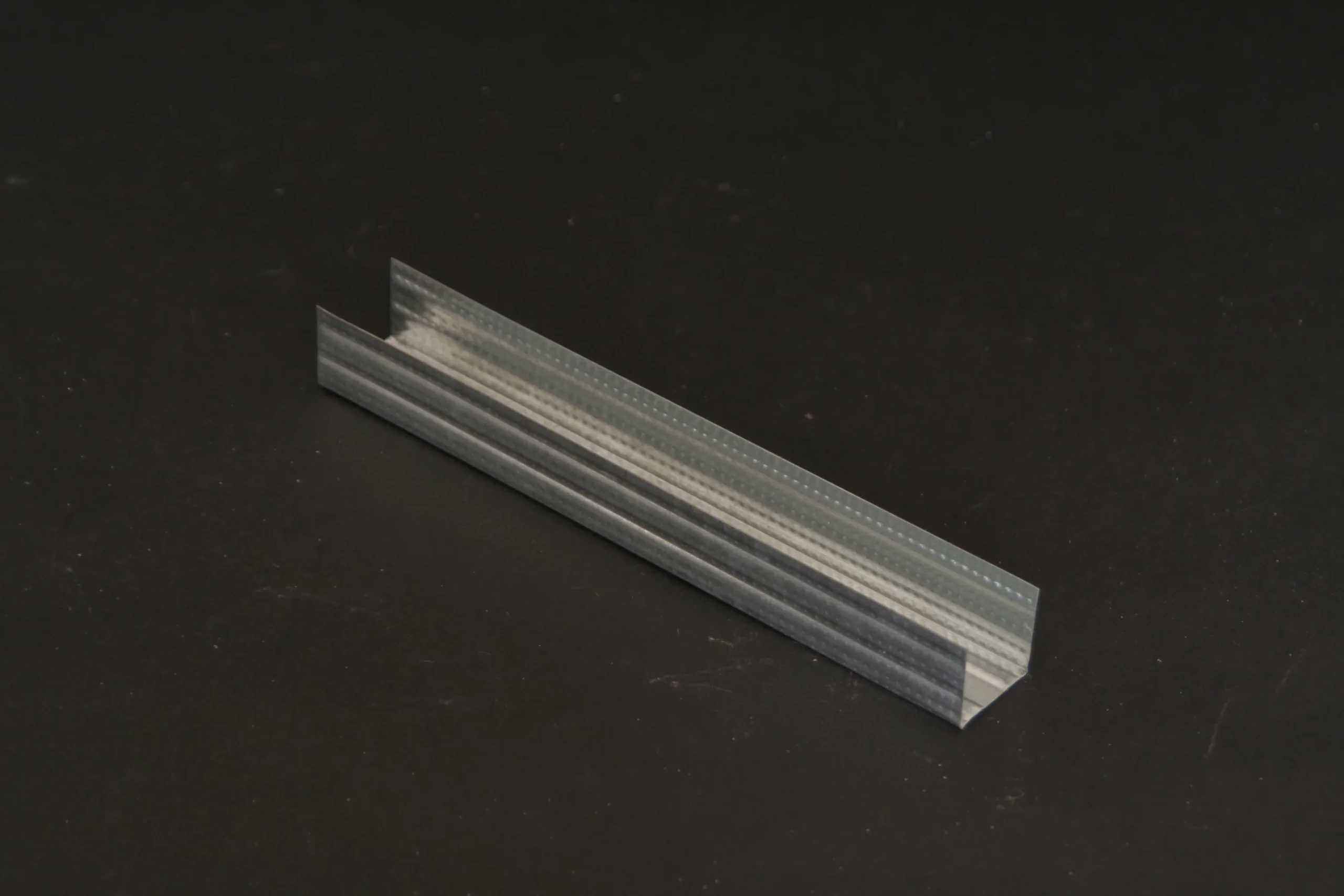
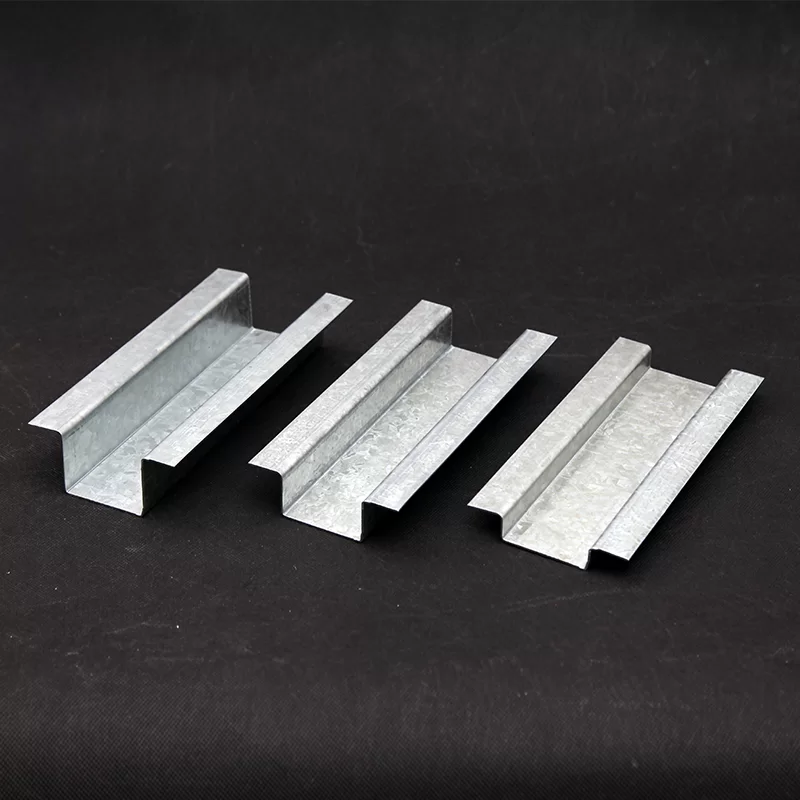
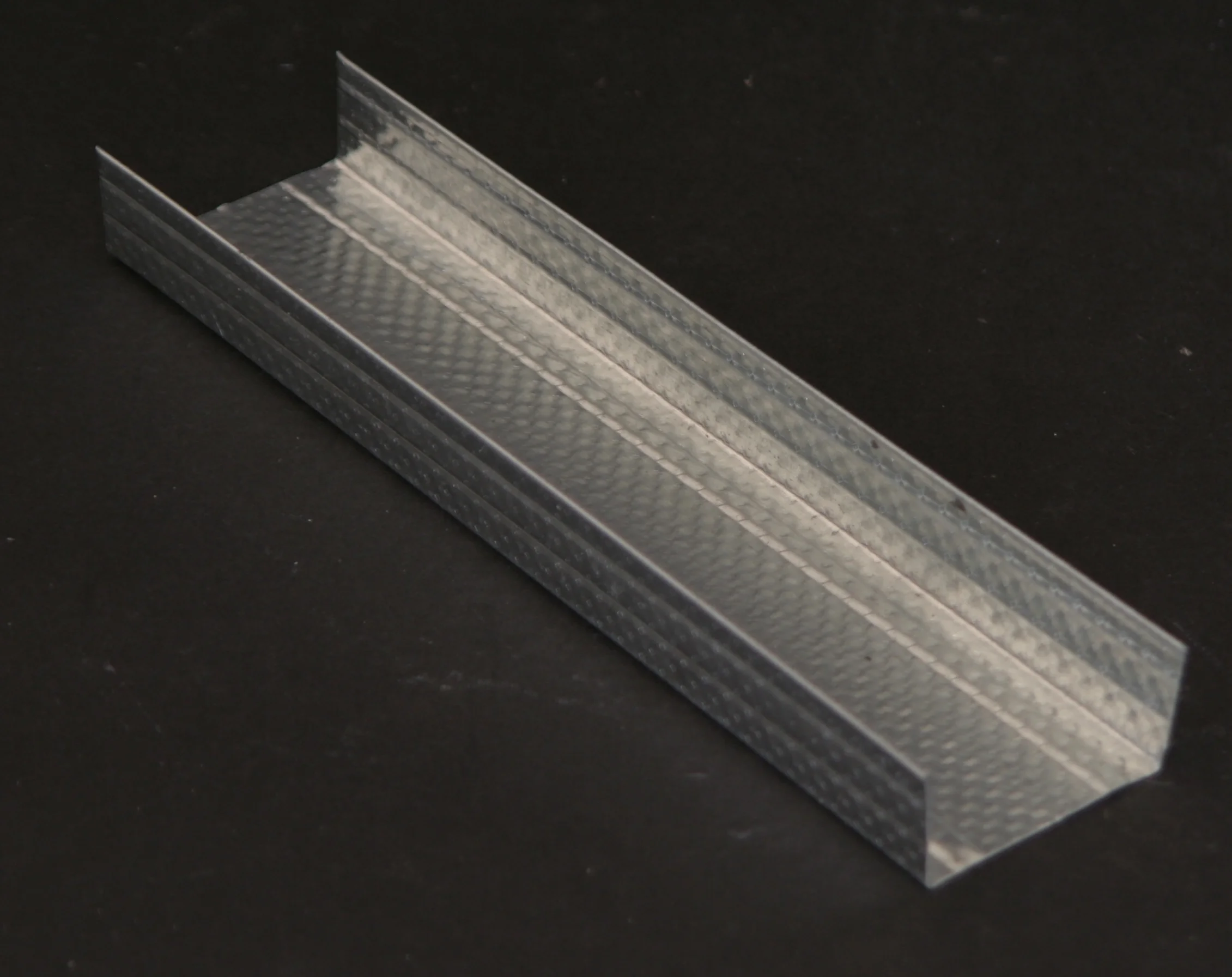
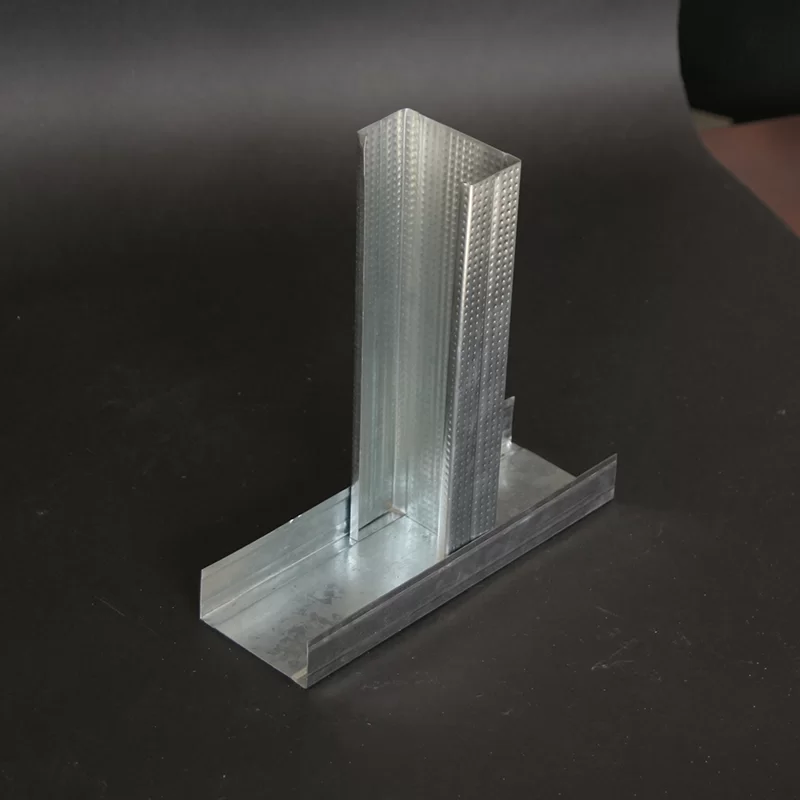
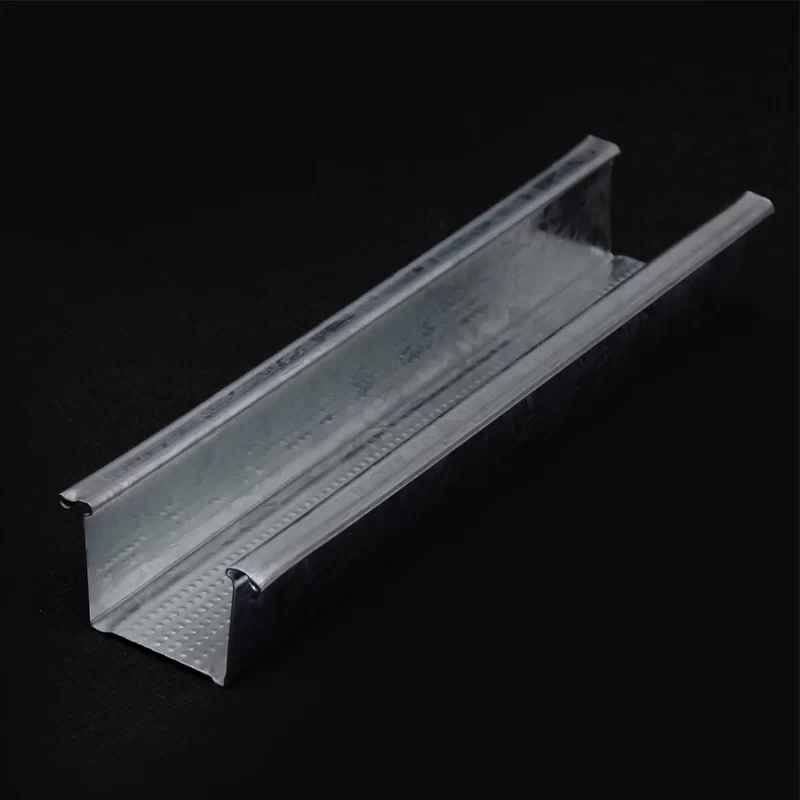
Simply put, a curved wall metal stud track is a specially fabricated guide rail of galvanized steel or aluminum designed to follow concave or convex arcs, rather than straight lines. It’s used as the baseline in light gauge steel framing for walls or partition systems that bend.
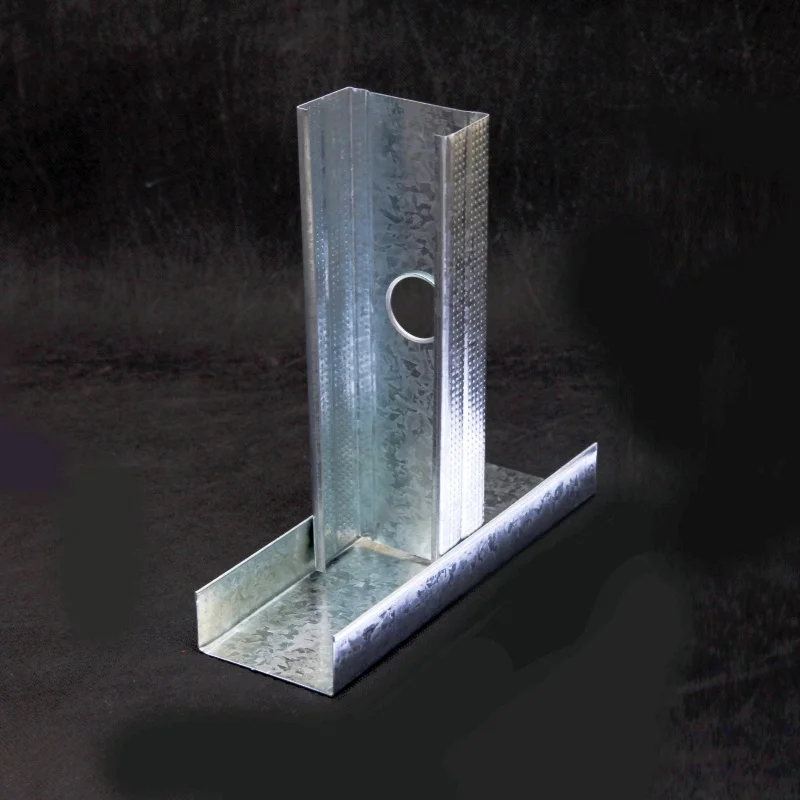
Unlike regular metal studs, these curved tracks are pre-rolled or custom-bent to exact radii, helping form continuous curves which traditional framing struggle to achieve reliably. Their precise shape and material quality link them directly to modern industries seeking rapid, flexible construction methods—especially modular and prefabricated structures. Humanitarian aid groups, for instance, use these systems to build quickly deployable, comfortable shelters that move beyond the prison of boxy tents.[2]
Essential Features Making Curved Wall Metal Stud Tracks Stand Out
1. Durability and Corrosion Resistance
Constructed mainly from galvanized steel, these tracks resist rust and maintain strength over decades. For buildings in humid climates or industrial zones, that’s a no-brainer must-have.
2. Flexibility and Precision
Metals can only bend so far before they snap or wrinkle. These tracks are engineered either pre-curved in factories or cold-bent on-site with specialized tools, balancing flexibility with dimensional accuracy.
3. Lightweight Yet Strong
Steel framing remains lighter than masonry alternatives, lowering construction loads and easing transportation—super helpful in remote areas or temporary structures.
4. Cost Efficiency
Though a bit pricier upfront than straight studs, they reduce labor hours and waste by eliminating custom cutting and guesswork on curves, leading to lower overall project costs.
5. Compatibility With Drywall and Finishing Systems
These curved tracks accommodate various drywall boards, plaster systems, and finishes, allowing for the classic smooth curve architects seek.
Mini takeaway: The combination of durability, flexibility, and cost-efficiency makes curved wall metal stud tracks a smart choice in contemporary construction.
Seeing Curved Wall Stud Tracks in Action Globally
Think of modern airports in Dubai or Singapore — their signature sweeping walls are often framed using such curved tracks. In post-disaster zones, NGOs employ lightweight, flexible wall systems using curved metal studs to rapidly erect shelters with more dignity and resilience than traditional tents.[3] Mining companies in remote regions also leverage these systems for quick assembly of curved bunkhouses and command centers.
Notable Use in Disaster Relief
One case study from 2022 showed a humanitarian NGO using flexible curved wall metal stud track systems in Haiti to replace temporary camps with more secure, weather-resistant housing — improving outcomes for thousands displaced by hurricanes.
Product Specifications at a Glance
| Specification |
Typical Range |
Notes |
| Material | Galvanized Steel (G40, G60) | Corrosion resistant |
| Thickness | 0.6mm - 1.2mm | Depending on structural requirements |
| Radius Range | 300mm - 3000mm | Custom bending possible |
| Length | 2m - 6m standard | Cut to size |
| Finish | Galvanized or Powder-coated | Enhances durability |
Vendor Comparison: Choosing Your Curved Wall Metal Stud Track Supplier
| Feature |
Vendor A |
Vendor B |
Vendor C |
| Customization Options | High (custom radii and length) | Medium (limited radius) | Low (standard sizes only) |
| Lead Time | 2 weeks | 4 weeks | 1 week |
| Corrosion Resistance | G60 Galv. | G40 Galv. | Powder coated |
| Price Level | $$$ | $$ | $ |
| Global Shipping | Yes | Limited | No |
Why Choose Curved Wall Metal Stud Tracks? The Advantages & Their Lasting Impact
Cost savings and speed are obvious perks, but the true value runs deeper. Curved walls framed with metal stud tracks offer stronger, more resilient frameworks that meet seismic and building code requirements better than timber alternatives.
Sustainability is another biggie. Metal studs are recyclable, reducing landfill waste and lowering the carbon footprint of a build. And they’re lightweight — helping reduce fuel consumption during shipping and handling.
Emotionally, curved spaces can evoke calm, innovation, and openness — which matters in schools, hospitals, or even disaster shelters where fostering comfort is essential.
The Road Ahead: Trends and Innovations Affecting Curved Metal Stud Tracks
Green building certifications like LEED encourage use of recycled or low-embodied energy materials, pushing curved track makers toward ever-more sustainable alloys and finishes.
Automation plays a growing role — robotic rollers and digital design tools let manufacturers produce custom curved tracks with incredible precision and speed. These tech advances make it easier for small firms to adopt curved metal framing without breaking budgets.
Finally, flexible building policy encourages modular, rapid deployment housing solutions, where curved wall metal stud tracks reduce construction waste and site labor.
Facing Challenges & Navigating Smart Solutions
Naturally, bending steel precisely demands specialized equipment and skilled labor, presenting a barrier for smaller contractors or remote projects. Also, overly tight radii can cause creasing or weakness.
To solve this, some companies now offer off-site custom bending services, partnered with on-demand shipping. Others develop hybrid systems combining metal studs with flexible polymers to handle extreme curves.
FAQ: Practical Questions About Curved Wall Metal Stud Track
Q1: How do curved wall metal stud tracks compare cost-wise to straight tracks?
A: While curved tracks cost more initially due to bending or custom fabrication, they save on labor costs and material waste by minimizing onsite cutting. In total project budgeting, they often end up more economical, especially for complex designs.
Q2: Can I install curved wall metal stud tracks myself on the site? How complex is it?
A: Installation requires some experience since aligning bent tracks with curved drywall is trickier than straight walls. Many contractors recommend professional teams or training to avoid mistakes that cause cracking or warping of finishes.
Q3: Are curved metal studs environmentally friendly?
A: Yes! They’re typically made from recycled galvanized steel, are fully recyclable themselves, and minimize construction waste. Plus, their lightweight nature reduces transportation emissions.
Q4: Are there size or radius limits for curved wall metal stud tracks?
A: Most producers offer track radii from about 300 mm to over 3,000 mm. Anything tighter risks compromising steel integrity unless hybrid materials are used. Always check with suppliers for project-specific limits.
Q5: How do I source curved wall metal stud tracks internationally?
A: Established manufacturers, like those listed on curved wall metal stud track supplier directories, typically have export experience or logistics partners to assist international customers with customs and delivery.
Wrapping Up: Why Curved Wall Metal Stud Track is a Game-Changer
In short, curved wall metal stud tracks hold the key to blending structural integrity with fluid design aesthetics in today’s ever-more creative construction world. They’re not just supplies — they’re enablers of architectural freedom, sustainability, and faster building cycles.
Curious to see how the right curved wall metal stud track can transform your next project? Visit us at https://www.jinkaibm.com to explore the latest options and expert advice.
Mini reflection: It feels like curved metal framing isn’t just a trend — it's a subtle revolution quietly shaping the spaces we live and work in.
References
- Statista - Construction Market Size 2023
- ISO 4948 - Steel Framing Standards
- Wikipedia - Humanitarian Shelter