Understanding Drywall Metal Track: Why It Matters Globally
When you hear “drywall metal track,” it might sound like just another construction term, but it’s actually a backbone piece of modern interiors worldwide. From new metropolitan condos in Tokyo to emergency housing after natural disasters in Southeast Asia, drywall metal tracks silently hold up walls, shaping spaces that protect and comfort us. Grasping what these metal tracks do is more than technical trivia—it connects to global trends in affordable housing, safety standards, and sustainable construction.
Why such a fuss? The world’s urban population just keeps growing—UN data estimates that by 2050, 68% of the world will live in urban areas. More buildings mean more drywall metal tracks. It’s that simple but kind of profound. They’re ubiquitous, and the construction industry bets a ton on having reliable, easy-to-install framing components.
Drywall Metal Track in the Industry: The Global Context
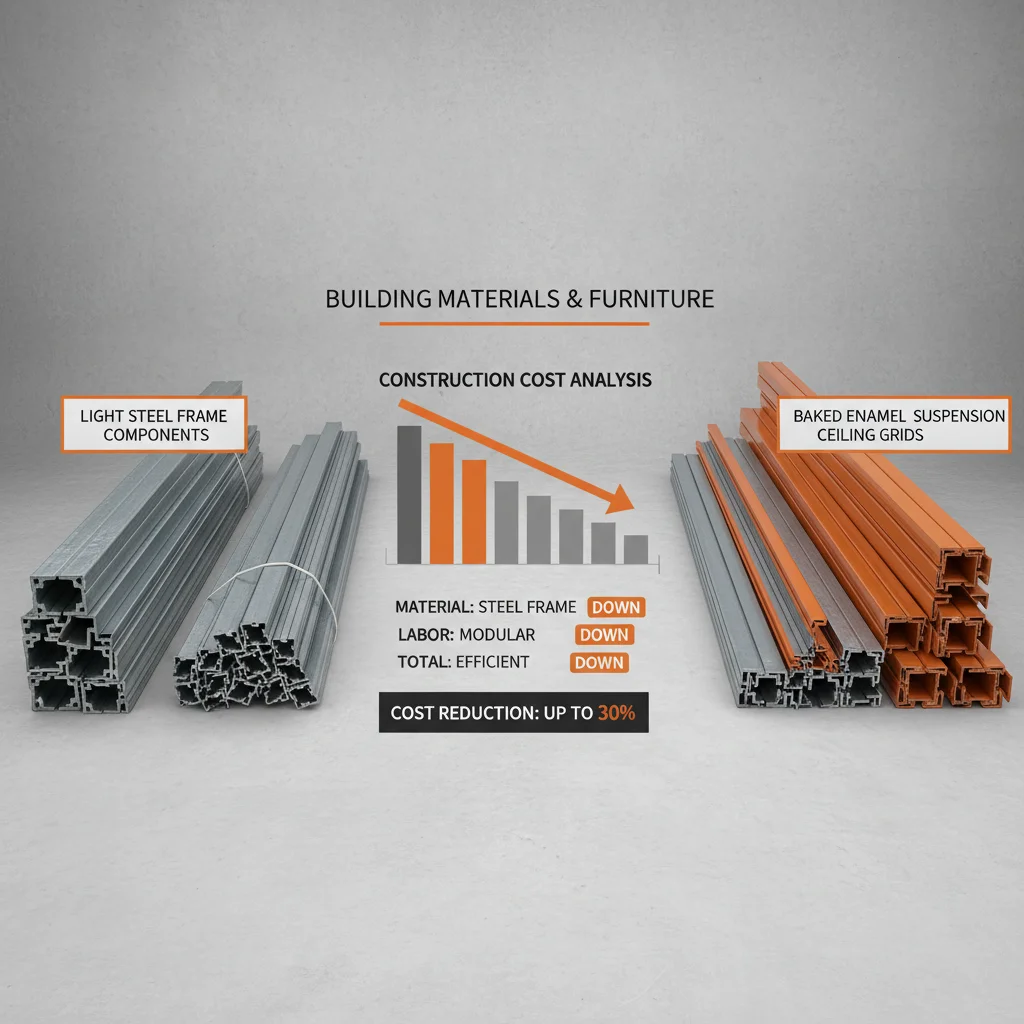
The drywall metal track is a key element everywhere modern timber substitutes are preferred or unavailable. The International Organization for Standardization (ISO) even covers metal profiles used in drywall systems, underscoring their importance. According to the World Bank, construction productivity can leap by up to 30% when prefab, factory-made components like metal tracks are used—cutting waste and saving time.
But there’s a challenge: The temporary shelters or quick builds in refugee camps, disaster zones, and rural expansions need something lightweight, strong, and scalable. Drywall metal track steps in precisely here. Without it, drywall walls crumble, and interiors are just... unstable.
Defining Drywall Metal Track: A Simple Explanation
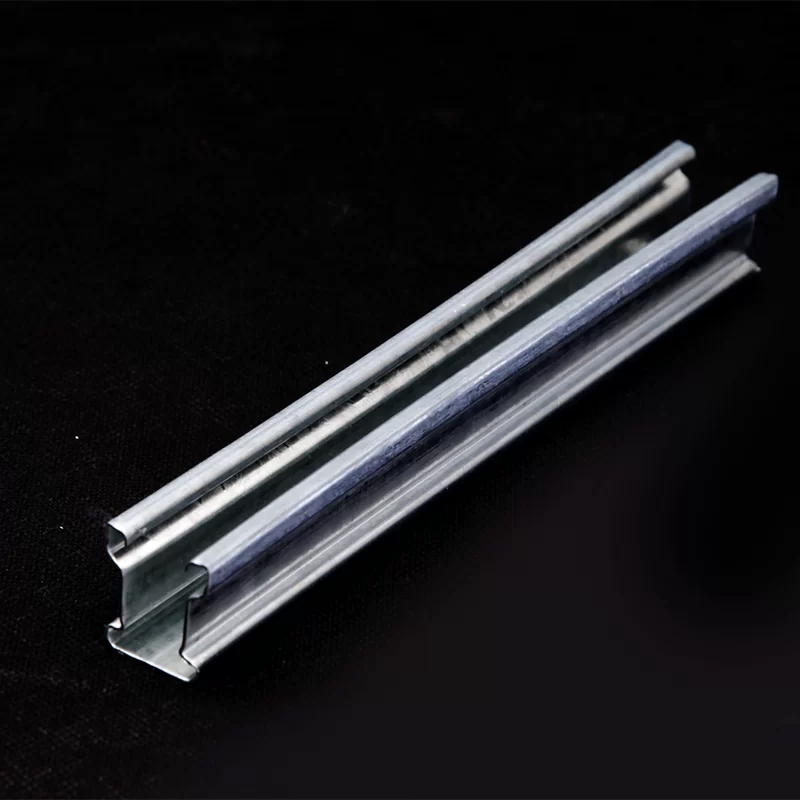
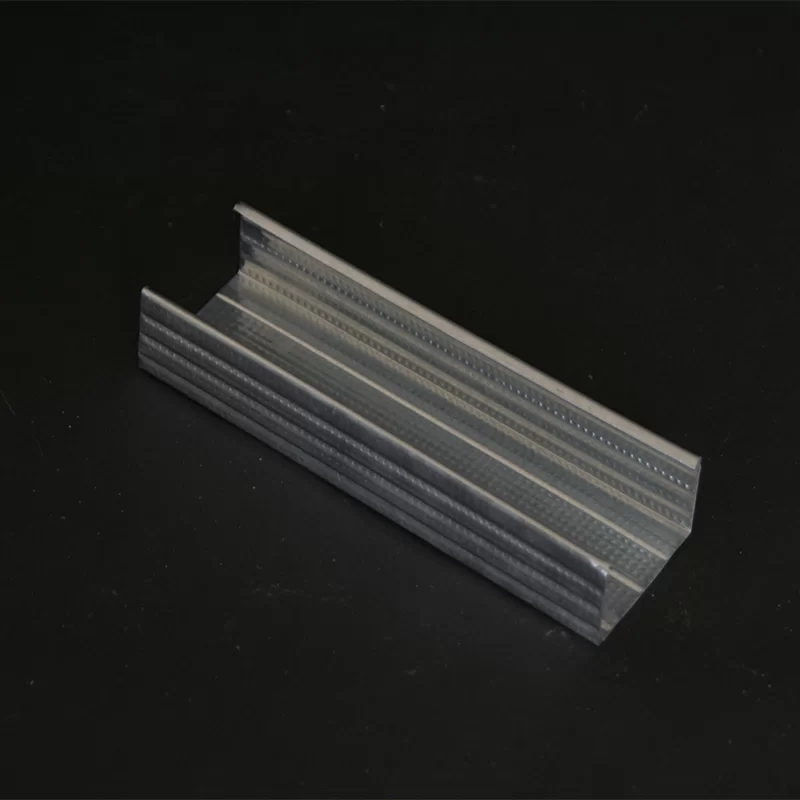
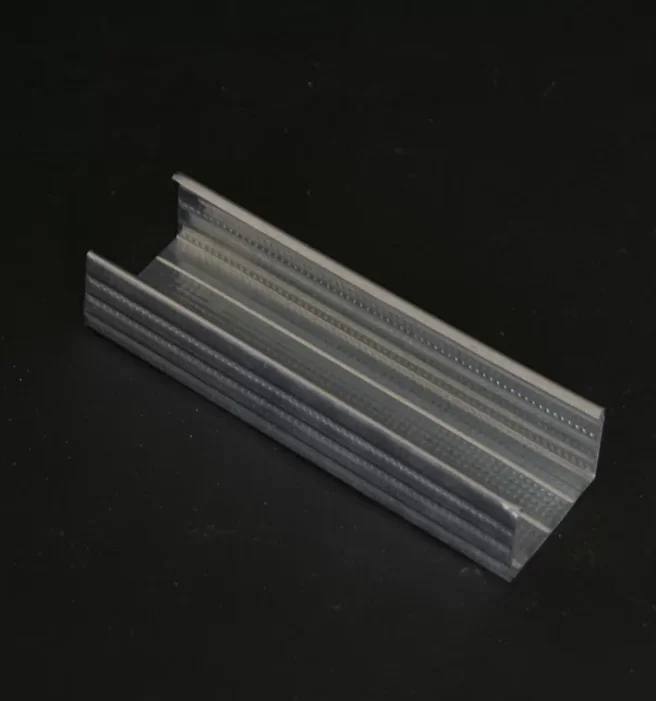
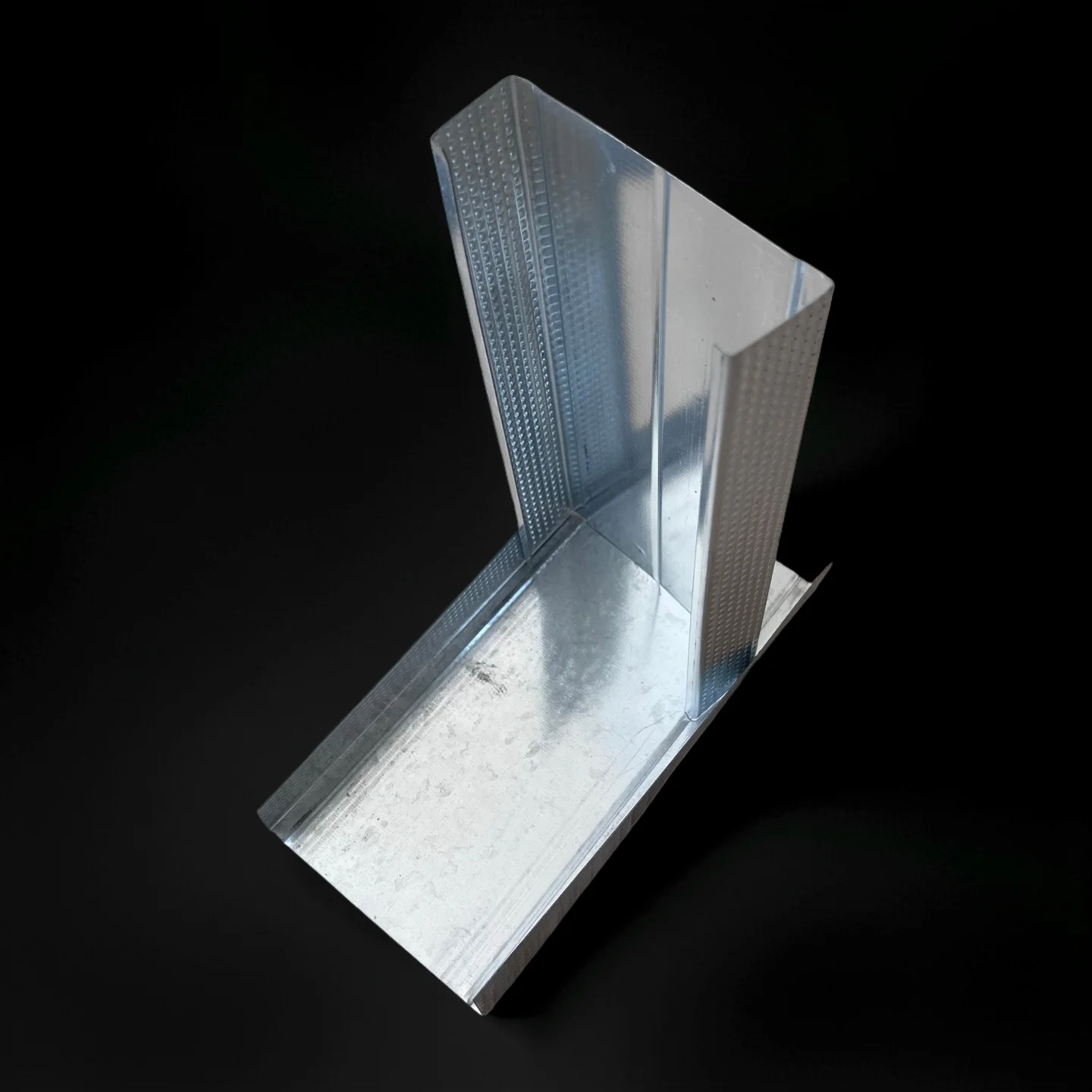
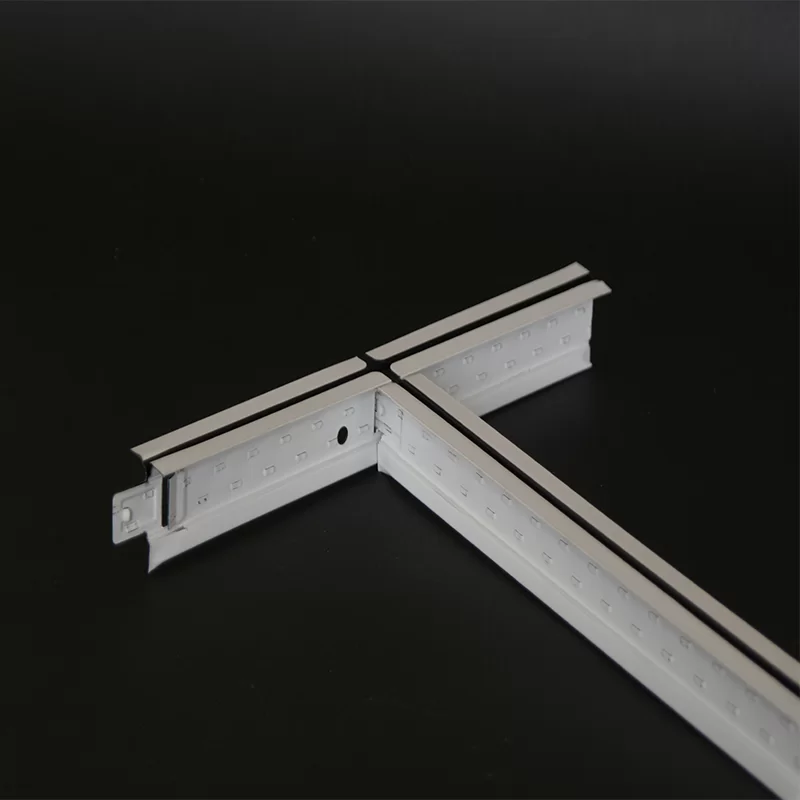
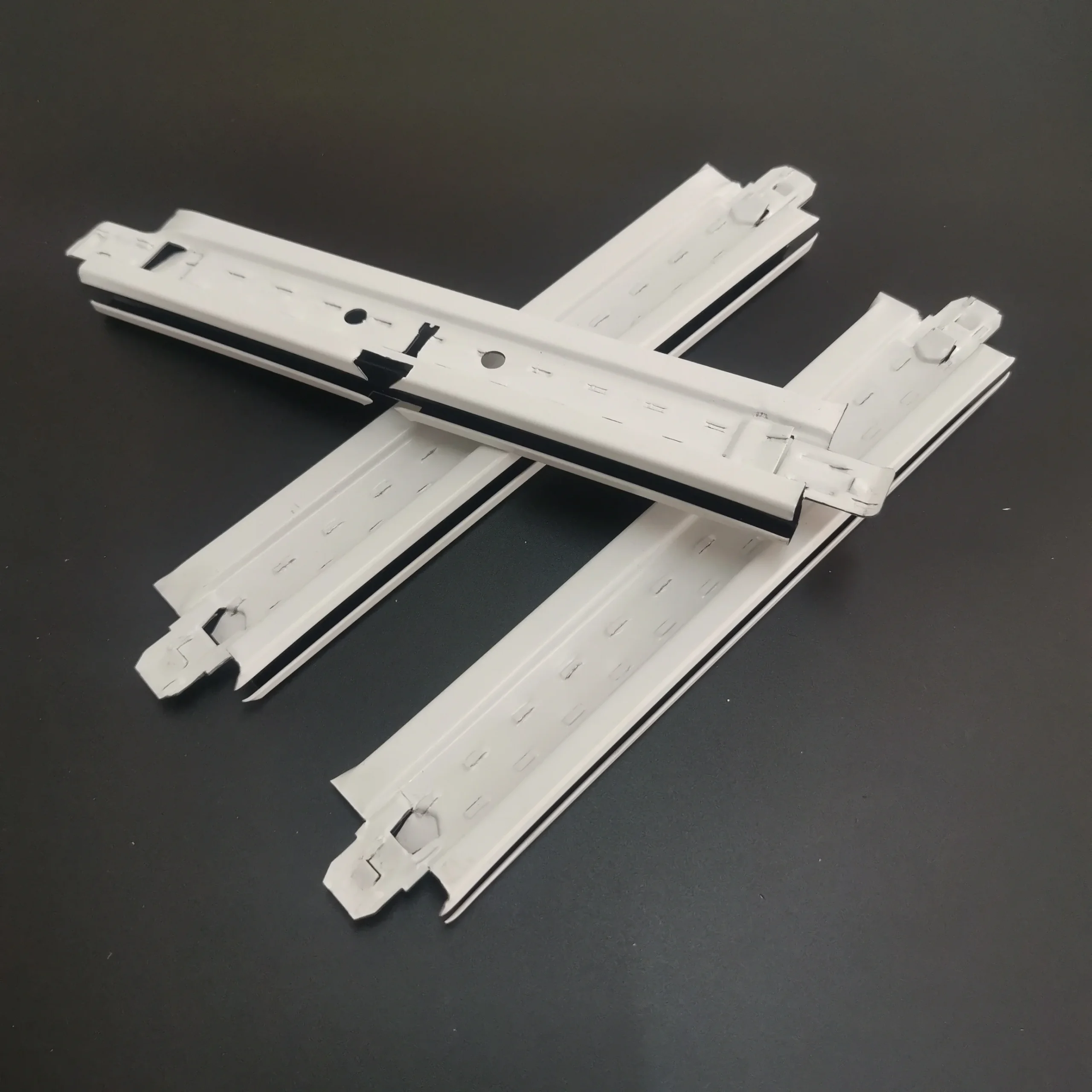
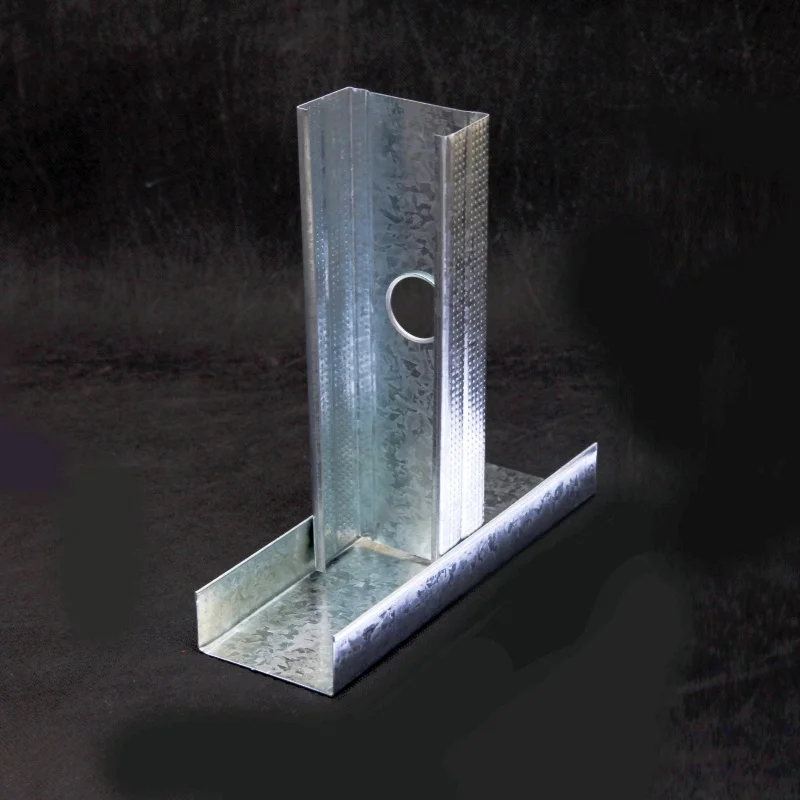
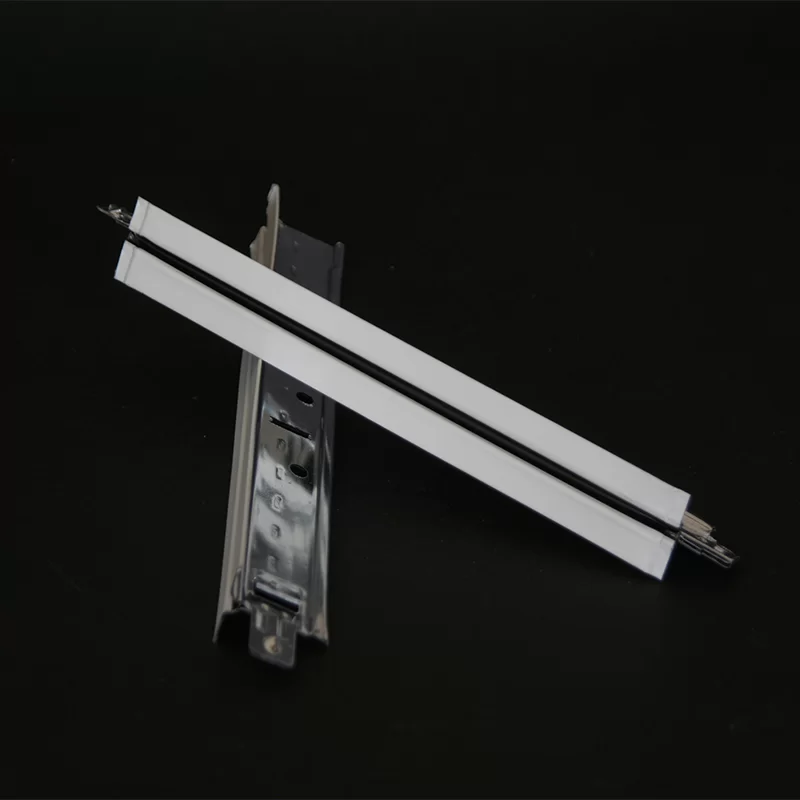
Simply put, a drywall metal track is a U-shaped metal channel made from galvanized steel or aluminum, used to form the horizontal base or top component to which drywall studs are attached. Imagine it as a sturdy, thin skeleton framing your drywall sheets before plastering or painting.
This framework is foundational in modern construction for walls and ceilings, where wood either wouldn’t last or is too costly or environmentally unfriendly. It’s also crucial for modular buildings and industrial worksites with harsh conditions that wooden frames just can’t handle.
Key Components of Drywall Metal Track
1. Durability and Corrosion Resistance
Manufacturers often galvanize steel tracks to protect against rust. This is essential in climates with high humidity or chemical exposure — think coastal cities or industrial zones. The longer your framing lasts without degradation, the less maintenance, the better.
2. Lightweight and Easy Handling
Metal tracks are surprisingly light compared to timber equivalents. This means workflows sped up, fewer laborers needed (or less fatigue if it’s the same team), and reduced shipping costs.
3. Scalability and Customization
Whether you’re framing a tiny home or a sprawling office, drywall metal tracks come in various gauges and heights. Cutting and reconfiguring them on the spot is straightforward, which engineers appreciate for on-site adjustments.
4. Cost Efficiency
While initial pricing might look competitive with wood, the non-warping, termite-proof nature of metal tracks really shines over time. Fewer callbacks, less repair, better performance equals serious savings.
5. Fire Resistance
Metal tracks don't burn. This natural fire resistance adds a crucial safety layer inside walls, quite important in densely populated urban zones.
Practical Global Applications of Drywall Metal Track
So, who’s actually using these metal tracks out there? Plenty:
- Post-disaster housing: After the 2010 Haiti earthquake, rapid construction teams used metal tracks to frame safe yet lightweight housing units, cutting rebuild times in half.
- Modular office spaces: Scandinavian tech firms adopt metal studs extensively for flexible workspace dividers that can adapt to evolving company layouts.
- Remote industrial camps: Mining operations in Australia deploy prefab dorms framed with metal tracks, handling harsh environmental wear with ease.
- Urban developments: European cities promoting green building standards use metal tracks paired with recycled drywall for eco-conscious constructions.
Drywall metal track systems help these diverse scenarios thrive due to their adaptability and strength.
Mini takeaway:
Drywall metal tracks may not be glamorous, but they build—and keep up—structures vital for modern living, especially where efficiency meets necessity.
Advantages & Long-Term Value of Drywall Metal Track
For builders and owners, choosing drywall metal tracks isn’t just about ticking a box; it’s a strategic decision affecting cost, sustainability, and safety.
- Financially smart: Lower lifecycle costs beat the temptation of cheaper but less durable materials.
- Environmentally friendly: Many metal tracks are recyclable, supporting circular construction principles.
- Social impact: Reliable housing contributes directly to occupant dignity and safety—there’s an emotional peace of mind to that.
- Design flexibility: Metal framing supports complex architectural designs impossible or costly with wood.
Specifications: Typical Drywall Metal Track Overview
| Specification |
Details |
| Material |
Galvanized Steel (G40-G60) |
| Width Range |
25mm to 100mm |
| Thickness/Gauge |
0.5mm to 1.5mm |
| Standard Lengths |
3m, 4m, 6m |
| Finish |
Galvanized, optionally powder coated |
| Fire Rating |
Non-combustible |
Comparing Leading Drywall Metal Track Vendors
| Vendor |
Price Range (USD/m) |
Material Quality |
Customization Options |
Lead Time |
Sustainability Certifications |
| Jinkai BM |
$2.50 - $3.50 |
High-grade galvanized steel |
Custom lengths & coatings |
1-2 weeks |
ISO 14001 |
| Global Metal Supplies |
$2.00 - $3.00 |
Standard galvanized steel |
Limited customization |
2-3 weeks |
None |
| EcoFrame Inc. |
$3.00 - $4.50 |
Recycled steel blend |
Eco coatings only |
3-4 weeks |
LEED Compliant, ISO 14001 |
Future Trends & Innovations in Drywall Metal Tracks
The future’s both exciting and green. Industry insiders tell me that lightweight alloys and advanced coatings will redefine durability and corrosion resistance, making tracks last significantly longer in coastal or industrial environments. Digital integration is also trickling in—think laser-cut custom profiles made on-demand with near-zero waste.
Automation, modular construction, and BIM (Building Information Modeling) increasingly incorporate precise metal track specs early, streamlining construction sequences. And sustainability? Expect rising use of recycled steel and eco-conscious production policies—because, frankly, we can’t just build endlessly without thinking about the planet.
Challenges & Innovative Solutions
Not all smooth sailing though. Drywall metal tracks sometimes suffer from:
- Installation errors: Improper fastening can cause squeaks or structural gaps.
- Corrosion in extreme conditions: Harsh chemicals or salt air demand better coatings.
- Limited recycling infrastructure: Post-demolition metal waste isn’t always reclaimed properly.
But innovative suppliers are tackling these with enhanced training programs, nano-coatings, and take-back recycling schemes. The industry is evolving fast, and I noticed customers value partners who don’t just sell metal but also share expertise.
FAQ: Your Drywall Metal Track Questions Answered
Q1: How do drywall metal tracks compare to wooden framing in durability?
A: Metal tracks resist warping, termites, and fire far better than wood. This makes them a favored choice in humid or fire-prone areas, offering a longer-lasting, more stable framework for drywall.
Q2: Are drywall metal tracks suitable for temporary or modular housing?
A: Absolutely. Their lightweight and easy installation align perfectly with prefab and modular construction methods, enabling quick assembly and disassembly without structural losses.
Q3: Can drywall metal tracks be used in outdoor applications?
A: Generally, they’re intended for indoor use; however, with proper galvanization and coatings, some types can perform outdoors under covered structures or mild exposure. Direct high-moisture or heavy weather exposure is usually avoided.
Q4: How do I choose the right gauge and size of drywall metal track for my project?
A: It depends on wall height, load requirements, and drywall thickness. Consult manufacturer specs and a structural engineer for critical builds. Typical residential walls use tracks between 25mm-50mm wide and 0.5-1.0mm thickness.
Q5: Is there a difference in installation tools for metal track versus wood studs?
A: Yes, metal tracks often require specialized cutters, metal screws, and sometimes drilling, whereas wood tends to use nails or wood screws. However, fasteners and tools for drywall metal track are widely available and simple to learn.
Wrapping Up: Why Drywall Metal Track Still Holds Strong
In the grand scheme, drywall metal tracks might not make headlines, but they’re right there, holding walls—and sometimes whole lives—together. Their durability, versatility, and efficiency are crucial as construction embraces speed and sustainability.
So next time you pass a new building or a temporary shelter, spare a thought for that humble metal U-channel. For in its cold steel lies modern safety and comfort.
Ready to explore top-quality drywall metal track solutions? Visit our website and discover options tailored to your project’s precise needs.
References
- UN - World Urbanization Prospects, 2018
- ISO 15812-1: Metal partitions and ceilings
- World Bank - Urban Development