What Are Exterior Metal Studs—and Why Should We Care?
At first glance, exterior metal studs might seem like just another part of the modern construction jigsaw. Yet, oddly enough, these thin vertical framing members play an outsized role in shaping buildings that withstand weather extremes, cut construction times, and even contribute to sustainability goals worldwide. In real terms, understanding exterior metal studs can unlock smarter choices in everything from urban housing projects to emergency shelters for displaced communities.
Globally, as urban populations swell and climate challenges intensify, builders and planners are turning more frequently toward metal framing systems that promise durability, recyclability, and cost-efficiency. The demand isn’t just about pretty skyscrapers; it’s about resilience in regions vulnerable to hurricanes, earthquakes, or even rapid industrial expansion. So, why does this matter? Because these studs are quietly at the heart of safer, greener, and faster structural solutions.
Global Perspectives: The Growing Relevance of Exterior Metal Studs
According to the United Nations, more than 55% of the world's population now lives in urban areas—a number expected to rise. Simultaneously, the construction industry accounts for nearly 40% of global carbon emissions (source: International Energy Agency). Exterior metal studs, which are primarily made from galvanized steel or aluminum, represent one of the ways to combat this environmental footprint.
In industrial regions across North America, Europe, and Asia, metal studs have become the go-to for commercial and residential exterior walls, helping reduce build time by up to 30%. That’s not trivial, especially in areas where quick development is crucial. At the same time, metal framing is essential in humanitarian efforts—think post-disaster infrastructure where speed and strength can literally save lives.
Mini takeaway: Exterior metal studs are more than building components; they’re vital players in global urban development and disaster relief strategies alike.
Demystifying Exterior Metal Studs: Definition & Core Meaning
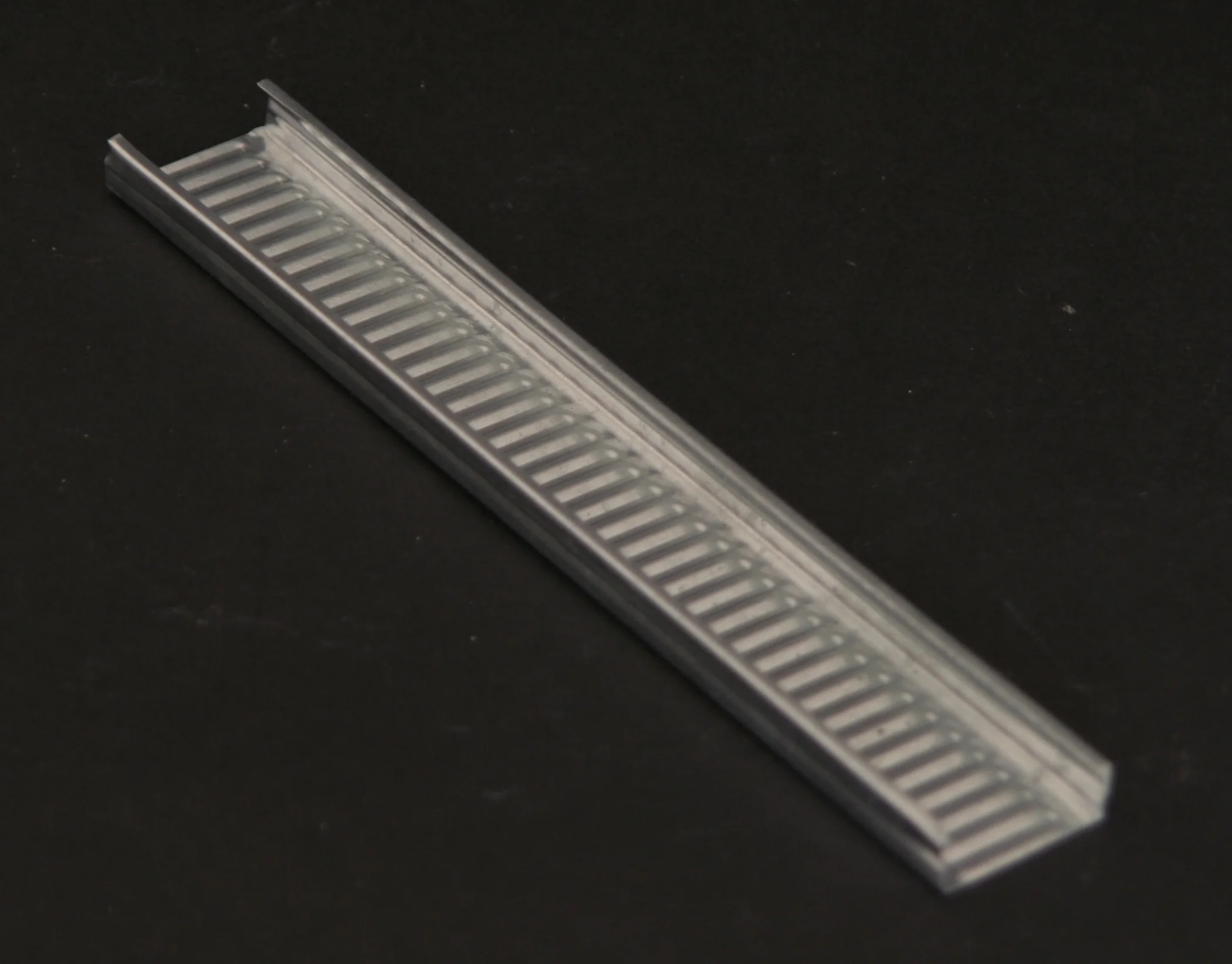
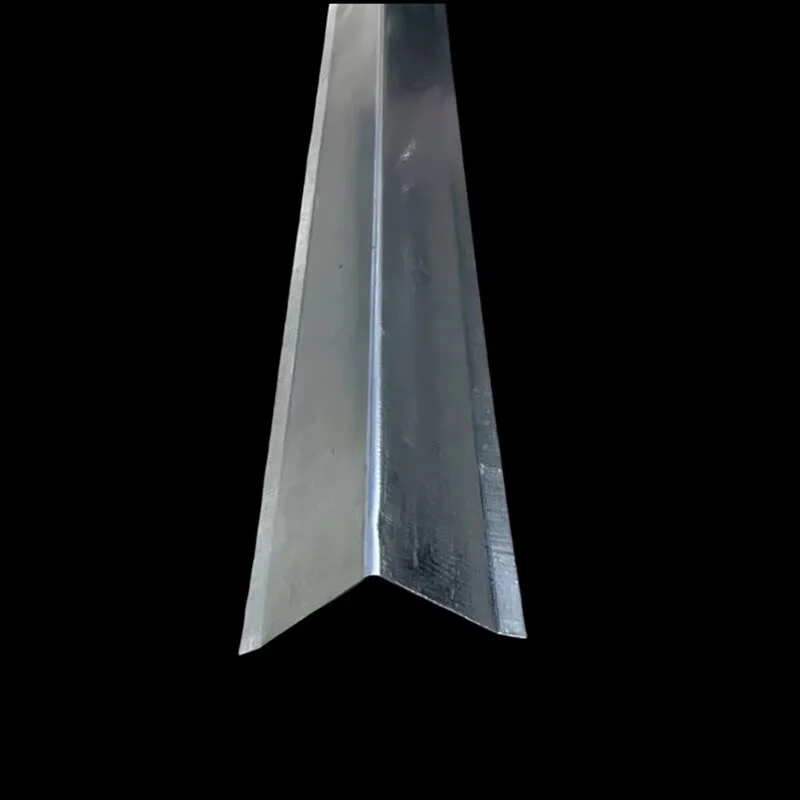
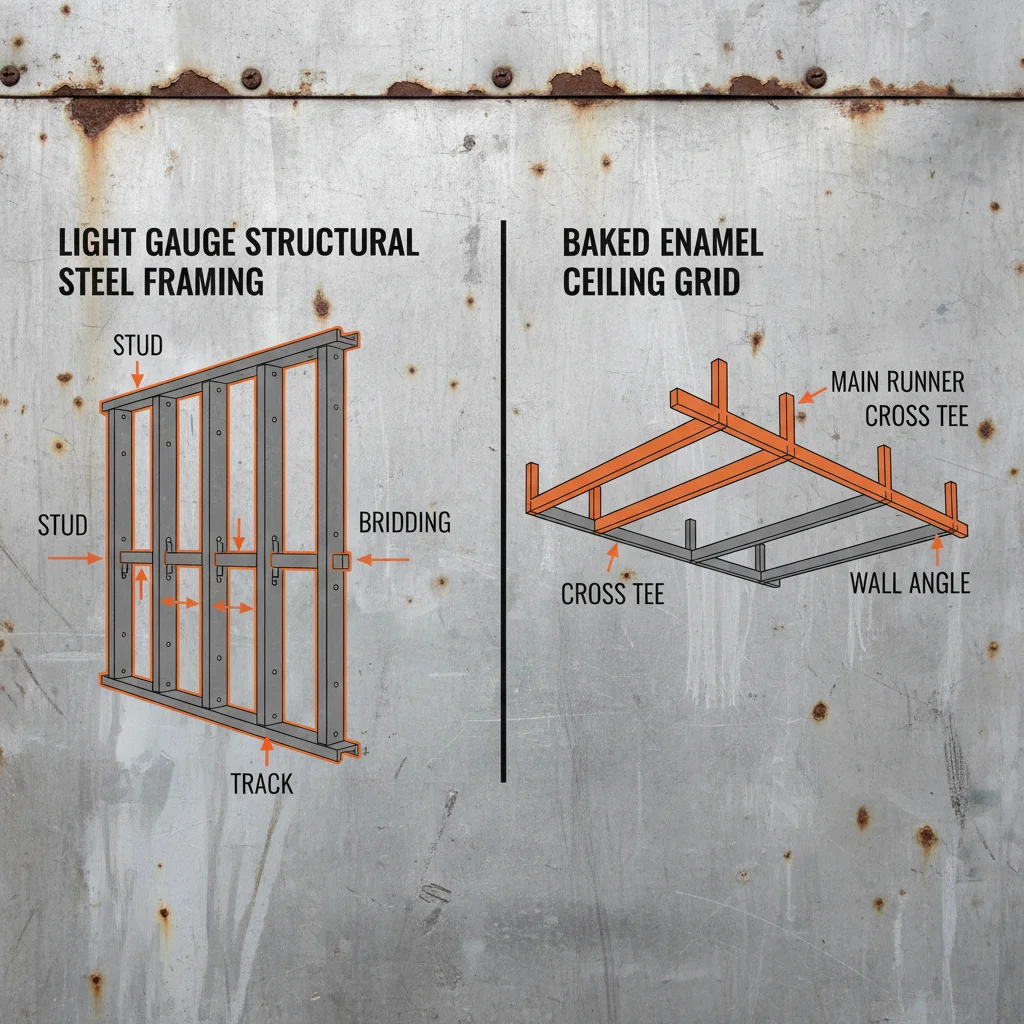
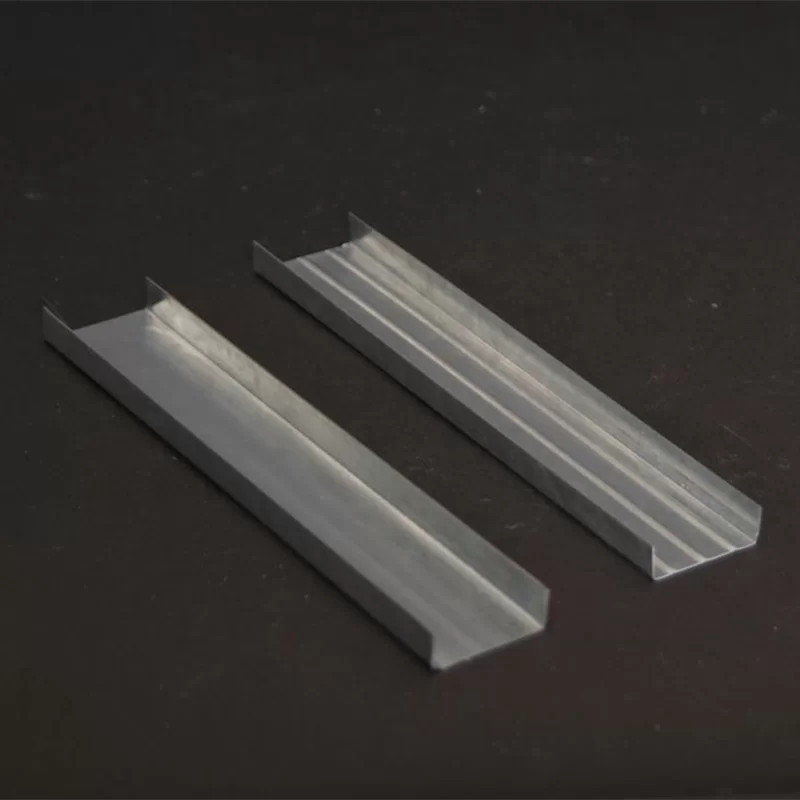
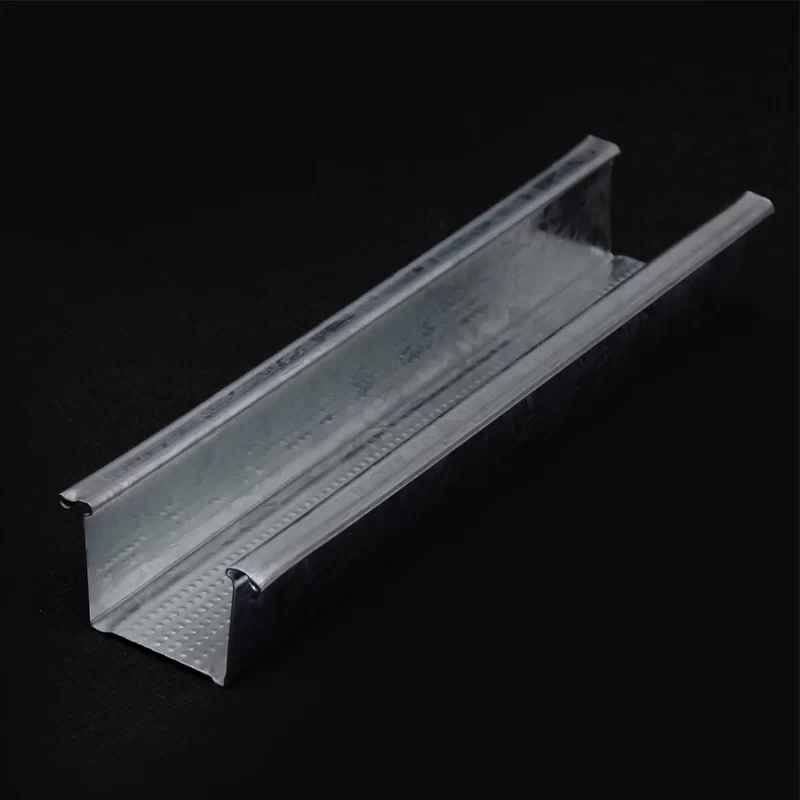
Simply put, exterior metal studs are vertical framing members, usually manufactured from galvanized steel, used to form the skeleton of exterior walls. Unlike traditional wood studs, these metal variants resist rot, pests, and fire. But it’s their compatibility with modern insulation materials and cladding systems that truly makes them indispensable.
Beyond the obvious, exterior metal studs bridge modern industry’s push toward sustainable, modular construction techniques and the urgent humanitarian need for robust, fast-deploy housing. They help architects and builders achieve structures that are both robust and adaptable.
Key Attributes of Exterior Metal Studs
Durability
Because these studs are typically manufactured with corrosion-resistant coatings, they endure years of exposure even in humid or salty environments. This is more than a little detail; for seaside constructions or high rainfall zones, metal studs mean significantly fewer maintenance headaches.
Cost Efficiency
On paper, metal is sometimes pricier than wood, but factory production ensures consistency that translates to lower waste and fewer on-site errors. Many engineers note that the labor savings and longevity often outweigh upfront costs, especially when whole-life cost is considered.
Fire Resistance
Steel studs don’t catch fire or warp when exposed to high heat, essential in meeting modern fire codes and ensuring occupant safety.
Environmental Sustainability
Manufactured largely from recycled steel, exterior metal studs support the circular economy. Plus, at the end of a building’s life cycle, these studs are almost fully recyclable.
Ease of Installation & Scalability
Because they come in predictable sizes and are lighter (often) than dimensional lumber, metal studs speed construction and can be scaled easily from small homes to massive commercial complexes.
Exterior Metal Studs in Action: Global Applications & Examples
Whether it’s the booming residential towers of Dubai or low-income housing in Southeast Asia, exterior metal studs are integral. NGOs deploy prefabricated panels with metal studs within refugee camps to rapidly create durable shelters that resist weather extremes. Industrial zones in Canada and Europe rely on metal framing for scalable factories that can expand or reconfigure easily.
In temperate climates like Northern Europe, exterior metal studs aid in buildings designed for thermal efficiency and moisture control. In contrast, tropical cities use metal studs combined with ventilated claddings to handle humidity and storms.
Exterior metal studs customize well to these varied demands, making them a sort of universal building language.
Mini takeaway: The versatility of exterior metal studs across diverse climates and sectors underlines their global importance.
The Benefits of Choosing Exterior Metal Studs
- Longevity and Reliability: Buildings stay strong with less upkeep.
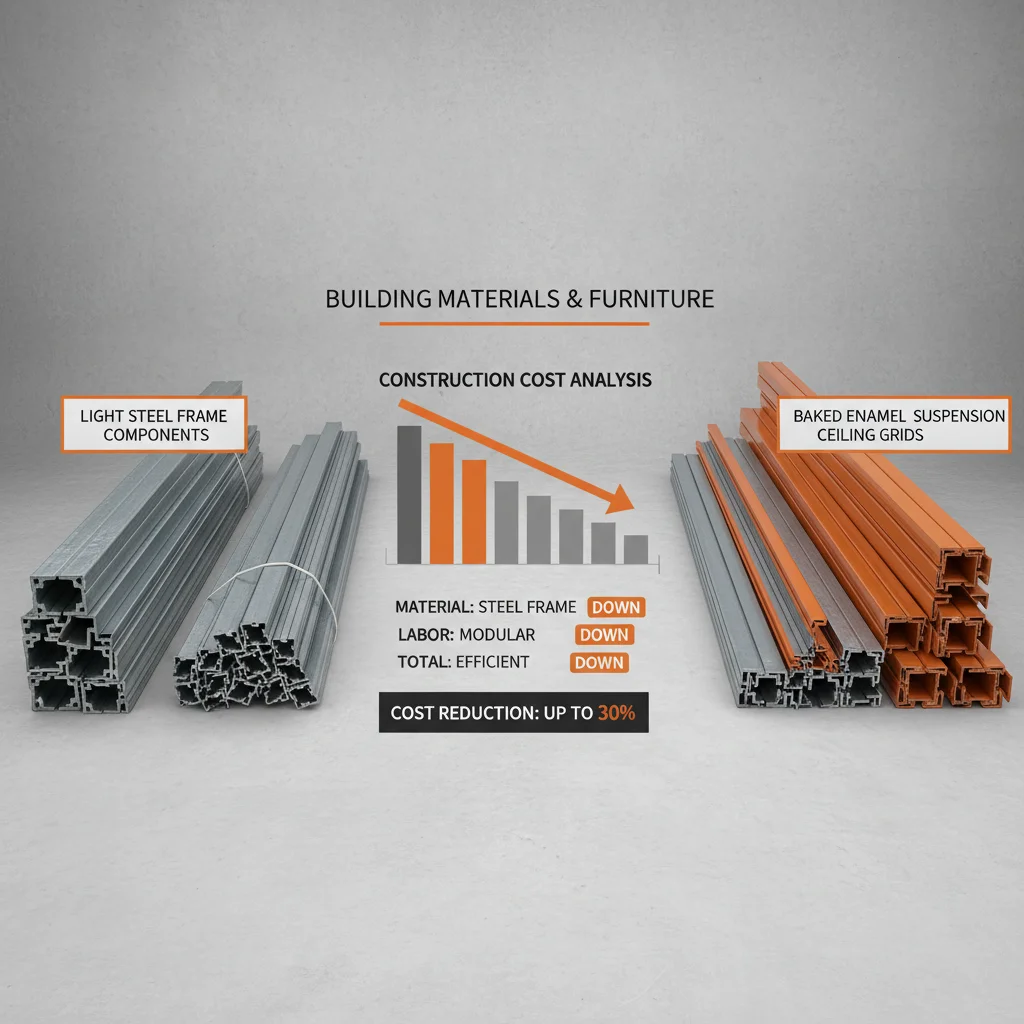
- Cost Savings: Reduced labor and material efficiency add up to big savings.
- Eco-friendly: Supports recycling and lowers waste.
- Safety: Fire and pest resistance means peace of mind.
- Speed: Faster builds translate into quicker occupancy or operational readiness.
Also, there’s an emotional side—using these studs signals commitment to innovation and responsible construction, fostering trust among stakeholders from investors to end-users.
Looking Ahead: Future Innovations in Exterior Metal Studs
The next wave involves integrating smart coatings that self-heal minor surface damages or enhance insulation. Some manufacturers experiment with hybrid studs combining metal and composites for lighter weight without sacrificing strength. Automation is set to streamline fabrication and on-site assembly, while digital modeling will tailor studs to complex custom designs.
Green building certifications increasingly reward the recyclability and low embodied carbon that metal studs offer, so expect regulatory incentives to push wider adoption.
Challenges & Smart Solutions
Of course, not everything is seamless. Metal studs can conduct heat—leading to thermal bridging if not properly insulated—and sometimes require more careful detailing than wood. But advances in thermal breaks, vapor barriers, and integrated insulation panels tackle this head-on. Weather also needs consideration during installation to prevent corrosion before cladding is applied.
Proper training and standards (including ISO guidelines on metal construction components) help overcome these hurdles efficiently.
FAQ: Your Most Pressing Questions About Exterior Metal Studs
- Q: How do exterior metal studs compare to traditional wood studs for exterior walls?
- A: Metal studs outlast wood in durability, resist pests and fire better, and reduce maintenance over a building’s lifetime. Wood, however, can be cheaper upfront and easier to cut on site but may warp or decay under harsh conditions.
- Q: Are exterior metal studs suitable for earthquake-prone areas?
- A: Yes, metal studs provide strength and flexibility, which can improve a building’s response to seismic events when properly designed with engineering input.
- Q: What maintenance do exterior metal studs require?
- A: Very little. The galvanized coating protects against corrosion, but periodic inspections (especially in coastal zones) help catch any damage early.
- Q: Can exterior metal studs be used with insulation for energy-efficient walls?
- A: Absolutely. Metal studs work well with foam, fiberglass, or mineral wool insulation. Proper thermal break materials minimize heat transfer.
- Q: How quickly can buildings framed with exterior metal studs be constructed?
- A: Construction timelines can be reduced by 20–30% compared to traditional methods because the studs come pre-sized, are easier to handle, and reduce on-site waste.
Product Specification Table: Typical Exterior Metal Studs
| Specification |
Details |
| Material | Galvanized Steel (min 25 gauge) |
| Length | 8 ft to 16 ft (custom sizes available) |
| Width (Flange) | 1-5/8” to 6” |
| Finish | Zinc coated, corrosion-resistant |
| Fire Rating | Class A (per ASTM E84) |
| Weight | Approx. 1.5 - 3 lbs per linear foot |
Vendor Comparison Table: Leading Exterior Metal Stud Suppliers
| Supplier |
Product Range |
Lead Time |
Sustainability Claims |
Price Range |
| SteelPro Solutions |
Standard & custom-length galvanized studs |
1–2 weeks |
Recycled content 85% |
$$ |
| BuildRight Metals |
Wide gauge range with fire-rated options |
3–5 days |
ISO 14001 certified |
$$$ |
| EcoFramers Inc. |
Lightweight composite-metal hybrid studs |
2 weeks |
100% recyclable, LEED credits |
$$$ |
Wrapping Up: Why Exterior Metal Studs Matter More Than Ever
From modest homes in growing suburbs to elaborate urban towers, exterior metal studs form more than just walls—they shape futures. Their combination of durability, sustainability, and efficiency meets the challenges of a changing world head-on. In disaster zones or booming cities, they speed construction and offer confidence that a building isn’t just standing, but standing strong.
If you’re curious to explore how exterior metal studs can transform your next project—be it commercial, residential, or humanitarian—head over to our website. There’s more to metal studs than meets the eye.
Mini takeaway: Exterior metal studs combine practical benefits with long-range value, making them a strategic choice for thoughtful builders worldwide.
References:
- United Nations Urbanization Report (2018)
- International Energy Agency: Buildings and Construction 2020 Report
- Wikipedia: Light-gauge steel framing