The Framing Hat Channel: A Global Backbone in Modern Construction
When we talk about building structures that stand the test of time and elements, one crucial, albeit often overlooked, component plays a huge role: the framing hat channel. It’s the silent skeleton behind the walls and ceilings you rarely get to notice but can’t imagine living without. Across the world, from sprawling skyscrapers to temporary shelters in disaster zones, this component helps deliver strength, flexibility, and efficiency. Knowing how framing hat channel works and why it’s become a global industry standard unlocks a deeper appreciation for modern construction dynamics and its impact on sustainability, cost-efficiency, and rapid deployment.
Why Framing Hat Channels Matter Globally
According to the International Organization for Standardization (ISO), nearly 55% of the world's population lives in urban areas, and more than 1 billion people live precariously in informal settlements or disaster-prone zones (1). As cities grow vertically and humankind demands faster, affordable housing options, building materials need to adapt. The framing hat channel addresses these challenges by offering a standardized, modular solution that improves structural support without adding excessive weight or cost.
Yet, the true kicker is how framing hat channel provides an efficient solution to a longstanding industry headache: building resilience without skyrocketing expenses or environmental impact. In short, it’s a small piece of steel or metal that’s making a big difference.
Mini takeaway: the framing hat channel intersects industry demands for quality, speed, and sustainability in a world increasingly leaning on construction innovation.
What Exactly Is a Framing Hat Channel?
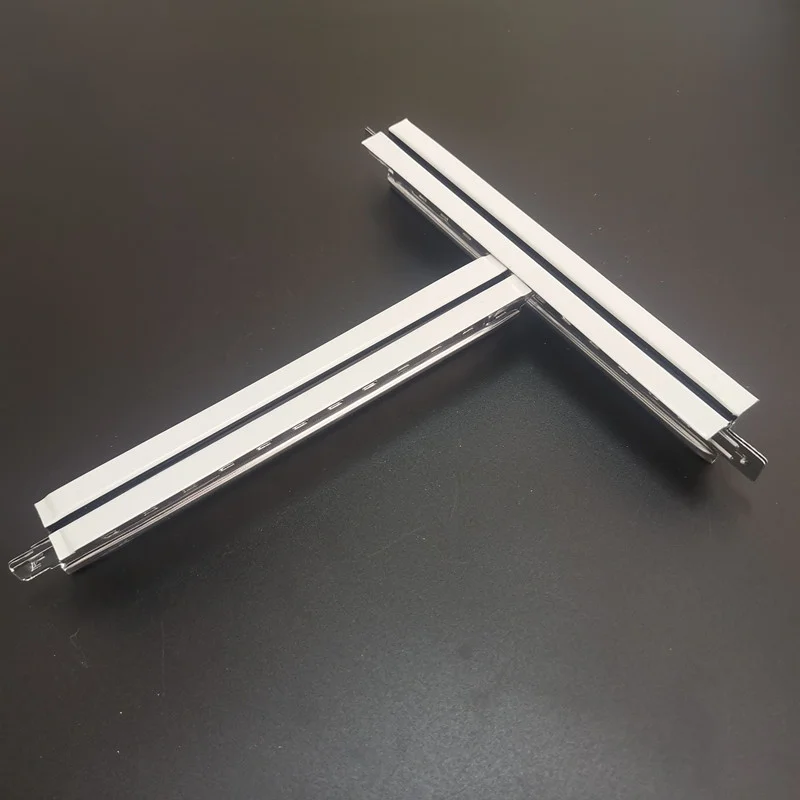
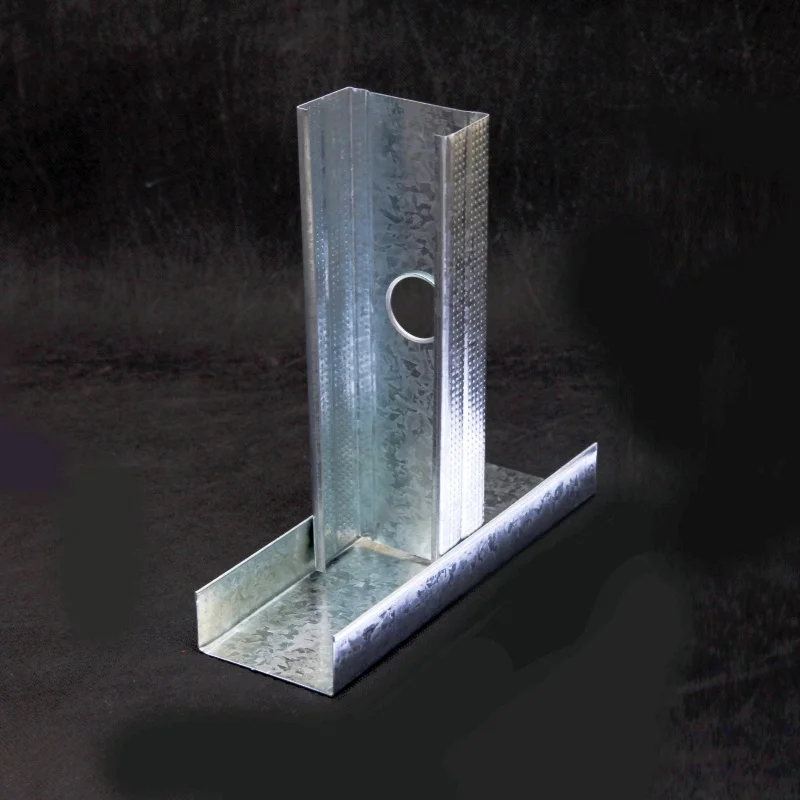
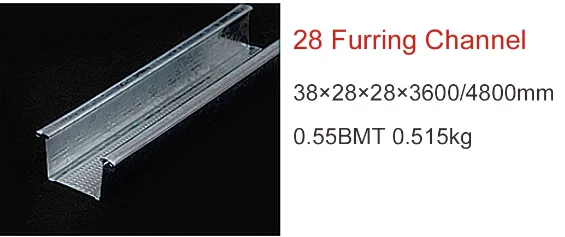
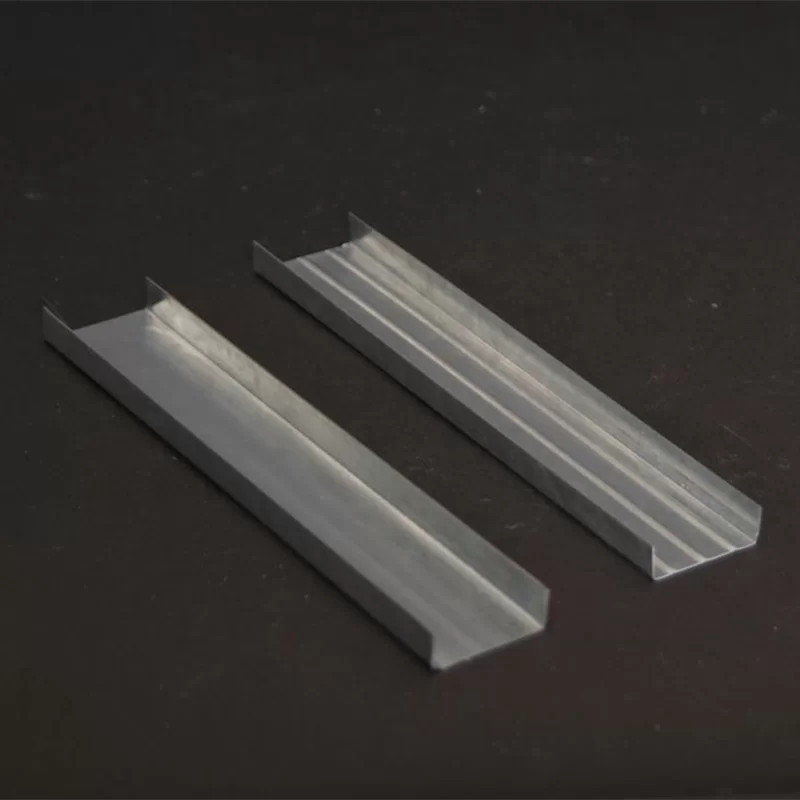
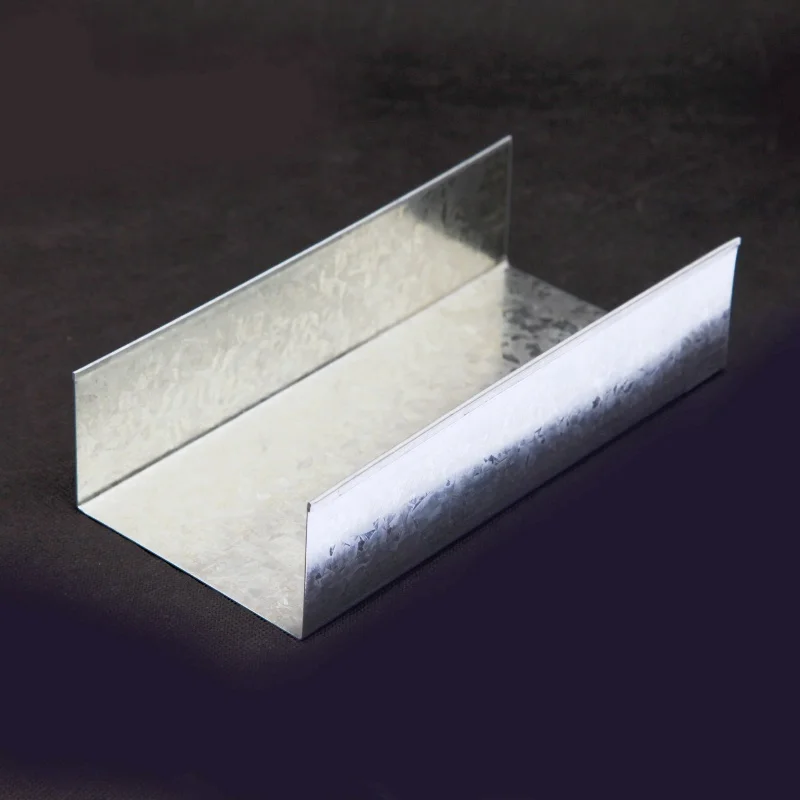
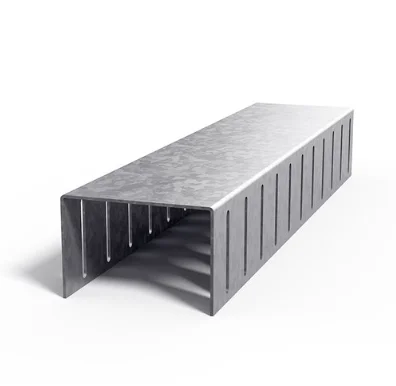
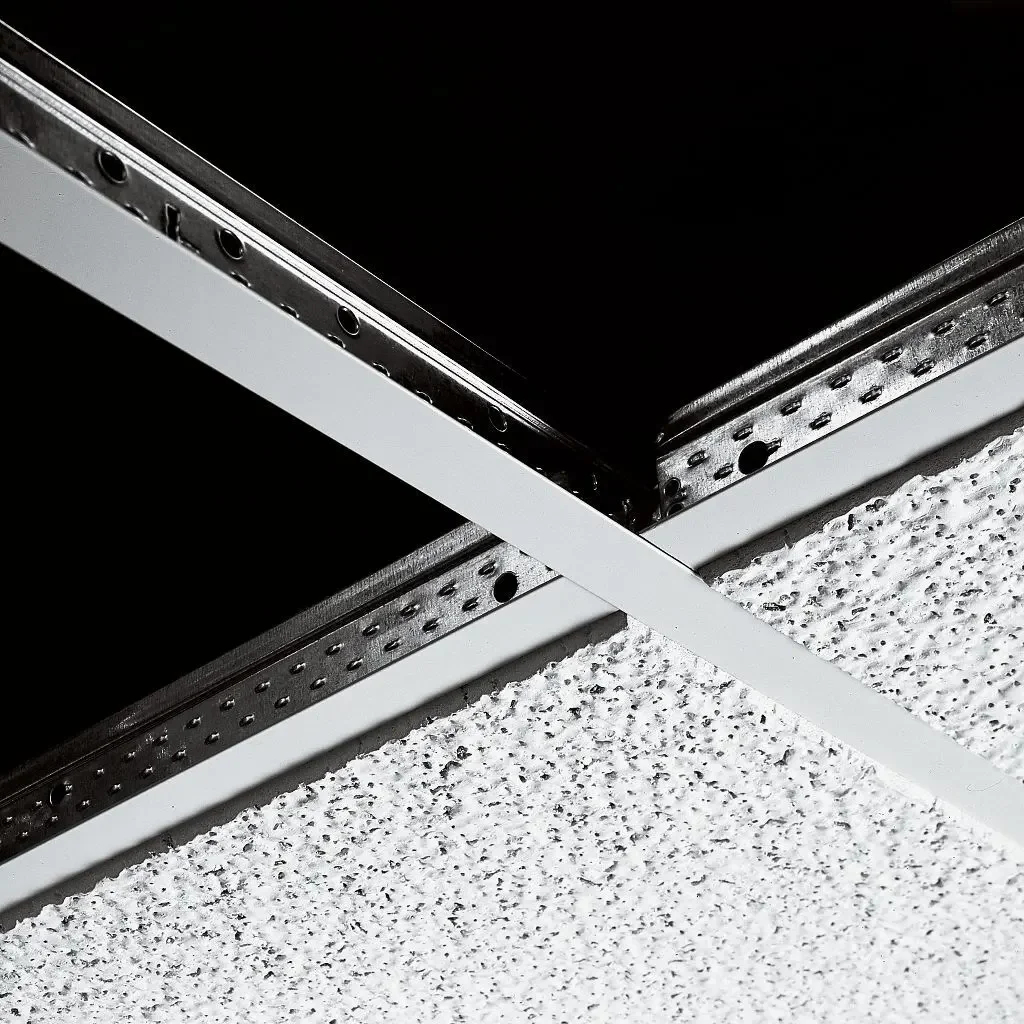
If you’re not a builder or designer, the term “framing hat channel” may sound like some corporate jargon. At heart, it’s a metal channel shaped vaguely like a hat — with a flat middle and raised sides — hence the name. These channels are mounted on walls or ceilings to provide a reliable framework to which drywall, plasterboard, or other finish materials can be attached. Think of it as the ‘ribs’ inside a shirt, giving form and structure while staying lightweight and flexible.
The framing hat channel is usually made from galvanized steel or aluminum, chosen for its durability and resistance to corrosion. Its simplicity belies its versatility — such channels are staples not only in residential and commercial buildings but also in modular and temporary structures, including humanitarian relief shelters.
Mini takeaway: framing hat channels are deceptively simple, but they reinforce walls and ceilings across multiple industries with agility and strength.
Core Components and Key Factors of Framing Hat Channels
Durability and Corrosion Resistance
Expected to last for decades, the framing hat channel’s metal composition and galvanization protect it from rust and wear. This is vital in humid or coastal regions, where salty air can corrode inferior framing components rapidly.
Ease of Installation and Scalability
Because of their standardized dimensions and predictable shapes, these channels snap or screw into place quickly. This facilitates scalability — builders can extend or modify walls without tearing down entire frameworks, a handful of professionals frequently point out.
Cost Efficiency
Compared to wood or heavier steel beams, the framing hat channel costs less both up front and over its lifecycle. It minimizes waste during installation and can be adapted to different construction needs.
Flexibility in Design and Application
The hat channel is surprisingly accommodating — whether to hold insulating materials, wiring conduits, or even soundproofing panels. This adaptability makes it popular in tech-forward spaces. framing hat channel products often come in customizable lengths and finishes to suit project specs.
Environmental Impact
Many manufacturers now use recycled steel in their framing hat channels, reducing the carbon footprint. And because they’re lightweight, shipping fuel emissions decrease too — an increasingly important factor as green construction standards tighten globally.
Mini takeaway: from long-lasting metal grades to ease of use and eco-friendliness, framing hat channels provide a well-rounded foundation for efficient, flexible construction.
Global Applications and Real-World Use Cases
You could say framing hat channels are everywhere — and you’d be right. In earthquake-prone regions like Japan or California, for instance, builders rely heavily on these carriers to add stability to drywall without compromising seismic flexibility. Meanwhile, in post-disaster relief operations, NGOs prefer structures with framing hat channels for their rapid setup, reliability, and ease of replacement.
Industrial zones in remote areas of Africa or Southeast Asia have embraced modular buildings incorporating framing hat channels as they demand durable but transportable office spaces or housing for workers. Even in cold climates, these steel channels help mount insulated panels that preserve heat and cut energy bills.
This broad geographical and sectoral flexibility is why many manufacturers label their offering as an “essential building block” in modern modular construction.
Mini takeaway: framing hat channels bridge multiple geographic and industrial needs — from disaster relief tents to sophisticated tech offices.
Product Specification Table
| Specification |
Typical Value |
Description |
| Material |
Galvanized Steel (G90) / Aluminum |
Corrosion-resistant metal core |
| Dimensions |
1" to 3" width × 10’ standard length |
Varies based on application |
| Weight |
~0.4 - 0.8 lbs/ft |
Lightweight for easy handling |
| Finish |
Galvanized / Powder-coated / Mill Finish |
Protective and aesthetic options |
| Load Capacity |
Up to 200 lbs per linear foot |
Depends on installation & support |
Vendor Comparison: Popular Framing Hat Channel Providers
| Vendor |
Material Options |
Customization |
Lead Time |
Price Range (per 10 ft) |
| Acme Steel Inc. |
Galvanized Steel, Powder-Coated |
Lengths & finishes |
2–3 weeks |
$50–$70 |
| Global Profiles Ltd. |
Aluminum, Galvanized Steel |
Custom shapes available |
1–2 weeks |
$60–$80 |
| Jinkai Building Materials |
Galvanized Steel (High G90) |
Lengths, pre-cut kits |
3–5 days |
$45–$65 |
Advantages and Long-Term Value of Framing Hat Channel
One of the first advantages you notice is cost-effectiveness. The framing hat channel’s strength-to-weight ratio means less raw material use and lower labor costs during assembly. But beyond money, safety and sustainability come into play.
Properly installed channels reduce risk of structural failure, ensuring occupant safety in both residential and commercial settings. This emotional peace of mind — knowing your workplace or home won’t suddenly crumble — is invaluable.
Environmentally, these channels push the construction industry towards greener practices. Users report lower scrap waste, recyclable materials, and compatibility with energy-saving wall systems. The list grows when you consider how the modular nature supports quick repairs — less demolition, less landfill.
Mini takeaway: framing hat channel is a rare win-win — offering economic, emotional, and ecological benefits.
Emerging Trends & Innovations in Framing Hat Channel Technology
The future looks shiny — and perhaps self-cleaning! Researchers explore coatings that repel grime and reduce corrosion without toxic chemicals. The rise of digital design tools now lets engineers simulate structural behavior under varied conditions before a single channel is manufactured. Another exciting innovation is the growth of composite materials combining fiberglass with metal for even lighter yet stronger channels.
Sustainability policies worldwide are prompting companies to cut carbon footprints aggressively. framing hat channel manufacturers increasingly supply guaranteed recycled-content steel and certify products under globally recognized standards such as ISO 14001.
Mini takeaway: emerging tech and environmental standards will continue to shape framing hat channel offerings into smarter, greener components for years ahead.
Challenges and Solutions Around Framing Hat Channel Use
Like all building materials, framing hat channels have their quirks. For starters, incorrect installation can compromise load-bearing capability. In some cases, too-thin metal gauges are prone to bending if overtaxed.
To tackle these, training and clear installation guidelines are critical — many providers now offer tutorials and on-site support. Advances in laser-cut manufacturing have improved precision dramatically, reducing human error and speeding assembly. It’s a bit like upgrading from a chisel to a CNC router.
Plus, as eco-friendly standards become strictest, sourcing certified sustainable materials remains a challenge but one met by improving supply-chain transparency.
Mini takeaway: precision engineering, user education, and sustainable sourcing are key to maximizing framing hat channel’s potential.
FAQ: Frequently Asked Questions About Framing Hat Channel
- Q: How does framing hat channel improve wall installation speed?
A: Its standardized profiles allow quick fixing with screws or clips, cutting labor time significantly compared to traditional wood framing.
- Q: Can framing hat channels be recycled after demolition?
A: Absolutely. Most are made from recyclable steel or aluminum, which facilities readily accept, reducing waste streams.
- Q: Are framing hat channels suitable for humid or coastal environments?
A: Yes, galvanized or powder-coated finishes protect against corrosion, making them ideal for such conditions.
- Q: Can framing hat channels support heavy wall fixtures?
A: When installed properly and matched to required load ratings, they can safely bear substantial weights.
- Q: How can NGOs source framing hat channels internationally?
A: Many suppliers, including our recommended vendors, offer international shipping and tailored kits for rapid deployment.
Wrapping Up: Why Framing Hat Channel Should Be on Your Radar
Long story short, the framing hat channel isn’t just a humble building accessory but part of a larger movement toward smarter, safer, and greener construction worldwide. Its blend of durability, adaptability, and cost-effectiveness makes it a go-to for professionals and new adopters alike.
If your projects demand a solid foundation in the framework department, delve deeper into the options available and consider the impact of quality channels. Curious to explore further? Visit https://www.jinkaibm.com for products, expert advice, and tailored solutions designed for modern builders.
As we build the future — literally — it’s these small, technical details that quietly but surely shape the spaces we call home or work.
References:
- International Organization for Standardization (ISO)
- Framing (construction) - Wikipedia
- United Nations - Urbanization Facts