Hanging Drywall on Uneven Studs: Essential Techniques for Reliable Wall Finishing
When you first hear "hanging drywall on uneven studs," it might sound like a headache waiting to happen, right? But tackle it well, and you can save a lot of time, money, and frustration. Globally, construction teams—from large urban projects in Europe to remote humanitarian builds in Asia—face the challenge of uneven framing. Understanding how to mount drywall on these imperfect surfaces is not just about aesthetics; it directly impacts durability, safety, and sustainability in buildings worldwide.
Why Does This Matter Globally?
According to the United Nations, over 1.6 billion people live in inadequate housing conditions (UN Habitat, 2020). One contributing factor in improving such living spaces is quality interior finishing, especially drywall installation—often on less-than-perfect framing. The skill of hanging drywall on uneven studs ensures structures can accommodate the irregularities that come from natural settlement, material shrinkage, or suboptimal workmanship. Plus, with increasing urbanization and post-disaster reconstruction efforts, this expertise is in high demand.
Defining Hanging Drywall on Uneven Studs
In simplest terms, it means installing drywall panels on wall studs that aren’t perfectly straight or uniformly spaced. Uneven studs can cause drywall sheets to bow, crack, or warp if not handled correctly. This practice requires specialized techniques—like shimming or furring—to create a flush surface ready for finishing. Modern building codes recognize these challenges, especially where recycled wood studs or reclaimed materials are used, which might be warped or twisted.
Core Components for Success
1. Accurate Measurement & Assessment
Before you start hanging drywall, thorough inspection of stud unevenness is critical. Using laser levels or straightedges helps detect deviations beyond acceptable tolerances.
2. Use of Shimming and Furring Strips
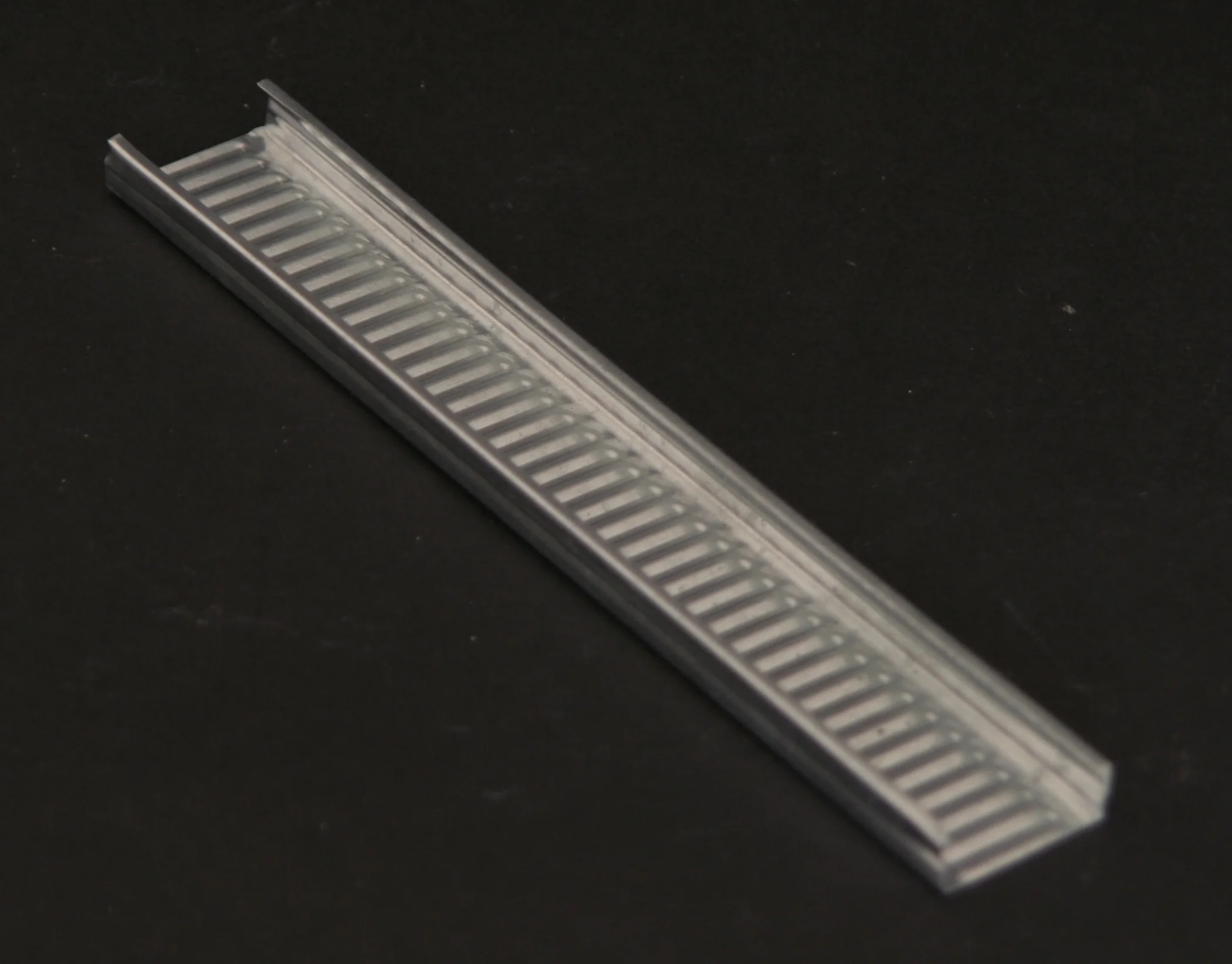
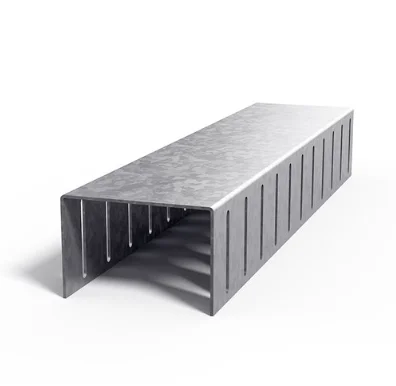
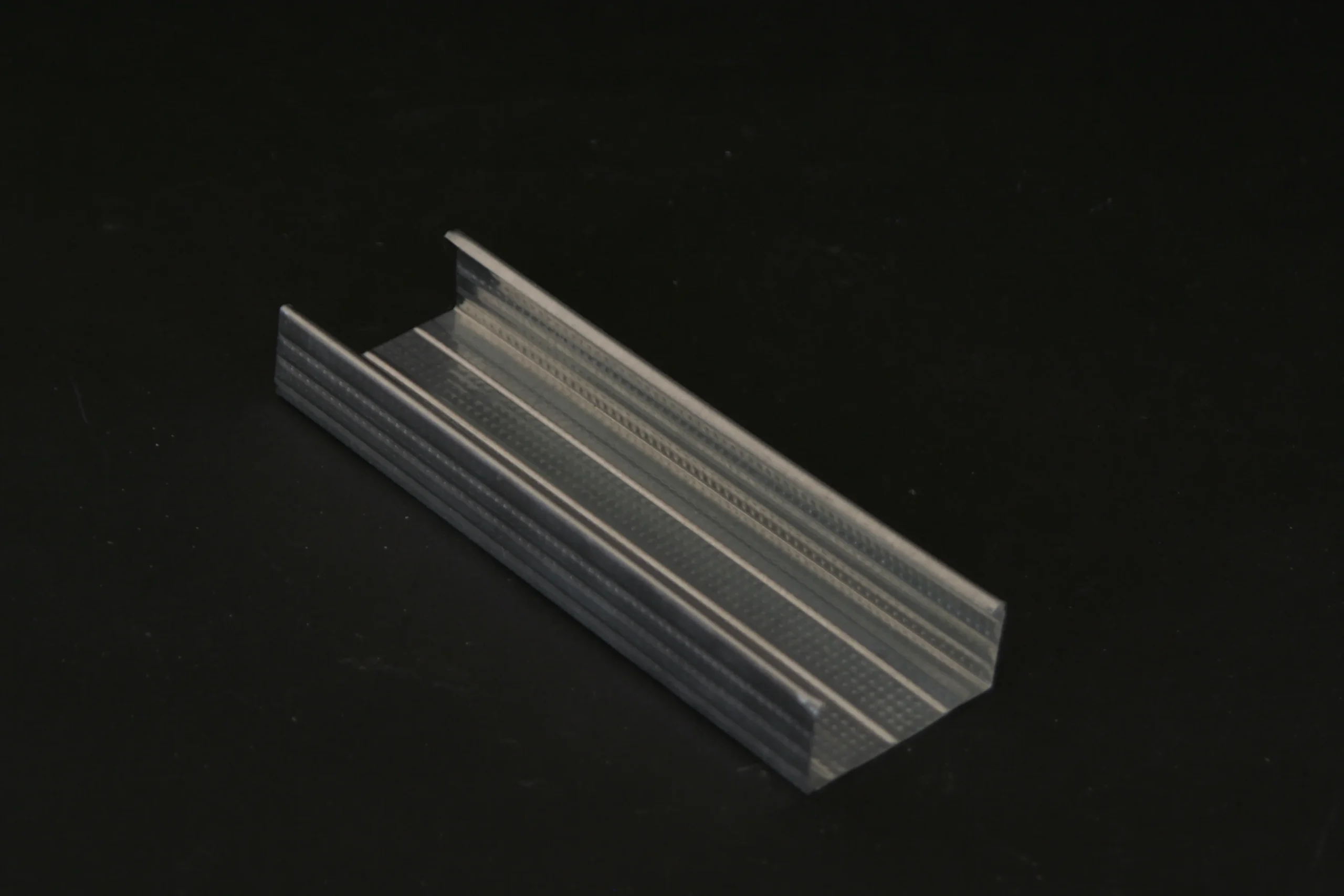
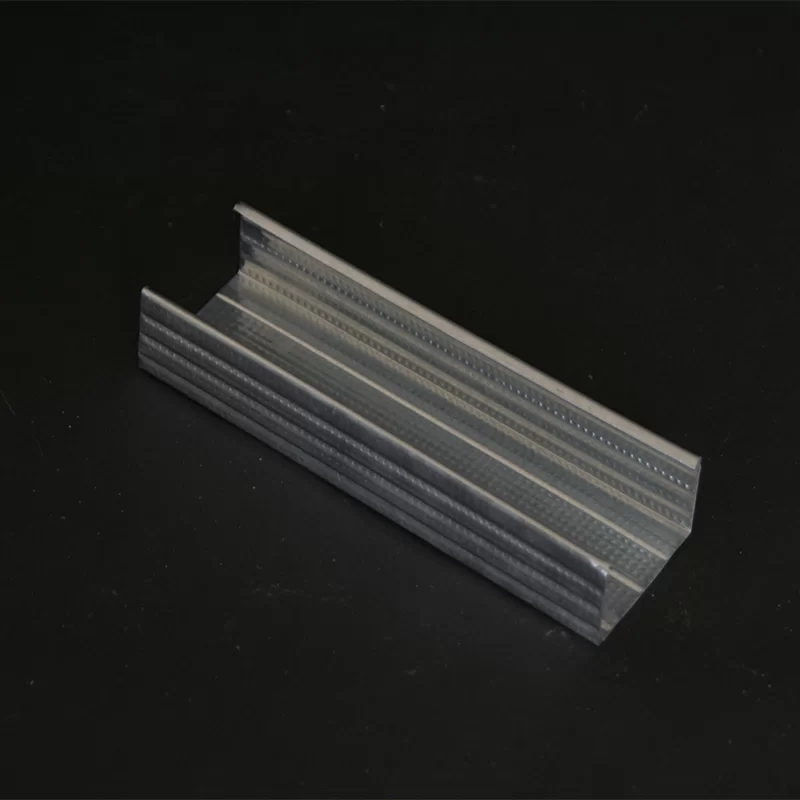
Shims—small wedges—are installed behind drywall edges to fill gaps or correct bowing. Similarly, furring strips can be fastened horizontally or vertically over studs to create a flat plane for drywall attachment.
3. Selection of Drywall Type & Thickness
Thicker drywall (e.g., 5/8 inch vs. 1/2 inch) offers better bridging over irregular studs and reduces deflection issues. Moisture-resistant drywall may be needed in humid environments.
4. Proper Fastening Techniques
Fasteners must be placed correctly—often closer to edges and at additional points—to prevent sagging or popping at uneven spots. Using drywall screws with drill settings prevents overdriving.
5. Joint Treatment & Finishing
Uneven studs can cause gaps at drywall joints that require extra taping, mudding, and sanding to achieve a smooth finish.
Mini takeaway: Managing uneven studs isn't just about brute force; it’s a careful balance of assessment, hardware choice, and finishing craftsmanship.
How This Plays Out Globally
In post-disaster relief shelters in Southeast Asia, quick but resilient interior finishing often depends on hanging drywall on whatever framing is available—sometimes uneven or improvised. NGOs working worldwide have refined these techniques to speed shelter readiness while ensuring safety.
In the North American residential sector, old homes frequently have bowed studs due to aging wood or foundation shifts. Renovators apply these methods to keep interiors looking polished without a full framing overhaul.
Industrial projects in Northern Europe often use reclaimed timber framing for sustainability reasons, posing additional challenges fixed by modern drywall installation strategies.
Product Specification Table: Common Drywall Panels for Uneven Stud Applications
| Specification |
Standard Drywall |
Thick-Panel (5/8") |
Moisture-Resistant |
| Thickness |
1/2 inch (12.7 mm) |
5/8 inch (15.9 mm) |
1/2 inch (12.7 mm) |
| Weight per sheet (4x8 ft) |
38 lbs (17.2 kg) |
55 lbs (24.9 kg) |
40 lbs (18.1 kg) |
| Bowing Resistance |
Low |
High |
Medium |
| Typical Use |
Standard walls/ceilings |
Fire-rated/uneven studs |
Bathrooms, kitchens |
Advantages of Mastering This Technique
- Cost Savings: Avoids costly re-framing or structural modifications.
- Sustainability: Enables the use of recycled or imperfect materials without waste.
- Enhanced Safety: Proper drywall installation improves fire resistance and structural integrity.
- Aesthetic Quality: Results in smooth, attractive interiors despite framing flaws.
- Speed: Expedites construction or restoration timelines, critical in disaster response.
Mini takeaway: Hanging drywall on uneven studs blends practical, economic, and environmental benefits—in short, it’s smart building.
Comparison of Top Drywall Installation Vendors
| Vendor |
Experience (Years) |
Specialties |
Global Reach |
Customer Ratings |
| DrywallPro Inc. |
15 |
Uneven stud framing, high-rise |
North America, Europe |
4.5 / 5 |
| Global Wall Solutions |
20 |
Disaster relief, modular homes |
EMEA, Asia-Pacific |
4.7 / 5 |
| EcoDry Build |
10 |
Green materials, recycled lumber |
USA, Canada |
4.3 / 5 |
Future Trends & Innovations
Oddly enough, as much as drywall hanging is about hands-on skill, new tech is creeping in. Digital tools like 3D laser scanners help map uneven framing rapidly, while automated furring strip placement robots are emerging in pilot projects. Moreover, eco-friendly materials—like gypsum panels with recycled content—are becoming standard, aligning with stringent ISO sustainability targets. Additionally, augmented reality apps are helping installers visualize shim placement in real time, reducing errors.
Challenges and How to Overcome Them
One perennial challenge remains: time pressure versus precision. Rushing often leads to shaky finishes and future maintenance headaches. Expert installers advocate for a balanced approach—investing time in thorough framing assessment before proceeding. Training programs emphasizing these skills help, as does leveraging modern materials that tolerate some degree of unevenness. Oddly enough, sometimes accepting minor imperfections can be wiser than over-correcting and creating new stresses in walls.
FAQ: Frequently Asked Questions About Hanging Drywall on Uneven Studs
Q1: What are the best materials to use for walls with uneven studs?
A1: Thicker drywall panels (like 5/8") are preferred for uneven studs because they resist sagging. Using shims or furring strips can also help create a flat surface. Moisture-resistant drywall is recommended in humid environments to prevent deterioration.
Q2: How do I know if my studs are too uneven to just shim drywall?
A2: Use a level or straightedge to measure deviations. If studs bow more than 1/4 inch over a 4-foot span, simple shimming might not suffice, and structural adjustment or replacing studs could be necessary.
Q3: Can uneven studs cause drywall cracks over time?
A3: Yes, uneven studs can stress drywall panels leading to cracking or joint failures. Proper installation techniques like thorough shim placement and careful taping mitigate these issues.
Q4: Are there special fasteners for drywall on uneven studs?
A4: Standard drywall screws work fine but must be carefully driven to avoid over- or under-penetration. Some installers use longer screws to reach deeper framing where necessary.
Q5: Where can I learn more about hanging drywall on uneven studs?
A5: For comprehensive guides and training, check out industry organizations such as the Gypsum Association or online resources from leading drywall manufacturers.
Conclusion
At the end of the day, mastering hanging drywall on uneven studs is a mixture of art, science, and patience. It improves building performance, reduces waste, and ensures occupants’ comfort—things that matter across all regions and project types. If you’re dealing with irregular framing, don’t lose heart: the right tools and techniques are within reach. To dive deeper or get hands-on advice, visit hanging drywall on uneven studs.
Final thought: Sometimes, the imperfections in a structure simply call for smarter installation—not a complete redesign.
References
- UN Habitat: Adequate Housing
- Wikipedia: Drywall
- ISO 21930: Sustainability in Construction