Understanding Drywall by No Stud: Innovation Meets Practicality
When you think of drywall, the classic image is something fixed firmly onto a wooden or metal stud frame. But drywall by no stud flips that assumption, introducing a method that’s quietly reshaping construction and relief housing globally. Why should anyone care? Because, frankly, this technology brings speed, flexibility, and sustainability to wall construction, which—especially in a world facing housing crises and rapid urbanization—is a big deal.
Imagine cutting the time and labor usually required to install interiors, or assembling protective walls for emergency shelters in a fraction of the time it takes traditional methods. That's the promise and allure of drywall systems that don’t rely on studs.
The Global Context: Why Drywall by No Stud Matters
The construction and housing industries worldwide are grappling with tight timelines, labor shortages, and rising material costs. According to the United Nations, more than a billion people still live in inadequate housing. At the same time, the World Bank highlights that urban populations are growing faster than the ability to build traditional structures. Drywall by no stud solutions respond to these challenges by offering faster, lighter, and more adaptable walling options that reduce dependencies on skilled labor and bulky materials.
More than just a handy renovation hack, these systems respond to logistical bottlenecks in disaster zones—where speed and reliability are paramount—and in developing urban markets craving affordable solutions. The question they address is simple yet urgent: How do we build better, faster, with less? And as you’ll see, this drywall innovation might just be part of the answer.
What Exactly is Drywall by No Stud?
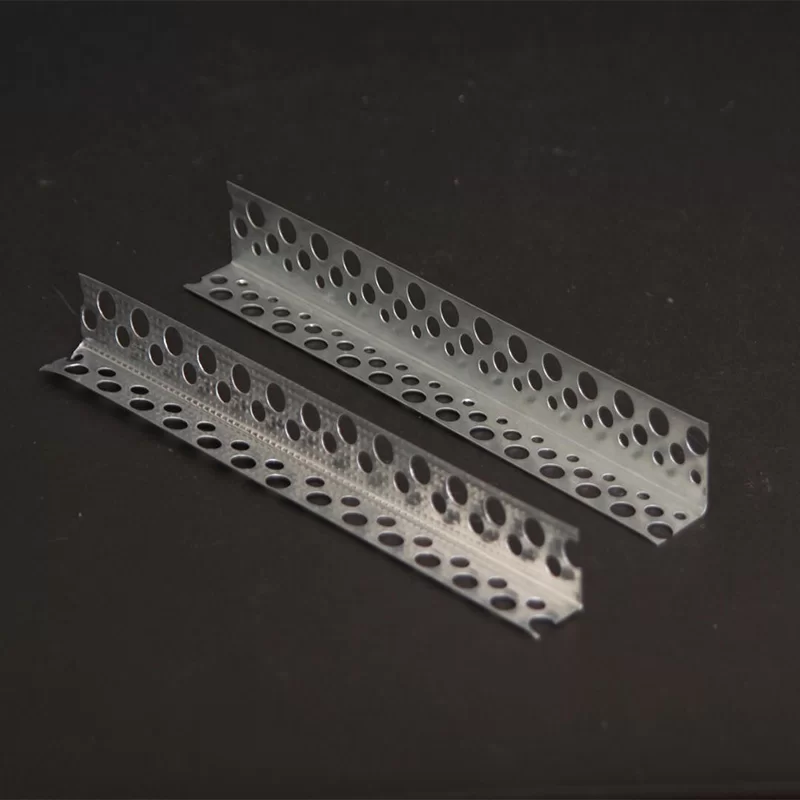
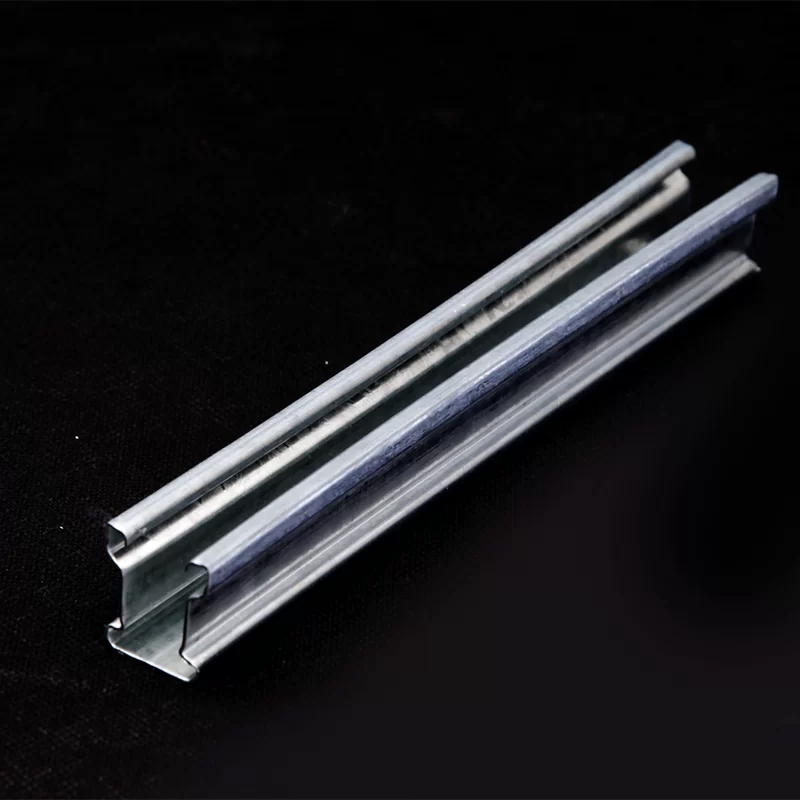
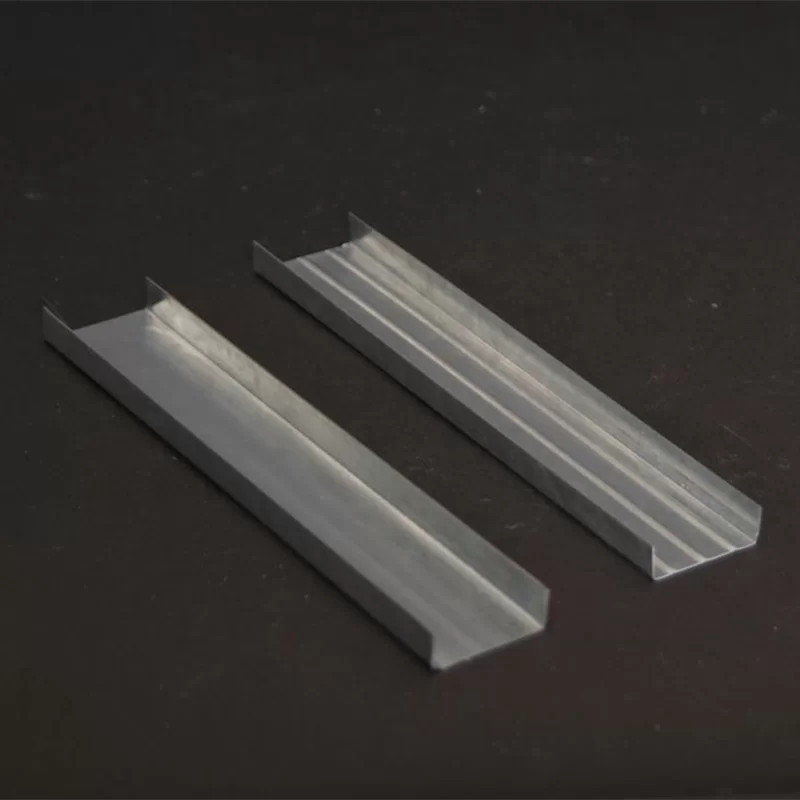
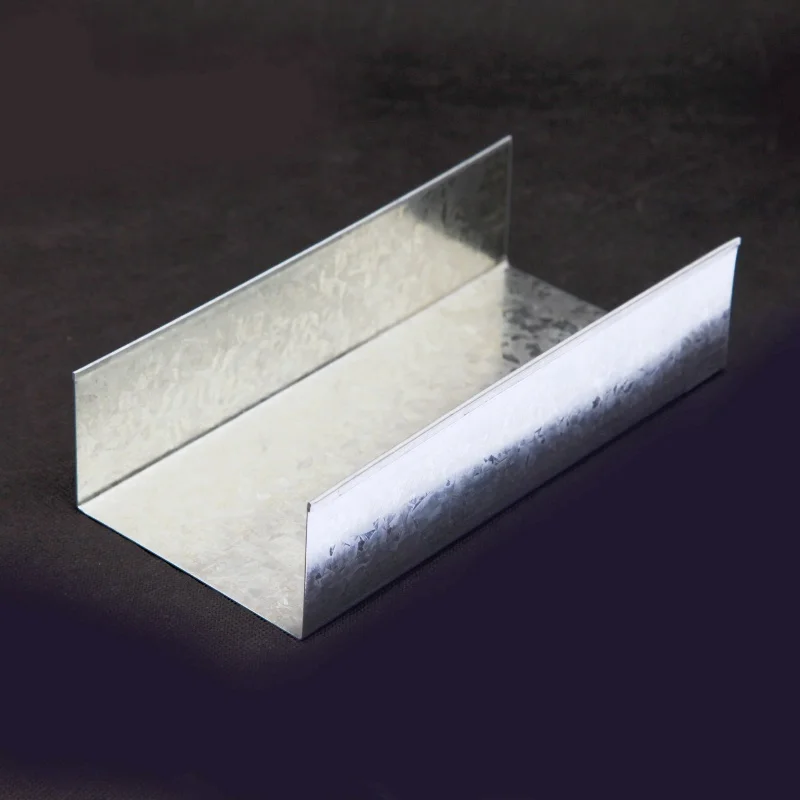
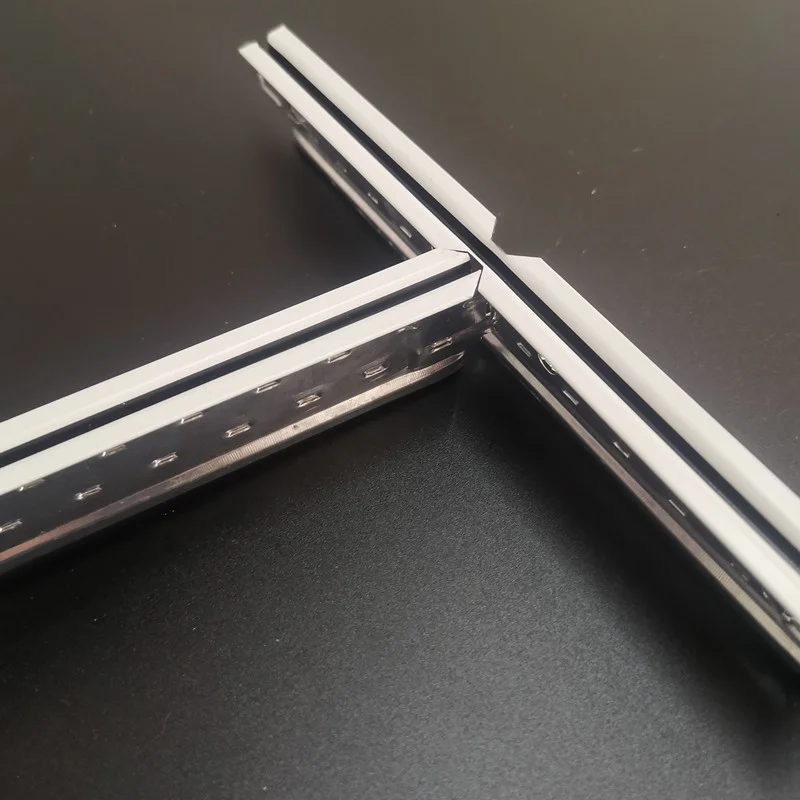
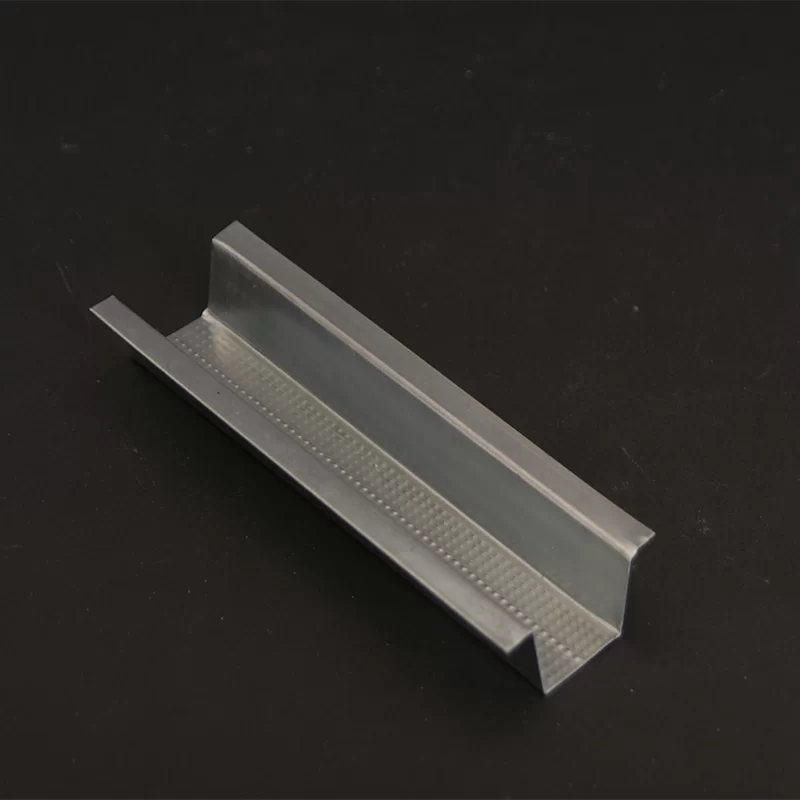
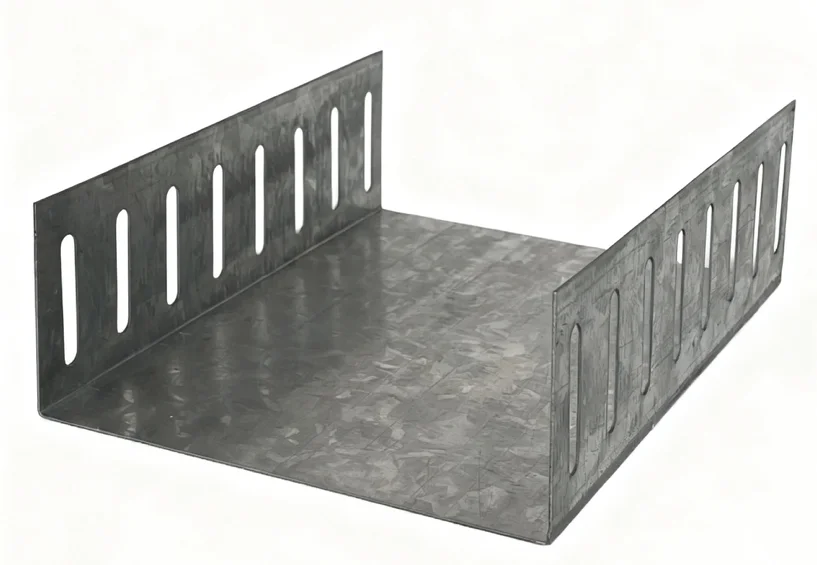
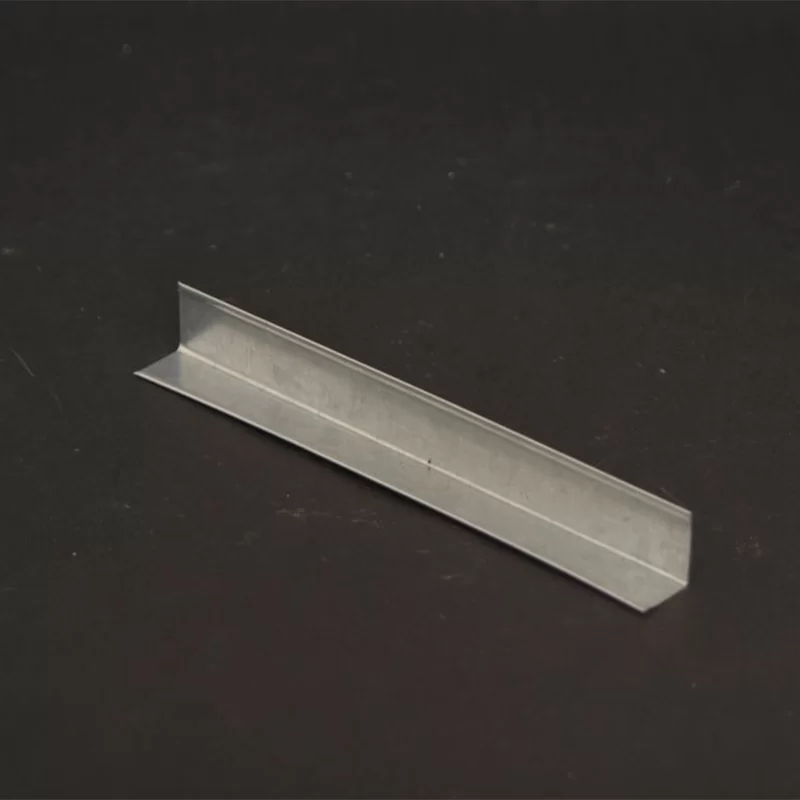
At its core, drywall by no stud refers to wall panel systems that don’t require the traditional timber or metal vertical framing (studs) behind the gypsum boards. Instead, these systems use alternative support structures, such as interlocking panels, metal track systems, or innovative adhesives to create stable, insulated, and finished walls without the “skeleton” frame.
It’s the difference between hanging a picture on a nail versus sticking it seamlessly onto a new kind of surface. With these products, you might literally snap panels together like building blocks, lock boards to a rail system, or employ patented mechanical fixings that save time and cut waste.
Industrially, these systems have been gaining traction for modular construction, prefabricated housing, and temporary structures. Humanitarian organizations, too, are taking note given how fast these systems can be deployed in emergency zones lacking infrastructure. You might even find these no stud drywall solutions in tiny urban apartments craving efficient use of wall space.
Core Components and Key Factors in Drywall by No Stud
1. Durability Without the Bulk
Typical stud-based walls depend on solid framing for strength. But no stud drywall employs reinforced panels—often composite materials or layered gypsum impregnated with fiberglass—to deliver comparable resilience. Oddly enough, this reduces wall thickness while maintaining fire resistance and soundproofing, a sweet spot in crowded cities.
2. Rapid Installation
By skipping the framing phase, installers can cut days or even weeks in project timelines. Panels usually come prefabricated, allowing workers to just align and lock pieces in place. It’s like shifting from building a skeleton to assembling puzzle pieces, a real boon for disaster relief shelters or fast-renovating commercial spaces.
3. Cost Efficiency
Less material and less labor not only speed up projects but also lower budgets. Of course, the upfront cost of specialized panels might be higher, but when you factor reduced manpower and shorter on-site time, clients see impressive savings.
4. Environmental Considerations
Many no stud drywall products are designed with sustainability in mind—using recycled content and ensuring panels are recyclable at end-of-life. Plus, thinner walls mean more efficient space use and smaller transport footprints, which industrial eco-advocates applaud.
5. Flexibility & Scalability
Because these systems can be modular, they scale easily. Want to build an office wall one day, or an entire temporary clinic the next? You can. They fit perfectly into the trends of prefabrication and modular construction, marrying convenience to modern design needs.
Mini takeaway:
- Drywall by no stud transforms wall-building from slow and labor-intensive to modular and rapid.
- Its combination of durability, cost savings, and ecological benefits is what makes it stand out for global use.
Where Is Drywall by No Stud Making a Difference?
Applications range widely, but two areas really stand out. First, disaster relief and humanitarian housing. Organizations like Médecins Sans Frontières and Red Cross have trialed these systems in post-disaster zones where speed and ease of transport are crucial. Imagine erecting full rooms in hours instead of weeks—this drastically improves shelter availability after floods or earthquakes.
Secondly, in remote industrial sites like mining camps or offshore rigs, where laborers need quick and reliable walls but importing bulky studs is costly. Here, the lightweight, modular drywall systems offer practical advantages. Construction firms in Southeast Asia, parts of Africa, and Latin America are adopting these approaches for affordable housing projects.
Even in developed countries, commercial office renovations favor these drywall by no stud panels to minimize disruption and cut downtime.
Product Specification Table
| Specification |
Typical Value |
Notes |
| Panel Thickness |
12–15 mm |
Comparable to standard drywall |
| Weight per Panel |
8–12 kg |
Light enough for manual handling |
| Fire Resistance |
Up to 1 hour (Type X rated) |
Meets international fire codes |
| Sound Transmission Class (STC) |
45–50 dB |
Suitable for offices and residential |
| Panel Connectivity |
Interlocking or mechanical fasteners |
No nails or screws needed on studs |
Comparing Vendors: Finding the Right Drywall by No Stud Solution
| Vendor |
Panel Type |
Fire Rating |
Installation Time |
Eco Features |
| BuildFast Systems |
Interlocking Composite |
60 min |
~30% faster than conventional |
Recycled content, fully recyclable |
| QuickWall Innovations |
Mechanical Snap Panels |
45 min |
Up to 40% labor saving |
Low VOC, recyclable materials |
| EcoDrywall Corp |
Adhesive Bonded Panels |
30 min |
Minimal tools needed |
Bio-based adhesives, recycled content |
Installation time refers to typical residential wall panel installation per 100 sqm area, as reported by vendors.
What Are the Real Advantages and Long-Term Value?
It’s tempting to think this is just a faster drywall method, but there’s more beneath the surface. Less material means lighter loads on foundations and transport—a key in building low-impact developments. Speedier installations reduce worker fatigue and project risks, while modularity improves adaptability. You can redesign, move, or repurpose walls easily. In emotionally charged contexts like refugee housing, this means quicker restoration of dignity and normalcy, which no one should underestimate.
From social sustainability to environmental stewardship, drywall by no stud helps balance cost, convenience, and conscience, which is rare in construction.
Looking Ahead: Innovations on the Horizon
Future trends point towards integrating smart materials—panels embedded with sensors for humidity or structural integrity monitoring. We’re also seeing digital fabrication—panels cut or molded by CNC machines to exact specs for bespoke designs on demand. Some vendors are experimenting with bio-based gypsum alternatives and foam cores to further lighten walls.
On policy fronts, green building certifications (like LEED or BREEAM) increasingly reward use of modular, recyclable materials, encouraging uptake of no stud drywalls. Automation in assembly, possibly by robotic teams, could soon make these systems even faster and more precise.
Challenges & How to Overcome Them
Of course, not all is sunshine. No stud drywall can face issues with load bearing—meaning you often can’t hang heavy items without extra reinforcements. Thermal performance varies depending on panel makeup, and some prototypes lack consistent fire ratings worldwide. Supply chain issues for specialized panels arise too — especially for remote users.
However, improvements in composite materials and hybrid panel systems (that subtly integrate hidden supports) are reducing these gaps. Training installers has become easier thanks to detailed manuals and online video modules, and partnerships between manufacturers and NGOs help keep supply channels reliable.
Mini takeaway:
- Innovation doesn’t erase challenges—they evolve alongside solutions.
- With ongoing R&D, drywall by no stud could soon redefine wall construction almost everywhere.
FAQ: Your Top Questions About Drywall by No Stud
- Q: How does drywall by no stud compare to traditional stud drywall in strength?
- A: While traditional stud drywall relies on framing for support, no stud drywall uses engineered panels designed for rigidity. They’re typically strong enough for everyday walls but may require special attachments for heavy wall fixtures.
- Q: Can no stud drywall panels be installed by DIYers?
- Yes, many systems are designed with minimal tools and user-friendly instructions. However, large projects or fire-rated walls might still call for professional installation to comply with building codes.
- Q: Are these panels recyclable or eco-friendly?
- Many no stud drywall systems prioritize sustainability, using recycled materials and offering recyclability. Always check vendor certifications to confirm ecological claims.
- Q: How do no stud drywall solutions fit into modular housing?
- They are perfect for modular projects, enabling quick assembly and disassembly. This flexibility is a big plus for prefabricated homes and portable structures.
- Q: Can these drywalls be used in humid or wet environments?
- Some specialized panels are moisture-resistant and designed for bathrooms or kitchens. But standard types may need additional waterproofing measures.
Conclusion: Why Drywall by No Stud Is Worth Watching
At the intersection of construction innovation and global social needs, drywall by no stud emerges as a promising solution. It’s not merely a technique but a reflection of how the industry is evolving—toward speed, sustainability, and adaptability without sacrificing quality.
If you’re curious to explore how this technology might fit your next project, or want to dive deeper into specifications and supply options, drywall by no stud has never been more accessible.
Worth keeping an eye on—as they say, the walls around us might just get a lot slimmer, smarter, and faster.
References
- Wikipedia on Drywall
- UN World Urbanization Prospects, 2018
- World Bank Urban Development