Hit enter to search or ESC to close
October 17, 2025
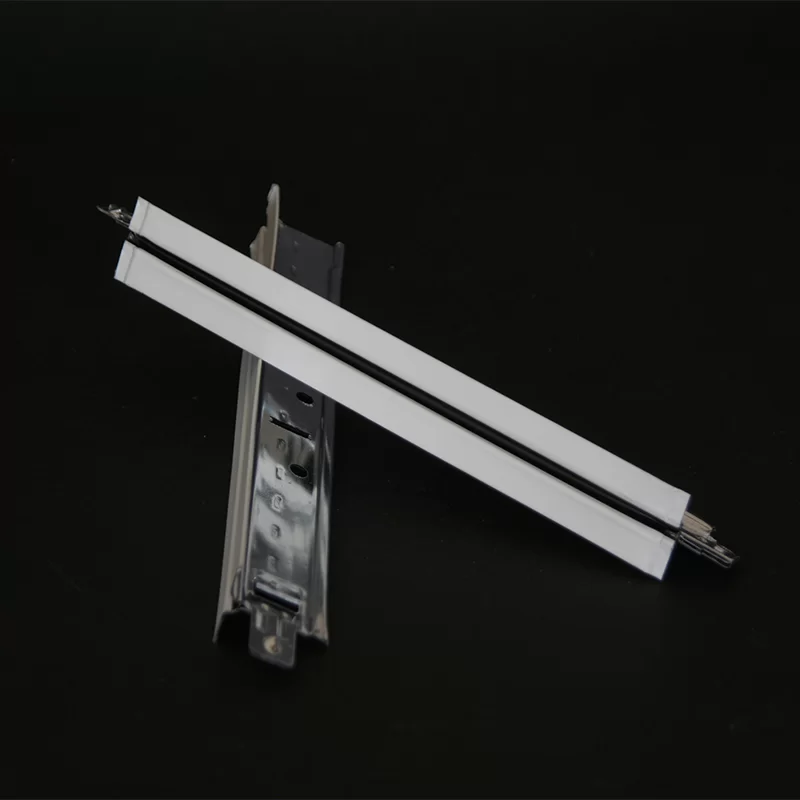
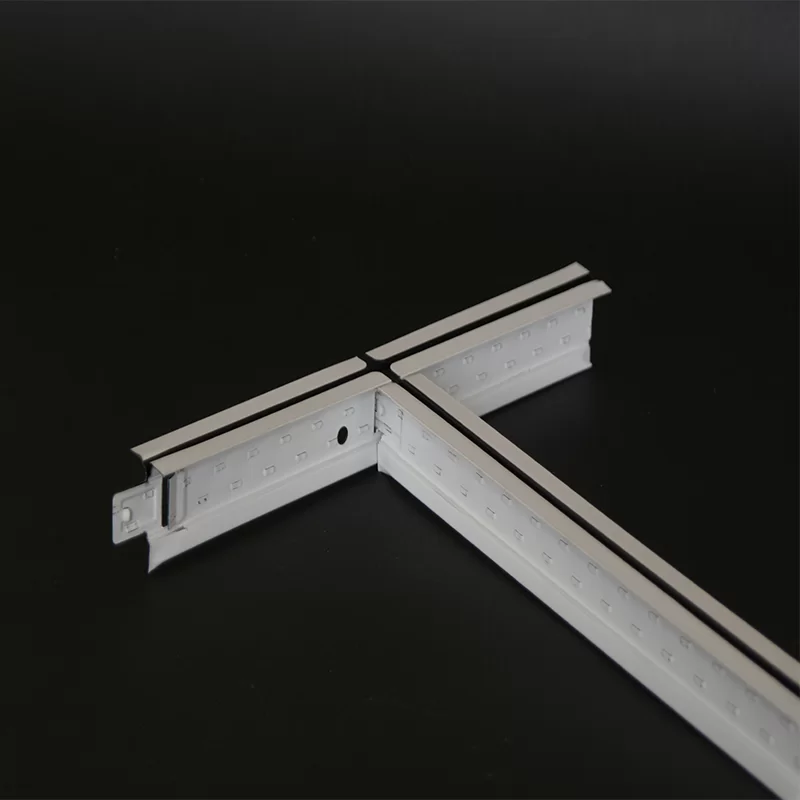
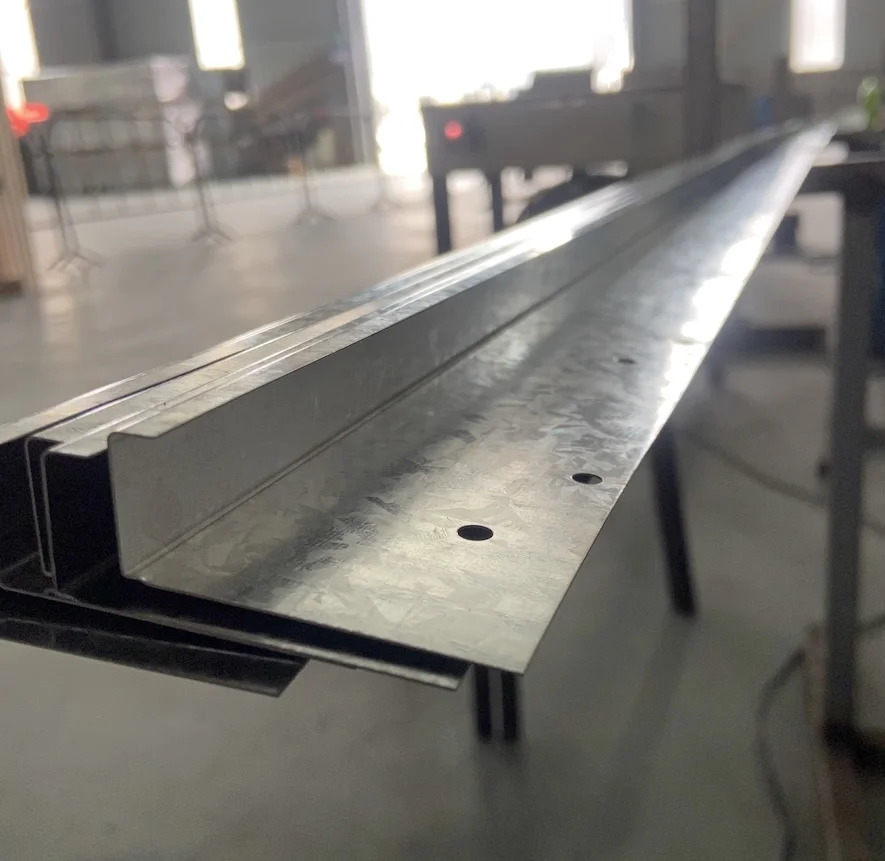
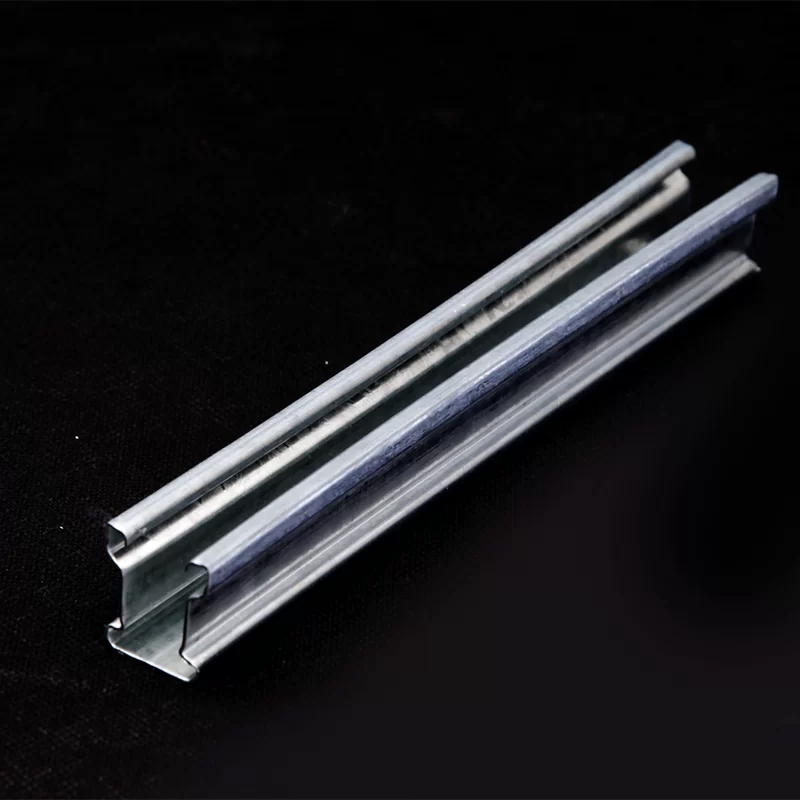
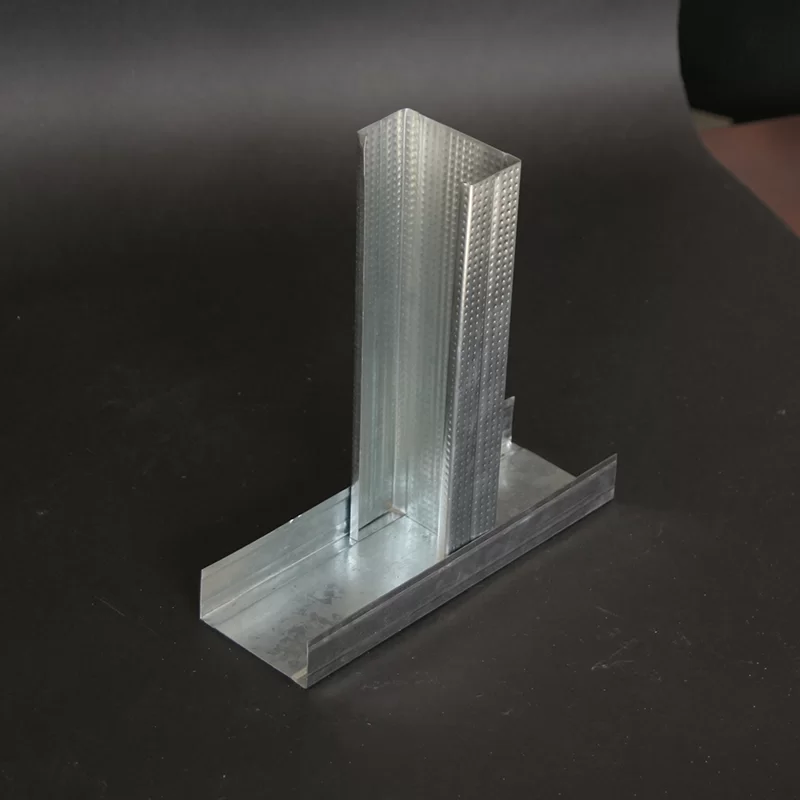
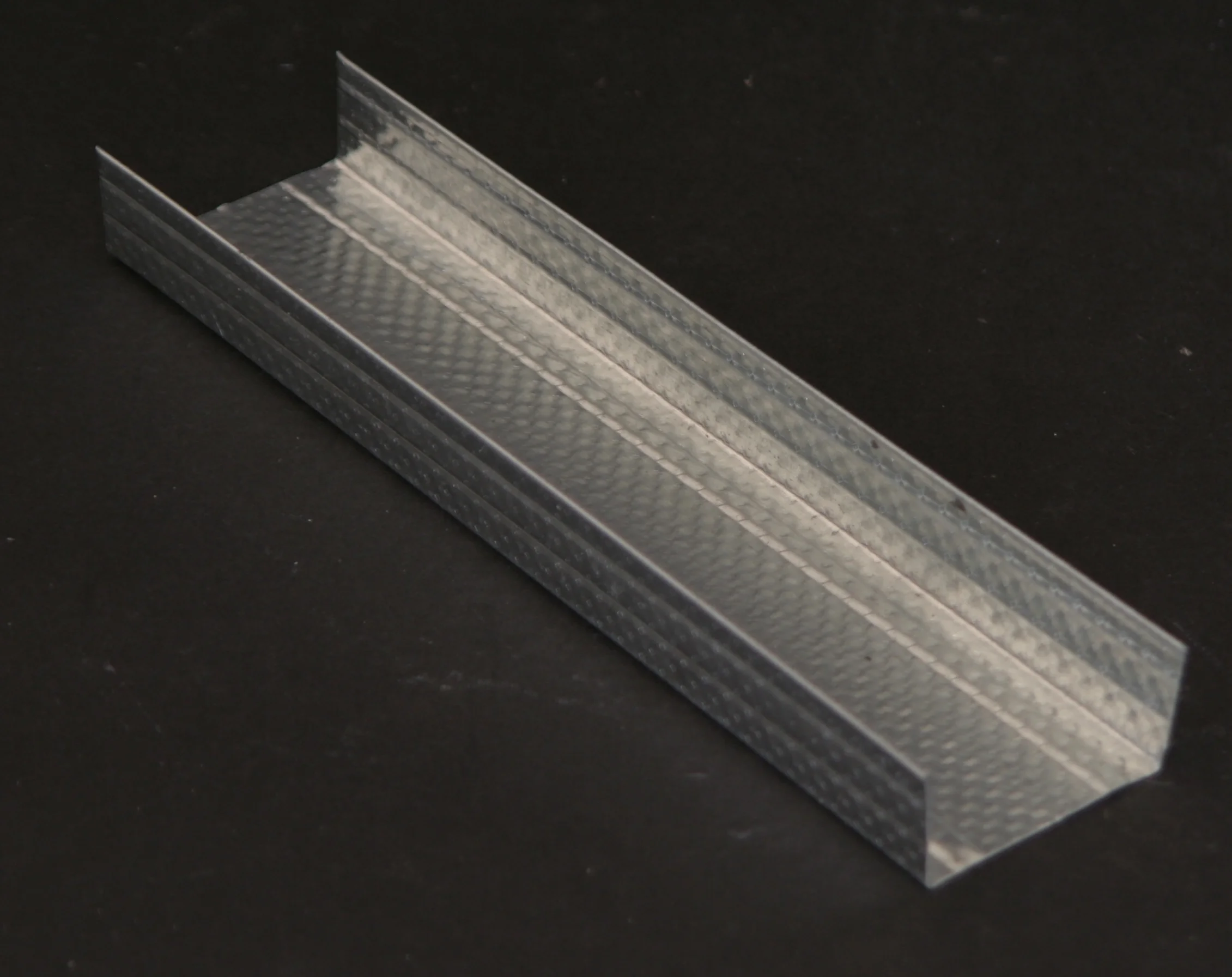
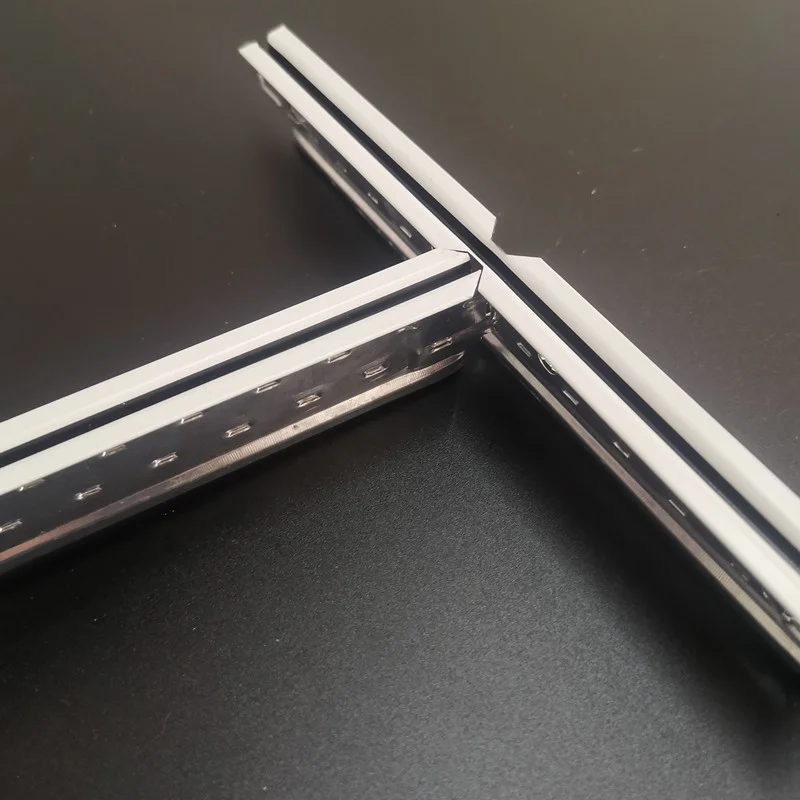
I’ve walked more job sites than I can remember, and one thing never changes: the backbone of a clean, level ceiling is the T-grid. The FUT profile—especially the Suspended FUT Ceiling t grids variant—has been gaining traction, quietly but steadily. It’s compatible with Donn-style systems, plays nicely with PVC gypsum tiles, and, to be honest, installers like the way it locks up square without drama. Origin story? Dongdu Industrial Park, Huangfu Farm, Langfang, Hebei, China. It shows in the roll-forming quality.
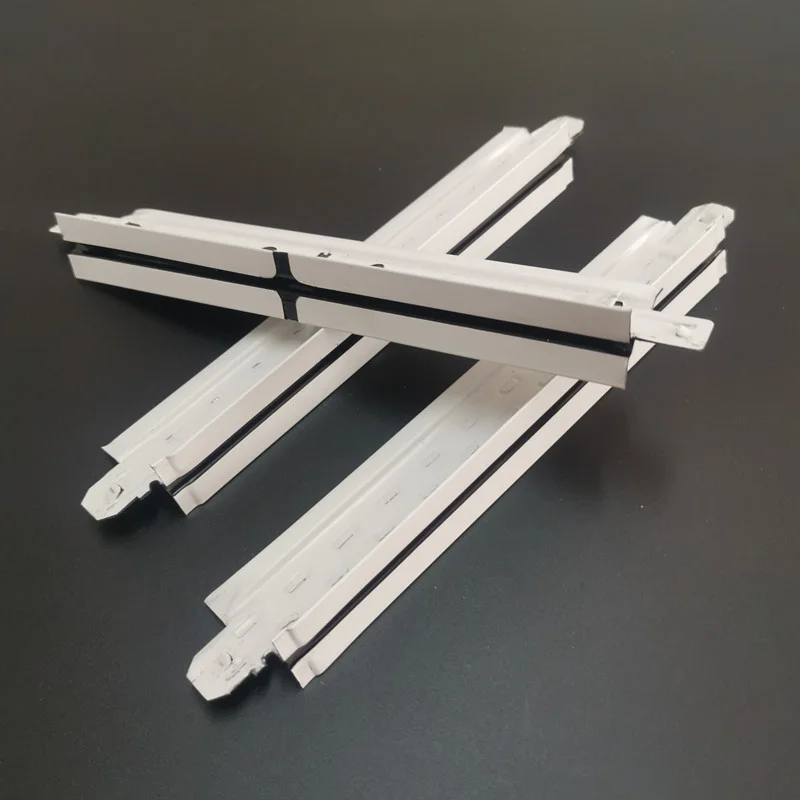
Below are typical figures from factory runs and job-site pull tests. Real-world use may vary with ceiling loads, hanger spacing, and humidity.
| Parameter | Typical value (≈) | Notes |
|---|---|---|
| Material | Galvanized steel (G30–G40) | Alu options on request |
| Main runner size | ≈ 24 mm face x 38 mm web | Donn-compatible face width |
| Thickness | 0.30–0.40 mm | Heavier gauges for high-load zones |
| Coating | Zinc + baked polyester | ASTM E84 Class A finish (typ.) |
| Load rating | Light/Intermediate per ASTM C635 | Verify with hanger spacing calc |
Materials are coil-fed galvanized steel, roll-formed, precision punched, then baked-coated for color stability. QC includes dimensional checks (±0.5 mm), salt spray sampling, and load testing to ASTM C635; installation trials follow ASTM C636 and EN 13964. In normal interiors, service life is around 15–25 years; in high-humidity areas, step up coating class and use proper isolation washers. Certifications often include ISO 9001 and, where applicable, CE to EN 13964.
Advantages? Consistent stab fit, decent corrosion resistance, and—many customers say—fewer grid “smiles” at tile edges. I guess that’s the roll form doing its job.
| Vendor | Compatibility | Certs (≈) | Lead time | Notes |
|---|---|---|---|---|
| Jinkai (Hebei) | Donn-style PVC gypsum systems | ISO 9001, EN 13964 (region) | ≈ 2–4 weeks | Strong value, custom gauges |
| USG Donn (reference) | Donn ecosystem | ASTM/EN, region dependent | Stock to 3 weeks | Premium spec, broad support |
| Generic importer | Mixed | Varies | 3–6 weeks | Check gauge and coating |
Custom colors (RAL), face widths (15/24 mm), cross-tee lengths, heavier zinc, even antimicrobial paint are on the menu. For coastal jobs, ask for enhanced salt-spray performance and sealed cut edges.
Airport satellite hall: intermediate-duty grid at 1200 mm hanger spacing; zero visible sag after 12 months—MEP crews appreciated the repeatable clip engagement.
Clinic retrofit: switched to Suspended FUT Ceiling t grids for humid utility rooms; maintenance team reported “noticeably tighter T-intersections” and fewer tile chips at reentry.