Understanding Galvanized Metal Studs: A Global Perspective
Galvanized metal studs might not be the most glamorous topic in construction, but frankly, they’re one of those unsung heroes that keep buildings standing strong worldwide. These steel sections, coated with zinc to prevent rust, form the backbone of countless walls, ceilings, and partitions — quite literally shaping our environments. Their importance isn’t just technical; it touches global challenges like sustainable construction, disaster-resilient housing, and efficient industrial development. And when you grasp their benefits, you begin to see why they’ve become a staple in modern building practices.
Introduction: Why Galvanized Metal Studs Matter Globally
The world is urbanizing fast. According to the United Nations, over 68% of the global population is expected to live in urban areas by 2050. This rapid growth demands robust, scalable, and cost-effective construction methods. Galvanized metal studs fit perfectly here. They combat corrosion issues common in humid or coastal regions, reduce overall building weight, and enable faster construction compared to traditional wood framing. Moreover, with the move towards sustainable building materials recognized by ISO standards, galvanized steel shapes a cleaner, more efficient industrial landscape.
But a problem persists—many regions still rely on less resilient materials, leading to frequent maintenance issues or even unsafe structures during natural disasters. This is where galvanized metal studs, by virtue of their durability and adaptability, come into play.
What Exactly Are Galvanized Metal Studs?
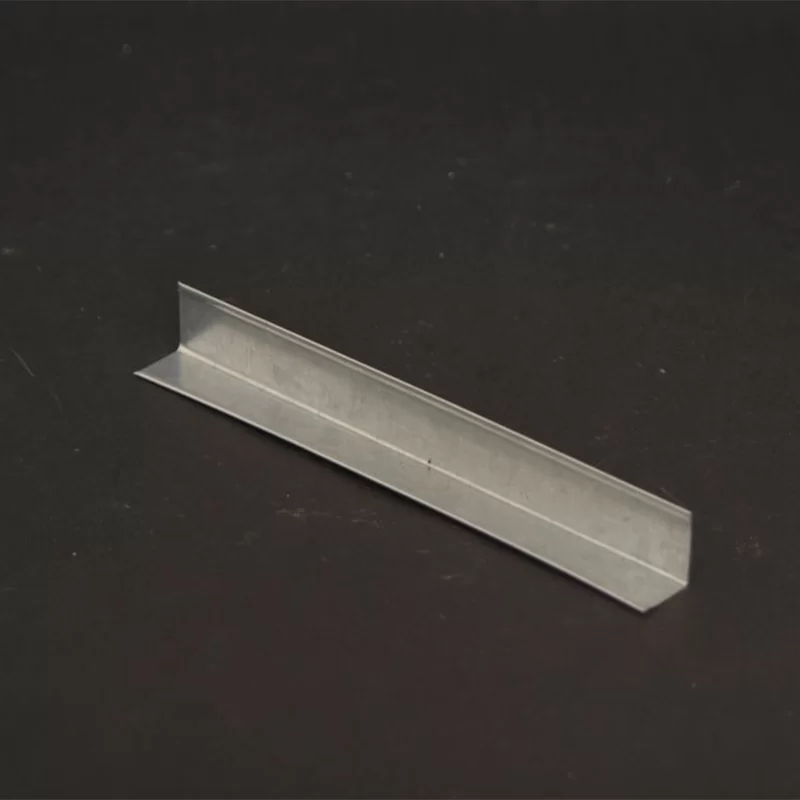
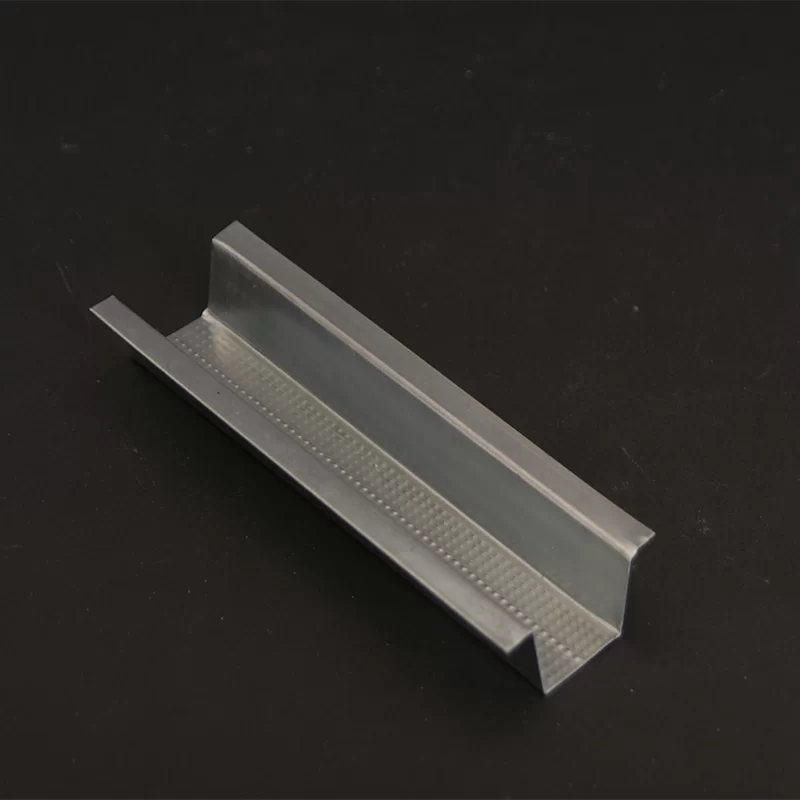
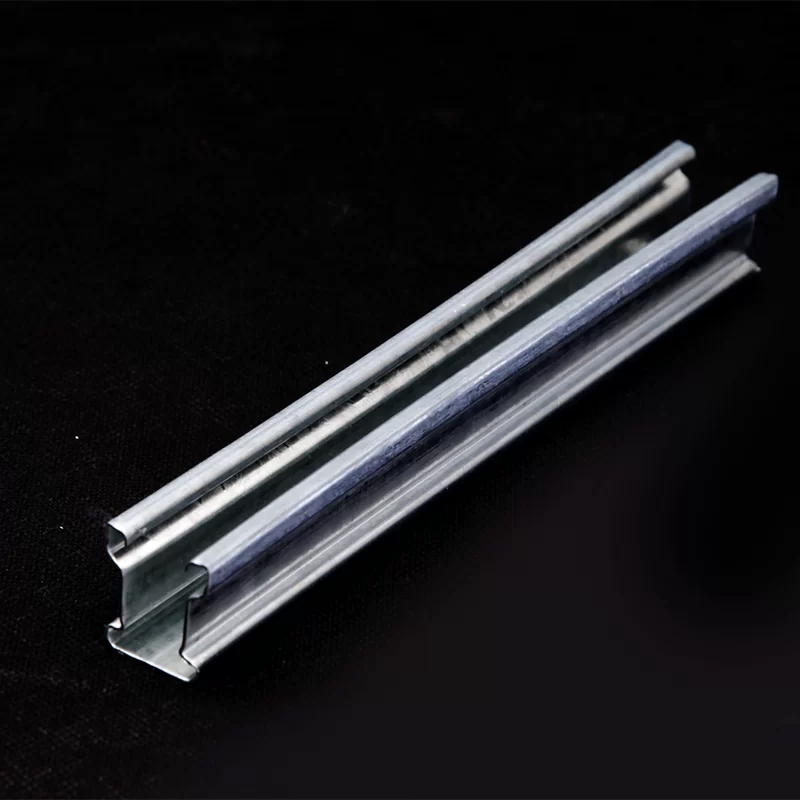
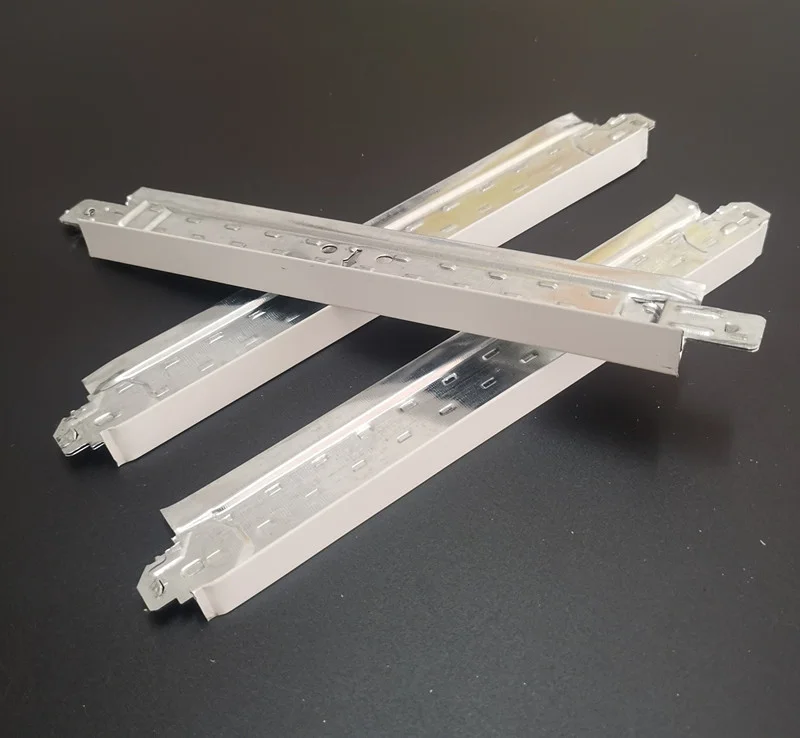
In essence, galvanized metal studs are steel framing components coated with zinc through a process called galvanization. That zinc layer acts as a protective barrier, shielding the metal from rust and corrosion. This means the studs last longer, maintain structural integrity, and support safer, more sustainable construction.
They connect intrinsically to modern industry because they enable construction teams worldwide to build quickly, efficiently, and with materials that suit a variety of climates—whether it’s a coastal city vulnerable to salty air or an inland area facing heavy rains.
Key Features of Galvanized Metal Studs
1. Durability and Corrosion Resistance
Thanks to zinc coating, galvanized metal studs resist rust far better than bare steel or wood. This durability is crucial, especially in maritime or humid environments where moisture can degrade standard materials. The result? Longer-lasting walls and reduced maintenance costs.
2. Lightweight Yet Strong
Compared to traditional timber or concrete frameworks, these studs are notably lighter, easing transportation and assembly. But don’t mistake lightness for fragility: the steel core offers excellent load-bearing capacity, supporting sustainable building designs.
3. Cost Efficiency and Scalability
Galvanized metal studs are often produced in standardized sizes, reducing waste and enabling mass production. Installation times are shorter, saving labor costs. The material’s recyclability also aligns with circular economy principles, making it a savvy choice financially and environmentally.
4. Fire Resistance
Unlike wood, galvanized steel studs don’t contribute fuel to fires, which enhances safety in residential and commercial buildings alike.
Galvanized Metal Stud Specifications
| Feature |
Specification |
Notes |
| Material |
Galvanized carbon steel |
Zinc coating thickness typically 20-30 microns |
| Thickness |
0.038" to 0.065" (Gauge 20 to 18) |
Varies by structural requirements |
| Length |
8 to 12 feet |
Custom lengths available |
| Weight |
~2.5 to 3.2 lb/ft |
Depends on gauge and dimensions |
| Corrosion Resistance |
Class C (ISO 12944-5) |
Suitable for urban and rural environments |
Where and How Are Galvanized Metal Studs Used?
These studs line the walls of office buildings, hospitals, schools, and homes across the globe. In fast-growing urban centers in Asia and Africa, they’re crucial for affordable housing projects that need to balance speed with longevity. Humanitarian organizations lean on galvanized metal studs for post-disaster relief housing because the studs resist mold and degrade far less in wet climates.
In industrial zones—think mining facilities in Australia or manufacturing plants in Europe—these studs enable safer internal structures resistant to corrosive environments. Oddly enough, even the film and entertainment industry uses them to quickly build temporary yet sturdy sets.
Vendor Comparison: Leading Galvanized Metal Stud Providers
| Vendor |
Product Range |
Zinc Coating |
Pricing |
Lead Time |
| Jinkai Building Materials |
Wide: 18-25 gauge, custom lengths |
25 microns (average) |
Competitive |
2-4 weeks |
| SteelCo Global |
Standard gauges, quick ship |
20 microns |
Moderate |
1-3 weeks |
| BuildSmart Metals |
Custom profiles, specialty coatings |
30 microns, premium grade |
Higher-end |
4-6 weeks |
Advantages and Long-Term Benefits
- Cost-effective: Lower maintenance and faster install reduce overall expenses.
- Sustainability: High recyclability meshes well with green building codes and circular economy goals.
- Safety: Better fire resistance and structural integrity translate to safer spaces.
- Dignity and Innovation: For communities relying on quick shelters, galvanized studs help maintain dignity through durable, pleasant environments.
It feels like these qualities elevate galvanized metal studs beyond simple building parts—they’re part of a broader movement toward better, more responsible construction worldwide.
Emerging Trends in Galvanized Metal Stud Technology
Looking ahead, the integration of smart coatings that enhance corrosion resistance without increasing weight is gathering attention. Automation in manufacturing is also improving precision and reducing waste. Digitally-enabled design tools allow architects and engineers to better incorporate galvanized metal studs into complex, energy-efficient building envelopes. Plus, with climate regulations tightening, greener galvanization methods are becoming standard, helping decarbonize steel production in construction.
Common Challenges and How Experts Solve Them
Despite their many benefits, galvanized metal studs aren’t without hurdles. Poor installation can cause thermal bridging, reducing wall insulation effectiveness. Some studs suffer from inconsistent galvanization thickness, leading to premature rust in weak spots. And in regions with high pollution, coatings may degrade faster than expected. Still, solutions exist: rigorous quality control, use of thermal breaks in framing, and protective claddings all help overcome these issues. Consulting experienced suppliers ensures the right specs and installation methods from the outset.
FAQ: Your Questions About Galvanized Metal Studs Answered
What makes galvanized metal studs better than traditional wood framing?
Galvanized metal studs resist rot, pests, and fire more effectively than wood, last longer, and offer more consistent strength. They’re also lighter and can be produced in precise dimensions, improving construction accuracy.
How long do galvanized metal studs typically last in harsh environments?
With proper galvanization (usually at least 20 microns zinc thickness), these studs can last 50+ years even in coastal or industrial settings prone to corrosion.
Are galvanized metal studs recyclable or environmentally friendly?
Yes, steel is one of the most recycled materials globally, and galvanized metal studs can be reclaimed and reused, contributing significantly to sustainable building practices.
Can galvanized metal studs be customized for different building types?
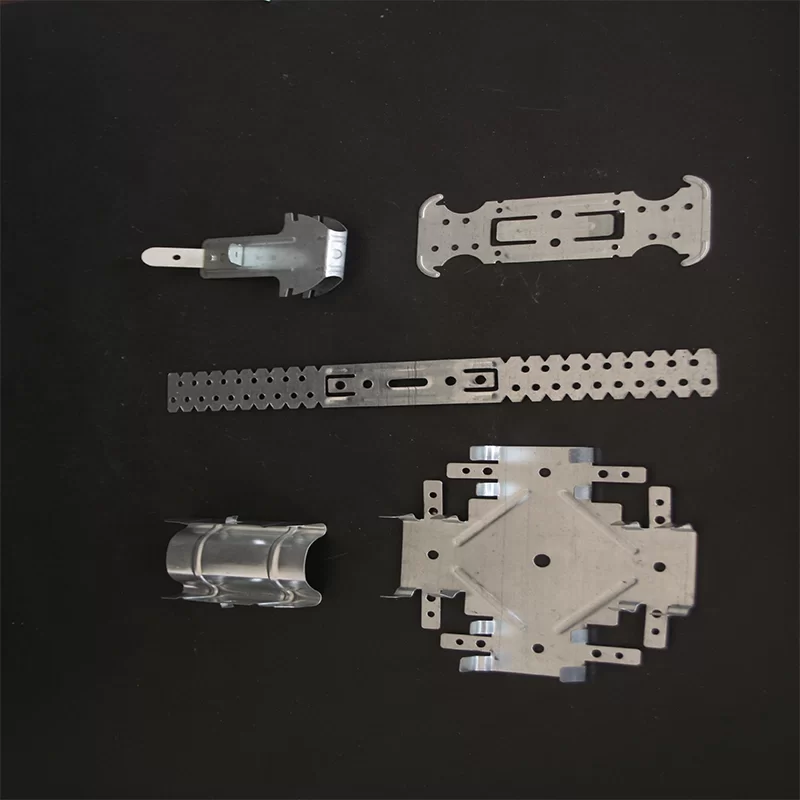
Absolutely. They come in various gauges, profiles, and lengths and can be drilled or punched to fit unique architectural or engineering demands.
How accessible are galvanized metal studs for international humanitarian projects?
Many vendors, including Jinkai Building Materials, specialize in export-ready products and offer quick lead times that support timely deployment in disaster-relief situations worldwide.
Conclusion: Why Galvanized Metal Studs Are a Forward-Thinking Choice
Galvanized metal studs combine practicality, sustainability, and safety in a way very few construction materials can. They support faster builds, withstand harsh environments, and reduce lifecycle costs — making them indispensable for future-proof building projects. If you’re involved in construction, engineering, or development, understanding these benefits and selecting the right product can make a real difference.
For comprehensive options and expert guidance on galvanized metal studs, visit our website: https://www.jinkaibm.com.
Mini takeaway: Galvanized metal studs aren’t just steel pieces; they’re keystones in building safer, sustainable, and smarter environments worldwide.
References
- UN World Urbanization Prospects
- ISO 12944 - Corrosion protection of steel structures
- Wikipedia: Galvanization