Understanding Galvanized Steel Furring Channel: Why It Matters Worldwide
When it comes to construction and building systems, the galvanized steel furring channel might not be the flashiest topic, but frankly, it’s a quiet workhorse. These channels play a pivotal role in the way walls and ceilings are finished, underpinning everything from affordable housing projects to massive industrial facilities. Globally, with urban infrastructure expanding and demands for resilient, cost-effective building materials surging, grasping the significance of galvanized steel furring channels is, well, kind of essential.
Simply put, they provide a structural backbone for interior cladding and finishing, offering durability and flexibility. According to recent reports from the UN Habitat program, more than 2 billion people live in inadequate housing worldwide. Materials that support rapid, stable construction—like galvanized steel furring channels—help address these modern challenges.
Introduction: The Global Context of Galvanized Steel Furring Channels
The global construction industry is forecasted to grow by over 70% by 2030 (World Bank data), largely fueled by urbanization in Asia and Africa. This rapid growth presses for versatile, reliable materials that can stand up to high humidity, seismic activity, and budget constraints. Now, galvanized steel furring channels emerge as a real solution because of their resistance to corrosion, light weight, and adaptability.
One big problem they address: moisture intrusion and rust. Steel, untreated, corrodes and weakens—quite a disaster for any structure. But galvanizing offers a zinc coating that protects steel from rust and extends its lifespan significantly. Hence, construction in areas prone to dampness or changing climates can progress confidently using these channels.
Defining Galvanized Steel Furring Channel
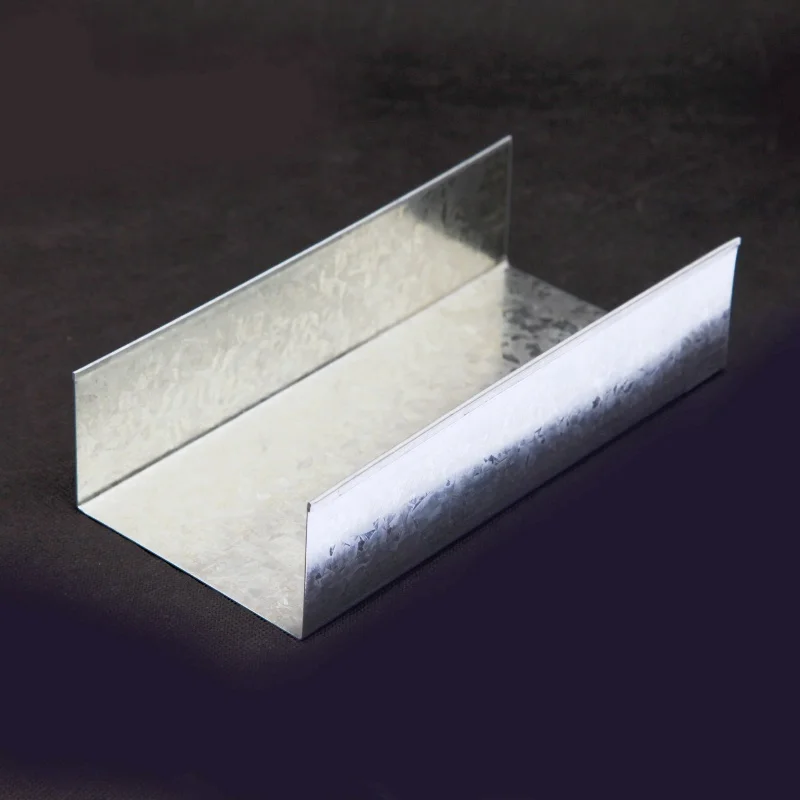
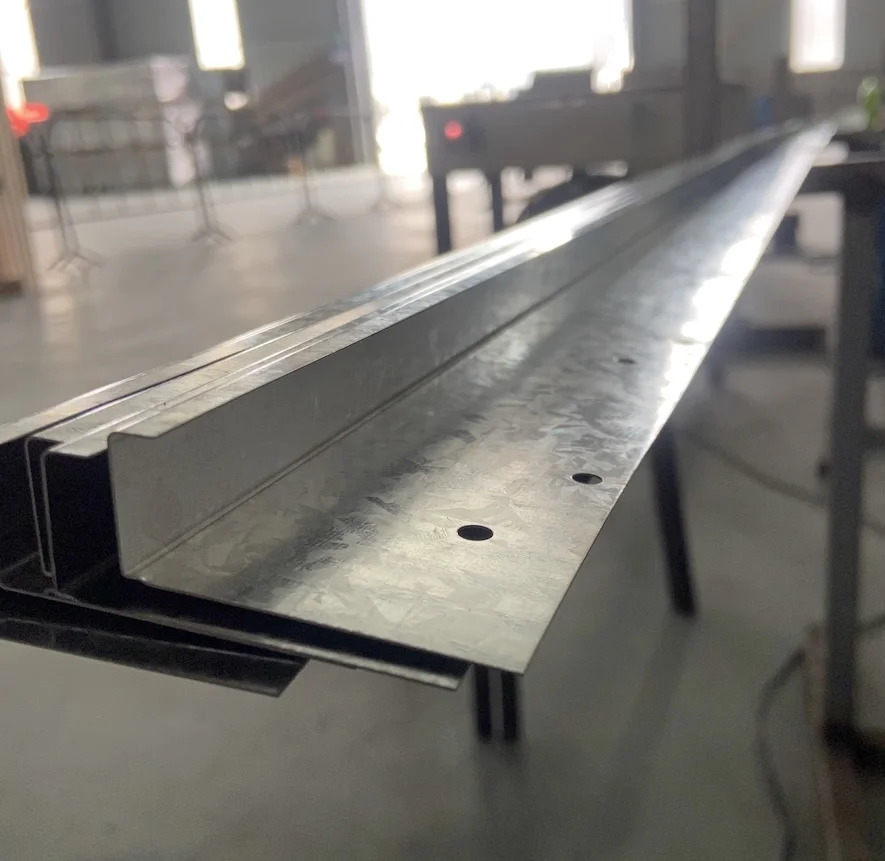
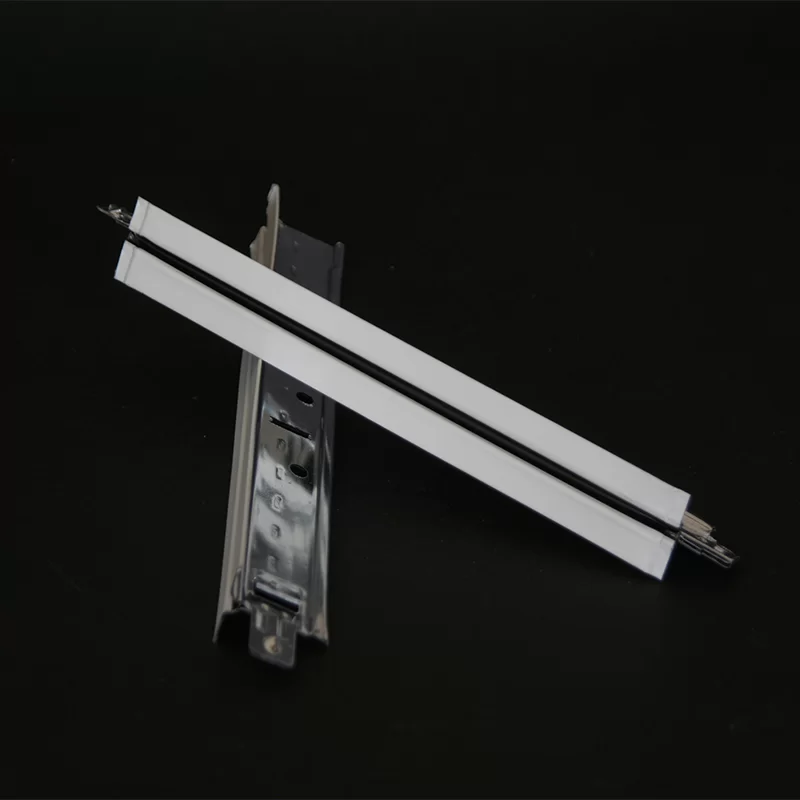
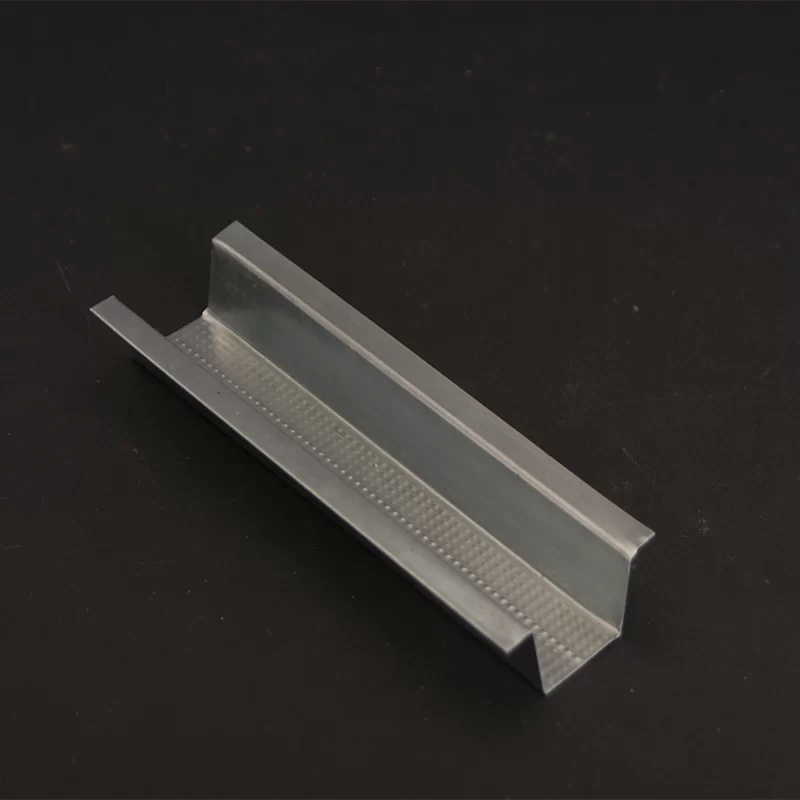
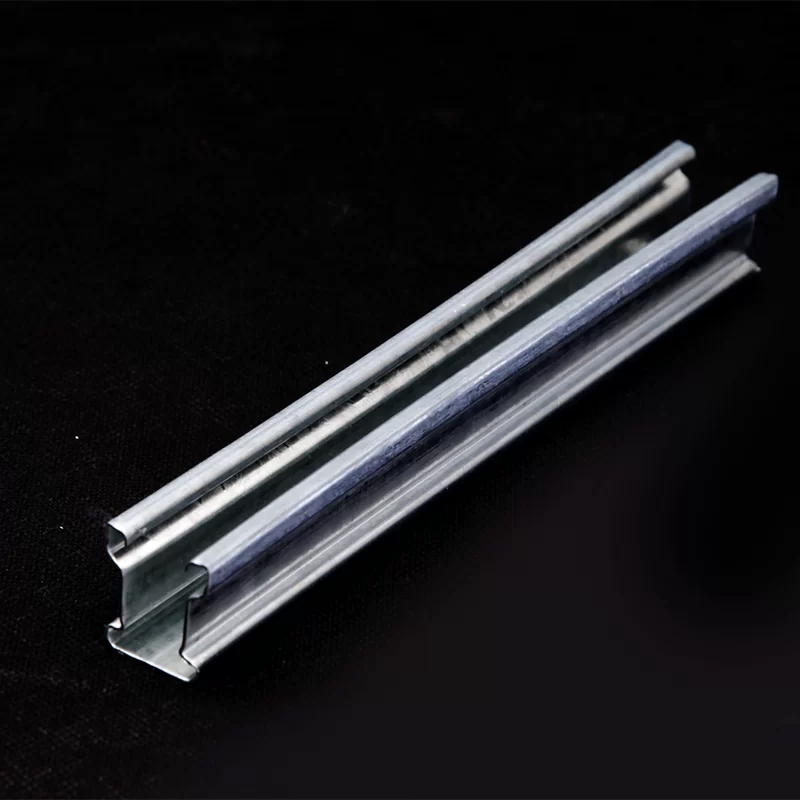
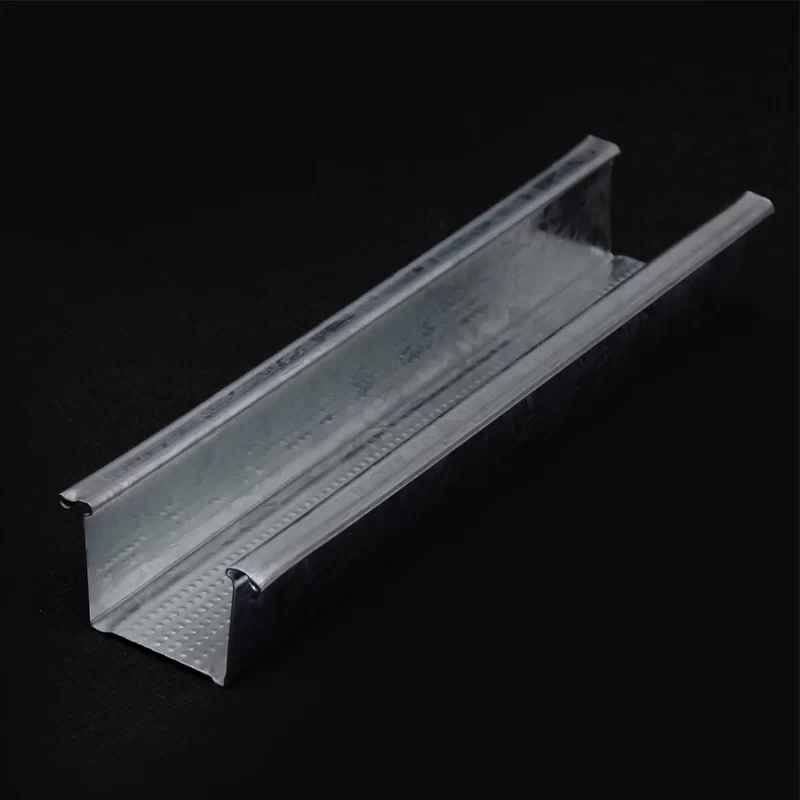
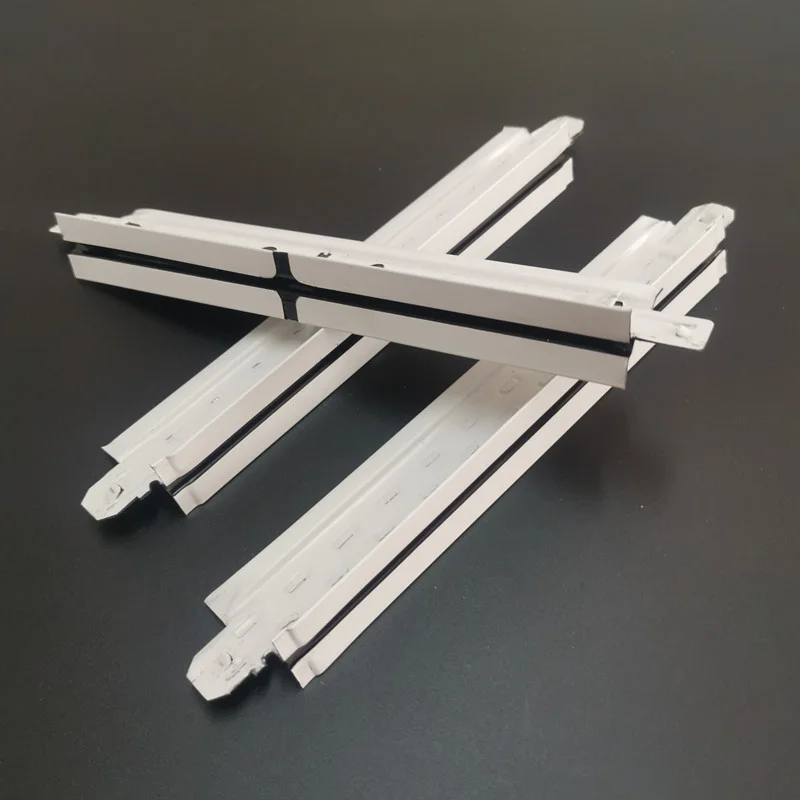
So, what exactly is a galvanized steel furring channel? In plain words, it’s a thin, C-shaped channel made from carbon steel sheet coated in zinc (that’s the “galvanized” part) designed to create a stable framework for attaching drywall or ceilings. This framework provides an even surface, improves fire resistance, and creates a space for insulation or wiring behind walls.
The beauty of these channels is their simplicity married to strength. Whether it’s a refugee shelter needing quick, durable walls or an industrial plant requiring fire-safe interiors, galvanized steel furring channels are key components.
Core Components and Key Factors
1. Durability and Corrosion Resistance
The galvanized coating repels moisture and chemicals, drastically reducing rust formation. This makes the channel last significantly longer—sometimes doubling the lifespan of non-galvanized steel.
2. Lightweight and Ease of Installation
Compared to wood or heavier steel, these channels are lightweight, easing transport and reducing labor costs. They are easy to cut, drill, and fasten, which contractors love.
3. Cost Efficiency
While the initial price may be slightly higher than untreated steel, long-term savings due to durability and lower maintenance justify the investment.
4. Flexibility and Scalability
They are available in multiple lengths and thicknesses, fitting various construction needs from small scale renovations to large commercial buildings.
5. Fire Resistance
Steel is non-combustible, providing enhanced safety, especially in public buildings and industrial facilities.
Technical Specifications at a Glance
| Specification |
Typical Value |
Unit |
| Material Thickness |
0.6 - 1.5 |
mm |
| Length |
3, 4, 6 |
meters |
| Galvanized Coating Thickness |
40 - 60 |
microns |
| Yield Strength |
350 - 420 |
MPa |
Mini takeaway: Galvanized steel furring channels blend durability with versatility and cost-effectiveness — core reasons why they’re indispensable to modern construction worldwide.
Global Applications and Use Cases
Interestingly, these channels are everywhere from North America’s skyscrapers to sub-Saharan Africa’s humanitarian housing. For instance, in remote industrial zones of Southeast Asia, companies rely on galvanized steel furring channels to frame wall systems that withstand tropical monsoon seasons. Meanwhile, agencies like the Red Cross use them in rapid deploy shelters following disasters to ensure quick, stable, and moisture-resistant structures.
In cold climates like Scandinavia and Canada, they provide vital structural support in commercial interiors where heavy insulation is required but weight reduction is also a priority. One engineer I spoke with noted, “It’s the backbone of many retrofit projects where old walls are reinforced with new cladding.”
Vendor Comparison: Top Galvanized Steel Furring Channel Suppliers
| Vendor |
Coating Thickness (microns) |
Price per Meter (USD) |
Delivery Time |
Region Coverage |
| SteelWorks Co. |
45 |
2.10 |
1-2 weeks |
North America, Europe |
| GalvaPro |
60 |
2.50 |
3-4 weeks |
Asia, Australia |
| Jinkaibm Steel |
55 |
2.00 |
2 weeks |
Global |
Advantages and Long-Term Value
Sure, cost is a big driver, but the value goes deeper. Galvanized steel furring channels contribute to safer buildings by resisting fire and moisture. They allow for better insulation installation, improving energy efficiency. This aligns with global sustainability goals—ISO standards increasingly enforce energy-saving building designs.
From a social impact view, these materials uphold building dignity in vulnerable communities. When you install a rust-proof framework, structures last longer, reducing re-construction cycles and improving residents' quality of life. It's that trust and reliability that engineers and architects love. And hell, it just feels better knowing your walls won’t unexpectedly crumble due to rust after a few years.
Future Trends & Innovations
What’s next for galvanized steel furring channels? Green innovation is accelerating. Some manufacturers are developing ultrathin coatings using environmentally benign zinc alternatives, lowering carbon footprints. Likewise, integration with IoT sensors—embedded within wall systems—allows real-time monitoring of structural integrity (oddly enough, somewhat futuristic, yet practical).
Automation is also streamlining the production and installation process, cutting waste and improving precision. Digital design tools make it easier for builders to specify and order the exact channels they need, reducing overstocks or shortages on site. You can see how these technologies weave together to build smarter, safer, and sustainable buildings.
Challenges & Solutions
Yes, not everything is perfect. Cargo delays and inconsistent coating quality sometimes plague supply chains, especially in emerging markets. Also, improper installation can negate the benefits, causing premature corrosion despite galvanizing.
Experts recommend rigorous supplier audits, combined with on-site training for installation crews. Investing a bit more upfront in quality assurance—both for materials and workmanship—pays off big time long-term.
FAQ: Practical Questions About Galvanized Steel Furring Channels
- Q: How do galvanized steel furring channels compare with wooden furring strips?
A: The galvanized steel channels are more durable, fire-resistant and moisture-proof than wood. They require less maintenance and last longer, especially in humid or fire-sensitive applications.
- Q: Can galvanized steel furring channels be recycled?
A: Absolutely. Steel is among the most recycled materials globally. The galvanizing process doesn’t hinder recycling; recycled channels reduce environmental impact and raw material use.
- Q: How do I choose the right thickness for my project?
A: That depends on the spans involved and load requirements. For standard interiors, 0.6-0.8 mm is common; heavy industrial usage may require thicker profiles. Consulting structural engineers or product experts is wise.
- Q: Is the galvanized coating safe for indoor air quality?
A: Yes, the zinc coating is stable and doesn’t release harmful VOCs or particles under normal building conditions, making it safe for interior applications.
- Q: Where can I buy high-quality galvanized steel furring channels internationally?
A: Vendors like Jinkaibm offer global shipping with quality guarantees. It’s best to verify certifications and request samples before large orders.
Conclusion: Why Galvanized Steel Furring Channel is a Wise Long-Term Choice
Overall, galvanized steel furring channels represent a smart investment into the future of construction. They blend strength, safety, and sustainability in a way few other materials can. Whether you’re constructing modern offices or emergency shelters, they help ensure your walls stand firm through time, weather, and use.
To learn more or get a quote, visit https://www.jinkaibm.com and explore their comprehensive range of galvanized steel solutions.
It’s odd how such a small piece can make a huge difference — in build quality, in lives, in time.
Mini takeaway: Durable, adaptable, and sustainable, galvanized steel furring channels quietly revolutionize modern building practices worldwide.
References:
- UN Habitat – Housing and Urban Development
- World Bank – Global Construction Market Forecast
- International Organization for Standardization – Building Materials