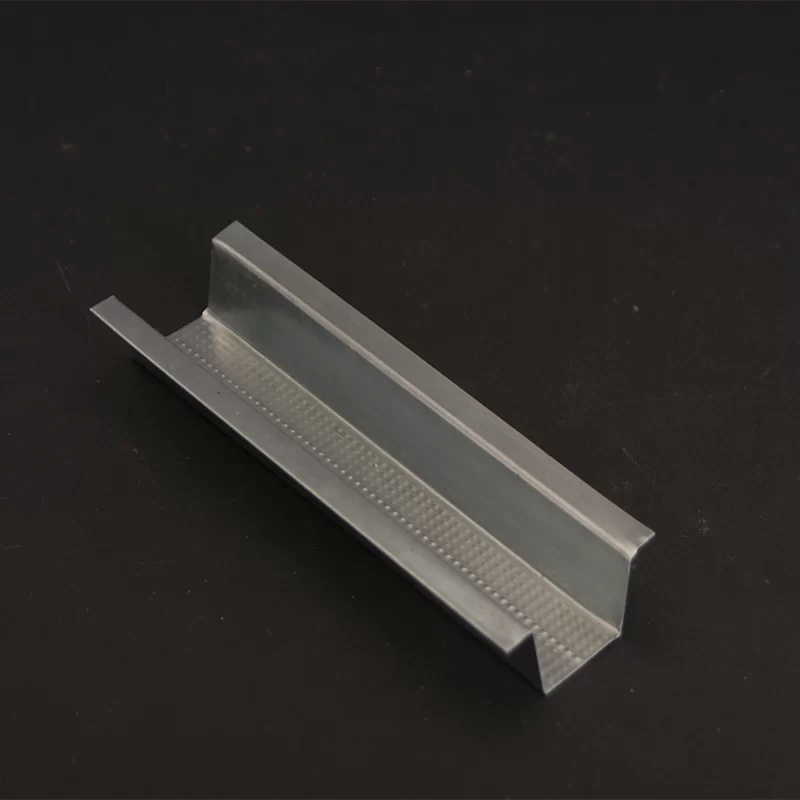
Advanced Prefabricated Light Gauge Steel Building Solutions for Mauritius

Advanced Prefabricated Light Gauge Steel Building Solutions for Mauritius

Precision-engineered structural systems designed to withstand coastal corrosion and optimize rapid construction across the Mauritian archipelago.

Advanced Prefabricated Light Gauge Steel Building Solutions for Mauritius

Implementing high-strength, corrosion-resistant steel framing systems that redefine building efficiency in the Indian Ocean region.

Construction Landscape in Mauritius

Analyzing the intersection of tropical maritime climates and modern building materials.

Mauritius faces unique construction challenges due to its high humidity and saline air, which accelerate the oxidation of traditional materials. The shift toward structural light gauge metal framing has become essential for developers seeking to minimize long-term maintenance costs while ensuring structural integrity against cyclonic winds.

The local market is currently transitioning from heavy reinforced concrete toward more flexible systems. The adoption of precise metal framing gauges allows engineers to optimize material usage, reducing the carbon footprint of imported steel and accelerating project timelines in tourist-heavy coastal zones.

Economic pressures and the demand for sustainable tourism infrastructure are driving a surge in prefabricated methods. By utilizing a standardized steel stud gauge, local contractors can now achieve millimetric precision, ensuring that interior partitions and external envelopes are perfectly aligned even in challenging terrains.
Evolution of Steel Framing Technology

From traditional masonry to high-precision prefabricated steel systems.

Market Development History

Prior to 2010, the Mauritian building sector relied heavily on conventional wet trades. The introduction of basic cold-formed steel provided initial relief for non-structural partitions, but lacked the capacity for primary load-bearing roles in multi-story developments.

Between 2012 and 2018, the industry saw a pivotal shift with the integration of CAD/CAM software. This era marked the rise of the lightweight steel frame building, moving away from on-site cutting toward factory-controlled fabrication that ensured consistent quality.

From 2019 to the present, the focus has shifted toward "Green Building" certifications. The current iteration of steel framing integrates advanced galvanization and thermal breaks to combat the tropical heat, making prefabricated systems the first choice for eco-resorts.

Future Development Trends

AI-Driven Structural Optimization

The next 3 years will see the integration of AI to calculate the optimal metal framing gauges based on real-time wind load data from the Indian Ocean, reducing waste by up to 15%.

Modular Hybrid Integration

We anticipate a trend toward combining LGS with sustainable local materials, creating hybrid walls that offer both the strength of steel and the thermal mass of volcanic stone.

Zero-Waste Prefabrication

Driven by Google search trends for "sustainable construction Africa," there is a clear move toward fully circular economy models where steel components are designed for future disassembly and reuse.

Industry Outlook & Future Trajectory

Strategic forecasting for the non-metallic and metal decorative materials sector.

Climate-Resilient Engineering
Development of ultra-high corrosion resistance coatings specifically for Mauritius' coastal salt-spray environment.
Rapid Deployment Kits
Pre-engineered kits that reduce on-site labor by 60%, addressing the skilled labor shortage in the local market.
Smart Gauge Calibration
Using digital twins to specify the exact steel stud gauge for energy-efficient wall assemblies.
Eco-Steel Certification
Standardizing recycled steel content in all prefabricated components to meet international green building codes.

Industry Outlook

The convergence of tourism expansion and environmental regulation in Mauritius will catalyze the adoption of high-performance steel systems. We expect a 25% increase in the demand for prefabricated modular units over the next five years, as developers prioritize speed-to-market.

Furthermore, the integration of digital manufacturing will allow for hyper-localized customization, where each component is optimized for the specific micro-climate of the region, from the wind-swept coasts to the humid central plateaus.

Localized Applications in Mauritius

Real-world implementation of light gauge steel across diverse Mauritian sectors.

01. Luxury Coastal Eco-Resorts

Utilizing prefabricated light gauge steel building systems to create low-impact villas that blend into the natural landscape while offering maximum resistance to salt-air corrosion.

02. Rapid Urban Housing Expansion

Implementing standardized structural light gauge metal framing to quickly deploy affordable, high-quality residential units in expanding urban centers near Port Louis.

03. High-Efficiency Commercial Hubs

Using precision-calculated metal framing gauges for internal mezzanine floors and office partitions in new corporate parks, ensuring maximum open-space efficiency.

04. Cyclonic-Resistant Community Centers

Designing critical public infrastructure with reinforced lightweight steel frame building frameworks capable of withstanding Category 4 cyclone wind loads.

05. Sustainable Agri-Tech Warehouses

Deploying large-span prefabricated steel structures with optimized steel stud gauge for climate-controlled hydroponic facilities in the central highlands.

Brand Story

Global Development Journey of Wen'an Jinkai Building Materials Co., Ltd.

Foundation of Precision

Established with a mission to solve the inconsistency of manual steel fabrication, focusing on the core mechanics of cold-formed steel precision.

Technological Breakthrough

Invested in advanced rolling mill technology to provide diverse gauge options, solving the pain point of structural inefficiency in lightweight builds.

Global Quality Certification

Achieved international standards in galvanization and structural load testing, opening doors to complex projects in high-corrosion coastal regions.

Strategic Market Expansion

Extended operations to Africa and the Indian Ocean, tailoring structural solutions to meet the specific seismic and climatic needs of Mauritius.

Future of Green Building

Leading the transition toward carbon-neutral steel production and fully recyclable modular framing systems for a sustainable future.

Comprehensive Steel Solutions for Mauritius

A full portfolio of high-performance metal framing and prefabricated components.

Mauritius Project FAQ

Expert answers to common technical queries regarding LGS construction in the region.

How does a lightweight steel frame building resist coastal corrosion in Mauritius?

Our systems utilize high-grade ZAM or hot-dipped galvanized coatings that create a sacrificial protective layer, specifically designed to withstand the high salinity and humidity of the Mauritian coast.

Which metal framing gauges are recommended for multi-story residential units?

Depending on the load requirements, we typically recommend gauges between 0.75mm and 1.2mm for structural load-bearing walls to ensure stability and compliance with local building codes.

Can a prefabricated light gauge steel building withstand tropical cyclones?

Yes, when engineered with the correct structural connections and bracing, LGS buildings offer superior strength-to-weight ratios and flexibility, allowing them to absorb wind energy more effectively than rigid masonry.

What is the ideal steel stud gauge for interior partitions in luxury hotels?

For non-load bearing luxury partitions requiring high acoustic insulation, a 0.55mm to 0.8mm gauge is usually optimal, providing a rigid frame for sound-dampening materials.

How does structural light gauge metal framing reduce construction time?

Because components are pre-cut and pre-punched in the factory, on-site assembly becomes a "bolt-together" process, eliminating curing times associated with concrete and reducing labor hours by up to 50%.

Is LGS compatible with traditional Mauritian building materials?

Absolutely. LGS frames are perfectly compatible with fiber cement boards, local volcanic stone cladding, and sustainable timber finishes, allowing for a hybrid aesthetic.

Ready to Transform Your Construction Project?

Contact our engineering team today for a customized structural analysis and quote for your project in Mauritius.

Contact Us Now

If you are interested in our products, you can choose to leave your information here, and we will be in touch with you shortly.