Hit enter to search or ESC to close
March 17, 2026
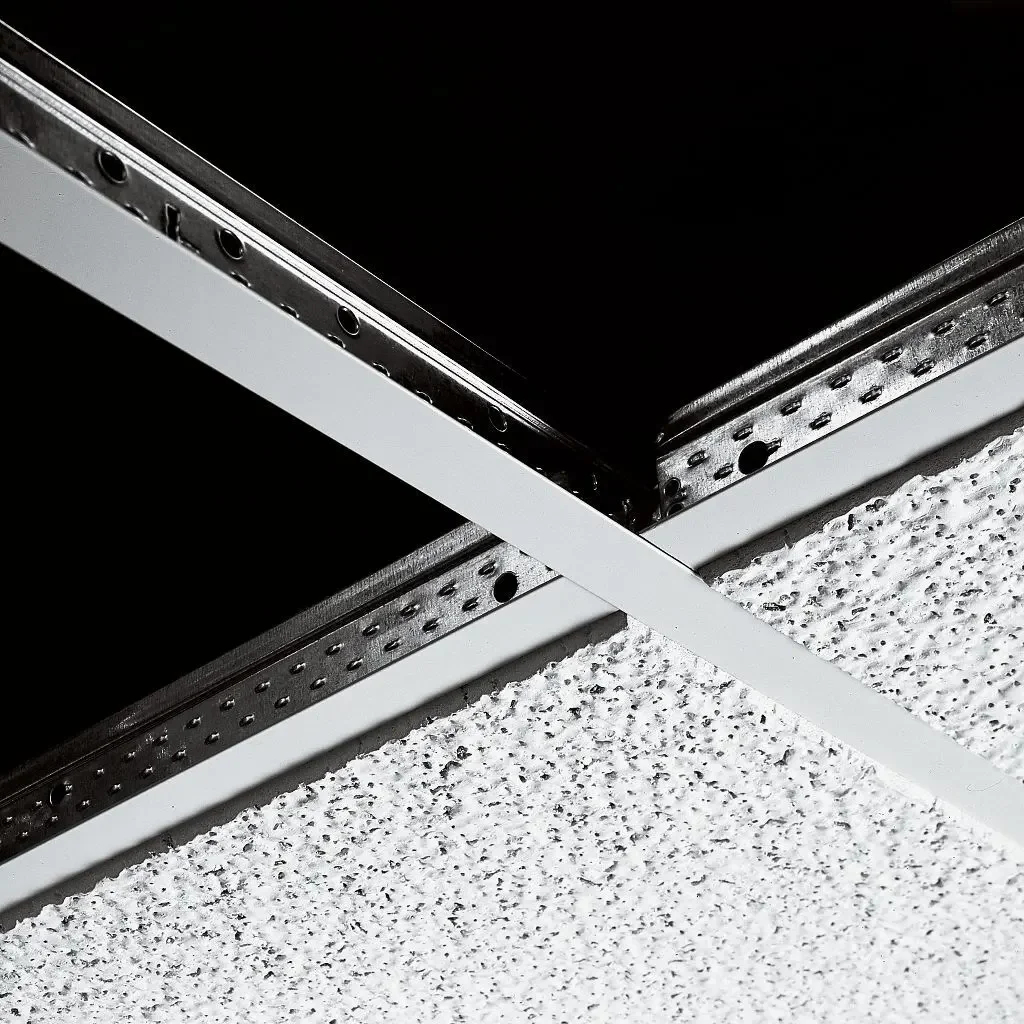
Ceiling hanging grids, also known as suspended grid ceilings or T-grid ceilings, are a popular choice for both commercial and residential spaces. They offer a versatile and accessible solution for concealing wiring, plumbing, and ductwork while providing a clean, finished look. This article will explore the benefits, types, installation considerations, and applications of ceiling hanging grids, providing valuable insights for anyone considering this ceiling system. From improving acoustics to simplifying maintenance, understanding the intricacies of these grids is crucial for a successful project.

Ceiling hanging grids offer a multitude of benefits, making them a highly sought-after solution for various applications. They provide easy access to the plenum space above the ceiling, simplifying maintenance and repairs to HVAC systems, electrical wiring, and plumbing. This is a significant advantage over traditional plaster ceilings. Furthermore, grids are relatively quick and easy to install, reducing labor costs. They also improve the aesthetics of a space by concealing unsightly infrastructure and creating a clean, uniform appearance. Lastly, acoustic tiles designed for grid ceilings can significantly reduce noise levels, improving the overall comfort of the environment.
Key Highlights: Easy access for maintenance, quick installation, improved aesthetics, and potential for acoustic control.
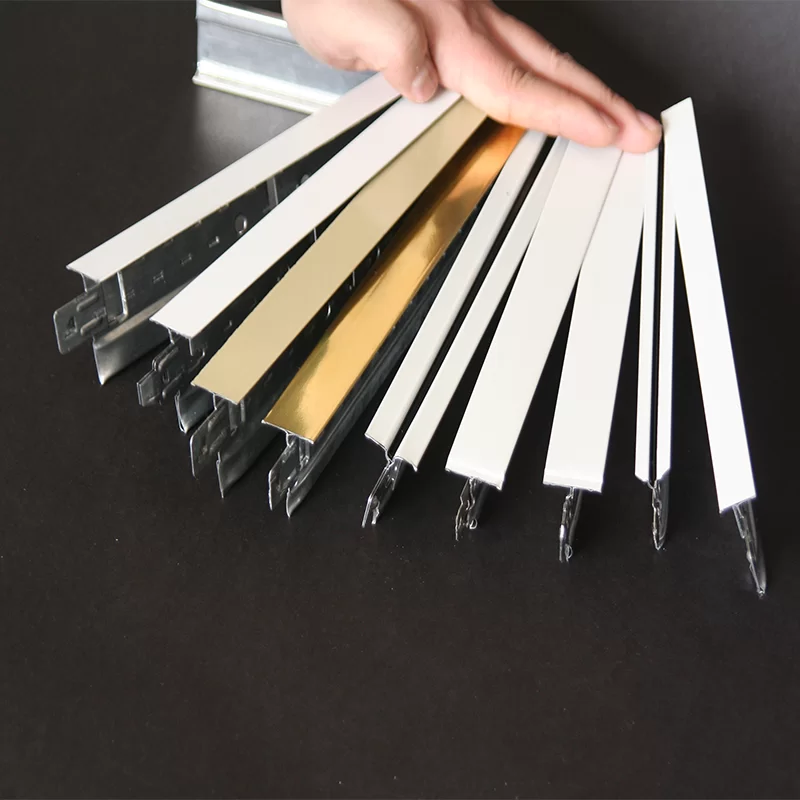
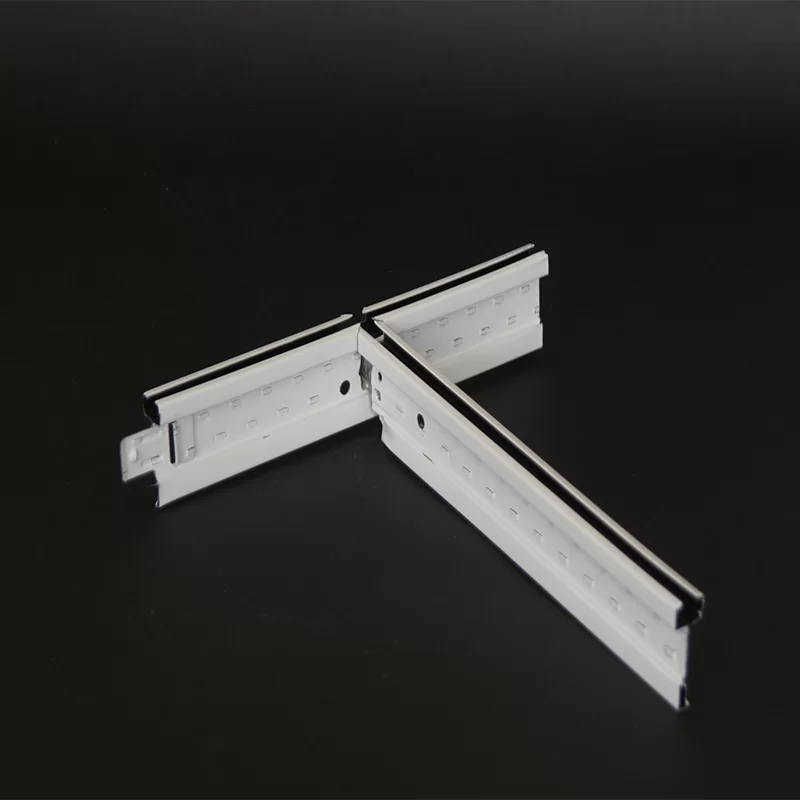
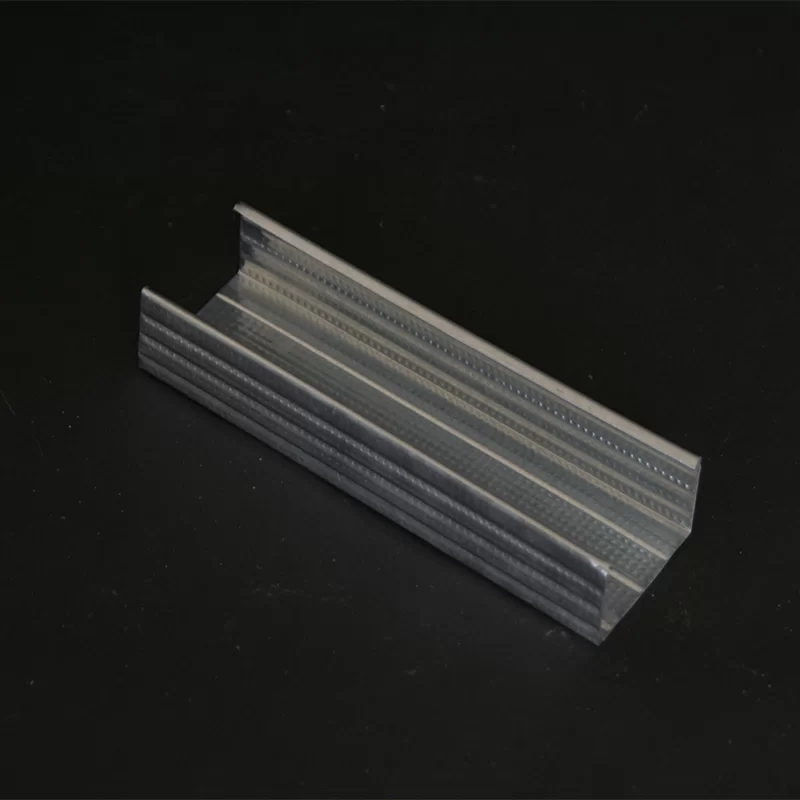
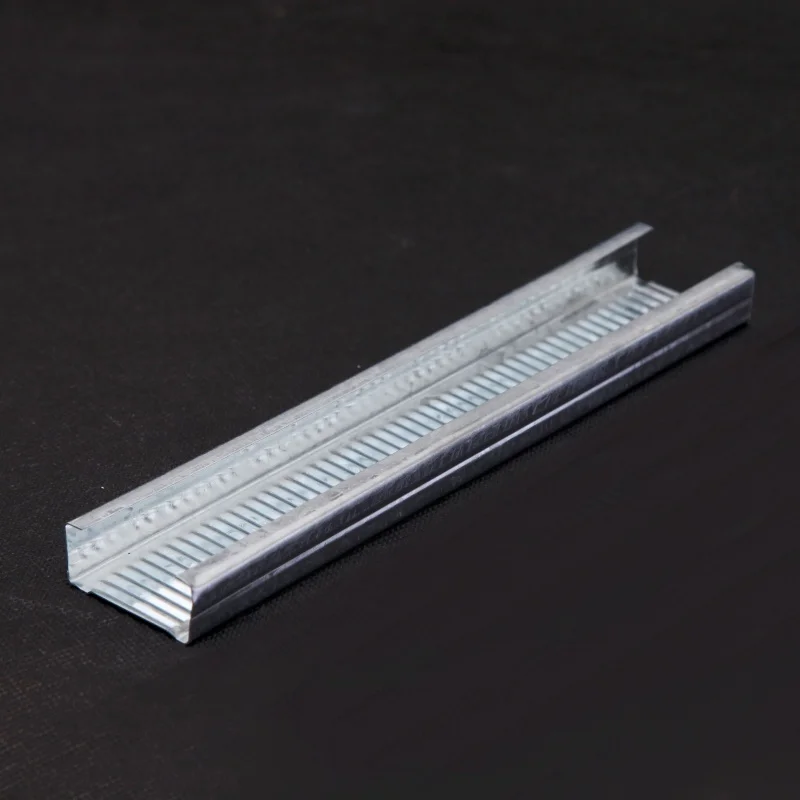
Several types of ceiling hanging grids are available, each offering different features and benefits. The most common include:
The choice of grid type depends on the desired aesthetic, budget, and functional requirements of the project. Jinka IBM offers a wide selection of these grid types to suit diverse needs.
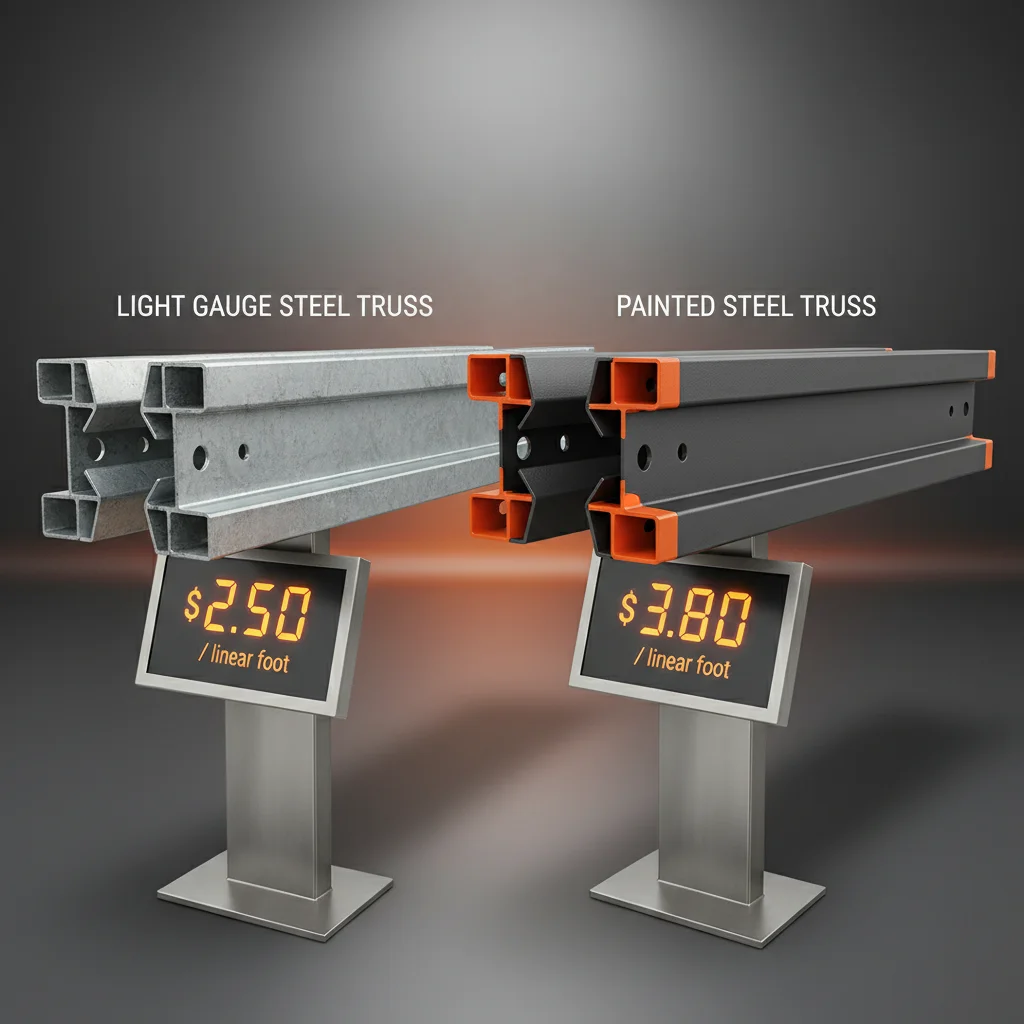
The material of the grid impacts its durability, cost, and aesthetic appeal. Here’s a comparison of common materials:
Proper installation is critical for the performance and longevity of a ceiling hanging grid system. It's essential to ensure the existing ceiling structure can support the weight of the grid and tiles. Accurate leveling is also crucial, as uneven grids can detract from the aesthetic appeal. Suspension methods, such as wire hangers or threaded rods, must be securely anchored to the building structure. When choosing a supplier, like Jinka IBM, ensure they provide detailed installation instructions and support.
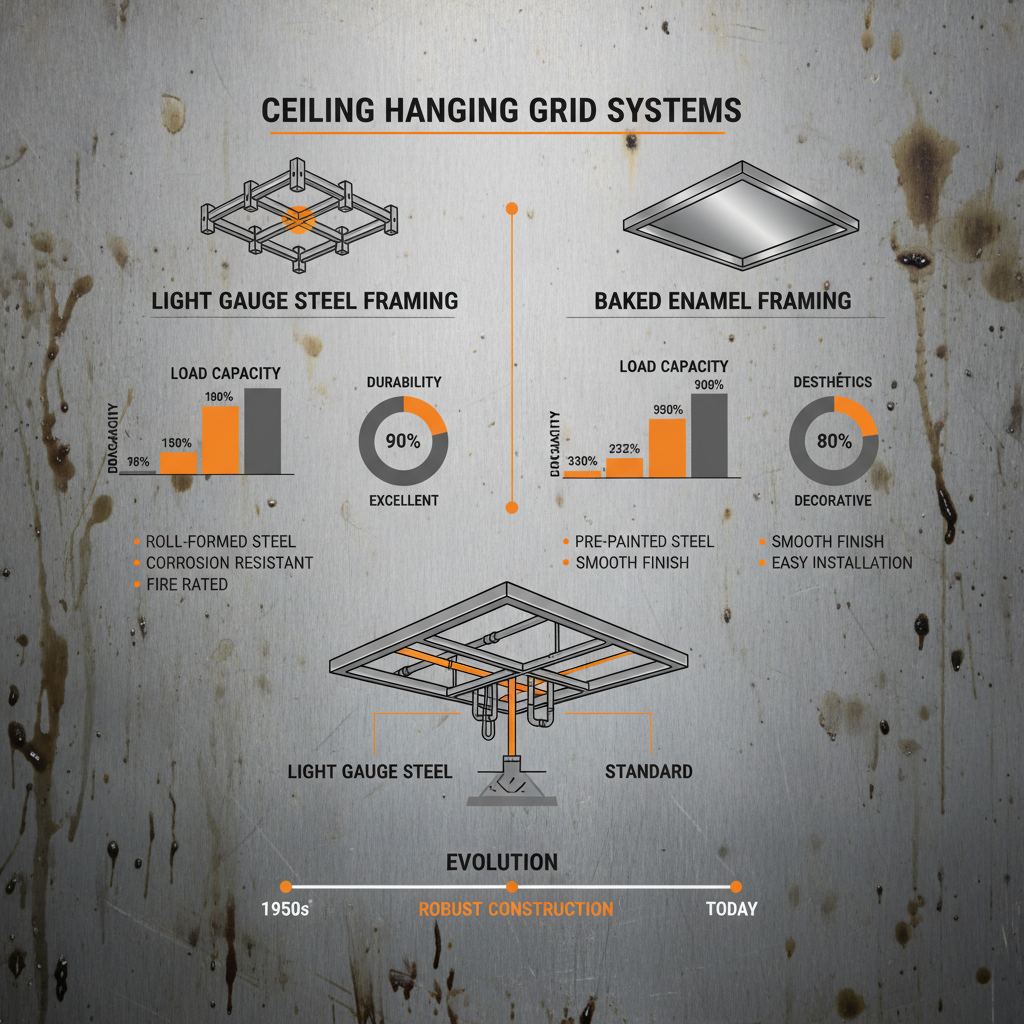
Ceiling hanging grids find applications in a wide variety of settings. They are commonly used in:
Ceiling hanging grids provide a practical and aesthetically pleasing solution for a wide range of ceiling applications. Their versatility, ease of installation, and accessibility make them a popular choice for both commercial and residential projects. Jinka IBM is dedicated to providing high-quality ceiling hanging grid systems and expert support to ensure your project's success.
The most common tile size for standard T-grid ceilings is 2ft x 2ft (600mm x 600mm) and 2ft x 4ft (600mm x 1200mm). However, other sizes are available, including metric sizes like 625mm x 625mm. It’s crucial to ensure the tiles are specifically designed for use with suspended grid ceilings and are compatible with the grid’s T-bar width. Checking the manufacturer's specifications for both the grid and the tiles is highly recommended.
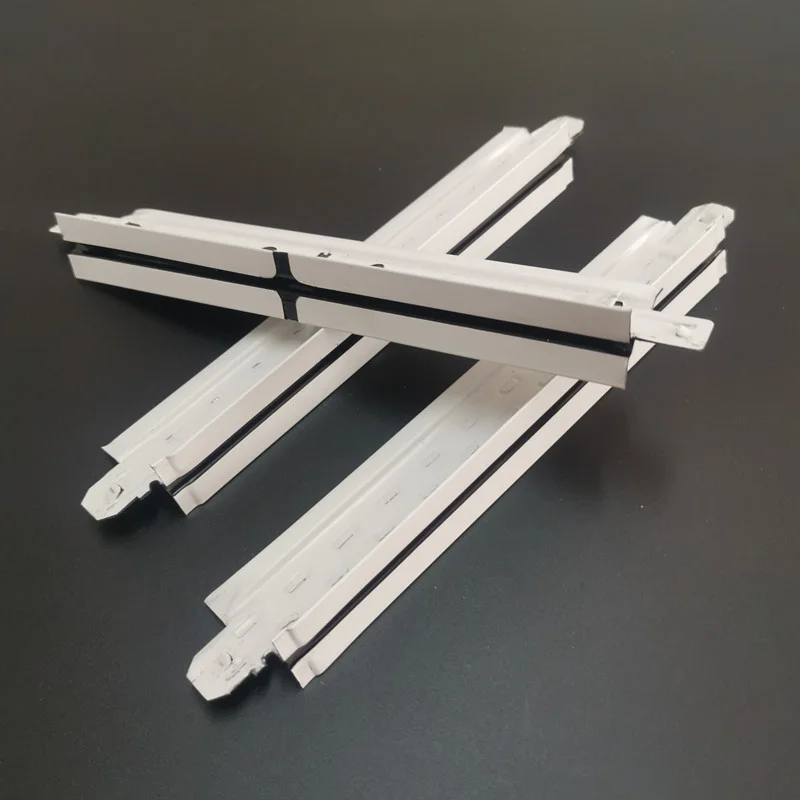
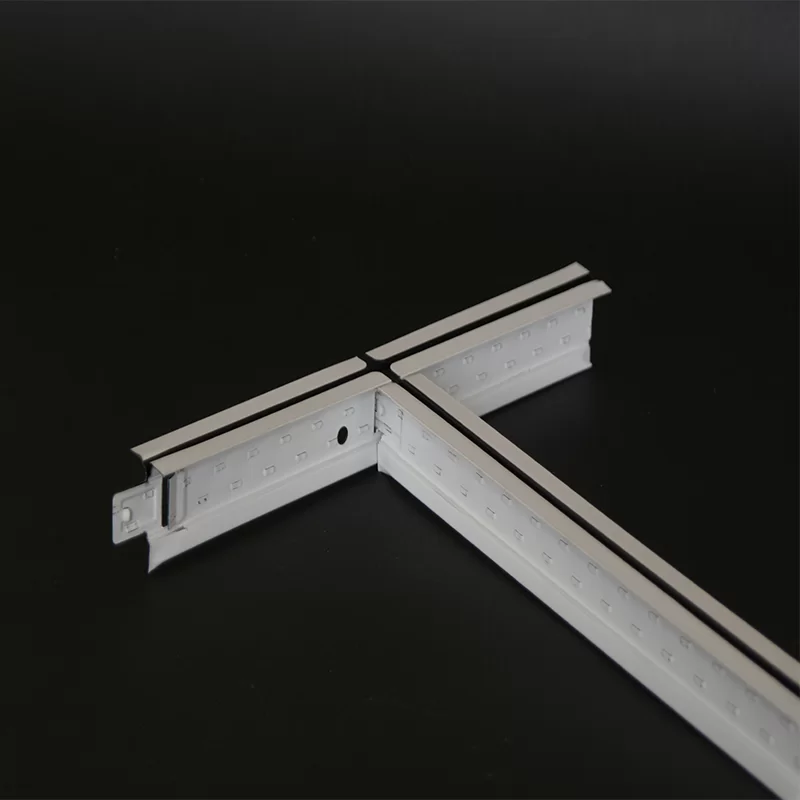
Calculating the grid component requirements depends on the size and layout of the room. First, determine the area to be covered. Then, plan the grid layout, considering the tile size and desired aesthetic. Calculate the total length of main runners (the longest T-bars) and cross tees (the shorter T-bars) needed to create the grid pattern. Don’t forget to account for perimeter channels and hangers. Most suppliers, like Jinka IBM, offer layout assistance and can provide detailed material lists based on your project specifications.
With proper installation and maintenance, a ceiling hanging grid system can last for 20-30 years or even longer. However, the lifespan can be affected by factors such as the quality of materials, environmental conditions (humidity, temperature), and the weight of the tiles used. Regular inspection for corrosion, sagging, or damage is essential. Replacing damaged components promptly can help extend the system’s overall lifespan.
Yes, you can paint a ceiling hanging grid, but preparation is key. First, thoroughly clean the grid to remove any dust, dirt, or grease. Use a metal primer specifically designed for galvanized steel or aluminum, depending on the grid material. Then, apply a high-quality paint designed for metal surfaces. It’s best to use a spray application to ensure even coverage. Be careful not to paint over any suspension components or areas that require movement.