Hit enter to search or ESC to close
October 19, 2025
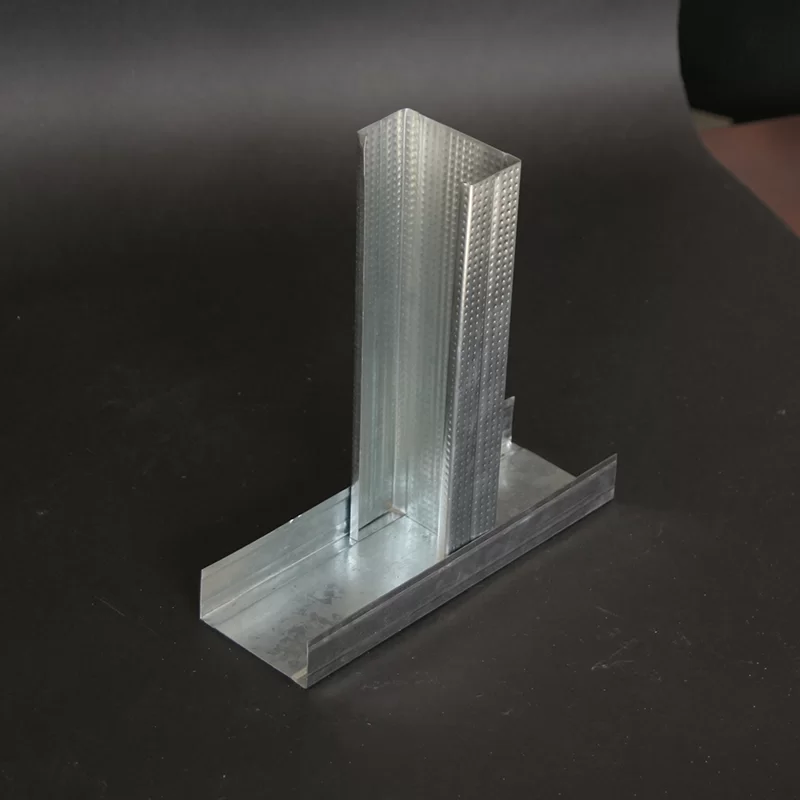
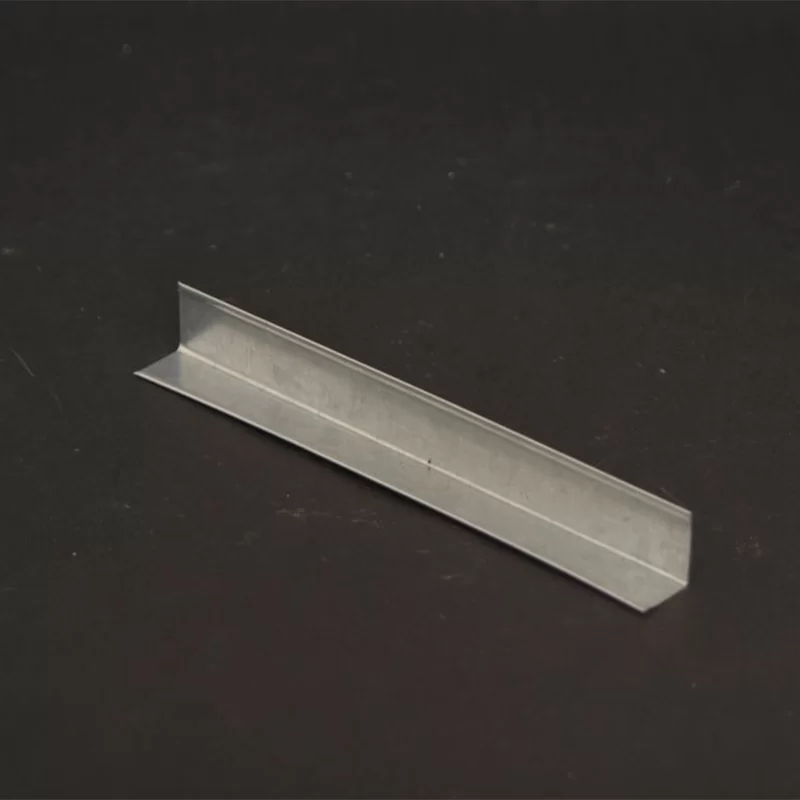
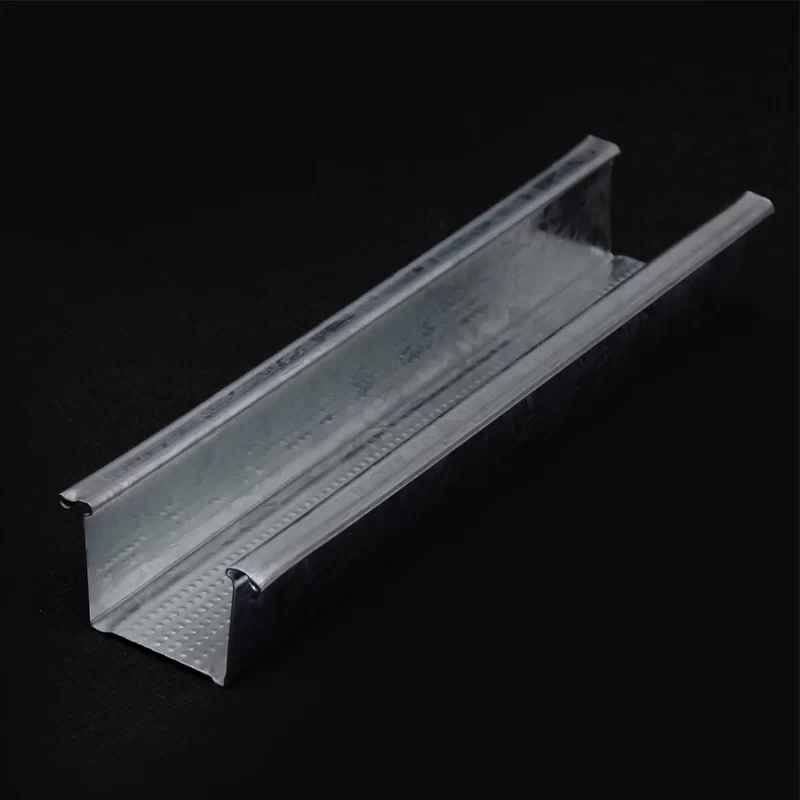
If you work in fit‑outs long enough, you realise the humble Furring channel for Australian market quietly decides whether ceilings stay flat and walls stay true. Not glamorous, but crucial. I’ve seen projects live or die on the details—span choices, coating class, even clip selection. So here’s a practical, no-nonsense look at what’s working now, what to spec, and how contractors are de-risking installs.
Three trends keep popping up on Australian jobs: lighter gauge high-strength steel (to speed install), better corrosion strategies for coastal zones, and more acoustic performance asks in apartments and education. The National Construction Code and AS/NZS standards are steering a lot of this—cold-formed design via AS/NZS 4600 [1], gypsum lining via AS/NZS 2589 [2], and corrosion thinking per AS 1397 and AS 4312 [3][4]. Honestly, it’s less about buzzwords and more about picking the right coating and span for your environment and load.
| Item | Typical Range | Notes |
|---|---|---|
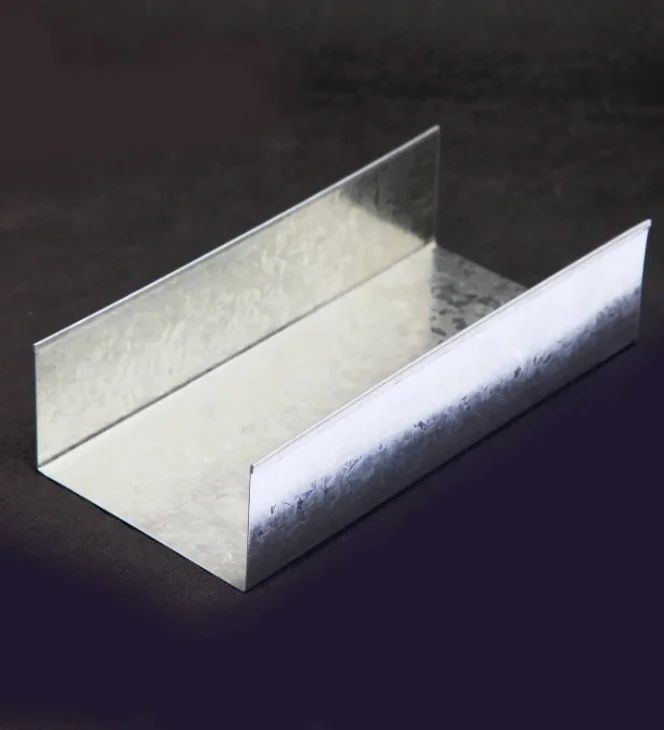
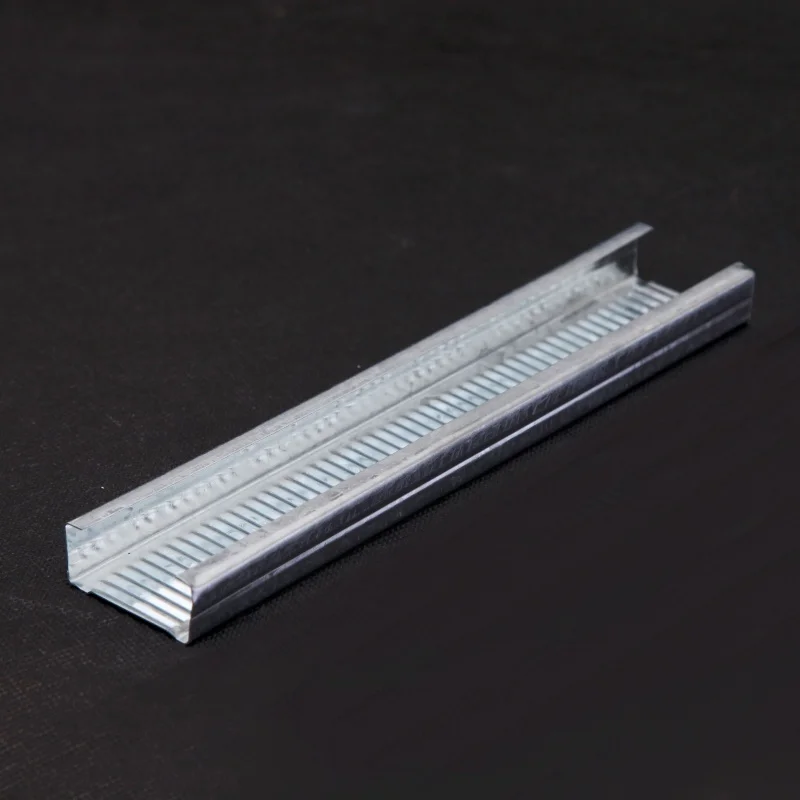
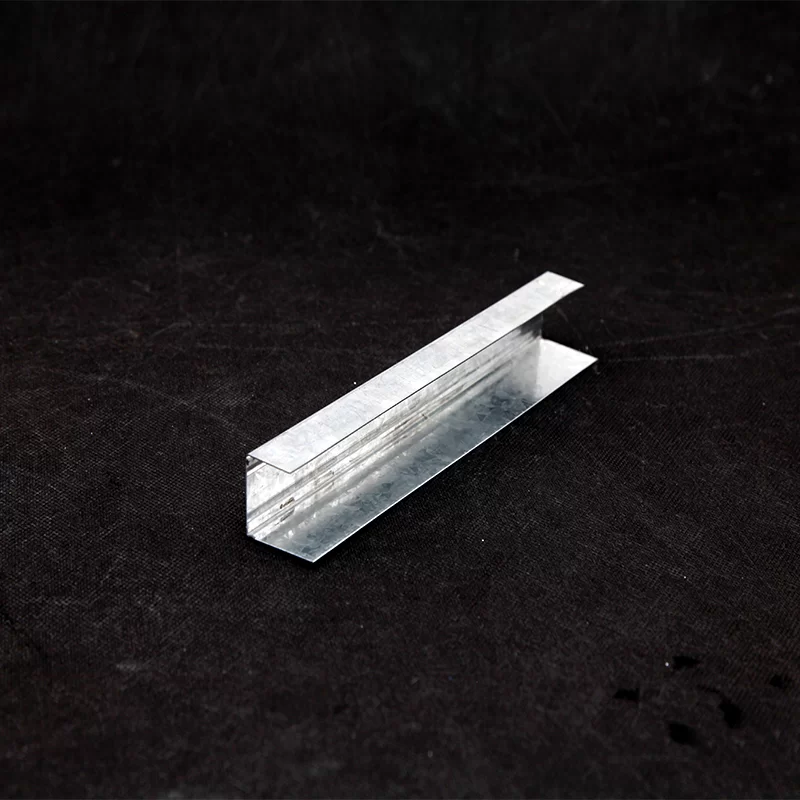
| Profile | Hat channel 16–28 mm web, 35–45 mm legs | Common AU fit-out sizes; verify with lining board |
| BMT (steel) | ≈0.50–0.75 mm | G300–G550 steel per AS 1397 [3] |
| Coating | Z200–Z275 or AZ150 | Choose by corrosivity (AS 4312) [4] |
| Lengths | 2.4–4.8 m (custom on request) | Cut-to-length reduces waste onsite |
| Span guidance | Ceilings 600–900 mm; walls 450–600 mm | Load, lining thickness, clip type affect this [1][2] |
| Fire/acoustic | AS/NZS 1530.4 assemblies; +Rw 3–8 dB potential | With isolation clips and insulation, results vary |
Origin matters: Dongdu Industrial Park, Langfang, Hebei, China. Process is straightforward but tightly controlled—coil sourcing to AS 1397 grades, slitting, roll‑forming, punching, cut-to-length, then dimensional checks and coating verification. Salt-spray checks (ISO 9227) [5] and tensile sampling are routine. In practice, service life runs 25–40 years in internal C1–C2 environments (AS 4312) with Z200+; coastal or chlorinated pool areas need upgrades or protective strategies. To be honest, most call-backs I hear about trace to the wrong coating, not the forming.
Advantages? Lightweight handling, clean lines, predictable spans, and—surprisingly—better patchability when trades nick it. Many customers say the install speed jumps when moving from timber battens to Furring channel for Australian market, especially overhead.
| Vendor | Strengths | Considerations |
|---|---|---|
| Local AU brand | Fast availability; established fire/acoustic systems | Higher price; limited custom lengths at times |
| Importer A | Aggressive pricing; decent Z275 options | Check batch-to-batch tolerances and paperwork |
| Factory-direct (JINKAI, Langfang) | Cut-to-length; documented AS 1397 coils; ISO 9227 tests | Lead time varies with shipping/logistics |
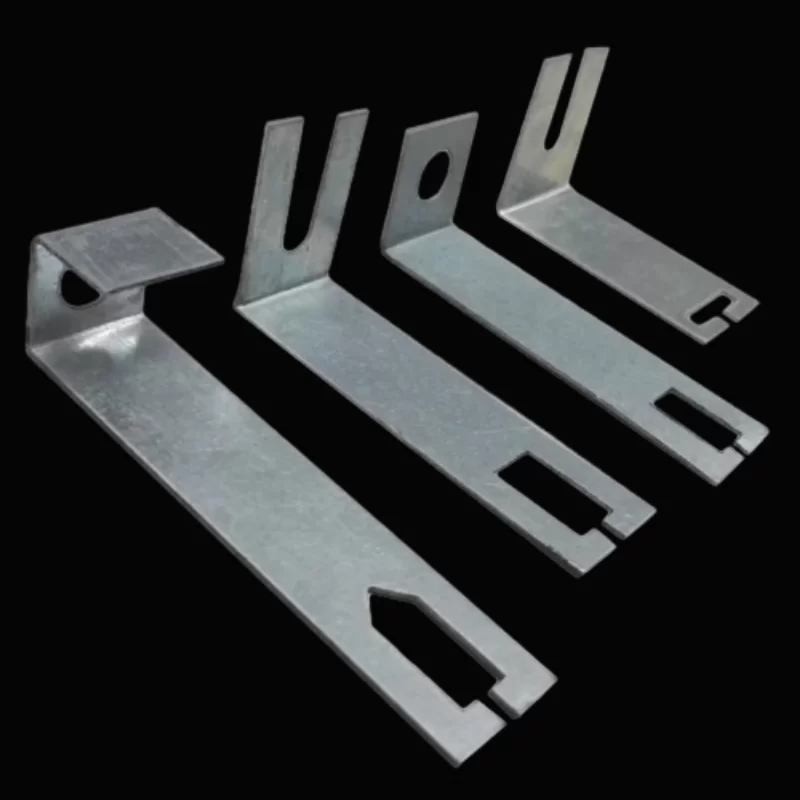
Options include BMT 0.55/0.70 mm, Z275 or AZ150 coatings, pre-punched service holes, and isolation clip compatibility. Documentation typically covers mill certs to AS 1397, design notes to AS/NZS 4600, and assembly data against AS/NZS 2589 and AS/NZS 1530.4. For projects near surf coasts (C3+), I’d push for AZ150 or additional protective measures—real-world use may vary, but it’s cheap insurance.
A NSW school retrofit swapped timber battens for Furring channel for Australian market at 600 mm ceiling centres with isolation clips and 13 mm board. Result: flatter ceiling, roughly 22% faster install (contractor’s time sheets), and an estimated +6 dB Rw uplift per the consultant’s on-site tests. No corrosion spotting at 18‑month inspection—credit to AZ150 selection and decent roof ventilation.
Tensile (G550): fy ≈ 550 MPa (AS 1397); Coating mass Z275 verified gravimetrically; Neutral salt spray: 240 h no red rust on face (ISO 9227) [5]; Deflection under 0.25 kPa ceiling load within L/360 at 600 mm centres (sample rig). Your mileage may vary with clip type and board mass.
Bottom line: choose the right gauge and coating, keep spans honest, and make sure your supplier can back claims with standards-based data. The rest—well, it’s just good site practice with Furring channel for Australian market.