Why Black Iron is Still a Top Choice for Metal Studs
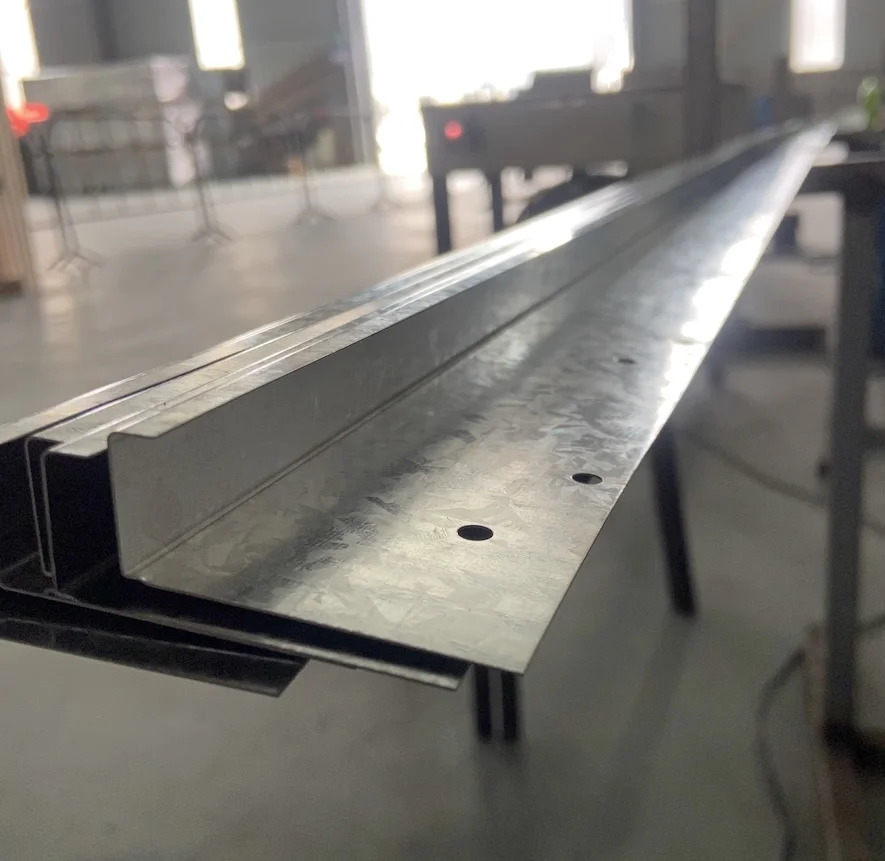
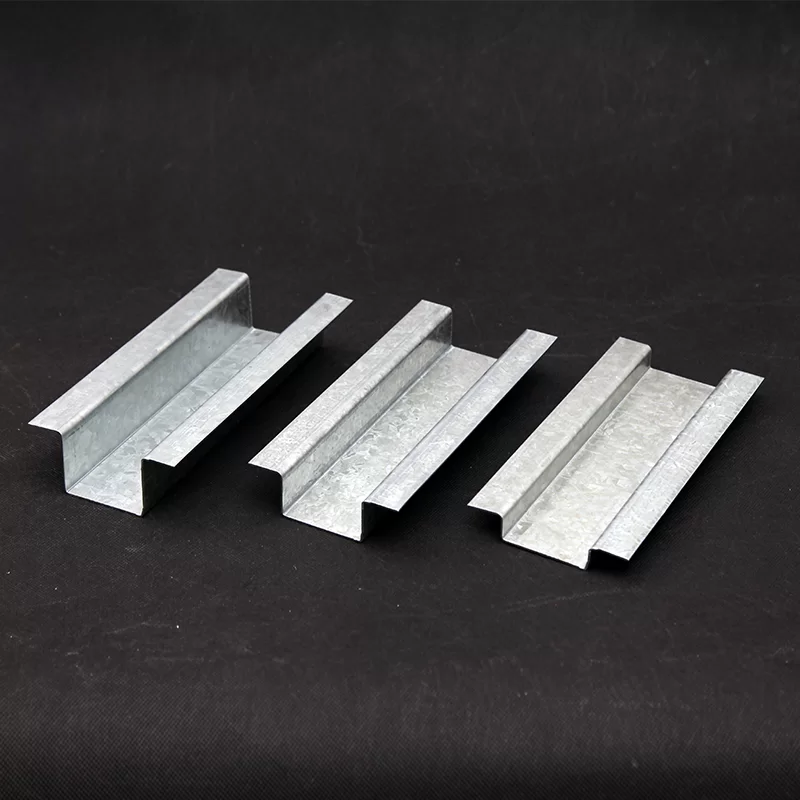
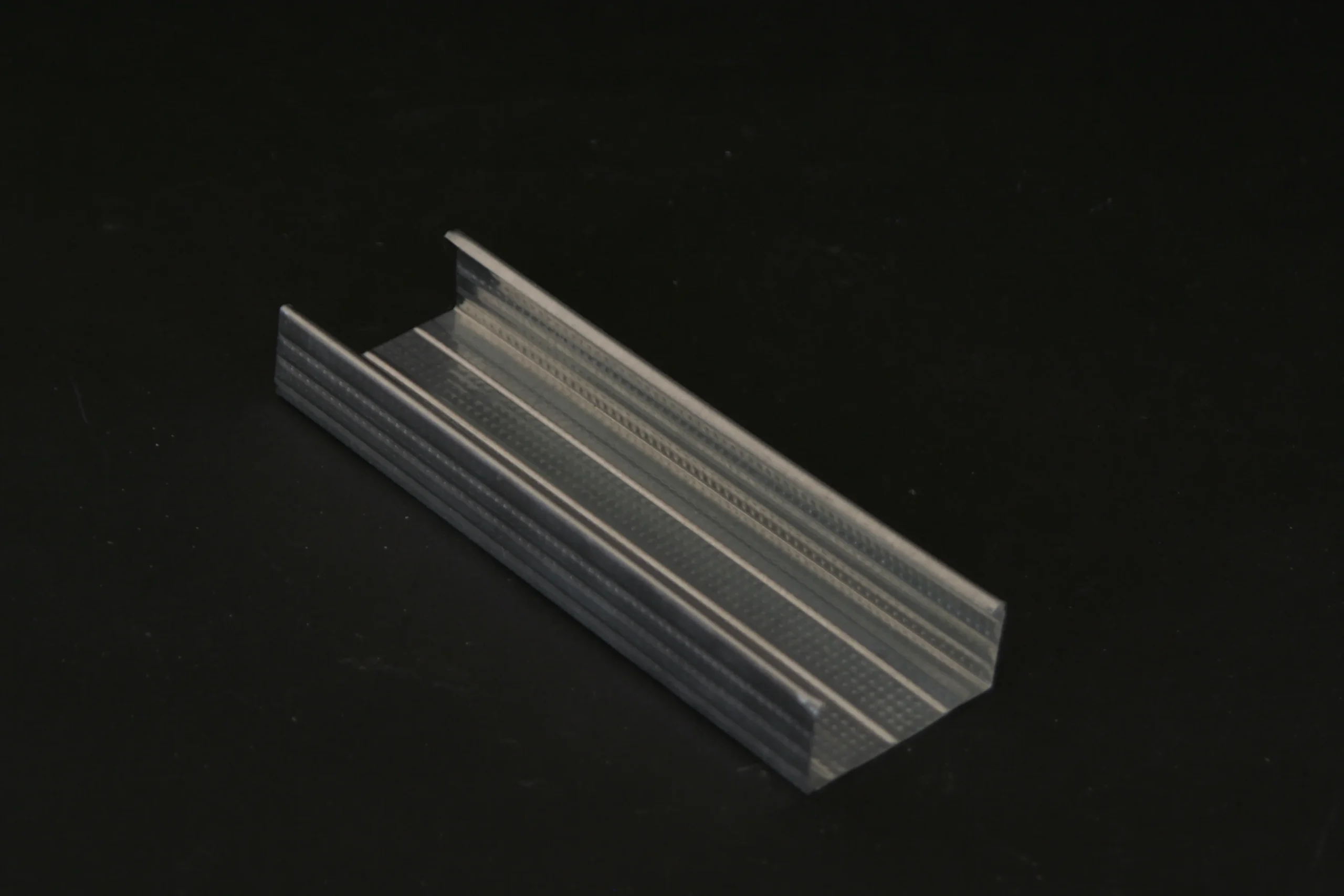
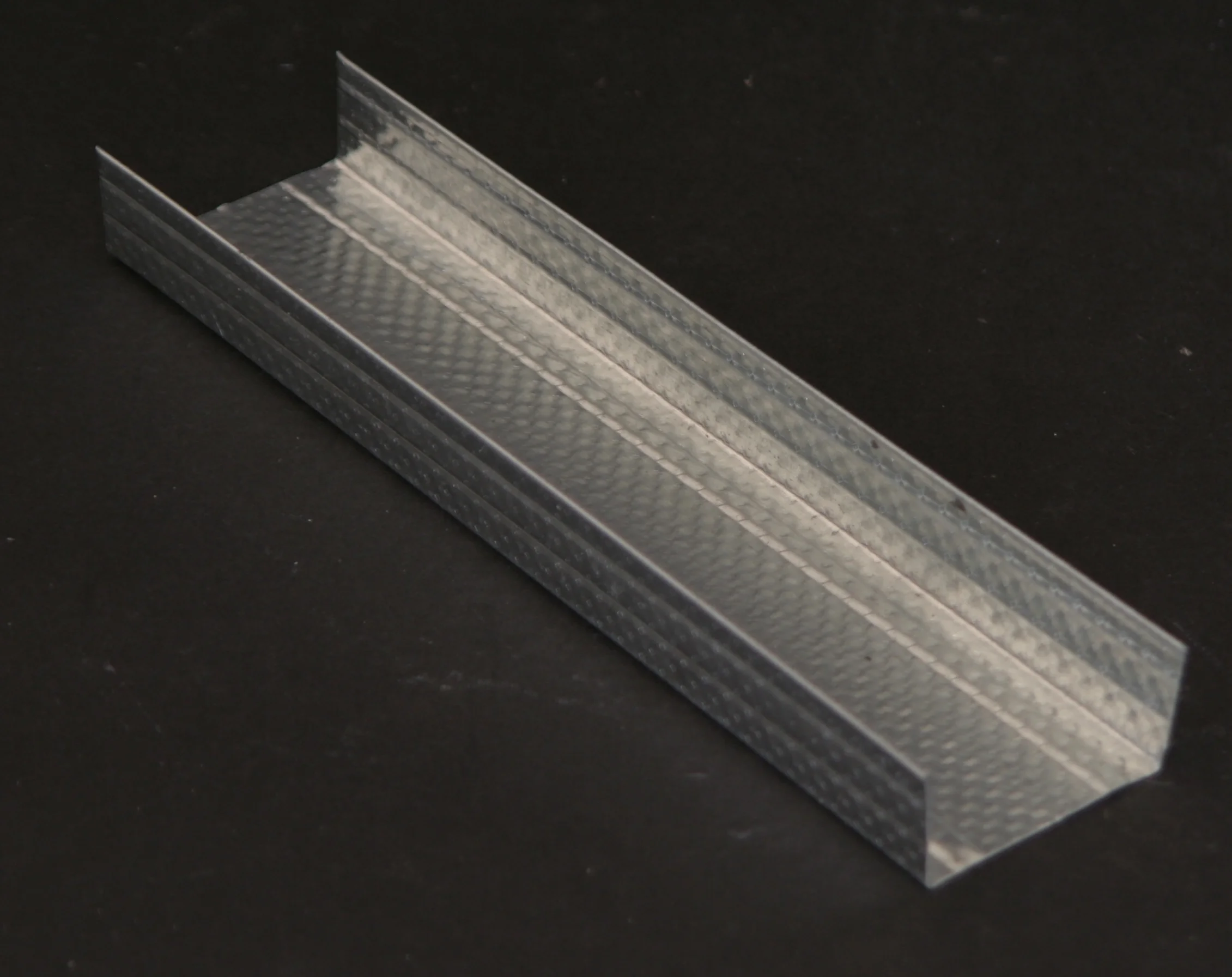
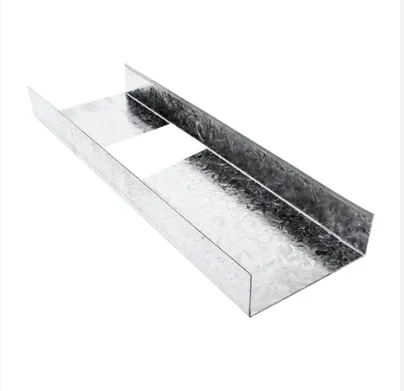
Having worked hands-on in the industrial equipment sector for more than a decade, I’ve witnessed how materials come in and out of favor, yet black iron for metal studs holds its ground. Whether you’re framing a building or reinforcing a structure, black iron offers a blend of durability, cost-effectiveness, and simplicity that just keeps it relevant.
I remember a project a few years back — a warehouse built on a tight timeline and budget. The engineers there insisted on steel framing, but not just any steel — black iron. Why? Well, it’s got this raw toughness and doesn’t require fancy coatings to perform in most indoor applications. Plus, sourcing it was straightforward.
The Practical Benefits of Black Iron for Metal Studs
One of the first things you notice about black iron is its surface — a dark, oxidized finish that tells you it’s untreated but naturally protected to a degree. Now, some folks might fret over rust, but inside a controlled environment, it’s rarely an issue. And the robustness it provides? It often outperforms galvanized alternatives in raw strength and cost savings.
Another plus: customization. Black iron can be cut, welded, and bent with relative ease compared to some alloys or coated metals. In my experience, it adapts well to onsite modifications which is a lifesaver when plans change last minute.
For those interested in specs, here’s a quick overview to get a feel for what black iron metal studs generally offer:
| Specification |
Details |
| Material Type |
Black Iron Steel (Mild Steel) |
| Thickness Range |
14 to 20 Gauge (approx. 0.0747” to 0.0359”) |
| Typical Lengths |
8 to 12 feet (cut to order available) |
| Corrosion Resistance |
Moderate (surface oxidation natural) |
| Typical Yield Strength |
Around 36,000 psi |
| Common Uses |
Interior framing, pipe sleeves, HVAC supports |
Choosing Your Supplier: How black iron Vendors Stack Up
Over the years, I’ve tried out a few suppliers, and honestly, not all black iron is created equal. Some come with tighter tolerances or more consistent gauge thickness. It’s a huge factor when you’re fabricating batches to fit together perfectly — nothing more annoying than unexpected warps or uneven widths.
| Vendor |
Gauge Options |
Cutting Services |
Lead Time |
Usability Notes |
| JinkaiBM |
14–20 Gauge |
Custom cutting, precision bends |
Usually 5–7 business days |
Consistent quality, good for bulk orders |
| SteelPro |
16–22 Gauge |
Limited cutting options |
3–5 business days |
Good for quick jobs, smaller runs |
| IronWorks Inc. |
14–18 Gauge |
Full fabrication available |
7–10 business days |
Best for complex projects, pricing varies |
By the way, sourcing black iron from vendors like JinkaiBM often means you get more than just raw steel, but also a partner who understands real-world fabrication needs. Their service helped keep a previous renovation project on track when unexpected design changes popped up — something I can’t stress enough.
Overall, black iron remains a reliable, approachable choice for most metal stud needs. Sure, galvanized steel and aluminum have their place, but the low cost and classic sturdiness of black iron just keeps many projects ticking along smoothly. Maybe it’s that old-school charm or just pragmatic engineering, but for metal studs, black iron still feels right.
One last thought: if you ever get your hands on some black iron metal studs, try a bit of real edge cutting or weld test — you’ll see what I mean about how it behaves compared to other metals. It’s honest, predictable, and usually underappreciated.
Thanks for sticking with me through this rundown. If you want a deeper dive into specs or vendors, feel free to check the links below or reach out — it’s always good to share notes with people who get it.
References & Notes
- Personal experience with industrial metal suppliers and fabricators, 2010–2023.
- Various product datasheets from JinkaiBM and industry standards.
- Discussions with engineers and fabricators on the pros and cons of black iron.