Why Curved Metal Stud Tracks Are Gaining Global Attention
At first glance, curved metal stud track might seem like just another construction component. However, understanding what it is and why it matters can open doors to smarter building solutions worldwide. Especially in an era when faster, sustainable, and more resilient architecture is crucial, these curved tracks are quietly transforming how walls and structures come alive with precision and flexibility. Let’s take a look at why engineers, architects, and humanitarian agencies are so invested in this seemingly niche product.
The Global Context: Why Curved Metal Stud Track Matters Now More Than Ever
Worldwide construction demands continue to surge. According to the United Nations, urban populations are expected to hit nearly 70% by 2050, pushing the need for adaptable building systems (1). Traditional framing methods often fall short in accommodating complex architectural designs or emergency housing needs that demand flexibility without sacrificing strength.
Curved metal stud track addresses this challenge as a key player in modern framing — allowing designers to realize curves, arches, or custom contours that would otherwise be costly or labor-intensive. Plus, with increasing calls for disaster-resilient housing and modular construction, these tracks offer solutions that balance speed, durability, and sustainability in ways conventional materials can’t easily match.
In a nutshell, where irregular shapes meet the demand for speed and quality, curved metal stud track steps in.
What Exactly Is a Curved Metal Stud Track?
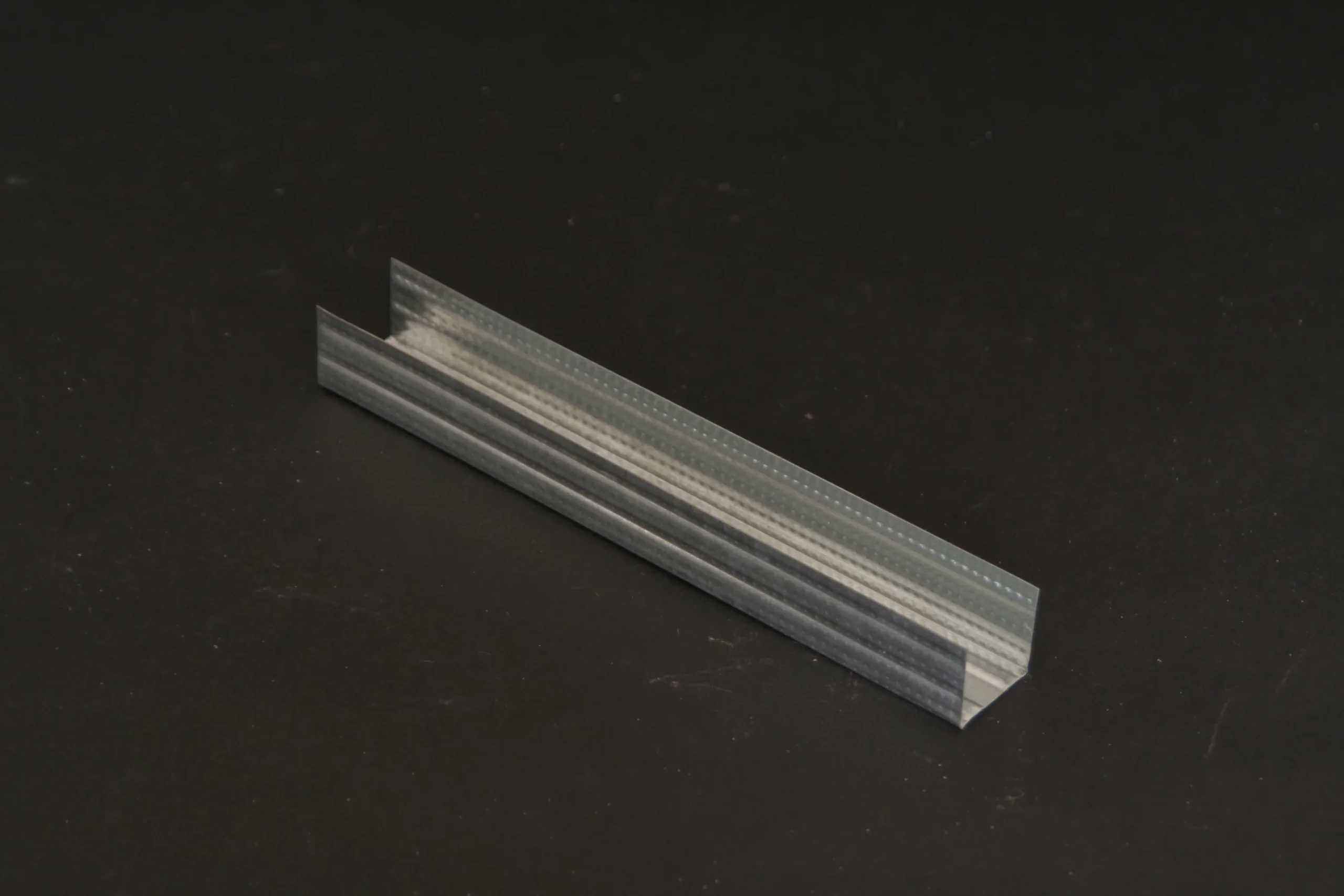
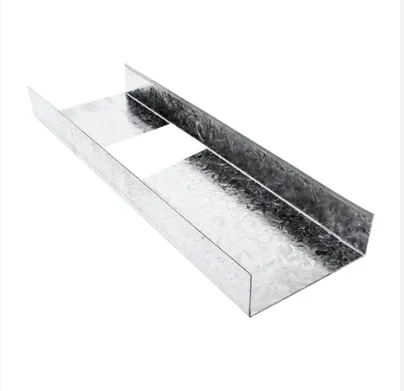
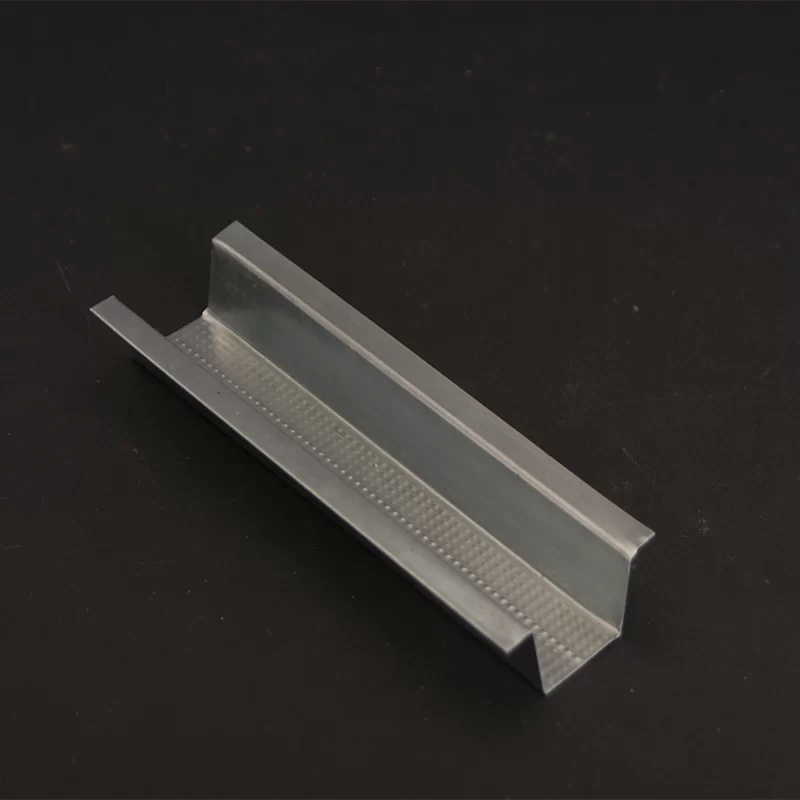
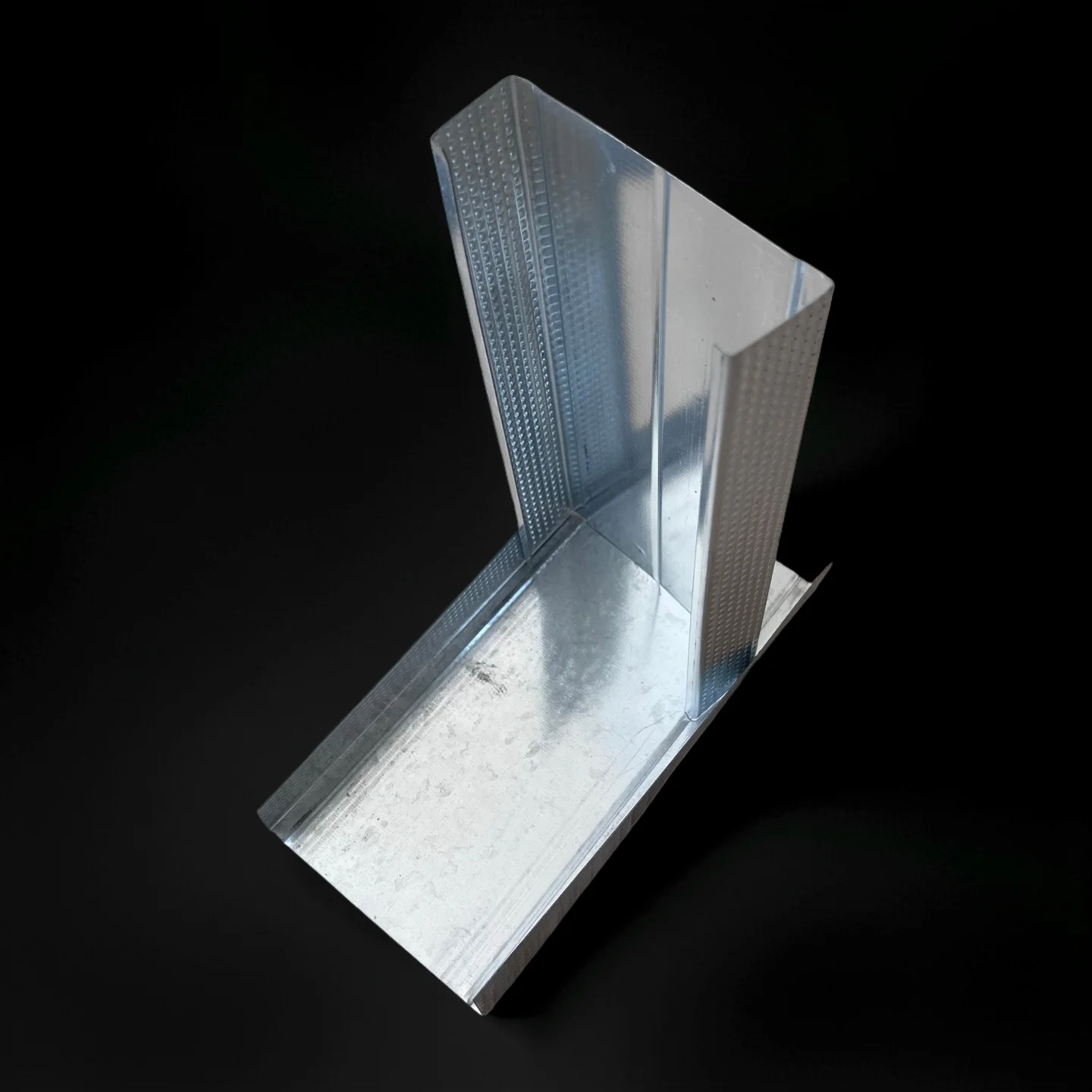
Simply put, a curved metal stud track is a flexible yet sturdy metal framing component designed to create curved or arched wall profiles. Unlike straight metal studs and tracks used broadly in drywall framing, these tracks are pre-bent or engineered to bend on-site, making complex shapes achievable without custom fabrication delays.
They are usually fabricated from galvanized steel or aluminum, striking a balance between strength and ease of handling. In modern industries—whether commercial interiors, envelope cladding, or even emergency shelter projects—these tracks provide the backbone for walls that don’t run in straight lines, giving architects the freedom to innovate while contractors save valuable time.
Core Components of Curved Metal Stud Track and Why They Matter
1. Material Durability
Most curved metal stud tracks use galvanized steel for corrosion resistance, ensuring the frames last decades, even in humid or coastal environments. Aluminum options exist for lightweight needs but at a somewhat higher cost.
2. Flexibility and Radius Capability
This is the heart of the matter: the ability to form tight or gentle curves without compromising the track’s integrity. Depending on the product, curves can range from wide arcs to shorter radii—critical for aesthetic and structural versatility.
3. Ease of Installation
Because these tracks come either pre-curved or bendable on-site, the labor involved is reduced substantially when compared to cutting and welding custom curves. Fewer fasteners, less guesswork. Contractors often report 20-30% time savings.
4. Compatibility with Drywall and Finishes
The profiles are designed to work seamlessly with standard drywall panels, with standard fastening holes and attachment points. This makes custom walls practical and affordable.
5. Sustainability
Steel framing itself is over 90% recycled in many regions. The long lifespan and recyclability of these tracks contribute to a lower environmental footprint—important to lean construction practices and LEED certifications.
Mini takeaway: The balance between material strength, flexibility, and ease of installation makes curved metal stud tracks a smart choice for projects pushing conventional framing boundaries.
How Curved Metal Stud Track Finds Real-World Use
From the sleek contours of modern museums to post-disaster modular housing, curved metal stud tracks have been quietly shaping spaces and solutions worldwide. Let’s take a peek at where and how these tracks prove their worth.
- Commercial and Residential Architecture: Designers crafting fluid facades or interior partitions depend on these tracks for elegant curves without expensive custom work.
- Disaster Relief Housing: Organizations like Habitat for Humanity and Médecins Sans Frontières prioritize quick shelters that still offer dignity and durability. Curved tracks facilitate rapid wall framing that can withstand transports and setup in volatile zones.
- Exhibition and Event Structures: Temporary installations often demand dynamic shapes. Using curved metal stud tracks means faster builds and safer outcomes.
- Industrial Facilities: In environments with specific airflow or ergonomic designs, curved framing helps optimize space without complicated retrofits.
In Asia-Pacific urban redevelopment projects, for instance, curved metal stud tracks have helped shrink construction timelines by as much as a quarter, while in Europe, heritage building renovations use them to replicate original arches exactly.
Key Advantages and Long-Term Value
As I’ve chatted with installers and architects, a few benefits always pop up:
- Cost-Effectiveness: Avoiding custom steelwork means big savings.
- Speed: Less on-site cutting and welding accelerates construction schedules.
- Sustainability: Steel's recyclability combined with durable finishes reduces lifecycle costs.
- Safety and Structural Reliability: Engineered to maintain strength across curves, ensuring walls are as sound as straight-built ones.
- Design Freedom: Giving open doors to creative, flowing architectural expressions.
It’s not just practical; it’s about building spaces that feel thoughtful, adaptable, and trustworthy. When structures reflect care, people notice.
Product Specification Table
| Specification |
Details |
| Material |
Galvanized Steel (G90), Aluminum (optional) |
| Thickness |
0.5 to 1.2 mm |
| Standard Lengths |
3 m, 4.2 m, Custom sizes |
| Minimum Radius |
300 mm (depends on thickness) |
| Weight |
Approx. 3.5 kg/m (steel) |
| Corrosion Protection |
G90 Hot-Dip Galvanized Coating |
Vendor Comparison: Leading Curved Metal Stud Track Suppliers
| Supplier |
Material Options |
Customization |
Lead Time |
Typical Markets |
| Jinkai Building Materials |
Galvanized Steel, Aluminum |
High (custom radii available) |
2-3 weeks |
Commercial, Humanitarian, Industrial |
| MetalForm Inc. |
Steel Only |
Medium |
3-4 weeks |
Residential, Retail |
| CurveTech Solutions |
Aluminum Only |
High |
1-2 weeks |
Event, Exhibition |
Innovations Pushing Curved Metal Stud Tracks Forward
Recently, I’ve noticed interest sparked around automated bending machines that adapt on-site to real-time blueprints. That’s pretty futuristic — less waiting, fewer mistakes. Also, eco-conscious building codes are encouraging suppliers to increase recycled content and lower powder-coating emissions.
Digitally integrated BIM (Building Information Modeling) software pairs well with these tracks too, allowing architects to simulate curves before the first cut — cutting waste, frankly, something all industries chase.
Current Challenges and How the Industry Tackles Them
One limitation? The minimum radius achievable depends heavily on material thickness and equipment used, sometimes constraining design freedom. But the rise in hybrid metal-plastic composite systems might soon make ultra-tight curves easier.
Another challenge lies in educating small-scale contractors unfamiliar with the unique handling or fastening specifics. Many vendors now offer detailed training or quick starter guides, turning learning curves (pun intended) into smooth transitions.
Frequently Asked Questions About Curved Metal Stud Track
Q1: How does curved metal stud track improve construction speed?
A1: By offering pre-curved or easily bendable framing components, contractors avoid time-consuming custom cutting and welding. This streamlines installation, reducing labor costs and schedule delays.
Q2: Can curved metal stud tracks be used outdoors in harsh climates?
A2: Yes. Tracks fabricated with galvanized steel coatings or aluminum resist corrosion well, making them suitable for coastal and humid environments when properly specified.
Q3: What is the typical minimum curve radius achievable?
A3: Generally, curved metal stud tracks can achieve minimum radii around 300 mm, though this varies with material thickness and track profile.
Q4: Are these tracks compatible with standard drywall panels?
A4: Absolutely. Curved metal stud track systems are designed to accommodate common drywall sizes, ensuring smooth installation and finishing.
Q5: How do I order customized radii for unique architectural designs?
A5: Many suppliers, including Jinkai Building Materials, offer customization services based on project specs. Early consultation helps ensure lead times align with your build schedule.
In Conclusion: Building the Future One Curve at a Time
Curved metal stud track is more than a framing accessory— it’s a bridge between creativity and practicality, between speed and strength. As the world builds upwards, outwards, and in more imaginative ways, this component quietly ensures our walls don’t just stand but inspire. If you are looking to incorporate flexible, reliable framing solutions into your next project or relief initiative, don’t hesitate to explore offerings at Jinkai Building Materials. After all, building smarter today saves headaches tomorrow.
References
- United Nations - Urbanization Prospects
- ISO Environmental Management Standards 14001
- Wikipedia - Steel