What Are Dry Lining Studs and Why Should We Care?
If you’ve ever peeked behind a wall or looked at an unfinished ceiling, you might have seen an assembly of metal strips or narrow frames holding things together — that’s basically where dry lining studs come into play. They are the unsung heroes of interior construction, offering a fast, lightweight, and adaptable means of creating partitions, fixing plasterboard, and generally shaping indoor spaces.
Globally, as urban populations mushroom and building regulations tighten, the demand for efficient building methods like dry lining studs surges. In humanitarian efforts, especially post-disaster or in refugee camps, quick-to-assemble, durable internal frameworks define safe and livable structures. So understanding dry lining studs isn’t just an architectural niche—it’s about sustainability, speed, and safety on an international scale.
Mini takeaway: Dry lining studs, the skeleton behind many modern walls, are critical for efficient, sustainable, and quick interior construction worldwide.
Setting the Scene: Dry Lining Studs on the Global Stage
According to the International Organization for Standardization (ISO), modern building techniques are rapidly evolving to meet sustainability goals and reduce waste. Dry lining studs, commonly made from galvanized steel or aluminum, are central to this evolution. Their widespread adoption is evident in booming urban centers—from London’s increasing housing developments to sustainable office buildings in Singapore.
The World Bank estimates nearly 70% of the world's population will live in urban areas by 2050, making efficient building solutions more of a necessity than ever. Yet challenges persist — traditional masonry can be slow, heavy, and expensive. Dry lining studs address these with speed and cost-effectiveness, which is why construction firms and humanitarian orgs alike lean on them. In fact, nearly one-third of modern commercial interior projects in Europe incorporate dry lining stud frameworks.
Mini takeaway: As cities grow and the push for sustainable build intensifies, dry lining studs offer a scalable, economic solution to the interior construction puzzle worldwide.
Defining Dry Lining Studs: The Backbone of Modern Interiors
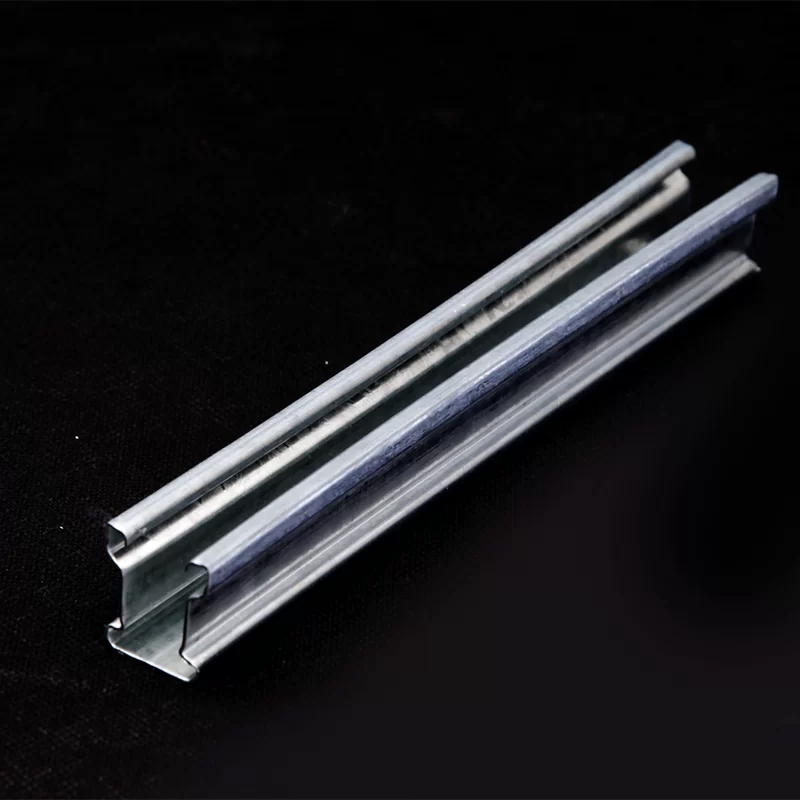
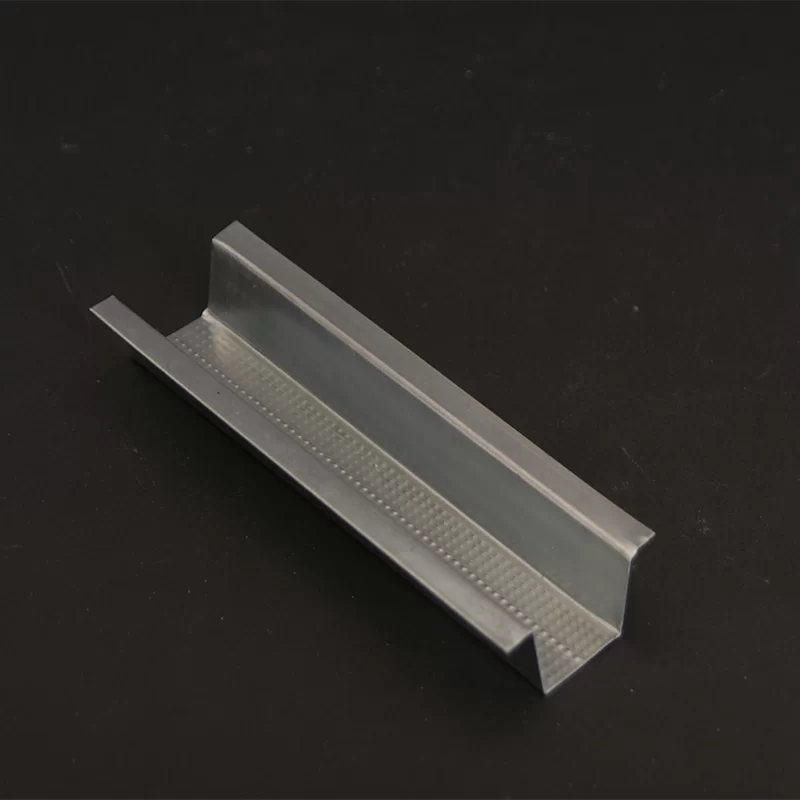
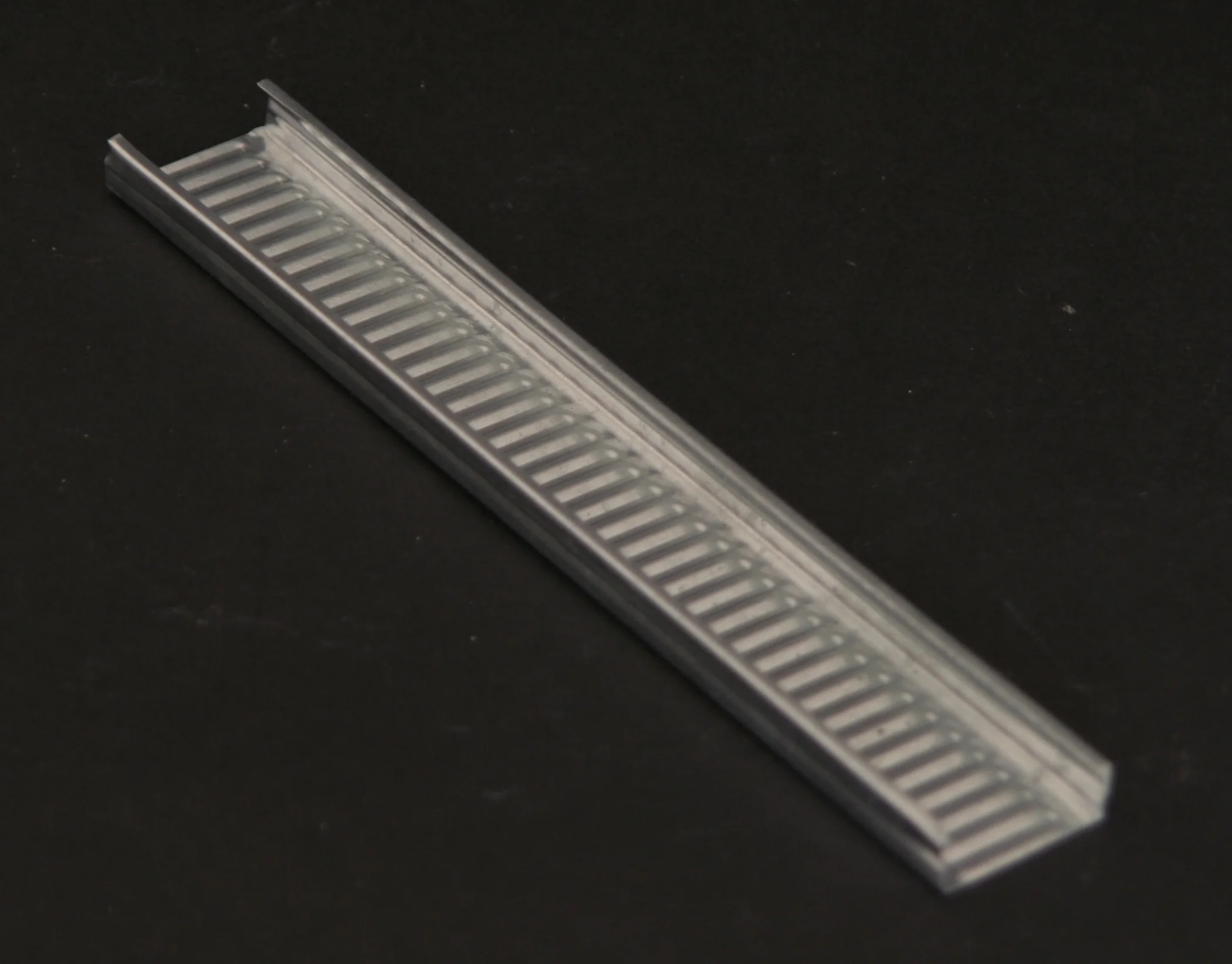
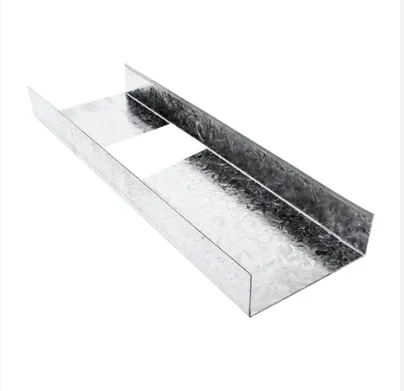
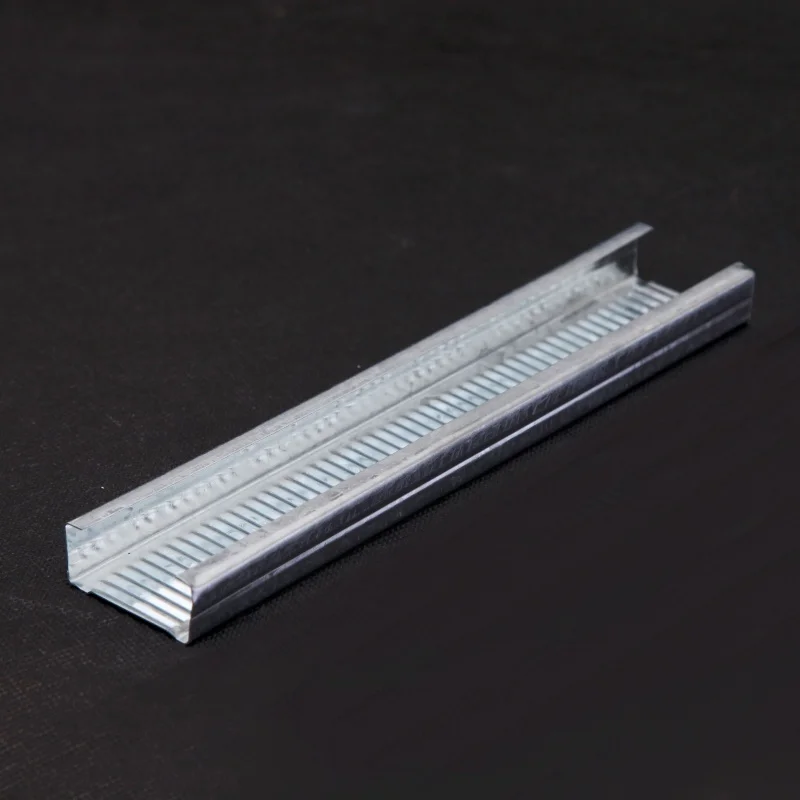
In simple terms, dry lining studs are thin metal channels or "studs" that form a framework onto which plasterboard or drywall panels are fixed. Unlike traditional wet plastering, this "dry" lining method doesn’t require drying times for mortar or plaster, speeding up finishes dramatically.
They connect to floor and ceiling tracks via screws or clips, providing robust vertical support. Additionally, these studs often come with insulated capabilities, helping regulate thermal and acoustic comfort inside rooms. Whether for office partitions, residential walls, or temporary shelters, dry lining studs are a backbone of contemporary building systems.
On the humanitarian front, these studs facilitate rapid shelter construction, especially important in disaster zones where every hour counts. NGOs working in such contexts appreciate their weight advantage and modularity.
Mini takeaway: Dry lining studs are modular, lightweight metal supports enabling speedy, clean wall build-outs and adaptable interior spaces.
Key Components That Make Dry Lining Studs Work
1. Durability and Strength
Despite being thin and lightweight, dry lining studs have impressive load-bearing capacity thanks to galvanized steel coatings preventing rust and corrosion. This durability means indoor walls stay stable for decades, even in humid or variable climates.
2. Ease of Installation
Many builders swear by dry lining studs because they cut installation times by up to 40% compared to traditional plaster walls. Screw attachment and clip-in systems reduce the need for specialized skills or messy plastering.
3. Thermal and Acoustic Performance
When combined with insulation materials, these studs help create energy-efficient buildings with reduced noise transmission—a win-win for offices, apartments, and schools alike.
4. Cost Efficiency
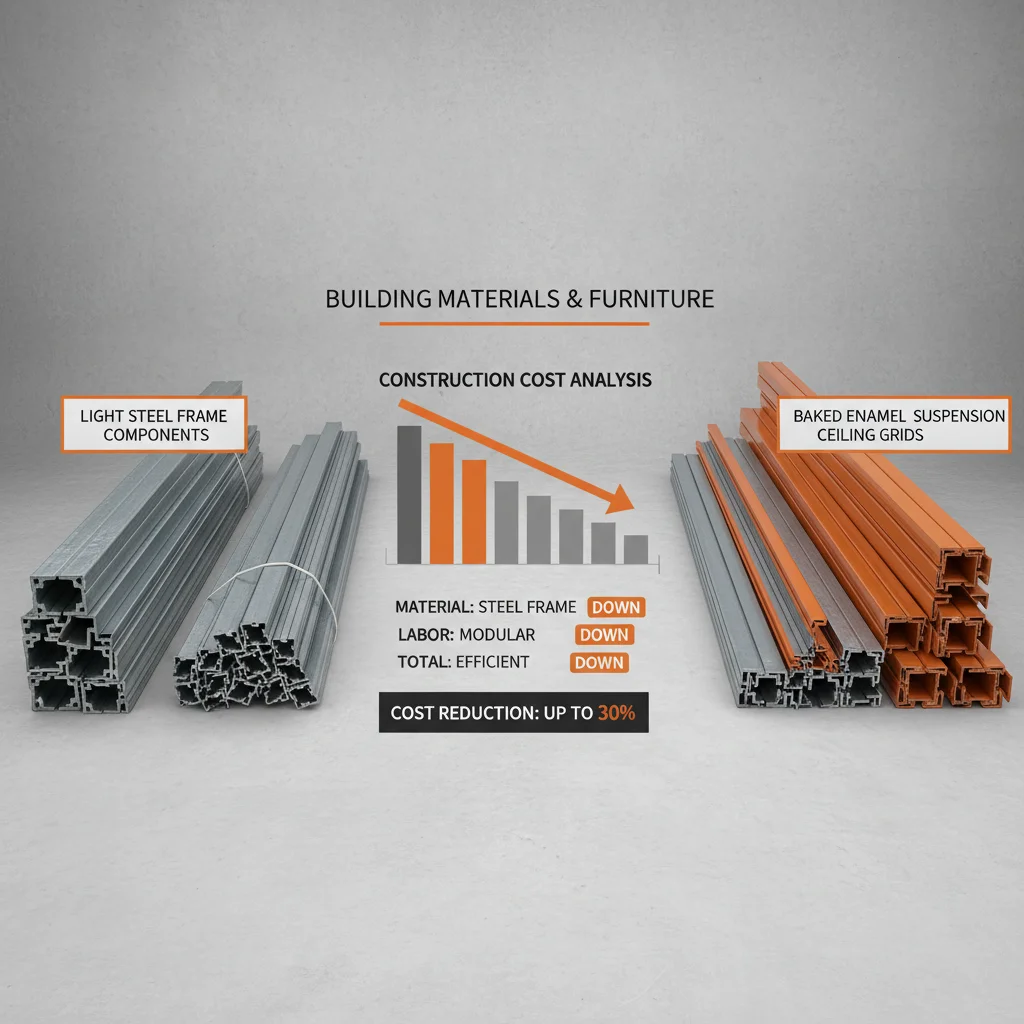
The combined benefits of material savings, shorter labor times, and low waste mean projects stay leaner on budgets—a critical factor globally, particularly in public or NGO construction projects.
5. Flexibility and Scalability
Designers love how dry lining studs allow for quick changes or expansions of interior layouts. This is vital in commercial or housing settings where needs evolve on the fly.
Mini takeaway: Dry lining studs strike a balance of strength, speed, and sustainability, making them versatile for a broad spectrum of construction needs.
Global Applications: From High-Rises to Emergency Shelters
Dry lining studs have found their way from glossy high-rise offices in New York to temporary schools in post-earthquake Haiti. In Europe, they’re standard for office refurbishments, providing lightweight and fast partitioning solutions.
And here’s an angle I find fascinating: in refugee settlements across Jordan and Bangladesh, NGOs rely on dry lining studs to build internal partitions quickly, balancing shelter privacy with structural integrity. Similarly, in remote industrial zones like Siberian oil fields, where traditional materials are hard to ship or slow to implement, dry lining studs make modular building practical.
Mini takeaway: Their adaptability makes dry lining studs a universal ally across diverse industries and continents, from luxury offices to crisis relief hubs.
Advantages and Long-Term Value
So why do dry lining studs have staying power? First, they're cost-efficient—not just upfront, but over time—thanks to low maintenance and durability. They contribute to greener buildings by minimizing raw material use and allowing for recycling at end-of-life.
Socially, secure, well-insulated walls create safe, dignified spaces, whether you’re living in a high-rise or a temporary shelter. Plus, designers and builders enjoy the flexibility to innovate interior layouts without major structural concerns.
Emotionally, people appreciate the quiet, comfort, and modern finish dry-lined walls bring—features that can turn a building from "just a box" into "a place to thrive."
Mini takeaway: The sustainability, economy, and comfort driven by dry lining studs ensure they remain a preferred choice in construction-driven futures.
Dry Lining Studs: Looking Ahead to Future Trends
Innovation in dry lining studs is kicking into higher gear. Lighter advanced alloys and composite materials are being developed to improve strength-to-weight ratios further. Smart studs embedded with sensors to monitor humidity, temperature, or structural stress are also on the horizon.
Environmental policies pushing carbon neutrality mean manufacturers are seeking greener coatings and fully recyclable designs. Automation and BIM (Building Information Modeling) integration streamline installation workflows, decreasing human error and speeding up project timelines.
Frankly, I wouldn’t be surprised if in a decade, dry lining studs are part of modular kits shipped globally, pre-engineered and easy to assemble with minimal tools.
Mini takeaway: The future of dry lining studs is a mix of tech, green materials, and smarter construction processes promising even greater efficiencies.
Challenges & How the Industry Is Addressing Them
No system is perfect. Dry lining studs can face issues in extremely humid environments where moisture can seep behind panels, risking mold unless ventilation and waterproofing are spot-on.
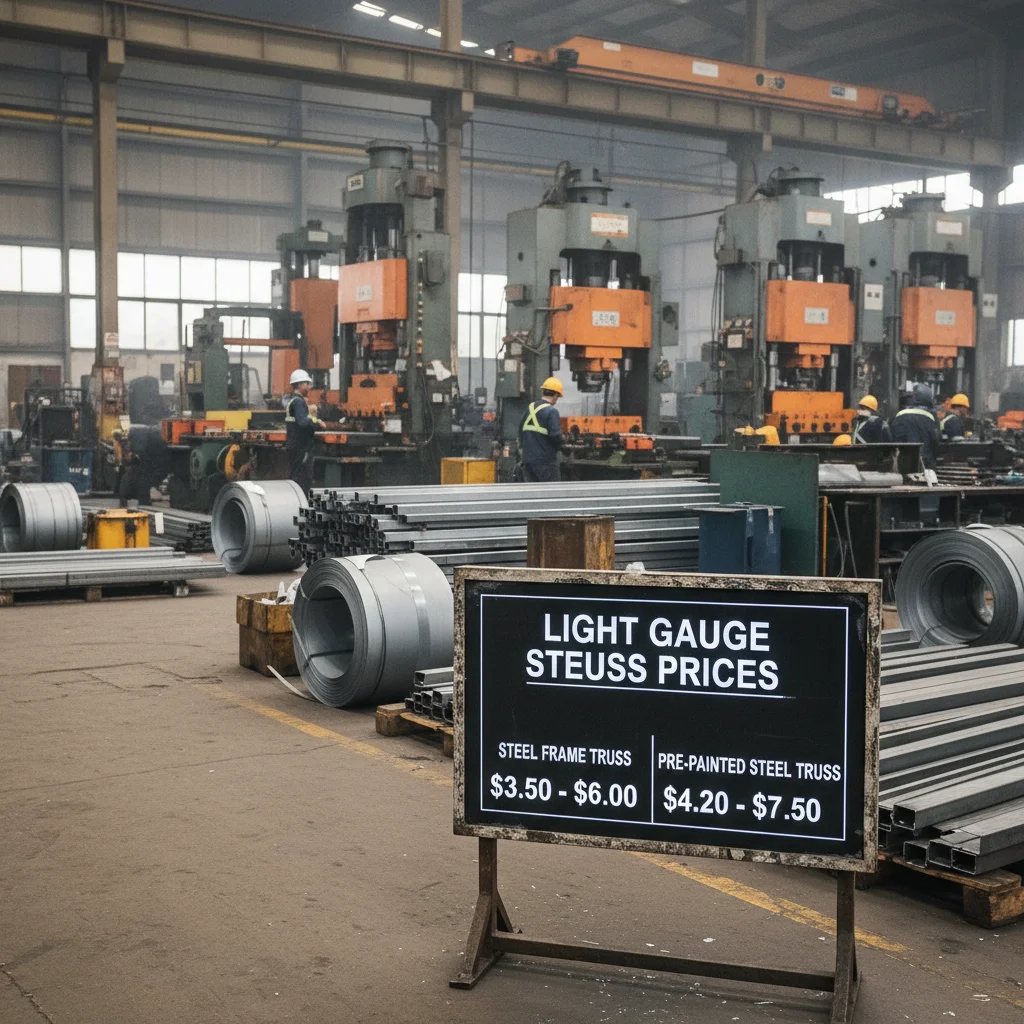
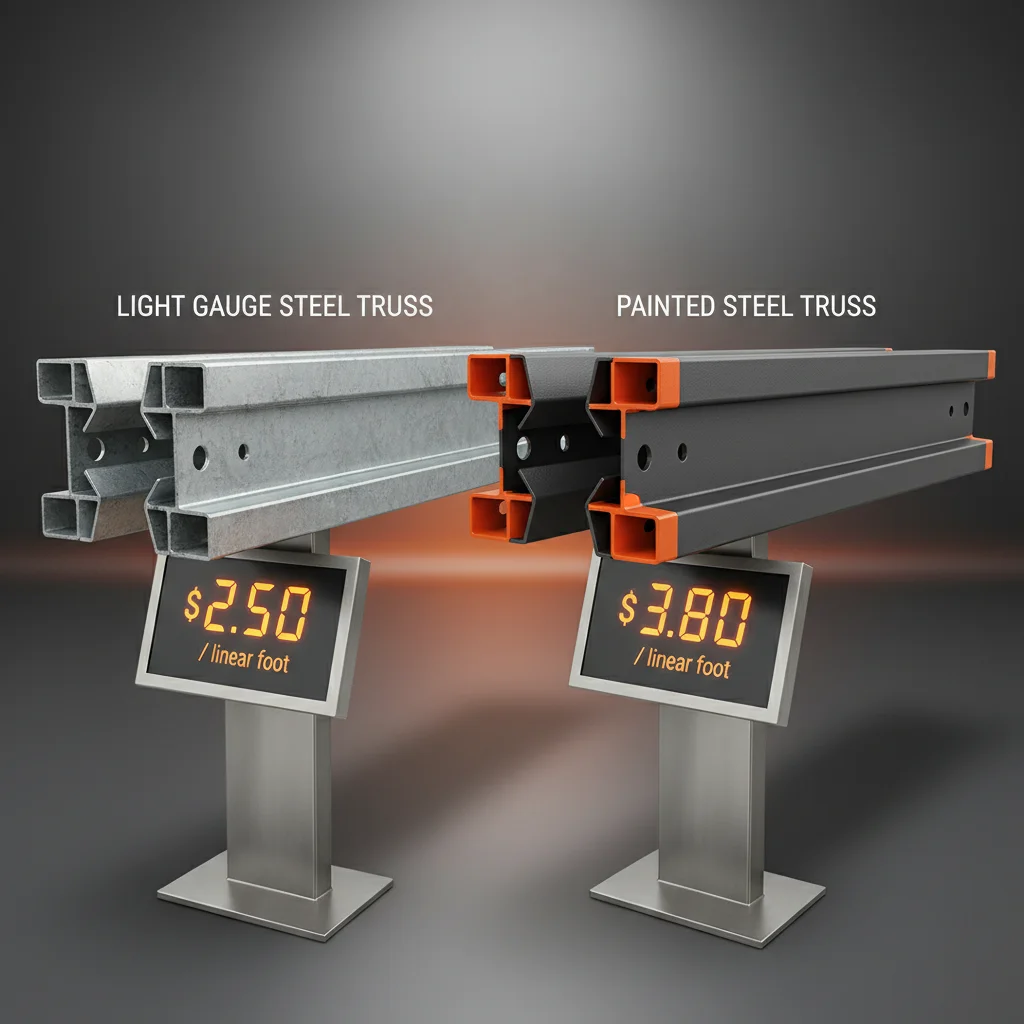
Cost variability due to metal market fluctuations also occasionally makes pricing unpredictable. There’s also an ongoing need for skilled labor familiar with best practices to prevent installation errors.
To tackle these, companies are improving protective coatings, offering training programs, and developing hybrid materials combining steel with moisture-resistant polymers.
Mini takeaway: While challenges exist, ongoing R&D and training help keep dry lining studs reliable and practical under diverse conditions.
Dry Lining Studs: FAQ
- What are the main benefits of dry lining studs over traditional timber frames?
- Dry lining studs are typically lighter, more durable, and less susceptible to warping or termite damage than timber. They also allow faster installation and can provide better fire resistance and acoustic insulation.
- Can dry lining studs be used in wet environments like bathrooms?
- Yes, but only if combined with moisture-resistant drywall and proper waterproofing measures. Specialized galvanized or coated studs are recommended to prevent corrosion.
- How long does a typical dry lining stud wall last?
- When properly installed and maintained, these walls can last several decades — often 30 years or more — depending on the environment and usage conditions.
- Are dry lining studs recyclable?
- Absolutely. Most dry lining studs are made from galvanized steel, which is highly recyclable. This is a significant advantage over some traditional materials when considering sustainability.
- Where can I find high-quality dry lining studs for large-scale projects?
- Leading manufacturers and distributors offer various grades and thicknesses. Check out trusted vendors with certifications like ISO 9001 to ensure quality. For a curated range, visit dry lining studs.
Specification Table: Typical Dry Lining Stud Features
| Parameter |
Value |
Notes |
| Material |
Galvanized Steel |
Corrosion resistant |
| Length |
2.4m - 3.0m |
Standard lengths; can be cut to size |
| Width |
50mm, 60mm, 75mm, 100mm |
Multiple sizes for different wall thicknesses |
| Thickness |
0.5mm - 1.2mm |
Depending on load requirements |
| Weight |
~1.5-2.5 kg/m |
Light and easy to handle |
| Fire Rating |
Up to 60 minutes |
Depends on assembly and plasterboard |
Vendor Comparison: Dry Lining Stud Suppliers
| Vendor |
Product Range |
Quality Certifications |
Price Range |
Delivery Capability |
| Jinkai Building Materials |
Comprehensive (studs, tracks, brackets) |
ISO 9001, CE |
Competitive |
Global, bulk orders |
| SteelFrame Co. |
Standard studs and specialty profiles |
ISO 14001 |
Mid-range |
Regional |
| GlobalMetal Corp. |
Wide array, including fire-rated studs |
CE, ASTM |
Premium |
Worldwide |
Wrapping Up: The Last Word on Dry Lining Studs
Dry lining studs may seem like a small piece of a much bigger construction picture, but they truly punch above their weight. Their combination of speed, cost savings, sustainability, and flexibility means they aren’t going anywhere anytime soon.
Whether you’re an architect sketching out your next sustainable project or an NGO seeking rapid shelter options, understanding the why and how of dry lining studs can make all the difference. For those hungry to dive deeper or source quality materials, be sure to explore dry lining studs and more.
Don’t underestimate the studs holding up the walls — they’re kind of the quiet pillars underpinning the future of construction.
References
- ISO Environmental Management Standards
- World Bank Urbanization Data
- Wikipedia: Drywall