Understanding Dry Wall Metal: Why It Matters Globally
If you're involved in construction, engineering, or even humanitarian relief, the term dry wall metal probably rings a bell. But beyond jargon, it's a game changer in how we build, repair, and innovate structures worldwide. At its core, dry wall metal refers to metal framing and components used for drywall installation that help create durable, lightweight, and cost-effective interior walls.
Globally, as urbanization continues and disaster resilience becomes paramount, industries and governments alike seek materials that can deliver rapid deployment, sustainability, and reliability. Dry wall metal is increasingly stepping to the forefront here, offering benefits that impact both economic growth and social infrastructure.
Mini takeaway: Dry wall metal isn't just a building material — it’s part of a broader solution addressing modern construction challenges globally.
Introduction: The Global Importance of Dry Wall Metal
Worldwide construction output is forecasted to exceed $15 trillion by 2030, according to World Bank data. Much of this growth is driven by emerging economies facing rapid urban migration — put simply, more walls, roofs, and shelters must be put up quickly and efficiently. Dry wall metal components are critical here because they enable faster construction compared to traditional masonry.
Yet, this accelerated growth comes with challenges: raw material shortages, environmental impact concerns, and the need for structures that can withstand natural disasters. Dry wall metal's flexibility and recyclability directly address these challenges, especially in regions like Southeast Asia, Africa, and parts of Latin America, where low-cost, durable housing is desperately needed.
Mini takeaway: The rise of dry wall metal responds directly to global needs for speed, resilience, and sustainability in construction.
Defining Dry Wall Metal: What Is It and Why It Matters
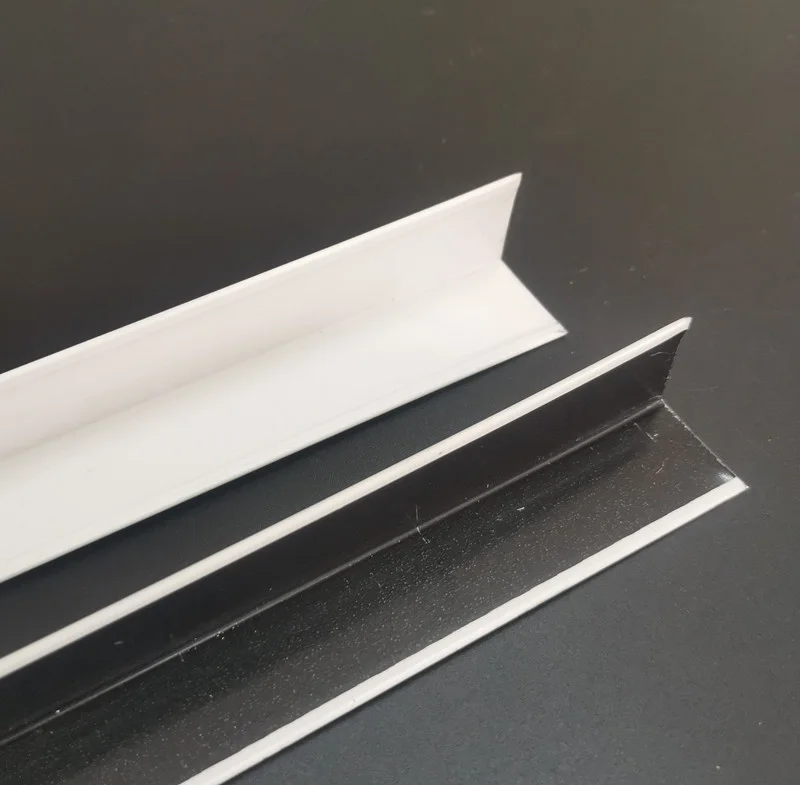
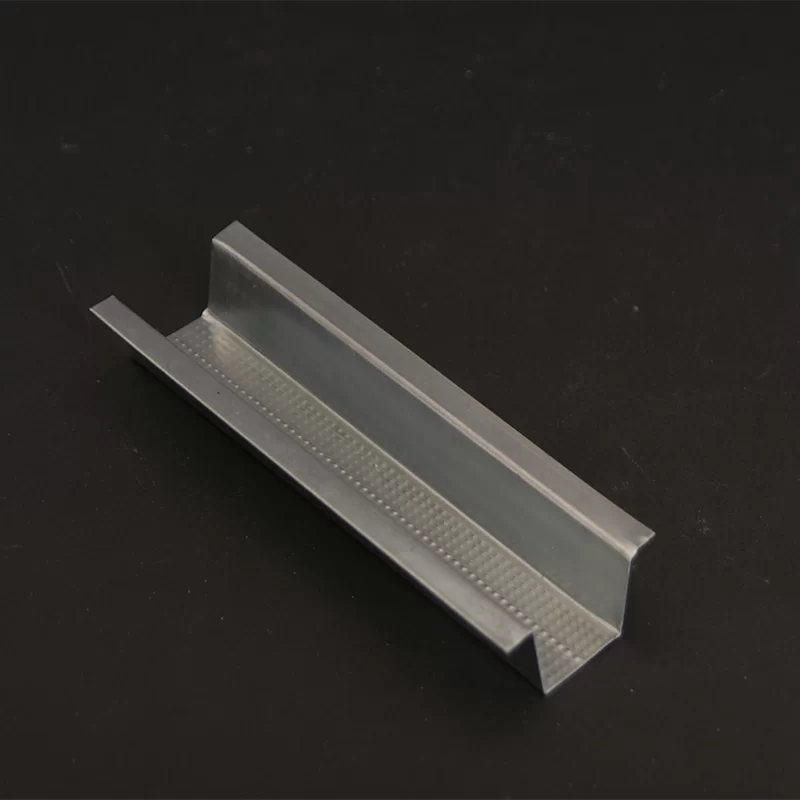
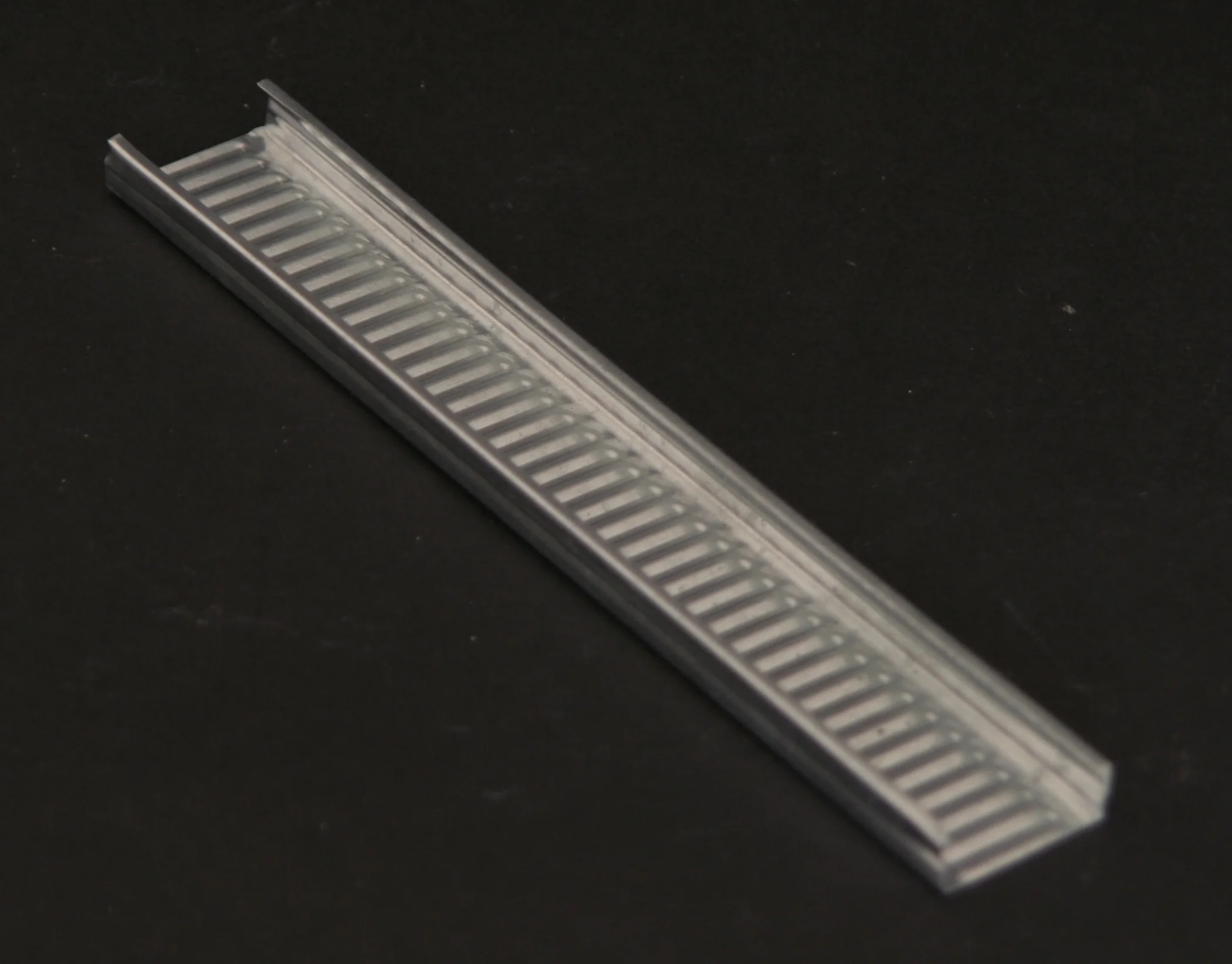
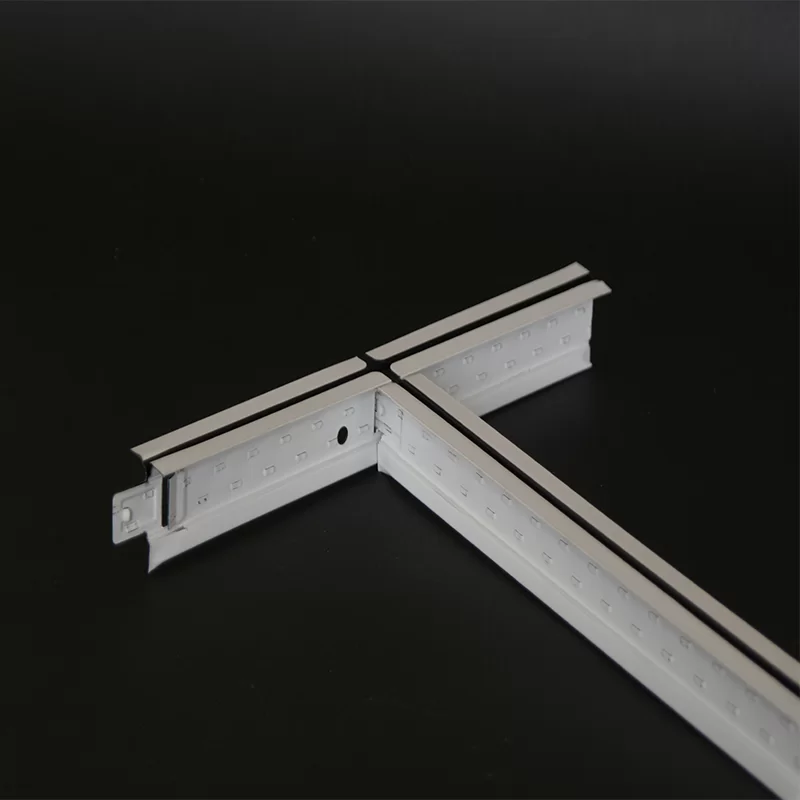
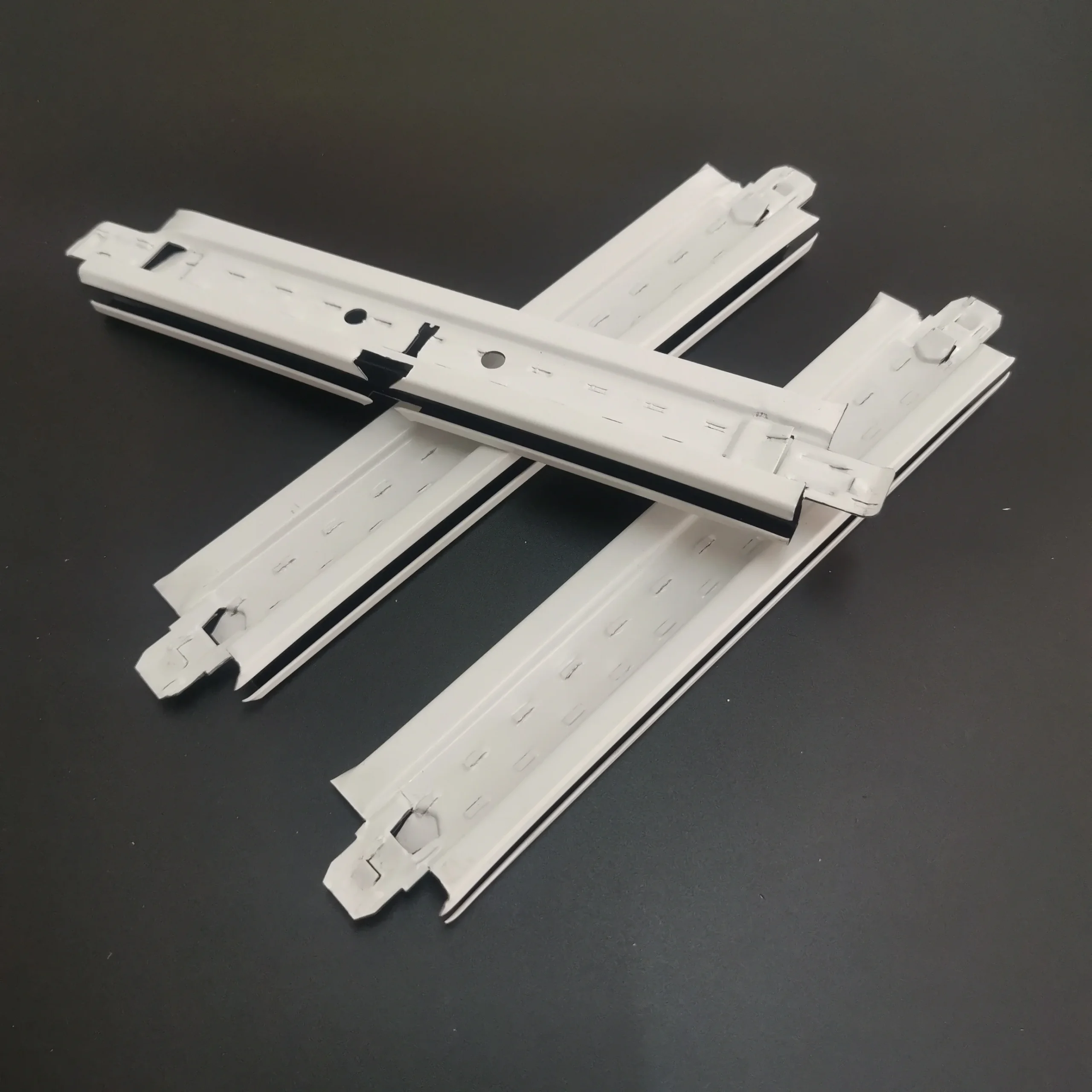
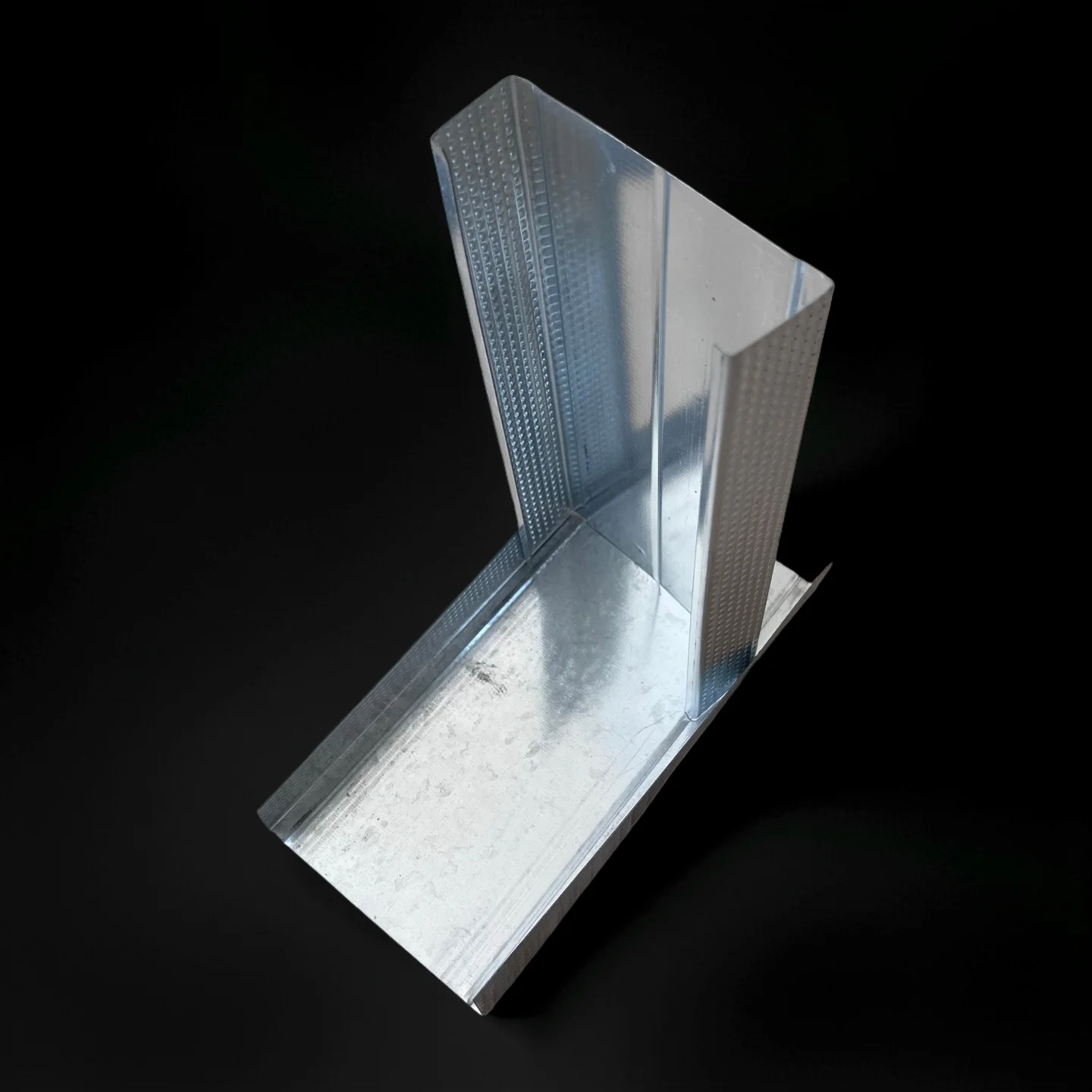
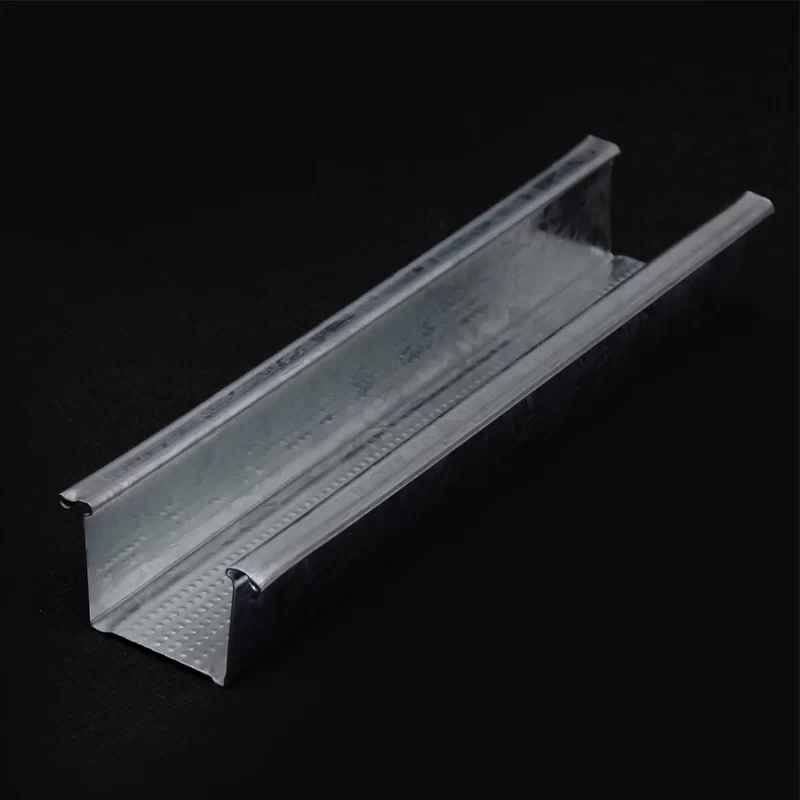
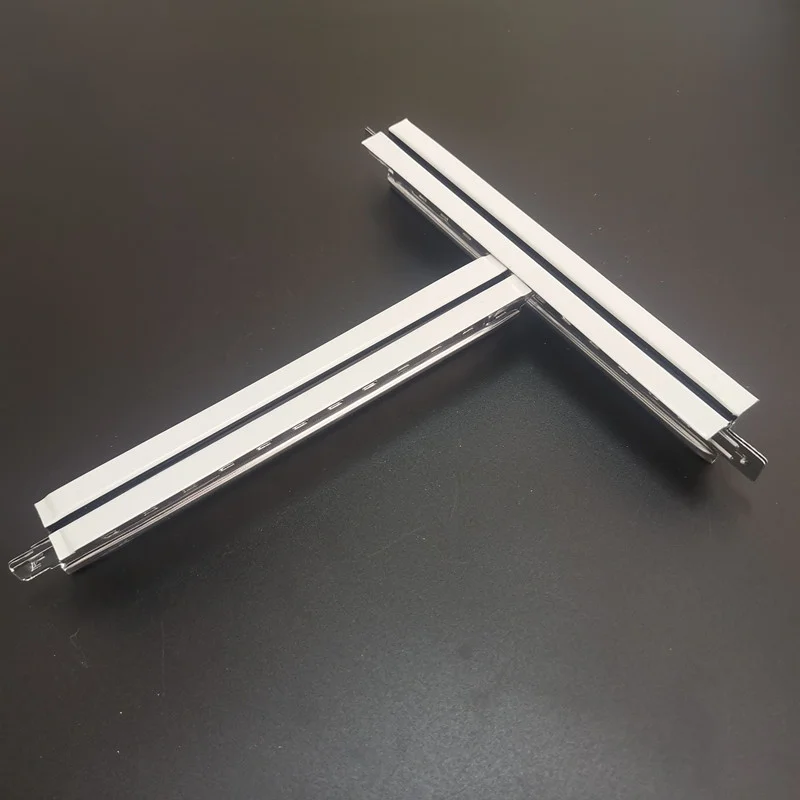
Simply put, dry wall metal is the system of steel framing components—studs, tracks, channels—used to support drywall panels. Unlike traditional wood framing, metal framing resists warping, termites, and fire. The metal parts form the skeleton onto which drywall sheets are fastened, creating partition walls or ceilings.
Its importance goes beyond just interiors. Think tent-like shelters in refugee camps, temporary classrooms after disasters, or modular office pods in urban buildings — all depend on reliable dry wall metal for structure and safety.
Mini takeaway: Dry wall metal is more than steel studs; it’s the backbone of modern, flexible building solutions used across many sectors.
Key Factors That Define Dry Wall Metal
Durability and Resistance
Steel studs and tracks are galvanized or coated to prevent corrosion — a big plus compared to timber framing. This means walls last longer and don't fall prey to humidity or pests. It's why many industrial or wet environments prefer them.
Scalability and Ease of Installation
Metal framing can be designed off-site, cut to size precisely, and assembled quickly. For large construction projects or emergency shelters alike, this scalability reduces labor time and cost.
Cost Efficiency
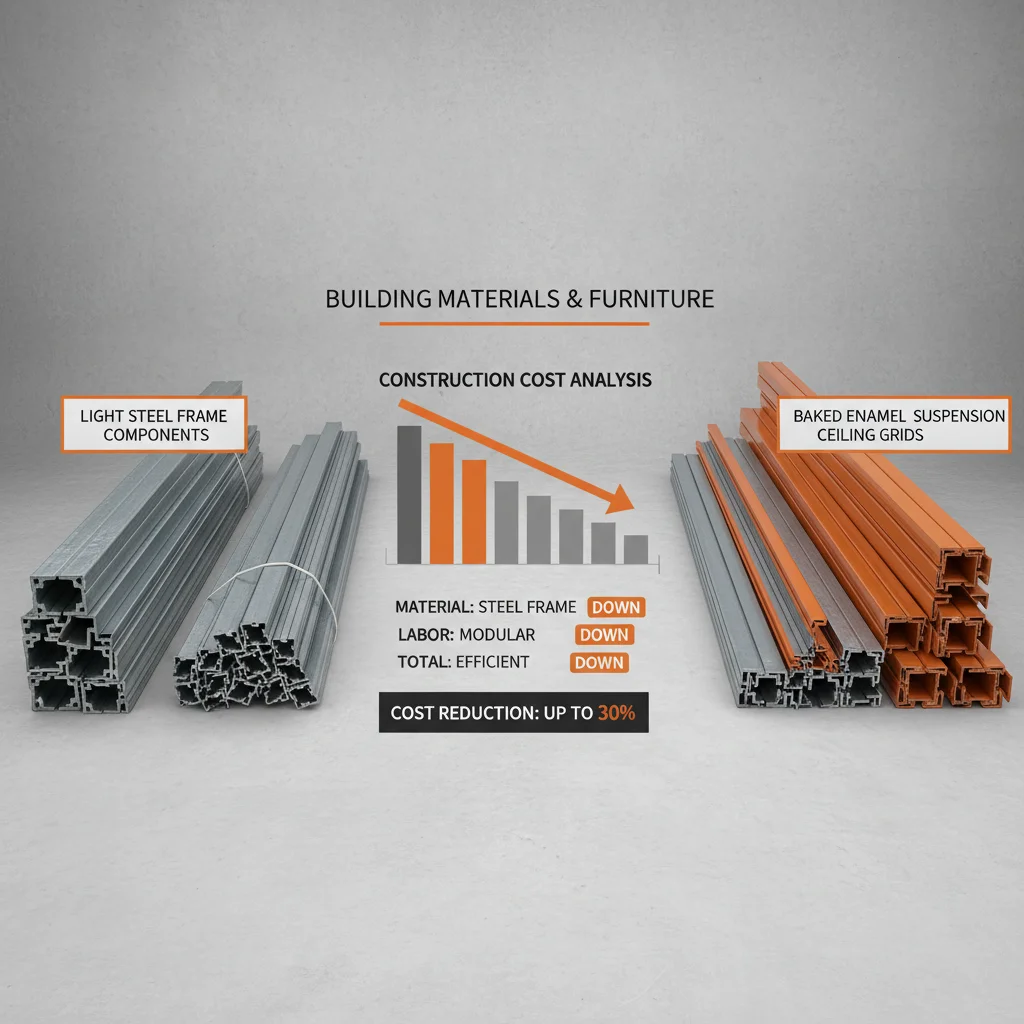
While the initial material might be pricier than wood, the long-term benefits like lower maintenance, recyclability, and fast installation translate to cost savings for builders and governments.
Environmental Sustainability
One of the lesser-known advantages is that dry wall metals are often made of recycled steel, and the components themselves are recyclable. This supports circular economy efforts and aligns with international environmental standards (ISO 14001).
Fire and Safety Standards
The non-combustible nature of steel supports compliance with fire safety regulations — essential in multi-story buildings and urban developments.
Mini takeaway: Dry wall metal’s core qualities mix performance with practicality and sustainability that modern buildings demand.
Global Applications and Real-World Use Cases
Countries prone to earthquakes and floods have embraced lightweight metal framing for its flexibility and strength. For example, Japanese and Californian construction codes often recommend steel framing due to its seismic resilience.
In humanitarian contexts, NGOs use dry wall metal kits for rapid assembly shelters after disasters. The UNHCR has noted several cases where modular metal wall systems provided safe, dignified housing for displaced communities.
Industrially, dry wall metal structures appear in offices, clean rooms, and warehouses worldwide, prized for quick customization and adaptability.
Mini takeaway: The reach of dry wall metal spans continents and industries, from post-disaster relief to smart urban housing.
Advantages and Long-Term Value of Dry Wall Metal in Construction
- Cost Savings: Faster build times and reduced maintenance costs lead to lower total ownership expense.
- Sustainability: Steel's recyclability lessens environmental footprint.
- Safety: Fire resistance and pest immunity boost occupant security.
- Adaptability: Simple modifications and scalability support evolving building needs.
- Social Impact: Enabling affordable, quality housing improves community well-being.
Frankly, there's emotional weight here too — stable housing built with reliable materials gives people hope, dignity, and safety. So dry wall metal is more than metal; it’s also a foundation for trust and innovation.
Upcoming Trends and Innovations in Dry Wall Metal
Looking ahead, smart materials infused with sensors may monitor structural health, alerting owners to potential damage before catastrophic failure. The rise of green steel, produced with reduced carbon emissions, also signals a more sustainable future.
Digitally-driven fabrication with robotic cutting and assembly is becoming more common, improving precision and reducing waste. Governments are encouraging these through stricter environmental policies and building codes.
I suppose this evolution is reflective of a construction industry that’s adapting to climate challenges, cost pressures, and technological shifts.
Challenges in Dry Wall Metal and How the Industry Is Addressing Them
Despite its benefits, metal framing isn’t perfect. Thermal bridging can cause energy loss if not properly insulated. Also, specialized tools and skills are required, which can hamper adoption in developing regions.
Innovations like thermal breaks and insulating clips are helping mitigate heat transfer, while training programs and modular kits are making installation more accessible.
Overall, the industry’s learning curve is balanced by continuous R&D and collaborations between manufacturers, architects, and NGOs.
Frequently Asked Questions About Dry Wall Metal
- Q: What makes dry wall metal framing better than traditional wood framing?
- A: Metal framing resists warping, pests, and fire, plus it allows for faster, more precise installation – ideal for both new builds and renovations.
- Q: How long does dry wall metal last in high-humidity or disaster-prone areas?
- A: Properly galvanized metal framing can last 50+ years and withstand harsh conditions much better than timber, making it suitable for coastal zones or earthquake regions.
- Q: Is dry wall metal sustainable compared to other construction materials?
- A: Yes, since it is often made from recycled steel and itself recyclable, it supports circular economy principles and reduces landfill waste.
- Q: How can NGOs source dry wall metal materials for international relief projects?
- A: Working with specialized suppliers who provide modular kits and shipping logistics can simplify procurement, ensuring compliance with customs and local standards.
- Q: Can dry wall metal be customized for specific building needs?
- A: Absolutely. Metal profiles come in various thicknesses and lengths and can be combined with different insulation or panel options for tailored performance.
Product Specification Table
| Component |
Material |
Coating |
Dimensions |
Weight (per piece) |
Fire Rating |
| Metal Stud 50mm |
Cold-rolled steel |
Galvanized Z275 |
50 x 35 x 3.0 mm |
1.2 kg |
A1 (non-combustible) |
| Metal Track 50mm |
Cold-rolled steel |
Galvanized Z275 |
50 x 20 x 2.5 mm |
1.0 kg |
A1 (non-combustible) |
| Furring Channel |
Cold-rolled steel |
Electro-galvanized |
27 x 34 mm |
0.9 kg |
A1 |
Vendor Comparison for Dry Wall Metal Suppliers
| Supplier |
Product Range |
Avg. Lead Time |
Pricing Level |
Global Shipping |
Sustainability Certifications |
| Jinkai Building Materials |
Full metal framing kits, accessories |
2–3 weeks |
Mid-range |
Yes |
ISO 14001, LEED compliant |
| Global Steel Frames Inc. |
Custom profiles, heavy gauge options |
3–5 weeks |
High |
Limited (region-based) |
ISO 9001 |
| RapidBuild Supplies |
Standard kits for emergency housing |
1–2 weeks |
Budget |
Yes, global |
Partial eco-certifications |
Wrapping It Up
So, when you think about drywall and interior walls, consider that behind the scenes stands dry wall metal — a material that’s quietly changing the way the world builds. It’s sustainable, efficient, and offers safety that traditional materials simply struggle to match.
From bustling cities to relief camps, dry wall metal fortifies structures and communities alike. If you want to dive deeper into solutions that make a tangible difference, explore the latest innovations and suppliers like Jinkai Building Materials — they really know how to make metal walls work for you.
Because, frankly, the walls we build today frame the futures we all share.
References
- World Bank - Urban Development Overview
- Wikipedia - Drywall
- ISO 14001 Environmental Management