Understanding Light Gauge Metal Joists: Why They Matter Today
If you’ve ever walked into a modern building, there’s a good chance light gauge metal joists played a quiet but crucial role behind the scenes. These components might not grab headlines, but they’re instrumental in shaping how we build faster, safer, and more sustainably worldwide.
In essence, light gauge metal joists are the backbone supporting floors and roofs — tough, lightweight steel beams designed for maximum strength with minimal bulk. Understanding them is more than just an engineering exercise; it touches global construction trends, disaster relief efforts, and the ongoing quest for eco-friendly infrastructure.
Today’s construction world needs materials that answer complex challenges — from rapid urbanization and climate resilience to affordability and ease of assembly. Light gauge metal joists check many of these boxes. So, while we tend to focus on flashy architectural features, these functional yet humble joists quietly carry the load (literally).
Why Light Gauge Metal Joists Have Global Relevance
Globally, construction accounts for nearly 40% of carbon emissions according to the United Nations Environment Programme (UNEP)[1]. Reducing weight and material waste, while maintaining durability, is a growing priority. Here’s where light gauge metal joists shine — they significantly cut structural steel volume without compromising safety or longevity.
Plus, the surge in disaster-prone zones, urban sprawl, and developing economies demands quicker, reliable building solutions. The World Bank states that average urban populations have nearly doubled over the last 30 years[2]. So not only do we need adaptable structural frameworks, but ones that transport easily, assemble fast, and resist corrosion.
The challenge becomes clear: how do engineers reduce weight and footprint while upholding global standards for safety and sustainability? Light gauge metal joists answer this by offering a precision-engineered, standardized solution that fits all these pressing needs neatly, without much fuss.
What Exactly Are Light Gauge Metal Joists?
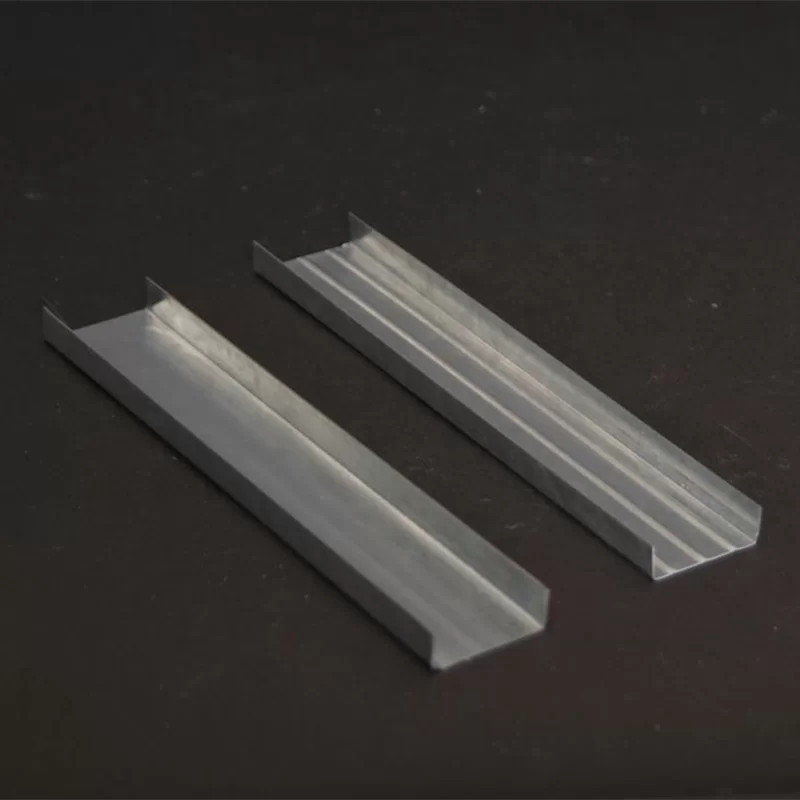
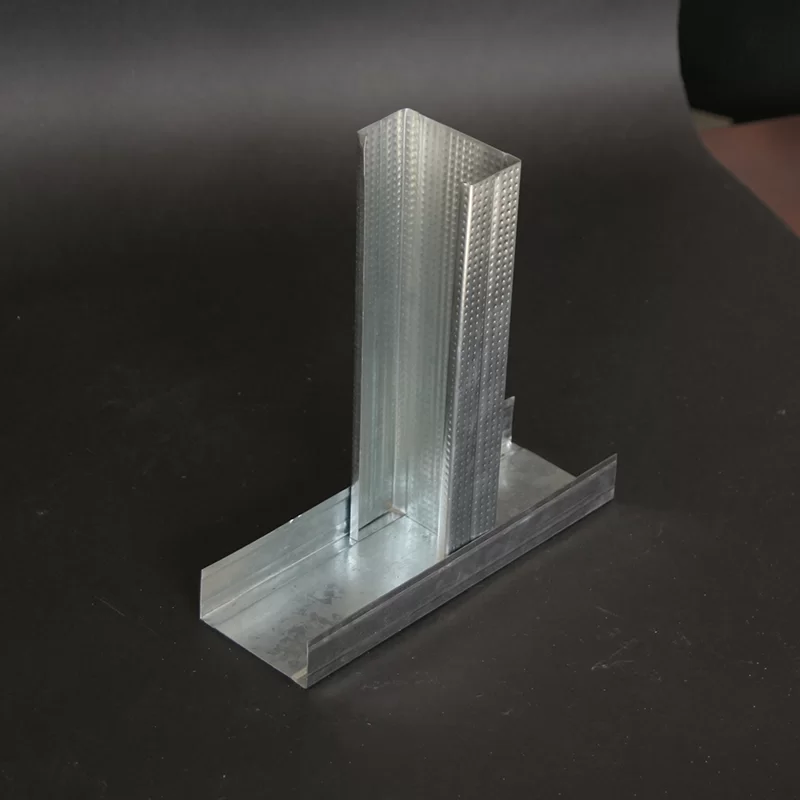
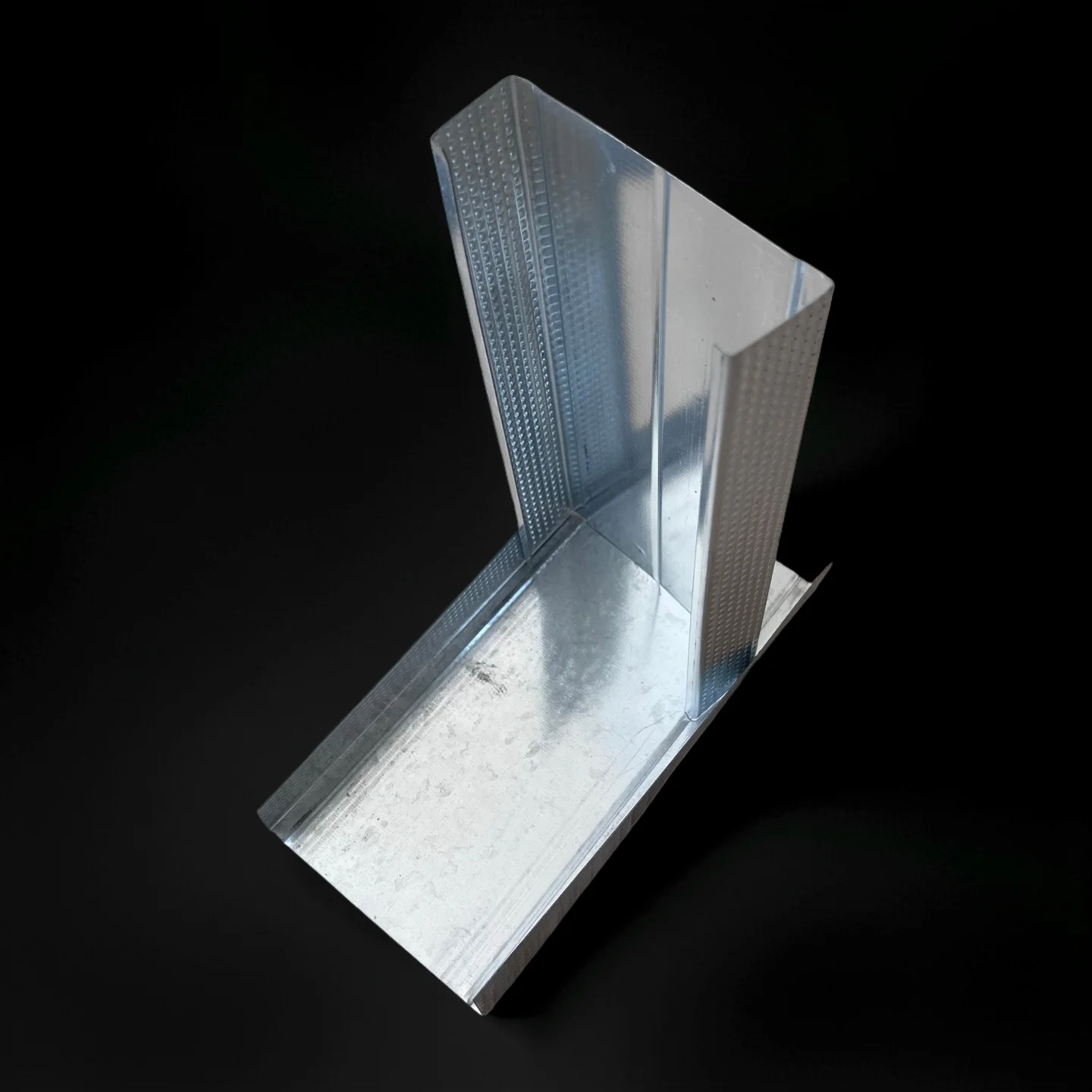
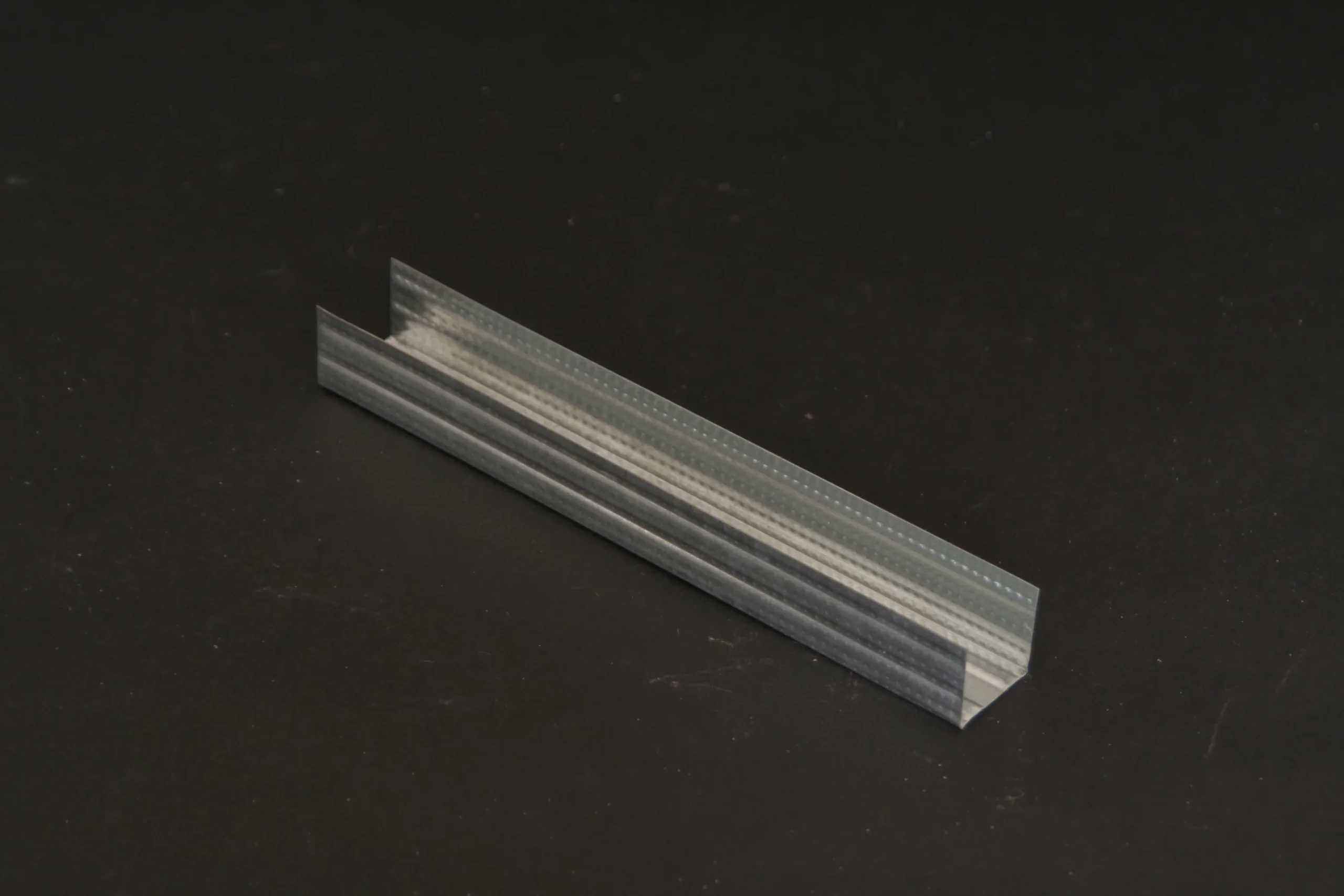
The term "light gauge" refers simply to relatively thin yet structurally efficient steel sections commonly made from cold-formed steel sheets. Unlike traditional hot-rolled steel beams, these joists are engineered for specific load-bearing duties but come in standardized gauges to keep them light and easy to work with.
Joists themselves are horizontal framing members that carry the weight of floors or roofs, supported by walls or other beams. When these joists are fabricated from light gauge metals, it means they can be produced in high volume, pre-cut, and pre-punched for easy installation — cutting down on waste and labor costs.
This tech comes handy for everything from commercial buildings to temporary shelters, giving them a unique bridging function between heavy steel and more fragile timber.
Key Features of Light Gauge Metal Joists and Their Practical Impact
Durability and Corrosion Resistance
Despite being “light,” these joists are made from galvanized or coated steel, offering strong resistance to rust. This substantially extends the lifespan of structures in humid or coastal environments — think Southeast Asia or Caribbean housing projects.
Scalability and Modular Design
One of the most exciting things is how well light gauge metal joists integrate with modular building techniques. Prefabricated components mean faster on-site construction and easier scalability for projects that vary in size, like hospital wings or school expansions.
Cost Efficiency
Savings come not just from lower material weight, but from reduced transport costs — shipping lighter loads is cheaper and more environmentally friendly. Even assembly time shrinks, which means fewer man-hours in costly urban areas. For non-profits building quickly after natural disasters, this is a game-changer.
Design Flexibility
Thanks to precision engineering, these joists come in various cross-sections and lengths. Architects and engineers love this because it allows them to create open spaces with fewer columns or supports getting in the way.
Sustainability
Steel is highly recyclable, and these joists are often produced with significant recycled content. This aligns perfectly with ISO 14001 environmental management guidelines and the global push to circular economy principles.
Ease of Installation
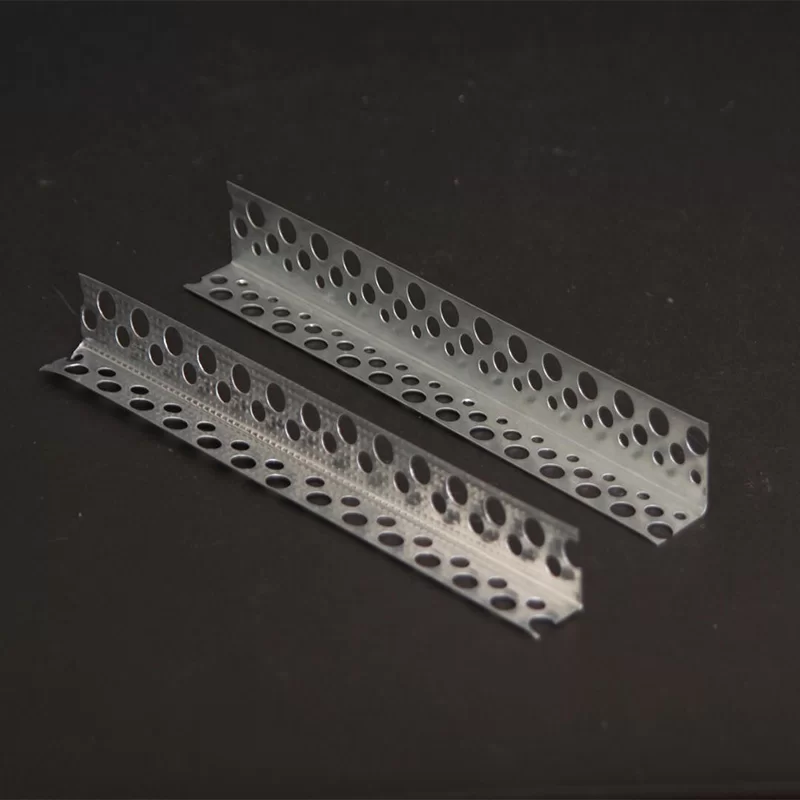
Punch holes, slots, and pre-drilled attachments make assembly intuitive. Often, a small team can erect entire floor systems in a fraction of the time traditional wood framing takes, which matters when building in remote or challenging locations.
Mini takeaway: Light gauge metal joists combine durability, cost-effectiveness, and eco-friendly benefits, making them indispensable for modern building challenges.
Where In The World Are Light Gauge Metal Joists Making a Difference?
You’ll see light gauge metal joists popping up in all sorts of scenarios:
- Post-disaster relief: NGOs use rapidly deployable buildings to house displaced populations after events like hurricanes or earthquakes.
- Urban construction: In fast-growing Asia and Africa, the demand for quick-to-build commercial and residential spaces is booming.
- Industrial zones: Mining or energy sectors in remote regions prefer prefabricated metal components optimized for transport and assembly.
- Temporary event structures: Lightweight yet strong joists create stages, exhibition halls, and temporary offices with ease.
For example, a relief organization in the Philippines recently reported cutting shelter build times from weeks to days using light gauge metal joists, greatly improving safety and dignity for families long displaced.
Taking Stock: The Real Advantages of Light Gauge Metal Joists
In real terms, using these joists means:
- Lower logistical hassle: Smaller bundles, lighter shipments, less fuel consumption.
- Safer construction sites: Less heavy lifting means fewer accidents and injuries.
- Longevity: Longer-lasting roofs and floors reduce long-term maintenance costs.
- Environmental impact: Lower embodied carbon footprint compared to traditional steel.
- Improved occupant well-being: Strong, stable structures help residents live safely with dignity.
Sure, the benefits go beyond dollars — there’s a human side, too. In times of crisis, speed and reliability often mean life versus death or comfort versus despair. It feels like light gauge metal joists carry that weight quietly but profoundly.
Looking Ahead: The Future of Light Gauge Metal Joists
What coming innovations are set to shake things up? A few trends worth watching:
- Smart materials: Coatings that resist corrosion even more, or that change color to indicate wear.
- Automation: Robotic manufacturing shaving errors and costs further.
- Integration with green energy: Joists designed to support integrated solar panel arrays or ventilation systems.
- Digital twins: Designers modeling entire joist systems virtually before production for ultimate precision.
Common Challenges and Ingenious Solutions
Of course, it’s not all perfect. Some engineers point out:
- Installation requires some specialized skills, which may not be available everywhere.
- While lighter, metal joists still demand careful corrosion protection over time.
- Transporting long joists can be tricky in very dense urban areas.
Experts suggest training local builders, innovating protective coatings, and designing joists in shorter modular lengths to overcome these. Manufacturers are also working closely with NGOs and governments to empower on-ground teams.
Product Specification Table: Typical Light Gauge Metal Joist
| Specification |
Typical Value/Range |
Notes |
| Material |
Galvanized Cold-Formed Steel |
ASTM A653 compliant |
| Gauge Thickness |
18-22 gauge (0.75 - 1.2 mm) |
Depending on load requirements |
| Maximum Span |
8 to 16 feet (2.5 to 4.8 m) |
Varies by joist size and load |
| Weight |
Approximately 1.5 to 3 kg/m |
Light compared to timber or hot-rolled steel |
| Corrosion Protection |
Galvanized coating, optional paint |
Lengthens life especially in humid conditions |
| Installation Method |
Screw, bolts, or welding |
Prefabricated holes simplify process |
Vendor Comparison Table for Light Gauge Metal Joists
| Vendor |
Range of Joists (Span/Weight) |
Customization Options |
Lead Time |
Price Competitiveness |
| Jinkai Building Materials |
3-16 ft / 1.5-3 kg/m |
Full length & gauge customization |
2-4 weeks |
Competitive for bulk orders |
| SteelCo Solutions |
4-14 ft / 1.8-2.8 kg/m |
Standard sizes only |
3-6 weeks |
Mid-tier pricing |
| BuildFast Inc. |
2-10 ft / 1.6-2.5 kg/m |
Limited customization |
1-3 weeks |
Premium pricing |
Frequently Asked Questions About Light Gauge Metal Joists
1. How do light gauge metal joists differ from traditional steel beams?
Unlike heavier hot-rolled beams, light gauge metal joists are made from thin, cold-formed steel sheets designed for specific load spans. They’re lighter, easier to transport, and ideal for modular or prefabricated building techniques, but they still offer excellent strength for floors and roofs.
2. Can light gauge metal joists be used in earthquake-prone areas?
Yes, their light weight reduces seismic forces, which can actually improve building resilience. When combined with proper engineering design, these joists contribute to structures that better withstand earthquake stresses.
3. What’s the typical lifespan of a structure built with these joists?
With proper corrosion protection (like galvanizing and coating), light gauge metal joists can last 50+ years. Maintenance and environmental conditions will affect longevity, but they outperform timber in durability and resistance to pests.
4. Are these joists recyclable?
Absolutely. Steel is one of the most recyclable construction materials. Most light gauge metal joists contain high recycled content and are 100% recyclable at end-of-life, supporting circular economy goals.
5. How do I order customized sizes or gauges for my project?
Many vendors, including light gauge metal joists suppliers, offer customized fabrication based on your project specs. It’s best to provide detailed drawings or engineering needs upfront to ensure a smooth production process.
Conclusion: Why Light Gauge Metal Joists Should Be On Your Radar
To sum up, light gauge metal joists are more than just a building material — they’re a smart response to modern construction demands. They combine durability, speed of assembly, and sustainability in a package that serves everything from sprawling urban developments to emergency response shelters. When you consider their cost benefits alongside their environmental and social impacts, it’s clear they’ll remain central to how we shape our built world.
Curious to learn more or explore products? Visit https://www.jinkaibm.com for a deep dive into industry-leading light gauge metal joists tailored to your needs.
References:
- UNEP report on Climate Architecture and Emissions
- World Bank Urban Population Data
- ISO 14001 Environmental Management