Understanding Drywall Metal: Why It Matters in Construction Worldwide
At first glance, drywall metal might seem like just another building material, a basic frame for walls hiding behind an expanse of gypsum boards. But the truth is, drywall metal isn’t just functional—it’s transformative. Globally, as urban centers grow and disaster resilience becomes a major focus, having a reliable, cost-effective, and sustainable framing method is critical. Understanding drywall metal means getting to the heart of how modern construction balances durability with speed and eco-consciousness.
Whether you’re a contractor, an architect, or simply curious about how buildings stand tall and safe, drywall metal frames play an essential role—especially in housing, commercial builds, and even humanitarian relief shelters. The global construction sector is expected to grow 3.5% annually through 2027 (World Bank, 2023), and drywall metal is quietly powering much of that growth.
Mini takeaway: Drywall metal is more than just structural steel — it’s a key enabler of safe, efficient, and scalable building worldwide.
The Global Significance of Drywall Metal Frames
Let’s set the scene. According to the UN Habitat Program, around 1.6 billion people live in inadequate housing, a number only expected to rise. Enter drywall metal: a standardized, lightweight steel framing system that improves construction speed and resilience. Not only in affluent cities but in rapidly urbanizing regions across Asia, Latin America, and Africa, drywall metal systems help address housing shortages while improving quality.
But there’s a challenge— traditional wood framing depletes forests and can struggle against pests and moisture, complicating efforts to build durable affordable housing. Drywall metal offers a sustainable alternative, using recycled steel and avoiding many of the pitfalls of wood. Plus, modern building codes worldwide increasingly recognize drywall metal frames for their fire resistance and seismic performance, which matters a lot when you think about earthquake-prone areas.
Mini takeaway: Drywall metal is part of a global construction shift toward sustainability and resilience, backed by policy and necessity.
What Exactly Is Drywall Metal?
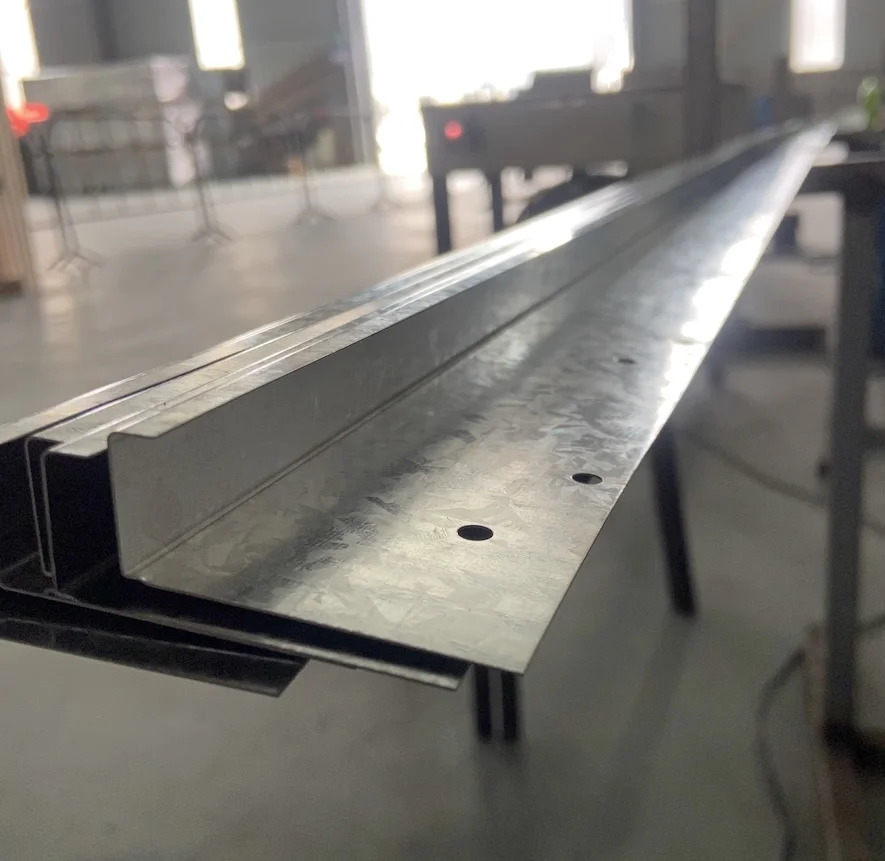
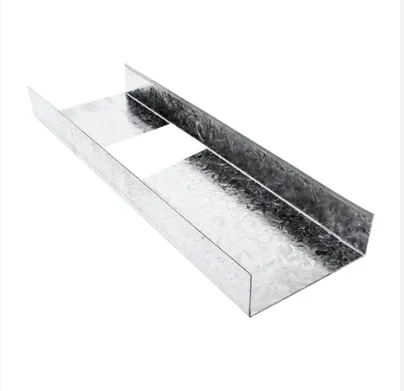
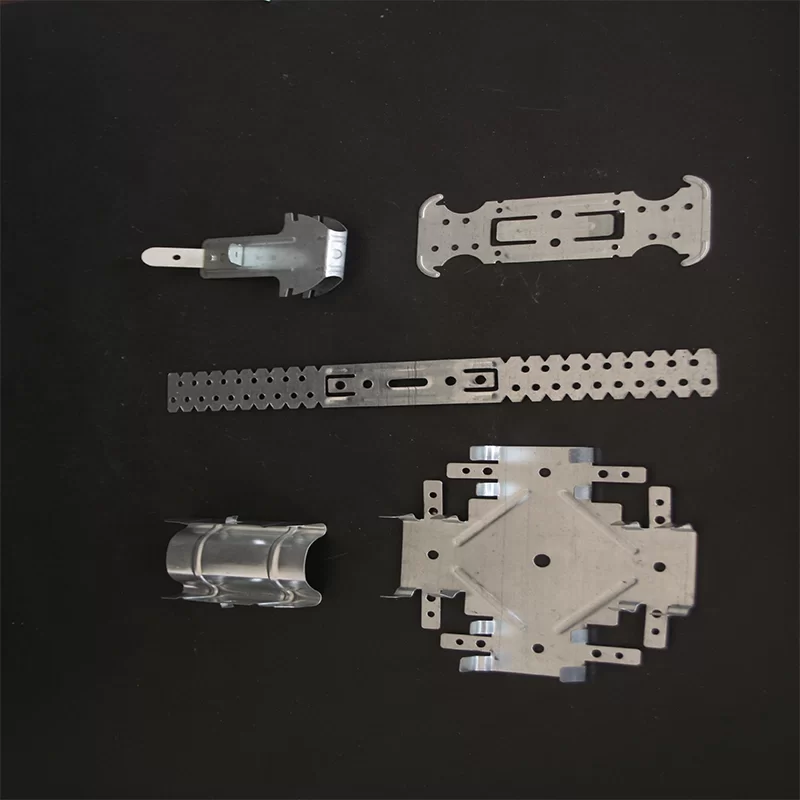
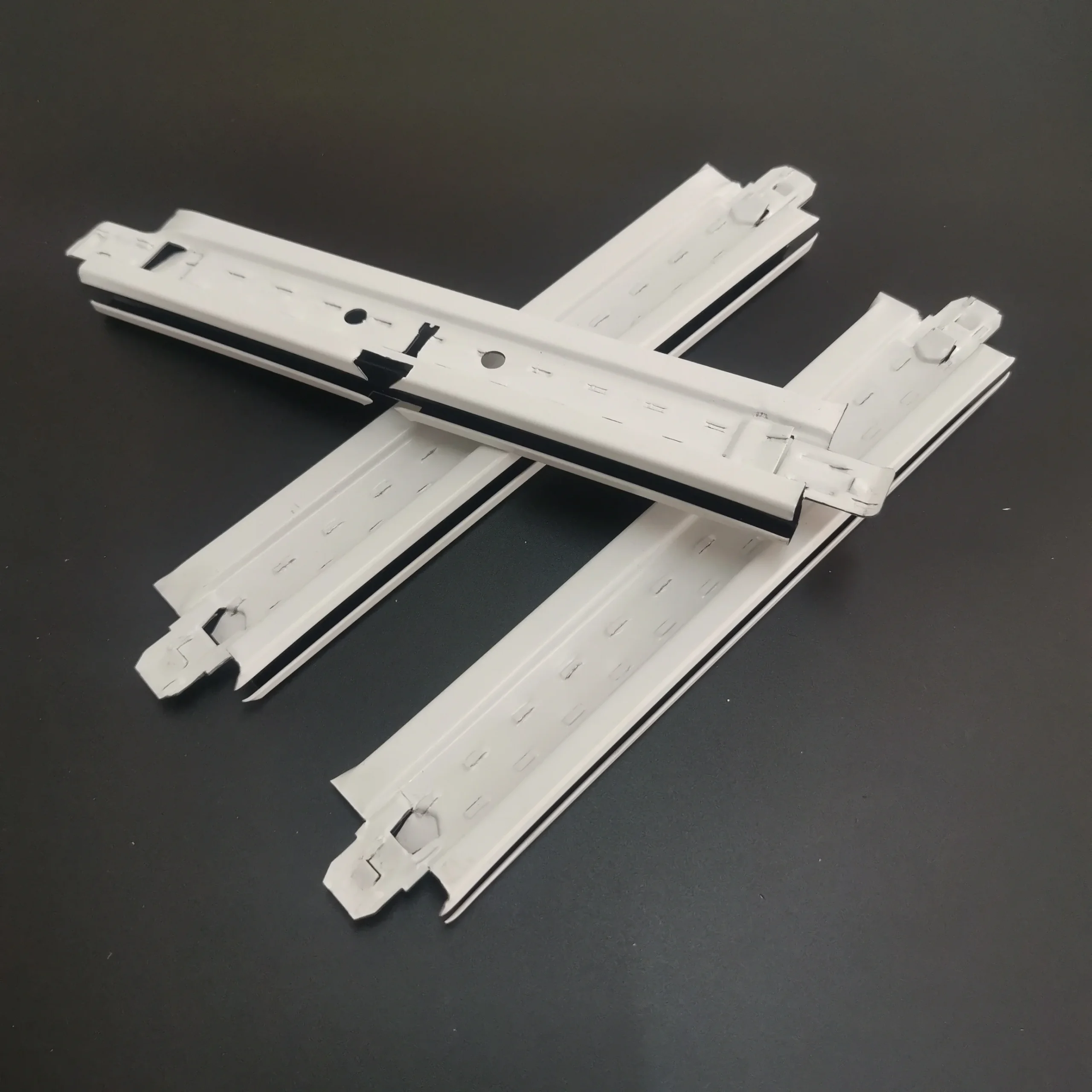
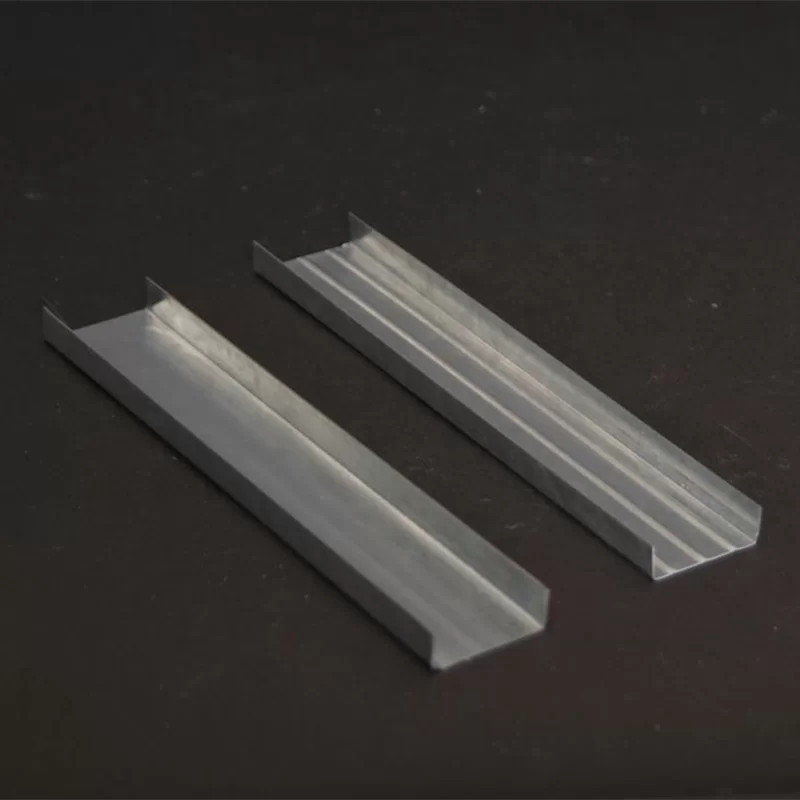
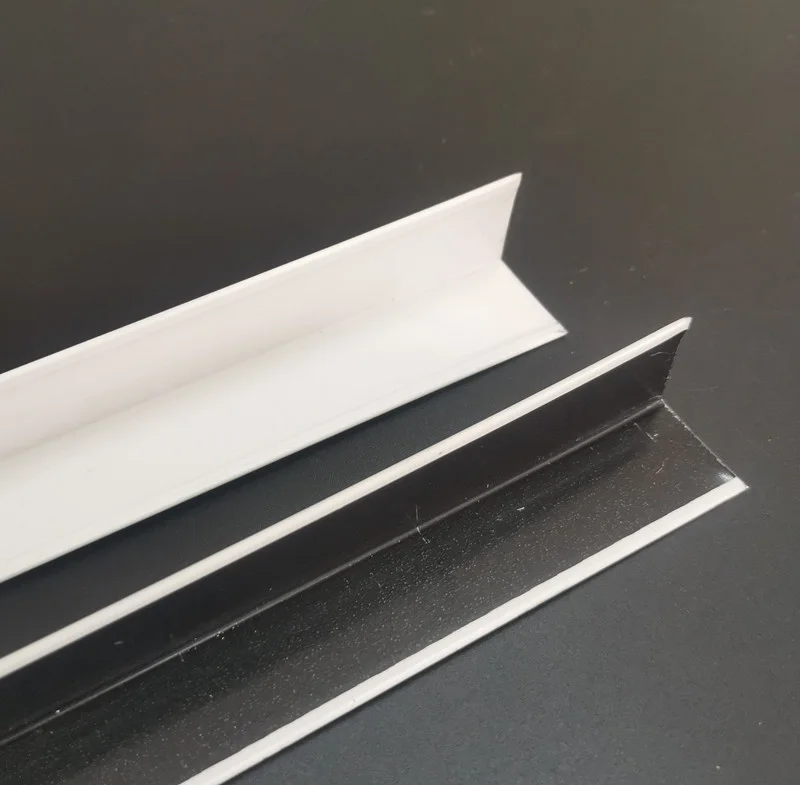
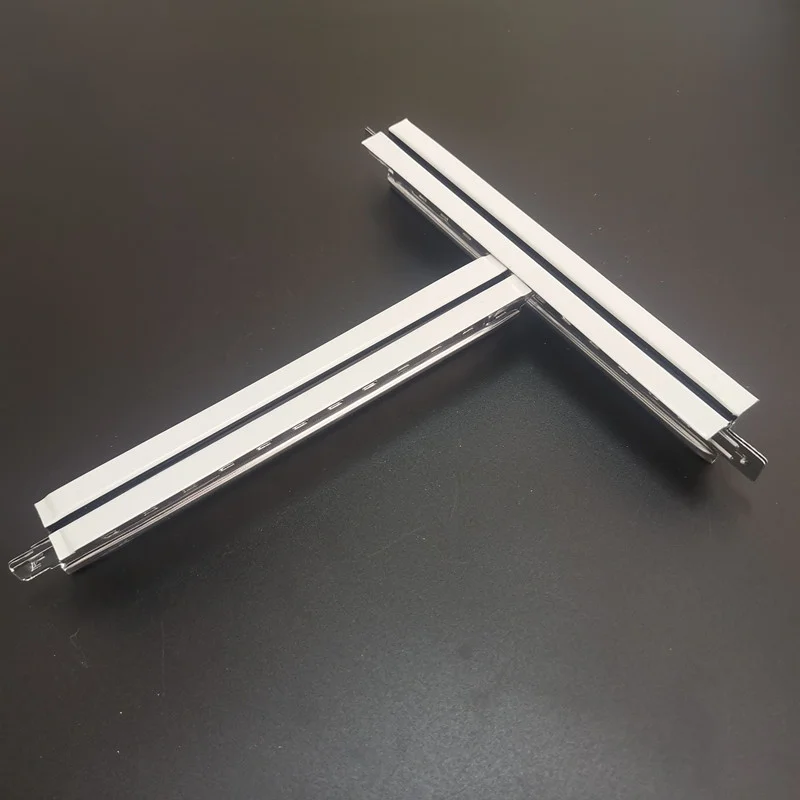
Simply put, drywall metal refers to the cold-formed steel components—studs, tracks, and channels—used to build internal and sometimes external wall frames to which gypsum drywall panels attach. These metal studs replace traditional wood studs. They’re typically galvanized to resist rust, lightweight for easy handling, and standardized for uniform construction practices.
This steel framing is crucial for modern building because it combines strength with flexibility. Whether it’s for high-rise offices or modular homes shipped overseas, drywall metal offers something wood can’t always: consistency. Plus, it integrates seamlessly with insulation, wiring, and plumbing, optimizing wall cavities.
Mini takeaway: Drywall metal is steel framing designed especially for drywall installation, essential for durability and modern building methods.
Core Components of Drywall Metal Frames
1. Durability and Corrosion Resistance
The galvanization process coats metal studs to prevent rust and corrosion, allowing drywall metal to last decades, even in humid environments or regions with fluctuating temperatures. This longevity often outperforms similarly priced wood alternatives.
2. Cost Efficiency
Drywall metal reduces waste since steel studs are manufactured to precise lengths and shapes, minimizing on-site cutting and error. Their lightweight nature cuts transportation and labor costs, which becomes noticeable across large projects.
3. Scalability and Modularity
Because of their uniform sizing, drywall metal frames allow builders to design modular wall systems that can be assembled, disassembled, or reconfigured easily. This flexibility supports both permanent construction and temporary structures such as exhibition stands or relief housing.
4. Fire Resistance
Steel studs do not burn, unlike wood. When paired with fire-rated drywall panels, drywall metal frames significantly improve building safety—vital in commercial and multi-family buildings.
5. Environmental Sustainability
Recycled steel content is often above 90%, reducing environmental impact. Furthermore, drywall metal is 100% recyclable at end-of-life, supporting circular construction practices.
Mini takeaway: Key drywall metal traits — from corrosion resistance to recyclability — directly translate to smarter, safer construction.
Real-World Applications of Drywall Metal
- Residential and Commercial Construction: In the U.S. and Europe, drywall metal has largely supplanted wood framing in apartments and office interiors.
- Post-Disaster Relief Housing: Organizations like the Red Cross deploy prefab walls with drywall metal frames to rapidly erect shelters after earthquakes or hurricanes.
- Industrial Zones: Remote mining camps or pipeline facilities use drywall metal framed buildings due to ease of transport and assembly.
- Educational and Healthcare Facilities: Countries investing in social infrastructure increasingly favor drywall metal to speed up build times without sacrificing quality.
Mini takeaway: From permanent cities to emergency tent cities, drywall metal’s adaptability makes it a staple in global building solutions.
Advantages and Long-Term Value of Drywall Metal Frames
When you weigh the pros, it’s clear why drywall metal stands out. For one, it offers predictable costs: stable steel prices mean fewer surprises, and lower labor demands help budgets stay intact. Emotionally, builders and occupants alike gain trust in a system that withstands time, weather, and accidents. There's a quiet dignity in a wall frame that won’t warp, splinter, or succumb to termites.
Environmentally, the recycled nature of steel combined with less waste on-site makes drywall metal significantly greener in comparison to other framing methods (ISO 14001 compliant manufacturers are common). Many engineers say it’s not just cheaper — it’s smarter, reflecting a commitment to innovation and responsibility.
Mini takeaway: Drywall metal frames marry cost-efficiency, reliability, and eco-friendly benefits into a long-term construction investment.
Where Drywall Metal Is Heading: Trends and Innovations
- Green Steel Production: Advances like electric arc furnaces powered by renewable energy are reducing carbon footprints of drywall metal manufacturing.
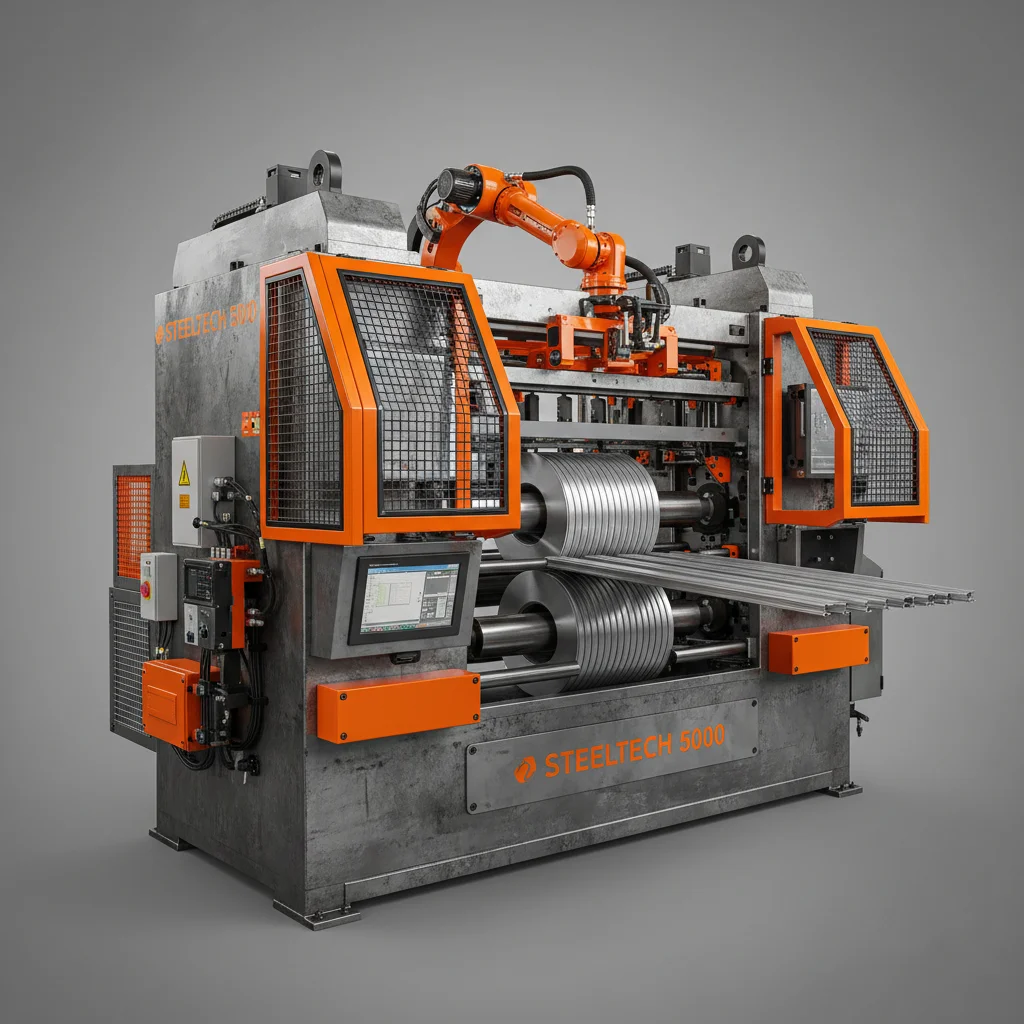
- Digital Fabrication: Automated cutting and assembly machines improve precision and cycle times, especially for prefab construction.
- Hybrid Materials: New coatings improve fire resistance and thermal efficiency further.
- Regulation-Driven Sustainability: Stricter building codes push wider drywall metal adoption over traditional timber framing.
The future feels like a collaboration between technology and tried-and-true materials, letting drywall metal keep pace with the rising demands of urbanization and climate-conscious design.
Common Challenges and How Experts Tackle Them
Despite the appeal, drywall metal isn’t foolproof. Corrosion can sabotage frames if installation guidelines fail, especially in coastal zones with salty air. Also, steel framing may conduct sound and heat more readily than wood, potentially necessitating additional insulation layers.
Experts recommend:
- Using high-quality galvanized or coated steel appropriate for the environment.
- Incorporating thermal breaks and sound isolation during assembly.
- Training installers carefully to avoid damaging protective coatings.
- Employing modular designs to simplify maintenance and replacements.
Overall, proactive planning resolves most issues, proving drywall metal’s robustness when applied with care.
Frequently Asked Questions About Drywall Metal
| Q |
A |
| How does drywall metal compare to traditional wood framing in terms of cost? |
While initial material costs for drywall metal may be slightly higher, savings in labor, reduced waste, and faster installation often deliver lower overall expenses compared to wood framing over the project lifecycle. |
| Is drywall metal suitable for use in humid or coastal environments? |
Yes, galvanized drywall metal with proper coatings resists corrosion well, making it a preferred choice in coastal zones—provided installation prevents water intrusion and maintains protective layers. |
| Can drywall metal framing improve fire safety in buildings? |
Absolutely. Steel framing doesn’t burn and, combined with fire-rated drywall panels, can significantly increase a building’s resistance to fire spread, offering occupants more time to evacuate. |
| How eco-friendly is drywall metal compared to other framing solutions? |
Drywall metal typically contains over 90% recycled steel and is 100% recyclable at the end of its life, unlike timber which involves deforestation; this gives drywall metal a clear environmental edge. |
Drywall Metal Product Specifications
| Specification |
Value |
Notes |
| Material Thickness |
0.018" to 0.045" |
Common gauge range for residential and commercial use |
| Stud Heights |
92 5/8", 97 5/8", Custom |
Standard and custom sizes available |
| Galvanization |
G40/G60 |
Coating weight to prevent corrosion |
| Recycled Content |
>90% |
Sustainable steel sourcing |
| Fire Rating |
Up to 2 hours |
Depends on drywall panel and assembly |
Comparison of Leading Drywall Metal Vendors
| Vendor |
Material Quality |
Sustainability |
Customization |
Global Reach |
| MetalFrame Inc. |
High-grade galvanized steel |
ISO 14001 certified, >90% recycled |
Custom lengths and gauges |
North America, Europe |
| SteelBuild Solutions |
Standard galvanization, mid-range price |
Recycled material but limited certification |
Catalogue sizes only |
Global, focus on Asia-Pacific |
| GreenSteel Corp. |
Premium eco-friendly galvanized steel |
Carbon-neutral production, LEED projects |
Offers customized solutions & coatings |
North America, Europe, growing global footprint |
Wrapping It Up: Why Drywall Metal Remains a Smart Choice
So, when you reflect on the role drywall metal plays—from housing crises to high-rise offices—you realize it’s more than just steel framing. It’s a symbol of modern construction adapting to global needs for faster, safer, and smarter building methods. With ongoing innovations and growing sustainability demands, drywall metal’s future looks as solid as the walls it forms.
If this sparked your interest, why not explore more about drywall metal at our website? The details there can support you in making informed decisions for your next project.
References
- World Bank: Urban Development
- UN Habitat Program
- ISO Environmental Standards