Understanding Drywall Metal Furring: Why It Matters Globally
If you're in construction, architecture, or facility management, the term drywall metal furring probably rings a bell. But for many, it remains a behind-the-scenes hero—an unassuming component that makes walls sturdy, straight, and durable. On a global scale, drywall metal furring isn’t just about individual buildings; it’s tied to efficient housing production, disaster response, and sustainable construction practices that affect millions.
Simply put, knowing why and how drywall metal furring is used helps ensure buildings meet safety standards, reduce long-term costs, and optimize project timelines. A little detail with big benefits, frankly.
Why Drywall Metal Furring Has Global Relevance
According to the United Nations, over 1.6 billion people worldwide live in inadequate housing, with growing urban populations demanding rapid yet safe construction solutions. Drywall metal furring systems provide a flexible, lightweight, and cost-effective framework that accelerates building without sacrificing quality.
Moreover, construction industries worldwide are shifting towards sustainable materials and modular designs—areas where drywall metal furring shines. For example, ISO standards emphasize recyclability and material efficiency, and metal furring channels made from galvanized steel fit the bill perfectly.
However, challenges remain around transportation costs, corrosion resistance, and installation skills, which drywall metal furring directly addresses by enabling standardized, streamlined workflows.
What Exactly Is Drywall Metal Furring?
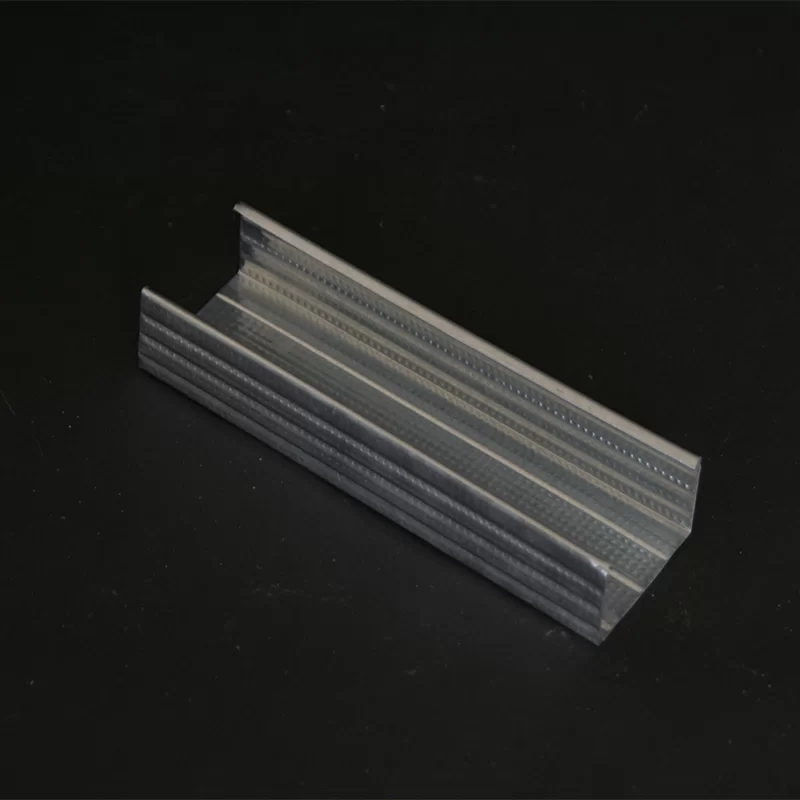
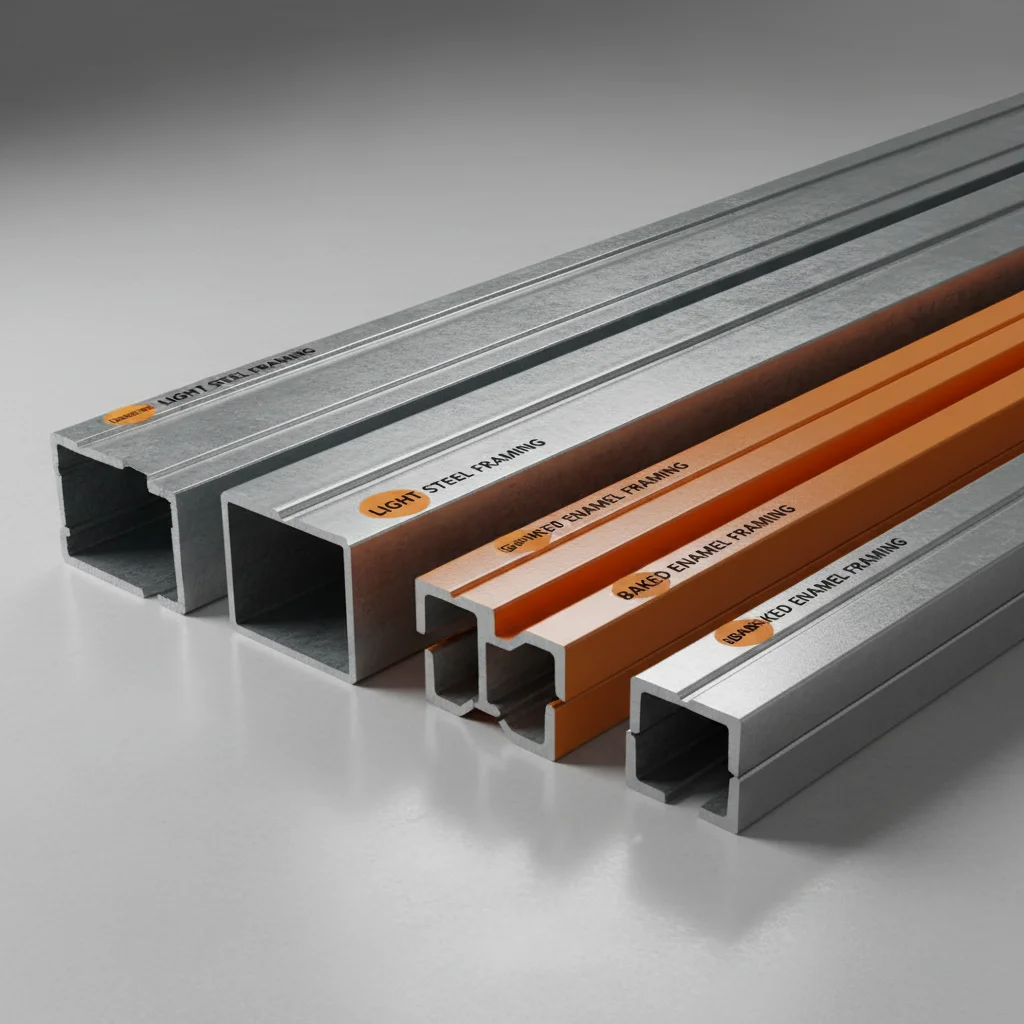
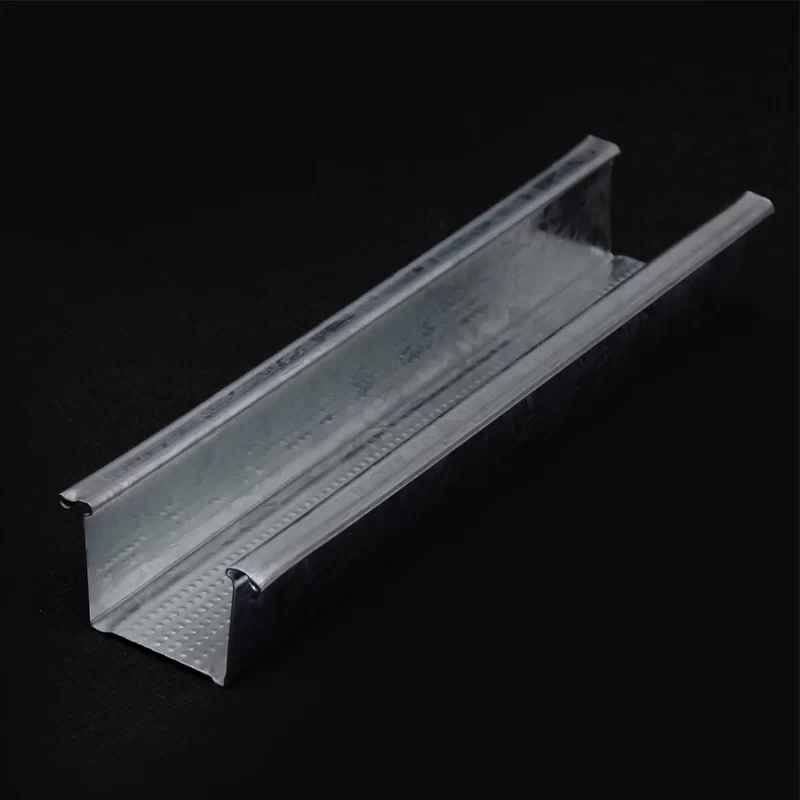
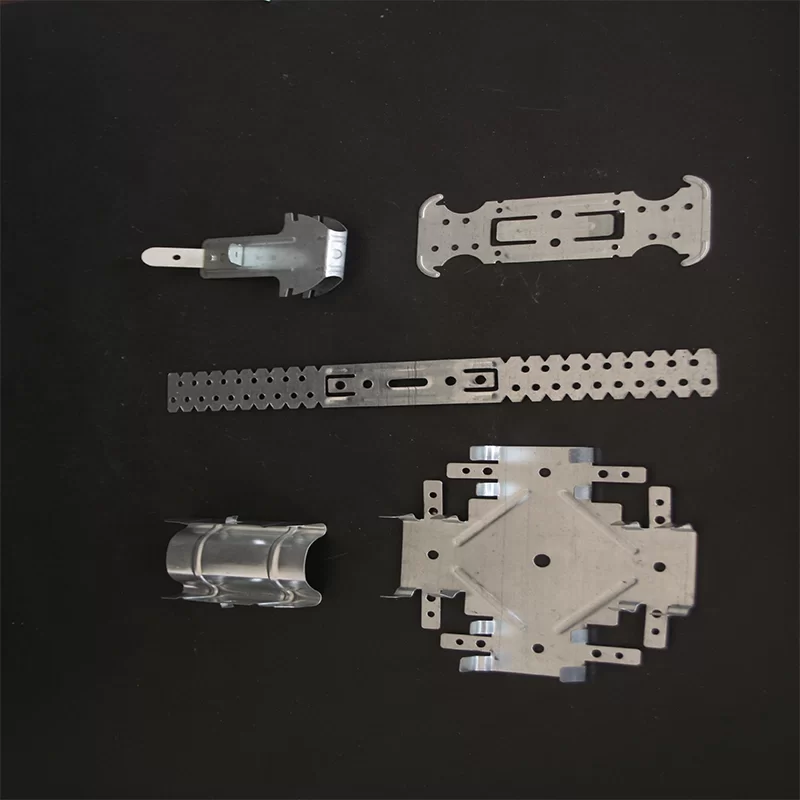
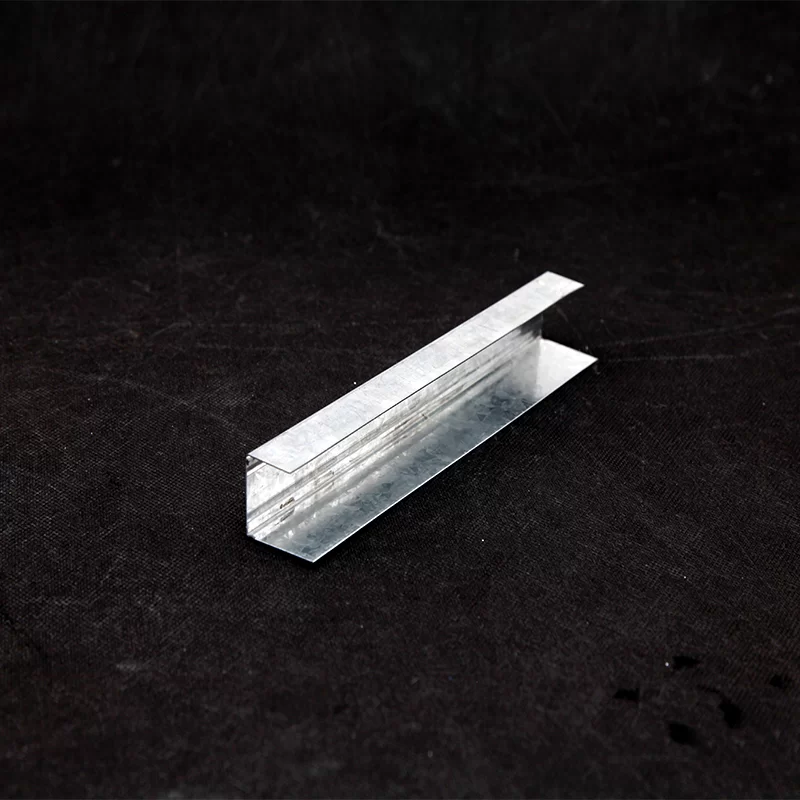
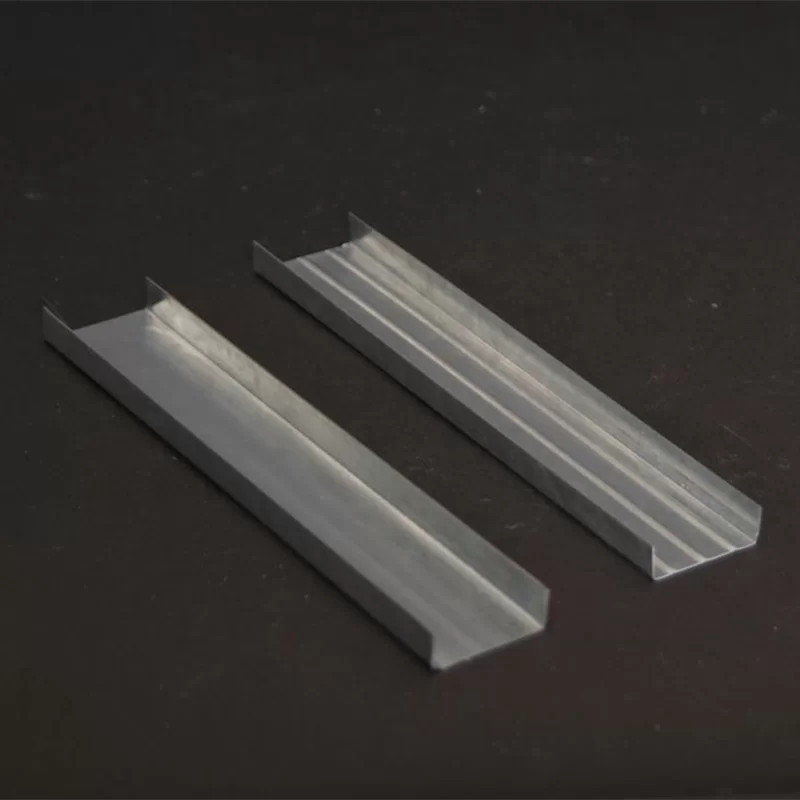
At its core, drywall metal furring refers to thin metal strips or channels—usually galvanized steel or aluminum—that act as a supporting structure inside wall assemblies. Think of it as the skeleton behind your drywall panels, providing a flat, stable surface for attaching sheets and insulating material.
Unlike traditional wood furring strips, metal furring offers greater durability against mold, pests, and fire. This makes it crucial not just in commercial buildings but also in humanitarian projects where shelters need to withstand harsh environments.
Mini Takeaway:
Drywall metal furring is a smart, modern choice that addresses both structural support and evolving global building challenges.
Key Attributes of Drywall Metal Furring Systems
1. Durability and Corrosion Resistance
Most drywall metal furring components are galvanized or coated to resist rust, making them suited for humid or coastal regions. This extends the life of wall assemblies compared to untreated materials.
2. Scalability and Flexibility
Furring systems come in various widths and thicknesses, adjustable to different wall heights or insulation needs. This makes them ideal for both small residential projects and large-scale industrial buildings.
3. Cost Efficiency
Because they’re lightweight and easy to install, drywall metal furring reduces labor time and shipping expenses. Plus, the longevity means fewer repairs over time.
4. Fire and Mold Resistance
Metal furring channels don’t combust or foster mold growth—key benefits in ensuring safe, healthy interiors.
5. Sustainability
Many metal furring products use recycled steel and are 100% recyclable themselves, appealing to builders aiming for green certifications.
Mini Takeaway:
The best drywall metal furring solutions blend strength, adaptability, and environmental mindfulness.
Real-World Uses of Drywall Metal Furring Across The Globe
Whether it’s the gleaming towers of Dubai or emergency shelters in Haiti, metal furring finds a place. In post-disaster relief operations, NGOs prefer drywall metal furring because it enables quick assembly of durable, insulated spaces that communities can count on.
In northern Europe’s cold climates, metal furring helps support heavy insulation layers while preventing mold buildup. Many industrial zones in Southeast Asia adopt these systems to meet strict fire codes without excessive weight.
Back in the US, drywalls with metal furring are standard in commercial builds—offices, hospitals, schools—where reliable, straight walls are crucial for aesthetics and safety alike.
Mini Takeaway:
From relief camps to skyscrapers, drywall metal furring adapts worldwide to unique structural and environmental needs.
Advantages and Long-Term Value of Using Drywall Metal Furring
- Cost effectiveness: Lower installation and maintenance costs.
- Sustainability: Recyclable materials reduce environmental impact.
- Enhanced safety: Fire resistance and structural integrity protect occupants.
- Consistency and precision: Standardized channels guarantee straight walls, reducing rework.
- Emotional reassurance: People feel safer and prouder in well-built spaces, fostering trust.
Oddly enough, choosing proper furring might seem trivial, but it underpins the entire building’s success.
Future Trends Shaping Drywall Metal Furring
The industry is buzzing with innovations—ultra-lightweight alloys, smart coatings that resist corrosion longer, and integration with sensors that track structural health in real-time. On the policy side, governments promote green building codes requiring recycled content, pushing manufacturers to improve furring materials’ environmental profiles.
Automation in installation, like robotic fastening tools, is emerging as well, promising faster deployments—particularly vital in rapid housing scenarios during crises.
Common Challenges—and How the Industry Tackles Them
Even metal furring isn’t exempt from issues: transportation costs can bite, especially for remote projects. Galvanized coatings sometimes fail prematurely in extremely salty environments.
Experts suggest tailored alloy blends and localized production to mitigate this. Training workers to handle metal furring properly also reduces mishaps that lead to costly repairs.
Drywall Metal Furring At A Glance: Product Specification
| Specification |
Details |
| Material |
Galvanized steel (G40 or higher) |
| Widths |
0.5" to 2" (12.7mm to 50.8mm) |
| Length |
8' to 12' standard |
| Coating |
Zinc galvanization, optional epoxy paint |
| Fire Rating |
Class A (ASTM E84) |
| Recyclability |
100% |
Comparing Leading Drywall Metal Furring Vendors
| Vendor |
Material Quality |
Eco-Friendliness |
Product Range |
Lead Time |
Price Range |
| SteelPro Inc. |
High (G60 galvanized) |
Certified recycled content |
Wide (0.5"-3" widths) |
2 weeks |
$$$ |
| BuildMetal Co. |
Standard (G40 galvanized) |
Partial recycled steel |
Moderate (0.5"-2.5") |
1 week |
$$ |
| GlobalFurriers Ltd. |
Premium alloys, corrosion-resistant |
Fully recyclable, green-certified |
Narrow (mostly 1"-2") |
3 weeks |
$$$$ |
Frequently Asked Questions About Drywall Metal Furring
Q1: What advantages does metal furring have over wood furring in drywall installations?
A1: Metal furring offers superior resistance to mold, termites, and fire compared to wood. It ensures straighter walls by resisting warping and lasts longer in damp environments. Installation is often quicker due to standardized components.
Q2: Can drywall metal furring be used in exterior wall applications?
A2: Yes, especially when coated with corrosion-resistant finishes. They're commonly used in exterior rainscreen walls where durability and moisture management are critical. However, specs should fit local building codes.
Q3: How sustainable is drywall metal furring?
A3: It’s quite sustainable. The steel used is often produced with recycled content and the product itself is 100% recyclable at end-of-life, helping reduce construction waste.
Q4: Are there special installation tools required for metal furring systems?
A4: Generally, common metal fasteners, drills, and snips suffice. However, some projects may benefit from automated clip systems or laser levelers to speed up and improve accuracy.
Q5: How can international buyers procure drywall metal furring products efficiently?
A5: Working with global suppliers offering export-ready packaging and consolidated logistics is key. Certifications like ISO and compliance with import regulations smooth customs clearance. Our website, drywall metal furring, connects buyers with vetted vendors.
Wrapping It Up: Why Drywall Metal Furring Deserves Your Attention
In the grand scheme of construction, drywall metal furring might seem like a minor player, but it’s a foundation stone of quality, durability, and sustainability. It addresses real-world challenges—whether speeding up affordable housing, improving fire safety, or advancing green construction.
Curious to see how drywall metal furring can transform your next project? Visit our website: drywall metal furring for expert guidance, trusted products, and tailored support.
References:
- Wikipedia - Furring (construction)
- United Nations Climate Change Reports
- ISO Standards - Sustainability in Construction