Why Extending Metal Studs Matter Across Industries and Borders
At first glance, extending metal studs might sound like niche lingo from a construction manual. But honestly, they're quietly becoming the unsung heroes in everything from urban high-rises to emergency shelters halfway around the world. These little structural pieces—extensions of the more familiar metal framing studs—help builders bridge gaps, extend walls, and add modular flexibility without tearing down and starting from scratch. And given the rising demand for faster, more scalable, and sustainable building methods globally, understanding how these studs work isn't just a technical curiosity—it’s becoming a key part of modern infrastructure.
According to the United Nations, urban populations are expected to swell by 2.5 billion people by 2050,1 which means we’ll need smarter building solutions that grow as fast as cities do. Extending metal studs help meet this challenge by allowing structures to be flexible, cost-effective, and robust—whether you’re expanding a commercial complex or providing quick housing solutions after a disaster.
The Global Relevance of Extending Metal Studs
Metal framing is the backbone of modern construction, especially in places where timber is scarce or fire resistance is paramount. Extending metal studs take that backbone a step further. ISO standards for steel framing emphasize strength and uniformity,2 but challenges remain when buildings need last-minute modifications or fast upgrades. Industries like modular construction, humanitarian shelter providers, and industrial facility builders recognize that static frames no longer cut it.
World Bank data shows that rapid urbanization often outpaces infrastructure growth, leading to makeshift expansions that compromise safety.3 Extending metal studs offer a practical response: they allow builders to upgrade structural elements faster and maintain durability without costly overhauls. The “problem” it addresses is all about scalability without sacrificing strength or time.
What Exactly Are Extending Metal Studs?
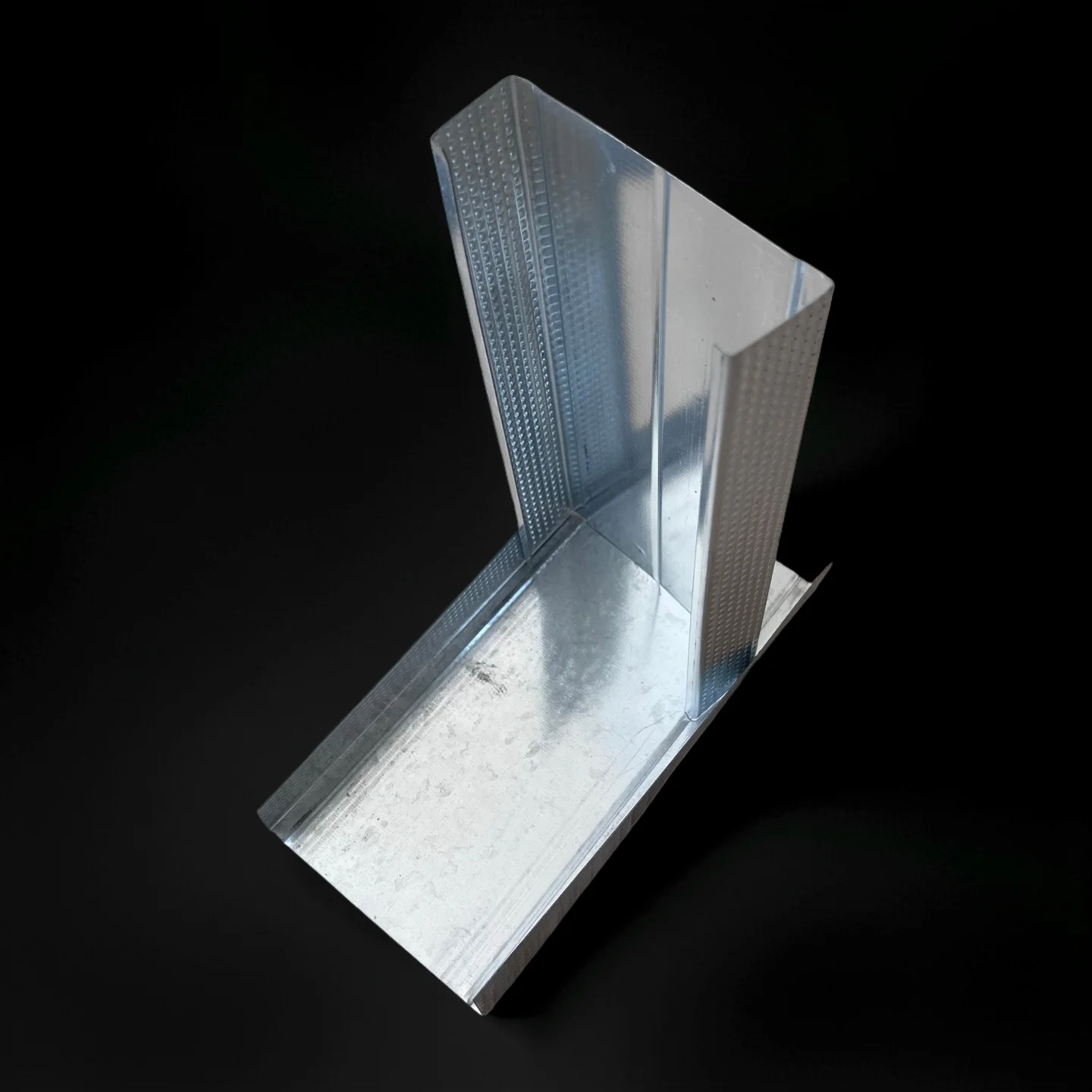
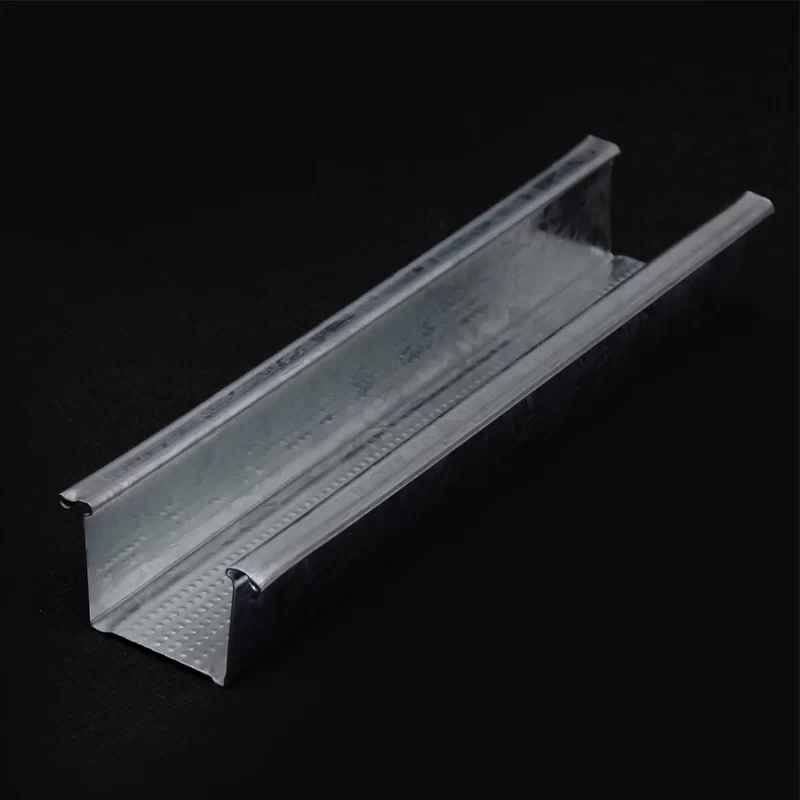
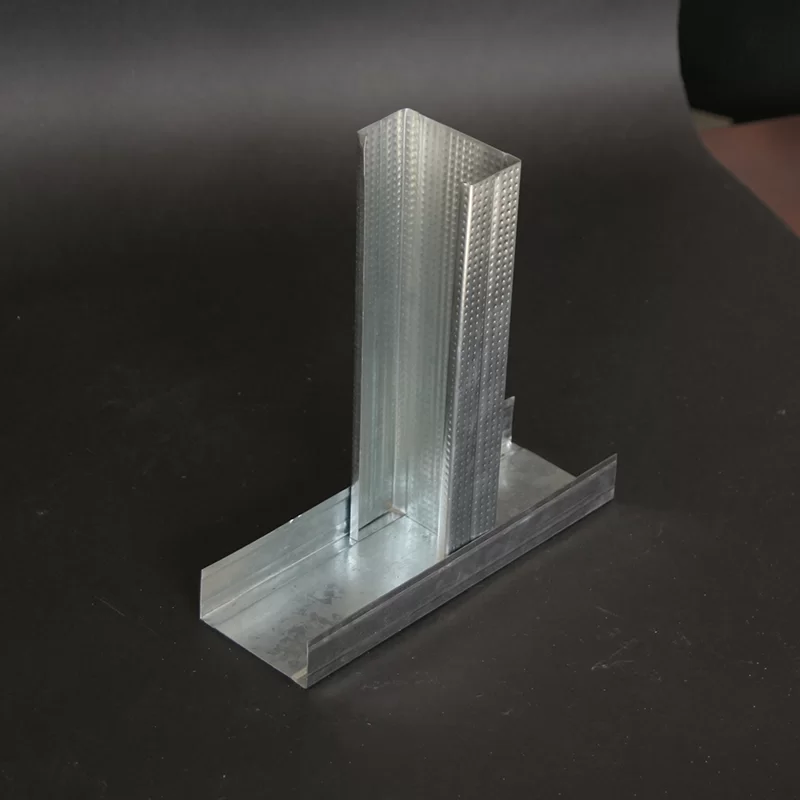
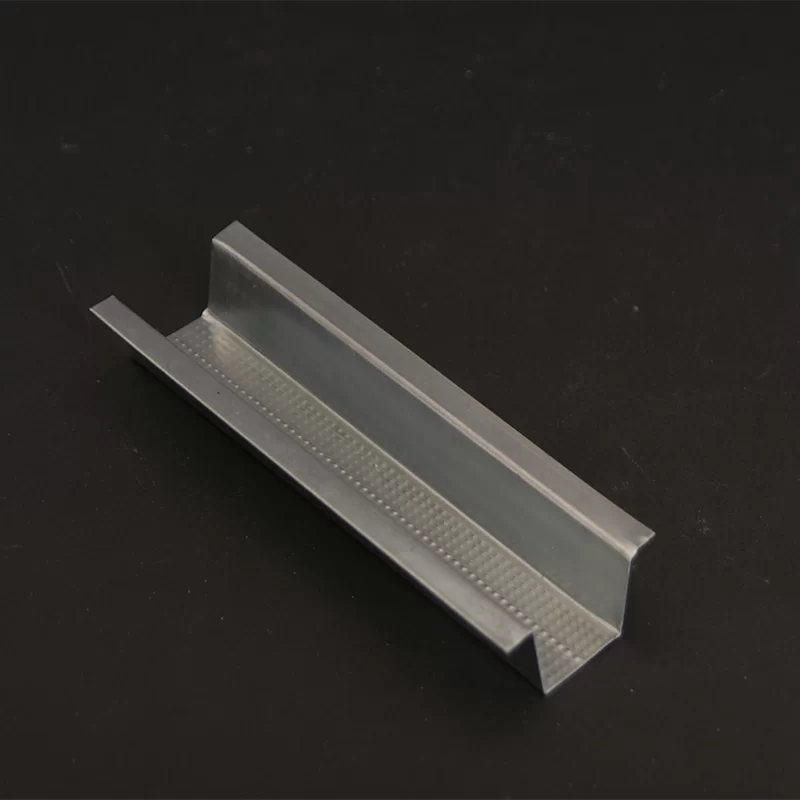
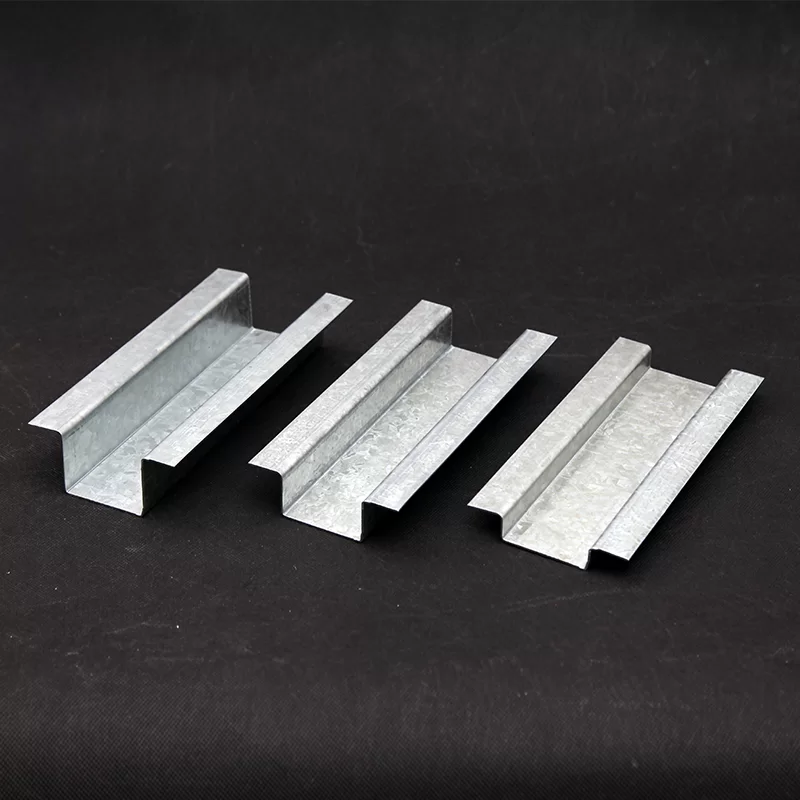
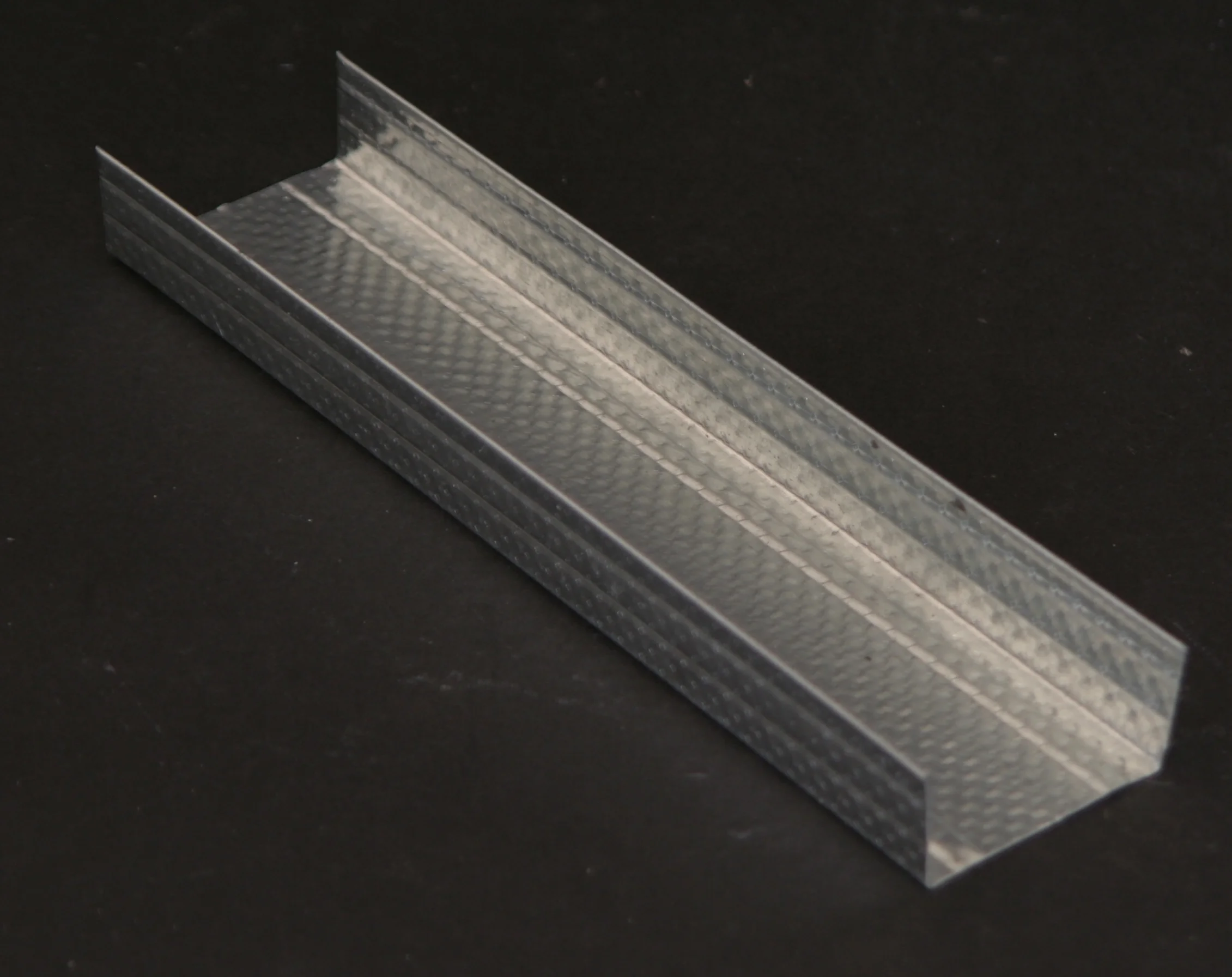
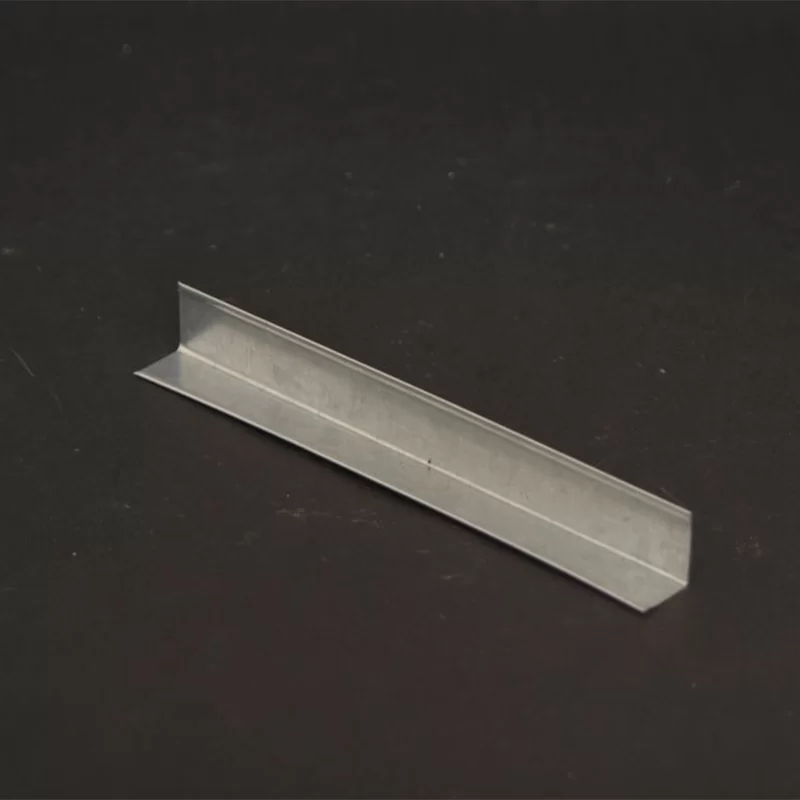
In simpler terms, these are metal studs designed with additional jointing or telescoping features to connect with existing framing elements, effectively “extending” an existing wall or partition. Think of them as modular building blocks for vertical and horizontal expansion, often employed where space or time is limited.
Their connection to modern industry and humanitarian needs is straightforward: they make adaptive construction viable. When you’re building in remote locations, post-disaster zones, or rapidly growing cities, the ability to add or adjust walls without dismantling existing structures is invaluable.
Core Components That Give Extending Metal Studs Their Edge
Durability
Made from galvanized steel or cold-rolled metal, these studs resist corrosion better than wood, especially in humid or harsh environments. Durability isn’t just about lasting decades; it’s about maintaining integrity in climates ranging from tropical to arctic.
Scalability
The modular design lets builders quickly add length or height as projects evolve. For example, a warehouse needing an extra aisle or a clinic adding a temporary ward can install extensions without full frame replacement.
Cost Efficiency
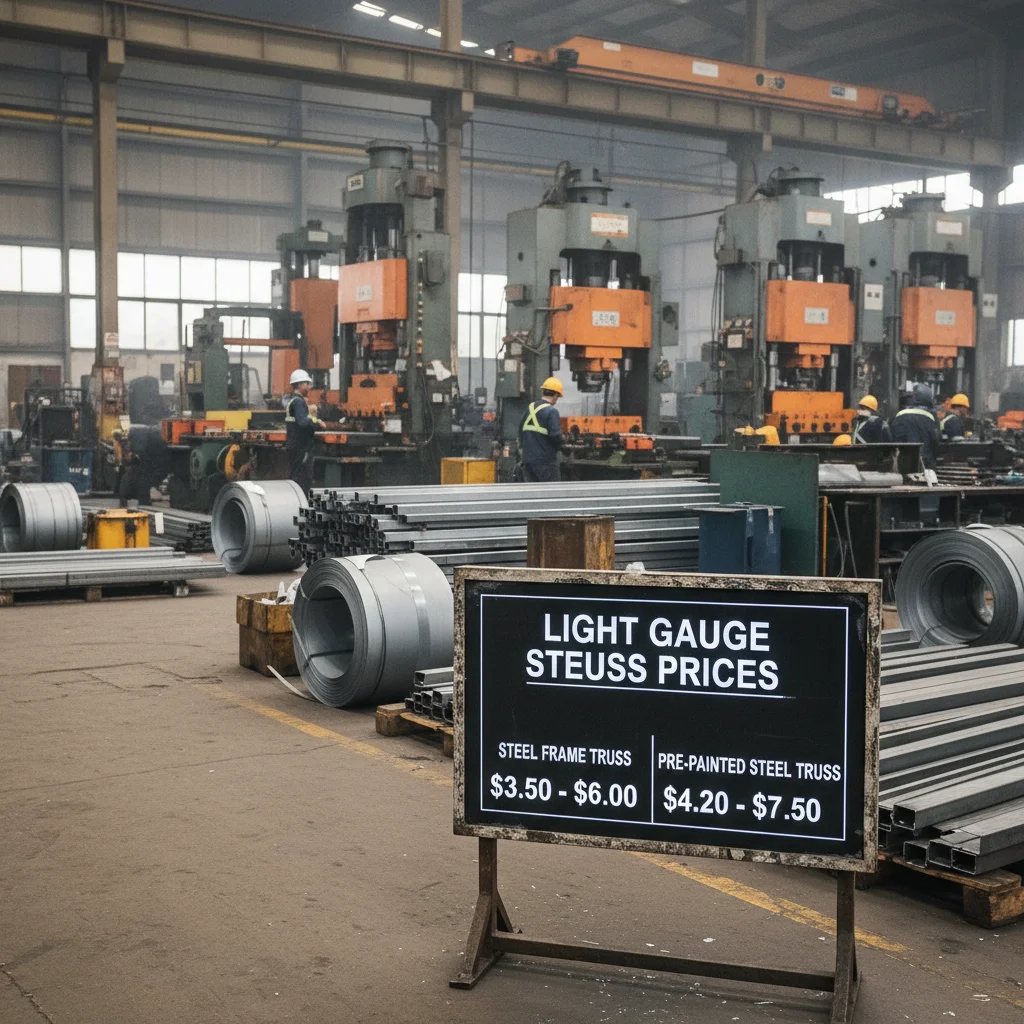
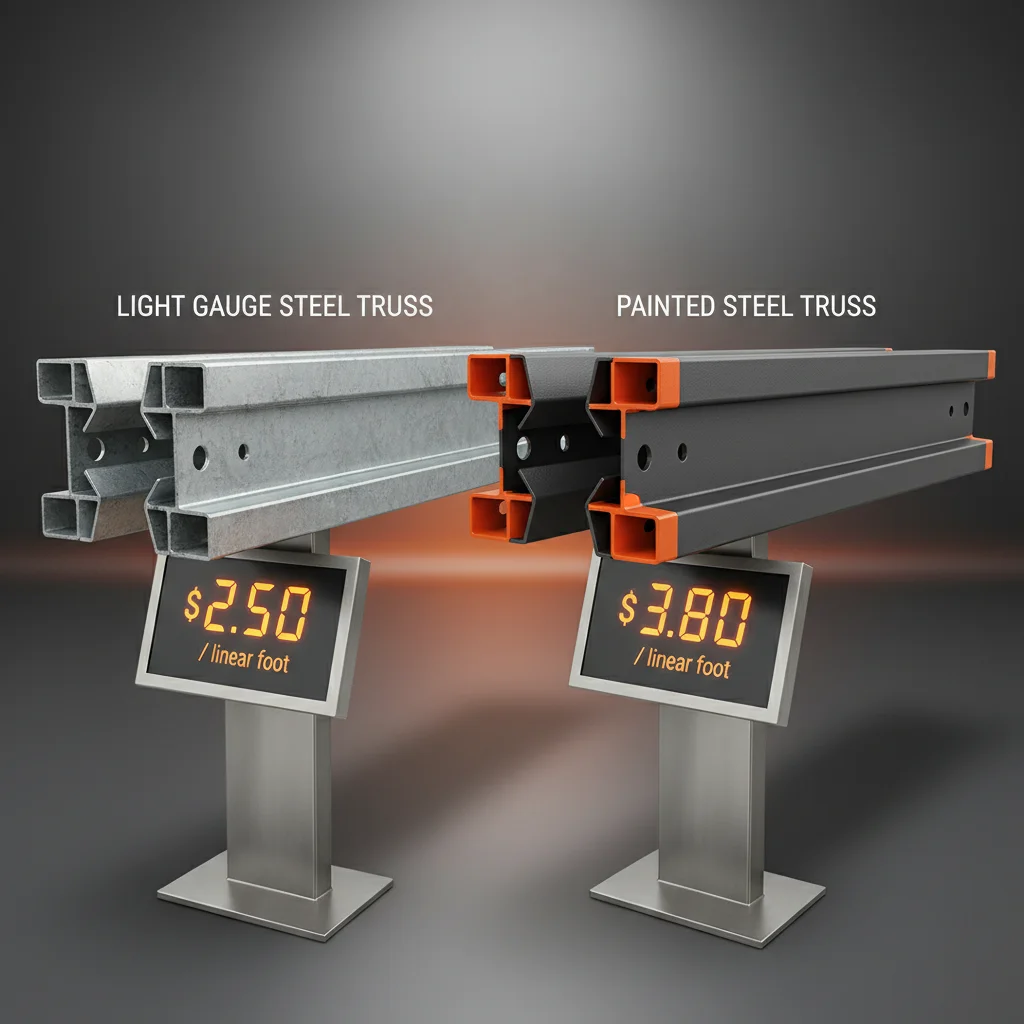
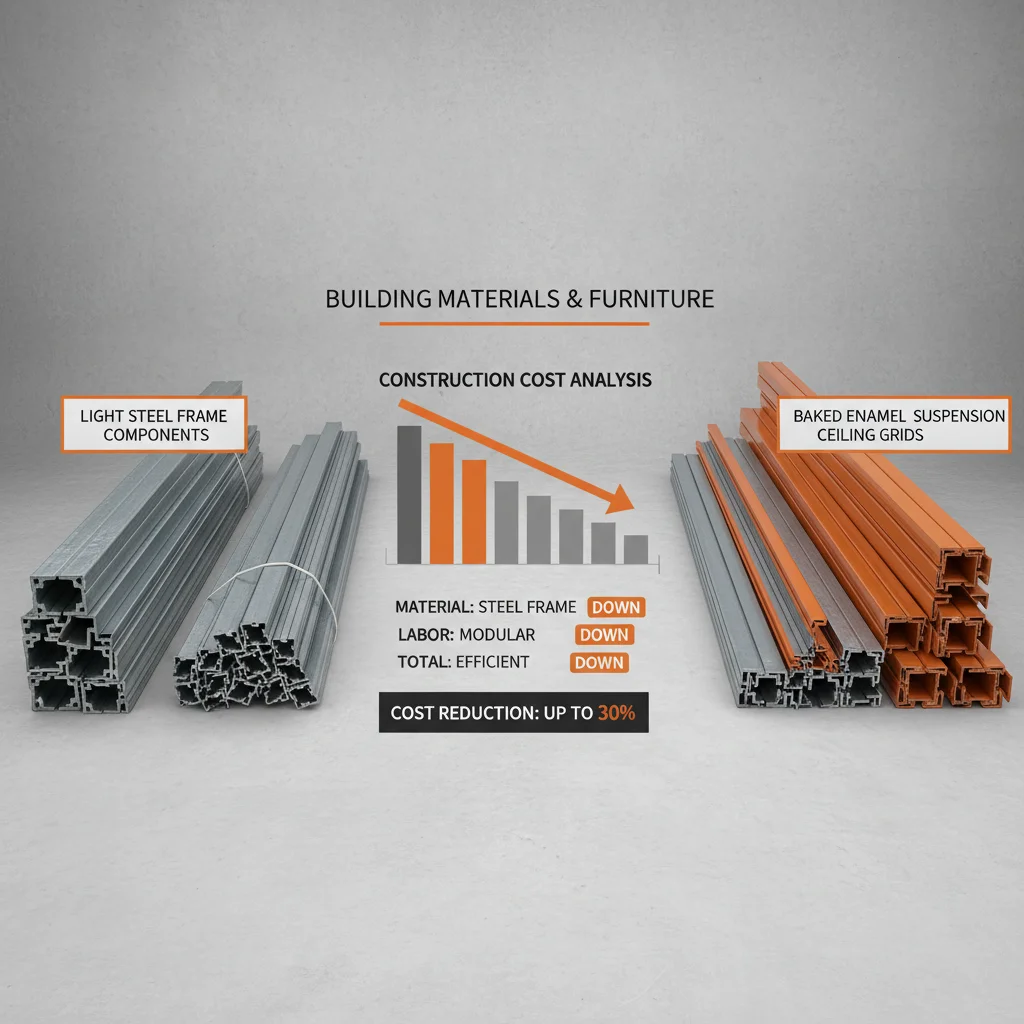
Because these studs reduce waste and labor, many say they trim project costs by up to 15% versus traditional rebuilds. It also minimizes downtime—which, when you’re running a factory or emergency shelter, is priceless.
Compatibility
Designed with industry-standard dimensions, extending metal studs usually fit seamlessly with most commercial framing systems. This universal fit reduces headaches during installation and supply chain procurement.
Ease of Installation
Lightweight and pre-punched for screws, these studs can be installed with minimal specialized equipment—even by small crew teams in challenging field conditions.
Environmental Sustainability
Many extending metal studs today are made from recycled steel, supporting circular economy goals. The ability to extend rather than rebuild also reduces material waste, aligning with green building certifications and reducing carbon footprint.
Mini Takeaway: Extending metal studs are multi-faceted solutions that combine strength, flexibility, and cost-saving — ideal for a world needing adaptable architecture at speed.
Where in the World Are Extending Metal Studs Making a Difference?
It’s kind of incredible how these modest components find their way into diverse settings:
- Post-Disaster Relief Operations: In Haiti and the Philippines, rapid shelter expansions use extending metal studs to replace temporary tents with more durable housing.
- Remote Industrial Zones: Mining camps in Australia and Canada extend modular buildings quickly as workforce shifts.
- Urban Redevelopment in Europe and Asia: Skyscraper refurbishments in cities like Tokyo and London optimize space by extending interior partition frames mid-build.
- Educational Institutions: Schools in Africa utilize modular classrooms with extendable frames to keep pace with growing student bodies.
Mini Takeaway: Global use cases highlight versatility from disaster relief to luxury developments — all thanks to the cleverness of extendable metal framing.
Advantages & Long-Term Value of Using Extending Metal Studs
What stands out is how these studs blend logical and emotional value for project stakeholders:
- Cost Savings: Avoid huge rebuild costs while maintaining performance.
- Reliability: Consistency in strength reassures engineers and occupants alike.
- Sustainability: Reduced material waste and energy demand aligns with global green targets.
- Safety & Dignity: For humanitarian contexts, better housing means restoring pride and security.
- Innovation: They’re small components that embody big thinking, pushing construction methods forward.
Product Specification Table: Extending Metal Studs
| Specification |
Details |
| Material |
Galvanized Steel (G90 coating) |
| Standard Length |
3 meters (extendable up to 6 meters) |
| Width |
1.5 inches (38 mm) |
| Thickness |
25 gauge (0.0187 inches / 0.48 mm) |
| Connection Type |
Telescoping joint with screw-lock mechanism |
| Fire Rating |
Up to 2 hours (per ASTM E119) |
| Weight per unit |
4.3 kg (9.5 lbs) per 3 m stud |
Vendor Comparison: Leading Extending Metal Stud Suppliers
| Vendor |
Material Quality |
Installation Ease |
Cost (per unit) |
Customization Options |
| Jinkai Building Materials |
Premium G90 Galvanized Steel |
Pre-punched, lightweight design |
$$$ |
Custom lengths, colors, and gauges |
| SteelEdge Solutions |
Standard G60 galvanized |
Moderate, requires tools |
$$ |
Limited to stock sizes |
| GlobalMetal Inc. |
High-grade recycled steel |
Lightweight, modular clips |
$$$$ |
Full customization, quick delivery |
Looking Ahead: Innovations and Trends in Extending Metal Studs
It feels like we’re on the cusp of a few big shifts. For one, new composite materials blending steel with carbon fiber are reducing weight and boosting strength.4 Meanwhile, automation is inching closer to on-site fabrication—imagine robotic arms delivering customized studs tailor-made for your project on demand. Sustainability trends push manufacturers to source even purer recycled metals, while digital design tools integrate framing calculations right into 3D BIM software.
A growing number of governments now encourage or even mandate modular, sustainable construction methods that heavily rely on these adaptable framing elements. So, if you’re watching real estate news, keep an eye on modular construction’s rise and the quietly growing role of extending metal studs within.
Common Challenges and How Industry Leaders Solve Them
Extending metal studs aren’t perfect. Some challenges include:
- Connection Weakness: Poorly manufactured joints can compromise structural integrity.
- Corrosion in Coastal Zones: Standard coatings sometimes fall short in salty environments.
- Supply Chain Bottlenecks: Custom or less common lengths are harder to source quickly.
Solutions? Many vendors now offer enhanced galvanization or powder coating for corrosion resistance. Joint designs evolve to include mechanical interlocks and lock screws for superior hold. On the supply side, digital inventory management and local warehousing reduce delays—especially if the supplier has a network that understands local market needs.
FAQ: Frequently Asked Questions About Extending Metal Studs
Q1: How do extending metal studs speed up building expansion?
These studs allow builders to add lengths to existing frames without dismantling walls. The pre-designed extension joints make it possible to modify structures on-site quickly, saving time and labor compared to starting from scratch.
Q2: Can extended metal studs withstand harsh weather conditions?
Yes, especially when made from galvanized steel with adequate coatings. Fire ratings of up to 2 hours and corrosion resistance make them suitable for many climates, though special coatings are recommended for coastal or industrial zones.
Q3: Are extending metal studs compatible with drywall and other interior finishes?
Absolutely. Their dimensions align with standard framing, so drywall, paneling, and insulation install just like on traditional metal studs—making retrofits seamless.
Q4: What’s the typical lead time for ordering custom-length extending metal studs?
Lead times vary but expect roughly 2–3 weeks depending on vendor capabilities and customization levels. Some suppliers have local stock for common sizes, which speeds up delivery.
Q5: Can NGOs import extending metal studs easily for emergency housing projects?
Yes, many manufacturers specialize in international shipping and offer bulk discounts. It’s wise to partner with vendors familiar with import regulations and able to provide certification documents.
Wrapping It All Up and Next Steps
Extending metal studs play a surprisingly vital role in modern and humanitarian construction by enabling flexibility, durability, and cost savings. As cities expand and the need for adaptable infrastructure grows, these studs stand out as simple yet powerful building blocks offering scalable solutions worldwide.
If you want to explore quality extending metal studs tailored to your projects, check out Jinkai Building Materials for detailed specifications and expert advice.
Almost feels like the little things matter the most sometimes...
References
- United Nations Urbanization Data
- ISO 6507-1: Metallic Materials Standards
- World Bank Urban Population Growth