Understanding Exterior Hat Channel: A Structural Game-Changer Worldwide
If you’re involved in building, retrofitting, or simply curious about how modern cladding systems work, the term
exterior hat channel likely crosses your path — and with good reason. This simple yet elegant metal component quietly holds huge importance on a global scale, especially where sustainable and durable building envelopes are vital. From high-rises in New York to low-income housing in Southeast Asia, knowing what an exterior hat channel is, how it works, and why it’s so widely used can save time, money, and frankly, quite a few headaches. It’s about more than just a metal strip; it’s about structural integrity, moisture control, and even energy efficiency.
---
The Global Landscape of Exterior Hat Channels
So why talk about exterior hat channels beyond the construction hobbyist crowd? Globally, building and construction account for nearly 40% of energy consumption and a similar share of carbon emissions, according to the International Energy Agency (IEA). A lot of that inefficiency comes from poorly ventilated facades and aging cladding materials that trap moisture or degrade prematurely. Exterior hat channels — often made from galvanized steel or aluminum — are designed to create that essential drainage and air gap between exterior materials and the building itself. This small feature can reduce mold, improve thermal performance, and thus drastically extend the lifespan of wall assemblies.
But here’s the rub: many regions don’t yet fully incorporate these in building codes or best practices, especially in rapidly urbanizing countries. As the UN projects massive urban migration by 2050, the demand for resilient and affordable construction components like exterior hat channels will only increase. So, given this challenge, understanding hat channels today might shape tomorrow’s city skylines and humanitarian shelters alike.
---
Simply Put: What Is an Exterior Hat Channel?
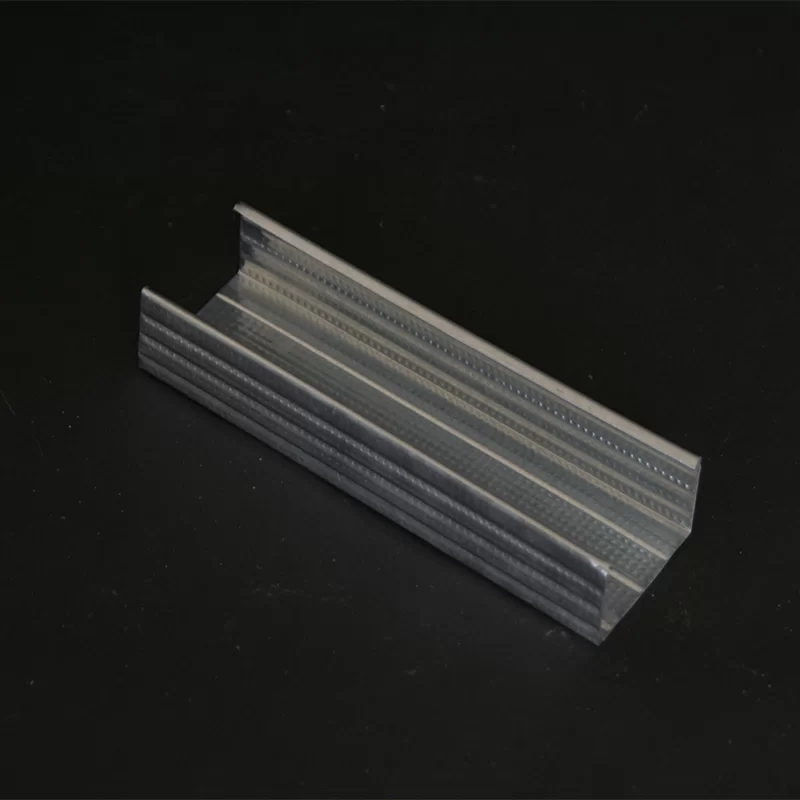
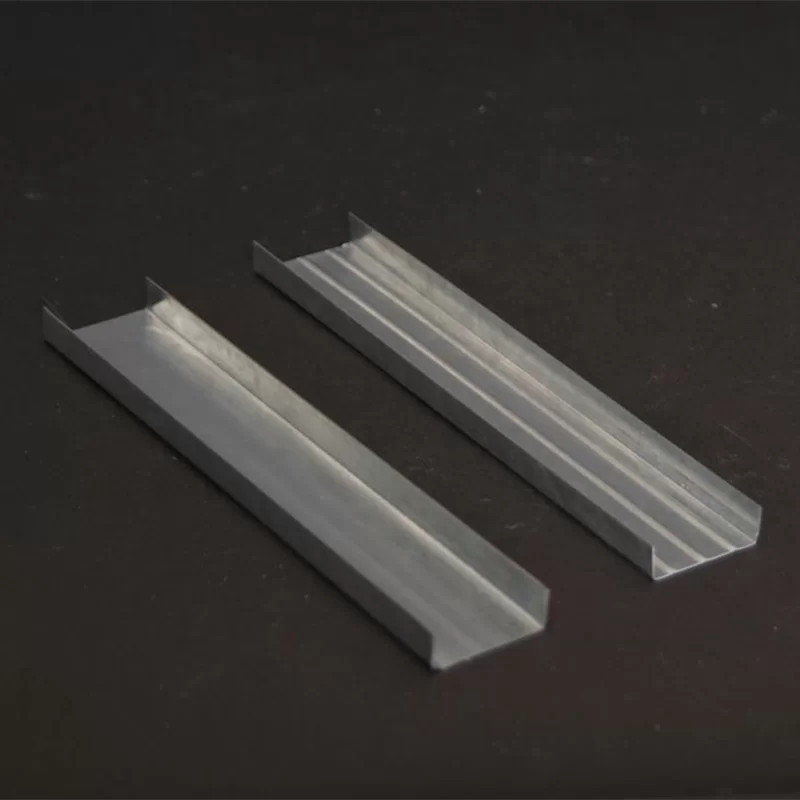
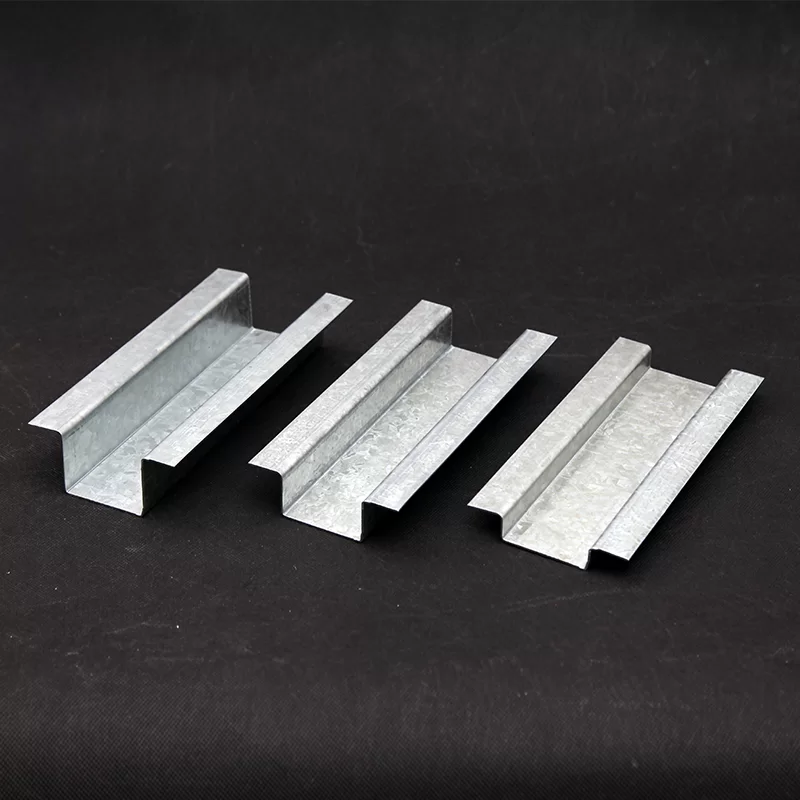
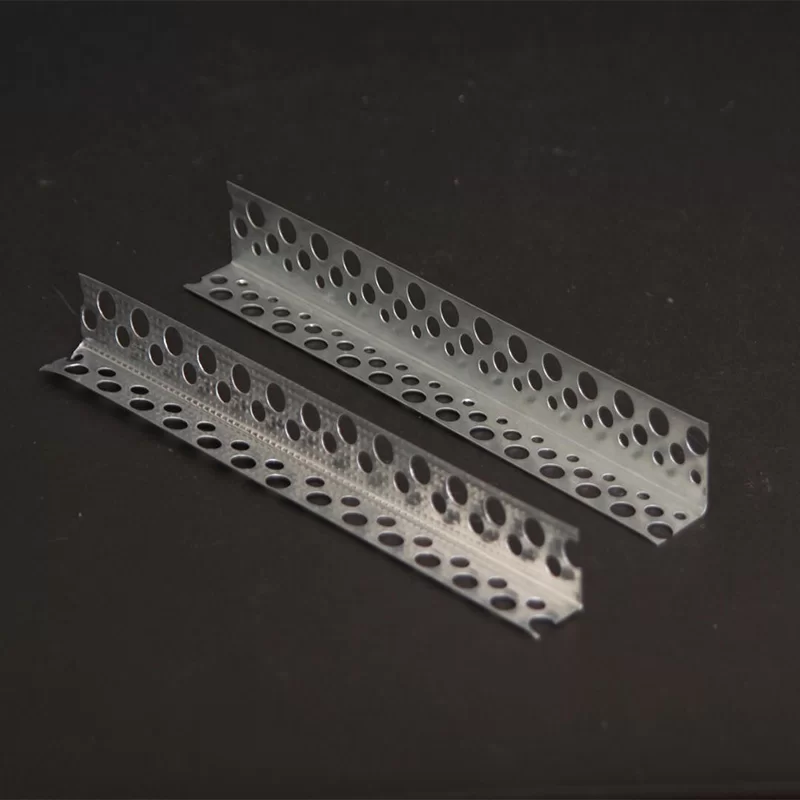
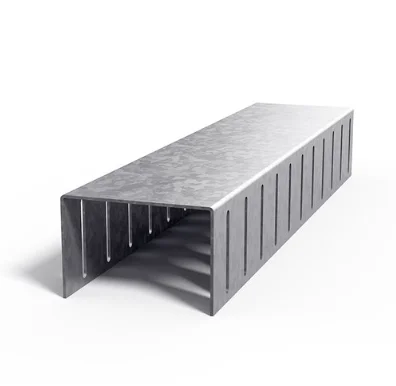
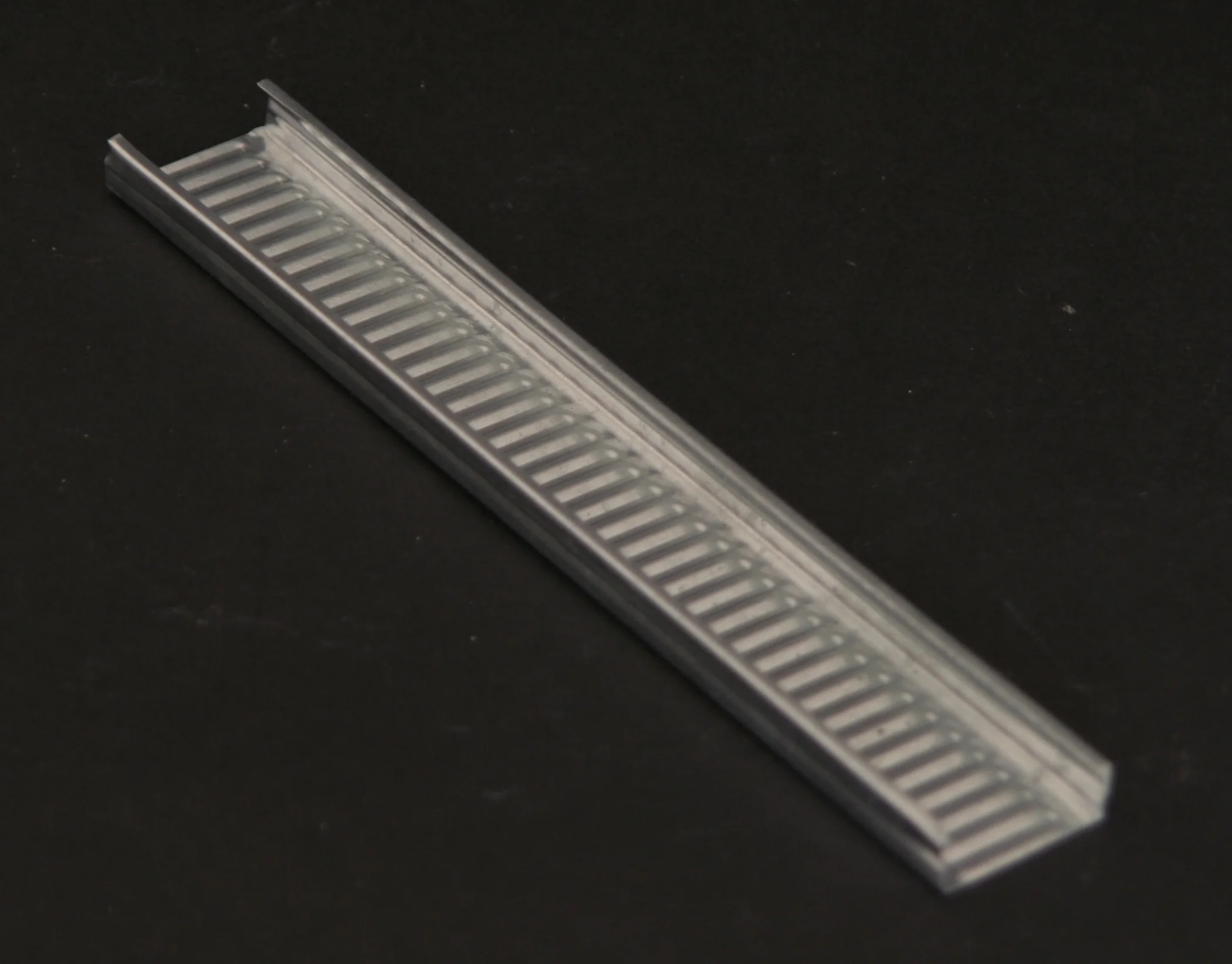
At its core, an exterior hat channel is a metal profile shaped roughly like an upside-down “U” or a hat — hence the name. It’s fastened over wall studs or sheathing and acts as a support system for siding, stone veneers, or cladding panels. The magic lies in its ability to hold these outer layers slightly away from the main wall surface, creating a ventilated cavity. This cavity helps moisture evaporate and air to circulate, preventing rot and boosting insulation performance.
Think of it as the unsung hero in modern rainscreen systems or ventilated facades — without it, walls might feel damp and drafty long before their time. Its design is simple enough to be mass-produced but configurable enough to work across different wall systems and climates, making it quite loved in architectural and industrial circles.
---
Core Components and What You Should Know
1. Durability and Material Composition
Exterior hat channels typically employ galvanized or stainless steel, sometimes aluminum for lightweight needs. These metals resist corrosion effectively, especially when paired with high-quality coatings, which means these channels stand strong even in coastal or high-humidity environments. Durability here translates directly to lower long-term maintenance costs.
2. Scalability and Design Flexibility
You can place these channels horizontally or vertically, stack them for thicker walls, or configure them to accommodate different panel sizes. A crucial factor for architects aiming for versatility, especially when mixing modern materials like fiber cement or natural stone veneers.
3. Cost Efficiency Over Lifecycle
While adding an exterior hat channel does add upfront material and labor costs, the payoff comes in avoided mould remediation, extended facade life, and better insulation values. In real terms: pay a little now, save a lot later, especially in climates prone to moisture issues.
4. Ease of Installation
Engineers and installers appreciate these channels for their straightforward attachment methods — screws, clips, or brackets — which reduce onsite complications. In fact, many prefab and modular construction projects embrace exterior hat channels precisely because they align well with offsite build philosophies.
5. Compatibility with Insulation Systems
The spacing created isn’t just for moisture control — it’s often part of an integrated design that can accommodate rigid foam or mineral wool insulation behind the cladding, contributing to better thermal resistance.
---
How Exterior Hat Channels Transform Construction Globally
In places like the US and Europe, building codes almost mandate ventilated facades for new commercial structures, with exterior hat channels as the go-to solution. But outside those zones, they’re making big impacts too.
-
In Southeast Asia: Rapid urban growth means affordable and durable housing is critical. NGOs use systems involving exterior hat channels in post-disaster relief shelters to speed assembly and improve durability.
-
In remote industrial zones: Mining and oil fields rely on modular buildings using hat channels to combat harsh climates and frequent temperature swings.
-
In coastal areas worldwide: Salt air corrodes standard materials quickly, but exterior hat channels coated to resist corrosion extend the life of seaside resorts or ports.
Take this anecdote: a mid-sized construction firm in Chile reported that switching to hat channel-supported facades reduced rework for moisture damage by over 30% in one year — a simple component making a serious impact.
---
Advantages that Matter: Why Choose Exterior Hat Channels?
-
Cost and Waste Reduction: Fewer repairs and replacements mean less money down the line, plus more sustainable use of materials.
-
Enhanced Living Conditions: Better insulation and moisture management keep buildings cozy and healthy.
-
Environmental Sustainability: Some modern channels come with recycled steel content and are 100% recyclable.
-
Safety and Trust: Sound design and regulation compliance provide confidence to builders and occupants alike.
-
Aesthetic Freedom: Since cladding isn’t directly fixed to the wall, architects have more options for materials and textures.
Oddly enough, many builders overlook or undervalue this element until they face problems themselves — then the importance becomes crystal clear.
---
Looking Ahead: What’s Next for Exterior Hat Channels?
In an era where green building certifications like LEED prioritize energy efficiency and sustainability, exterior hat channels are evolving. Some trends include:
- Use of lightweight, high-strength aluminum alloys to reduce shipping costs and structural loads.
- Integration with smart building envelopes—channels that enable sensor placement for humidity and temperature monitoring.
- Development of UV-resistant coatings extending service life in extreme climates.
- Modular, snap-together profiles that speed onsite assembly and reduce tools.
- Compliance with stricter fire codes demanding non-combustible building materials.
These innovations position hat channels not just as a supporting player, but a critical element in future-ready construction.
---
Challenges You Might Hit (And Some Solutions)
Though well-loved, hat channels are not without challenges:
-
Corrosion Risks: Cheap or improperly coated channels can rust, compromising performance.
-
Installation Errors: Incorrect fastener spacing or misalignment undermines ventilation goals.
-
Cost Constraints: Some projects underfund facade support, leading to shortcuts that backfire.
How to tackle these? Many experts recommend:
- Specifying channels with tested protective coatings and conducting periodic inspections.
- Training installers thoroughly, especially when working with new building systems.
- Coordinating design and procurement early to budget for high-quality components that pay off later.
---
Product Specification Snapshot: Typical Exterior Hat Channel
| Specification |
Details |
| Material |
Galvanized Steel (G90), Aluminum Alloy (6063) |
| Dimensions |
Typical width: 1-2 inches (25-50mm), height: 7/8” (22mm) |
| Coating |
Zinc galvanized, Powder coating available |
| Length |
Standard: 10 ft (3.05m), customizable |
| Load Capacity |
Up to 50 lbs per linear foot (varies by gauge) |
| Compliance |
ASTM C645, ASTM A653/A653M |
---
Quick Vendor Comparison: Options for Exterior Hat Channels
| Vendor |
Material Options |
Customization |
Lead Time |
Price Range (USD) |
| SteelEdge Supplies |
Galvanized Steel |
Standard profiles only |
2-3 weeks |
$1.50 - $2.20 / linear ft |
| AluFrame Co. |
Aluminum & Coated Steel |
Custom dimensions and finishes |
3-4 weeks |
$2.00 - $3.25 / linear ft |
| VistaBuild Materials |
Galvanized Steel / Powder Coated |
Limited customization |
1-2 weeks |
$1.75 - $2.50 / linear ft |
---
Frequently Asked Questions About Exterior Hat Channels
- How does an exterior hat channel improve wall moisture management?
- By creating a ventilated air gap between the exterior cladding and the wall sheathing, the exterior hat channel allows trapped moisture to escape and air to circulate, reducing risks of mold and structural damage.
- Can exterior hat channels be used in cold climates with heavy snow?
- Yes, because their corrosion resistance and ability to support insulation help maintain wall integrity even when exposed to freeze-thaw cycles. Proper installation is key to prevent moisture ingress.
- Are exterior hat channels difficult to install for retrofit projects?
- Not really. Many contractors find these channels straightforward to add over existing studs or sheathing. However, care must be taken to maintain consistent spacing and alignment for optimal ventilation.
- What materials are most common for exterior hat channels?
- Galvanized steel is most common for its strength and cost-effectiveness, while aluminum is chosen for lightweight or corrosion-prone environments.
- Where can I find reliable exterior hat channel products?
- Many manufacturers specialize in these profiles—consider vendors like SteelEdge Supplies or AluFrame Co. for a balance of quality and customization. Check local building suppliers too for availability.
---
Wrapping Up: Why Exterior Hat Channels Ought to Be On Your Radar
In real terms, exterior hat channels might seem like a small puzzle piece, but they hold up entire wall systems with grace. They contribute quietly but decisively to longer-lasting buildings, healthier interiors, and smarter resource use — things the world desperately needs as we build for a changing climate and rapidly growing cities. Whether you’re an architect, builder, or just an enthusiast, understanding and using the right exterior hat channel can mean fewer problems and better performance over decades.
Want to dive deeper or specify channels for your next project? Swing by
exterior hat channel and check out specialized solutions designed to make your build both robust and efficient. It’s not just a metal strip — it’s a small technical marvel that might just save the day.
---
Mini Takeaway
- Exterior hat channels enable ventilated facades which significantly reduce energy loss and moisture issues.
- Choosing quality materials and proper installation extends facade life, cuts costs, and promotes sustainability.
- Global urbanization trends make these components increasingly relevant in affordable and resilient housing.
References
- International Energy Agency – Building Energy Codes
- UN – World Urbanization Prospects
- Wikipedia – Rainscreen Cladding