Understanding Drywall LED Profile: A Modern Lighting Marvel
If you’ve ever walked through a freshly renovated office or a sleek retail space, chances are you’ve encountered what’s known as a drywall LED profile. It’s that subtle yet powerful lighting solution embedded into walls or ceilings, marrying aesthetics with functionality. Globally, this technology has gained traction because it supports energy efficiency and innovative design — essentials for sustainable buildings and offices evolving to meet 21st-century demands.
Why does this matter? Well, the smart use of lighting isn’t just about illumination anymore. It’s about reducing energy consumption, enhancing worker productivity, and elevating architectural style. The drywall led profile integrates all these goals into one neat package.
Introduction: Global Industry Context
Lighting accounts for nearly 15% of global electricity consumption according to the International Energy Agency (IEA), and the push toward sustainable solutions is stronger than ever. Modern construction is leaning on technologies like drywall LED profiles to lower carbon footprints. Interestingly, a growing number of governments are encouraging LED integration in commercial builds to meet energy codes — for instance, the European Union mandates strict energy efficiency standards that drywall profiles help meet. Yet, one challenge remains: how to provide clean, elegant lighting without bulky fixtures or complex wiring in confined spaces.
What Is a Drywall LED Profile?
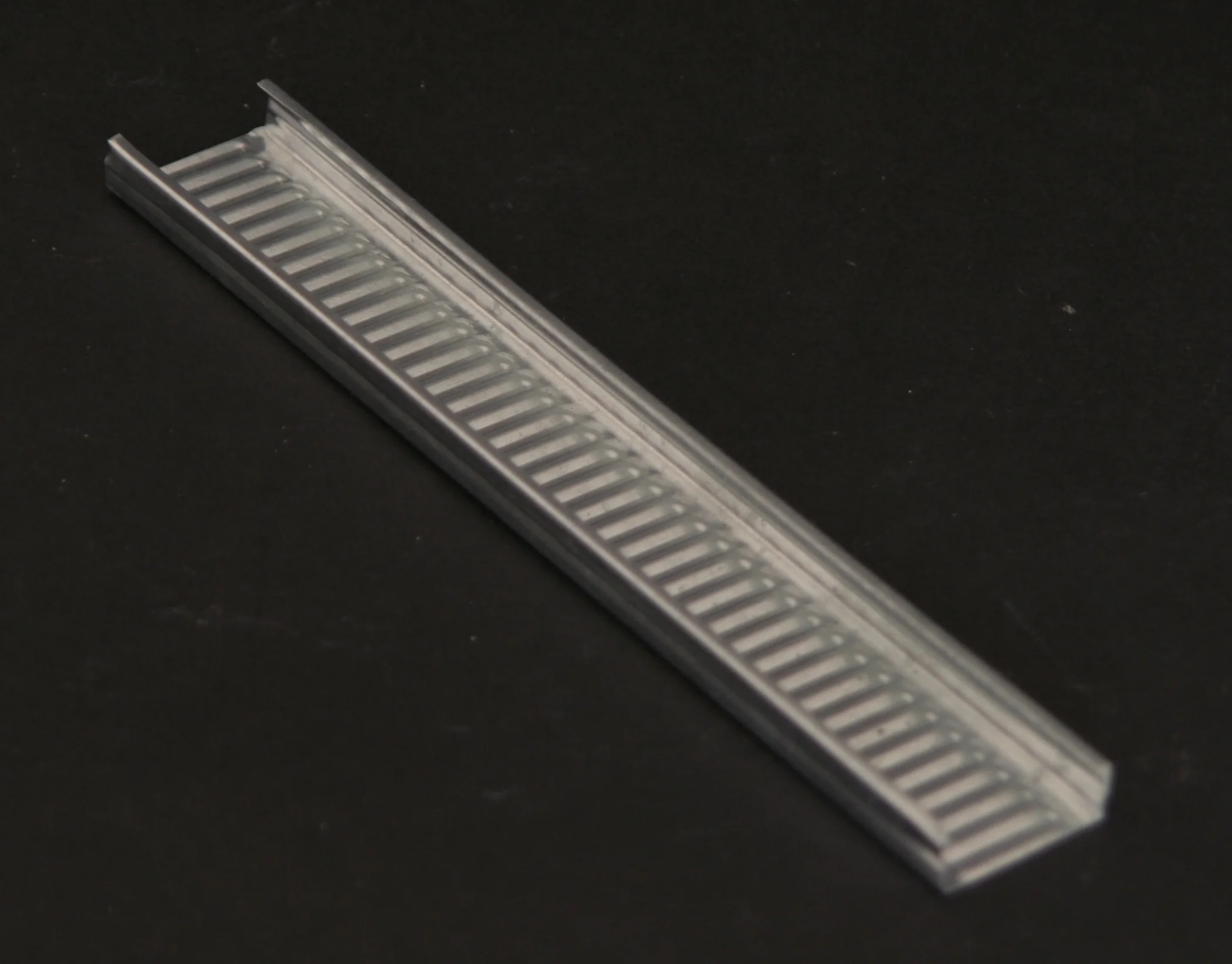
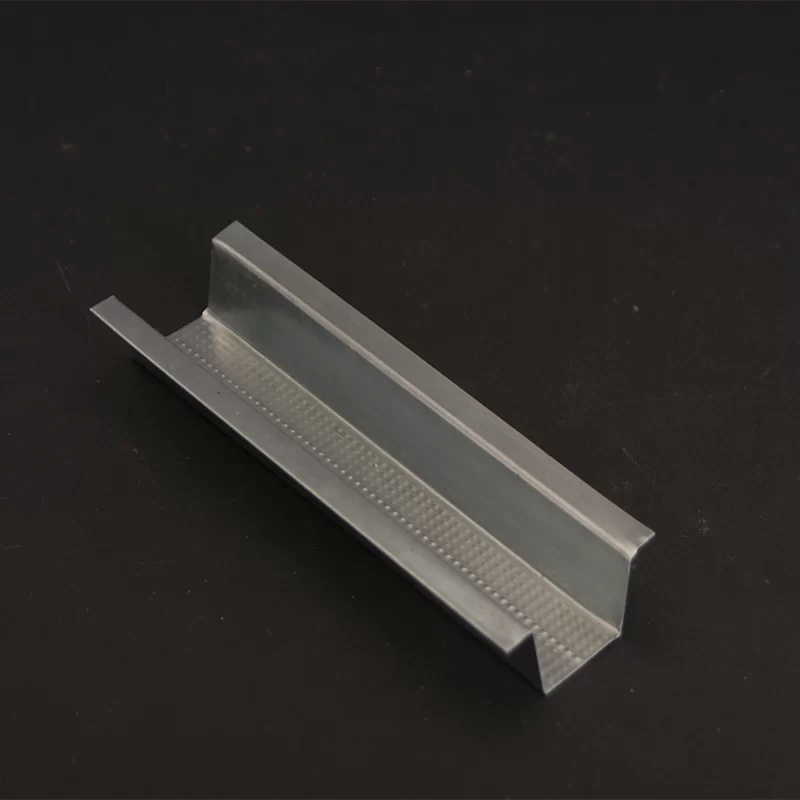
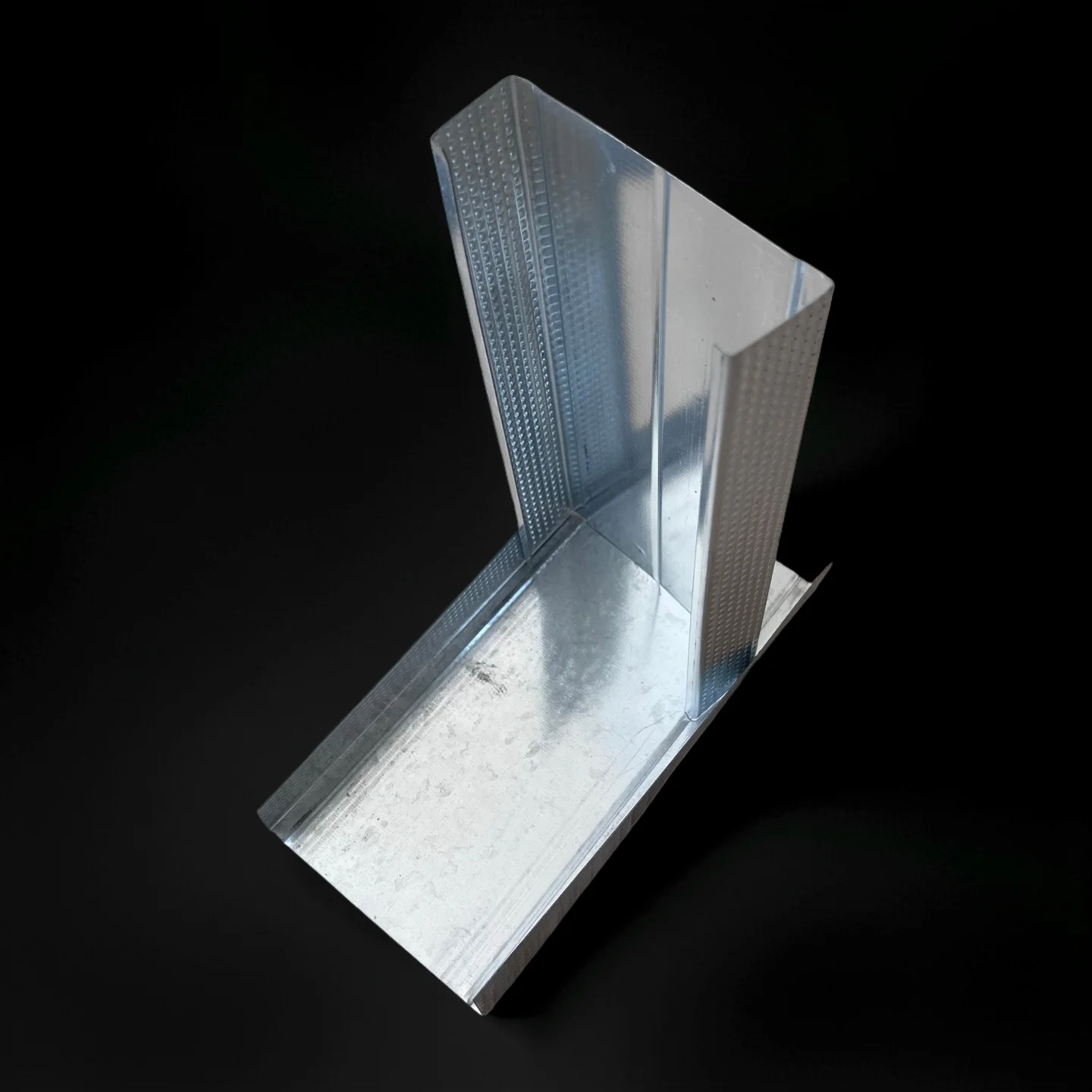
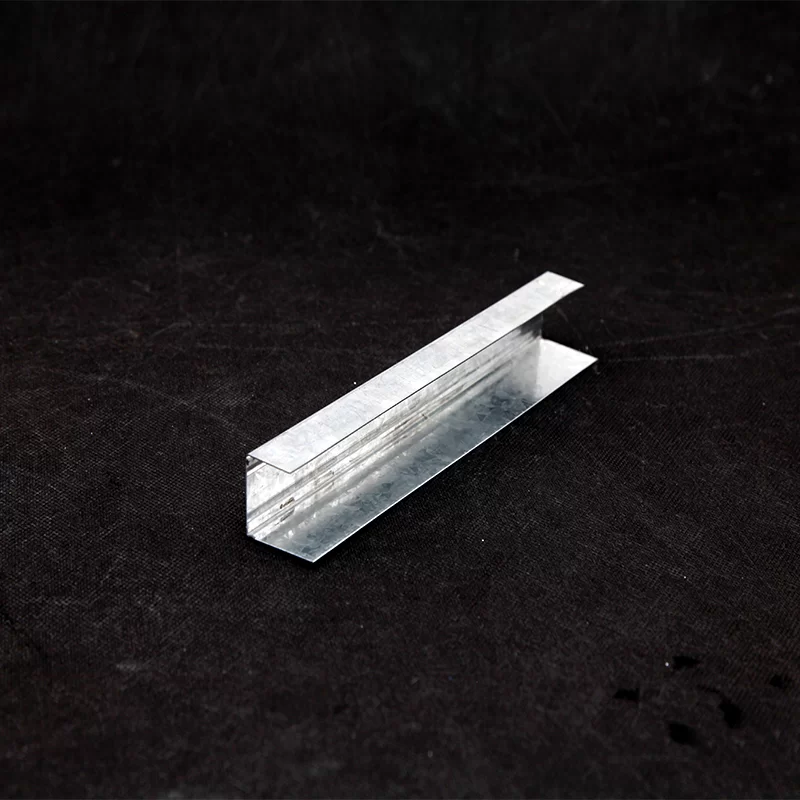
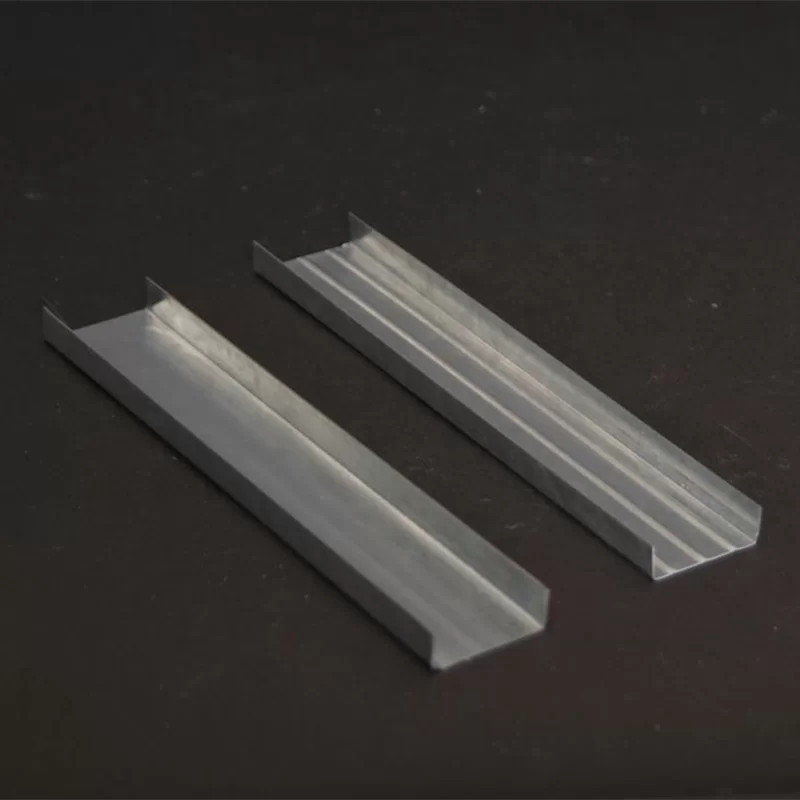
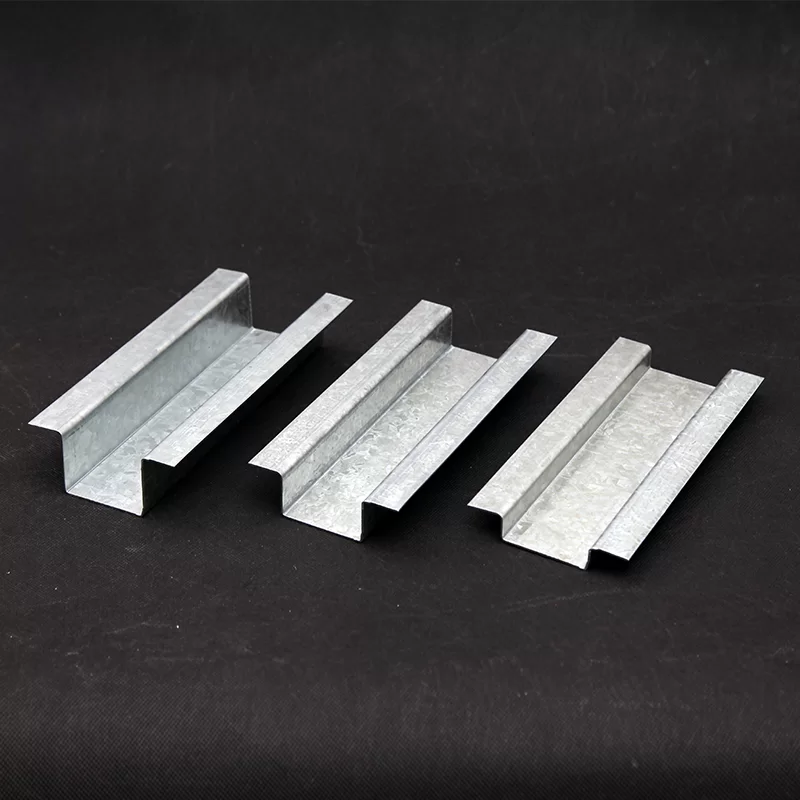
In simple terms, a drywall LED profile is an aluminum or plastic channel designed to be recessed into drywall structures and equipped with LED strips. It creates seamless linear lighting that complements modern interiors without interrupting spatial design. These profiles act as a housing for LEDs, protecting them and diffusing light evenly. You could say it’s a marriage of engineering and design, crucial for modern buildings, retail spaces, and even humanitarian shelters where modularity and efficiency matter.
Key Components of Drywall LED Profiles
1. Durability
Typically, drywall LED profiles are made from anodized aluminum which offers corrosion resistance and excellent heat dissipation — essential for the LEDs’ longevity. In high-humidity environments, profiles often have protective coatings or are paired with waterproof LED strips.
2. Scalability
These systems are incredibly scalable: from short accent lines to continuous lighting along entire walls, making them fit for numerous projects, whether a cozy café or a sprawling airport lounge.
3. Cost Efficiency
Compared to traditional lighting fixtures, drywall LED profiles reduce installation costs by cutting down on bulky fittings and simplifying wiring. Plus, LEDs use a fraction of the energy traditional bulbs require — that adds up quickly.
4. Aesthetic Versatility
They enable architects and designers to embed lighting discreetly. Diffusers can be frosted or clear, allowing soft, uniform illumination or brighter accenting depending on the mood.
5. Ease of Maintenance
Since profiles protect LEDs from dust and damage, replacements and repairs occur less often. And — frankly — it’s just easier swapping out LED strips than rewiring a bulky fixture.
Drywall LED Profile Specifications
| Specification |
Details |
| Material |
Anodized Aluminum / PVC Plastic |
| Mounting Type |
Recessed into drywall |
| Profile Width |
12mm - 30mm |
| LED Strip Compatibility |
10mm or 12mm width, flexible LED strips |
| Diffuser Options |
Frosted, Clear, or Opal |
| Max Continuous Length |
3 meters (custom options available) |
Mini takeaway: Drywall LED profiles combine durability, aesthetics, and efficiency — qualities critical for modern building illumination.
Global Applications & Use Cases
Drywall LED profiles appear in a surprising variety of settings worldwide. In temperate Europe, architects embed them into office spaces to satisfy strict energy codes without compromising design. In Asia’s booming construction markets, they help deliver affordable yet stylish lighting at scale. Oddly enough, humanitarian organizations have found drywall LED profiles invaluable in modular post-disaster shelters, providing dignified, sustainable lighting solutions in remote regions.
Here are a few real-world examples:
- Commercial Offices: Increasingly, flexible drywall LED profiles are used to create ambient lighting in tech company headquarters, fostering productivity while lowering energy bills.
- Retail: Stores use profiles for accent lighting, directing customer focus while maintaining a clutter-free ceiling.
- Hospitality: Hotels and restaurants embed LED profiles into drywall to evoke warmth and luxury.
- Disaster Relief: NGOs install quick-mount drywall LED profiles in temporary shelters, addressing urgent lighting needs with minimal setup time.
Clearly, the drywall LED profile is more than just a component; it’s a versatile solution adapting to global needs.
Comparing Leading Drywall LED Profile Vendors
| Feature |
Vendor A |
Vendor B |
Vendor C |
| Material Quality |
High-grade Anodized Aluminum |
Standard Aluminum |
Recycled Composite |
| Customization Options |
Diffusers, sizes, colors |
Limited to standard sizes |
Fully customizable |
| Price Point |
$$$ |
$$ |
$$$ |
| Lead Time |
2 weeks |
1 week |
3 weeks |
| Sustainability Practices |
ISO 14001 Certified |
No Formal Certification |
Uses Recycled Materials |
Advantages & Long-Term Value
What really stands out with drywall LED profiles is the palpable blend of smart economics and human-centered design. First, the obvious cost savings on energy and installation — they practically pay for themselves over time. Then there’s the sustainability angle: reduced energy use helps meet international climate goals set by organizations like the United Nations (UN). From a social perspective, lighting impacts well-being, safety, and even productivity. A well-lit space feels welcoming, safe, and modern.
On a more emotional note, clients mention how elegant linear lighting creates a calm, sophisticated vibe that instills trust and pride. And honestly, isn’t working or living in a pleasant environment just nicer?
Future Trends & Innovations
Looking ahead, drywall LED profile technology isn’t standing still. Integration with smart building systems means lighting can adjust dynamically based on occupancy or daylight — boosting efficiency. Advances in materials promise even slimmer profiles, and manufacturers are exploring sustainable, recyclable aluminum alloys. Digital fabrication methods like 3D printing might allow project-specific profiles in the near future.
And then there’s the green energy story: pairing these profiles with solar-powered buildings or integrating them with battery storage systems could transform how we think about lighting altogether.
Challenges & Solutions
Of course, drywall LED profiles face a few bumps on the road. Installation requires precise drywall cuts and professional handling — botched work can lead to light leaks or uneven glow. Also, while LEDs are efficient, quality varies; subpar strips have shorter life spans and dim over time.
To tackle these challenges, experts recommend partnering with specialized suppliers (like those linked above), training installers carefully, and specifying high-quality LED strips with reliable drivers. Lastly, modular design helps by allowing easy access for maintenance without destructive renovations.
FAQ: Frequently Asked Questions About Drywall LED Profiles
- Q: How does a drywall LED profile improve over traditional lighting fixtures?
A: Drywall LED profiles embed lighting seamlessly into walls or ceilings, providing uniform linear illumination without visible fixtures. This reduces clutter and maintenance hassles compared to bulky traditional fittings.
- Q: Can drywall LED profiles be used in wet or humid areas?
A: Yes, profiles made with corrosion-resistant materials and paired with waterproof LED strips are suitable for bathrooms or kitchens. Always check IP ratings to ensure appropriate protection.
- Q: How long do LED strips typically last in drywall profiles?
A: With quality LEDs and proper heat dissipation via aluminum profiles, lifespan often exceeds 50,000 hours, which translates to several years of reliable use.
- Q: Are these profiles customizable for special projects?
A: Definitely. Manufacturers offer various widths, diffuser types, colors, and mounting options to fit different designs and functional needs.
Conclusion & Call to Action
To sum it up, drywall LED profiles offer a truly modern lighting solution — balancing energy efficiency, elegant design, and practical durability. They’re a staple for anyone looking to upgrade spaces with long-lasting, sustainable illumination. If you’re exploring lighting options that combine innovation and style, visit our website for expert guidance and premium products tailored to your needs.
Final reflection: It’s fascinating how something that seems so simple as embedding LED light in drywall reshapes how we experience and use space. Lighting is no longer just functional; it’s expressive and essential to sustainability.
References
- International Energy Agency – Energy Efficient Buildings
- ISO 14001 Environmental Management Standards
- Wikipedia – LED Lighting