Hit enter to search or ESC to close
October 24, 2025
In modern construction, furring channel and hat channel systems are essential for creating strong, level, and versatile wall and ceiling assemblies. From metal furring and hat channel metal to specialized applications like hat channel for drywall and hat channel for metal roofing, these components provide both structural support and aesthetic flexibility. Understanding the various types, sizes, and installation methods—including metal furring channel, steel hat channel, 1 2 hat channel, and 7 8 hat channel—is crucial for architects, contractors, and builders.
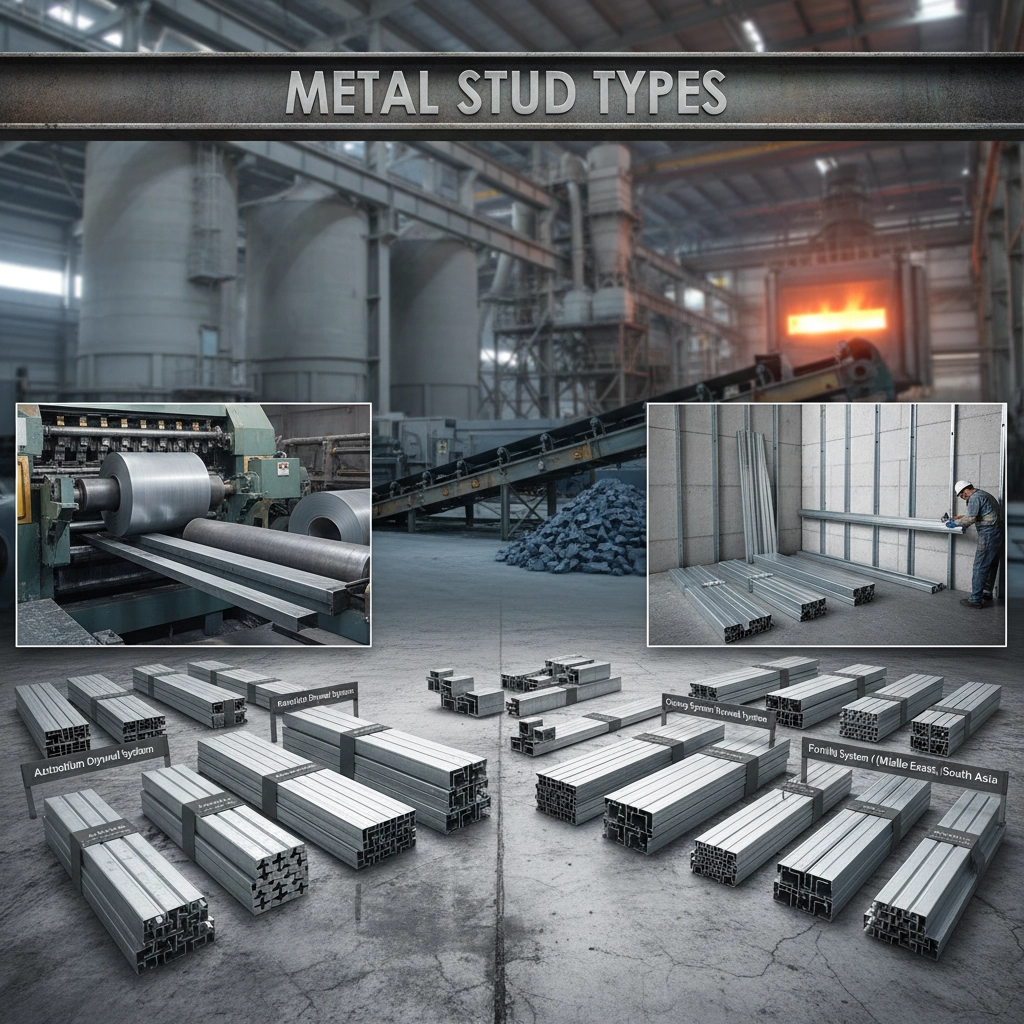
Furring channels and hat channels are primarily used to create a stable framework for walls, ceilings, and roofs. They allow for the attachment of drywall, siding, insulation, and roofing panels while maintaining precise alignment and spacing. Key types include:
Hat Channel Metal
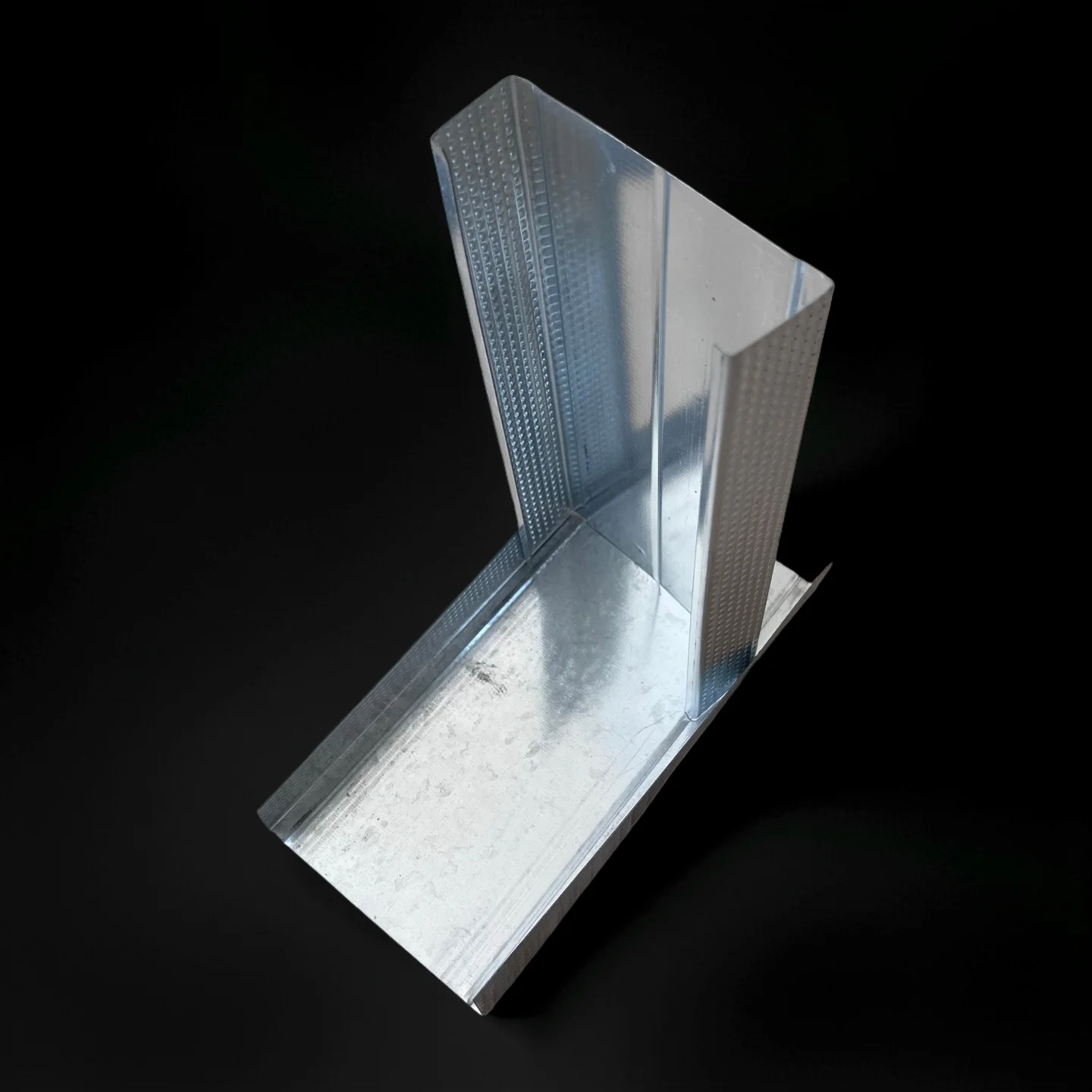
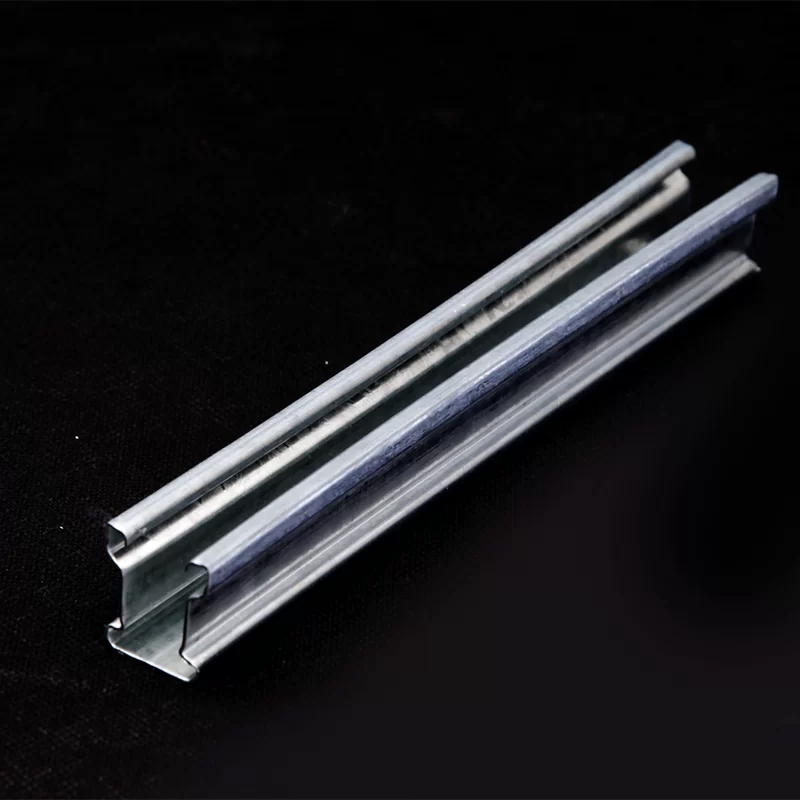
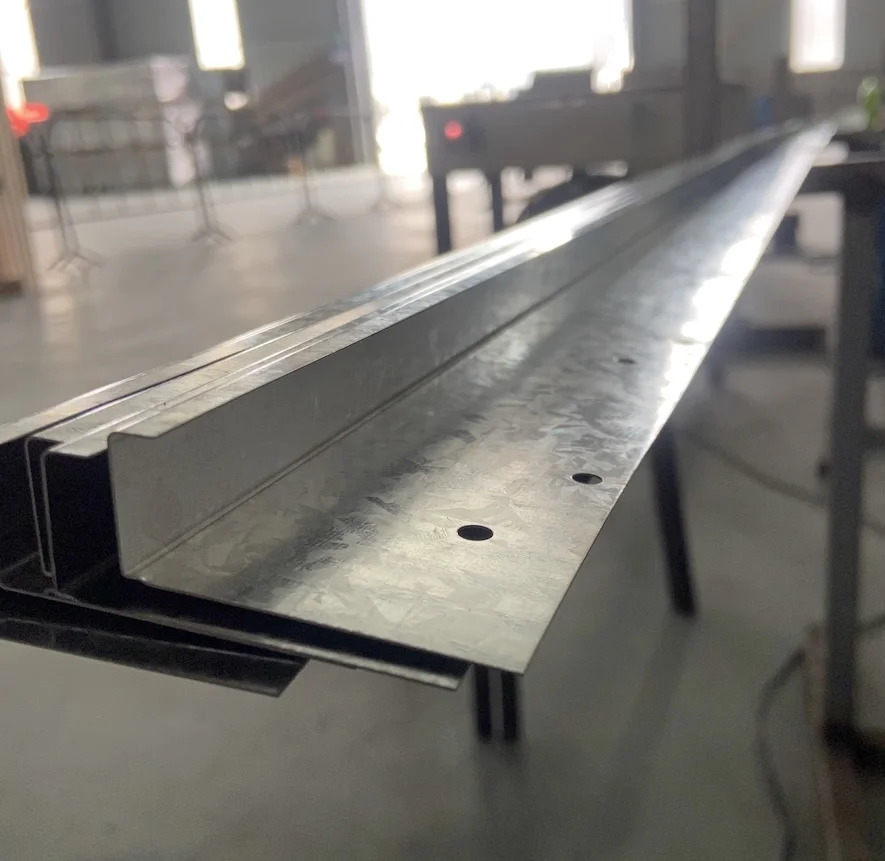
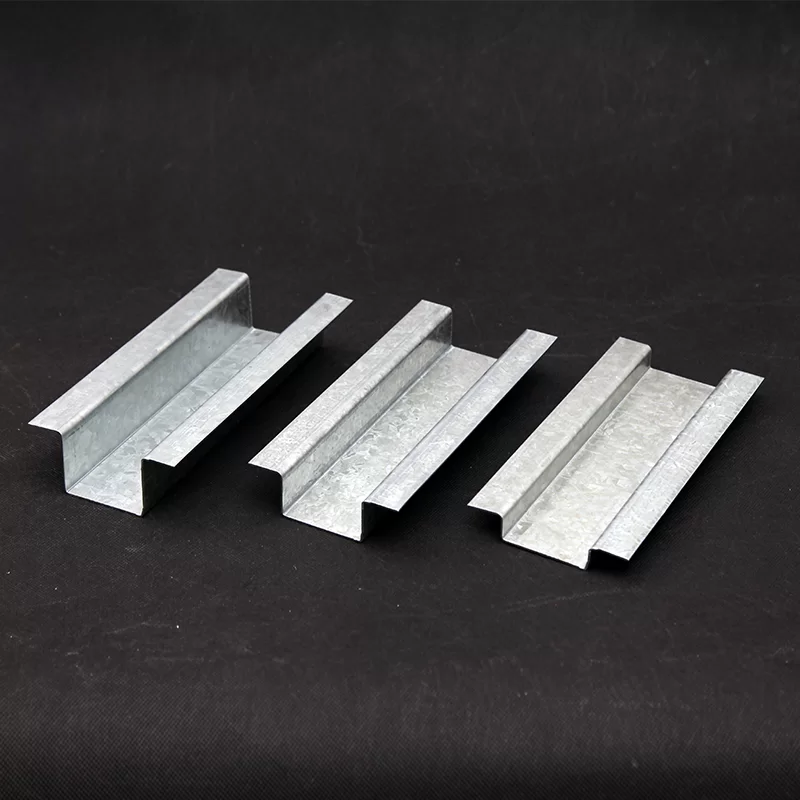
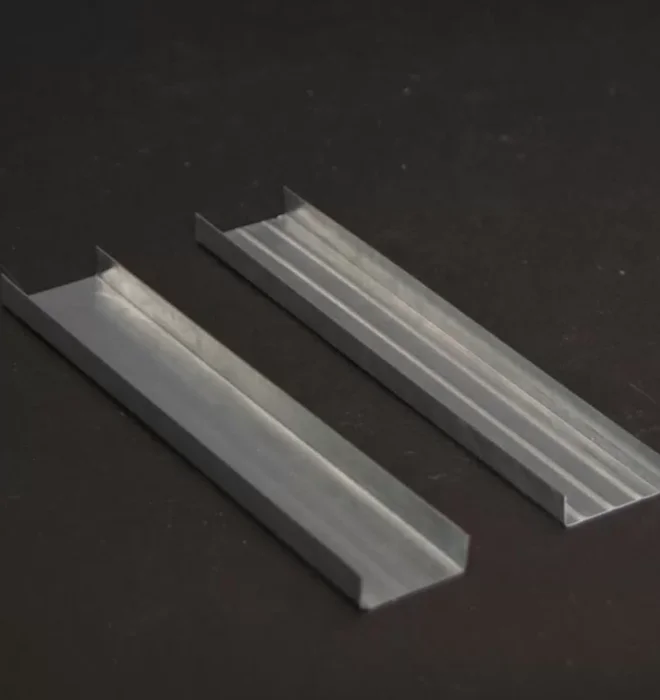
Also known as steel hat channel, this component has a distinctive hat-shaped profile that provides rigidity and strength. It is used extensively for both walls and ceilings to support drywall or ceiling tiles.
Metal Furring and Metal Furring Channel
Metal furring is used to level surfaces or provide a gap between the wall substrate and finishing material. Metal furring channel is the horizontal or vertical framework that holds panels, helping prevent sagging and providing room for insulation and utilities.
Hat Channel for Drywall
Specifically designed for drywall applications, hat channel for drywall improves load distribution and reduces vibrations, minimizing cracking and enhancing structural integrity.
Hat Channel for Metal Roofing
This variation is used in roofing systems to support metal panels. Hat channel for metal roofing allows for thermal expansion, ensures proper drainage, and creates a strong base for attachment.
Standard Sizes: 1 2 Hat Channel and 7 8 Hat Channel
Common sizes like 1 2 hat channel and 7 8 hat channel allow for flexibility depending on the load, panel size, and spacing requirements. Contractors choose the appropriate size to balance strength, weight, and cost.
By understanding these different types, builders can select the correct furring channel and hat channel for their project, whether it’s residential ceilings, commercial walls, or metal roofing systems.
Using furring channel and hat channel systems provides numerous advantages in construction projects:
Structural Support
Steel hat channel and metal furring channel provide strong support for drywall, ceilings, and roofing panels. They help distribute weight evenly and reduce sagging over time.
Ease of Installation
Components like hat channel metal are lightweight and easy to handle. Using pre-sized 1 2 hat channel or 7 8 hat channel speeds up installation, reducing labor costs and project timelines.
Compatibility with Drywall and Roofing
Hat channel for drywall and hat channel for metal roofing ensure secure attachment for panels, maintaining flat surfaces and accommodating thermal expansion. This versatility makes them ideal for both interior and exterior applications.
Acoustic and Thermal Benefits
Furring channels create a small air gap between panels and substrates, allowing for the addition of insulation. This improves acoustic performance, reduces noise transmission, and enhances thermal efficiency in buildings.
Durability and Corrosion Resistance
High-quality metal furring and steel hat channel are often galvanized or coated to resist corrosion, extending the lifespan of the installation in humid or outdoor environments.
Installation Tips for Furring and Hat Channels:
Begin by marking the layout on walls or ceilings for consistent spacing.
Attach hat channel metal or metal furring channel to primary studs or joists using screws or fasteners rated for the material.
Ensure proper alignment and leveling before attaching drywall, ceiling tiles, or roofing panels.
Use appropriate sizes, such as 1 2 hat channel for light applications or 7 8 hat channel for heavier loads.
Maintain gaps for expansion and insulation, especially when using hat channel for metal roofing.
Proper installation of furring channels and hat channels improves the longevity and performance of walls, ceilings, and roofs while providing a professional, level finish.
Furring channel and hat channel systems are vital components in modern construction, offering strength, stability, and flexibility for both residential and commercial projects. From metal furring and metal furring channel to hat channel metal, steel hat channel, hat channel for drywall, and hat channel for metal roofing, these components are designed to support panels, improve acoustics, and accommodate insulation.
Standard sizes like 1 2 hat channel and 7 8 hat channel ensure that builders can select the appropriate solution for the load and application, whether for ceilings, walls, or roofing. By understanding the types, benefits, and proper installation techniques, contractors and architects can maximize structural performance, reduce maintenance issues, and achieve high-quality finishes in any construction project.
1. What is the difference between a furring channel and a hat channel?
A furring channel is used to level surfaces and create spacing between panels and substrates, while a hat channel (or steel hat channel) provides additional rigidity and is shaped like a hat for strength, often used in ceilings, walls, and roofing.
2. How is hat channel metal used in drywall installation?
Hat channel metal or hat channel for drywall is attached horizontally to studs or joists to provide a framework for drywall panels, reducing vibrations, preventing cracks, and creating a level surface.
3. Can hat channel for metal roofing be used outdoors?
Yes. Hat channel for metal roofing is designed to support roofing panels, allow thermal expansion, and resist corrosion, making it suitable for exterior applications.
4. What are the standard sizes of hat channels?
Common sizes include 1 2 hat channel for lighter loads and 7 8 hat channel for heavier applications. The choice depends on panel weight, spacing, and structural requirements.
5. What is the purpose of a drywall furring channel?
A drywall furring channel provides a gap between drywall panels and studs or ceilings. This gap allows for insulation, improves acoustic performance, and ensures a level surface for panel attachment.