Understanding the 25 Gauge Hat Channel: A Durable Choice for Industrial Framing
Having spent over a decade tinkering with structural supports and framing in the industrial equipment arena, 25 gauge hat channel stands out as one of those quietly reliable components that too often fly under the radar. You know, it’s not flashy, it’s not the star of the show — yet in real terms, it’s the backbone holding so much together.
Hat channels are kind of like the unsung heroes of wall framing and ceiling systems, especially in environments where robustness and corrosion resistance are must-haves. I’ve witnessed countless projects where selecting the right gauge literally meant the difference between hassles later on or smooth sailing from the get-go.
What is 25 Gauge Hat Channel?
Simply put, “25 gauge” refers to the thickness of the steel used in these channels – approximately 0.0187 inches or about 0.47 mm thick. It strikes an interesting balance: heavy enough to provide reliable structural integrity but light enough to keep installation manageable and costs reasonable. Oddly enough, many engineers I’ve spoken with stress that choosing a gauge thinner than 25 can sometimes lead to flexing and warp issues, especially when stretched across wider spans.
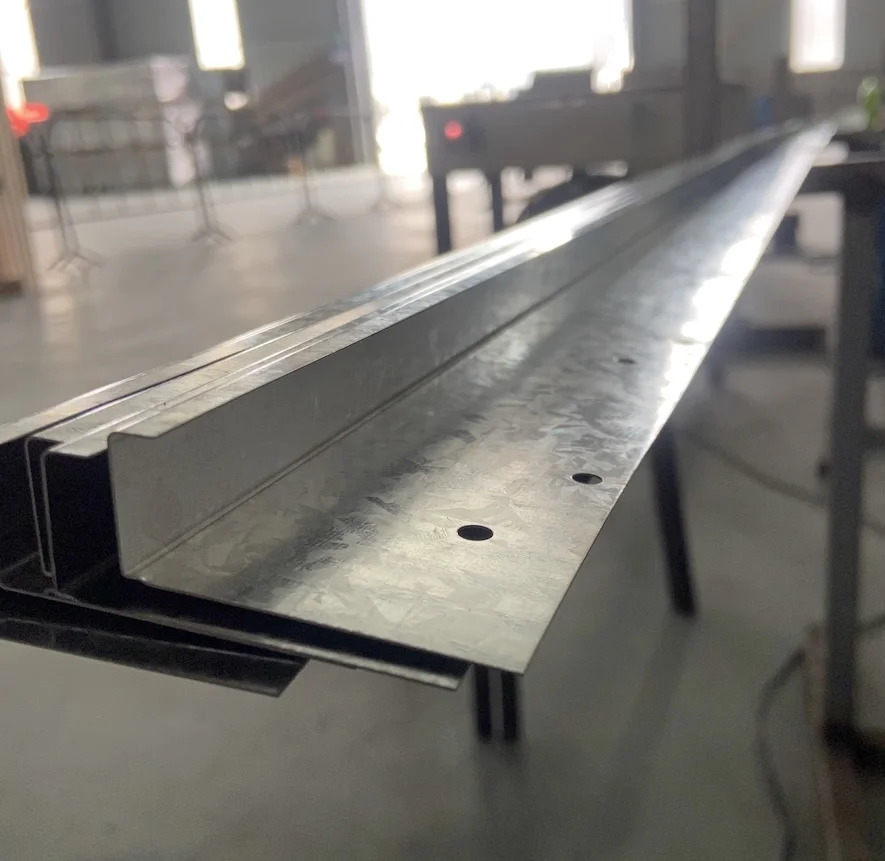
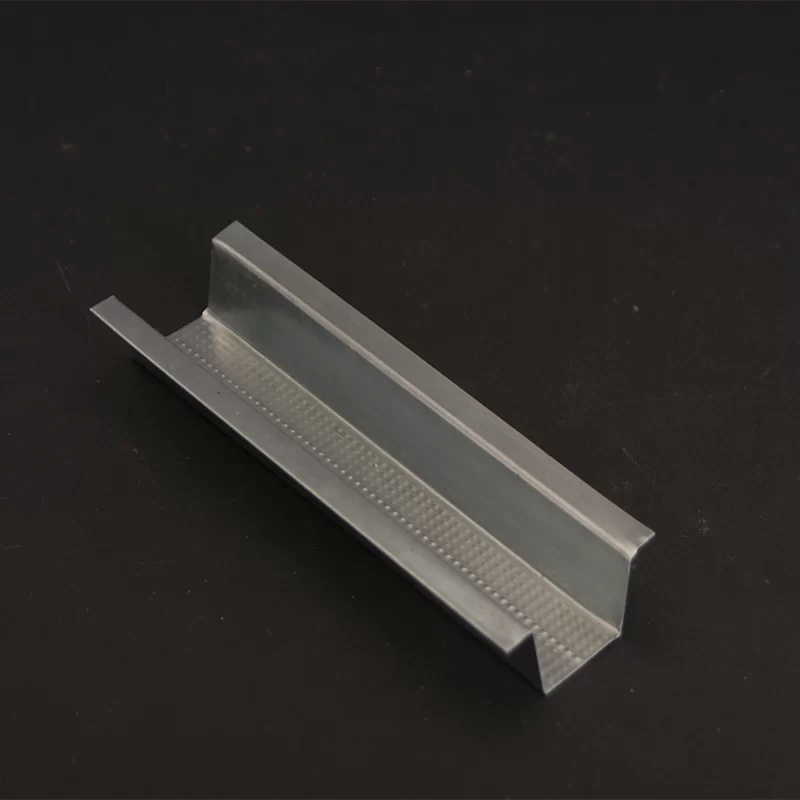
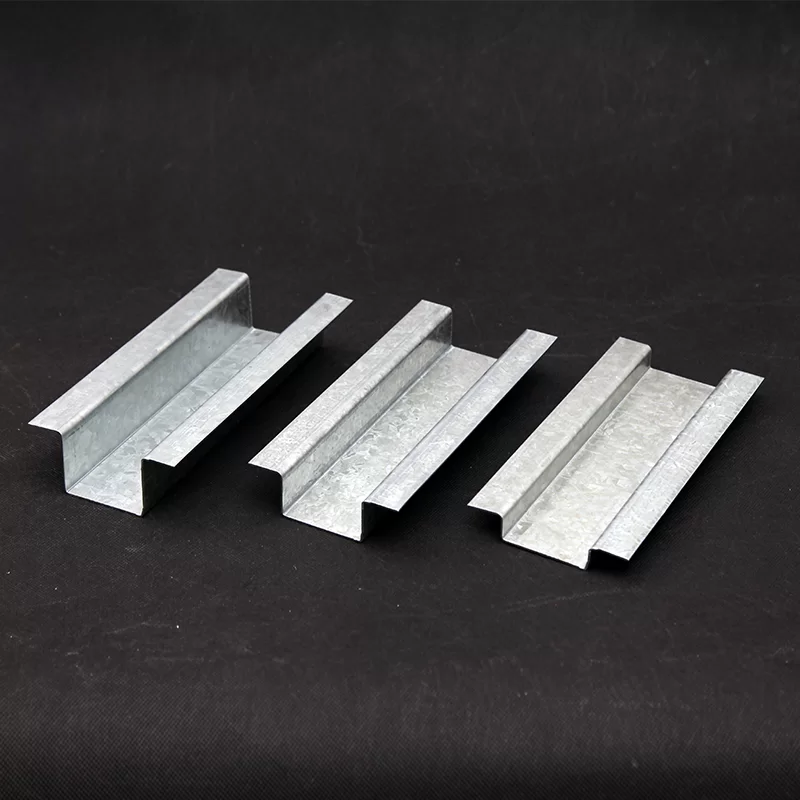
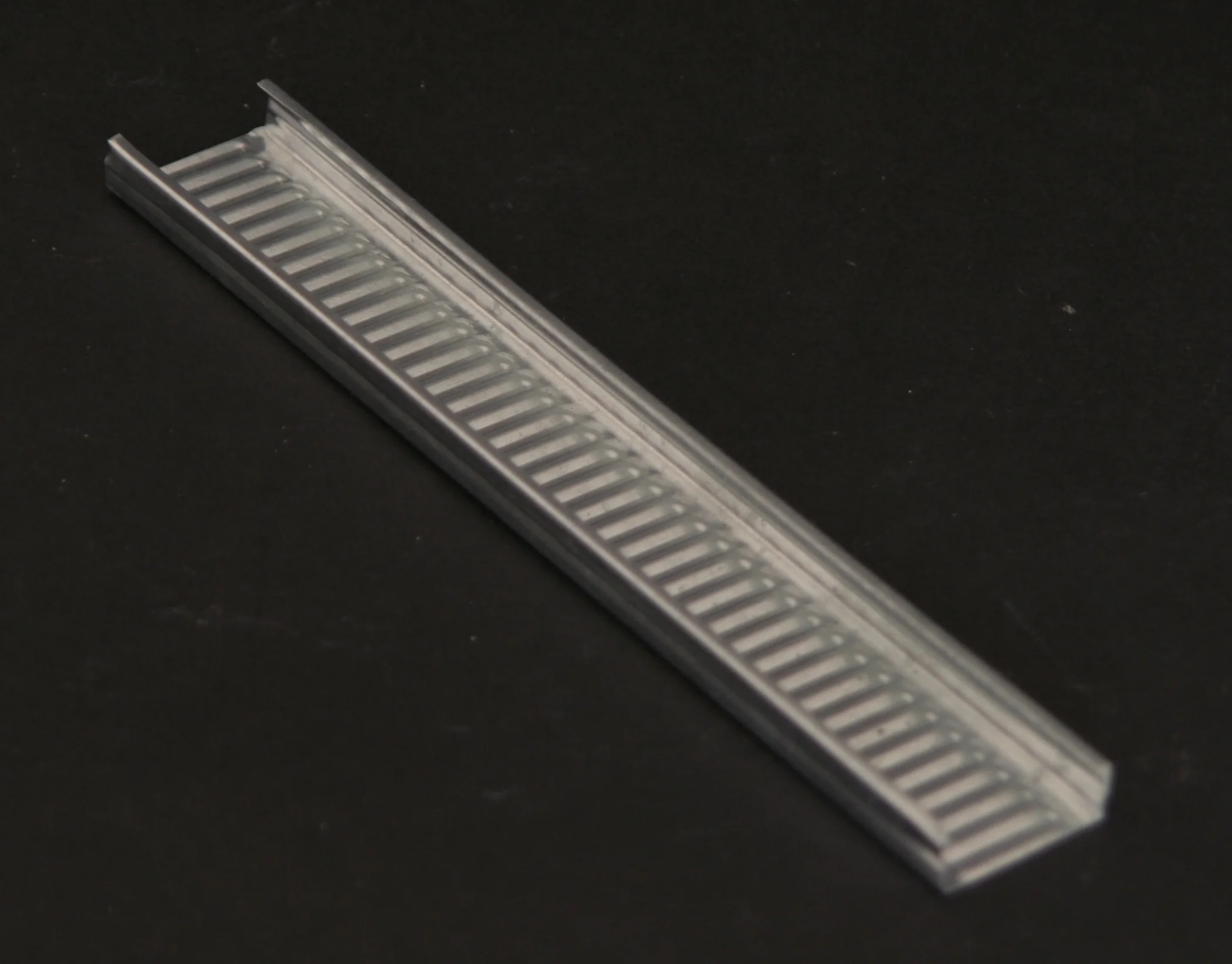
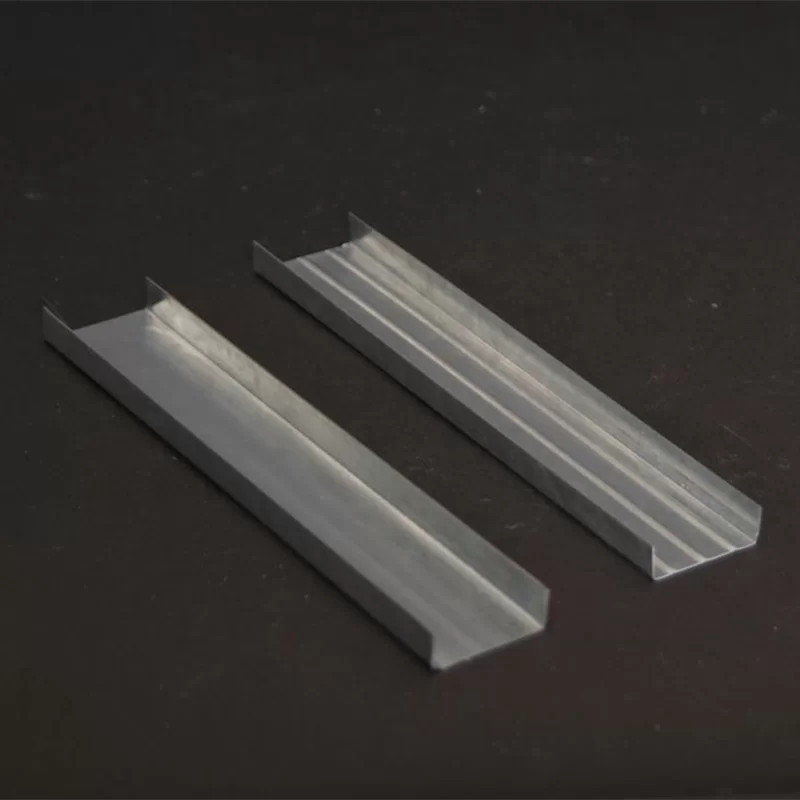
A hat channel's cross-sectional profile resembles a wide “hat,” providing stiffening properties that resist bending under load. This shape is integral for supporting drywall, siding, or even acoustic ceiling systems. In industrial applications, where vibration damping and durability are valuable, 25 gauge hat channel often fits the bill perfectly.
Material and Finish Considerations
Galvanized steel is the usual go-to, offering a robust defense against rust and environmental wear. Over the years, I’ve noticed that the quality of galvanization varies—some suppliers offer zinc coatings that hold up beautifully even in moist or outdoor settings, while others skimp a bit, which you pay for later in maintenance costs.
It's also worth noting that variations exist, like G90 galvanized versus electro-galvanized finishes. The former offers thicker zinc layers and better corrosion resistance. Depending on your project's demands—outdoor climate, chemical exposure, or humidity—choosing the appropriate finish can extend the lifespan of your installation by years.
Product Specifications at a Glance
| Specification |
Details |
| Material |
Cold-rolled steel |
| Gauge |
25 gauge (~0.0187 inch / 0.47 mm thickness) |
| Finish |
Hot-dip galvanized (G90 nominal) |
| Length |
Typically 10 ft / 3.05 m (custom lengths available) |
| Width |
1-1/4 inches to 1-5/8 inches |
| Coating Thickness |
Zinc coating approx. 0.90 mil (G90) |
Vendor Comparison: What to Watch For
Choosing the right vendor for your 25 gauge hat channel supply can be a bit of a minefield. Based on years of sourcing from different manufacturers, here’s how they typically stack up:
| Vendor |
Gauge Accuracy |
Surface Finish Quality |
Lead Time |
Price per Foot |
| JinkaiBM |
Excellent ±0.001 inch |
Consistent, smooth galvanization |
Standard – 7 to 10 days |
Moderate |
| Vendor B |
Good ±0.003 inch |
Inconsistent patches, occasional rust spots |
Fast – 3 to 5 days |
Low |
| Vendor C |
Fair ±0.005 inch |
Good finish, but slower to inspect |
Long – 14+ days |
High |
Real-World Use and a Quick Anecdote
In one project I managed at a food processing plant—where hygiene and frequent washdowns are routine—we opted for 25 gauge hot-dip galvanized hat channel as the backbone for supporting insulated panels. Not only was the installation straightforward due to its manageable weight, but months in, the structures showed no sign of corrosion or warping, even under constant moisture exposure.
One engineer on the team remarked, “It’s kind of surprising how much mileage we get out of this product – it’s like the quiet workhorse of framing.” That struck a chord with me, since those “quiet workhorses” often make or break a project’s success.
Final Thoughts
Choosing the right 25 gauge hat channel is about balancing durability, weight, and cost. Frankly, it often comes down to trusted suppliers, finish quality, and fitting the product to your specific environment. While it might not be something you talk about at dinner parties, if you ask me, it’s a small but mighty piece in the puzzle of industrial construction.
Hope this little dive helps you see why those thin steel strips deserve a bit more attention!
References:
1. ASTM Standards for Steel Sheet, Zinc Coated (Galvanized) and Zinc-Iron Alloy-Coated Steel Sheet,
2. Industry experiences and project notes, personal archives, 2010-2023
3. JinkaiBM product catalogs and technical documents.