Understanding Exterior Wall Metal Studs: The Backbone of Modern Building Facades
When you think about the skeleton of a building’s exterior wall, exterior wall metal studs quietly hold the fort — literally. Yet, across the globe, their significance often flies under the radar, despite being a silent hero in construction, infrastructure resilience, and sustainable design. Why does this matter? Because as urbanization speeds, climate change threatens, and construction demands evolve, knowing these studs’ benefits is crucial for builders, architects, and even humanitarian aid groups.
In short: exterior wall metal studs aren’t just metal bars — they’re key to safer, greener, and faster building methods that can shape how we think about structures in nearly every climate and culture.
The Global Context: Why Exterior Wall Metal Studs Matter in Today’s Industry
Globally, the construction sector accounts for nearly 39% of energy-related CO2 emissions (International Energy Agency, 2021). With the urgent push toward sustainability and efficiency, materials and framing systems that reduce waste and carbon footprints are under scrutiny. Enter exterior wall metal studs — favored not only for their strength and recyclability but also for adaptability across harsh environments.
Rapid urbanization, especially in Asia and Africa, poses a real challenge: How to build quickly, safely, and cost-effectively? Many emerging economies face issues with traditional lumber shortages, termite damage, or fire risks — and here, metal studs offer a reliable alternative.
Plus, in disaster-prone regions, rebuilding speed and structural resilience matter massively. Metal studs resist rot, pests, twisting, and warping, meaning buildings stay safer for longer. However, navigating costs and technical know-how remains a barrier in many places.
Mini takeaway: Exterior wall metal studs are globally relevant because they tackle sustainability, safety, and affordability challenges head-on.
What Exactly Are Exterior Wall Metal Studs?
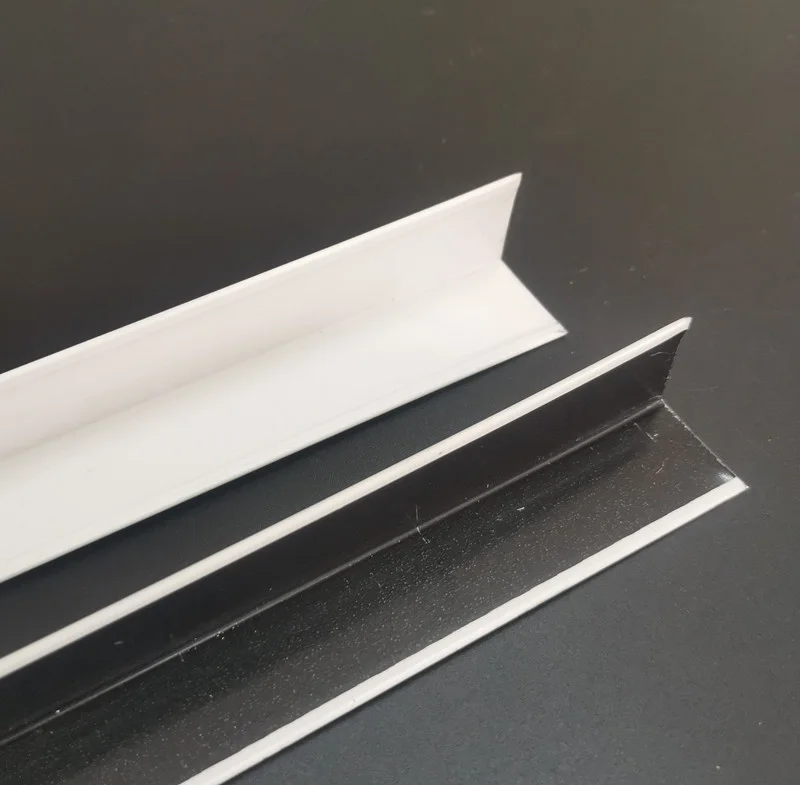
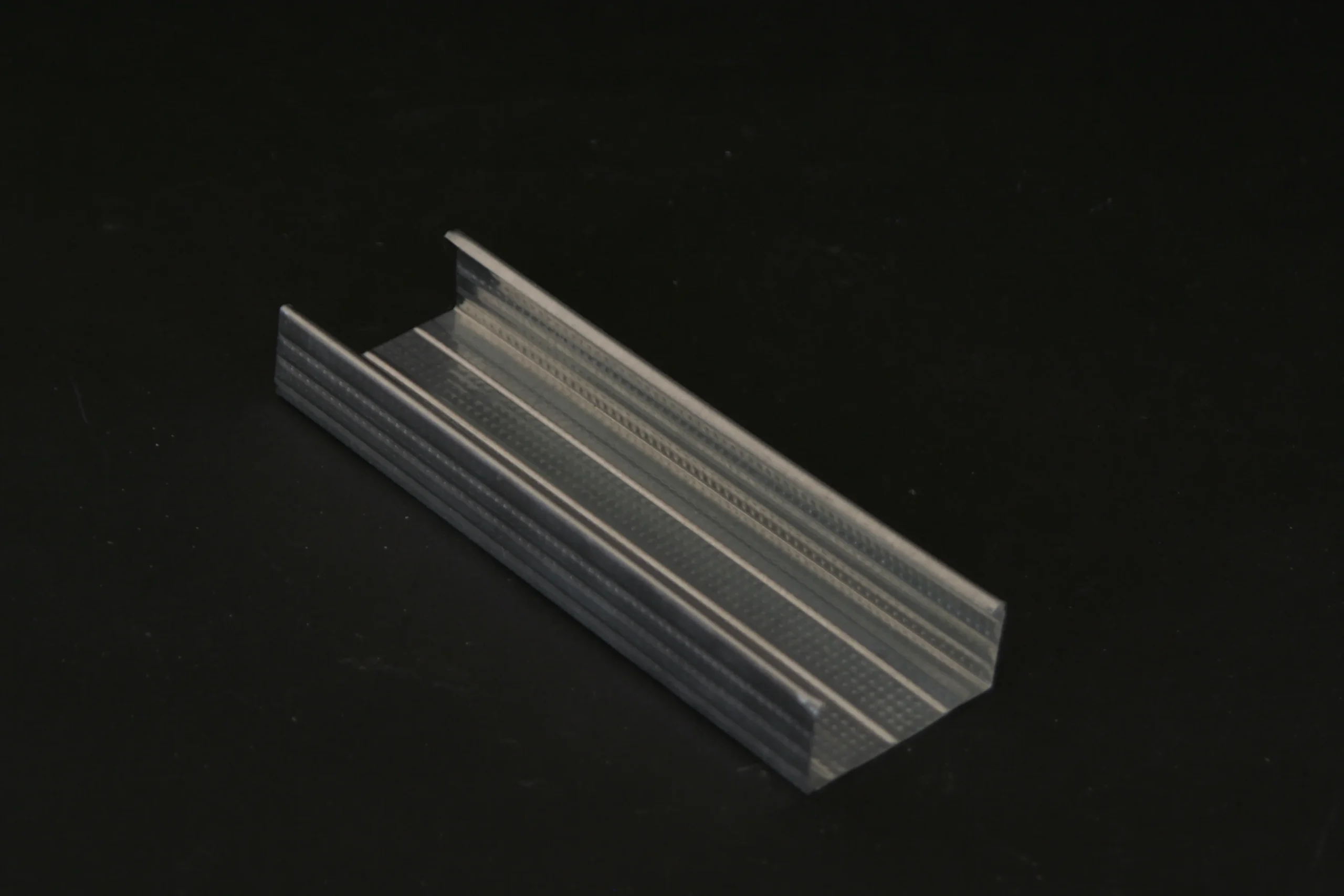
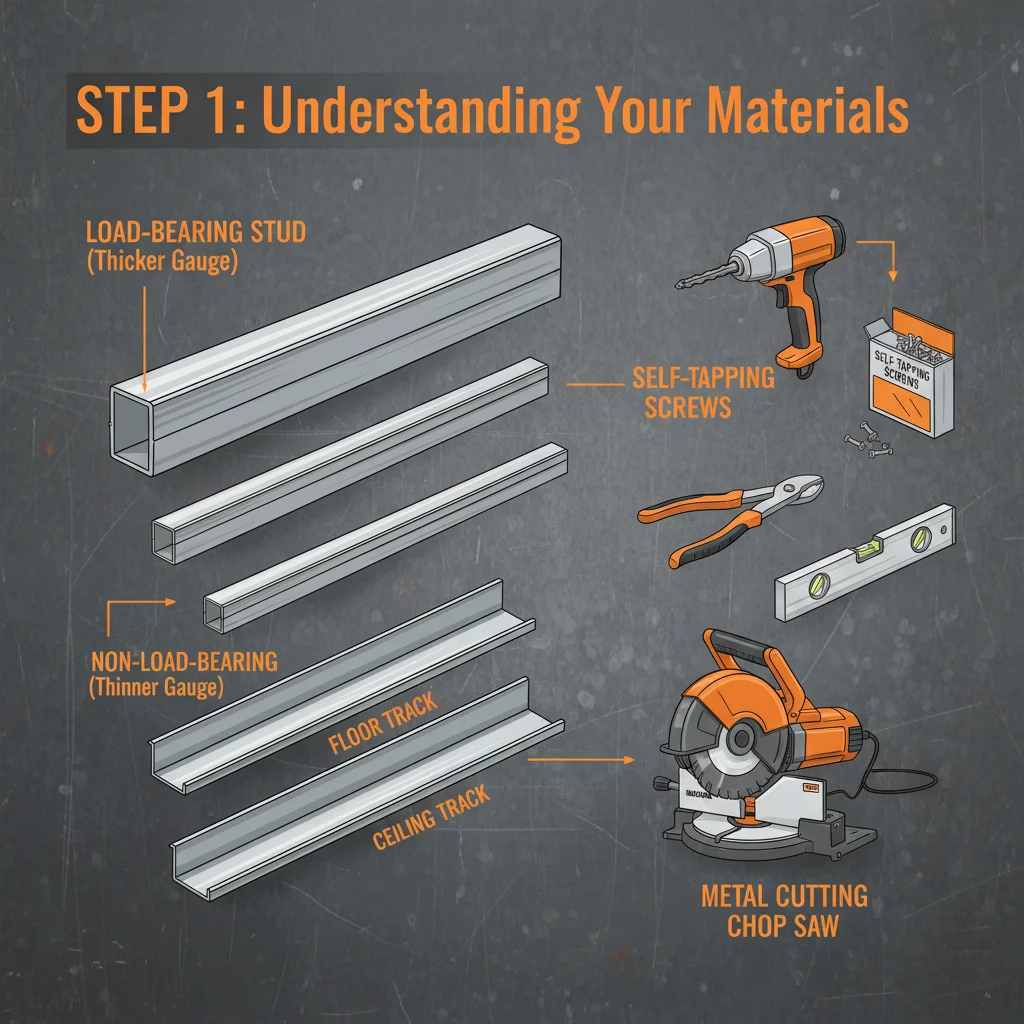
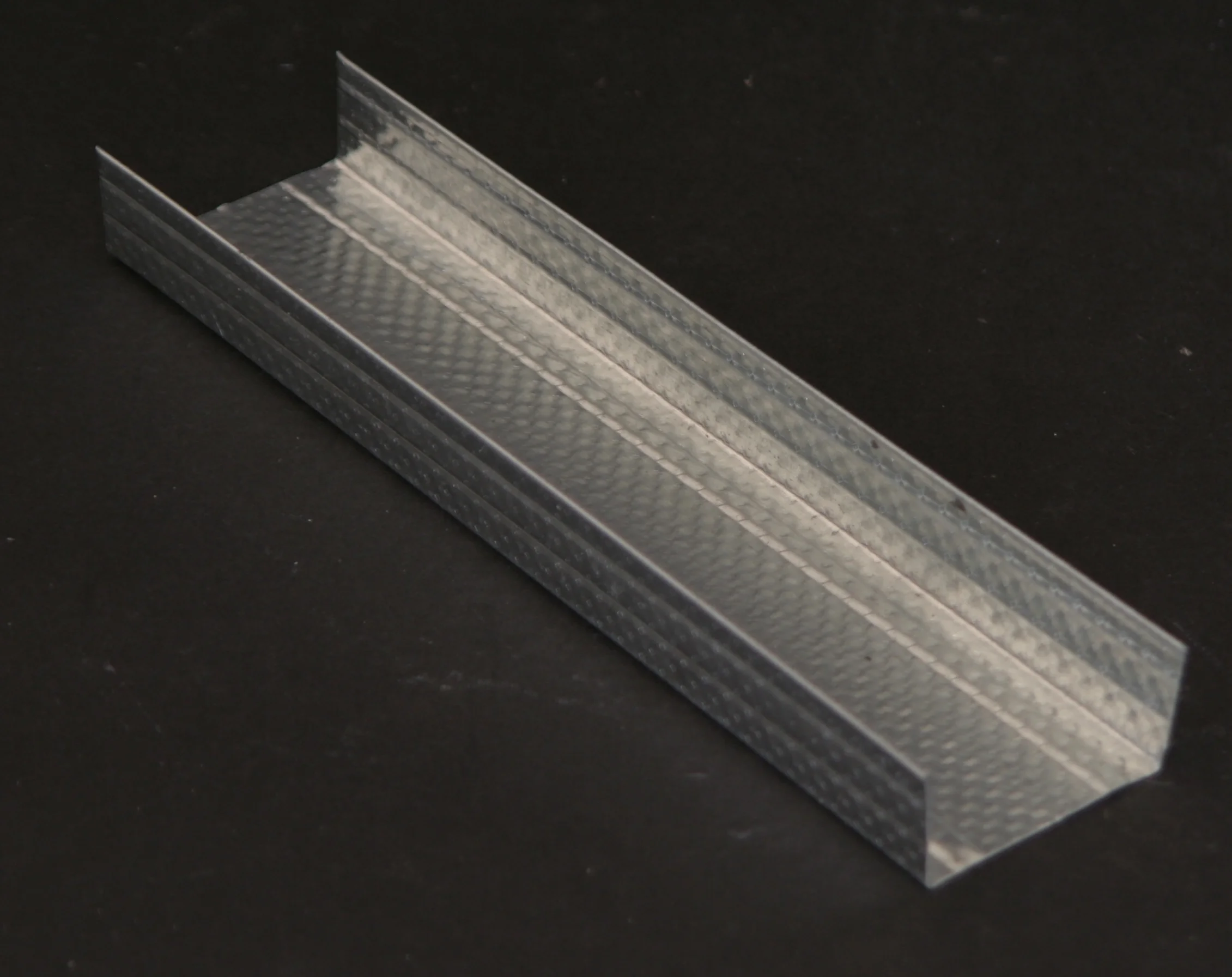
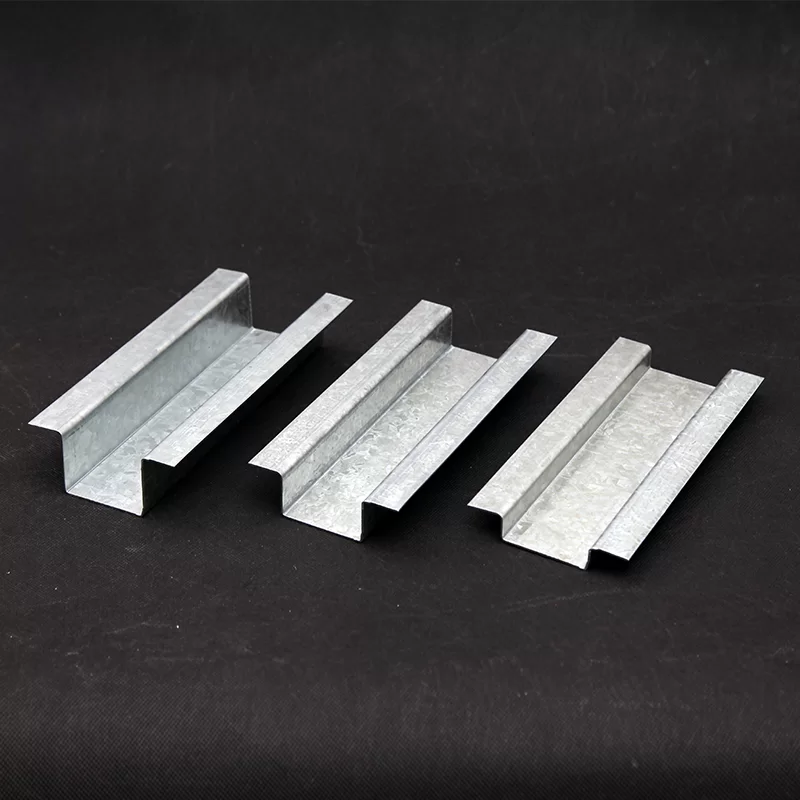
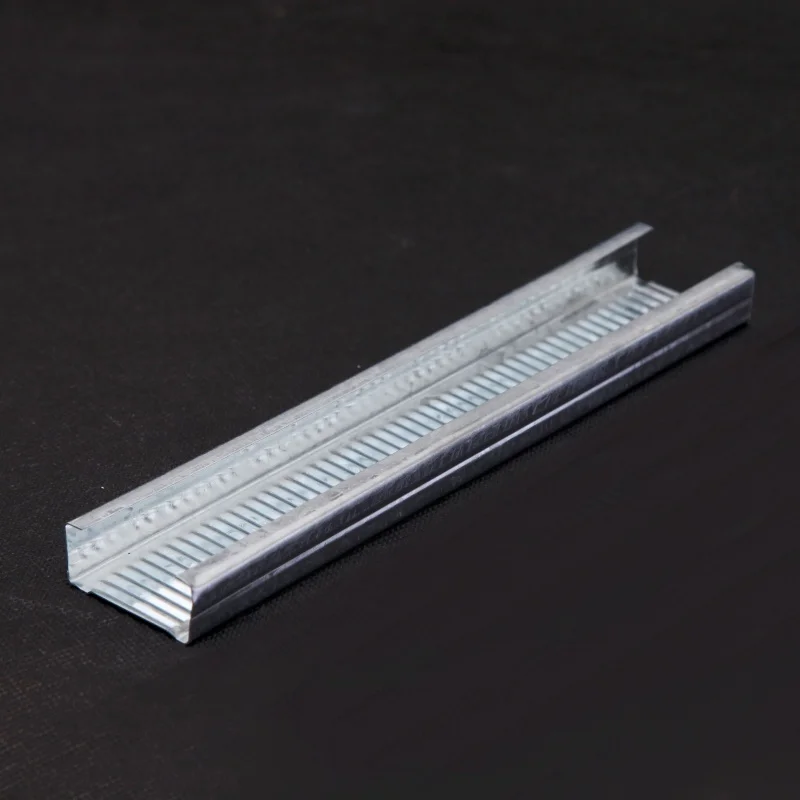
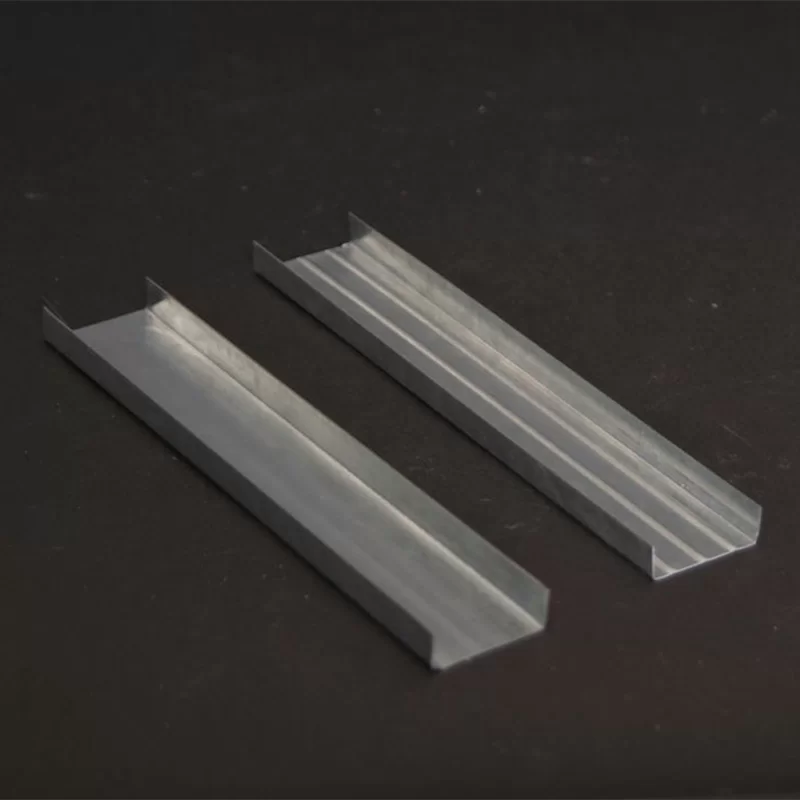
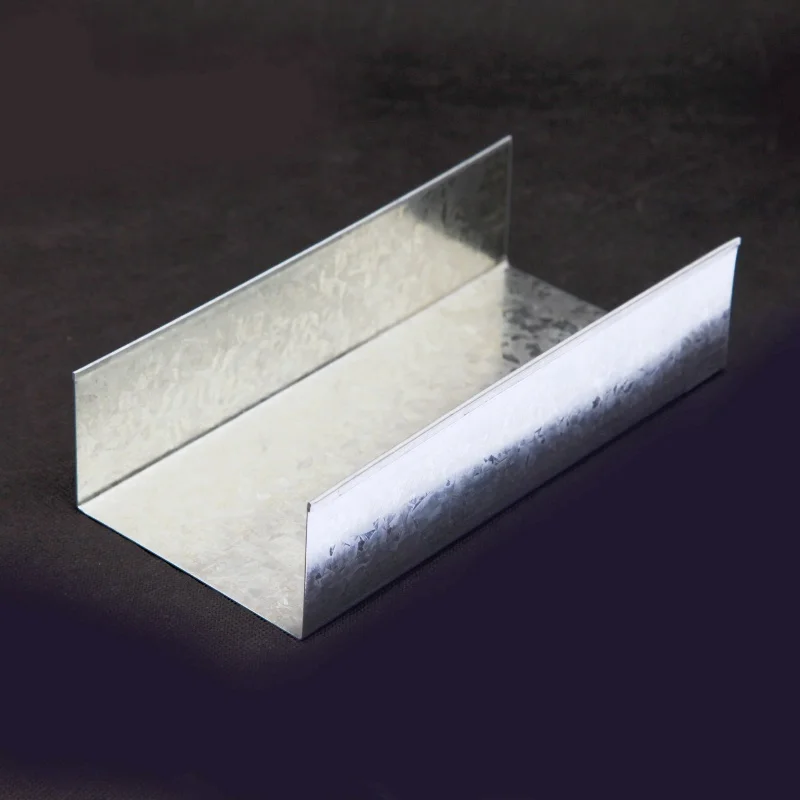
Simply put, exterior wall metal studs are cold-formed steel framing components used in the construction of outside wall assemblies. They act as the vertical "bones" that support wall coverings (like insulation, sheathing, and cladding). Unlike wood studs, these are corrosion-resistant and often come galvanized, which makes them ideal for outdoor or exposed areas.
In humanitarian contexts — think refugee housing or emergency shelters — these studs enable rapid erection of durable, weather-resistant buildings that also weigh less for transport than traditional wood or concrete frameworks. That kind of ingenuity is why many aid organizations have shifted their specs toward metal studs in recent years.
Mini takeaway: Exterior wall metal studs are structural steel pieces framing outside walls, combining strength with resistance to environmental factors.
Core Components That Make Exterior Wall Metal Studs Work
1. Durability & Weather Resistance
One of the biggest advantages of metal studs is their natural resistance to moisture, fire, insects, and mold pressures. Many studs come galvanized or treated with zinc coatings, enabling them to withstand even coastal salt-air exposure. This means fewer repairs and longer lifespans compared to timber frameworks, which can succumb to rot.
2. Precision & Scalability
Because metal studs are manufactured with exacting cold-forming processes, they guarantee consistent dimensions and strength. This repeatability improves on-site speed and reduces waste. Whether it’s a small home or a large multi-storey office, these studs scale efficiently with modular framing systems.
3. Cost Efficiency Over Time
Sure, initial costs might tip higher than wood in some markets, but lower maintenance, reduced insurance premiums (due to fire resistance), and enhanced durability balance the scales. Plus, metal studs don’t shrink or warp, which avoids costly remedy work later.
4. Sustainability & Recyclability
Steel is one of the most recycled materials globally. Choosing exterior wall metal studs aligns with green building goals like LEED certification and ISO 14001 standards, which many project owners aim for. It’s a triple win: less deforestation, less waste, and simpler end-of-life recycling.
5. Thermal & Acoustic Compatibility
While metal bylaws often trigger thermal bridging concerns, today’s construction uses thermal breaks and insulation strategies specifically compatible with metal studs. This boosts energy efficiency and controls noise transmission effectively.
6. Fire Safety
Metal studs do not combust, making them favored in urban codes that prioritize fire-resistant exterior assemblies. This attribute increasingly affects building approvals worldwide.
Mini takeaway: Exterior wall metal studs excel due to durability, precision, cost efficiency, sustainability, and safety.
Applications of Exterior Wall Metal Studs around the World
Their utility spans multiple industries and geographies:
- North America & Europe: Common in commercial buildings and residential multi-family projects due to strict fire and quarantine codes.
- Southeast Asia & Africa: Increasingly used in rapid-build housing and infrastructure projects to tackle timber scarcity and pest damage.
- Humanitarian Aid: UNHCR and NGOs specify metal studs for temporary shelters and clinics in post-disaster zones for durable efficiency.
- Industrial Zones: Factories and warehouses lean on metal studs for quick assembly and load-bearing facades, especially where chemical and moisture exposure is high.
For example, after the 2015 Nepal earthquake, many relief housing schemes integrated exterior wall metal studs for durable yet transport-light shelters. In urban U.S. areas, multifamily apartment builders use these systems to meet both green and fire codes simultaneously.
Mini takeaway: From disaster relief to urban apartments, exterior wall metal studs meet varied demands across continents and sectors.
Advantages & Long-Term Value of Exterior Wall Metal Stud Systems
What’s striking is not just the upfront practicality but the holistic value these studs offer:
- Economic: Long lifespan means fewer rebuilds; predictable specs improve labor productivity.
- Environmental: Recyclability cuts landfill impact and reduces dependency on timber.
- Social: Sturdy, safe buildings enable communities to thrive, improving residents’ dignity and security.
- Innovation: Metal studs support integration of smart cladding and energy-generating facades, future-proofing buildings.
It’s one thing to build a wall, another to protect people, and even more to do so with an eye toward tomorrow’s challenges. I’ve heard contractors say the peace of mind with metal studs is priceless — the kind of reliability that helps crews sleep better on tough projects.
Future Trends: Innovations Shaping Exterior Wall Metal Stud Design
We’re seeing some pretty fascinating development things:
- Advanced Coatings: Beyond standard galvanization, newer anti-corrosion treatments lasting decades are hitting the market.
- Integrative Digital Tools: BIM (Building Information Modeling) integration allows precise modeling of metal stud framing to optimize materials and detect clashes early.
- Thermal Break Technologies: New polymer inserts and smart insulation are reducing thermal bridging more effectively than ever.
- Automated Manufacturing: Robotics-driven stud production offers faster and cost-lower output with tighter tolerances.
- Green Energy Integration: Metal stud walls paired with solar facades or energy harvesting are increasingly common in eco-conscious projects.
Common Challenges and Practical Solutions
But it’s not all sunshine and rainbows. For one, transporting metal studs to remote areas can be tricky due to weight and volume. Also, improper installation may cause corrosion issues if moisture infiltration occurs in joints.
To tackle these, specialists recommend:
- Using modular packaging and flat-packing to streamline shipping.
- Training install teams thoroughly on proper sealing and flashing techniques.
- Applying the latest coating tech and routine inspections where possible.
- Combining metal stud framing with complementary materials to manage thermal effects.
Product Specification Table: Sample Exterior Wall Metal Stud Details
| Property |
Detail |
| Material |
Galvanized Cold-Formed Steel (G550 grade) |
| Stud Width |
1 5/8” (41mm), 2 1/2” (64mm), 3 5/8” (92mm) |
| Thickness |
18 – 20 gauge (0.045 in to 0.051 in) |
| Coating |
Hot-dip galvanized with zinc coating (min 1.5 oz/ft²) |
| Length |
Up to 16 feet standard, custom cut available |
| Fire Resistance |
Non-combustible, UL Classified |
Vendor Comparison: Leading Exterior Wall Metal Stud Suppliers
| Vendor |
Quality Certifications |
Customization Options |
Lead Time |
Typical Pricing (per 1000 ft) |
| SteelPro Systems |
ISO 9001, UL |
Custom gauges & lengths |
2-3 weeks |
$1,200 - $1,500 |
| Global Build Metals |
ISO 14001, CE Mark |
Limited lengths, standard gauges |
1-2 weeks |
$1,100 - $1,400 |
| Jinkai Building Materials |
ISO 9001, ISO 14001, UL |
Full customization, global shipping |
3-4 weeks |
$1,250 - $1,550 |
FAQ: Frequently Asked Questions About Exterior Wall Metal Studs
Q1: Are exterior wall metal studs better than traditional wood framing?
A: In many ways, yes. Metal studs resist moisture, pests, and fire better than wood, resulting in fewer repairs and longer lifespan. However, initial cost and installation skills may vary by region. Metal studs also support green building certifications, which wood sometimes cannot match.
Q2: How do exterior wall metal studs affect building insulation?
A: Metal studs can create thermal bridges, potentially reducing insulation performance. Modern construction uses thermal breaks, insulation wraps, or spray foam solutions to overcome this. Proper design ensures energy efficiency while keeping the structural benefits of metal framing.
Q3: Can exterior wall metal studs be used in coastal areas?
A: Absolutely. When coated with high-quality galvanization or advanced anti-corrosive treatments, metal studs withstand salty, humid environments remarkably well. They’re often preferred in coastal construction to avoid the rot and decay common with timber.
Q4: How quickly can a building with exterior wall metal studs be constructed?
A: Thanks to their uniform size and pre-engineered nature, exterior wall metal stud framing can cut framing times by up to 30% compared to traditional wood. This speeds up overall project delivery, which is critical for both commercial builds and emergency housing.
Q5: Are there recycling programs for metal stud waste?
A: Yes, since steel is highly recyclable, many construction sites collaborate with scrap metal recyclers. Using metal studs helps minimize landfill waste, aligning construction projects with international recycling standards like ISO 14001.
Wrapping It Up
Exterior wall metal studs offer more than just structural support — they represent a move toward resilient, sustainable, and efficient building practices worldwide. For industries ranging from commercial real estate to humanitarian aid, understanding these studs' value unlocks new possibilities for safe, fast, and green construction. If you’re exploring steel framing or upgrading your materials, it’s worth diving deeper into these innovations. Curious? Visit our website at exterior wall metal studs and discover how these studs can elevate your next project.
References:
- International Energy Agency - Building and Construction Sector
- Wikipedia: Cold-Formed Steel
- ISO 14001 Environmental Management