The Rise of Flexible Metal Framing Track: A Practical Revolution
You might be wondering, “What’s this flexible metal framing track all about, and why is it suddenly so important in industries worldwide?” Well, put simply, it’s a game-changer in building and structural frameworks that need adaptability without sacrificing strength. Globally, where infrastructure demands are evolving fast — think rapid urbanization, disaster relief, or even modular construction — understanding these tracks and how they fit into modern frameworks is hugely beneficial.
This isn’t just about a piece of metal bending here and there. It’s about reliable forms that accommodate changing needs, reduce waste, and speed up assembly. Honestly, when you grasp its key benefits like durability combined with flexibility, it’s easier to appreciate why companies, NGOs, and governments alike invest in this technology.
Why Flexible Metal Framing Track Matters on a Global Scale
The world’s population is expected to hit almost 10 billion by 2050 (UN data), and that surge demands infrastructure that’s both resilient and adaptable. Traditional rigid framing systems sometimes struggle to keep pace. This is where the flexible metal framing track shines. According to ISO standards on construction materials, adaptability paired with strength is becoming a necessity, not a luxury.
There’s also the issue of climate change. Extreme weather events mean structures need to be not just strong, but able to absorb stress and reconfigure if needed. Organizations such as the World Bank emphasize fast, cost-effective rebuilding methods in affected zones, and flexible framing fits that bill pretty well.
So, the challenge it addresses is clear: How do you build quickly, sustainably, and reliably in a world that’s always shifting, literally and figuratively?
Mini takeaway:
- Global demands and environmental challenges make flexible framing a smart, future-proof choice.
- It’s a response to real-world problems — speed, resilience, and adaptability.
Flexible Metal Framing Track: What It Actually Is
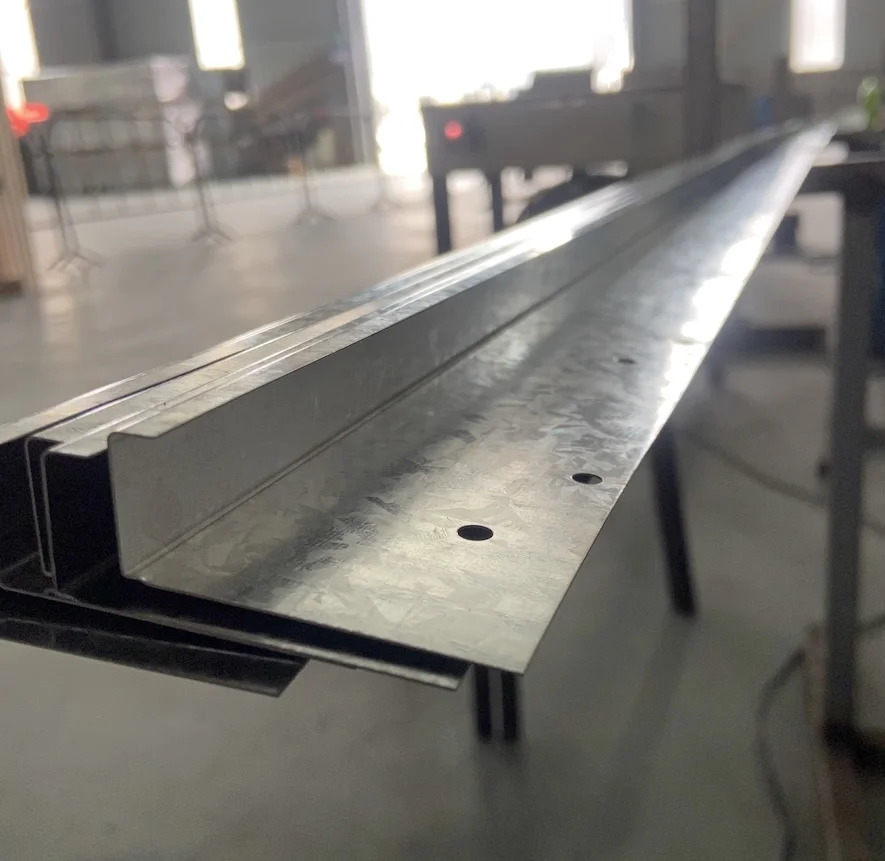
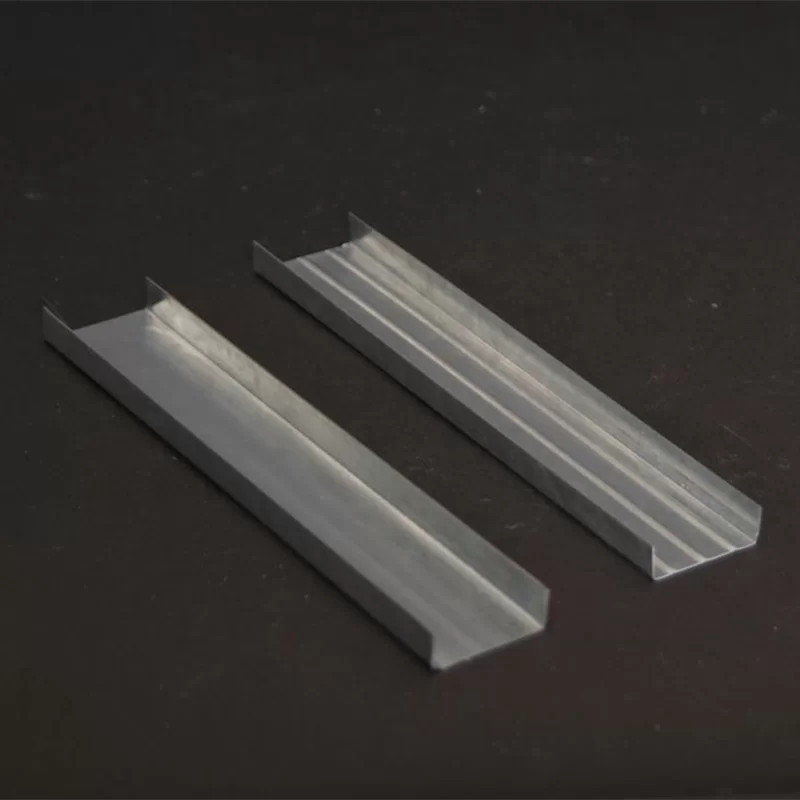
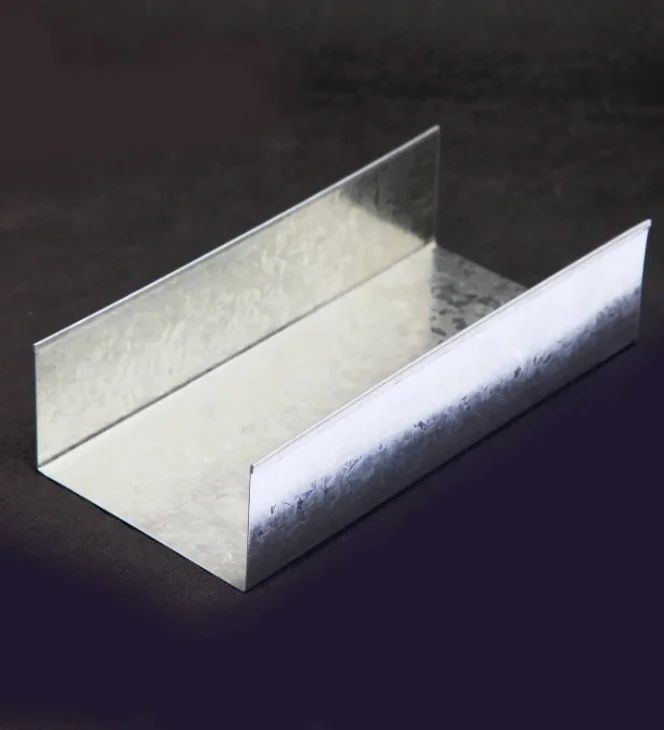
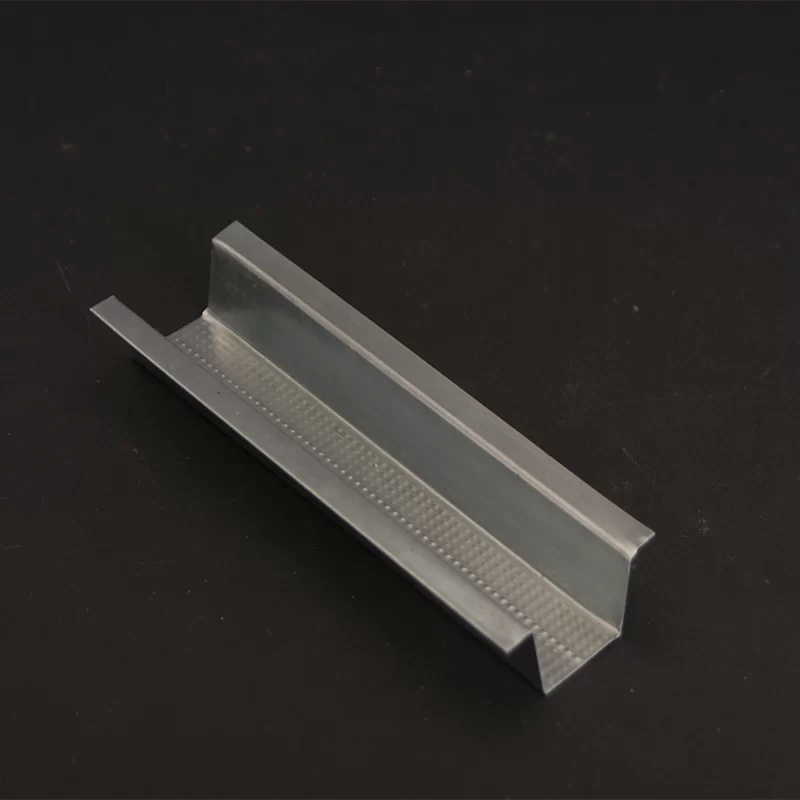
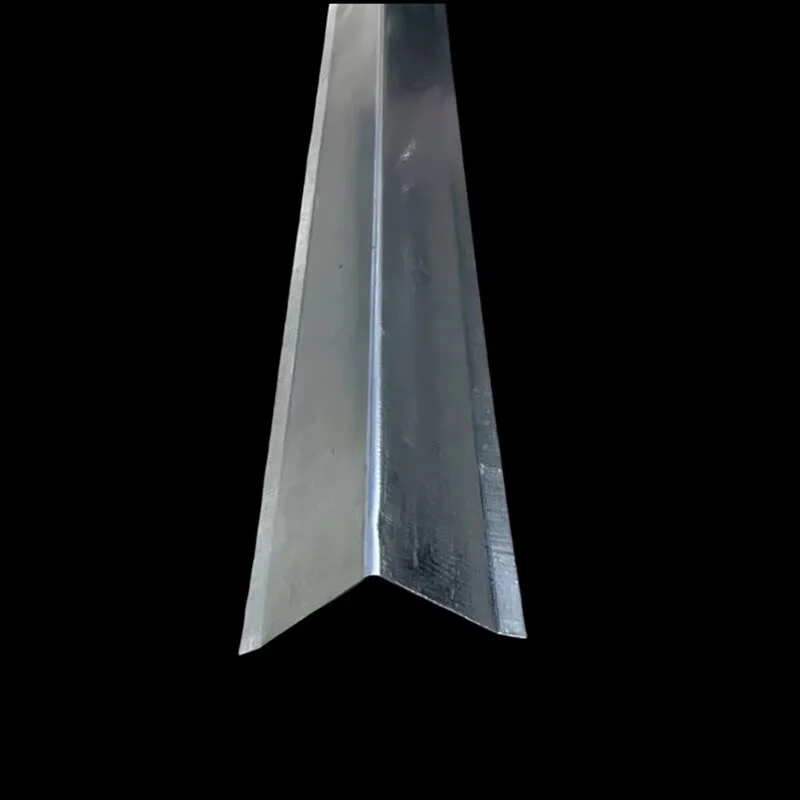
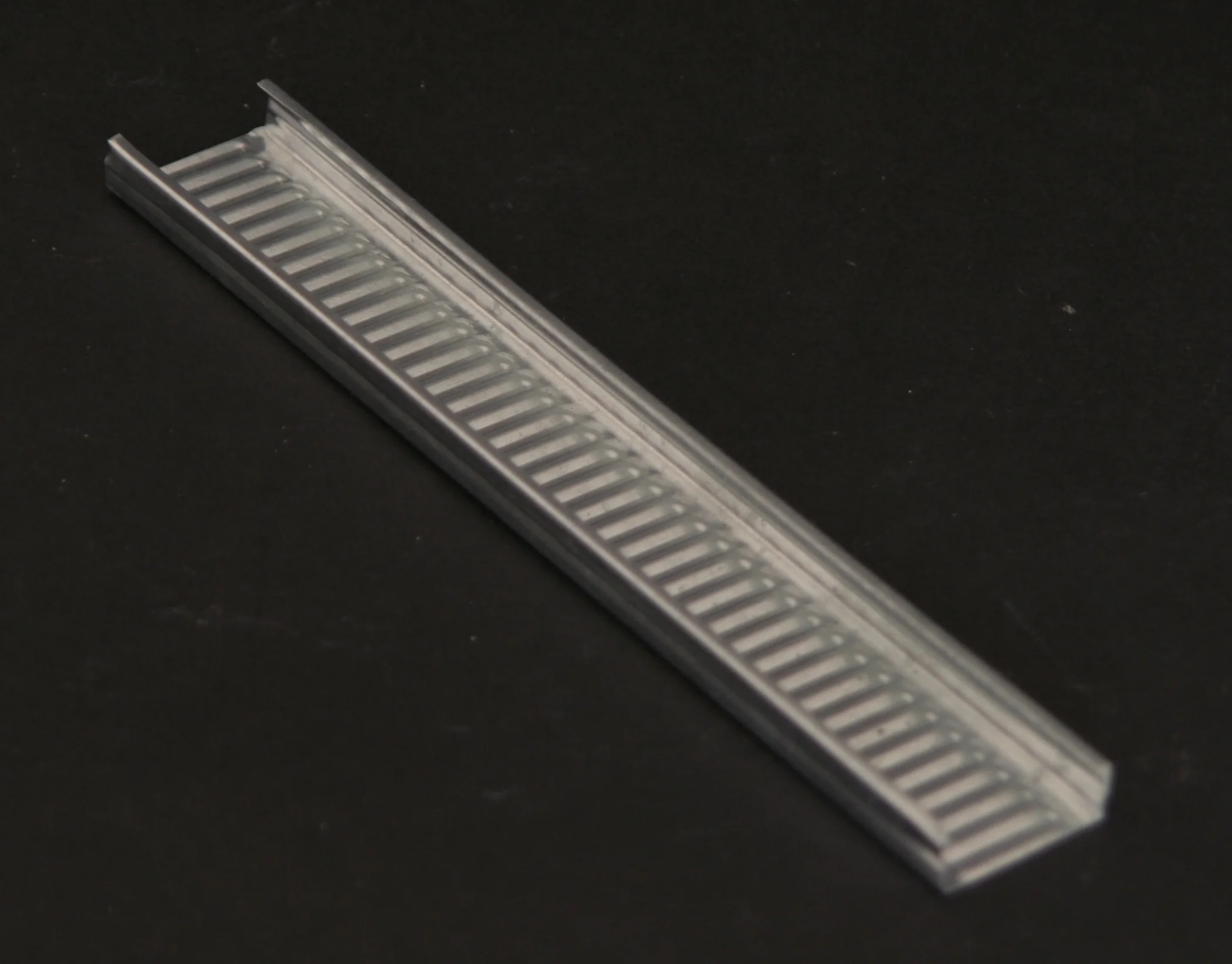
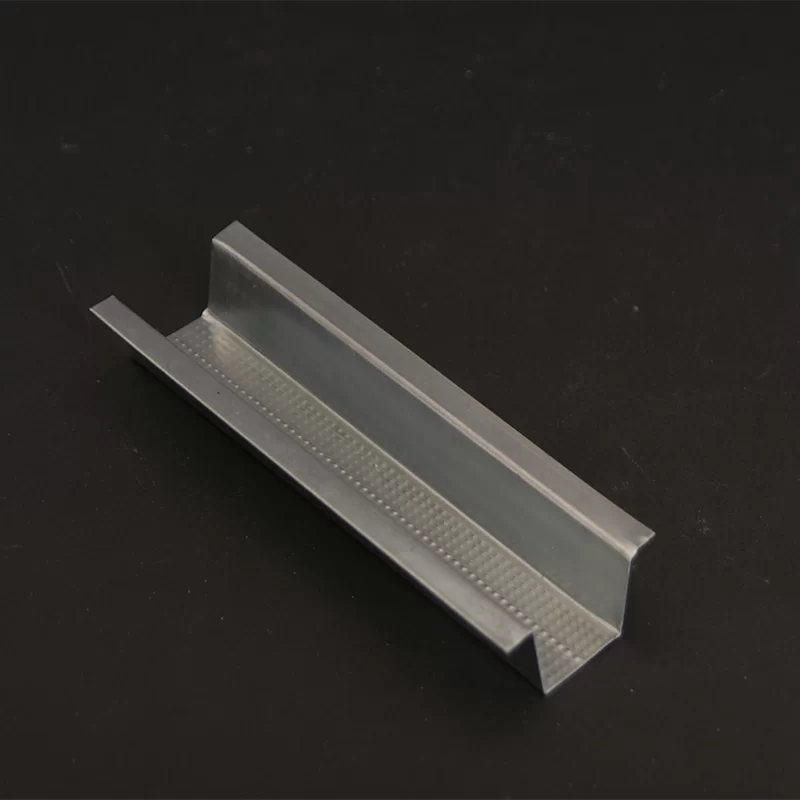
At its simplest, a flexible metal framing track is a structural component made from durable metals — commonly steel or aluminum — designed with physical elasticity and modular slots or grooves. It bends or curves to accommodate specific shapes or non-linear designs without cracking or losing integrity.
This kind of framing is intrinsic to modern industrial and humanitarian architecture. Whether you’re erecting modular hospital units in remote locations or setting up semi-permanent shelters after a natural disaster, these tracks allow for fast assembly, easy transportation, and dynamic structural forms.
Mini takeaway:
- Think of flexible metal framing track as the “spine” that can twist and turn without breaking.
- Its simplicity in design and complexity in function makes it a versatile asset across sectors.
Core Components That Make Flexible Metal Framing Track Special
Durability and Strength
Despite its name, “flexible” does not mean flimsy. These tracks maintain the load-bearing capacity of conventional framing steel. They’re typically galvanized or treated for corrosion resistance, ensuring long life spans in different environments — indoors or exposed outdoor installations.
Scalability and Modularity
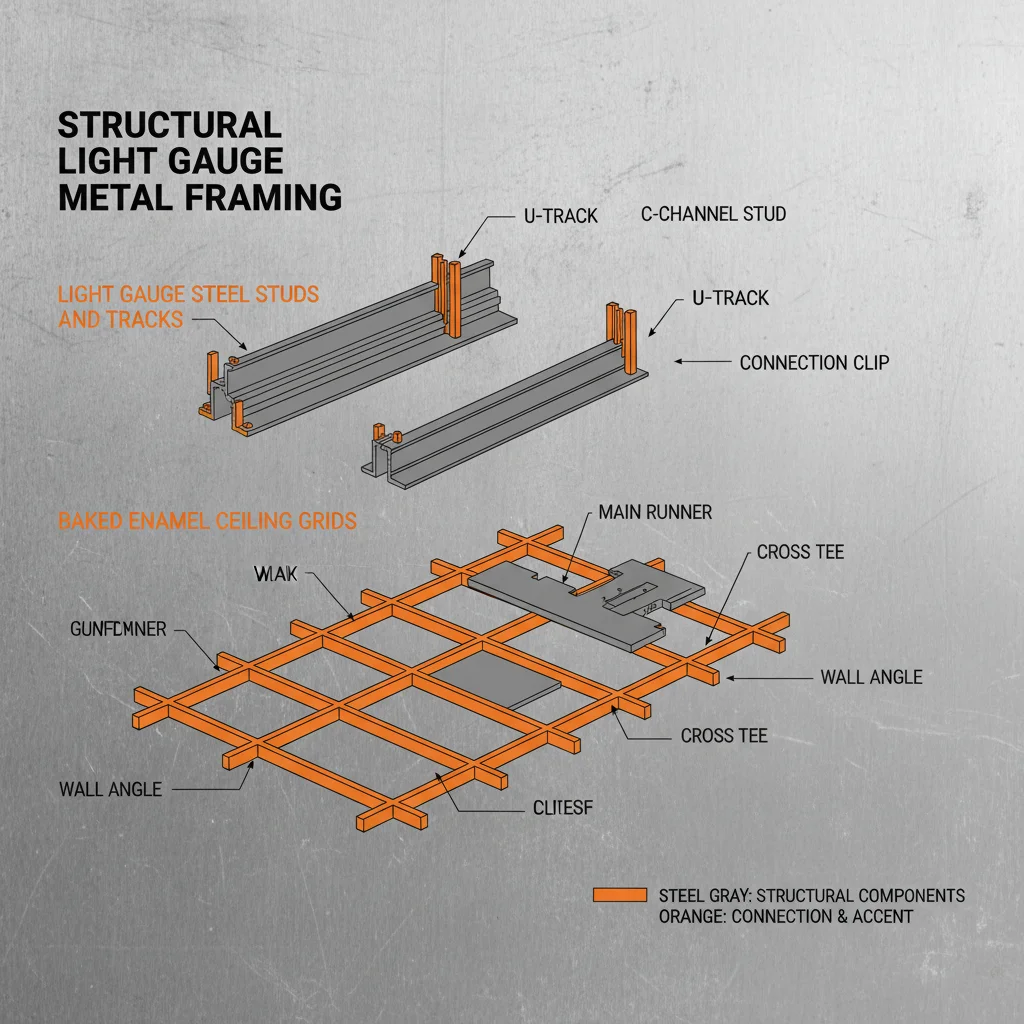
One of the beauties here is how easily these tracks can be cut, bent, and linked for projects big and small. This is perfect for fast deployment structures where scalability matters a lot: think scalable warehouses, temporary housing, or industrial zones.
Cost Efficiency
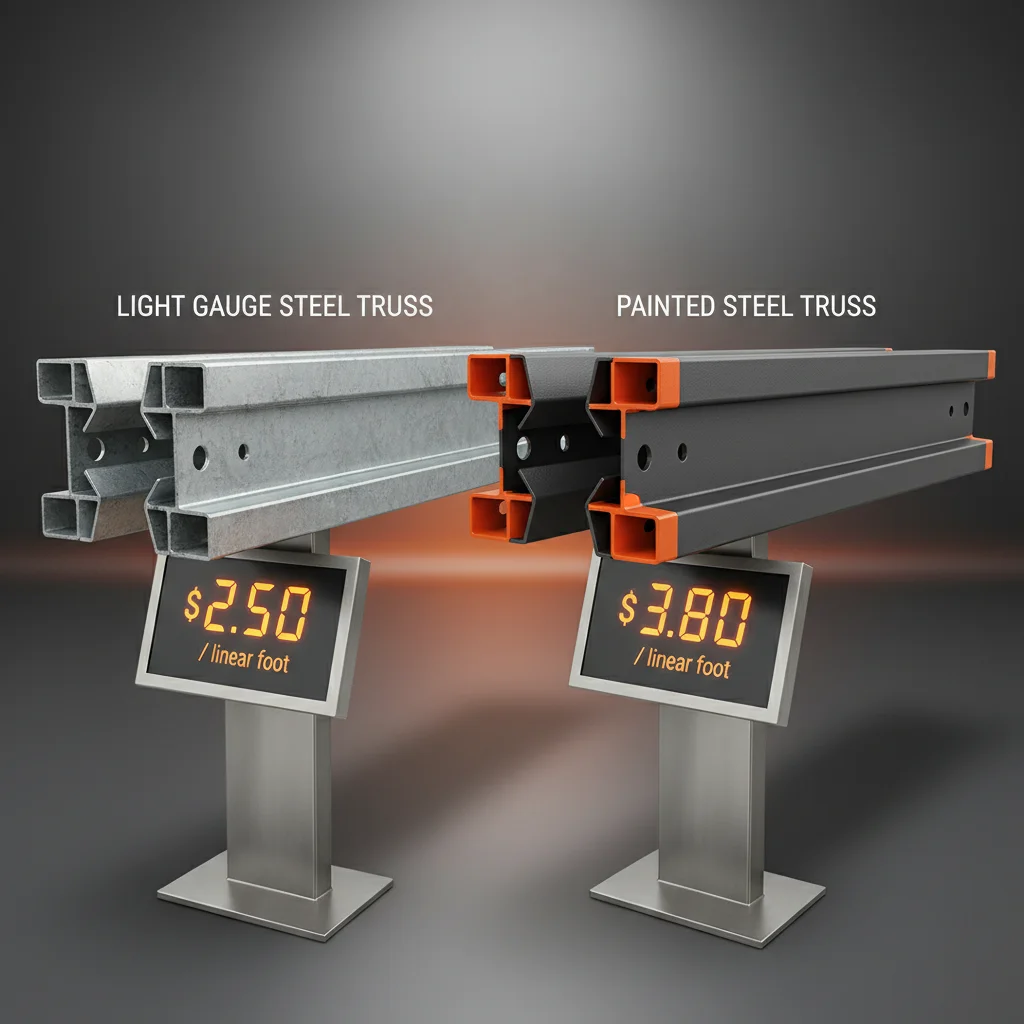
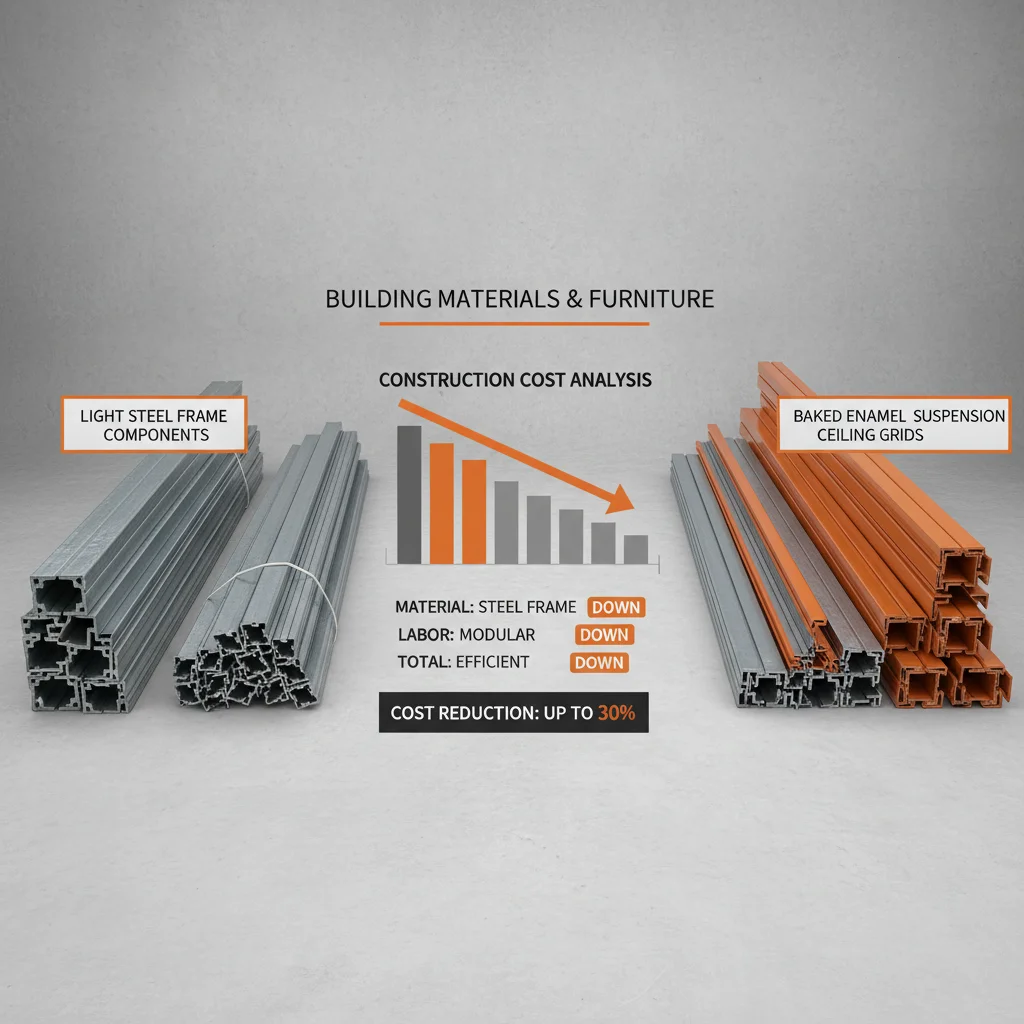
Traditional framing involves a lot of material waste and labor-intensive processes. Flexible framing tracks simplify installation and reduce raw material losses. As many engineers involved in construction projects say, it’s like “assembling a jigsaw puzzle that fits no matter the shape.”
Adaptability to Complex Designs
Undeniably, the real advantage is in architectural freedom: curves, corners, and unusual shapes can all benefit. This opens up creative possibilities without sacrificing structural soundness.
Ease of Transportation
Since these tracks can flex and nest compactly, shipping them reduces logistical cost and carbon footprint. This small detail counts a lot, especially for projects in remote or disaster-hit regions.
Mini takeaway:
- Four pillars: strength, scalability, cost-effectiveness, and design flexibility.
- This combination is what sets flexible metal framing track apart from conventional systems.
Real-World Applications: Where Flexible Metal Framing Track Makes a Difference
In post-disaster relief operations, organizations such as the Red Cross or Médecins Sans Frontières employ flexible metal framing tracks for rapid assembly of shelters and medical units. The ability to adapt to uneven terrain or damaged sites is crucial.
In remote industrial zones — think mining or oil fields — these tracks help build semi-permanent facilities quickly, with thanks to their durability under harsh conditions.
Urban developers increasingly use flexible tracks in modular housing projects, reducing build time and environmental impact. Regions like Southeast Asia, prone to typhoons, benefit hugely from adaptable framing that can sway instead of shatter.
| Specification |
Typical Value |
Remarks |
| Material |
Galvanized Steel / Aluminum |
Corrosion resistant options available |
| Bend Radius |
Down to 300 mm |
Depends on metal thickness |
| Load Capacity |
Up to 500 kg/m |
Varies by design & treatment |
| Weight |
2.5 - 5 kg/m |
Lightweight vs traditional steel |
| Installation Time |
Typically 30% faster |
Compared to rigid framing |
Mini takeaway:
- Versatility shows in disaster aid, industrial, and urban settings.
- Material specs underline the balance of lightness and strength.
The Long Game: Advantages and Added Value of Flexible Metal Framing Track
On the surface, flexible metal framing track offers cost savings and faster deployment. But the value story runs deeper — it connects to social impact and environmental responsibility.
For example, faster shelter deployment means displaced families regain dignity and safety sooner. Fewer wasted materials lower environmental impact, contributing to sustainability goals that many governments now enforce. Plus, it builds trust among communities dependent on reliable infrastructure.
Emotionally, knowing your framework can withstand stress and adapt offers a kind of quiet reassurance — much like a trusted friend who “bends but doesn’t break.”
Looking Ahead: Trends Shaping the Future of Flexible Metal Framing Track
Material science keeps pushing boundaries. The next wave involves ultra-light alloys and composites that keep strength yet further reduce weight. Digital fabrication also comes into play — imagine custom tracks 3D-printed for exact site needs.
On the policy side, increasing carbon regulations encourage the adoption of green materials and efficient supply chains. Automated assembly via robotics could also revolutionize rapid construction, minimizing human risk and error.
There’s a lot of buzz about integrating solar panels or energy-harvesting tech directly into these frames, especially in off-grid applications. It feels like the future is a modular, smart ecosystem where flexible metal framing track is a backbone.
Challenges? Yes. But Here’s How We’re Tackling Them
It’s not all smooth sailing. Some challenges remain, such as ensuring uniform quality during mass production or handling very tight curves without metal fatigue. Transportation constraints in conflict zones or extreme climates also complicate logistics.
Innovative coating technologies and enhanced design software help forecast stress points before assembly, reducing failure risk. Plus, manufacturers emphasize training installation crews to optimize use — so the product’s potential isn’t wasted.
Vendor Comparison: Picking the Right Supplier
| Vendor |
Material Options |
Lead Time |
Customization |
Global Reach |
| JinkaiBM |
Steel, Aluminum |
2-4 weeks |
Bespoke bending, length |
Worldwide
flexible metal framing track |
| SteelFlex Inc. |
Galvanized Steel |
3-5 weeks |
Limited |
North America, Europe |
| AlumaTrack |
Aluminum, Composite |
4-6 weeks |
High customization |
Asia-Pacific, Europe |
Frequently Asked Questions About Flexible Metal Framing Track
- Q1: What makes flexible metal framing tracks better for fast deployment housing compared to traditional systems?
- Flexible metal framing tracks allow quicker assembly because they can bend to fit site-specific needs without requiring custom fabrication. This adaptability means shelters can be erected faster, saving valuable time — especially in disaster scenarios.
- Q2: How durable are structures using flexible framing tracks in harsh environments?
- Very durable. Many flexible tracks are galvanized or treated to resist corrosion and fatigue. When combined with proper design, they stand up to strong winds, rain, and even seismic activity, often outperforming rigid systems under stress.
- Q3: Is using flexible metal framing track cost-effective in the long run?
- Yes. While upfront costs might appear comparable, the savings come from reduced material waste, faster build times, and lower maintenance over the product lifecycle, making it a savvy investment.
- Q4: Can these tracks be customized for unusual architectural designs?
- Absolutely. One of their biggest advantages is accommodating curves, angles, and unique shapes without losing strength — ideal for modern, creative construction.
- Q5: How to source flexible metal framing tracks internationally?
- Many suppliers like JinkaiBM offer global shipping and support. Understanding import regulations and working directly with manufacturers or distributors helps simplify procurement.
Conclusion: The Flexible Future of Metal Framing
Flexible metal framing track is more than just a trending product — it’s a solution tailored for a shifting world. It combines engineering excellence with real-world adaptability, offering undeniable benefits in cost, speed, and sustainability. As industries and humanitarian efforts seek smarter, more responsive building materials, these tracks are stepping squarely into the spotlight.
If you’re curious to explore flexible metal framing track for your next project, whether industrial, residential, or relief-oriented, your best move is to visit JinkaiBM’s website — a trusted leader with global reach and customizable options.
Final Mini takeaway:
- Flexible metal framing tracks answer complex, real needs with smart design.
- They’re a versatile, future-ready choice — fast, durable, and cost-savvy.
- Keeping an eye on innovation in this space could really pay dividends.
References
- United Nations, World Population Prospects (2019)
- International Organization for Standardization (ISO)
- World Bank: Disaster Risk Management