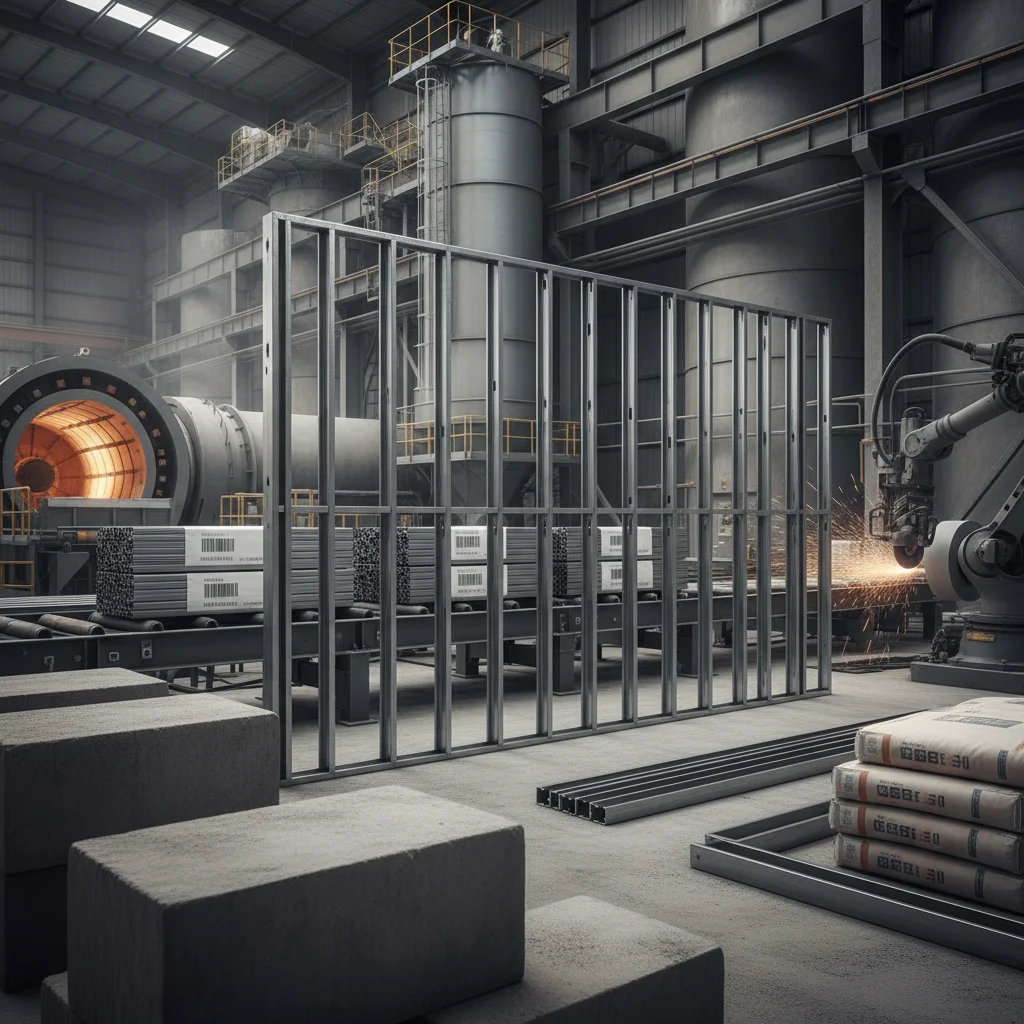
Exploring 2x4 Steel Studs: A Veteran’s Perspective
Having spent a fair chunk of my career elbows-deep in industrial construction and steel framing, I can honestly say that 2x4 steel studs are a fascinating little cornerstone of modern building techniques. Oddly enough, these studs seem humble at first glance—just a simple framing piece—but when you really get into it, their design choices and performance nuances can make or break a project.
When I first started in the trade, the predominance of wood studs was nearly absolute. But over the years, steel studs, especially the 2x4 profiles, have quietly carved out a steady niche. They offer a mix of precision, durability, and resistance to issues like twisting, warping, and pest damage that wood often suffers from.
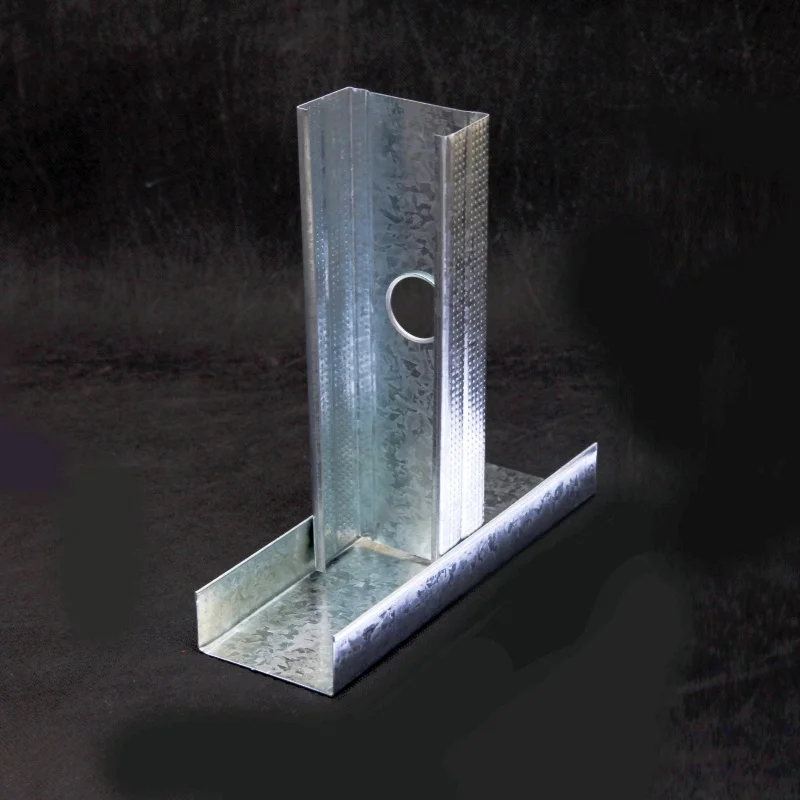
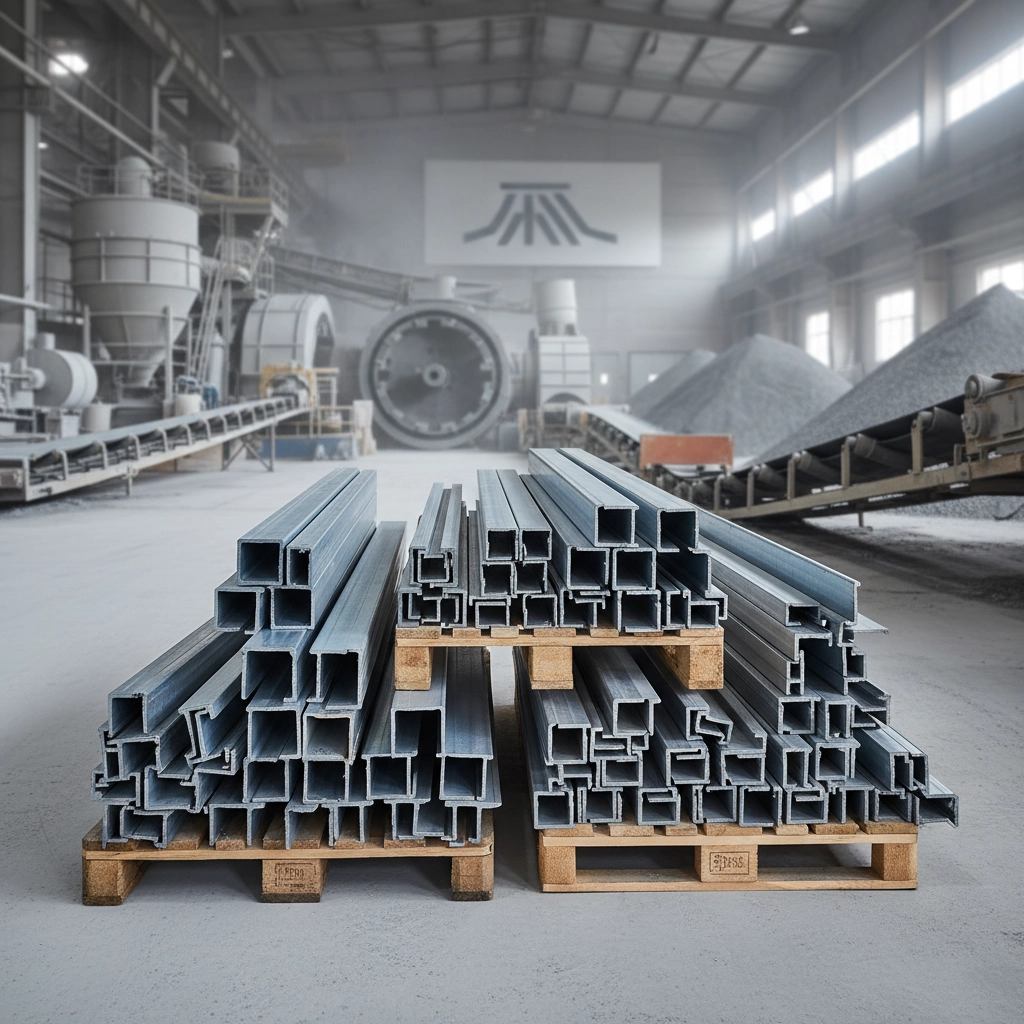
What I notice with 2x4 steel studs from trusted vendors—Jinkai is one I’ve seen consistently perform well—is the quality of the cold-formed steel. The gauge, the finish, and the cut precision all influence on-site ease and long-term structural integrity. You know, when you handle studs that are more consistent in dimension and coating, installations go smoother—less guesswork, fewer callbacks.
Typical Specifications of 2x4 Steel Studs
| Property |
Specification |
| Dimensions |
1.5" x 3.5" (actual steel thickness varies) |
| Steel Gauge |
20, 18, or 16 gauge (varies with load requirements) |
| Surface Finish |
Galvanized or coated for corrosion resistance |
| Standard Lengths |
8 ft to 14 ft (custom lengths available) |
| Load Bearing |
Light to medium structural framing |
It’s not just the specs on paper that matter, though. Frankly, the real test of steel studs comes in installation conditions—how they handle cutting, fastening, and reinforcement on site. Jinkai’s studs tend to score well here; you can tell they've been engineered with the practical realities of construction sites in mind. That uniformity reduces waste, and honestly, it saves a bunch of time.
In real terms, many industrial builders I know appreciate the fact that steel is impervious to termites and won’t rot despite occasional moisture intrusion, a common pitfall in wood framing. I remember one project where a client needed extremely high precision and durability at a relatively affordable price—the 2x4 steel studs were the clear choice.
Vendor Comparison: Popular 2x4 Steel Stud Providers
| Vendor |
Steel Gauge Options |
Finish Types |
Custom Lengths |
Lead Times |
| Jinkai |
20, 18, 16 |
Galvanized, Coated |
Yes |
1-2 weeks |
| SteelPro |
22, 20, 18 |
Galvanized only |
Limited |
2-3 weeks |
| BuildStrong |
18, 16 |
Coated |
Yes |
Varies |
Customization is increasingly a draw. It’s funny how a simple 2x4 stud now can be tailored for thickness, length, and finish to match very specific architectural needs. For example, in seismic zones or commercial buildings, the specs differ and these steel studs can adapt better than most traditional framing solutions.
From a materials standpoint, the trend toward using higher-quality galvanized or zinc-aluminum coatings means these studs last longer without sacrificial maintenance, which is a big selling point on long-term projects. Many engineers I worked with say the upfront cost difference between steel and wood is offset by reduced rework and fewer complaints down the line.
And there’s a small but sweet customer story that sticks in my mind: a mid-sized contractor in Ohio who switched fully to steel studs after a frustrating season of rot and warping issues on wood-framed jobs. They reported back an immediate drop in callbacks, a smoother inspection process, and much happier clients. Sometimes it’s these practical testimonials, not just the specs, that reaffirm what I’ve learned over years in the field.
So, if you're wondering whether 2x4 steel studs could be the upgrade your next project needs, it’s worth a look—especially if you want reliability with a splash of customization. And honestly, suppliers like Jinkai are making it easier than ever to source quality product with solid lead times.
In the end, the shift toward cold-formed steel framing feels like a natural evolution—steel studs are a little like the unsung workhorses of industrial building materials.
Keep an eye on this sector. Frankly, the incremental gains in design and finish coatings over the next few years will continue improving what these studs deliver. And if you’ve worked with them, you know what I mean...
References:
- Industry standards on cold-formed steel framing – AISI Specification
- Case studies in steel vs. wood framing – Construction Materials Journal, 2022
- Jinkai Industrial Materials product resources