Understanding 2x4x10 Steel Studs: The Backbone of Modern Construction
You might have heard the term 2x4x10 steel studs thrown around in construction or building supply circles, but what exactly are they? In essence, they’re steel framing components commonly sized at 2 inches by 4 inches with a length of 10 feet, widely used to create the skeletons of walls, ceilings, or even modular structures. Why does this matter globally? Well, as the world faces mounting housing shortages, climate challenges, and evolving industrial needs, the humble 2x4x10 steel stud has quietly emerged as a durable, sustainable alternative to traditional wood framing. Understanding these studs means appreciating how construction can be safer, faster, and greener—trends that definitely matter on a global scale.
Introduction: The Global Context of 2x4x10 Steel Studs
Steel studs have become increasingly significant worldwide. According to the United Nations’ habitat program, over 1.6 billion people currently live in inadequate housing conditions, and the demand for affordable, resilient building materials is only growing. The construction industry’s pivot to light gauge steel framing, including the 2x4x10 steel stud, aligns with global commitments to reduce deforestation and lower carbon footprints. Unlike timber, steel studs don’t warp or suffer from insect damage, making them particularly vital in regions with harsh climates or insect challenges, such as parts of Southeast Asia or sub-Saharan Africa.
However, there are challenges too. Access to local steel manufacturing, cost considerations, and the technical know-how for widespread steel framing adoption remain barriers in many developing economies. Still, their advantages—durability, fire resistance, and recyclability—make 2x4x10 steel studs a promising solution for modern construction needs at scale.
What Are 2x4x10 Steel Studs?
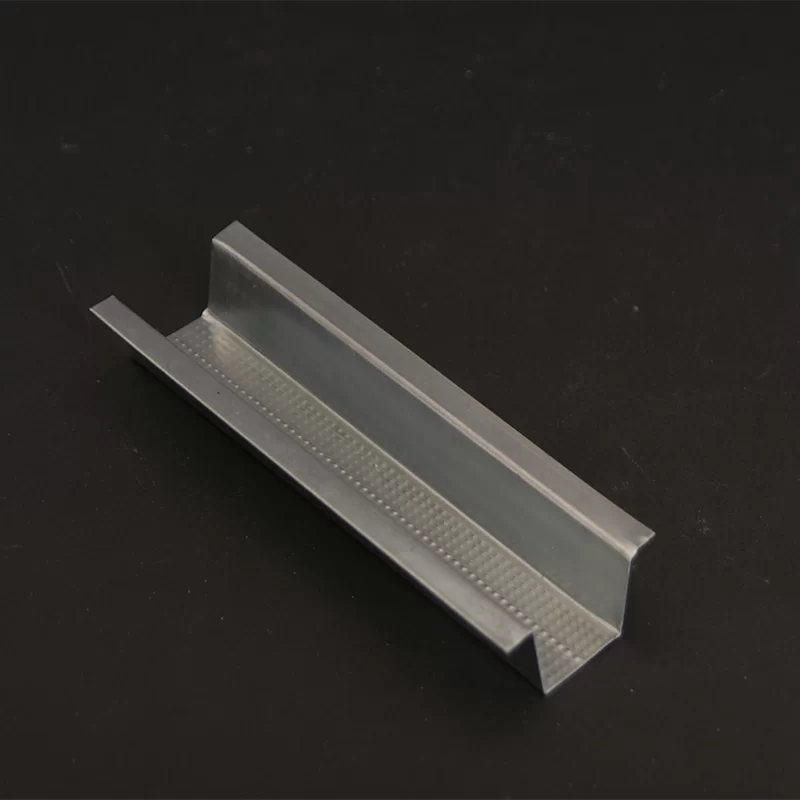
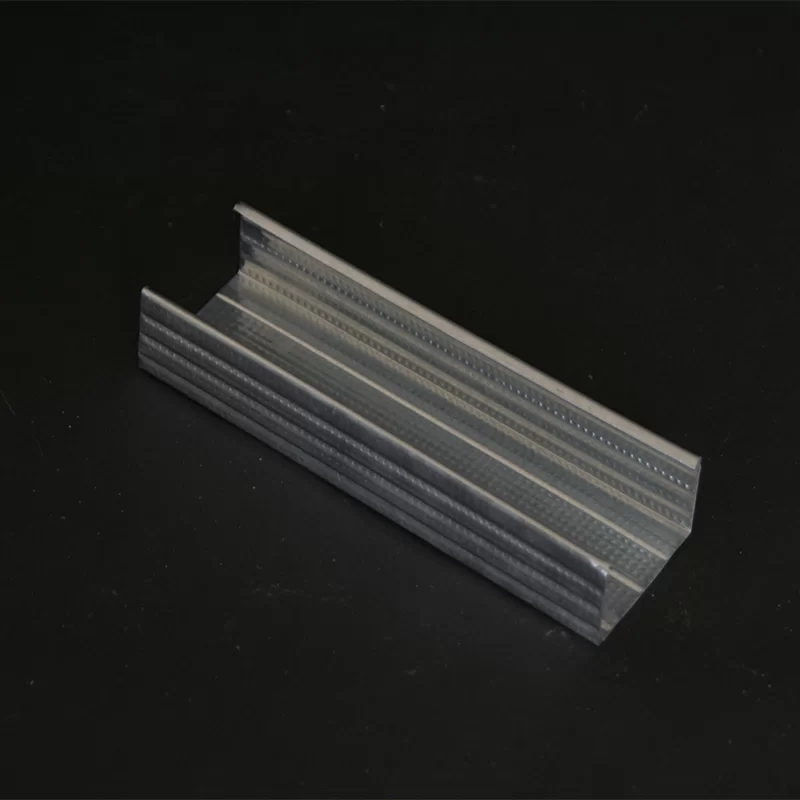
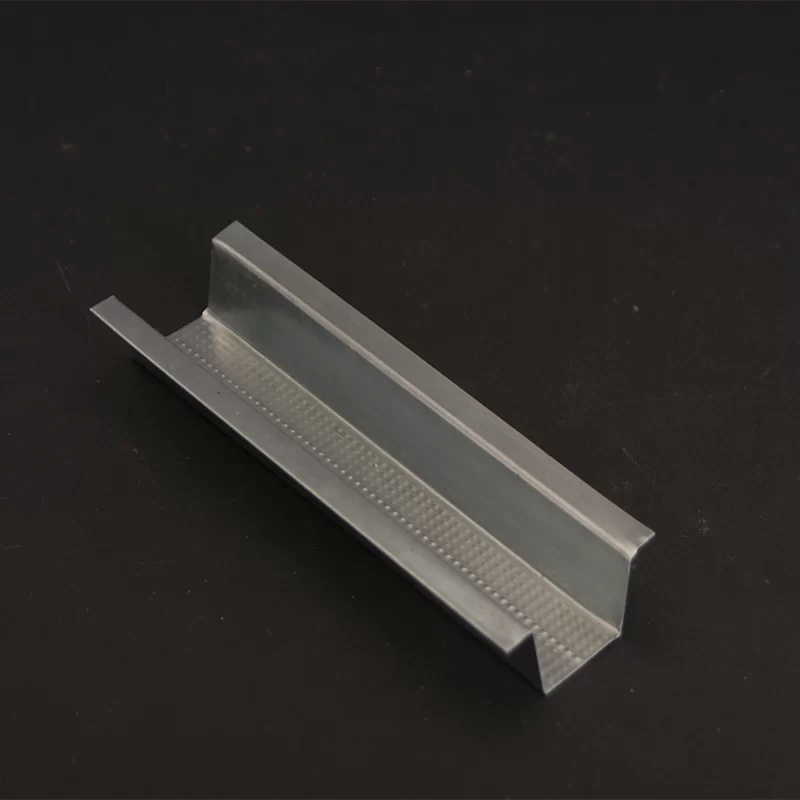
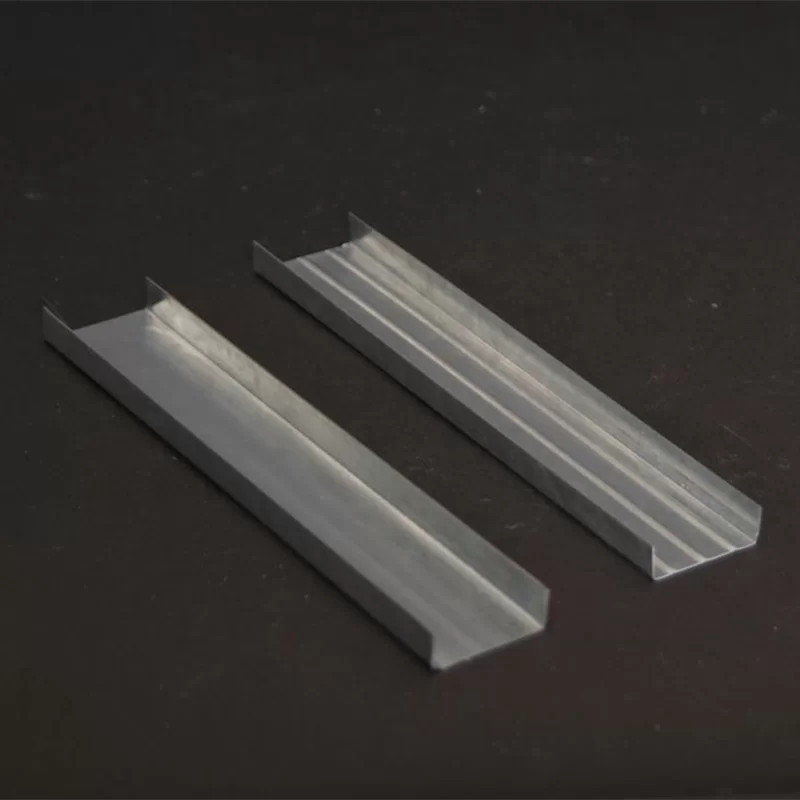
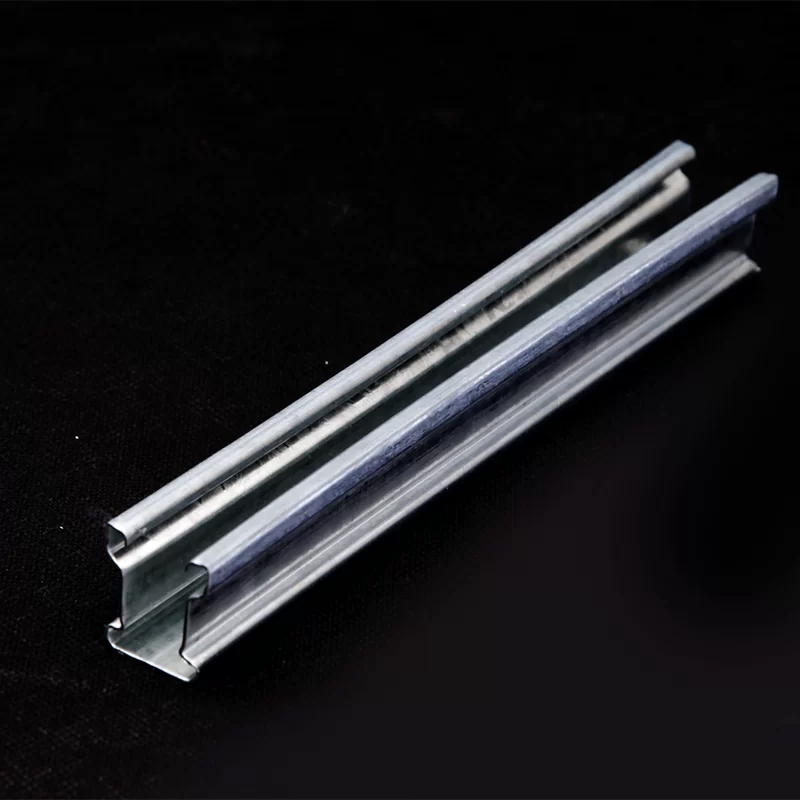
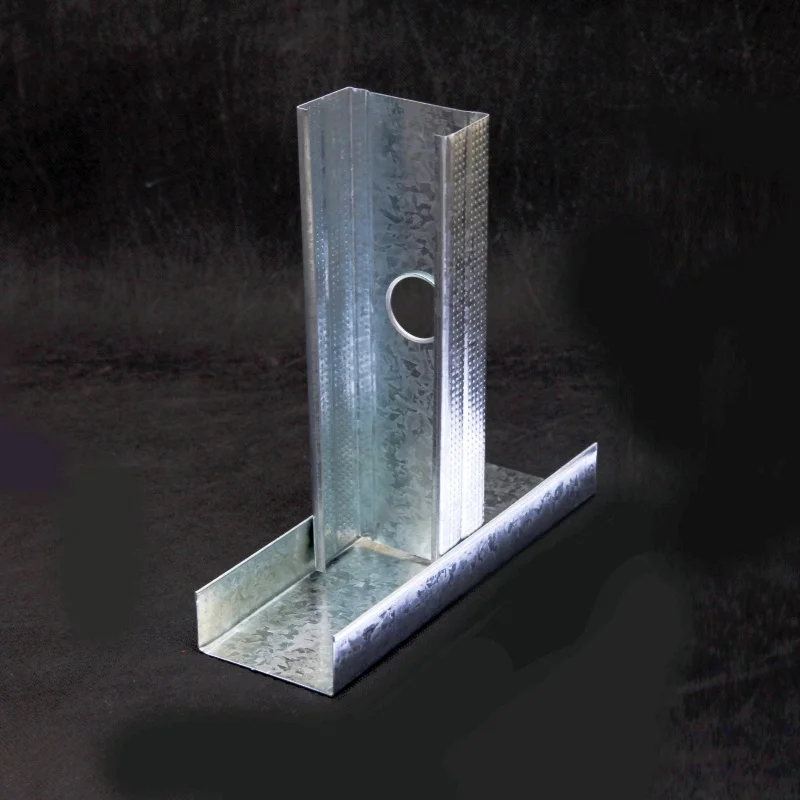
Simply put, 2x4x10 steel studs are metal framing members with a cross-section roughly 2 inches wide by 4 inches deep and a standard length of 10 feet (hence the name). They serve the same purpose as wooden studs in framing walls but are made of cold-rolled, galvanized steel, typically around 18 to 25 gauge depending on strength requirements.
They’re lightweight yet tough, making them ideal for rapid construction and modular housing units. In many humanitarian or industrial settings, these studs have become a go-to choice because they resist rot, mold, fire, and pests—a big selling point for long-term structures exposed to diverse conditions.
Key Components and Factors of 2x4x10 Steel Studs
Durability & Corrosion Resistance
Because these studs are galvanized, they have a protective zinc coating that helps prevent rust and corrosion. This property makes them well-suited for humid or coastal environments where moisture is prevalent. In practical terms, you get a frame that won’t degrade quickly, ultimately lowering maintenance costs.
Cost Efficiency
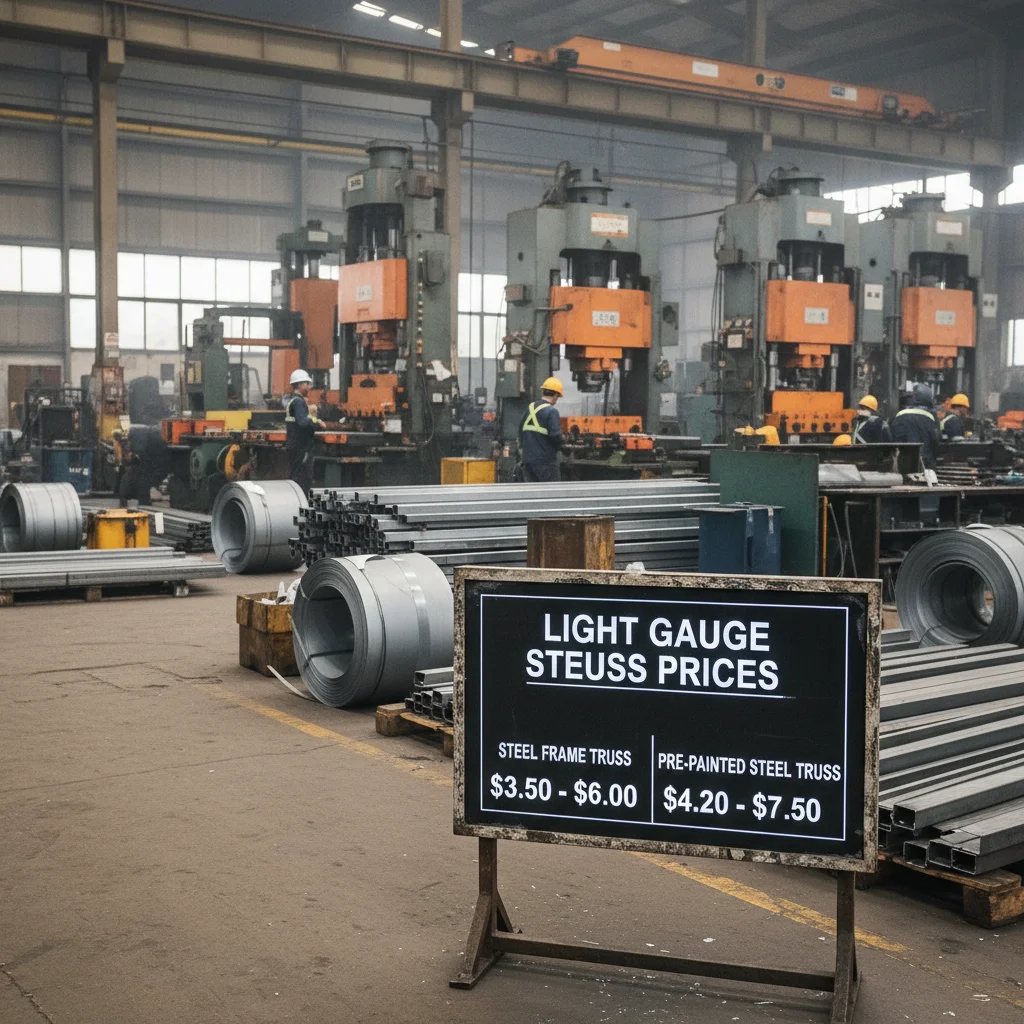
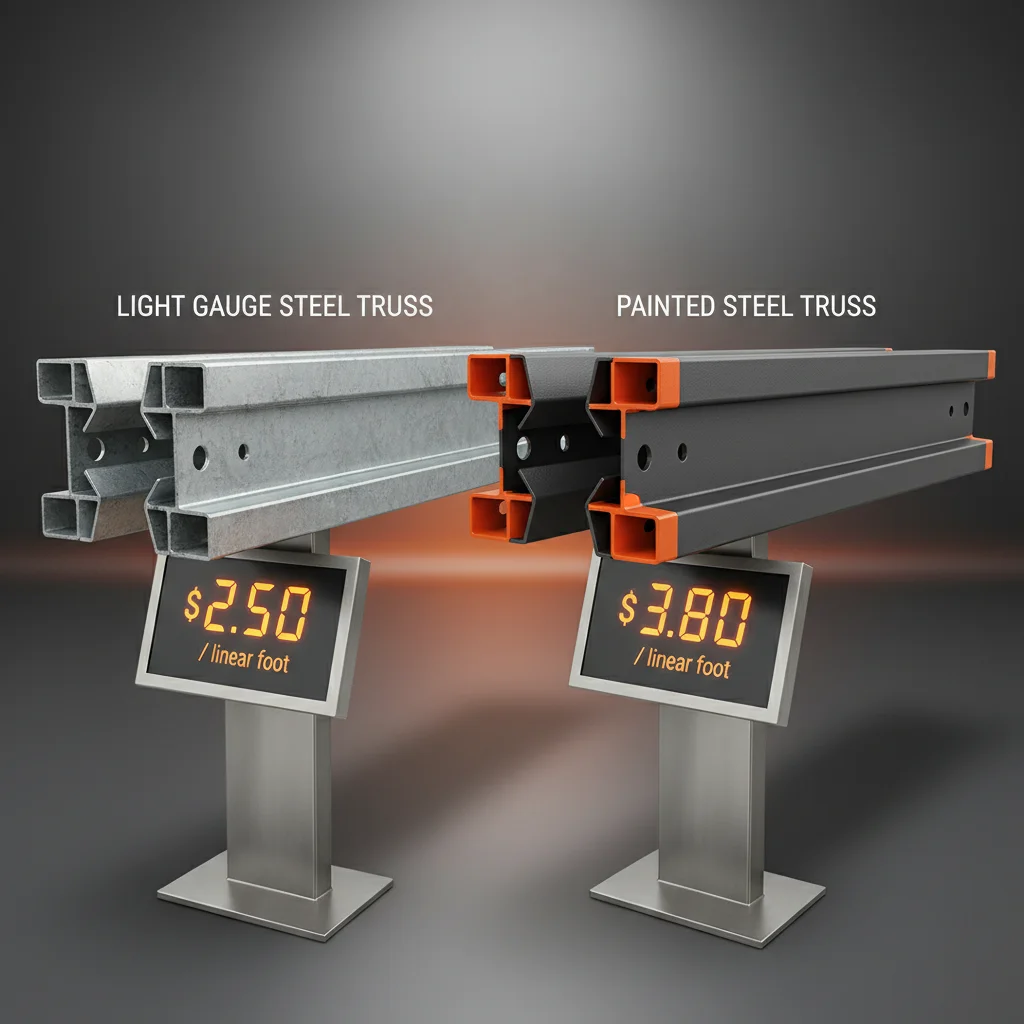
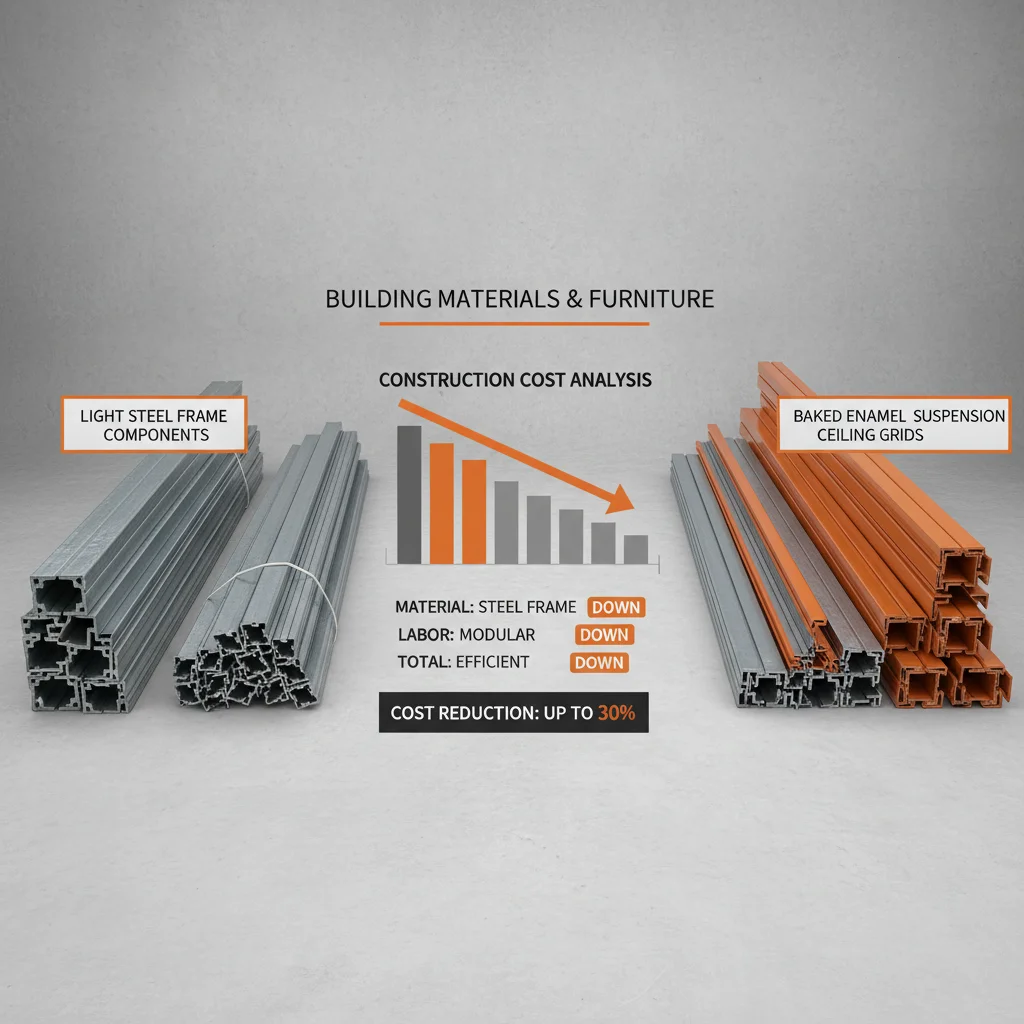
Oddly enough, while steel may seem pricier upfront than wood, many builders note that the long-term savings on insurance (due to fire resistance), fewer repairs, and reduced labor time make steel studs a more economical choice. Plus, the ability to fabricate them precisely reduces waste considerably.
Ease of Installation & Scalability
Since they are lightweight and consistent in size, 2x4x10 steel studs enable faster construction cycles. They integrate well with other building systems and lend themselves well to prefabrication—a feature that’s particularly valuable in emergency housing or large commercial projects.
Sustainability Aspect
Steel is 100% recyclable and often contains recycled content already. This circular manufacturing aspect gives 2x4x10 steel studs an edge in meeting modern eco-friendly building codes worldwide.
Typical Specifications of 2x4x10 Steel Studs
| Specification |
Details |
| Dimensions |
2" x 4" x 10' |
| Material |
Galvanized Steel (18-25 gauge) |
| Weight |
Approx. 3.5-4.0 lbs per foot |
| Fire Rating |
Up to 2 hours when combined with drywall |
| Recyclability |
100% recyclable steel |
Global Applications & Use Cases
In places like North America and Australia, 2x4x10 steel studs are staple components of residential and commercial framing, prized for their fire resistance and dimensional stability. In humanitarian contexts, after major earthquakes or floods, NGOs deploy modular units using steel studs to provide quick, safe shelter that outlasts temporary tents.
For example, in disaster relief camps in Southeast Asia, modular homes framed from 2x4x10 steel studs not only speed up housing efforts but also ensure structures survive monsoon seasons without issues like rot or collapse. Industrial zones in remote locations similarly rely on steel studs for quick-build warehouses that need to perform under harsh conditions.
Comparing Major Vendors of 2x4x10 Steel Studs
| Vendor |
Gauge Options |
Price Range (USD/ft) |
Delivery Time |
Certifications |
| SteelBuild Co. |
18, 20 |
$2.50 - $3.00 |
1-2 weeks |
ISO 9001, ASTM A653 |
| ModularMetal Ltd. |
20, 22, 25 |
$1.80 - $2.40 |
3-4 weeks |
UL Certified, CE Mark |
| EcoFrame Inc. |
18, 22 |
$2.20 - $2.85 |
2-3 weeks |
LEED Compliant, ISO 14001 |
Advantages & Long-Term Value
What’s particularly compelling about 2x4x10 steel studs is not just raw stats—it’s their human impact. They help create homes that protect lives better during fire or floods, provide stable work environments for industry, and reduce maintenance headaches that weigh on owners and tenants. They often feel more “future proof” than wooden studs, especially in regions prone to pests or climate extremes.
Socially, steel stud framed houses foster dignity for occupants, giving a sense of permanence and safety. Environmentally, their recyclability and often less wasteful fabrication correspond neatly with the world’s push toward sustainable development goals (SDGs).
Future Trends & Innovations in Steel Studs
The future looks quite exciting. New alloys and coatings improve corrosion resistance even more, and smart building tech integrates sensors right into the framing. Automation in cutting and assembly — think robotic fabrication plants — is making steel framing more affordable and faster to deploy.
Green policies worldwide are driving consumption toward steel with higher recycled content and lower embodied carbon, which 2x4x10 steel studs increasingly fit well. There’s also interest in hybrid framing systems combining steel with carbon-sequestering materials for ultra-low impact buildings.
Challenges & Solutions
Of course, cost remains a sticking point for some markets compared to wood, not to mention the requisite skill set for proper steel stud installation isn’t ubiquitous. Some regions struggle with supply chain constraints or lack standardized codes tailored explicitly for steel framing.
However, these are solvable. Training programs, international standards like ISO 5250 for cold-formed steel framing, and improving local manufacturing hubs are bridging gaps. NGOs and public-private partnerships increasingly champion these solutions in developing countries, making it a space to watch.
FAQ: Frequently Asked Questions About 2x4x10 Steel Studs
- Q: Are 2x4x10 steel studs more fire-resistant than wood framing?
A: Absolutely. Steel studs are non-combustible, meaning they don’t burn or contribute fuel to fires. When paired with gypsum boards, walls framed with steel studs can achieve fire ratings of up to two hours or more, enhancing building safety especially in vulnerable areas.
- Q: How do steel studs perform in humid or termite-prone environments?
A: Steel studs are highly resistant to moisture-related issues and insect damage. Unlike timber, they won't rot or be eaten by termites, making them exceptional for tropical or coastal zones where such problems are common.
- Q: Can steel studs be used in modular or prefabricated constructions?
A: Definitely. Their uniform size and strength lend themselves perfectly to modular building applications. Many prefab homes and disaster relief shelters rely on 2x4x10 steel studs for their quick assembly and transportability.
- Q: How can international NGOs source 2x4x10 steel studs efficiently?
A: Most vendors ship globally, though order volumes, lead times, and certifications vary. Partnering with experienced suppliers, like those listed above, ensures compliance with quality standards and timely delivery essential for humanitarian projects.
Conclusion & Call to Action
When you pull it all together, the 2x4x10 steel stud emerges as more than just a building material—it’s a key enabler for safer, more resilient, and environmentally conscious construction worldwide. Whether you’re in manufacturing, nonprofit housing, or commercial building, this sturdy steel frame option offers undeniable benefits.
If you’re interested in exploring quality, cost-effective steel studs for your projects, check out https://www.jinkaibm.com. Their expert insights and product range might just be the solution you need.
— Sometimes it’s the simple materials, like a 2x4x10 steel stud, quietly shaping the future of construction, and honestly, that’s pretty fascinating.