Understanding the Furring Hat Channel: Essential Insights for Construction and Design
When it comes to construction and renovation, terms like furring hat channel might seem technical or niche. But oddly enough, this simple steel profile quietly underpins countless buildings’ durability, safety, and functionality worldwide. Put simply, knowing the importance of furring hat channels helps architects, engineers, contractors, and even humanitarian groups deploy resilient, adaptable structures efficiently — especially where speed and reliability matter most.
Global Importance of Furring Hat Channels in Construction
In a world increasingly focused on sustainable, fast-deployable building solutions, the furring hat channel emerges as a quiet hero. According to the International Organization for Standardization (ISO), using standardized materials like this within wall assemblies improves both safety and energy efficiency. Meanwhile, the World Bank estimates that nearly 1.6 billion people live in inadequate housing globally, pointing to urgent demand for affordable, adaptable construction systems — areas where the furring hat channel plays a vital part. Essentially, this simple channel boosts build quality, cuts installation time, and allows flexibility across different climates and building types.
Mini Takeaway: The furring hat channel is more than just steel—it’s a foundational component with worldwide impact, especially in improving modern building standards.
What Exactly is a Furring Hat Channel?
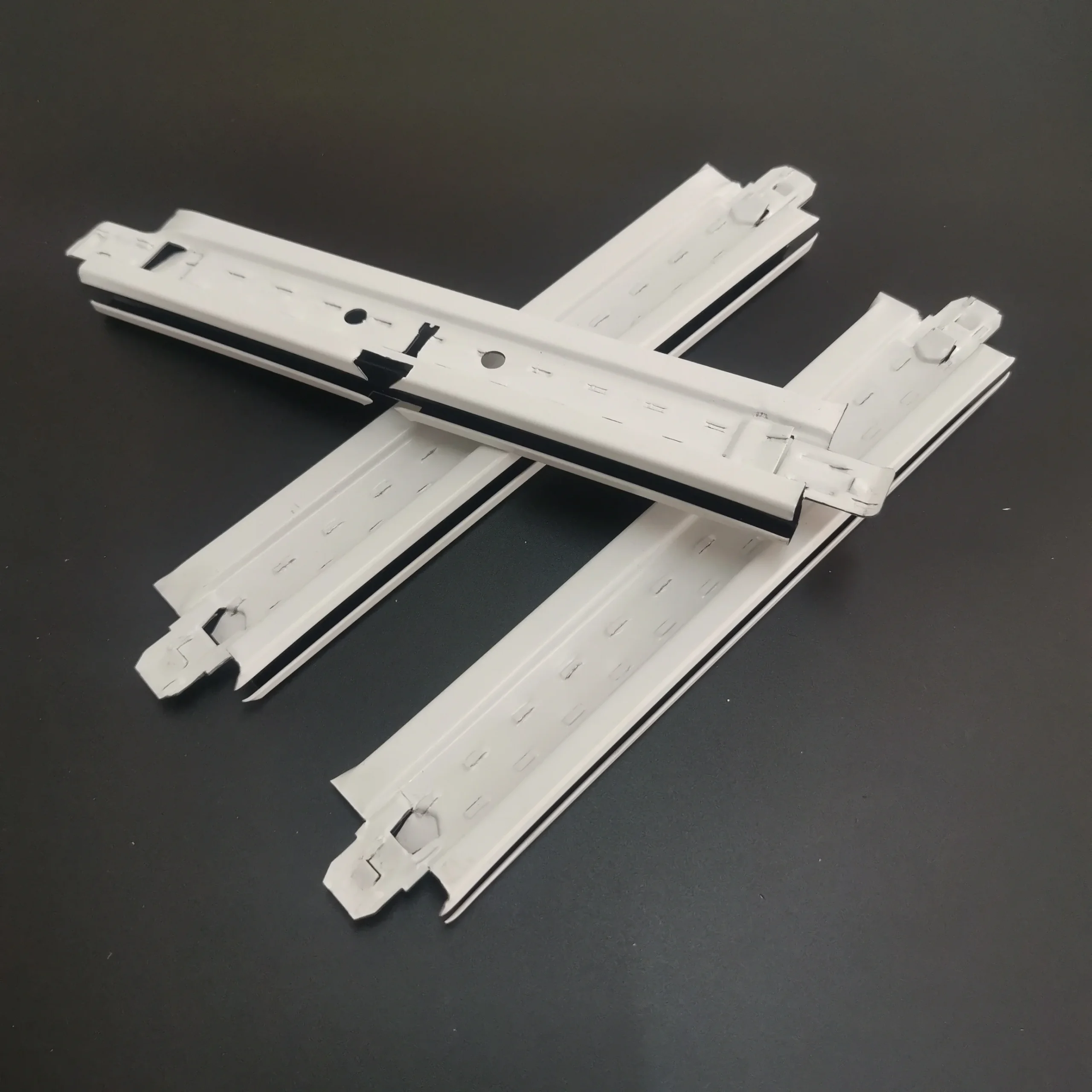
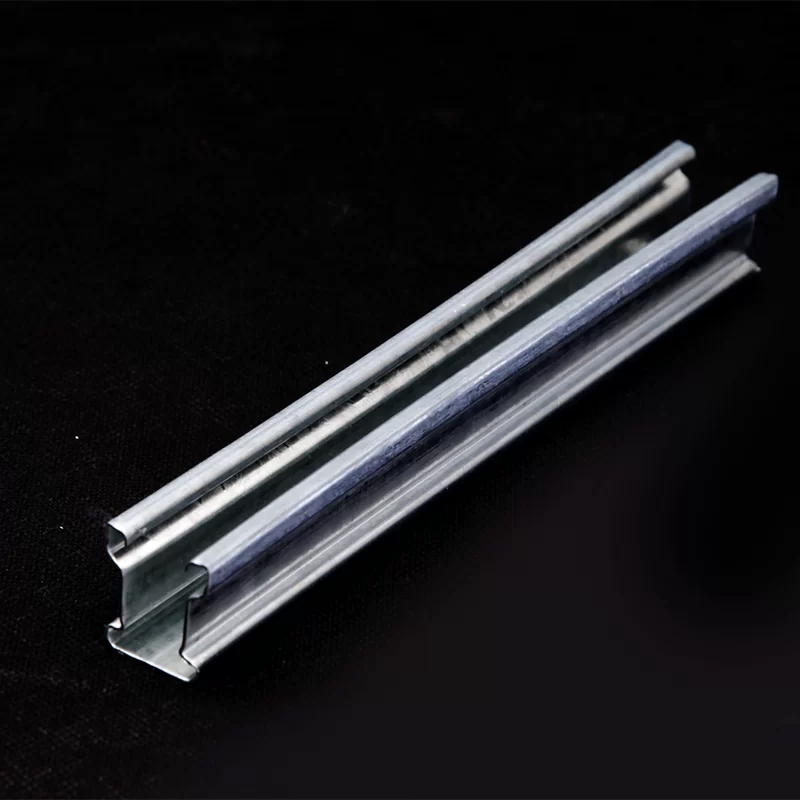
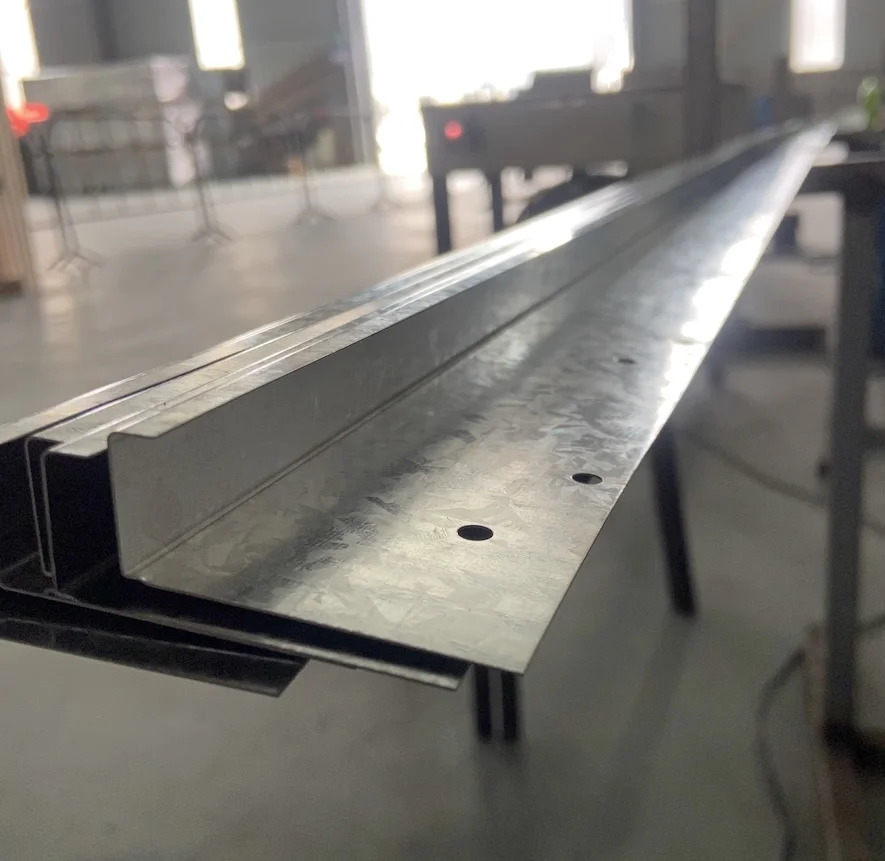
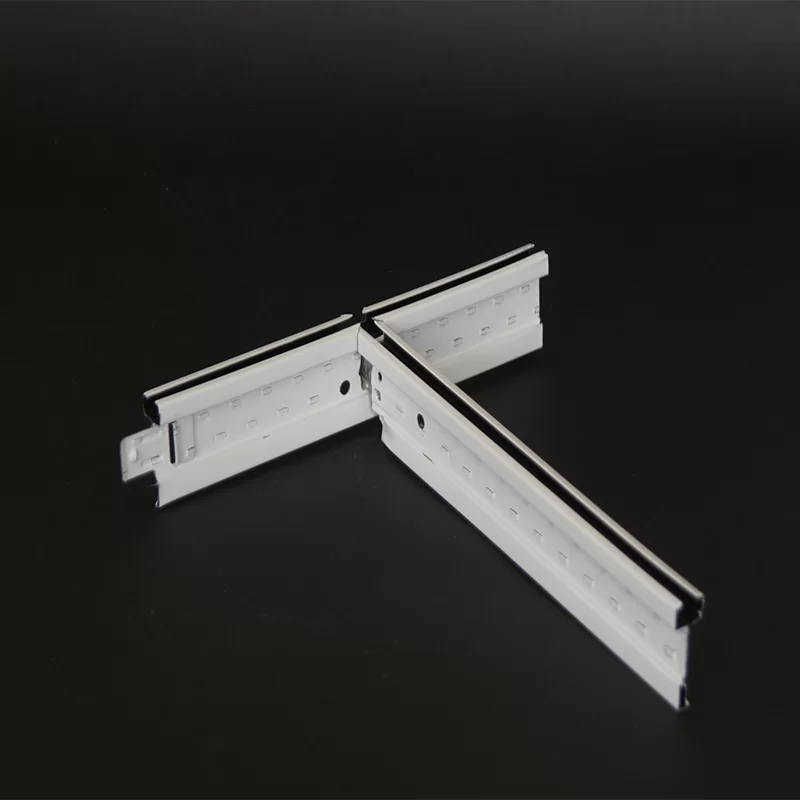
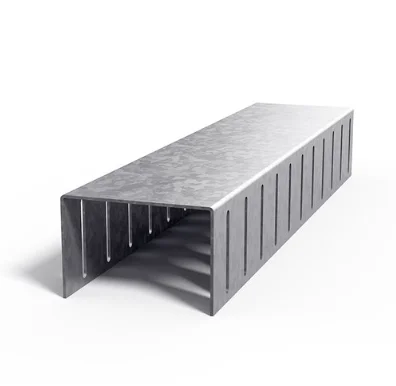
Simply put, a furring hat channel is a specially shaped steel or aluminum strip, named for its hat-like cross-section. It’s installed onto walls or ceilings to create a level surface for attaching drywall, siding, or other finishes. By providing an adjustable and stable framework, these channels help hide imperfections, allow for insulation, and improve soundproofing. They are key in commercial, residential, and industrial applications.
From modern urban construction to emergency temporary housing, the hat channel addresses the need for flexible, scalable wall assemblies that accommodate wiring, piping, or insulation with ease.
Core Features of Furring Hat Channels
Durability and Strength
Made most often from galvanized steel, these channels resist rust, corrosion, and deformation, ensuring longevity even in humid or coastal environments.
Scalability and Flexibility
The modular nature lets installers adapt channel spacing and screw placement, tailoring configurations to project needs.
Cost Efficiency
Cost-effective production and ease of installation reduce labor time and material waste, delivering budget-friendly projects.
Thermal and Acoustic Benefits
By creating a cavity space behind drywall or cladding, they enable insulation layers that improve energy efficiency and noise control.
Compatibility with Other Materials
The channels work well with gypsum boards, fiber cement panels, and metal siding, making them versatile for different building types.
Mini Takeaway: Furring hat channels combine strength, cost efficiency, and adaptability—qualities that help construction thrive amid diverse challenges.
Real-World Applications
Globally, these channels appear everywhere from skyscrapers in Dubai to modular refugee housing in East Africa. In post-disaster relief operations, their straightforward installation accelerates shelter assembly, protecting vulnerable populations swiftly. In industrial settings—think remote mining camps or offshore platforms—their corrosion resistance and lightweight profile are lifesavers for both safety and deployment.
- Middle East: High humidity zones use galvanized hat channels to combat corrosion in façade installations.
- Europe: Retrofit projects rely on these channels for soundproofing improvements.
- Humanitarian NGOs: Rapid shelter setups employ them for durability and speed.
Mini Takeaway: Furring hat channels bridge geographic and sectoral demands, acting as a go-to for both luxury and emergency builds.
Advantages and Lasting Value
The beauty of the furring hat channel is in its balance of practical and intangible benefits. You get robust, sustainable wall systems that don’t just last—they protect occupants and support smarter energy use. This means lower lifecycle costs and better comfort. Emotionally, users and architects alike find reassurance in the stability and neat finish these profiles enable, lending dignity to affordable housing and aesthetics to commercial architecture alike.
Specification Table: Typical Properties of Furring Hat Channels
| Property |
Details |
| Material |
Galvanized Steel, Aluminum |
| Cross-Section |
Hat-shaped (approx. 7/8" height) |
| Length |
8 - 12 feet standard |
| Corrosion Resistance |
High (due to galvanization) |
| Typical Weight |
0.5 - 1.2 lbs per ft |
Vendor Comparison: Leading Furring Hat Channel Manufacturers
| Vendor |
Material Options |
Price Range (per ft) |
Availability |
Notable Features |
| SteelCore Inc. |
Galvanized Steel |
$0.75 - $1.10 |
North America, Europe |
High corrosion resistance, custom lengths |
| AluBuild Solutions |
Aluminum |
$1.20 - $1.50 |
Global |
Lightweight, excellent for coastal areas |
| BuildStrong Supplies |
Galvanized Steel |
$0.65 - $0.90 |
Asia, Middle East |
Bulk discounts, quick delivery |
How Are Furring Hat Channels Evolving?
Innovation quietly accelerates even here. Manufacturers are exploring recycled metals and eco-friendly coatings, responding to mounting regulations for sustainability. Digital fabrication technologies allow for tighter tolerances and customized profiles, speeding assembly onsite. Pairing these channels with smart insulation materials or integrated sensor systems—oddly enough—could soon propel these quaint steel strips into the future of “smart walls.”
Challenges and Clever Workarounds
That said, installing furring hat channels is not without its quirks. Misalignment or use of inferior materials can compromise the wall system’s integrity. Weather extremes challenge even galvanized steel, sometimes requiring protective paints or specialized alloys. Thankfully, professional training and improved international standards help overcome these hurdles, ensuring safer results for builders worldwide.
Frequently Asked Questions About Furring Hat Channels
- Q: Are furring hat channels suitable for outdoor applications?
A: Absolutely. When galvanized or made from aluminum, these channels withstand outdoor conditions well. They’re often used under siding or cladding in exterior walls to manage moisture and provide structural support.
- Q: How do furring hat channels improve energy efficiency?
A: By creating a gap between the wall and finish, they allow insulation to be installed more effectively, reducing thermal bridging and improving the overall R-value of the wall system.
- Q: Can these channels be customized for different building codes?
A: Yes, manufacturers often provide lengths and gauges to meet local standards and specific project requirements. This flexibility helps comply with regulations globally.
- Q: What tools are needed for installation?
A: Standard metal cutting saws, screwdrivers, and measuring tools suffice. Since they bolt or screw in place, installation can be efficient without heavy equipment.
- Q: How does furring hat channel compare cost-wise to other framing methods?
A: Typically, hat channels present a lower material and labor cost than heavy-gauge metal framing or wood furring strips, especially when factoring in ease of installation and durability.
Conclusion: Why Furring Hat Channels Matter
All told, if you’re in construction or design, paying attention to the humble furring hat channel is a wise move. It’s not just a support element but a versatile, durable component shaping how buildings come together worldwide — from luxury offices to lifesaving shelters. For deeper insight or sourcing reliable materials, I recommend checking out furring hat channel suppliers who specialize in quality and customer support.
In essence, these channels remind us that even the smallest details matter most in creating safe, sustainable spaces. And frankly, that realization never gets old.
Mini Takeaway: Furring hat channels might be small, but their impact echoes through every wall, every room, every building project – global and personal.
References:
1. ISO Official Website
2. World Bank Urban Housing Report
3. Wikipedia - Furring (Construction)