Hit enter to search or ESC to close
March 10, 2026
Ceiling grid systems are a ubiquitous feature in commercial and residential spaces, offering a clean and functional aesthetic. At the heart of these systems lie ceiling grid cross tees – the essential components that provide structural support and create the framework for ceiling tiles. This article dives deep into the world of cross tees, exploring their types, materials, installation, and benefits. We will also discuss how to choose the right cross tees for your project, ensuring a durable and visually appealing ceiling finish.
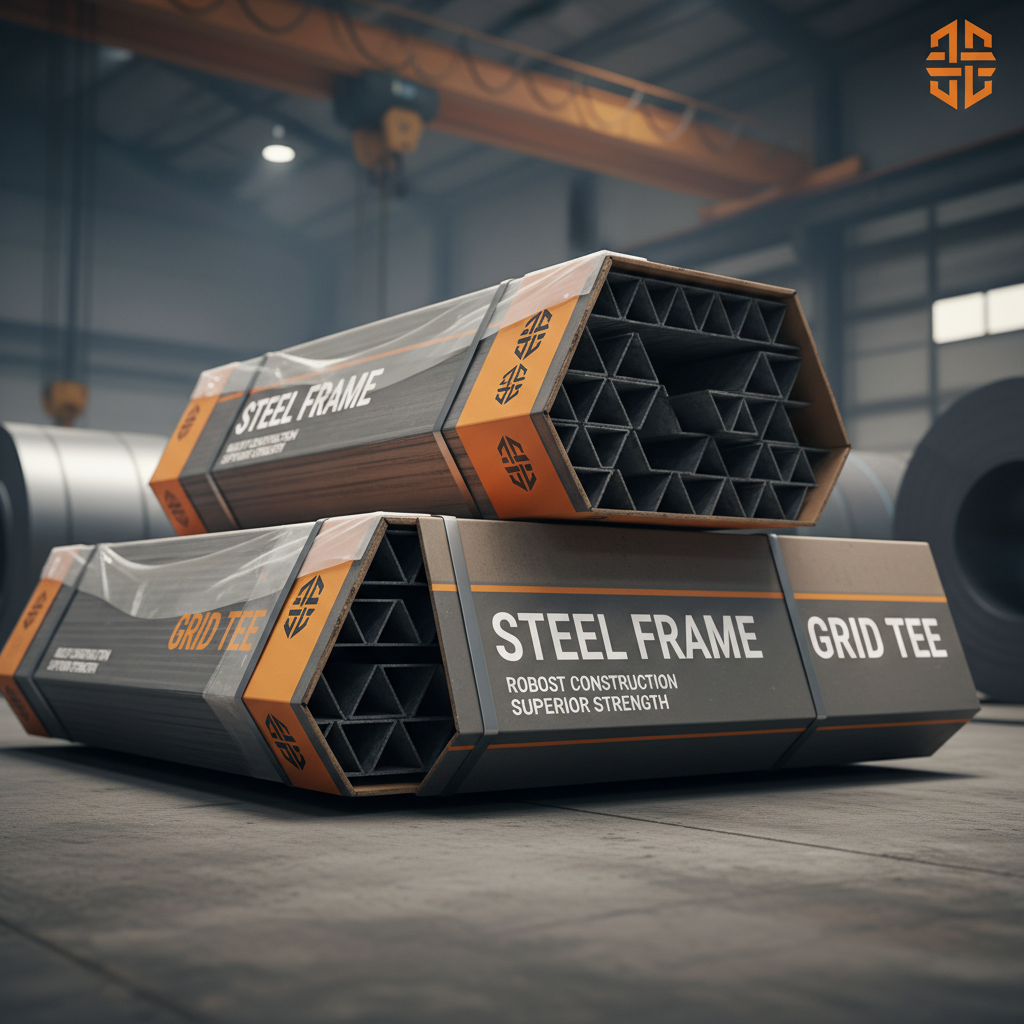
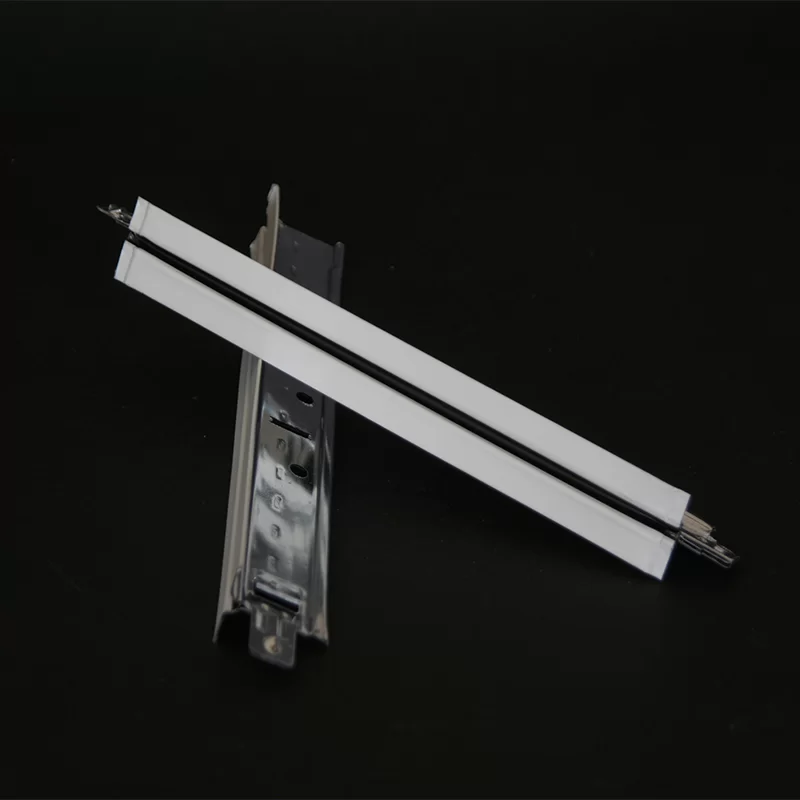
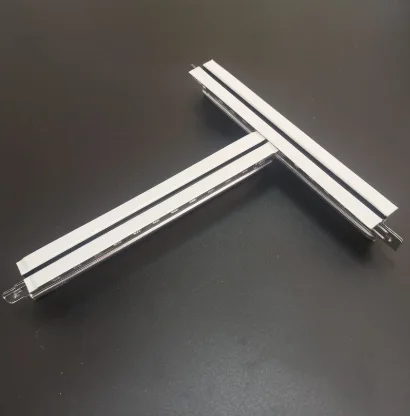
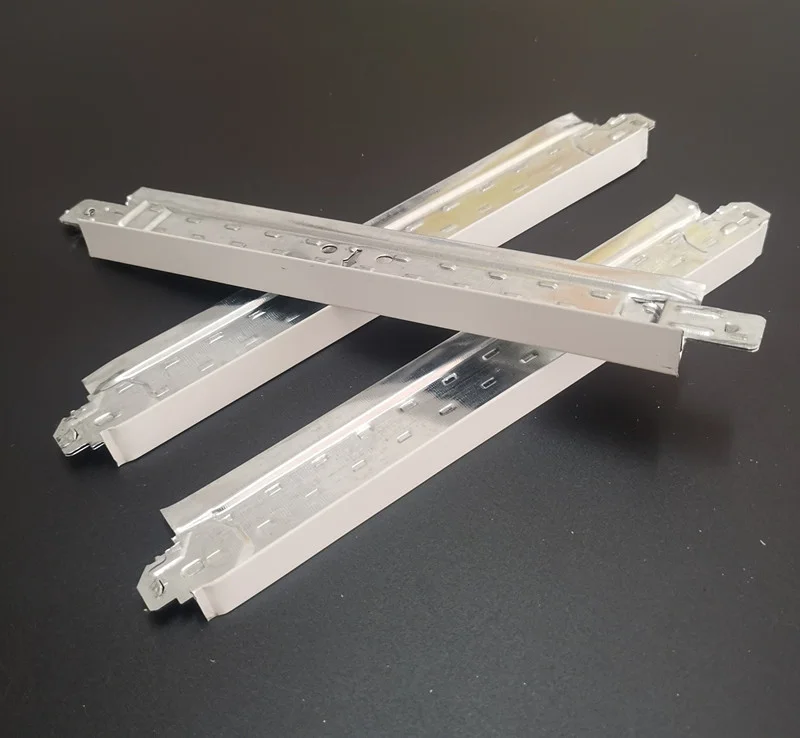
Ceiling grid cross tees are the intersecting metal components that form the grid system upon which ceiling tiles are installed. They are typically T-shaped and create a network of squares or rectangles. The main runners (or main tees) span the length and width of the room, while the cross tees are installed perpendicularly to them, creating the grid pattern. They are designed to be lightweight yet strong, capable of supporting the weight of the ceiling tiles and resisting sagging or deformation over time. Proper installation is critical for a level and aesthetically pleasing ceiling. The quality of the cross tees directly impacts the overall stability and lifespan of the ceiling system.
Key Benefits: Provide structural support for ceiling tiles, create a clean and finished aesthetic, allow easy access to above-ceiling spaces for maintenance, and contribute to improved acoustics.
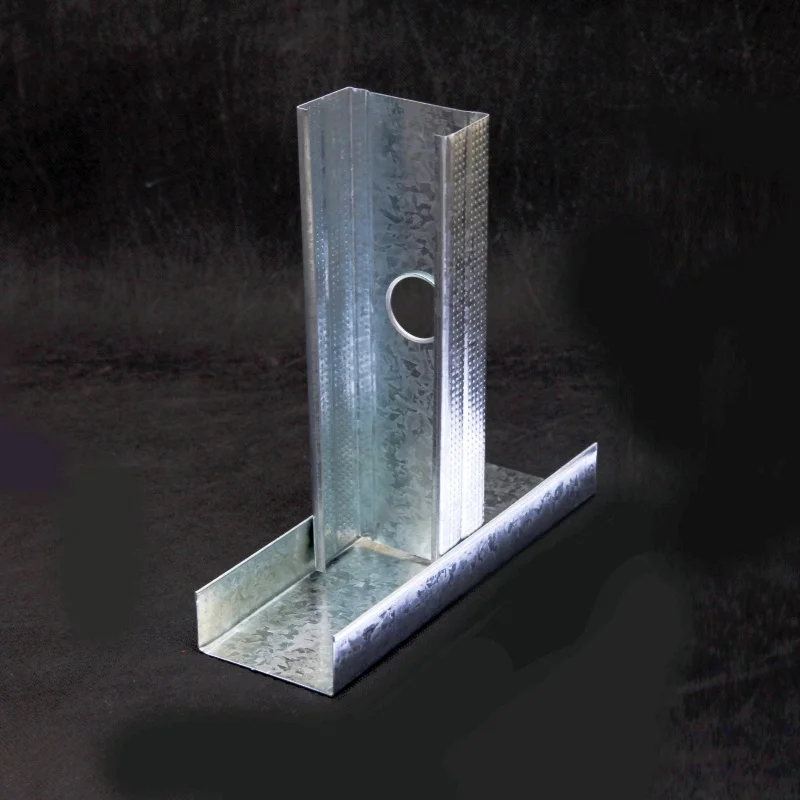
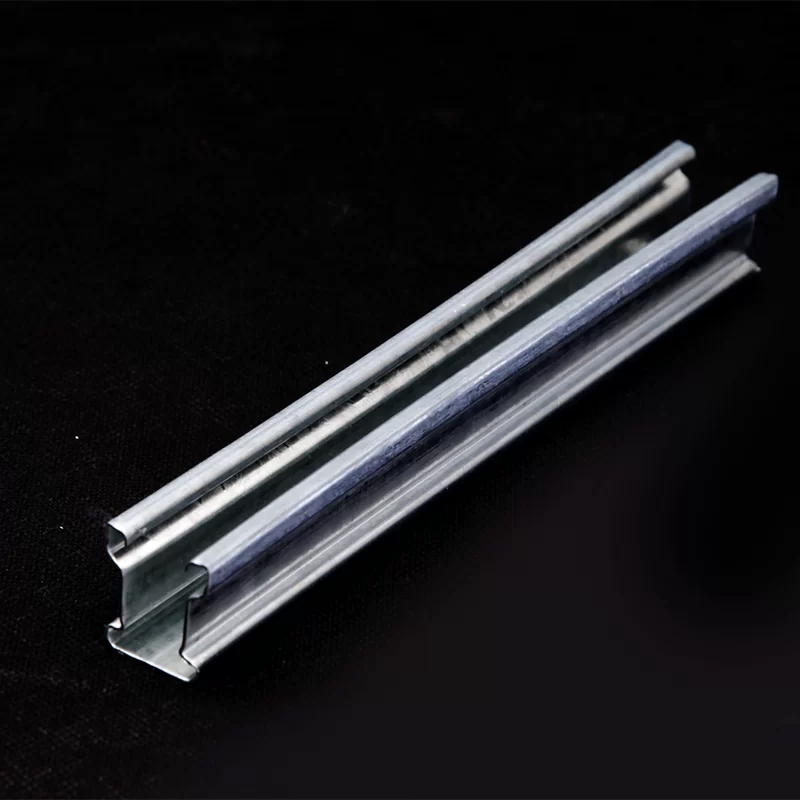
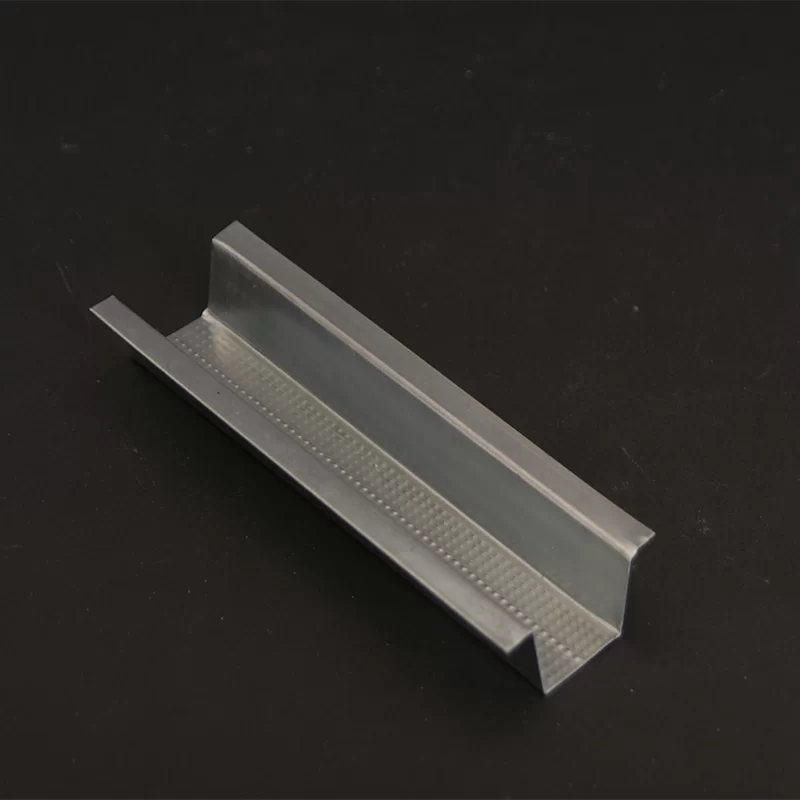
Several types of cross tees are available, each suited for different applications and aesthetic preferences. The most common types include:
Choosing the right type depends on factors like tile weight, room size, design preferences, and budget. Consulting with a ceiling system professional can help ensure you select the optimal cross tees for your project.
Cross Tee Selection Considerations:
• Tile Weight: Match the cross tee capacity to the tile weight.
• Span Length: Consider the distance between main runners.
• Aesthetic Requirements: Choose a flange style that complements the design.
• Budget: Balance performance with cost-effectiveness.
The majority of ceiling grid cross tees are manufactured from galvanized steel. This material offers excellent strength, durability, and corrosion resistance. Other materials used include:
The choice of material depends on the environmental conditions and the specific requirements of the project.
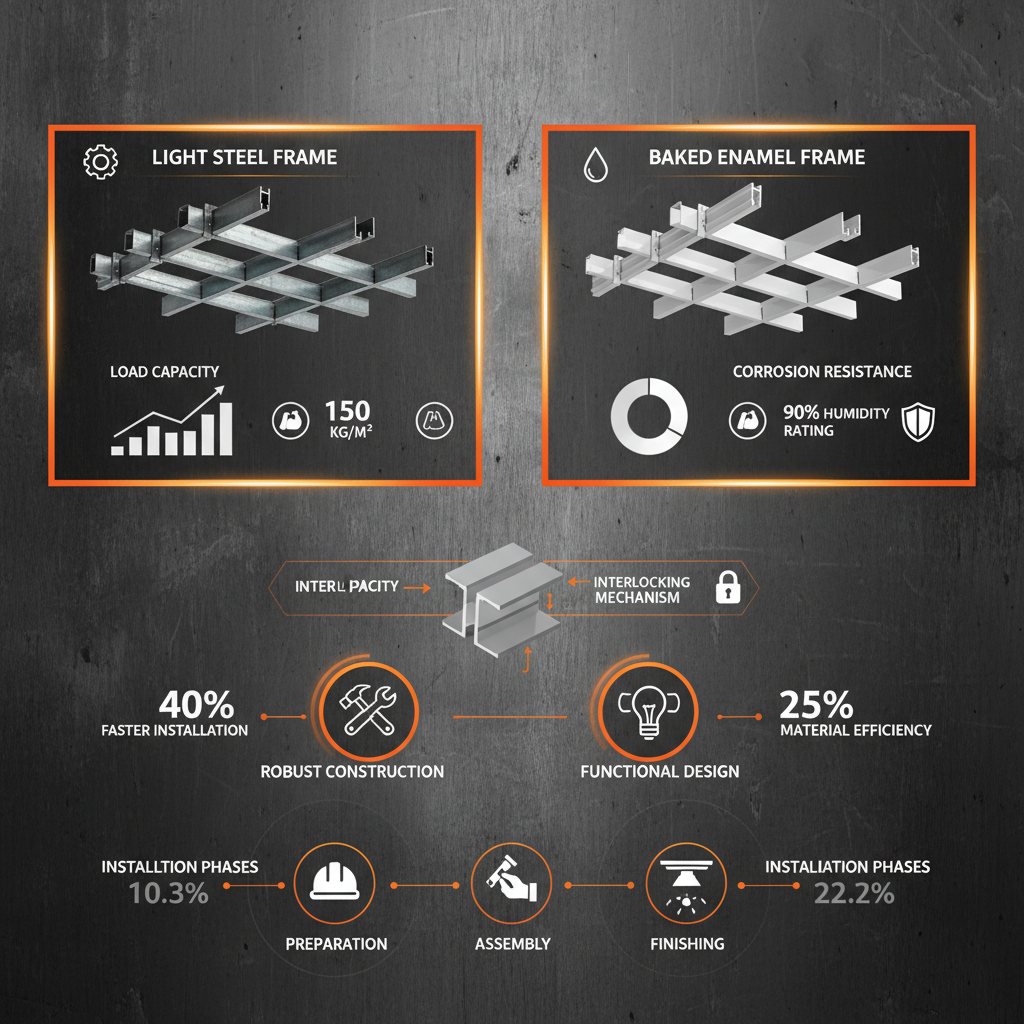
Selecting the right material for your ceiling grid cross tees is crucial for long-term performance and durability. Here’s a comparison of the most common materials:
Correct installation is essential for a stable and aesthetically pleasing ceiling grid. The process typically involves:
It's crucial to follow the manufacturer's instructions and adhere to building codes. Professional installation is recommended to ensure a high-quality and long-lasting result.
Selecting the appropriate ceiling grid cross tees is a critical step in any ceiling project. By carefully considering factors like material, type, and installation, you can ensure a durable, aesthetically pleasing, and functional ceiling system. Jinka IBM provides high-quality cross tees and expert guidance to help you achieve the best possible results.
The typical span length for ceiling grid cross tees varies depending on the load requirements and the specific product specifications. Generally, spans range from 4 feet to 6 feet. It’s essential to consult the manufacturer's guidelines and building codes to determine the appropriate span length for your project. Exceeding the recommended span can compromise the stability and safety of the ceiling system.
Selecting the correct hangers is vital for supporting the weight of the ceiling grid and tiles. Hangers come in various types, including wire hangers, rod hangers, and seismic hangers. The choice depends on the ceiling height, the weight of the tiles, and whether the installation is in a seismically active area. Ensure the hangers are compatible with the main runners and cross tees and that they are installed at the recommended spacing.
Galvanized steel and aluminum cross tees are inherently fire-resistant. However, some systems are specifically designed and tested to meet stringent fire safety standards. Look for cross tees that are UL-listed or have a fire-resistance rating that complies with local building codes. These systems often include features that help contain the spread of fire and provide valuable time for evacuation.