Hit enter to search or ESC to close
March 11, 2026
Choosing the right ceiling grid suspension system is crucial for any commercial or residential project. A well-designed system ensures a level, secure, and aesthetically pleasing ceiling. This article will explore the components, benefits, installation considerations, and different types of ceiling grid suspension systems, providing valuable insights for contractors, architects, and building owners. Effective ceiling suspension significantly impacts the overall appearance and functionality of interior spaces.
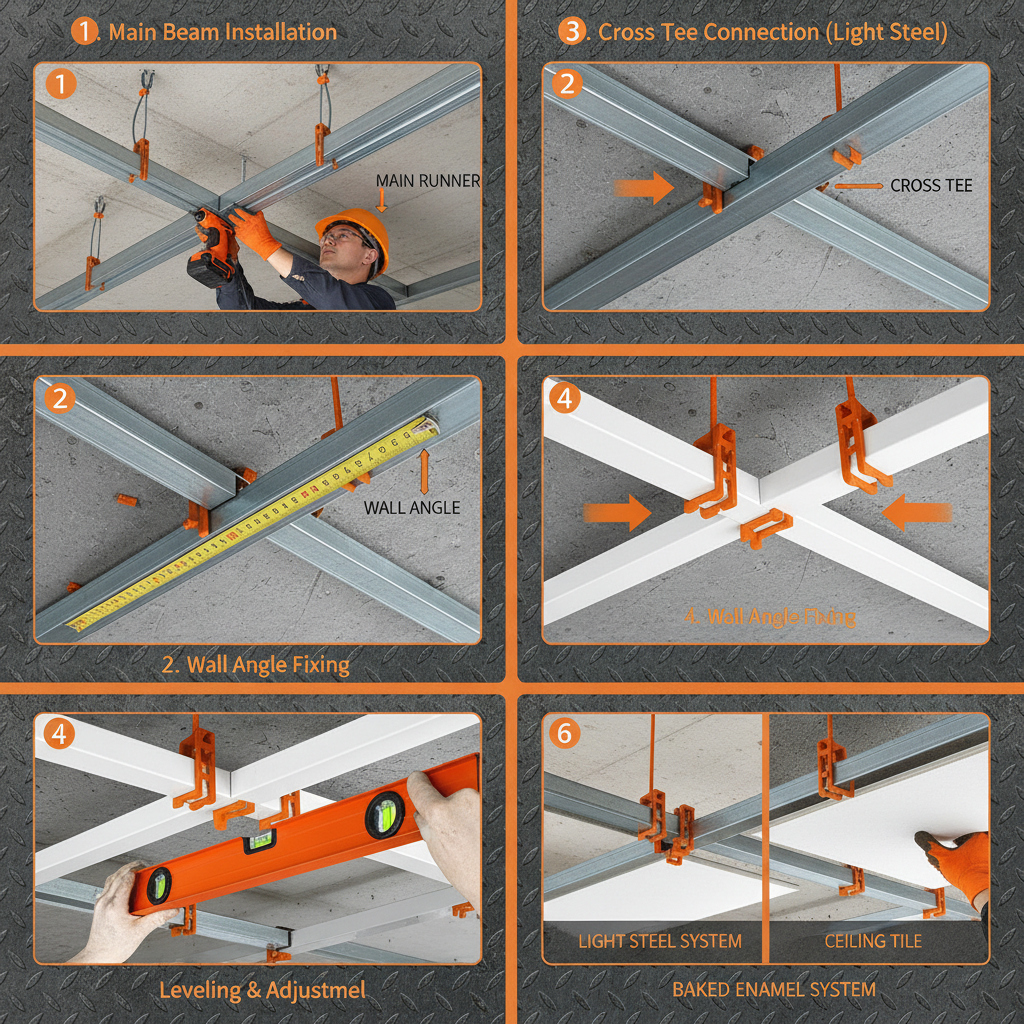
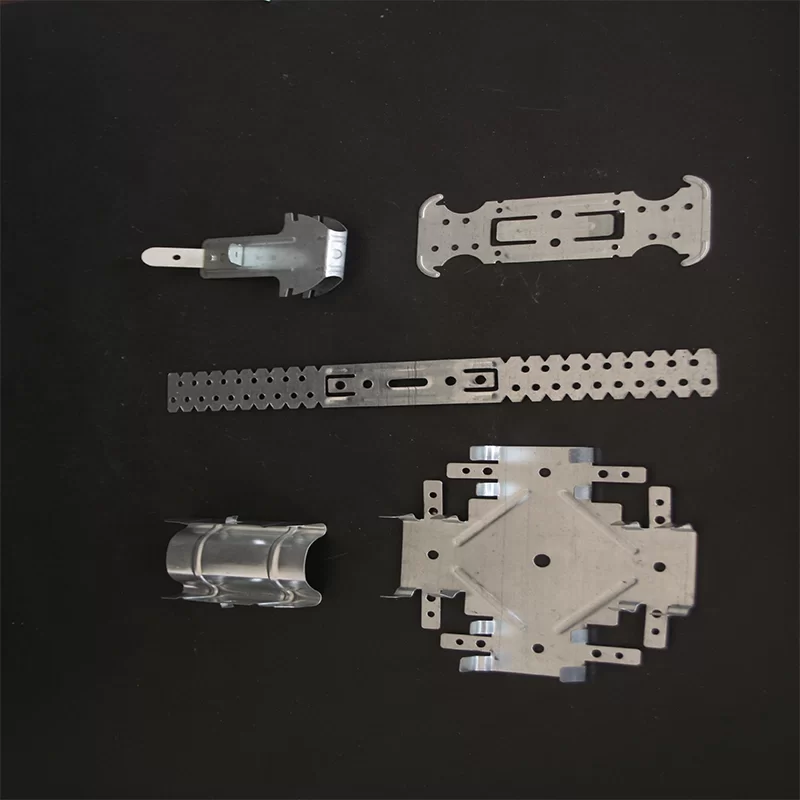
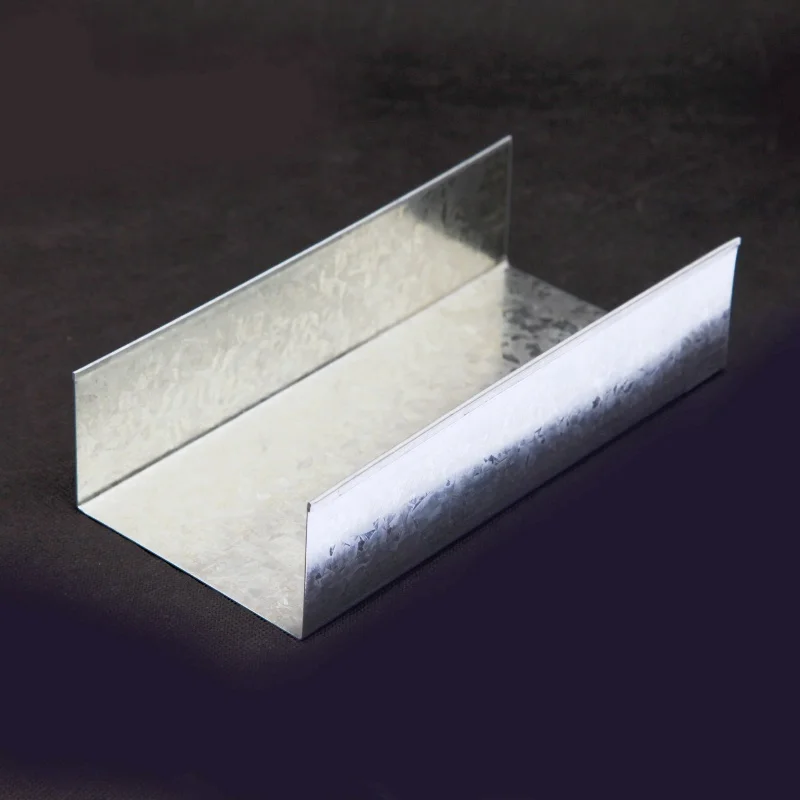
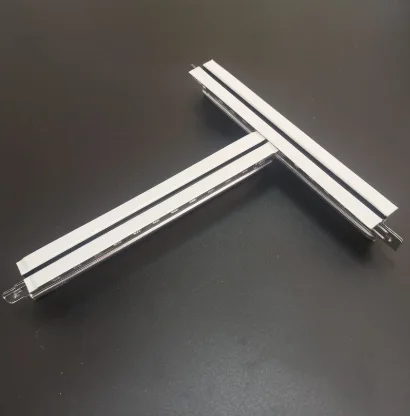
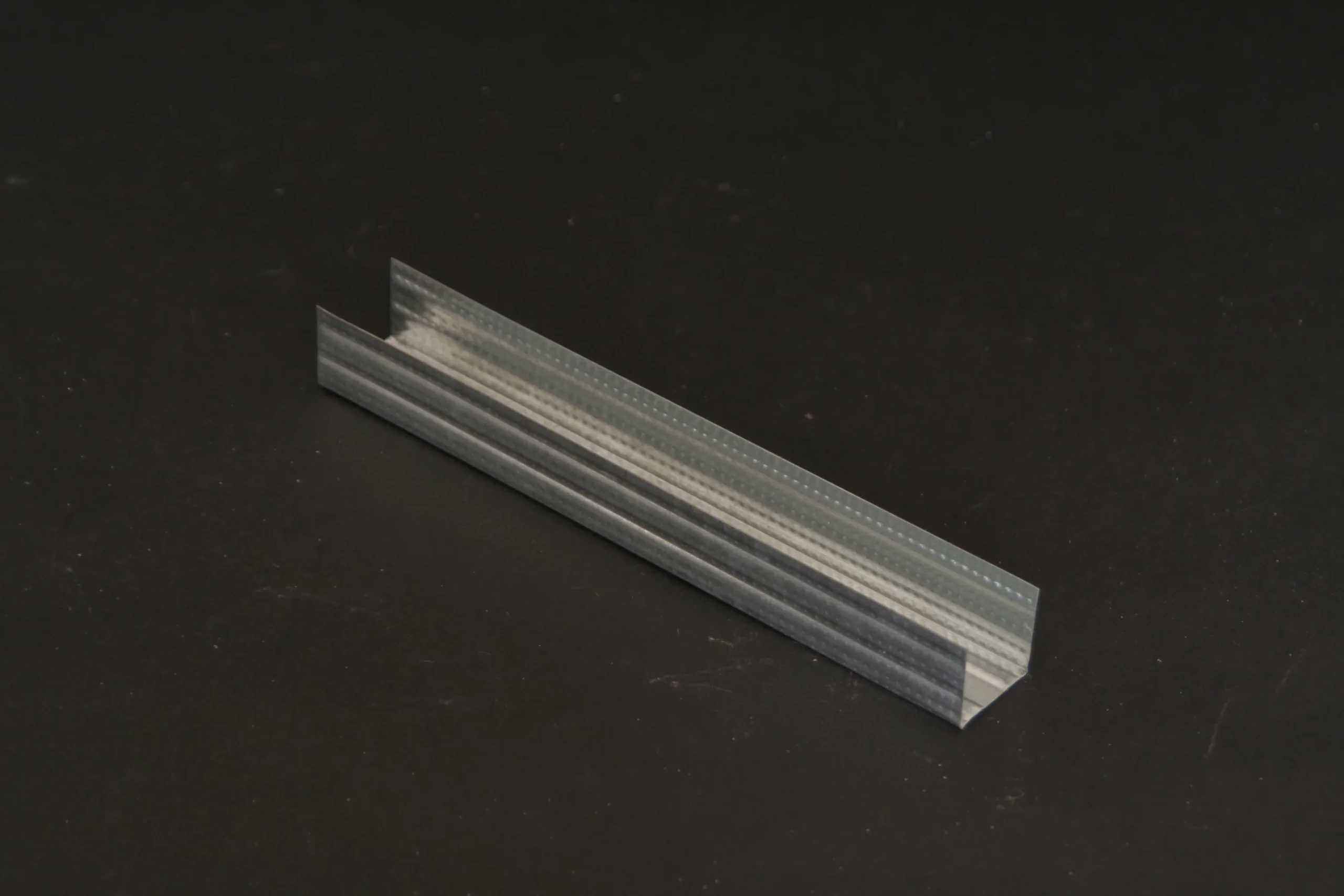
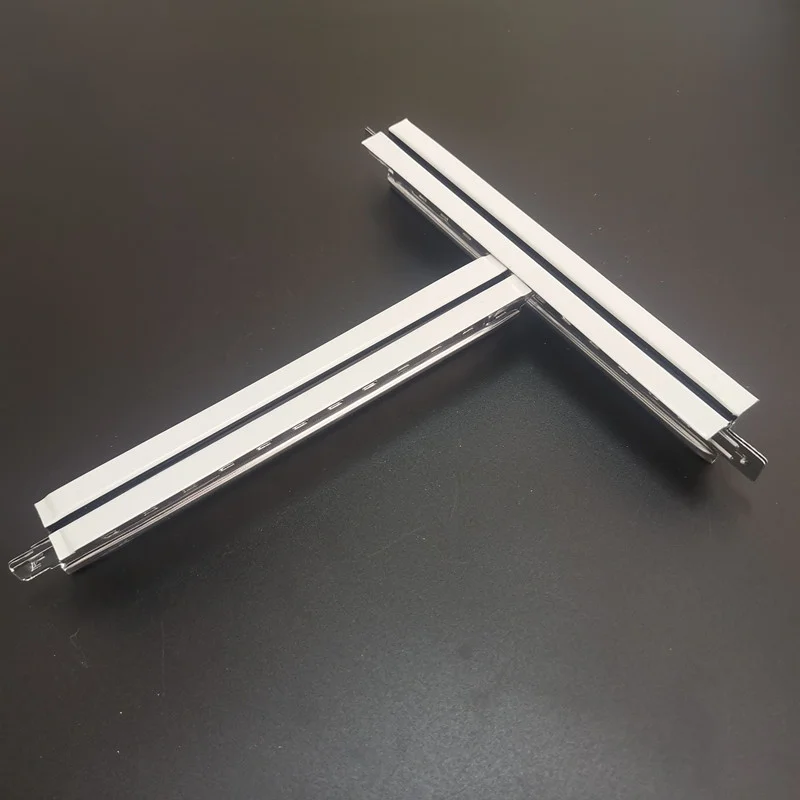
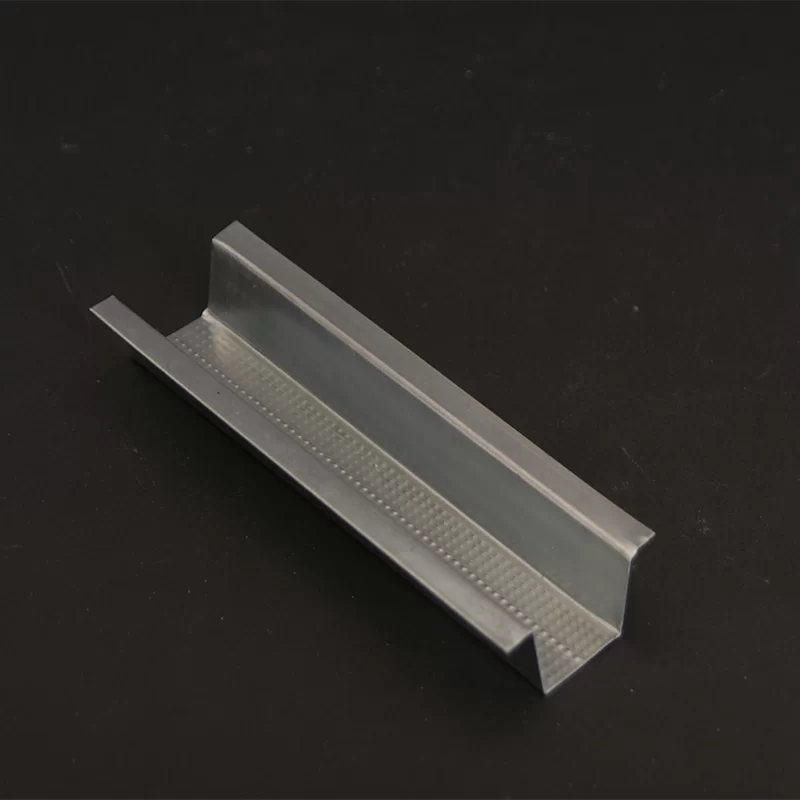
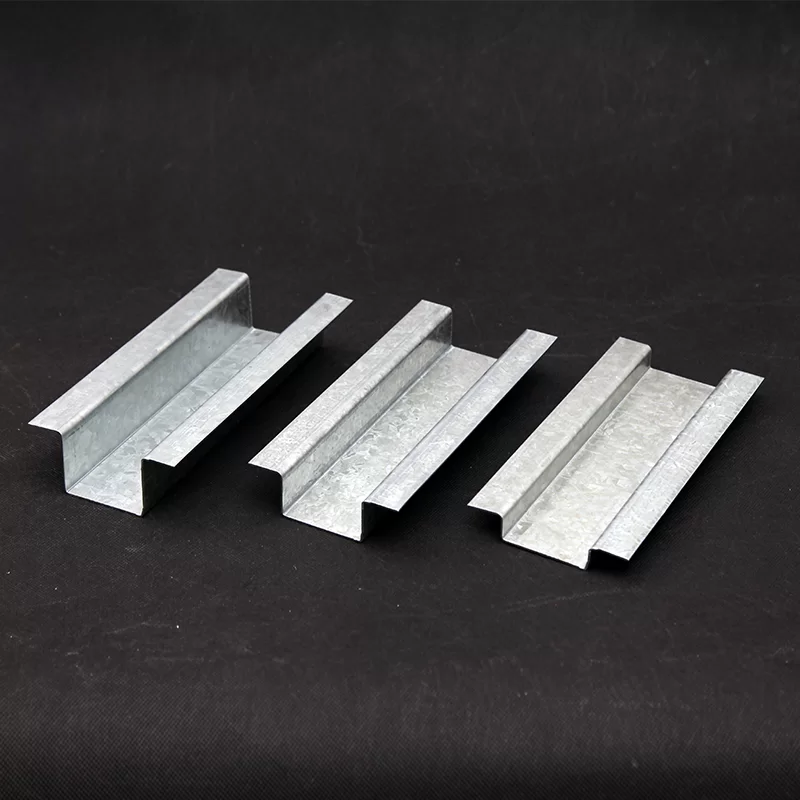
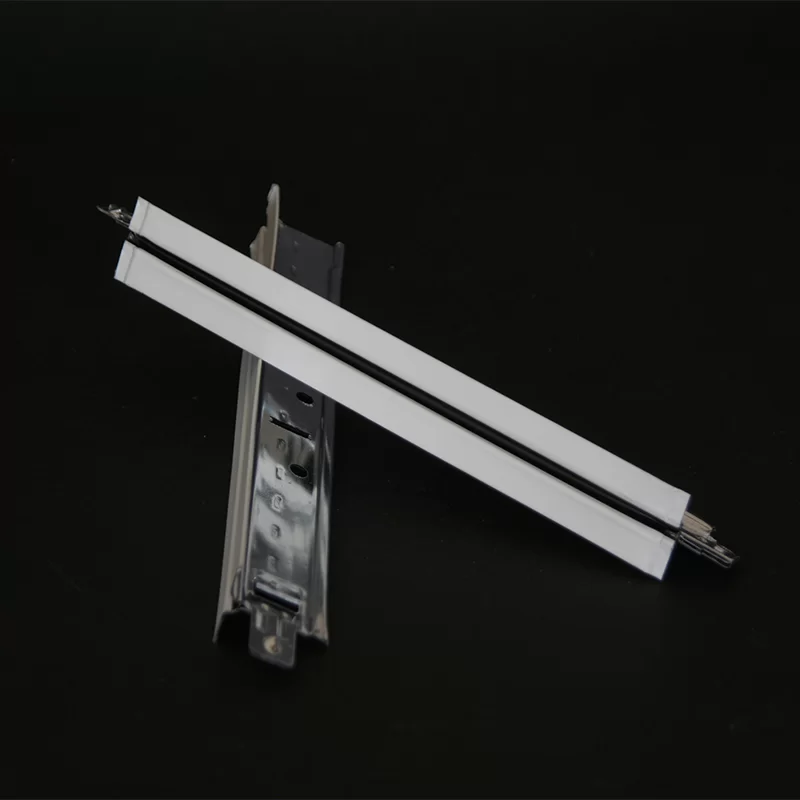
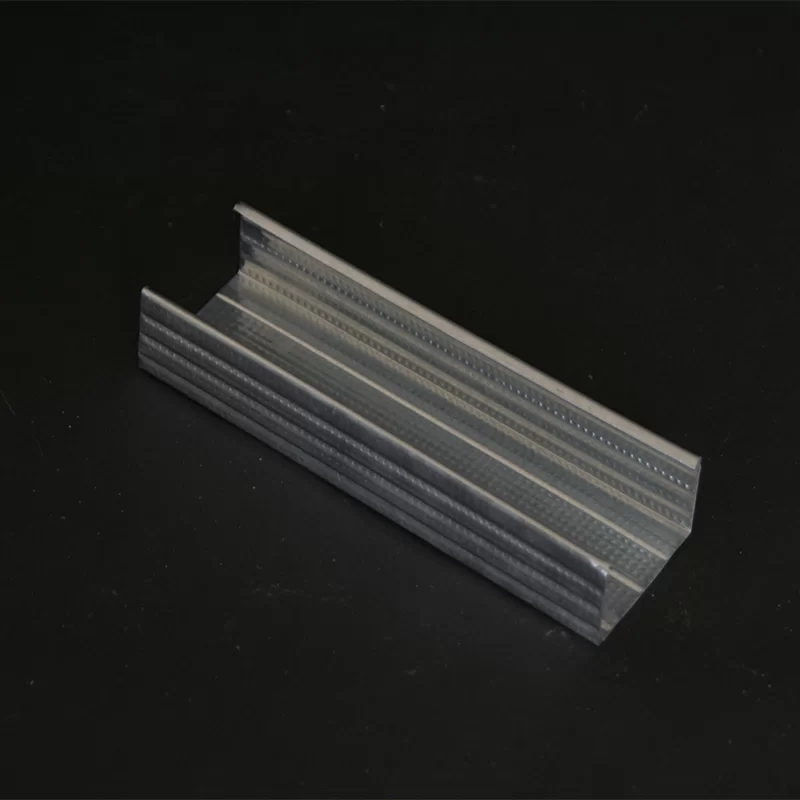
A typical ceiling grid suspension system comprises several key components. These include main runners (primary tees), cross tees, wall angle, hangers, and ceiling tiles. Main runners span the longest distance between walls and provide the primary support. Cross tees intersect the main runners at right angles, forming a grid to hold the ceiling tiles. Wall angles are attached to the perimeter walls to provide a secure starting point for the grid. Hangers suspend the grid from the structural ceiling above. Choosing the right materials – typically galvanized steel or aluminum – is vital for long-term durability and resistance to corrosion. The Jinka IBM offers a wide range of these components, ensuring a complete and compatible system.
Key Highlights: Key components include main runners, cross tees, wall angles, and hangers. Choosing the correct materials guarantees long-term durability and resistance to corrosion.
Several types of ceiling grid suspension systems cater to different needs and applications. These include:
The choice depends on aesthetic preferences, budget constraints, and the specific requirements of the building. Jinka IBM specializes in offering diverse solutions to suit every project.
System Types:
• Exposed Grid Systems
• Concealed Grid Systems
• Quick-Release Systems
• Seismic Suspension Systems
The choice between steel and aluminum for your ceiling grid suspension system depends on several factors. Steel is generally more cost-effective and offers higher strength, making it suitable for heavier ceiling tiles or areas requiring greater structural support. Aluminum is lighter, corrosion-resistant, and easier to work with, ideal for damp environments or projects where weight is a concern. Here’s a comparison:
Proper installation is paramount for the longevity and performance of your ceiling grid. Start by accurately leveling the main runners using laser levels or traditional leveling tools. Ensure hangers are securely attached to the structural ceiling at appropriate intervals, as dictated by the manufacturer's specifications. Carefully install the wall angles, ensuring they are flush with the walls and securely fastened. When installing ceiling tiles, maintain consistent alignment and ensure they fit snugly within the grid. Incorrect installation can lead to sagging, unevenness, and even system failure. Jinka IBM provides detailed installation guides and support to ensure a successful project.
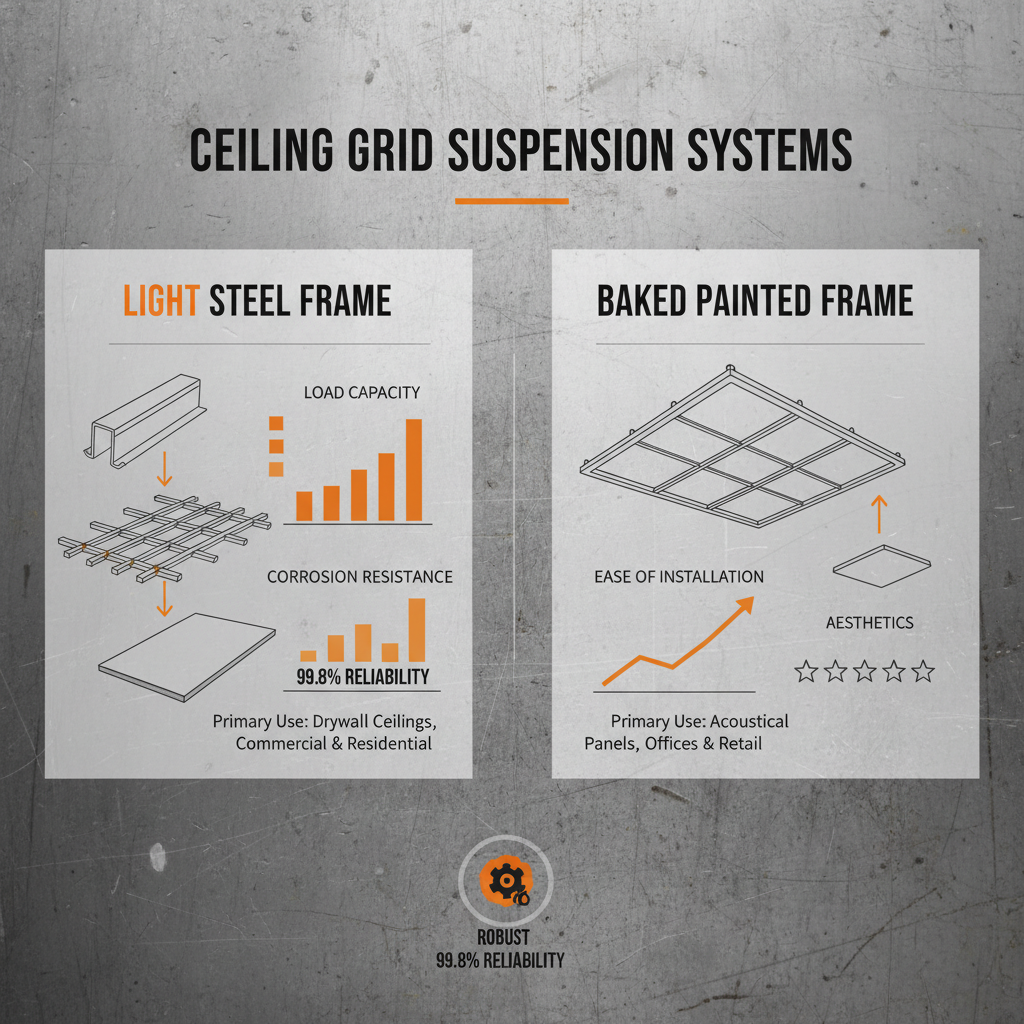
Investing in a high-quality ceiling grid suspension system offers numerous benefits. These include improved acoustics, enhanced aesthetics, easy access to utilities above the ceiling, and increased energy efficiency by providing space for insulation. A properly installed system also contributes to the structural integrity of the ceiling, minimizing the risk of collapse or damage. Furthermore, a well-designed system can enhance the overall value of the building. Choosing a reputable supplier like Jinka IBM ensures you receive a reliable and durable product.
A well-chosen and expertly installed ceiling grid suspension system is a cornerstone of a quality interior build. From aesthetics and functionality to safety and efficiency, the benefits are substantial. By partnering with a trusted provider like Jinka IBM, you can ensure a seamless and successful project.
The maximum span between hangers depends on the load requirements, the type of ceiling tiles used, and the specific grid system being employed. Generally, spans range from 4 to 12 feet. It's crucial to consult the manufacturer's specifications and local building codes to determine the appropriate spacing. Exceeding the recommended span can compromise the structural integrity of the ceiling. Jinka IBM can provide detailed guidance on hanger spacing for your specific application.
Choosing the right ceiling tiles involves considering factors such as acoustics, aesthetics, fire resistance, and moisture resistance. Different tiles have varying sound absorption coefficients, so select tiles appropriate for the intended use of the space. Consider the desired visual appearance and choose tiles that complement the overall design. Ensure the tiles meet fire safety regulations and select moisture-resistant tiles for areas prone to humidity. Always check the tile’s compatibility with your chosen suspension system.
Seismic suspension systems are designed to withstand the forces generated during an earthquake, minimizing the risk of ceiling collapse and protecting occupants. These systems incorporate flexible connectors and bracing mechanisms that allow the ceiling to move with the building during seismic activity. They're essential in areas prone to earthquakes and are often required by building codes. Investing in a seismic suspension system significantly enhances the safety and resilience of the building.