Understanding Exterior Steel Studs: The Backbone of Modern Construction
Exterior steel studs might not grab headlines every day, but behind every solid, weather-resistant building, there’s a good chance these silent structural heroes are at work. Whether it’s a skyscraper enduring harsh wind loads or a refugee shelter built in a post-disaster zone, exterior steel studs provide strength, reliability, and a surprising amount of design flexibility. In a world where construction demands are evolving rapidly—faster, greener, more resilient—knowing a thing or two about them is both practical and insightful.
So, why should you care? Globally, evolving urbanization and climate challenges mean construction materials must be smarter, lighter, and easier to deploy. Exterior steel studs tick these boxes and more. They underline key advances—not just as technical elements but as enablers of sustainability, cost-efficiency, and humanitarian relief operation efficiency.
Global Context: Why Exterior Steel Studs Matter More Than Ever
Try picturing the future: the UN predicts that by 2050, nearly 7 out of 10 people will live in cities (UN DESA, 2018). That means buildings need to go up with speed and resilience. Enter exterior steel studs—metal framing components that resist rot, pests, and fire better than their wood counterparts.
Additionally, climate change is increasing the frequency of extreme weather events. Structures made with traditional materials often fail under these stresses. Steel studs offer a formidable answer, combining strength with lighter weight. Recently, organizations like the World Bank have highlighted building resilience as critical to sustainable development World Bank (2021). So the humble steel stud is more than a building part; it's a small but vital piece in the bigger sustainability puzzle.
What Are Exterior Steel Studs?
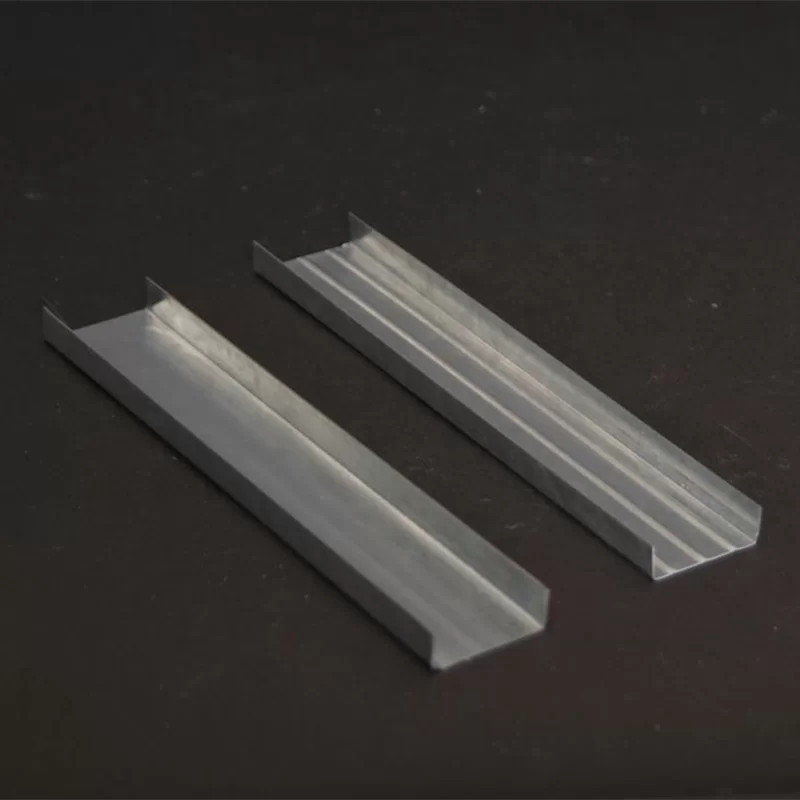
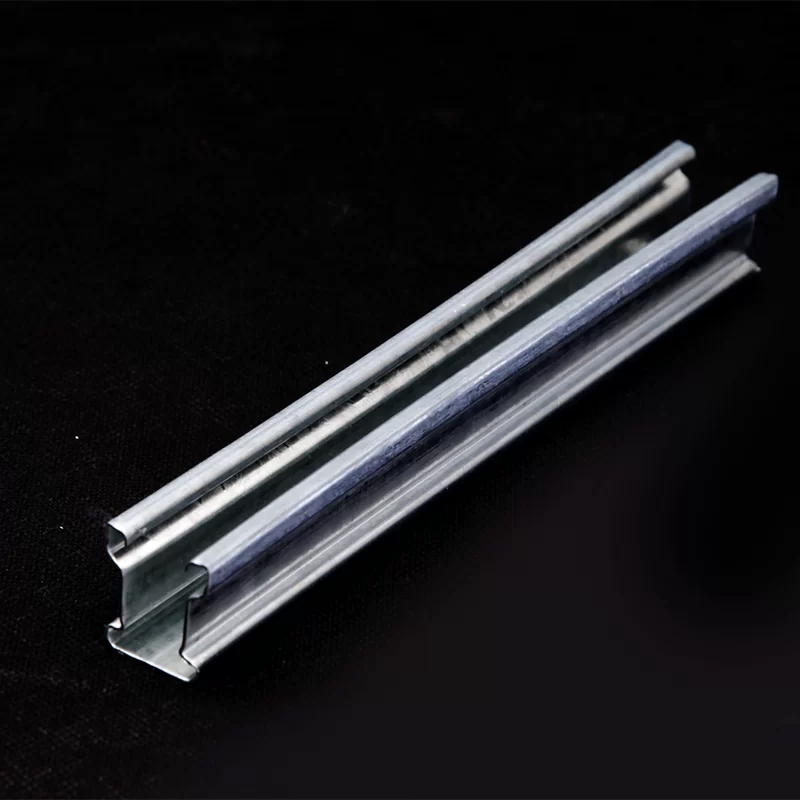
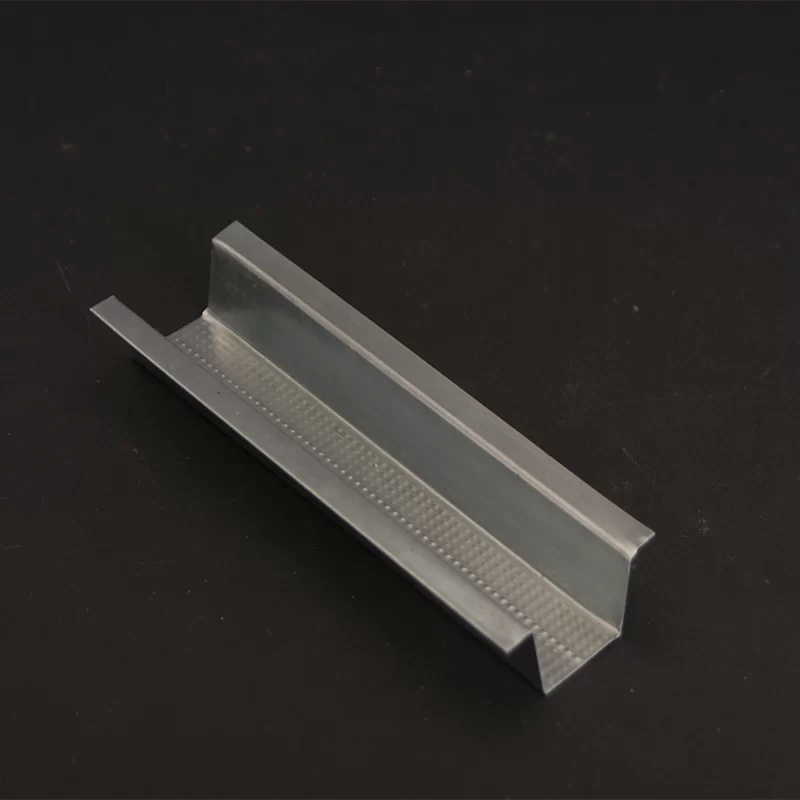
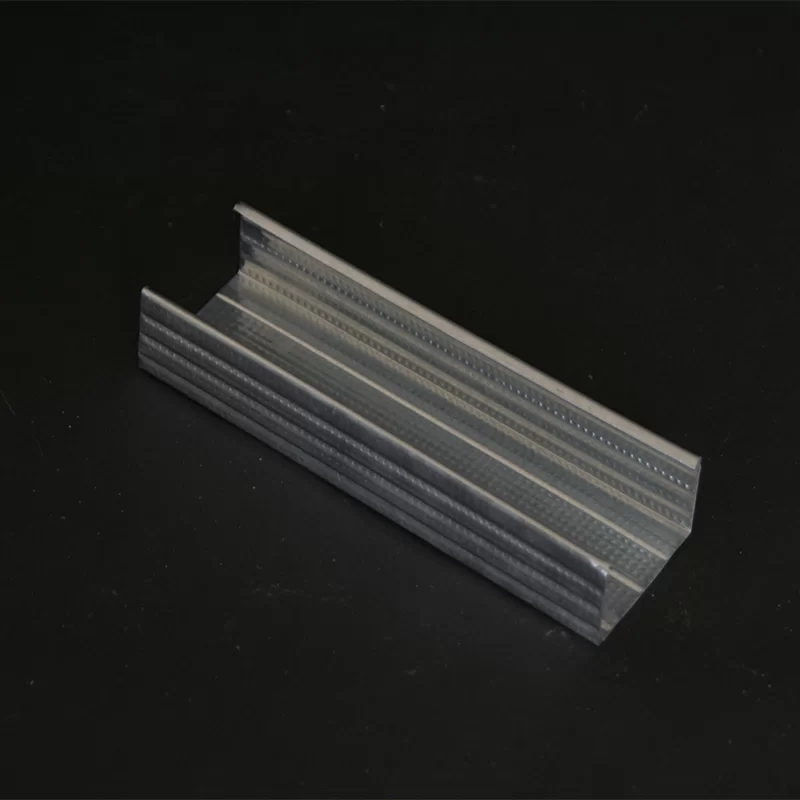
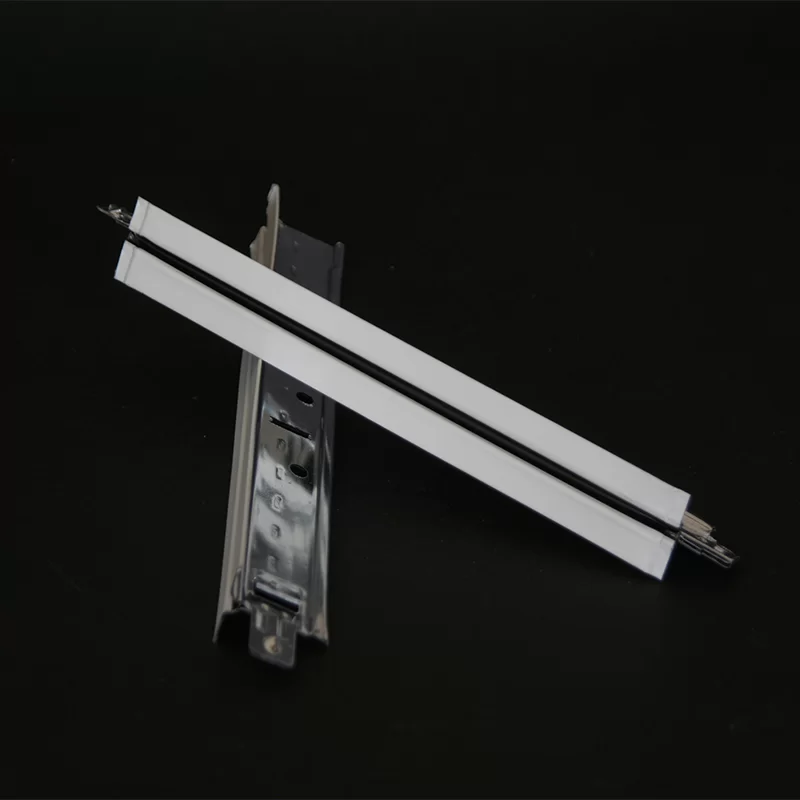
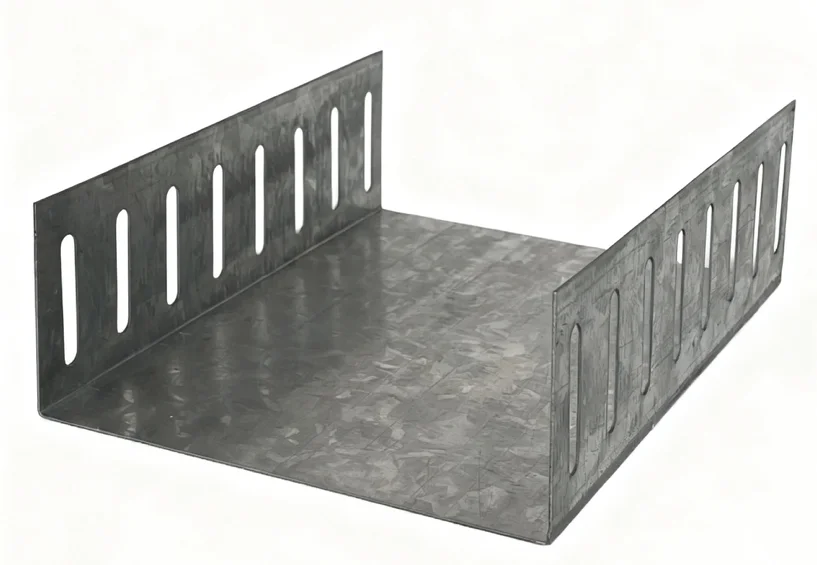
In simple terms, exterior steel studs are frames made from cold-formed steel, used to support walls, roofs, and other external sections of buildings. Unlike wooden studs, these are galvanized steel profiles designed to bear load while withstanding outdoor elements. Think of them as the skeleton on which your building’s external “skin” or cladding rests.
Their modern industrial production lines ensure consistent dimensions and strength, and they fit seamlessly into modular and prefabricated systems, which are common in both commercial and humanitarian construction. So, when aid organizations need readily deployable housing in emergency zones, steel studs are a frequent go-to because they combine durability and logistics ease.
Key Characteristics of Exterior Steel Studs
Durability and Weather Resistance
Steel is naturally resistant to termites, rot, and mold—issues that plague wood in humid or disaster-prone regions. The galvanizing layer also prevents rust, giving it a lifespan often exceeding 50 years, assuming proper installation.
Lightweight and High Strength
Compared to concrete or wood, steel studs are strong yet surprisingly light. This eases transportation and reduces the need for heavy machinery during erection, especially important in remote or rapidly evolving construction sites.
Cost Efficiency Over Lifecycle
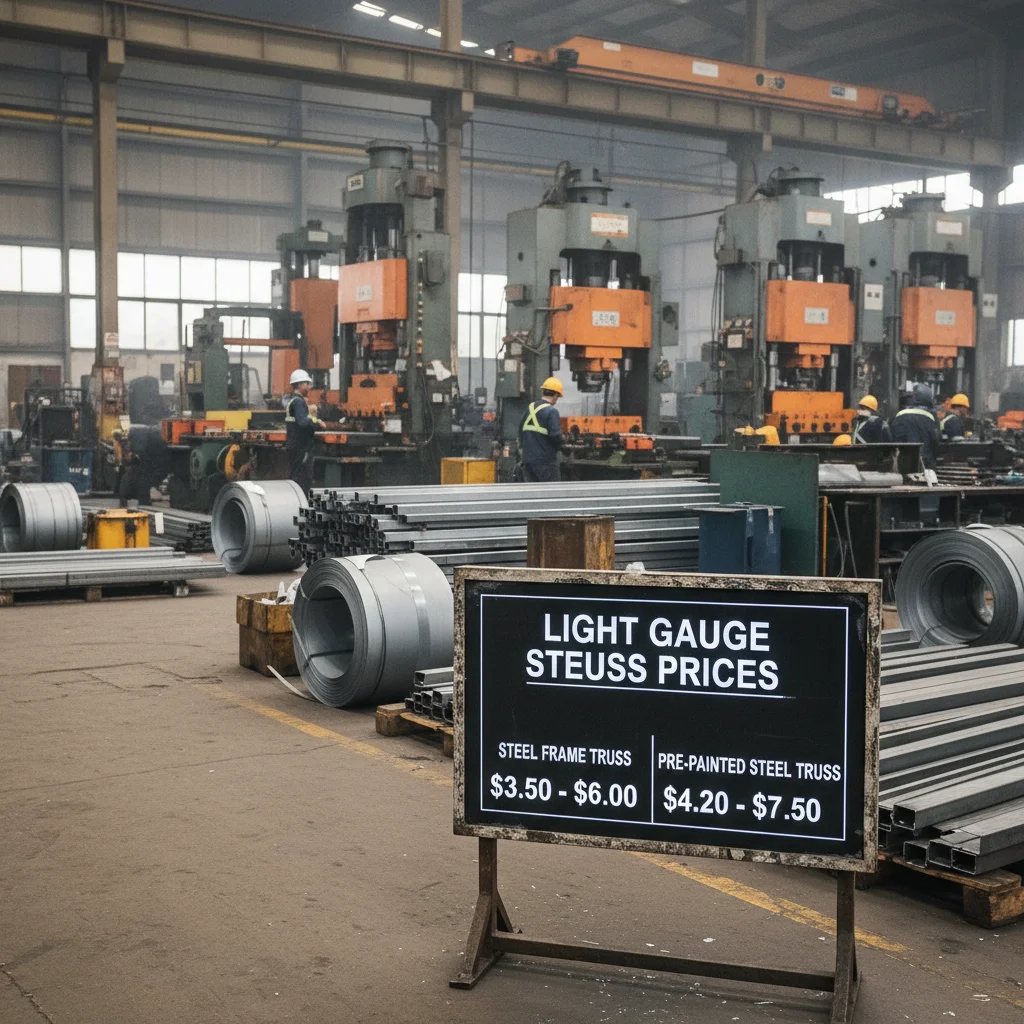
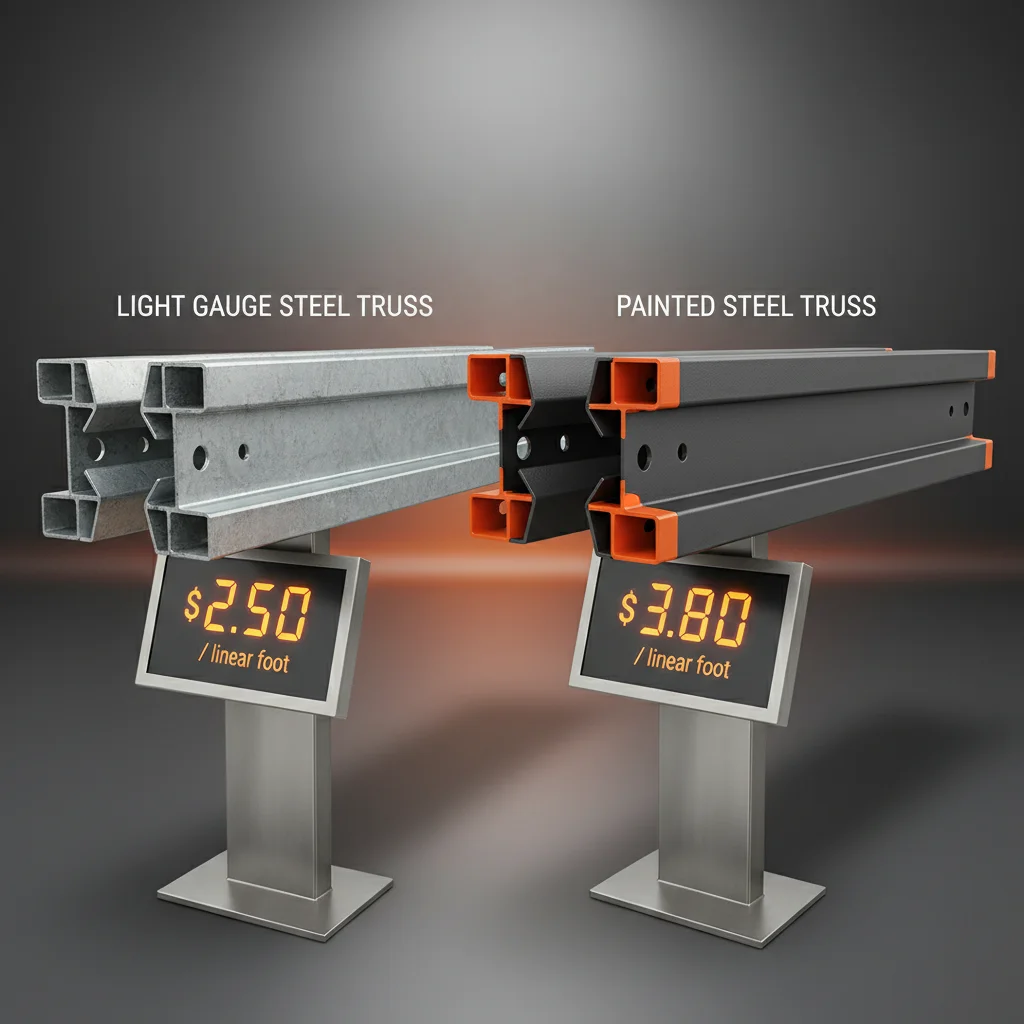
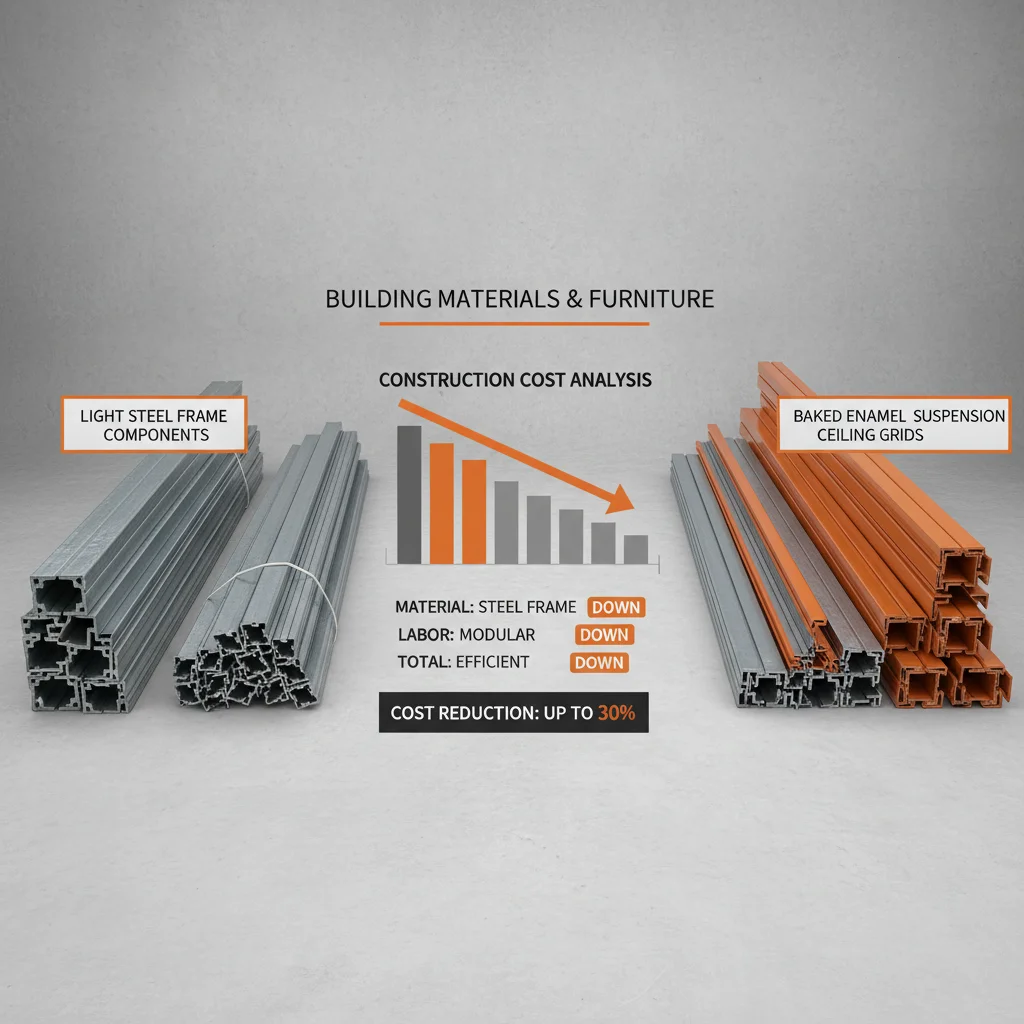
At first glance, steel assemblies may seem pricier than wood. But factor in reduced labor time, longer lifetimes, and minimal maintenance, and the scales often tip in favor of steel. Plus, fewer repairs mean fewer disruptions, which business owners and relief agencies appreciate immensely.
Customization and Scalability
Because these studs come in standardized sizes (commonly 1¾” to 3½” wide), they adapt well to various insulation types and cladding systems—ideal for architects aiming to balance energy efficiency with aesthetics.
Fire Resistance
Steel studs inherently resist combustion, offering safer building envelopes in wildfire-prone areas—a growing concern globally.
Environmental Impact
Steel studs are often manufactured with recycled content and are themselves recyclable, contributing to circular economy practices. They help builders meet green certification standards like LEED and ISO 14001.
Mini Takeaway:
Exterior steel studs offer a compelling package of durability, adaptability, and environmental friendliness, making them a smart choice for many construction needs.
Global Applications and Real-World Use Cases
Exterior steel studs are everywhere from North American suburbs to Asian urban centers, but a few use cases stand out:
- Post-Disaster Housing: NGOs use steel studs in rapid-deployment shelters because they’re easy to ship, resistant to pests, and provide sound structural framing even under harsh conditions.
- Remote Industrial Sites: Mining and oil operations in places like Canada or Australia often use prefabricated steel-framed buildings that can be assembled quickly, accelerating project starts.
- Urban Mid-rise Construction: Cities favor exterior steel studs to build fire-resistant, energy-efficient apartment complexes and offices, helping meet tough building codes.
- Educational Facilities in Developing Countries: Lightweight steel framing minimizes costs while improving lifespan, critical in regions with limited resources.
Advantages and Long-Term Value
Why do many engineers and architects keep returning to exterior steel studs?
- Economic Savings: Beyond initial material costs, reduced labor, lower long-term maintenance, and energy efficiency save money over decades.
- Structural Reliability: Steel’s predictability and strength ensure buildings stand strong, providing safety and peace of mind to occupants.
- Sustainability: Using recyclable steel reduces environmental footprint, aligns with global carbon reduction goals.
- Social Value: In humanitarian contexts, using resilient materials preserves dignity by making shelters more secure and comfortable.
Product Specification Table: Typical Exterior Steel Studs
| Specification |
Details |
| Material |
Cold-formed Galvanized Steel |
| Standard Width |
1¾” (44 mm), 2½” (64 mm), 3½” (90 mm) |
| Thickness |
16 to 25 gauge |
| Length |
8 ft to 20 ft (customizable) |
| Corrosion Protection |
Zinc galvanization (minimum 0.5 oz/sq ft) |
| Fire Rating |
Non-combustible |
Leading Vendors of Exterior Steel Studs Compared
| Vendor |
Product Range |
Customization |
Sustainability |
Lead Time |
| SteelFrames Inc. |
Standard & Custom Studs |
High |
Recycled Steel Content |
2–3 weeks |
| ProBuild Metals |
Wide Gauge Range |
Medium |
ISO 14001 Certified |
1–2 weeks |
| MetroSteel Supplies |
Prefab Framing Kits |
Low |
Some Recycled Content |
3–4 weeks |
Upcoming Trends and Innovations in Exterior Steel Stud Technology
Frankly, the industry is buzzing with green initiatives. Manufacturers are developing ultra-high-performance steel alloys that reduce weight without sacrificing strength, partly driven by automation and digital design software that optimize profiles for specific projects.
Additionally, thermal break technology is being integrated into studs to improve energy efficiency even more, a game-changer for meeting stricter building codes worldwide. Smart coatings to further enhance corrosion resistance and self-healing metals are also in early stages of R&D.
These innovations promise to extend the lifespan and sustainability of exterior steel studs well beyond what we imagined a decade ago.
Typical Challenges and Expert Solutions
- Corrosion in Coastal Zones: Despite galvanization, salty environments challenge steel longevity. Solutions include advanced coatings and engineered drainage systems to keep water away from framing cavities.
- Thermal Bridging: Steel can transmit heat/cold, affecting insulation efficiency. Adding thermal breaks or integrating foam insulation mitigates this effect.
- Installation Complexity: Field teams sometimes find steel trickier than wood, but prefabricated assemblies and detailed training smooth this curve.
Frequently Asked Questions About Exterior Steel Studs
- Are exterior steel studs more expensive than traditional wood framing?
- While initial material costs are often higher for steel, the overall lifecycle cost can be lower due to durability, reduced maintenance, and faster installation times. This makes them cost-effective in the long term.
- How do steel studs handle extreme weather conditions?
- Steel studs resist pests, fire, and rot, making them ideal for hurricane-prone or wildfire areas. When combined with proper cladding and insulation, they provide excellent protection and structural integrity.
- Can exterior steel studs be used for modular building projects?
- Absolutely. Their standardized sizes and strength make them perfect for modular and prefabricated construction, often reducing onsite labor and speeding up assembly.
- What environmental certifications do steel studs typically meet?
- Many manufacturers offer steel studs that comply with ISO 14001 environmental management standards and contribute toward LEED certification points thanks to high recycled content and recyclability.
- Where can I find reliable suppliers of exterior steel studs?
- Major industrial suppliers and specialized manufacturers often provide customizable steel studs. Reviewing lead times, sustainability credentials, and customization capabilities is recommended to find the best fit.
Conclusion: Why Exterior Steel Studs Deserve Your Attention
Outside the spotlight but vital inside every durable building shell, exterior steel studs combine long-term reliability with design flexibility and environmental benefits. Whether creating safe homes after natural disasters, erecting efficient commercial buildings, or meeting the goals of green construction, they’re fundamental to modern challenges.
For those curious to explore quality exterior steel studs and discover how these essential components can fit your next project, don’t hesitate to visit exterior steel studs. They’re more than just studs—they're a key building block for a resilient future.
References
- United Nations DESA, World Urbanization Prospects, 2018
- World Bank, Resilient Urban Development, 2021
- Wikipedia, Steel Frame Construction