Why Cold Formed Steel Studs Have Become an Industry Staple
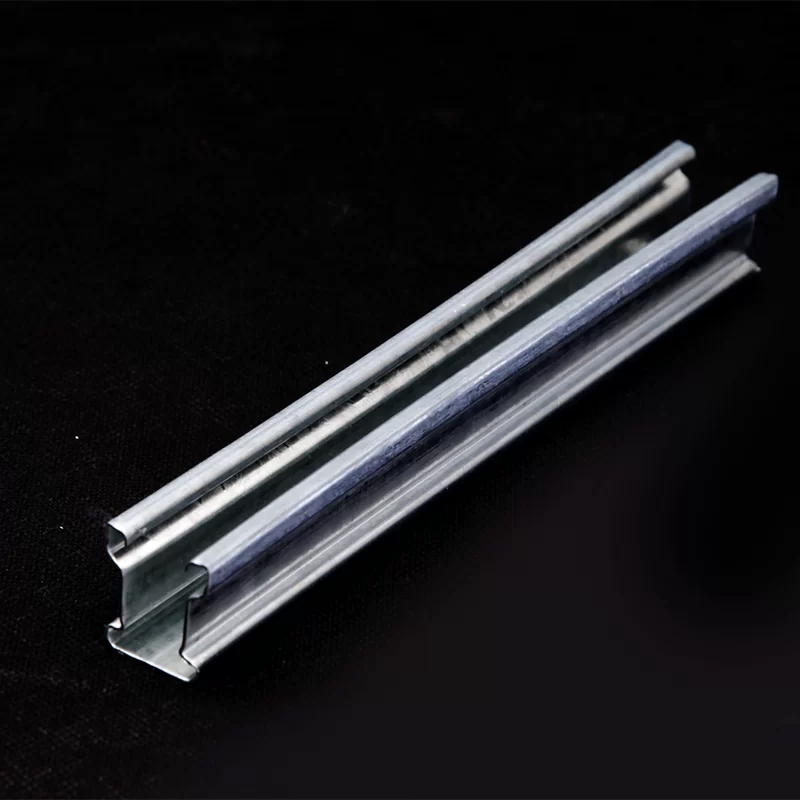
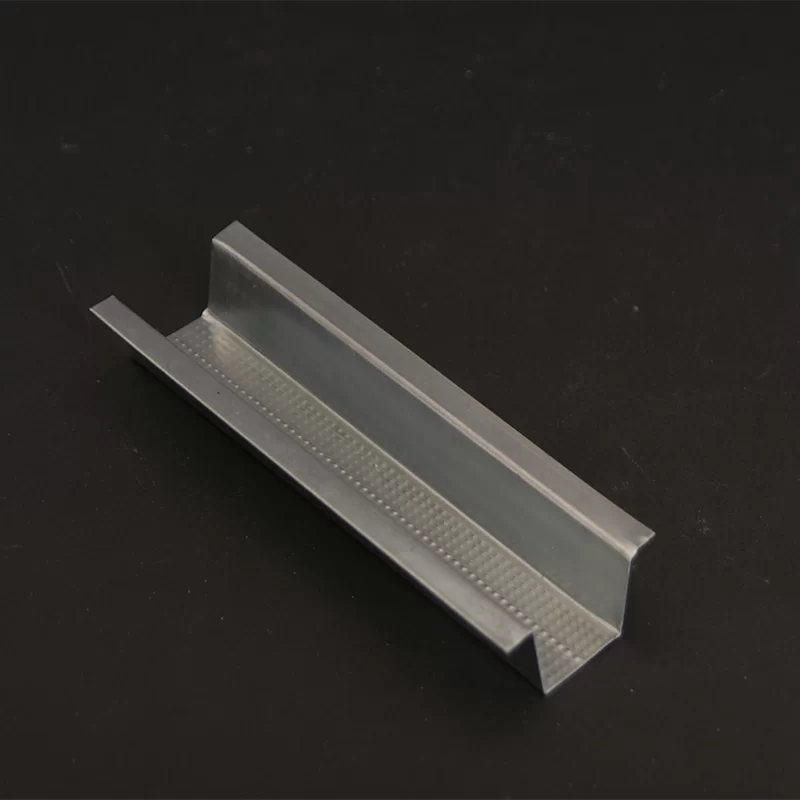
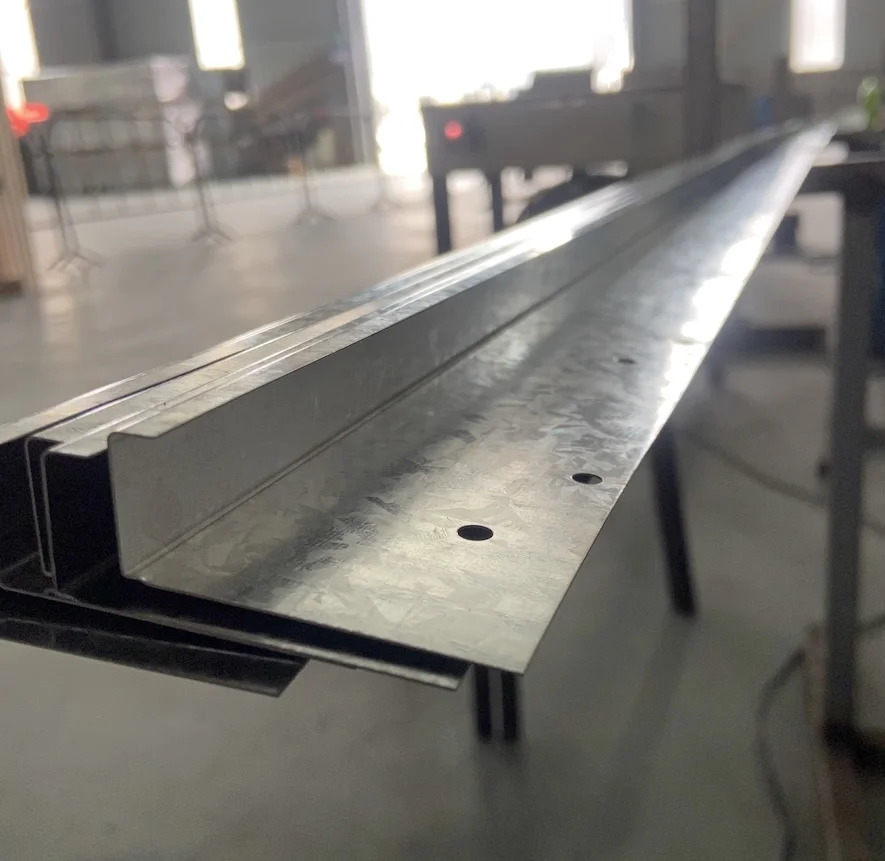
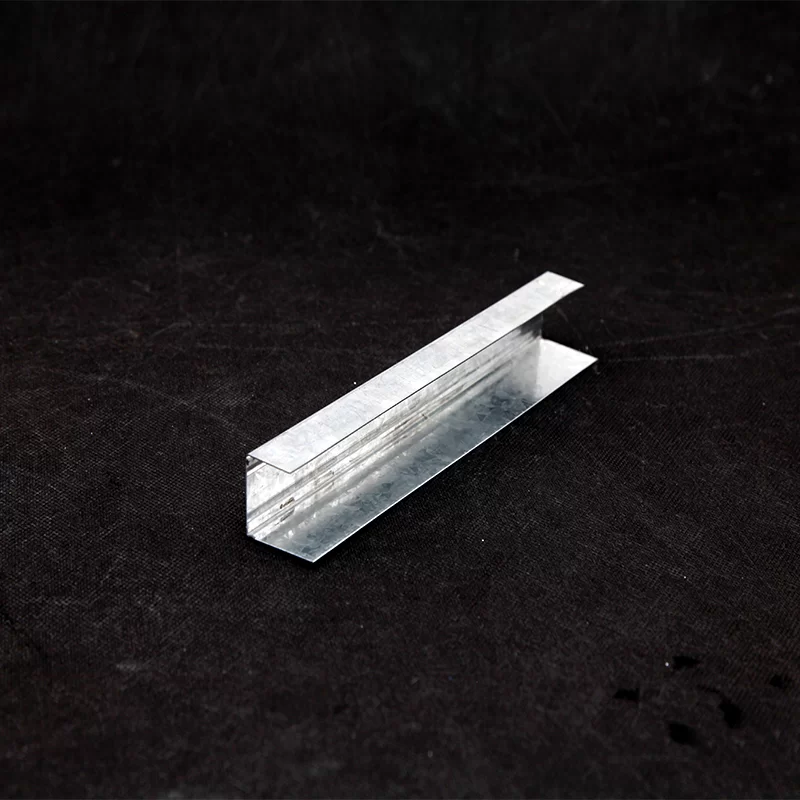
After spending quite a few years in the industrial equipment sector, I’ve had my fair share of working around and with framing systems. Cold formed steel studs, frankly, have become one of those “go-to” materials that feels almost like a quiet workhorse on construction sites and manufacturing floors alike. They’re these slender, yet surprisingly resilient, metal pieces shaped at room temperature (hence the cold formed steel studs tag) — and they do the structural heavy lifting without weighing down your project.
What draws many engineers to these studs is their flexibility, lightweight nature, and relative cost-effectiveness compared to hot rolled steel or timber framing. Oddly enough, they pack quite a punch in terms of strength-to-weight ratio, and they’re endlessly customizable.
Cold Formed Steel Studs: Product Specifications You Should Know
In practical terms, specs tell you everything. When I first started using these studs, having clear data on thickness, yield strength, length, and coating was a game changer. Here’s a typical rundown you might encounter, just to get a feel:
| Specification |
Details |
| Material Type |
Cold Rolled Carbon Steel |
| Gauge Range |
20 – 12 Gauge (0.0359” to 0.1046” thickness) |
| Standard Lengths |
8’, 10’, 12’, custom lengths available |
| Yield Strength |
33 ksi (minimum), often up to 50 ksi |
| Finish/Coating |
Galvanized or zinc-coated for corrosion resistance |
| Shape Types |
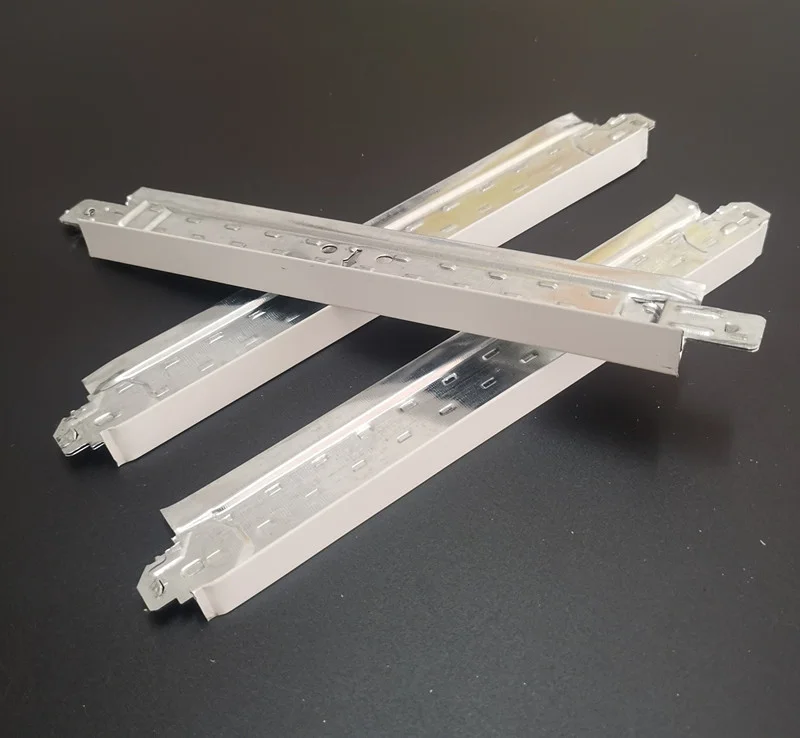
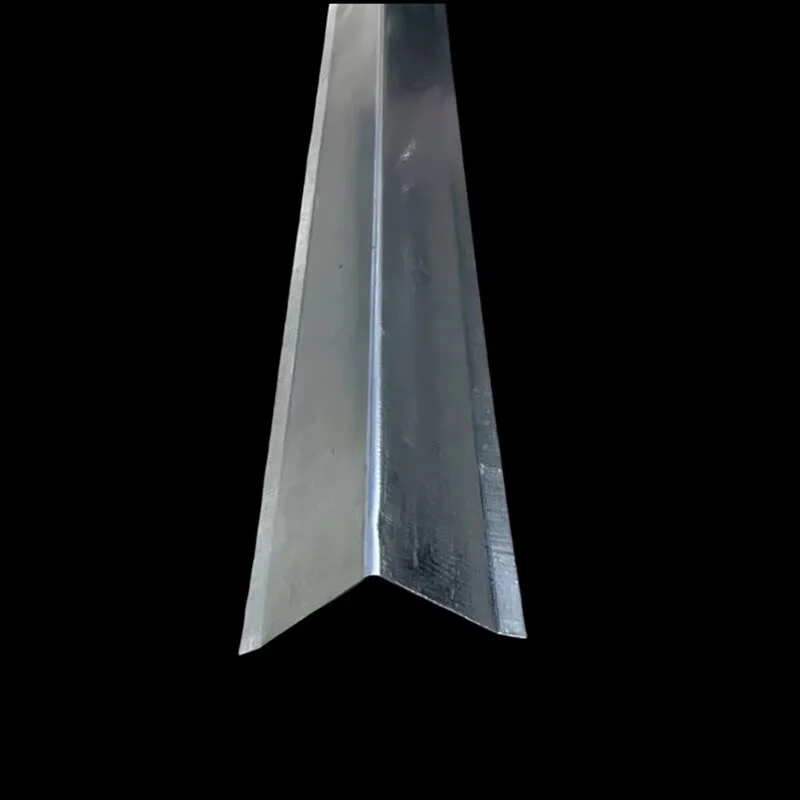
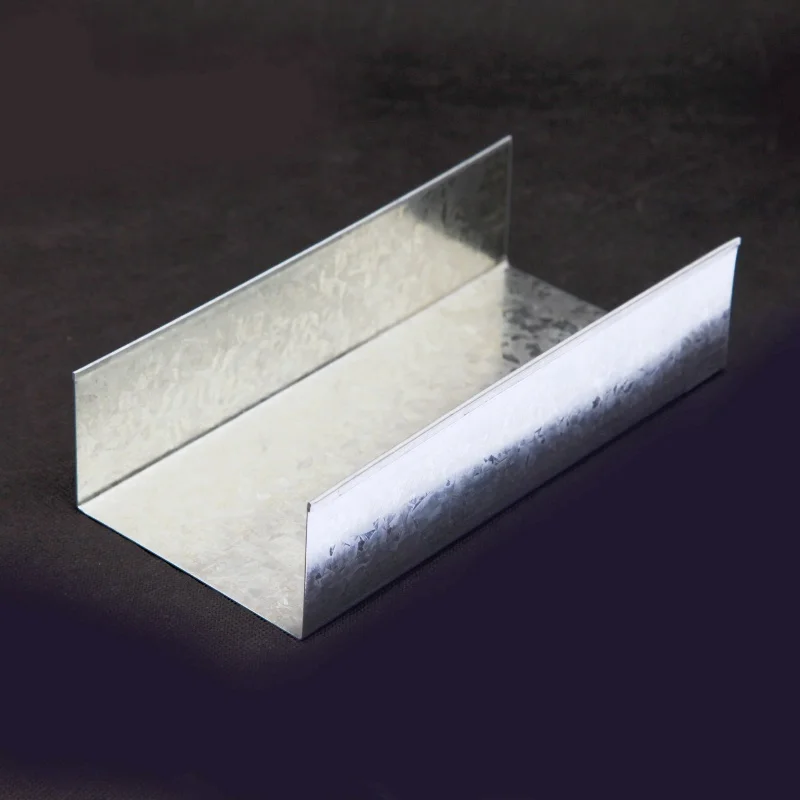
C, U, and furring channel profiles |
Choosing Between Vendors: What Really Matters
I've dealt with multiple suppliers over the years, and while price is inevitably key, it’s the finer details that can make or break your project timeline, budget, and end quality. Turnaround times, custom sizing options, and consistent material certifications are often the hidden gems tightly linked to vendor reliability.
Here’s a quick vendor comparison I often run for prospective purchases:
| Vendor |
Material Certification |
Standard Lead Time |
Custom Lengths |
Price Range |
| Jinkai BM |
ISO 9001, ASTM A653 |
2-3 weeks |
Available |
Mid-range |
| SteelBuild Co. |
ASTM A653 |
3-4 weeks |
Limited |
High |
| MetalCore Ltd. |
ISO 9001 |
1-2 weeks |
Available |
Higher |
Reflections on Using Cold Formed Steel Studs in Real Projects
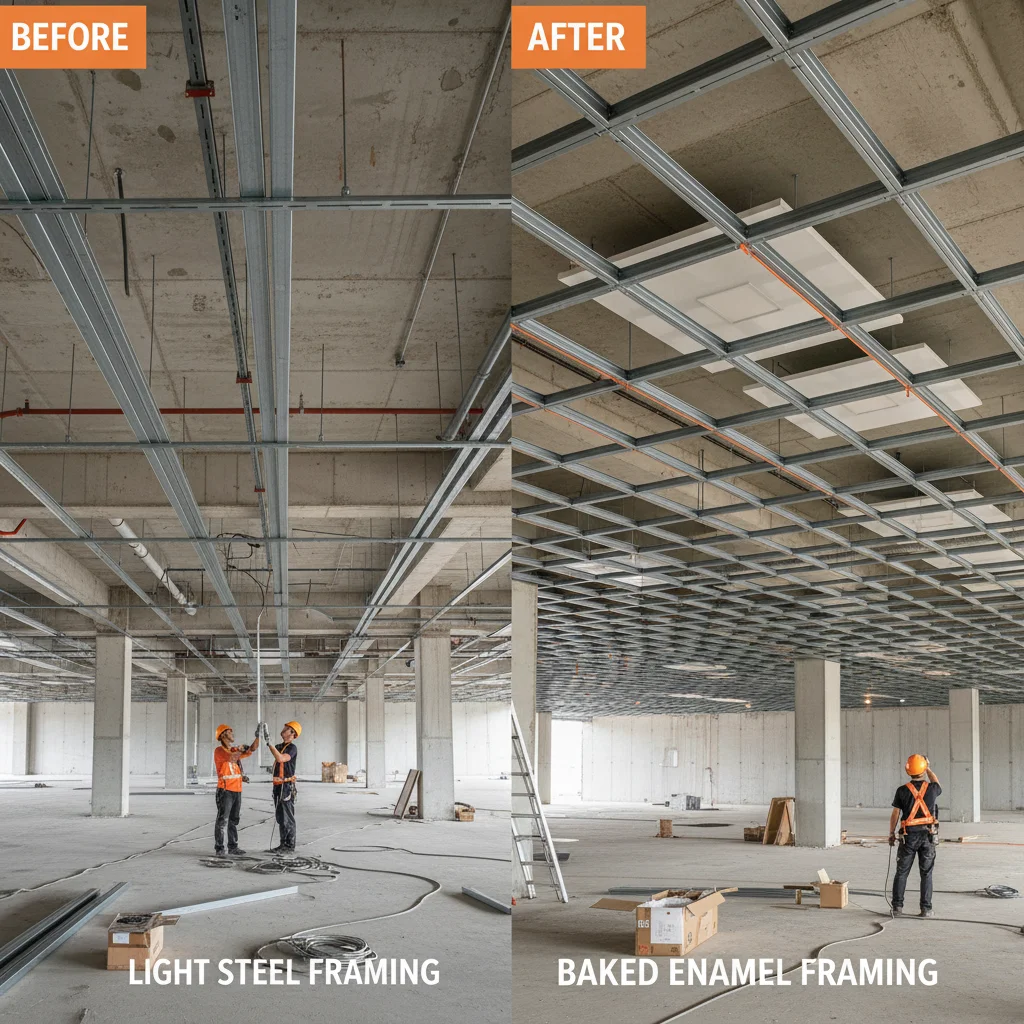
I remember this one project a few years back — a retrofit for an older warehouse where timber studs just wouldn’t hold up to the moisture and load requirements. Swapping in cold formed steel studs ended up saving us time and headaches. The framing went faster, there was less warping, and the site crew gave positive nods to how clean and consistent the pieces fit together.
For anyone reluctant to move away from old-school lumber or heavier steel, I’d say give it a shot, especially if customization and corrosion resistance are priorities. These studs might feel inconspicuous, but in real terms, they keep things solid and light. Plus, they’re kind of satisfying to work with when you get the hang of their modular nature.
Bottom line? Whether you’re in structural framing, partition walls, or non-load bearing applications, cold formed steel studs are worth a close look. And if you want a reputable partner, check out cold formed steel studs suppliers like Jinkai BM — they’ve got the credentials and flexibility that matter.
Stay sharp out there. Materials evolve, and sometimes the simple stuff surprises you.
References & Personal Notes
- Material specs from ASTM A653 and personal field notes gathered over 10+ years.
- Vendor info refined through ongoing industry collaboration and tender bids.
- Case experience with commercial retrofits involving steel framing solutions.