Commercial Metal Studs: Building the Framework of Modern Construction
At first glance, commercial metal studs might not spark the same excitement as sleek glass façades or innovative roofing systems, but they are the unsung heroes holding up our walls. Globally, they represent a practical solution to the demand for durable, cost-effective, and sustainable commercial structures. Understanding how these metal studs function and why they matter is key to appreciating their growing role across industries, from urban skyscrapers to temporary shelters in emergency zones.
Why Commercial Metal Studs Matter Globally
As the world urbanizes rapidly — with projections from the UN stating that by 2050 nearly 68% of the global population will live in cities — the construction industry faces an urgent call for faster, safer, and more sustainable building methods. Commercial metal studs have emerged as a stellar response to these pressures.
According to data collated by the World Bank, commercial and institutional buildings are increasingly shifting towards light gauge steel framing, thanks to its availability, recyclability, and minimal waste generation. However, challenges like labor shortages and material price volatility compel builders to rethink conventional timber framing. Here, metal studs answer the call with unmatched scalability and consistent strength.
Mini takeaway: Metal studs aren’t just a trend—they’re a global reaction to construction’s evolving demands.
What Exactly Are Commercial Metal Studs?
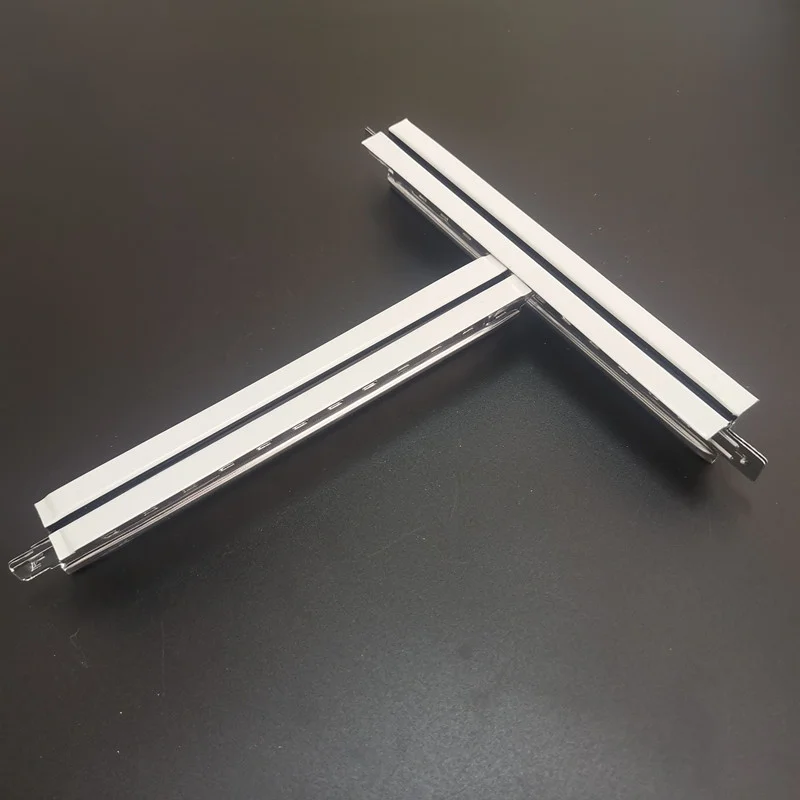
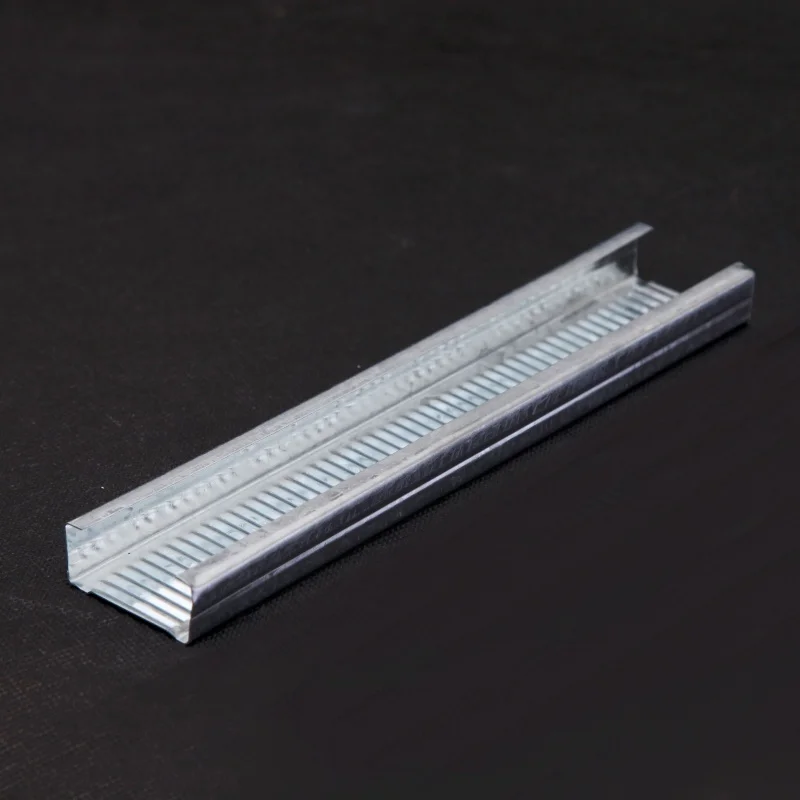
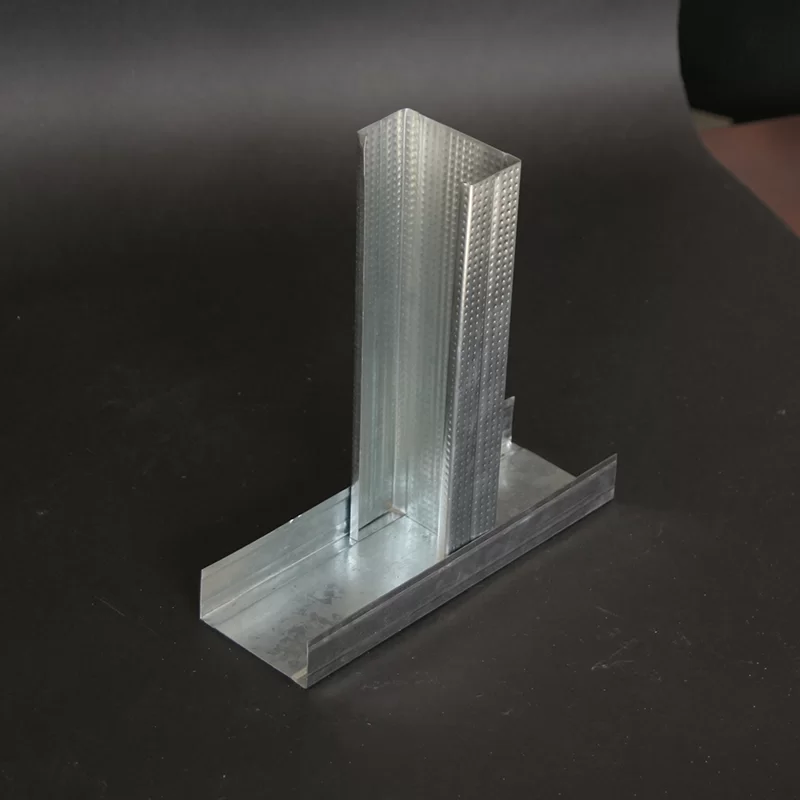
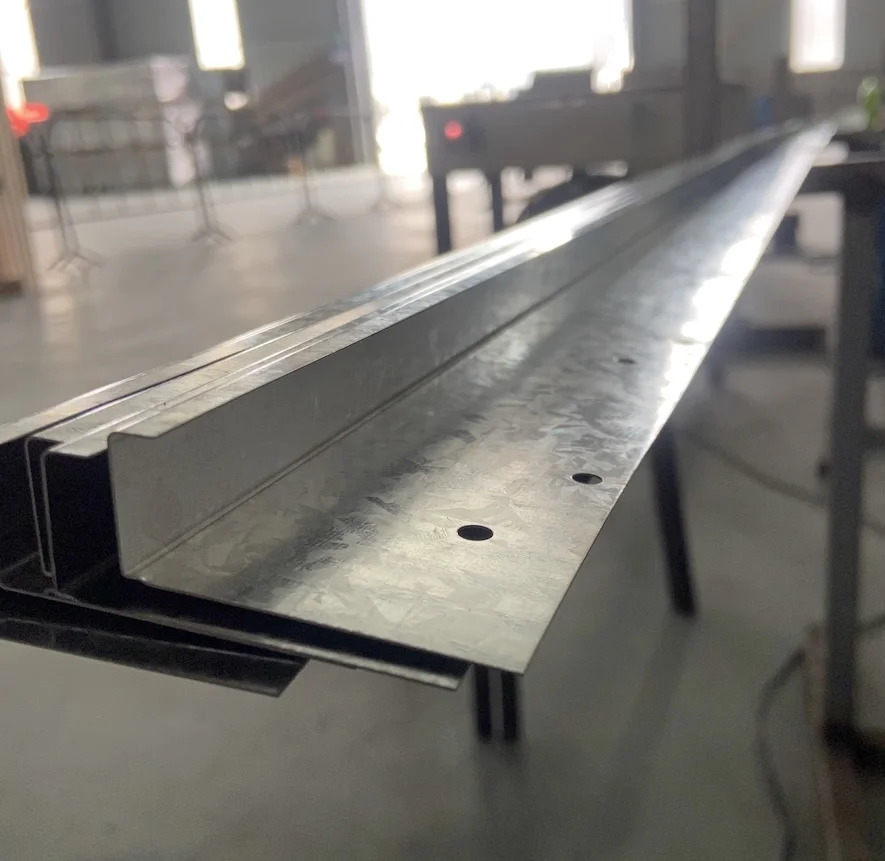
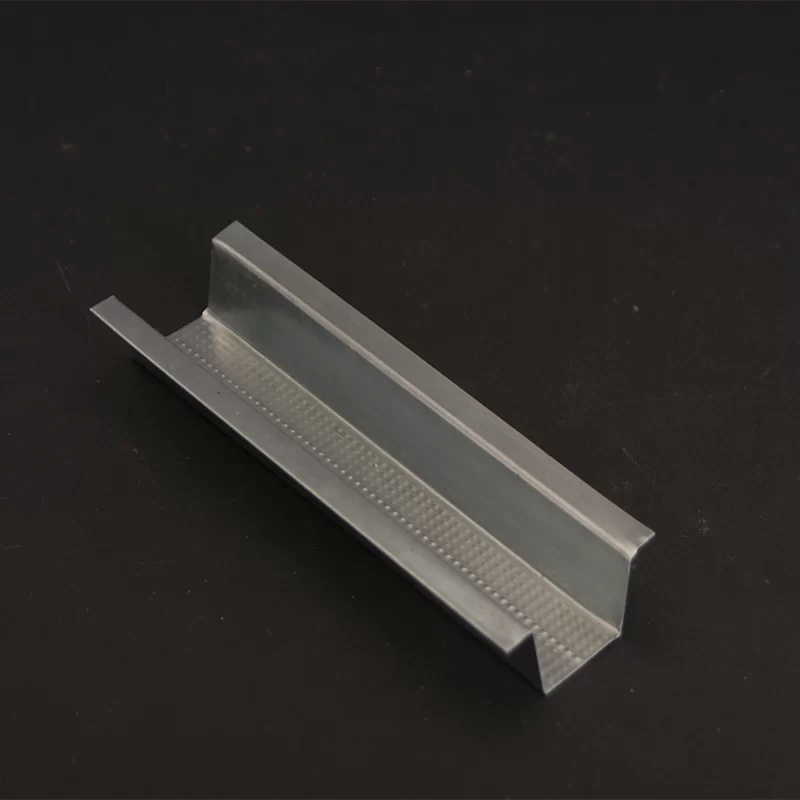
In simple terms, commercial metal studs are cold-formed steel components designed to serve as vertical framing members within non-residential walls and partitions. You can think of them as the skeletal structure—sometimes replacing traditional wood studs—offering a light but rigid backbone on which drywall, sheathing, and interior finishes can be mounted.
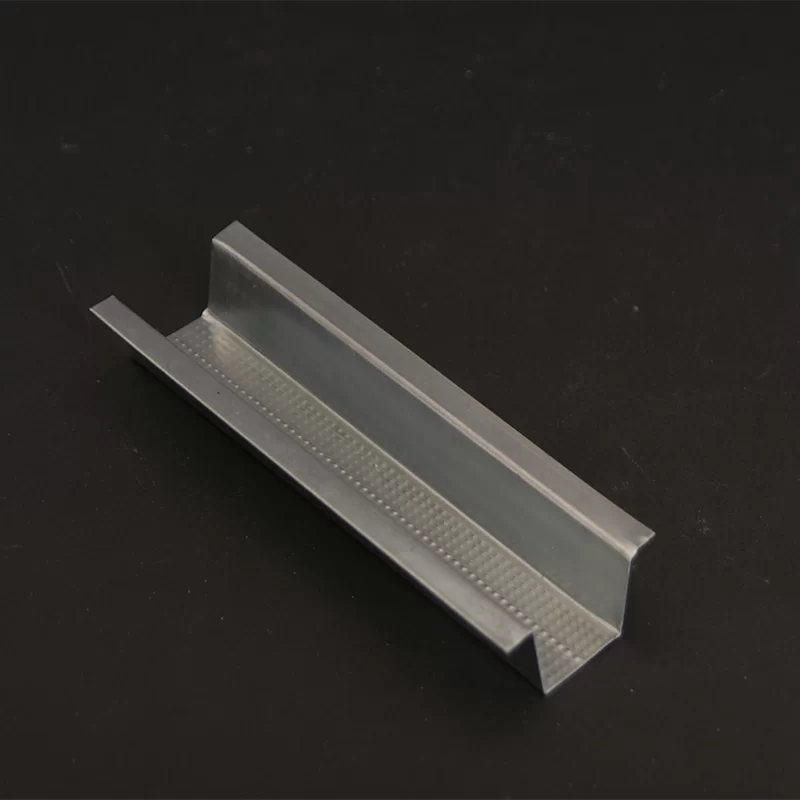
They play a crucial role not just in offices or malls but also in humanitarian construction, where rapid deployment and structural reliability are paramount. Their thin, c-shaped cross-section allows for quick installation and integration with HVAC or electrical systems, optimizing both workspace and timeline.
Key Features That Make Commercial Metal Studs Effectively Industrial-Grade
1. Durability and Corrosion Resistance
Most metal studs are galvanized or coated, offering resistance against rust and degradation, especially important in humid or industrial environments. This ensures structures last longer with minimal upkeep.
2. Cost Efficiency and Resource Optimization
Compared with timber, metal studs are often more affordable in volatile markets, particularly where wood is scarce. They also permit less waste on-site due to factory precision, improving overall project economics.
3. Scalability and Consistency
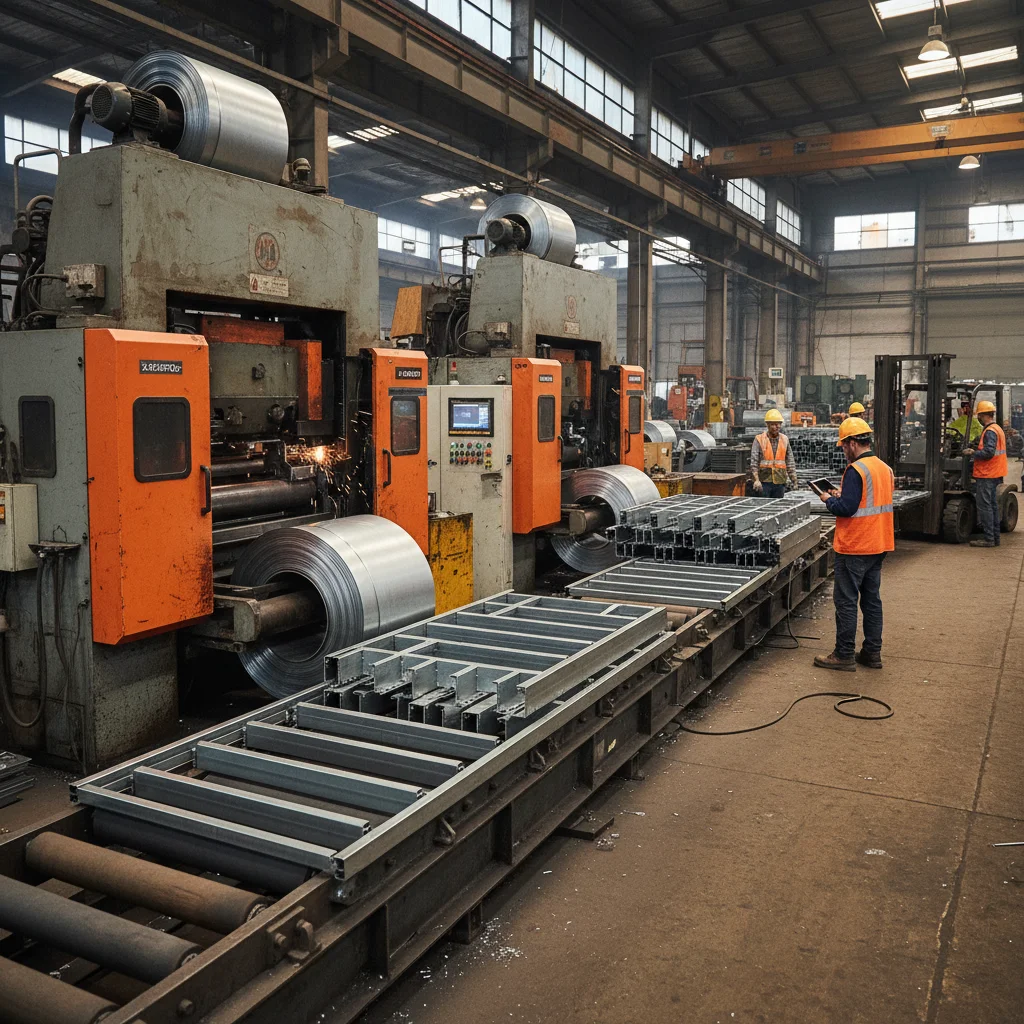
Standardized manufacturing delivers uniform length and straightness, which is a blessing when scaling up large projects or prefabrication lines. This reduces human error, a silent killer of many construction timelines.
4. Fire Safety and Compliance
Steel is non-combustible, which can significantly improve fire ratings in commercial buildings. Many codes require metal framing to meet safety standards that wood can’t easily achieve without treatment.
5. Environmental Sustainability
Being highly recyclable, metal studs fit perfectly into green building frameworks with LEED certification and circular economy principles — an increasingly critical factor for corporate responsibility and government incentives alike.
Mini takeaway: These studs are basically your all-weather, all-purpose construction teammates—built to last and designed to perform.
Where and How Are Commercial Metal Studs Used Around the World?
In real terms, commercial metal studs have found homes in:
- Urban commercial buildings: offices, retail stores, and educational institutions in North America and Europe heavily rely on metal framing.
- Disaster recovery and temporary shelters: regions affected by earthquakes or floods, particularly in Southeast Asia and Latin America, where rapid assembly is essential.
- Remote industrial sites: mining or energy facilities leverage easy transport and modular construction benefits to erect quick but sturdy facilities.
For example, after the 2010 Haiti earthquake, many NGOs used prefabricated metal stud constructions for clinics and schools — structures that could be assembled fast with commonly available tools.
Advantages and the Long-Term Value of Choosing Commercial Metal Studs
The benefits extend beyond immediate cost or installation speed:
- Enhanced durability: they withstand moisture, pests, and warping better than wood.
- Sustainability: recyclability reduces landfill waste and environmental footprint.
- Improved safety: steel’s fire resistance instills peace of mind in building occupants and insurers alike.
- Labor-efficiency: less skilled labor is needed compared to timber framing, helping with current workforce gaps.
Emotionally, these studs enable faster recovery of communities and businesses after disruptions, preserving not only physical infrastructure but dignity and hope—a factor often overlooked but critical.
Product Specification Table: Typical Commercial Metal Studs
| Specification |
Value / Range |
| Material |
Galvanized steel, cold-formed |
| Gauge (thickness) |
12 to 20 gauge (2.65 mm to 0.91 mm) |
| Width options |
1-5/8", 2-1/2", 3-5/8", 6" |
| Length |
8' to 16' standard lengths |
| Finish |
Zinc or zinc-aluminum coating |
| Fire rating |
Class A (non-combustible) |
Vendor Comparison Table: Leading Commercial Metal Stud Suppliers
| Vendor |
Product Range |
Sustainability |
Global Shipping |
Typical Pricing |
| SteelCraft Corp. |
Wide, incl. specialty shapes |
Recycled steel content 85% |
North America, Europe |
$1.50–$2.30 per linear foot |
| GlobalMetal Supplies |
Standard gauges only |
Cert. LEED Compliant |
Worldwide |
$1.30–$2.00 per linear foot |
| EcoBuild Metals |
Limited, focuses on eco lines |
100% Recycled and recyclable |
USA & Canada only |
$1.70–$2.50 per linear foot |
Future Trends in Commercial Metal Studs
It feels like commercial metal studs are ready for a bit of a glow-up. Innovations are spinning around automated cutting and smart tagging to reduce waste and track inventory digitally, making projects leaner and smarter.
Then there's a push for even greener materials — zinc coatings replaced by more eco-friendly alloys, or embedded sensors that warn of corrosion forming before it’s a serious problem.
Integration with BIM (Building Information Modeling) software also promises to reduce guesswork and clashes between trades at job sites, speeding up timelines and costs further.
Challenges and Practical Solutions
Noticeably, commercial metal studs can sometimes feel "cold" both literally and figuratively — poor insulation in a metal frame can lead to thermal bridging, which is energy-inefficient. Fortunately, designers often combine metal studs with thermal breaks or insulating spacers to tackle that exactly.
Another hiccup is field modification, where cutting or drilling on site demands care due to sharp edges. Expert installers recommend proper protective equipment and training to maintain safety without slowing down work.
Frequently Asked Questions About Commercial Metal Studs
Q1: How do commercial metal studs compare to traditional wood framing in terms of cost?
A1: While initial material costs for metal studs can be slightly higher, their long-term savings from reduced waste, faster installation, and lower maintenance make them often more cost-effective over the lifespan of commercial buildings.
Q2: Are commercial metal studs environmentally friendly?
A2: Yes, they are highly recyclable and contribute less to deforestation compared to wood framing. Many manufacturers use recycled steel and adhere to green building certifications, making them ideal for sustainable projects.
Q3: Can commercial metal studs be customized for unusual building designs?
A3: Absolutely. Due to advanced cold-forming technologies, metal studs can be produced in a variety of gauges, lengths, and profiles to suit specialized architectural or engineering needs.
Q4: What is the typical fire resistance of commercial metal stud framing?
A4: Metal studs are non-combustible and often help buildings achieve Class A fire ratings. Combining metal framing with fire-rated gypsum enhances overall safety compliance.
Q5: How quickly can commercial metal studs be deployed for rapid construction?
A5: They enable fast framings—some projects report walls installed 30–50% faster than wood, especially with prefabricated panels. This speed is critical in emergency or commercial build-outs.
Wrapping Up: Why Commercial Metal Studs Are Here to Stay
Reflecting on the whole, commercial metal studs represent more than just a framing innovation; they’re part of a bigger picture — making construction leaner, greener, and resilient amid global changes. Whether you’re an architect, builder, or humanitarian provider, these steel skeletons offer a reassuring promise of adaptability and durability.
If you’re interested in exploring commercial metal studs further or sourcing quality materials, feel free to visit our website and see what options fit your project’s unique needs.
References
- United Nations World Urbanization Prospects
- World Bank Building Materials Data
- Wikipedia: Light Gauge Steel Framing