Why drywall metal stud framing matters in construction worldwide
Drywall metal stud framing might just sound like some niche building technique — but in reality, it’s quietly revolutionizing how we think about construction, especially when speed, durability, and adaptability matter. From high-rise offices in bustling cities to temporary shelters after natural disasters, this method is becoming indispensable globally. Understanding drywall metal stud framing helps engineers, architects, and builders optimize their projects with smarter materials and efficient workflows.
It’s not just about holding walls up. It’s about making construction lighter, faster, and sometimes safer, with less waste and better performance over time. If you’ve ever wondered why more and more buildings rely on metal instead of traditional timber framing, you’re in the right spot.
Global Context: Building for the future amidst rising global challenges
According to data from the United Nations and ISO, the global construction sector accounts for almost 40% of energy consumption worldwide, with a growing focus on sustainable, resource-efficient methods. Drywall metal stud framing aligns well with this shift: steel studs can be recycled endlessly and assembled quicker than conventional wood studs, reducing labor time and waste—a key challenge in many regions. drywall metal stud framing systems help builders meet these environmental and economic challenges head-on.
What’s more, with the housing deficit growing worldwide—especially in urban and disaster-prone zones—the demand for versatile, scalable framing solutions that speed up construction without sacrificing quality is huge. Drywall metal stud framing answers this by offering modularity and precision that traditional frameworks often lack.
What exactly is drywall metal stud framing?
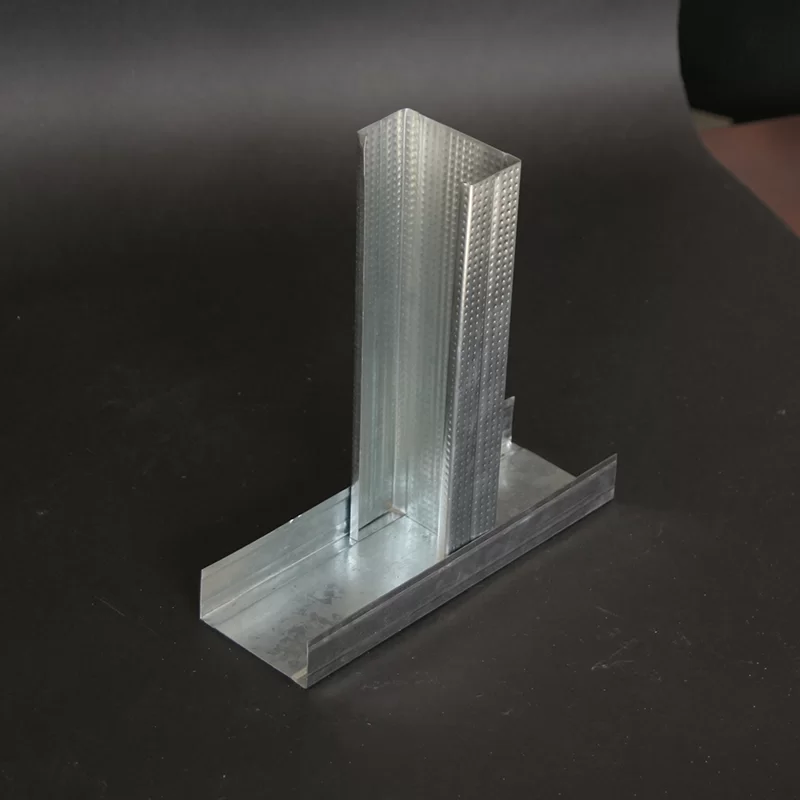
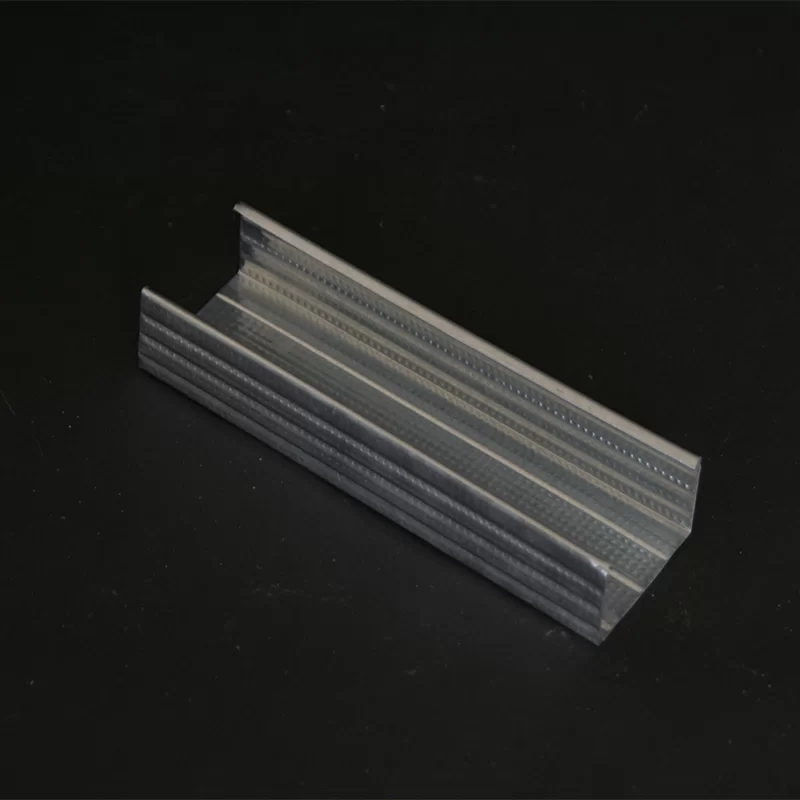
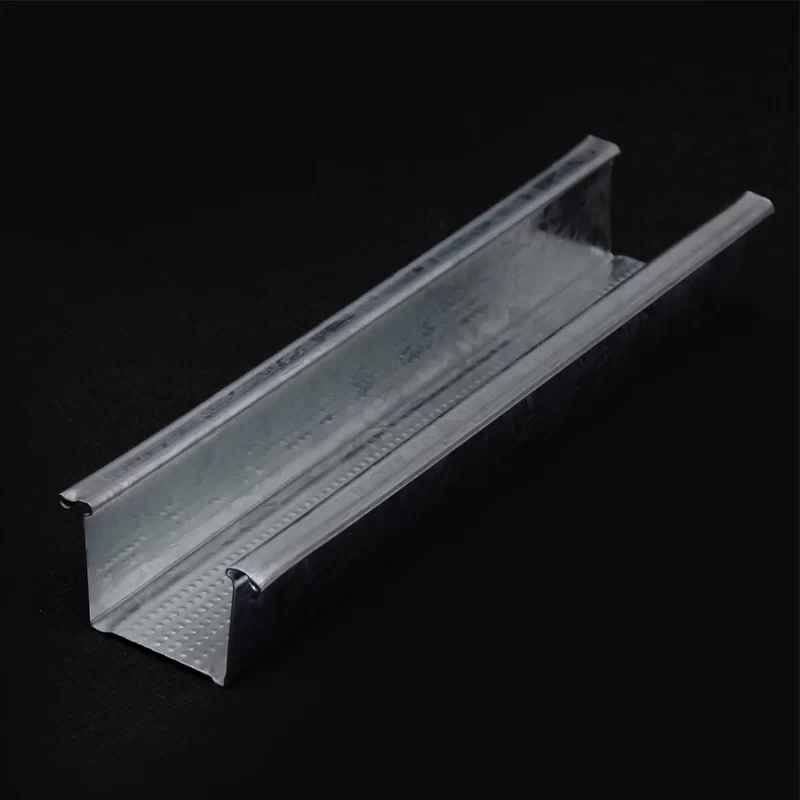
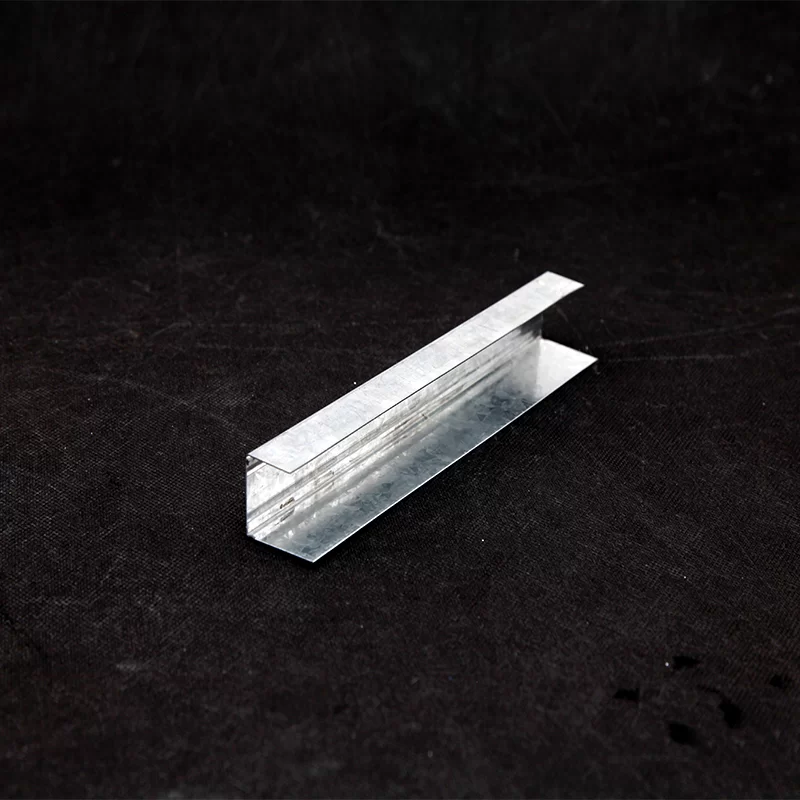
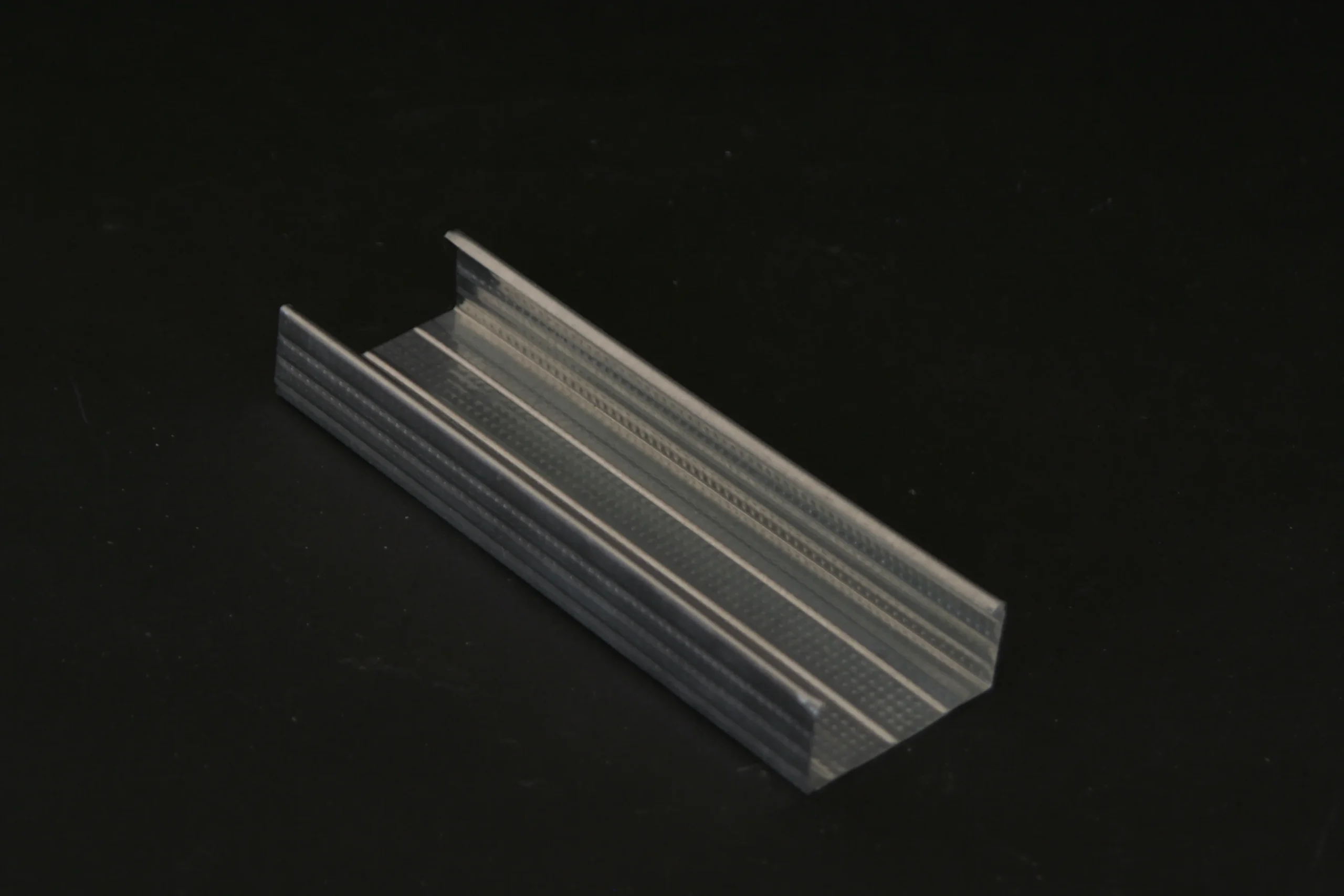
Put simply, drywall metal stud framing is a structural method that uses cold-formed steel studs as a skeleton to support gypsum drywall panels. Instead of wooden beams, builders use galvanized metal studs and tracks to create the internal framework of walls, ceilings, and partitions.
This system is especially popular in commercial and institutional construction but also gaining traction in residential and humanitarian building projects. It connects traditional construction needs with modern industrial efficiency—allowing walls to go up faster and stay resilient against fire, pests, and extreme weather.
Key aspects that make drywall metal stud framing stand out
Durability and Fire Resistance
Unlike wood, metal studs won’t rot, warp, or catch fire easily. That’s why architects usually specify steel framing where longevity and safety are priorities.
Lightweight and Easy to Handle
Metal studs weigh less than lumber, which means easier transportation and less fatigue for workers—often speeding up assembly on tight deadlines.
Scalability and Modularity
Since metal studs come in standard dimensions and are compatible with prefabricated components, they’re ideal for projects that need fast replication or modular design — think hospital expansions or temporary housing during emergencies.
Cost Efficiency Over the Life Cycle
Initial costs might be comparable or slightly higher than wood, but taking into account reduced labor, less maintenance, and recyclability, drywall metal stud framing often proves more economical in the long run.
Environmentally Friendly
Steel from recycled scrap reduces natural resource extraction—a big plus for sustainable building certifications.
Acoustic and Thermal Performance
When combined with proper insulation, metal stud walls help create comfortable indoor environments even in harsh climates.
Mini takeaway: Drywall metal stud framing isn’t just a construction detail — it embodies strength, speed, cost savings, and sustainability all bundled together.
Real-world applications: Where drywall metal stud framing comes alive
This method is everywhere from office skyscrapers in New York to affordable housing in Mumbai, and even makeshift clinics in the Caribbean after hurricanes. Some notable applications include:
- Post-disaster relief: In regions hit by earthquakes, metal framing provides the resilience needed for quick rebuilds that last.
- Commercial construction: High-rises and shopping centers often rely on metal studs for scalable, uniform wall systems.
- Healthcare facilities: Hospitals need fire-resistant, hygienic framing, and steel fits the bill.
- Remote industrial sites: Temporary or semi-permanent buildings benefit from quick assembly and disassembly.
Various government initiatives emphasize speedy, sustainable urban development—metal stud framing slots right into these goals. Organizations such as ISO also provide standards that improve quality and interoperability in construction worldwide.
Mini takeaway: No matter the location or use case, drywall metal stud framing adapts well—proving its versatility beyond what one might expect.
Advantages & long-term value of drywall metal stud framing
The tangible benefits ring clear:
- Cost savings through faster build times and lower labor
- Improved safety and fire resistance bring peace of mind
- Longevity means fewer repairs and replacements
- Eco-friendliness supports corporate social responsibility and green building
- Acoustic and thermal comfort enhance occupant wellbeing
I find it interesting how many engineers mention trust as a subtle but powerful benefit—knowing your framing won’t suddenly fail after a season or two. Plus, stakeholders visibly appreciate the clean, professional look metal studs achieve behind the drywall.
Drywall Metal Stud Framing: Product Specification Table
| Specification |
Typical Range |
Notes |
| Stud Thickness |
0.014 - 0.030 inches (0.35 - 0.76 mm) |
Depends on load requirements |
| Stud Width |
1 5/8” to 6” (41 mm to 152 mm) |
Common sizes for walls and partitions |
| Material |
Cold-formed galvanized steel |
Corrosion resistant |
| Maximum Spacing |
16” to 24” on center |
Depends on drywall type and building code |
| Fire Rating |
Up to 2 hours |
With appropriate assemblies |
Comparing leading drywall metal stud framing vendors
| Vendor |
Product Range |
Sustainability |
Price Level |
Global Reach |
| SteelFrame Pro |
Wide, modular solutions |
Recycled steel, ISO 14001 |
Mid to High |
North America, Europe, Asia |
| BuildMetals Inc. |
Standard studs and fasteners |
Partial recycled content |
Affordable |
Mostly US and Mexico |
| EcoSteel Systems |
Green-certified, lightweight frames |
100% recycled steel |
Premium |
Global |
Looking ahead: What’s next for drywall metal stud framing?
Innovation keeps forging ahead. We’re seeing new galvanized coatings that improve corrosion resistance even further, plus integration with smart building technologies. Picture framing systems embedded with sensors that monitor structural health in real-time—detecting stress, humidity, or potential faults before they become problems.
Material science is also pushing boundaries. Some vendors are exploring ultra-lightweight alloys or hybrid frames combining metal with recycled composites—sort of like the “best of both worlds.” And with green policies gaining traction globally, expect sustainable sourcing and circular economy principles to become the norm.
Challenges to watch — and how experts solve them
No solution is perfect. Drywall metal stud framing can sometimes be misunderstood as cold or “industrial” in feel, which might not suit every designer’s vision. Also, improper installation leads to issues like squeaking or diminished structural integrity.
But advances in modular design kits and better installer training are easing these hurdles. Online tutorials, certification programs, and improved hardware (like vibration-dampening fasteners) boost quality and user confidence. As a result, the practical shortcomings can be minimized significantly.
FAQ: Quick answers to common drywall metal stud framing questions
- Q: How long does drywall metal stud framing last in commercial buildings?
- A: With proper installation and maintenance, metal stud framing can last 50+ years, outperforming traditional wood in durability and requiring less repair.
- Q: Is drywall metal stud framing expensive compared to wood framing?
- A: Initial costs are similar or slightly higher, but faster build times and lower maintenance typically save money over a building’s lifespan.
- Q: Can metal stud framing be used in earthquake-prone areas?
- A: Yes. Lightweight steel framing provides good flexibility and strength, which helps withstand seismic forces better than heavier materials.
- Q: How eco-friendly is drywall metal stud framing?
- A: Steel used is often made from recycled materials, and the system produces less waste onsite compared to wood framing, making it much greener.
- Q: Are there specific building codes for drywall metal stud framing?
- A: Yes. Various codes, including the International Building Code (IBC), specify requirements for metal framing depending on structure type and location.
Conclusion: Building smarter walls for tomorrow’s world
Drywall metal stud framing is more than a technical choice—it’s a versatile solution addressing today’s environmental, economic, and social construction challenges. With its strength, speed, sustainability, and adaptability, it’s poised to become the norm rather than exception, regardless if for commercial towers or humanitarian shelters.
For those eager to implement top-notch drywall metal stud framing solutions, visit our website to explore reliable products and expert support.
References:
- ISO Construction Materials Standards
- UN Sustainable Cities and Communities
- Light Gauge Steel - Wikipedia